A good day trip from Cape Town earns its place on your itinerary by doing one of three things: it shows you a landscape you cannot replicate anywhere else on earth, it slows you down in a way the city refuses to, or it puts you in front of something — a whale, a shark, a lighthouse at the edge of two oceans — that recalibrates your sense of scale. The best ones do all three before lunch.
What makes a day trip work logistically from Cape Town is a combination of distance and infrastructure. The city sits at the end of a peninsula, which means you're always driving, training, or boating your way out of a geographical bottleneck. The N2 and N1 are efficient but unforgiving during peak season. The suburban rail network — the Metrorail — is cheap and scenic but requires planning and realistic expectations about punctuality. And a handful of boat operators run routes that no road can replicate.
I've organised these ten trips by how you get there, because that decision shapes your entire day. Choosing wrong means you spend three hours in traffic instead of an hour on a train watching the False Bay coastline unspool beside you. Choose right, and the journey is already half the point.
At a glance
- Boulders Beach shows off Cape Town's landscapes: the False Bay run that earns its ticket price
- La Montagna della Tavola: Un Paradiso Naturale a Città del Capo: the hike you keep putting off
- Dylan Lewis Sculpture Garden: the six acres in Stellenbosch nobody on the wine trail finds
- Itinerario perfetto Stellenbosch con AI nel 2026: the wine capital that rewards a slow morning
- Elgin Valley: Un Paradiso per gli Amanti del Vino: the apple country that also makes serious wine
- Franschhoek: Il Paradiso dei Vini in Sudafrica: the valley that takes lunch seriously
- Weekend a Hermanus con Secret World: the whale-watching town that works as a day trip if you start early
- Scopri il Faro di Danger Point: Un Tesoro del Sudafrica: the lighthouse that marks where the Birkenhead went down
- Cape Agulhas: Il Faro del Punto Estremo dell'Africa: the end of the continent, and how to get there without wasting the day
- Cage diving with Great White sharks in South Africa: the Gansbaai trip that requires a very specific kind of commitment
Boulders Beach shows off Cape Town's landscapes: the False Bay run that earns its ticket price
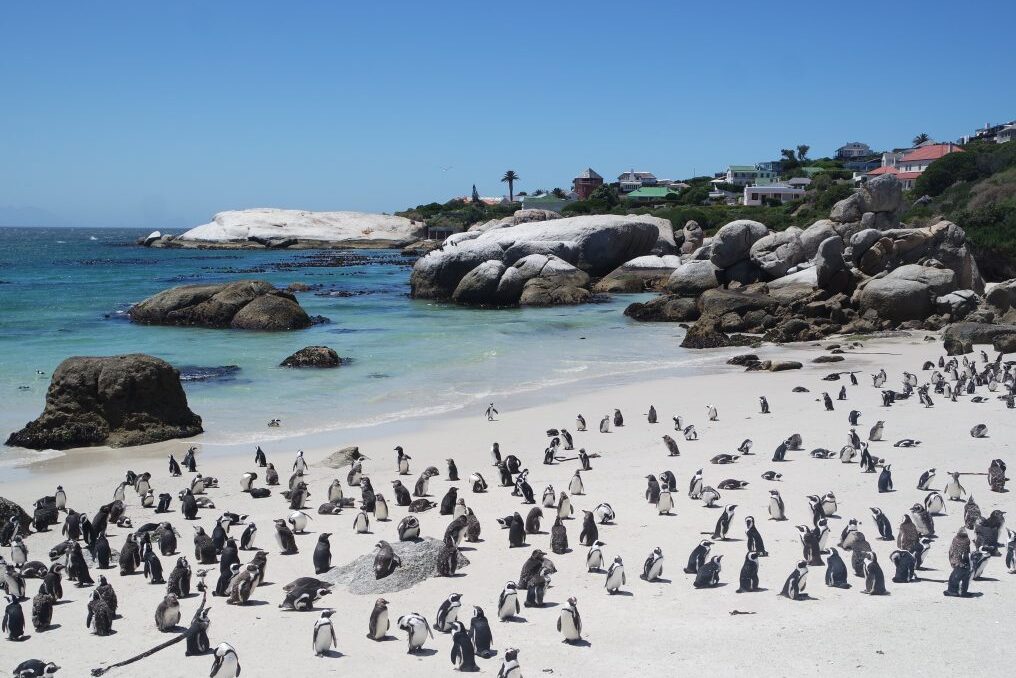
Boulders Beach itself sits about 17 miles south of Table Mountain on the False Bay coastline, and the reason people make the trip is a colony of African penguins that have made the granite boulder formations their permanent residence. You can walk the boardwalk through the colony, swim in the sheltered cove beside them, and spend a genuinely odd hour watching animals that seem entirely unbothered by your presence. Also worth doing: walk up to Simon's Town's Victorian main street, look around the South African Naval Museum, and give yourself time at the end of the boardwalk where the boulders thin out and the bay opens up.
Insider tip
Trains run roughly every 30–40 minutes from Cape Town Central, but the first departure around 06:00 is the one to take in summer. By 10:30 the beach is busy and the penguins retreat behind the rocks. Check the Metrorail Western Cape schedule the evening before — cancellations happen, and you want a backup plan involving the MyCiTi bus network if they do.
La Montagna della Tavola: Un Paradiso Naturale a Città del Capo: the hike you keep putting off

You can take the aerial cableway from the lower cable station off Tafelberg Road, or hike one of several routes — Platteklip Gorge is the most direct, roughly 2–3 hours up, well-marked, and busy enough that you won't feel isolated. On the summit, walk the full length of the plateau if weather allows, check in at the café, and look for the endemic fynbos species that grow nowhere else on earth. The descent by cable car as the sun drops toward the Atlantic is the kind of thing that makes you understand why people move here.
Insider tip
The cableway closes in high wind without warning, and the mountain generates its own weather fast. Check the official Table Mountain Aerial Cableway website the morning of your visit — they post operational status by 07:00. If the 'tablecloth' cloud is forming over the summit before 09:00, go somewhere else and come back tomorrow. Parking at the lower cable station fills by 09:30 in peak season; take an Uber or the City Sightseeing bus from the V&A instead.
Dylan Lewis Sculpture Garden: the six acres in Stellenbosch nobody on the wine trail finds
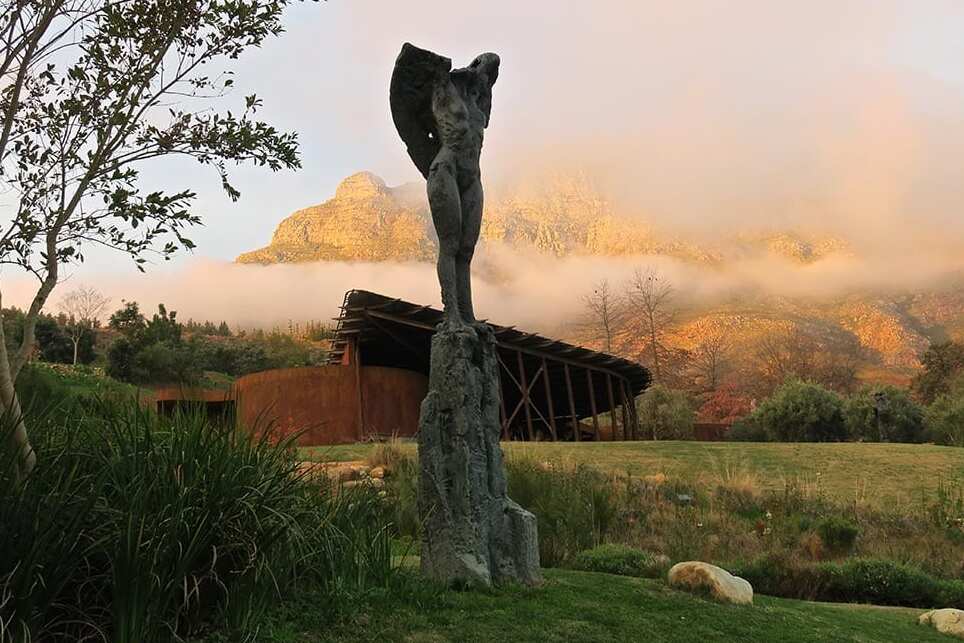
The garden covers six acres and displays more than 60 large-scale bronze sculptures by Dylan Lewis, one of South Africa's most significant contemporary sculptors. His work is preoccupied with transformation — human figures in states of becoming animal, animal forms dissolving into abstraction — and the mountain backdrop gives the pieces a spatial weight that a gallery would kill. Walk the full trail, which takes about 90 minutes at a proper pace. Book a guided tour if you can, because the context Lewis brings to individual pieces changes what you see. Pair it with a single estate visit in the afternoon rather than trying to do both the full wine trail and the garden in one day.
Insider tip
The garden is not on most Stellenbosch itinerary apps and doesn't appear prominently on Google Maps searches for the area. Book your entry ticket in advance through their website — capacity is managed and weekend slots fill up. It sits on Weltevreden Road; your GPS will find it, but allow extra time if you're coming from the R44 wine route direction.
Itinerario perfetto Stellenbosch con AI nel 2026: the wine capital that rewards a slow morning
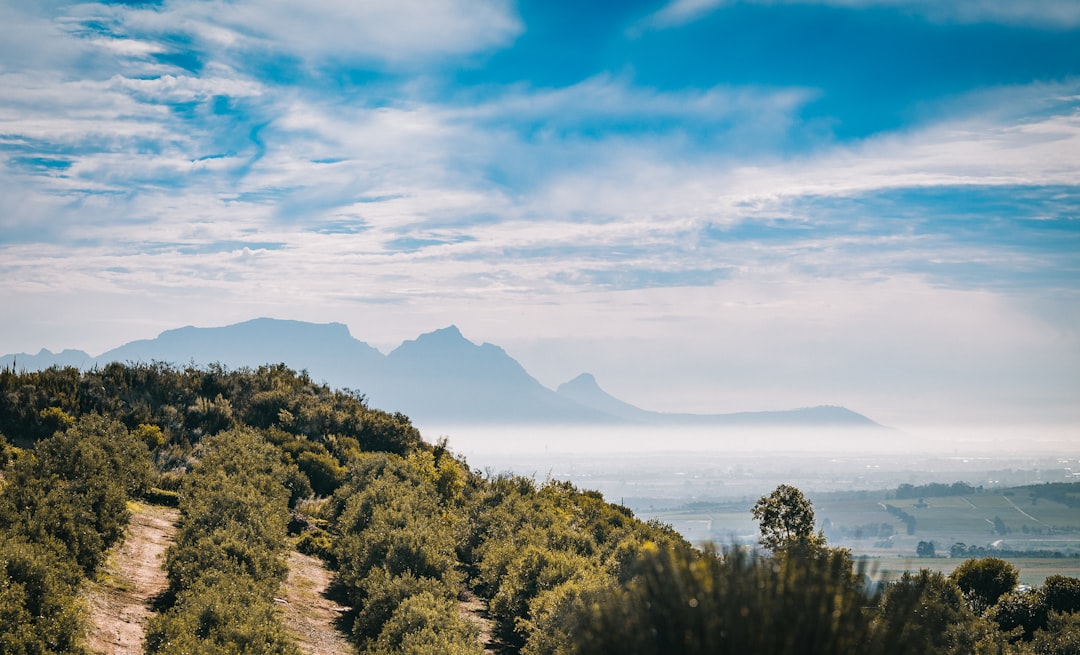
The wine estates surrounding Stellenbosch are numerous enough that picking three and doing them properly is more satisfying than rushing through six. The Stellenbosch Wine Route is one of the oldest and most developed in the country. Walk Dorp Street in the morning before the tour buses arrive, visit the Stellenbosch University Botanical Garden, and stop at the Village Museum complex, which preserves four historic houses from different periods of the town's development. If you're driving, you need a designated non-drinking driver or a plan involving a wine tour operator who handles transport — the roads between estates are policed and the fines are serious.
Insider tip
Arrive in Stellenbosch before 09:30 if you want to park easily and walk the town before the wine tourists take over. The municipal parking garage near the Braak (the town square) is your best option. Most estates open for tastings at 10:00; booking ahead is essential on weekends from November through February. If you're relying on a driver, several Cape Town-based operators run day trips that include transport and two or three estate visits for a fixed price — worth comparing against the cost of a taxi service.
Elgin Valley: Un Paradiso per gli Amanti del Vino: the apple country that also makes serious wine
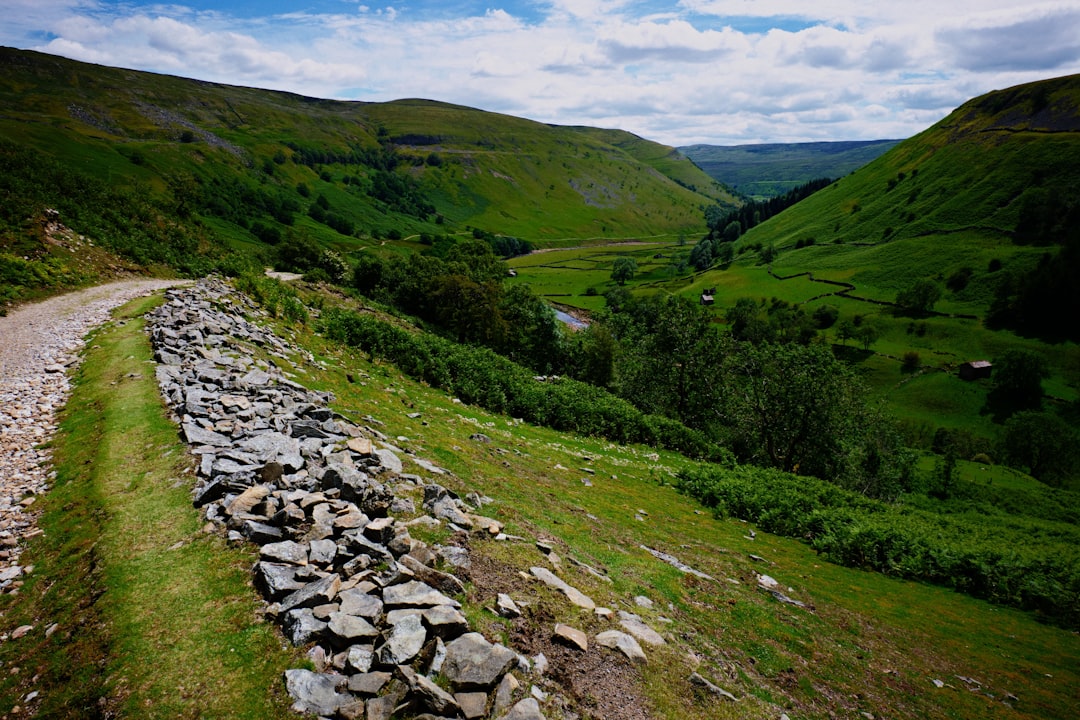
The estates here are smaller and less visited than those around Stellenbosch, which is either a drawback or the entire reason to go, depending on your tolerance for crowds. Walk through an orchard if the season allows, do a tasting at one of the boutique cellars in the Grabouw area, and take the time to drive the back roads through the valley rather than staying on the N2. The landscape — mountain backdrop, fruit orchards, vineyards — has a scale that the more developed wine routes have partially traded away for infrastructure.
Insider tip
The apple harvest runs roughly February through April, and the valley is at its most visually productive then. Winter (June–August) is quieter and some smaller estates reduce hours or close for maintenance — call ahead. The drive over Sir Lowry's Pass can be slow behind trucks; leave Cape Town before 08:00 to avoid the morning freight traffic and to get the pass view in good morning light.
Franschhoek: Il Paradiso dei Vini in Sudafrica: the valley that takes lunch seriously
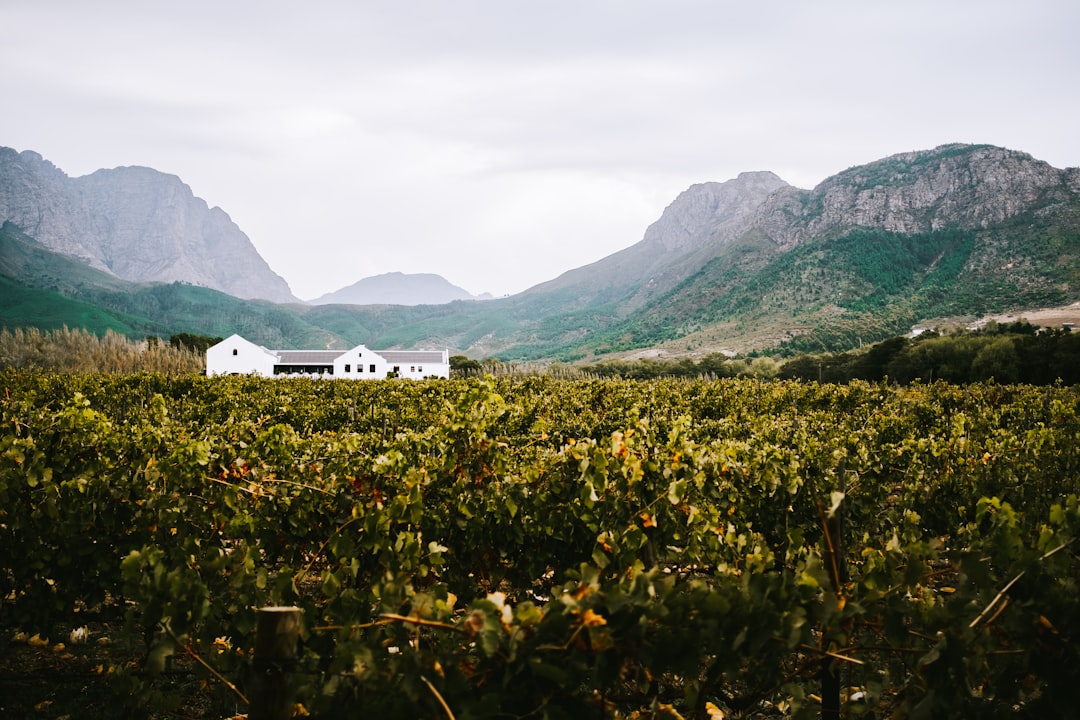
The Franschhoek Wine Tram is a hop-on hop-off tram and bus combination that loops through the valley's estates and solves the driving problem neatly — book it in advance because it sells out on weekends. Walk the main street (Huguenot Road), visit the Huguenot Memorial Museum, and if your budget allows, book a table at one of the valley's restaurants for lunch — Franschhoek has a concentration of serious kitchens that is disproportionate to its size. The surrounding mountains close in on the valley in a way that gives it a contained, almost theatrical quality.
Insider tip
The Wine Tram books out weeks in advance in December and January. If you miss it, the valley is compact enough to navigate by bicycle — several rental shops operate on the main street. Arrive in the valley by 09:30 to walk the town before the day-trippers from Cape Town arrive around 11:00. Parking on Huguenot Road is free but limited; the municipal lot behind the tourist office handles the overflow.
Weekend a Hermanus con Secret World: the whale-watching town that works as a day trip if you start early
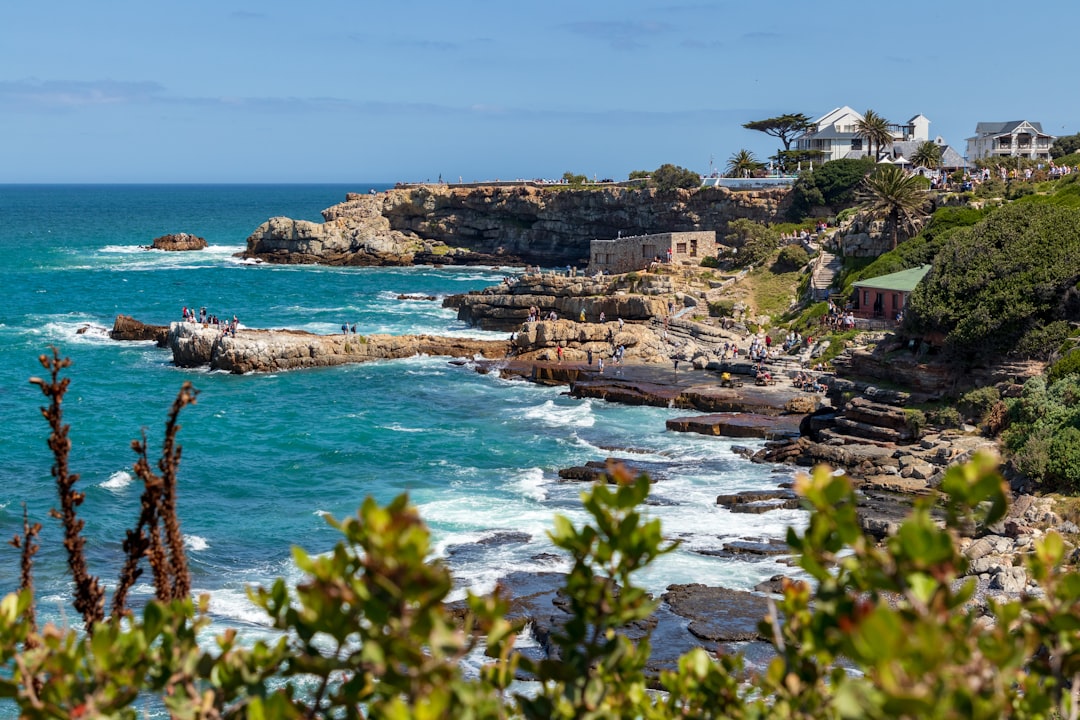
The town itself is small enough to walk in an afternoon. Do the cliff path from New Harbour to Grotto Beach — the full stretch is about 12 kilometres but you can cut it shorter. Stop at the Old Harbour Museum in the historic fishing harbour. In whale season, the whales come close enough to the cliffs that watching from land is genuinely competitive with boat-based viewing. Outside whale season, the bay is quieter but the cliff path and the surrounding fynbos landscape justify the drive.
Insider tip
Leave Cape Town no later than 07:30 to arrive before the day-trip coaches from the city, which typically reach Hermanus by 10:30. The R43 through Bot River is the standard route; the alternative via Kleinmond adds 20 minutes but the coastal road section is worth it if you're not in a hurry. Parking in the town centre is metered and fills fast in whale season — the lot near the Old Harbour is your best option.
Scopri il Faro di Danger Point: Un Tesoro del Sudafrica: the lighthouse that marks where the Birkenhead went down

The lighthouse is open to visitors and you can climb it for views over Walker Bay and the surrounding coastline. The area around Danger Point is also part of the broader Gansbaai coastline, which means the drive along the R43 through Hermanus and onward gives you a substantial stretch of Western Cape coastal scenery. Combine it with a stop in Hermanus on the way out or back to make the distance feel earned rather than excessive.
Insider tip
Opening hours at the lighthouse can be irregular — contact the Gansbaai tourism office or the South African Lighthouse Authority before making the trip, particularly outside peak season. The road from Gansbaai to Danger Point itself is a gravel track for the last few kilometres; a standard sedan handles it fine in dry conditions but check after heavy rain. Combine this with the shark diving entry below if you're already making the Gansbaai trip.
Cape Agulhas: Il Faro del Punto Estremo dell'Africa: the end of the continent, and how to get there without wasting the day
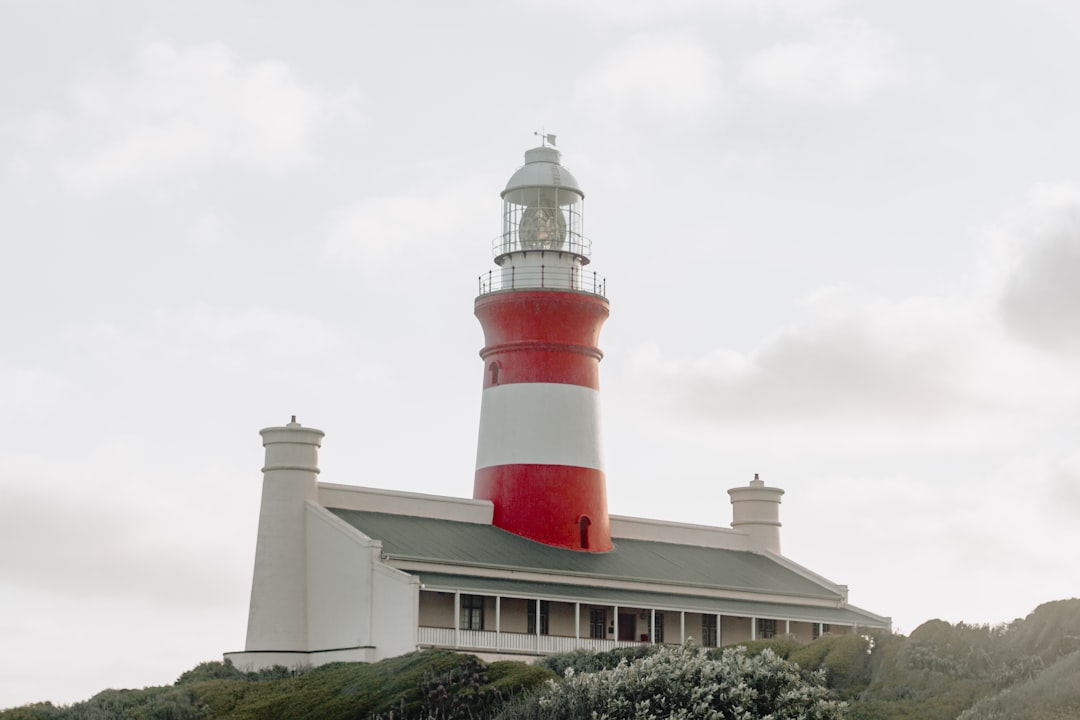
This is the longest day trip on this list and it demands an early start. Leave Cape Town by 06:30, drive to the cape, walk the rocky shoreline to the official southern tip marker, visit the lighthouse, and give yourself time at the small coastal town of Struisbaai nearby before the return drive. The landscape around Agulhas is flat, windswept, and treeless in a way that feels genuinely remote — it's not the dramatic clifftop scenery of the Cape Peninsula, but the sense of being at an extreme geographical point has its own weight. The drive back via Bredasdorp and the R316 is straightforward.
Insider tip
This is a full-day commitment — budget 5–6 hours of driving total. The wind at the cape is often strong enough to make standing at the point an athletic experience; bring a proper jacket regardless of the season. The Agulhas National Park charges an entry fee; check current rates with SANParks before you go. Fuel up in Bredasdorp on the way down — options near the cape itself are limited.
Cage diving with Great White sharks in South Africa: the Gansbaai trip that requires a very specific kind of commitment
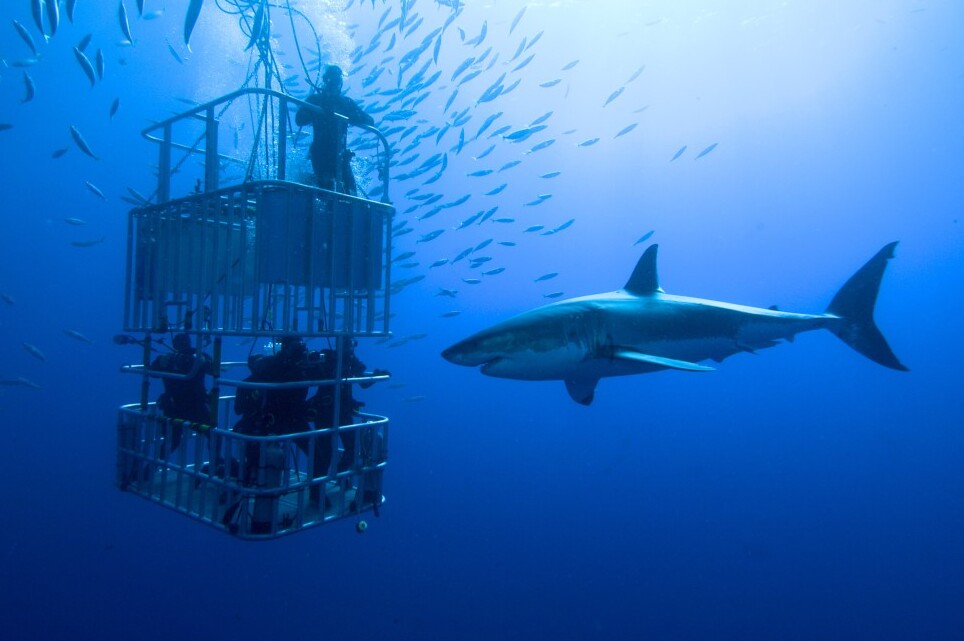
The boat trip itself takes about 45 minutes each way to reach the dive site. Time in the water varies by operator and by shark activity on the day — some mornings the sharks are present immediately, some mornings you wait. Operators are required to hold permits and follow regulations about chumming and baiting; the industry is more tightly regulated than its early years. Book with an established operator, read their safety briefing carefully, and understand that seasickness is a real possibility — the crossing to Shark Alley can be rough, particularly in winter when the shark activity is often highest.
Insider tip
Most operators run early morning departures from Gansbaai harbour, which means leaving Cape Town by 05:30–06:00 to arrive on time. Book well in advance in peak shark season (June–September). If you're prone to seasickness, take medication the night before and again in the morning — the crew will tell you the same thing. Combine with the Danger Point lighthouse visit on the same day if you want to make the two-hour drive fully worthwhile.
There is a version of a Cape Town trip where you never leave the city bowl and you come home with photographs of Table Mountain from every possible angle and a sunburn from Camps Bay. That trip is fine. The city is genuinely worth several days of close attention.
But the Western Cape is not Cape Town. It is a region of extraordinary geographical variety compressed into a drivable, trainable, boatable radius, and the ten trips above represent the honest range of what that radius contains — from penguins on a suburban train line to a lighthouse at the literal end of a continent. None of them require more than a day. All of them change the shape of what you think you came here for.
The practical truth is that most of these trips are better on a weekday. The roads are quieter, the wine estates have time for you, the cliff paths at Hermanus are yours. If your itinerary gives you any flexibility on timing, use it. The Western Cape on a Tuesday morning in October is a different place from the same geography on a Saturday in January, and the difference is entirely in your favour.
But the Western Cape is not Cape Town. It is a region of extraordinary geographical variety compressed into a drivable, trainable, boatable radius, and the ten trips above represent the honest range of what that radius contains — from penguins on a suburban train line to a lighthouse at the literal end of a continent. None of them require more than a day. All of them change the shape of what you think you came here for.
The practical truth is that most of these trips are better on a weekday. The roads are quieter, the wine estates have time for you, the cliff paths at Hermanus are yours. If your itinerary gives you any flexibility on timing, use it. The Western Cape on a Tuesday morning in October is a different place from the same geography on a Saturday in January, and the difference is entirely in your favour.


