10 Best Day Trips from Dubrovnik — by train, car, and boat
A working guide to getting out of the old city walls and actually seeing the region
L
Words by
Lena Hofmann
Updated
22 October 2026
Read time
12 minutes
Includes
10 places · interactive map
Let me be direct with you: Dubrovnik is a city that eats itself. By 10am in July, the Stradun is a slow-moving river of people, the cable car queue stretches forty minutes, and the restaurants inside the walls are charging twice what they're worth. I've spent more mornings than I can count watching cruise passengers funnel through the Pile Gate and thinking: there has to be a better use of this day. There is. The Adriatic coast, the Bay of Kotor, the Pelješac peninsula, and the islands within reach of Dubrovnik form one of the most varied day-trip menus in southern Europe — medieval walls, Benedictine monasteries on lake islands, Montenegrin baroque villages, Adriatic fortress islets. The problem is that most visitors either don't leave at all, or they book a bus tour that deposits them somewhere for forty-five minutes and calls it an excursion. Neither approach works. A good day trip from Dubrovnik requires three things: honest travel time (not the optimistic version), a clear reason to go, and a plan for what to do once you arrive. The entries below are structured around transport mode because that is the actual decision you face each morning — do I have a car, can I get a ferry, is there a bus or train? I've done every one of these routes multiple times, in different seasons, by different means. I'll tell you where the parking is actually possible, which ferries fill up, and when the crowds arrive so you can be somewhere else when they do. Pick one destination per day. Do it properly.
Ston sits at the base of the Pelješac peninsula, roughly 55km northwest of Dubrovnik, and on a clear run it takes about 45 minutes by car — less if you use the Pelješac Bridge, which has changed the geometry of the whole region. Before the bridge, reaching Pelješac meant crossing through Bosnia-Herzegovina at Neum, a border crossing that could cost you an hour. Now you drive straight through. Ston's claim to fame is its medieval defensive walls, which run for several kilometres across the hillside connecting Ston to Mali Ston — a fortification system that rivals anything in the region for sheer ambition. The Republic of Ragusa built these walls to protect its salt pans, which were among the most valuable commercial assets on the Adriatic. Walk the full circuit of the walls early — the path is exposed and gets hot fast. Then drop into Mali Ston's harbour, wander the salt pans (still operational), and look at the Rector's Palace, a small but well-preserved civic building. The town itself is quiet and genuinely local in a way that Dubrovnik's old city no longer is.
Insider tip
Start the wall walk by 8am if you're visiting in summer. The upper sections have no shade whatsoever and by 11am the stone radiates heat back at you. Parking is free and easy on the main road into town — don't overthink it.
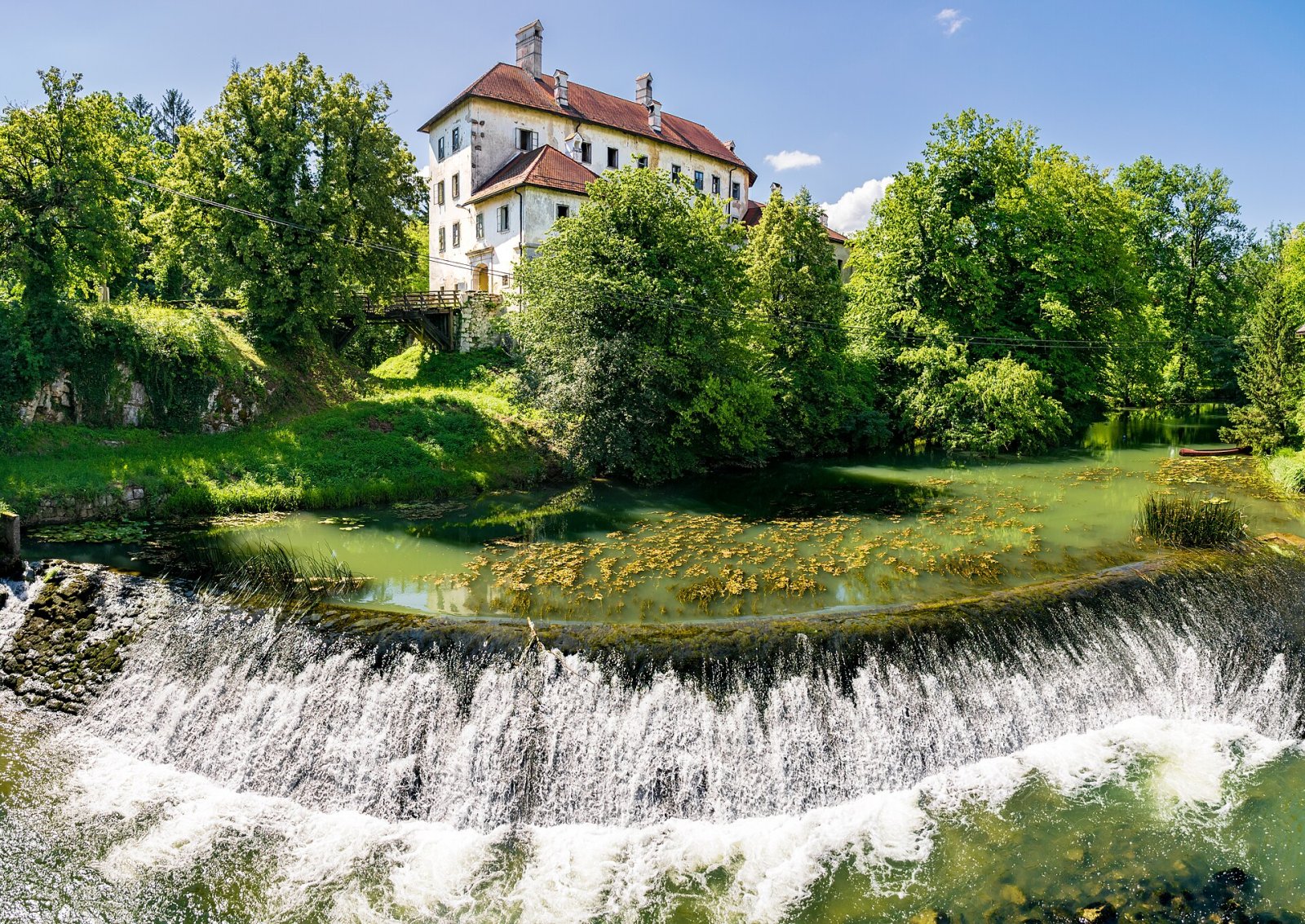
Gradac is a small municipality in southern Dalmatia, about 33km from Dubrovnik's centre, making it one of the closer options on this list. It sits on the coast where the Dalmatian landscape starts to soften — the karst is still present but the pine-covered shoreline feels less dramatic and more approachable than the cliffs further south. The drive takes around 35-40 minutes depending on traffic through Dubrovnik's outskirts. What Gradac offers that the bigger destinations don't is scale: it's small enough that a morning here feels unhurried. The beach is long, pebbly in the Croatian fashion, and backed by pine trees that provide actual shade — a rarity on this coast. Walk the shoreline path north from the main beach, which winds through the pines and offers views back toward the Neretva delta. The town itself has a simple promenade and a handful of local cafes. This is not a destination for monuments; it's a destination for breathing. Come here when you need a day that isn't structured around queuing.
Insider tip
The beach fills up by midday in peak season, but the northern end of the pine-backed path stays relatively quiet all day. If you're driving, the small car park near the beach fills fast — arrive before 9:30am or park on the approach road and walk ten minutes.
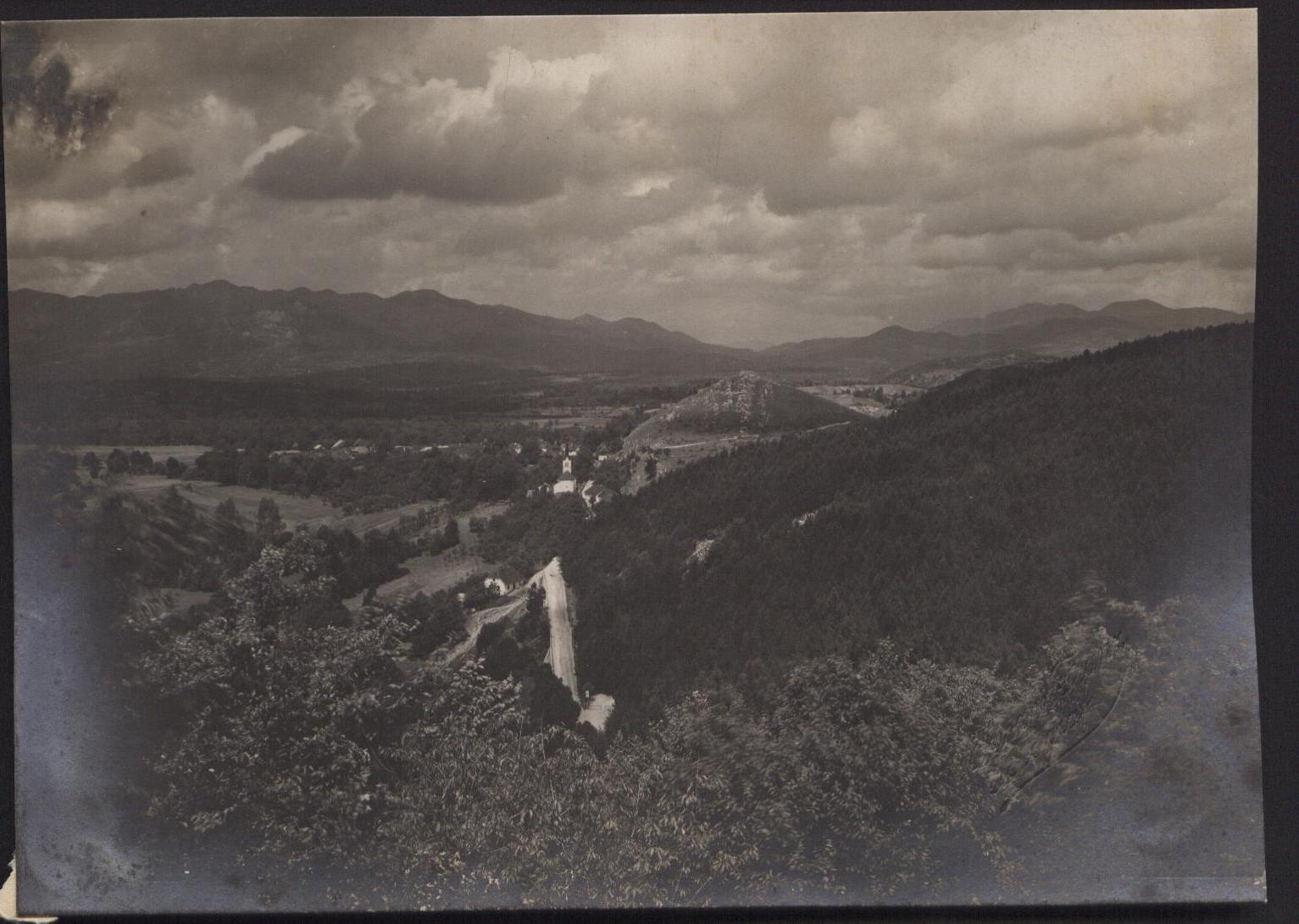
Sovic is an unusual entry on a coastal day-trip list, and that's precisely why it earns its place. Situated about 33km from Dubrovnik's centre — which means crossing into Montenegro, so bring your passport — this small mountain locality sits in a landscape that feels genuinely removed from the Adriatic tourist circuit. The drive involves the border crossing at Debeli Brijeg (allow 20-40 minutes at the border, longer in summer) and then a climb into terrain that rewards the effort. The air changes noticeably as you gain altitude. This is a destination for walkers and people who want to understand what the Montenegrin interior looks like away from the bay towns. The paths around Sovic move through forest and open karst, with views that extend back toward the coast on clear days. There are no major monuments here — the attraction is the landscape itself and the quiet that comes with it. Bring water, wear proper shoes, and don't expect tourist infrastructure. That absence is the point.
Insider tip
Check the border crossing situation before you go — wait times vary enormously by season and day of the week. Weekday mornings are consistently faster than weekend afternoons. Montenegro uses the euro, so no currency exchange needed.
Mljet is the day trip that most consistently delivers what it promises, which is not something you can say about many places on this coast. The island is reached by ferry or catamaran from Dubrovnik's port — the catamaran takes around 1 hour 45 minutes to Polače, which is the best arrival point for the national park. The Monastery of St. Mary, built by Benedictines in the 12th century in the Romanesque style, sits on a small islet inside the saltwater lake of Veliko Jezero — a lake that is itself inside the island. The logic of this geography takes a moment to absorb. You reach the monastery by a small rowboat or paddleboat from the lake shore. The building is compact and weathered, its stonework honest in the way that 12th-century construction tends to be. After visiting the monastery, walk the path around Veliko Jezero — it takes about two hours and the lake reflections in the morning light are worth the early ferry. Rent a bicycle in Polače to cover more of the national park.
Insider tip
The first catamaran from Dubrovnik's port leaves early — check the current Jadrolinija schedule and book in advance in July and August. The last return is not late, so time your lake walk carefully or you will be spending an unplanned night on Mljet, which is not the worst outcome but probably not your plan.
5Castle and fortress· 47.5 km
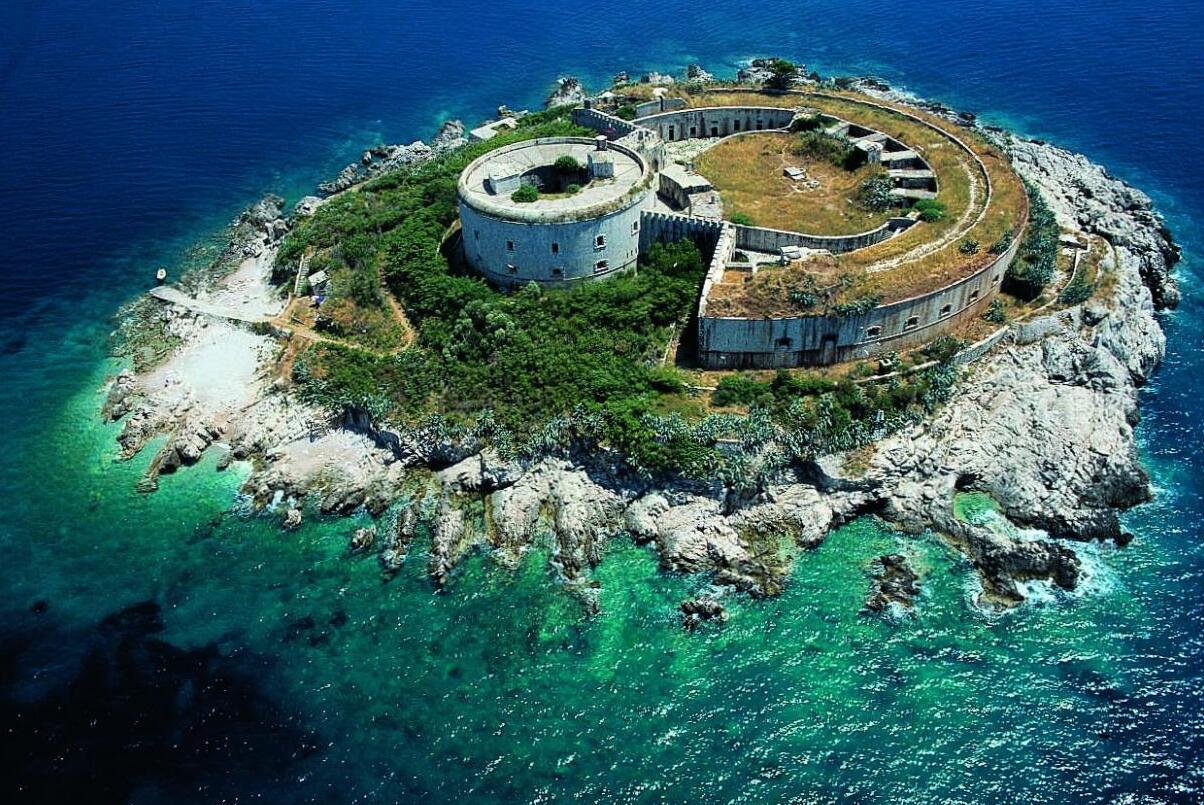
Mamula is a circular islet in the Adriatic sea — a fortress with a complicated history
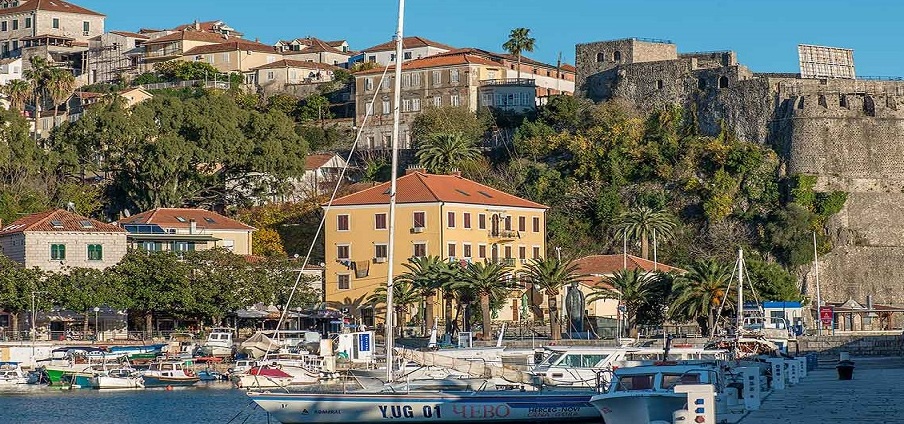
Mamula — also known as Lastavica in Slavic, or Rondina in the Venetian tradition — is a small circular island in the Adriatic, roughly 47km from Dubrovnik, sitting at the mouth of the Bay of Kotor. It's most practically reached by boat from Herceg Novi or from organised excursions departing Dubrovnik. The island is dominated by a 19th-century Austro-Hungarian fortress that occupies most of its surface area, built in a circular pattern that mirrors the island's own shape. The fortress has a heavy history — it was used as a concentration camp during the Second World War — and that weight is present when you walk through it, or it should be if you know what you're looking at. The views from the fortress walls back toward the bay entrance and the open sea are the best argument for making the trip. The island is small enough that you can walk the perimeter in under an hour. Snorkelling around the base of the walls is possible and the water clarity here is exceptional.
Insider tip
Mamula is often combined with Herceg Novi as a single day's itinerary — take a morning boat to the island, return to Herceg Novi for the afternoon. Confirm boat schedules locally as they vary by season and operator.
6Historic town· 41.8 km
Herceg Novi in Montenegro — the town that changes character every few blocks
Herceg Novi sits about 42km from Dubrovnik and is reachable by car in roughly an hour including the border crossing, or by organised boat excursion. Founded in 1382 by the Bosnian King Stjepan Tvrtko I as a fortress settlement — originally called Sveti Stefan or Castelnuovo — the town carries visible layers of Venetian, Ottoman, and Austro-Hungarian influence in its architecture, which makes walking through it feel like a compressed history lesson. The old town climbs steeply from the waterfront, and the steps between levels pass through distinct architectural eras. The Kanli Kula fortress at the top of the old town offers a broad view of the bay entrance and, on clear days, back toward the Croatian coast. The seafront promenade is long, palm-lined, and much more relaxed than anything you'll find in Dubrovnik at the same time of year. Spend the morning in the old town, then walk the promenade south toward the Savina Monastery, a functioning Orthodox monastery with a well-kept garden.
Insider tip
If you're driving, parking in Herceg Novi's old town area is genuinely difficult. Use the car park near the bus station on the upper road and walk down — it's a ten-minute descent and saves significant frustration. The border at Debeli Brijeg is the closest crossing from Dubrovnik.
7Religious and historical site· 45.6 km
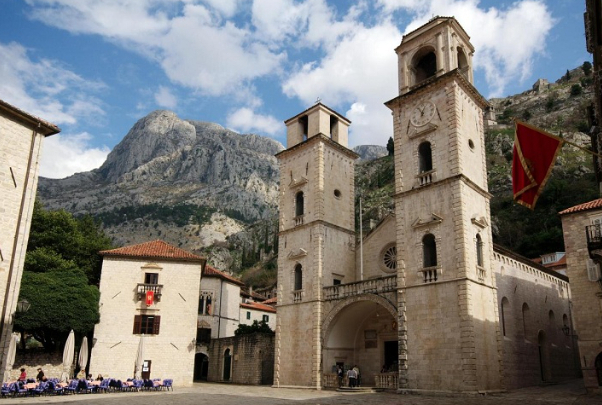
The Cathedral of Saint Tryphon in Kotor — the building that anchors the old city
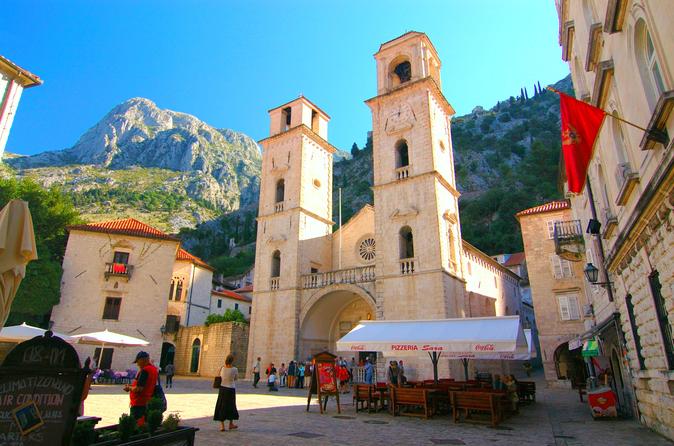
Kotor's Cathedral of Saint Tryphon is one of two Roman Catholic cathedrals in Montenegro, built in honour of Saint Tryphon — known locally as Sveti Tripun — the patron and protector of the city. The cathedral's Romanesque facade, with its two asymmetrical bell towers, is the visual anchor of Kotor's old town square and has been so since the medieval period. Kotor itself sits about 46km from Dubrovnik — the drive takes roughly 1 hour 15 minutes including the border — and the old town is a UNESCO-listed walled city that is compact enough to cover thoroughly in half a day. Inside the cathedral, the treasury contains reliquaries and ecclesiastical art that represent the depth of Kotor's medieval maritime connections. After the cathedral, climb the city walls to the fortress of St. John above — the ascent takes 30-40 minutes and the view of the bay from the top gives you the geography of the entire region in a single glance. The old town's streets are narrow and largely car-free.
Insider tip
Kotor's old town fills with cruise passengers between 10am and 3pm. Arrive before 9am — the cathedral is open early and the square is a different place before the crowds arrive. The wall climb is also far more pleasant in the morning cool.
8Historic town· 45.6 km
In the one of the most beautiful bay of the world, Kotor — the town beyond the cathedral
This entry is deliberately paired with the Cathedral entry because Kotor as a whole deserves more than a single monument focus. The old town of Kotor sits at the foot of Mount Lovćen, pressed into the deepest corner of the Bay of Kotor — a fjord-like inlet that is technically a submerged river canyon, not a true fjord, but the visual effect is similar. The town's cultural heritage is layered: it was Venetian for centuries, then briefly French, then Austro-Hungarian, and its architecture reflects all of these periods without being dominated by any single one. Beyond the cathedral, walk to the Church of Saint Luke (one of the oldest in the city), find the Clock Tower in the main square, and walk the full circuit of the old town walls at ground level before deciding whether to climb. The cat population of Kotor is famously large and the cats are famously indifferent to tourists, which makes them the most authentic residents of the old town.
Insider tip
The drive from Dubrovnik to Kotor along the bay road — rather than the inland route — adds time but gives you the bay views that justify the trip. Take the coast road at least one way. The tunnel under Mount Lovćen is faster but offers nothing.
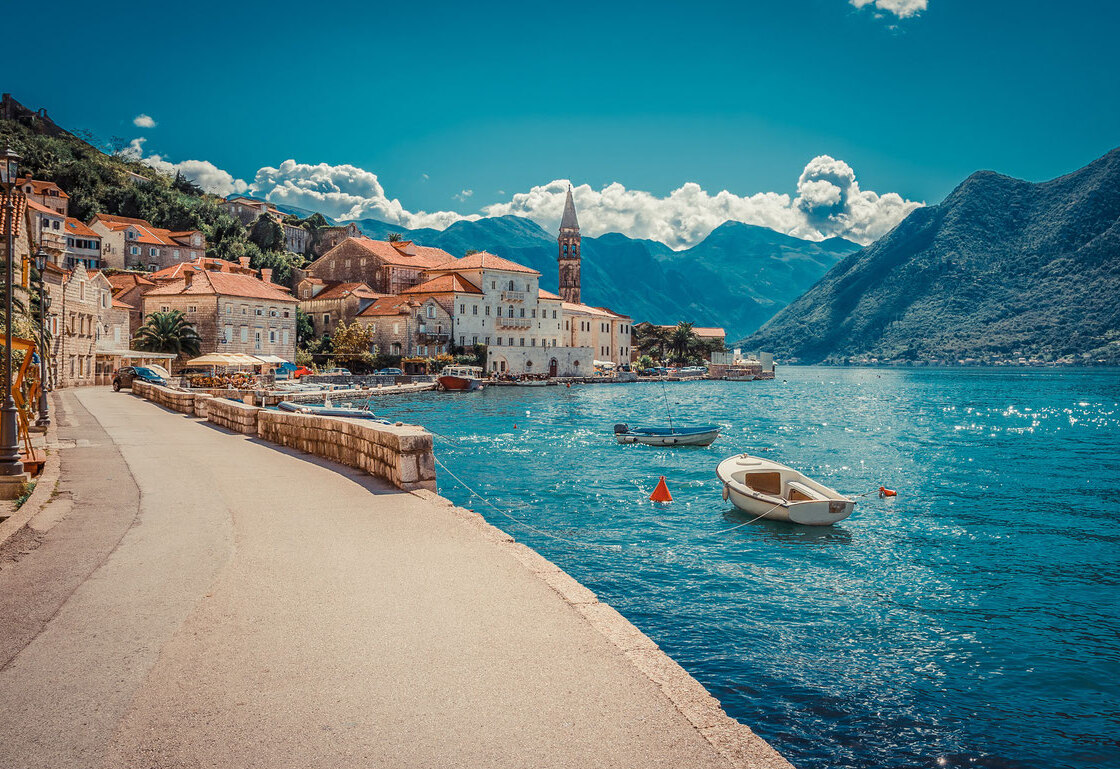
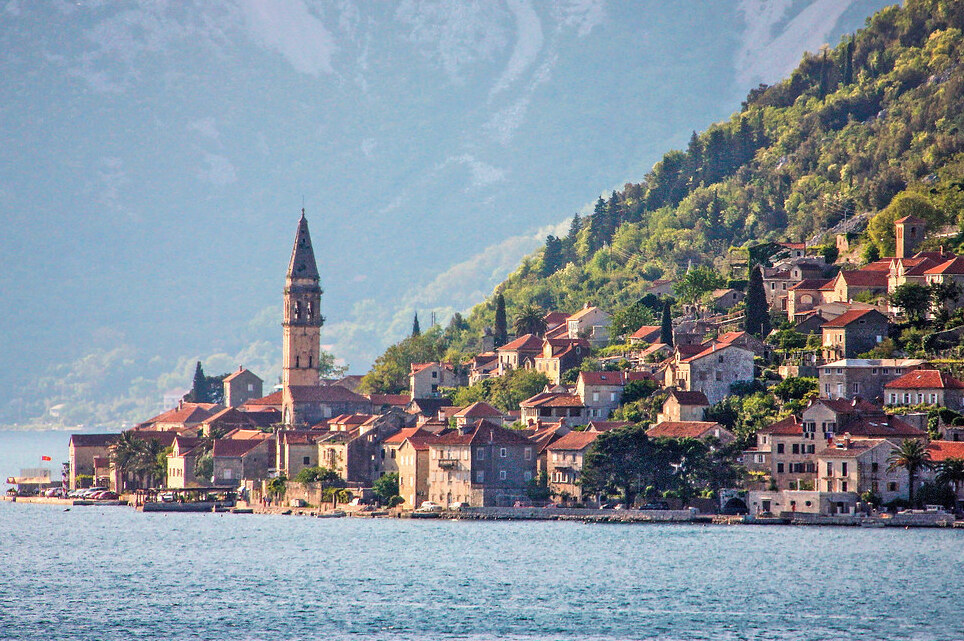
Perast sits just north of Kotor on the inner bay, about 54km from Dubrovnik, and it is the kind of place that makes you understand why people use the word 'preserved' about towns — not because it's been restored or curated, but because not enough happened here to destroy it. The village is tiny: a single main street along the waterfront, a collection of baroque palaces built by sea captains who made fortunes in the 17th and 18th centuries, and two small islands visible from the shore. One of those islands holds the Church of Our Lady of the Rocks, which was built on an artificial island that local sailors expanded over centuries by dropping stones into the water whenever they passed. The other island holds the Benedictine monastery of St. George. You reach Our Lady of the Rocks by a short boat taxi from the Perast waterfront — the crossing takes five minutes and runs frequently. The church interior is covered in votive paintings left by sailors. The village itself is best explored slowly, on foot, without a plan.
Insider tip
Perast is most easily visited as an add-on to Kotor — it's 12km north along the bay road. If you're driving, note that parking in Perast is extremely limited. Arrive before 9am or after 4pm. The boat taxis to Our Lady of the Rocks run throughout the day but confirm the last return time before you cross.
This entry appears in the source list as a distinct record from the earlier Cathedral of Saint Tryphon entry, and there is a practical reason to treat it separately: the cathedral rewards two visits at different times of day. The building's Romanesque facade reads differently in morning light versus afternoon, and the interior is worth entering twice — once quickly on arrival to orient yourself, and once slowly with the treasury in focus. The Cathedral of Saint Tryphon in Kotor is one of two Roman Catholic cathedrals in Montenegro, a fact that speaks to the historical complexity of a region that has been Catholic, Orthodox, and Ottoman in succession. The relics of Saint Tryphon, housed in the cathedral, were brought to Kotor in 809 AD according to local tradition, and the cathedral built in his honour became the spiritual and civic centre of the medieval city. If you're spending a full day in Kotor rather than a half-day, returning to the cathedral in the late afternoon — when the cruise crowds have left and the light comes through the western windows — is a genuinely different experience.
Insider tip
The cathedral charges a small entrance fee for the treasury, which is worth paying. Photography inside is permitted but flash is not — bring a camera that handles low light, or simply put the camera away and look at the reliquaries directly. That is also an option.
I've made every mistake there is to make on day trips from Dubrovnik: left too late, underestimated the border, booked the wrong ferry, arrived at the walls at noon in August. The trips that worked were the ones where I treated the logistics as the first half of the experience rather than an inconvenience to get through. The Bay of Kotor rewards early starts. Mljet rewards advance ferry bookings. Ston rewards walking before the heat arrives. None of these places are substitutes for each other — the Benedictine monastery on its lake island is a completely different proposition from the fortress walls of Ston, which are a completely different proposition from the baroque palaces of Perast. That variety is the actual argument for leaving Dubrovnik. The city is worth your time. So is everything around it. The question is whether you're willing to plan carefully enough to access both — and now you have fewer excuses not to.
🏆 Pocket guide
Take this guide with you.
Save it offline, get walking directions, and discover thousands more places like the ones you just read.
Is there a train from Dubrovnik to any of these destinations?
No. Dubrovnik has no railway connection — it is one of the largest European cities without one. There is no train service to Ston, Kotor, Perast, Mljet, or any other destination on this list. Your options are car (rental or your own), organised bus excursions, local buses for some Croatian destinations, or ferry and catamaran services for island and coastal Montenegrin destinations. Anyone selling you a 'train trip from Dubrovnik' is selling you a bus. The closest functioning rail network is in Split, several hours north.
What is the best time of year to do these day trips?
May, early June, and September are the practical answers. In May and early June, the ferries are running on their summer schedules, the border crossings into Montenegro are manageable, and the temperatures allow you to walk city walls and hike around lakes without suffering. September maintains the warmth and extends the ferry season while cutting the peak crowds noticeably. July and August work but require earlier starts — 7am rather than 9am — and more patience at borders and ferry terminals. October is viable for car-based trips to Kotor, Perast, and Ston, but some ferry services to Mljet reduce frequency or stop entirely.
Do I need a visa or special documents to cross into Montenegro?
EU and EEA passport holders can enter Montenegro without a visa for stays under 90 days. UK, US, Canadian, and Australian passport holders are also generally visa-free for short stays, but verify current requirements before travel as these can change. You will need your passport — a national ID card may not be accepted at all crossings, so carry your passport regardless. If you're renting a car, confirm with the rental company that cross-border travel into Montenegro is permitted under your agreement, as some budget operators restrict this. The Debeli Brijeg crossing, southwest of Herceg Novi, is the most direct from Dubrovnik.
How do I get to Mljet island — and how far in advance should I book?
The most practical option from Dubrovnik is the Jadrolinija catamaran, which runs to Sobra and Polače on Mljet. Journey time to Polače is approximately 1 hour 45 minutes. In July and August, book at least a week in advance — the catamaran fills up, and the return service in the evening has limited capacity. Check the current schedule on the Jadrolinija website directly, as seasonal timetables change. Alternatively, some private boat excursions from Dubrovnik's old port run to Mljet, combining the island with other stops — these are more expensive but handle the logistics for you. If you miss the last catamaran back, there are a handful of small guesthouses on the island.
Is driving in Montenegro difficult, and what should I know about parking in Kotor?
The roads between the border and Kotor are generally good, though the coastal road around the bay is narrow in sections and has no hard shoulder. The drive is not technically demanding but requires attention — the bay road has blind corners and local drivers move at pace. Parking inside Kotor's old town is not possible; the old city is walled and pedestrianised. There are paid car parks immediately outside the main gates on the south side. These fill by 9:30am in peak season. If you arrive after that, you may need to park further out near the bus station and walk 10-15 minutes. Overnight parking fees are reasonable by western European standards. Petrol in Montenegro is generally slightly cheaper than in Croatia.
🏆 Read this offline
Save it to your phone.
Bookmark this guide, plan your trip offline, and discover thousands of places like these.
BookmarkPlan offline60 languages
iOS / Android
Huawei users
Secret WorldHidden places, real stories — plan your trip