A good day trip from Edinburgh has to pass a few tests. First, it has to be genuinely returnable — you should be back in the city by a reasonable evening hour without feeling like you've run a logistics operation. Second, it has to justify the effort of leaving. There are plenty of places within an hour of Edinburgh that are fine, but fine doesn't earn a day. The trips in this list earn the day. Some are about landscape, some are about history that hasn't been polished into a theme park, some are about a specific experience — standing on a cliff edge, watching gannets, walking a fairway that has been walked for centuries.
I've done all of these by different means. I'll tell you which way is better, which car park fills up by 10am, and which train gets you there before the coaches arrive. The rest is up to you.
At a glance
- St. Andrew's Cathedral: where Scotland's spiritual ambition fell to ruin
- The Old Course at St Andrews: golf's original address
- Tom Morris Golf Shop: a small room with an outsized history
- Scotland: the Bass Rock, or simply the Bass — an island that earns the crossing
- Scopri East Lomond: un gioiello naturale della Scozia — a hill that asks something of you
- Gleneagles, one of greatest names in the world of golf: inland luxury and three serious courses
- Scoprire la Storia del Fort in Scozia: Un Viaggio nel Passato — a fortified past within easy reach
- Kingsbarns Golf Links: a modern links with the memory of something older
St. Andrew's Cathedral: where Scotland's spiritual ambition fell to ruin
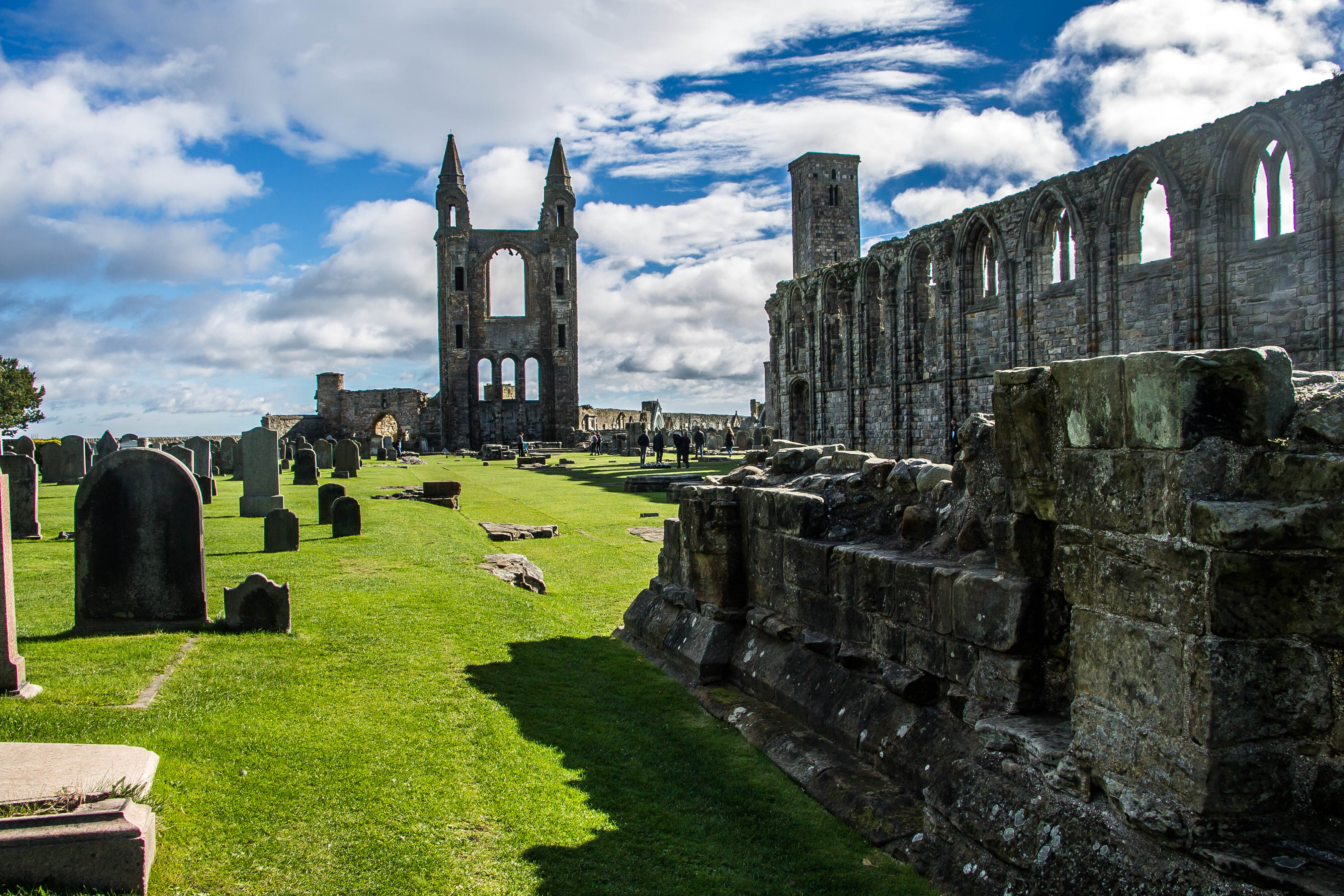
What makes this trip work as a full day is that St Andrews is dense with things to do within walking distance of each other. The cathedral, the castle ruins on the cliff edge, the beach, the old town streets — you can cover all of it on foot without ever needing transport again once you arrive.
Insider tip
The first bus from Leuchars into St Andrews on weekdays leaves early enough to get you into town before 9am. The cathedral grounds open at 9:30. Being there at opening, before the golf tourists arrive in force, is a fundamentally different experience from arriving at noon.
The Old Course at St Andrews: golf's original address

For non-golfers, the British Golf Museum adjacent to the course is genuinely absorbing — better than its modest exterior suggests. For golfers, the ballot system for Old Course tee times opens months in advance, but single-player spots sometimes appear at short notice. The town itself is compact enough that pairing a cathedral visit with a walk around the course makes a coherent, full day without any rushing.
Insider tip
The Old Course is closed to play on Sundays, which is when the public can walk the fairways freely. If you want to actually set foot on the course rather than just observe from the edges, Sunday is your window — and it's a completely different atmosphere.
Tom Morris Golf Shop: a small room with an outsized history

This is best treated as one element of a St Andrews day rather than a standalone destination — pair it with the cathedral, the castle, and a walk along the beach. The shop is small, and you won't spend more than twenty minutes inside, but those twenty minutes, standing in a room that overlooks the same 18th green that Morris himself watched, have a particular quality that a museum exhibit about the same subject simply doesn't replicate. The staff are usually knowledgeable and not pushy, which is rarer in tourist-adjacent retail than it should be.
Insider tip
The shop can get crowded during Open Championship week and in the height of summer. If you're visiting specifically for the atmosphere rather than to buy, mid-morning on a weekday in spring or autumn gives you room to actually look around.
Scotland: the Bass Rock, or simply the Bass — an island that earns the crossing
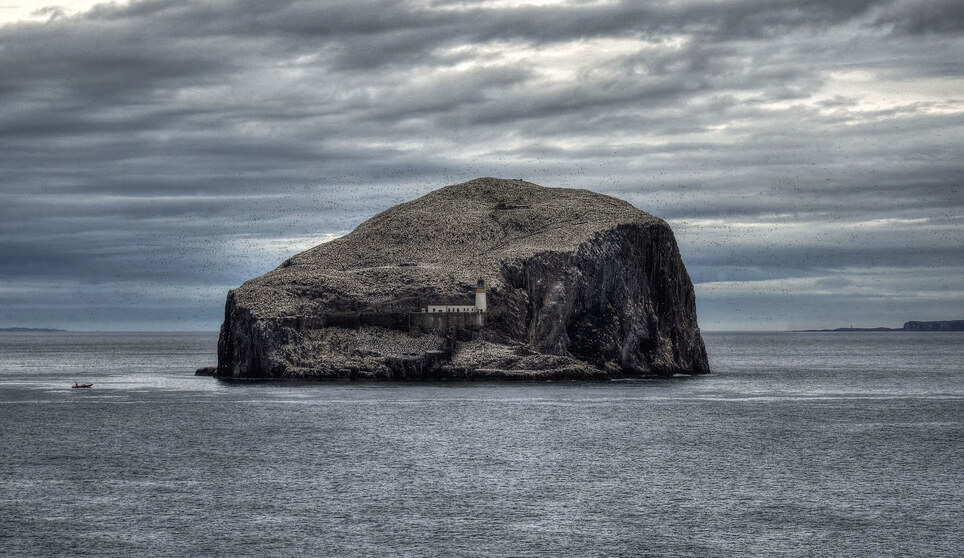
North Berwick itself is reachable from Edinburgh Waverley by train in around 35 minutes — one of the most efficient day-trip logistics on this list. From the station it's a short walk to the harbour. Combine the Bass Rock boat trip with time at the Scottish Seabird Centre on the harbour front, which has live cameras on the rock and is a good fallback if sea conditions prevent the crossing.
Insider tip
Boat trips to the Bass Rock are weather-dependent and can be cancelled at short notice. Book in advance but check the operator's cancellation policy carefully. Late May through July gives you the densest gannet activity and the longest daylight for the crossing.
Scopri East Lomond: un gioiello naturale della Scozia — a hill that asks something of you
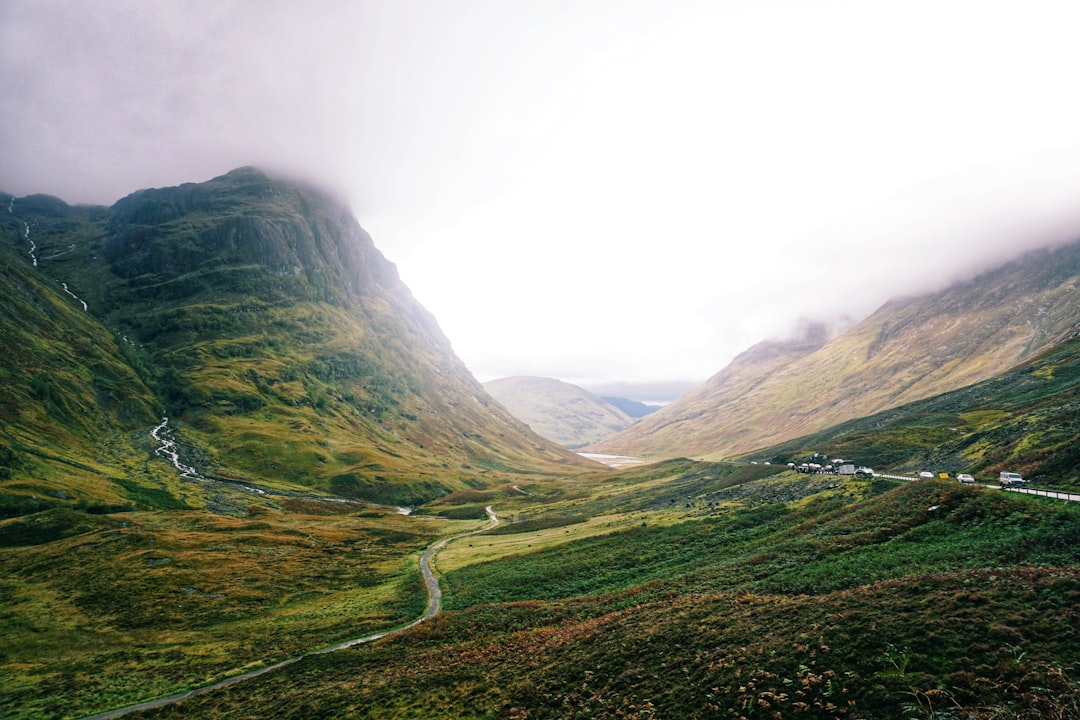
Falkland village at the base of the hills is worth building into the day. Falkland Palace, a Renaissance royal residence used by the Stuart monarchs, sits in the centre of the village and is managed by the National Trust for Scotland. The combination of a hill walk in the morning and the palace in the afternoon makes this one of the more satisfying full-day structures on the list.
Insider tip
The Craigmead car park fills up by mid-morning on weekends in summer. Aim to arrive before 9am if you want a space without circling. Alternatively, park in Falkland village and add the walk up to the hills from there — it adds distance but solves the parking problem.
Gleneagles, one of greatest names in the world of golf: inland luxury and three serious courses
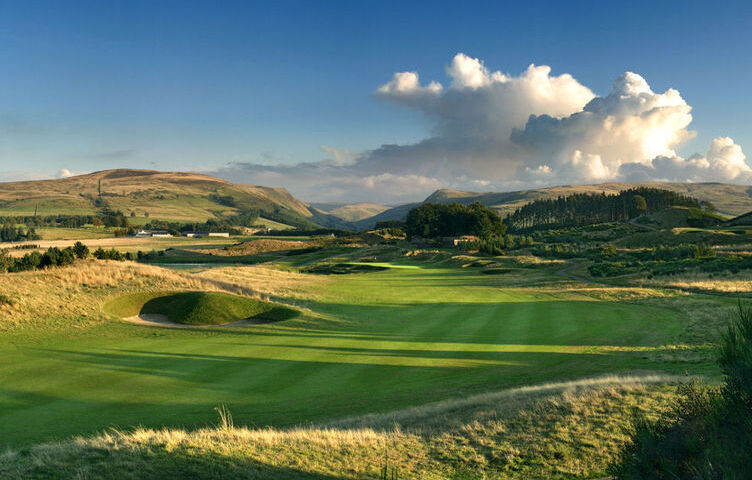
For non-golfers, Gleneagles offers country pursuits including falconry, off-road driving, and equestrian activities, though most require advance booking and carry significant costs. The grounds are open to hotel guests and course players. If you're coming purely to play golf, book well in advance — tee times on the main courses go quickly, particularly in summer. The landscape surrounding the hotel, rolling Perthshire farmland backed by distant hills, has a different character from the coastal trips on this list and is worth the drive for that alone.
Insider tip
The train from Edinburgh Waverley to Gleneagles station runs several times daily and takes around an hour. If you're not staying at the hotel, confirm your access arrangements before you travel — turning up without a tee time or activity booking can result in a frustrating experience at the gate.
Scoprire la Storia del Fort in Scozia: Un Viaggio nel Passato — a fortified past within easy reach

The drive from Edinburgh is straightforward — under 40 minutes in normal traffic. Check opening hours before you go, as smaller historic sites in Scotland sometimes operate reduced hours outside the main summer season or require a short walk from the nearest car park. Combine this with a visit to a nearby village or riverside walk to build out the day, since the site itself, while historically significant, may not fill more than two hours on its own.
Insider tip
Visiting in the shoulder seasons — April to May or September to October — means fewer visitors and better light for photography. Many of Scotland's smaller fortified sites are also at their most atmospheric in overcast conditions, when the landscape looks the way the history books suggest it should.
Kingsbarns Golf Links: a modern links with the memory of something older

The drive from Edinburgh takes around an hour, or you can combine it with a St Andrews day — Kingsbarns is seven miles south of St Andrews on the coastal road, and the two make a logical pairing if you're playing golf. Green fees are substantial, reflecting the quality of the course, and advance booking is essential. Even if you're not playing, the approach road and the views from the public areas near the clubhouse give a sense of why this particular stretch of Fife coastline has attracted golfers for more than two centuries.
Insider tip
Early morning tee times at Kingsbarns in summer mean playing in low, angled light across a course that faces east — the visual quality of the experience at 7am is markedly different from midday. Book the earliest available slot if you have the option.
Every city has its gravitational pull, and Edinburgh's is stronger than most. The castle, the Old Town closes, the view from Arthur's Seat — these things are real, and they deserve the time you give them. But the geography that makes Edinburgh what it is extends in every direction, and the trips on this list are not supplements to the city experience. They are part of it.
The Firth of Forth connects Edinburgh to the Bass Rock and the Fife coast. The train lines that radiate from Waverley were built because there was somewhere worth going. The golf courses at St Andrews and Kingsbarns exist because this particular stretch of Scottish coastline produces a specific kind of wind and a specific kind of turf that golfers have been arguing about for centuries. None of this is incidental.
Go out. Take the early train. Return before dinner. The city will still be there, and you'll understand it better for having left.
The Firth of Forth connects Edinburgh to the Bass Rock and the Fife coast. The train lines that radiate from Waverley were built because there was somewhere worth going. The golf courses at St Andrews and Kingsbarns exist because this particular stretch of Scottish coastline produces a specific kind of wind and a specific kind of turf that golfers have been arguing about for centuries. None of this is incidental.
Go out. Take the early train. Return before dinner. The city will still be there, and you'll understand it better for having left.


