A good day trip from Kyoto has to clear a few bars. First, it has to be reachable within roughly ninety minutes each way — otherwise you're spending more time in transit than at the destination, and you might as well have booked a different base city. Second, it has to offer something Kyoto itself doesn't give you: a different scale, a different landscape, a different kind of silence or a different kind of noise. Third, and this is the one most travel writing ignores, it has to work logistically. That means knowing which train, which platform, what the parking situation actually looks like, and what time the crowds arrive.
I've done every trip on this list multiple times, in different seasons, by different means. Some I've done wrong first and right later. The advice below reflects both.
At a glance
- Osaka Castle stands tall on the Uemachi Daichi Plateau: history at city scale
- Osaka Station City and the Fountain Clock: infrastructure as spectacle
- Osaka: The Nine Floating Fountains: midcentury art in an unlikely corner
- Osaka's Sumiyoshi Taisha is one of Japan's oldest shrines: architecture before Buddhism
- Osaka's Universal Studios theme park: a full day that requires full commitment
- Scopri le meraviglie della Cascata di Minoh in Giappone: a forest walk thirty minutes from the urban edge
- Scoprire il Miho Museum a Shigaraki: un tesoro culturale in Giappone: I.M. Pei's buried museum
- Hikone Castle Museum: the palace reconstruction that most visitors walk past
Osaka Castle stands tall on the Uemachi Daichi Plateau: history at city scale
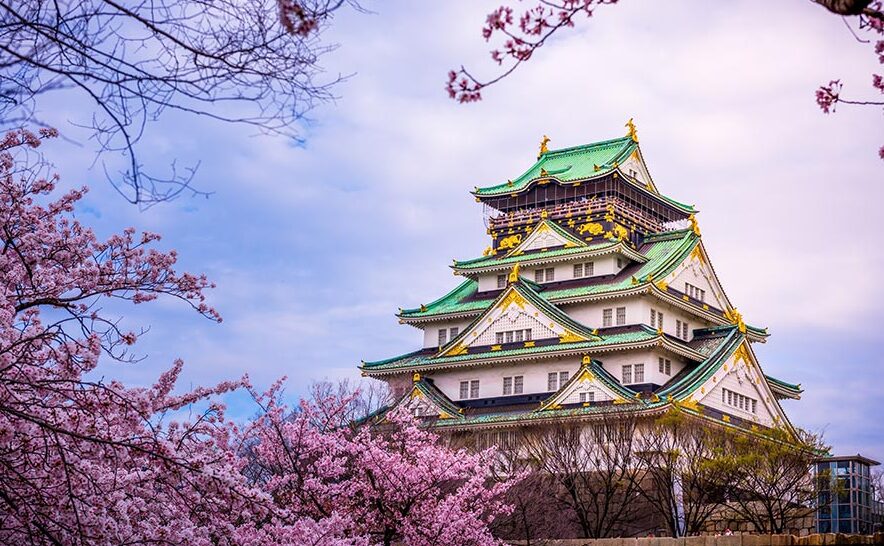
On arrival: walk the outer moat circuit before going inside (it takes about twenty-five minutes and gives you the structure's full scale), visit the castle tower museum for the Toyotomi-era history, then cut through Nishinomaru Garden if the season is right. The surrounding park is large enough to decompress in after the interior crowds.
Insider tip: The castle tower interior gets genuinely congested between 10am and 2pm. Arrive when the park opens at 9am, go straight to the tower, and you'll have the upper floors nearly to yourself. The elevator queue alone can cost you forty minutes if you arrive mid-morning.
Insider tip
Arrive at 9am when the park opens. The tower's upper floors are calm before 10am; by 11am the elevator queue can swallow forty minutes of your day.
Osaka Station City and the Fountain Clock: infrastructure as spectacle
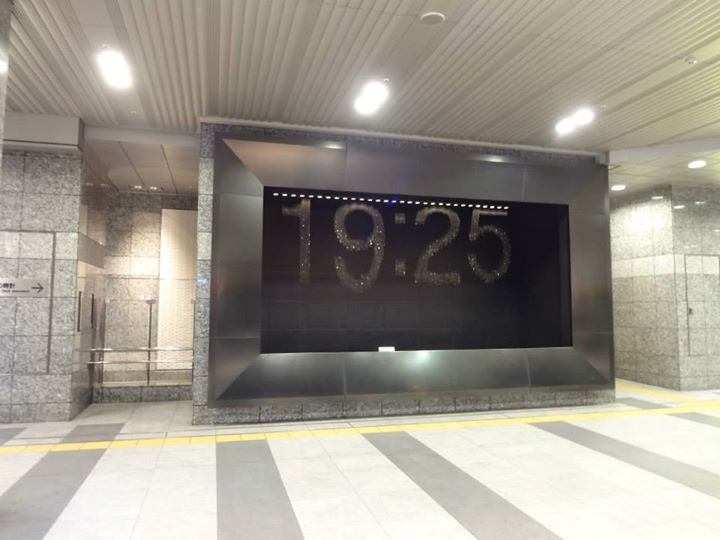
The practical logic is this: you're likely passing through Osaka Station anyway. Rather than treating it as a transit point, treat it as a destination in its own right for the first ninety minutes of your Osaka day. The Time's Place rooftop garden on the south side is free, quiet before 11am, and gives you a view of the station's extraordinary steel-and-glass roof structure. Then descend, watch the Fountain Clock on the hour, and continue to wherever you're going next.
Insider tip: The Fountain Clock performs continuously but is most visible and least crowded between 8:30am and 9:30am on weekdays. Weekends bring local families specifically to watch it, which adds a pleasant atmosphere but also crowds the viewing area.
Insider tip
Weekday mornings before 9:30am are your window for the Fountain Clock without the crowd. The rooftop garden is free and almost always uncrowded — a useful decompression point between connections.
Osaka: The Nine Floating Fountains: midcentury art in an unlikely corner
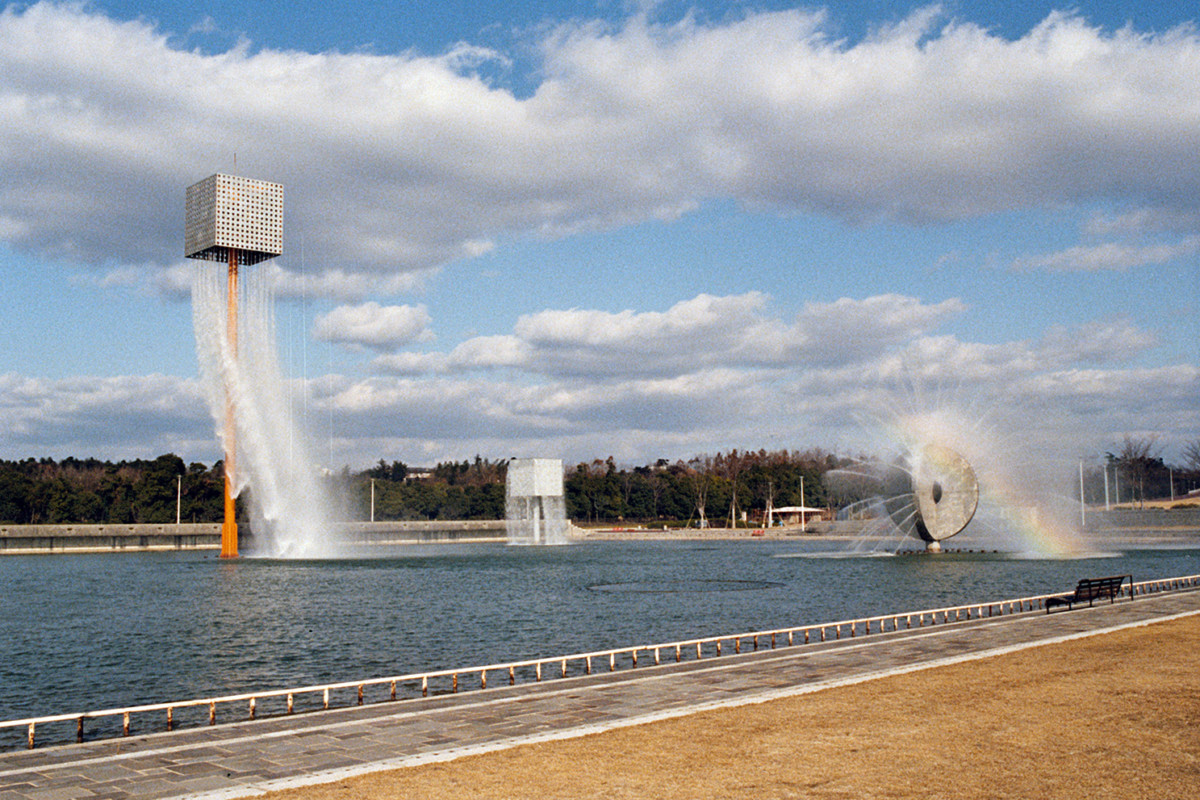
On arrival: allow time for the park itself, which is large and deliberately low-key. The Expo Museum of Fine Arts and the Tower of the Sun — Taro Okamoto's extraordinary structure from the same Expo — are nearby and worth combining into a single visit. This is a half-day at minimum, not a quick stop.
Insider tip: The park is significantly less visited on weekday mornings than weekends. If you're combining this with Osaka Castle, do the fountains first (they're northwest of the city center) and work your way back toward the castle in the afternoon.
Insider tip
Combine with the Tower of the Sun in the same park — Taro Okamoto's Expo structure is within walking distance and adds essential context to the midcentury artistic moment these fountains represent.
Osaka's Sumiyoshi Taisha is one of Japan's oldest shrines: architecture before Buddhism
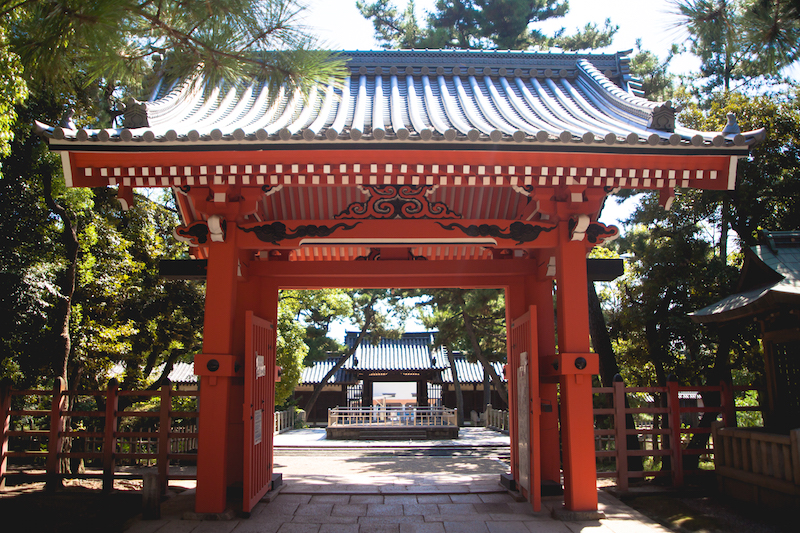
The shrine is in southern Osaka, reachable by the Nankai line from Namba in about fifteen minutes. On arrival: cross the arched Sorihashi Bridge (it's steeper than it looks), walk the four main sanctuary buildings in sequence, and take time in the outer grounds where the atmosphere is genuinely calm even on busy days. The shrine remains an active place of worship, which means the behavior of other visitors tends to be respectful.
Insider tip: Sumiyoshi Taisha is most visited during the New Year period and during its summer festival season. Outside those windows, particularly on weekday mornings, it's remarkably quiet for a shrine of this historical significance.
Insider tip
Reach it via the Nankai Honsen line from Namba — about 15 minutes. Avoid the New Year period entirely; the shrine draws enormous crowds for hatsumode. Any ordinary weekday morning is close to ideal.
Osaka's Universal Studios theme park: a full day that requires full commitment
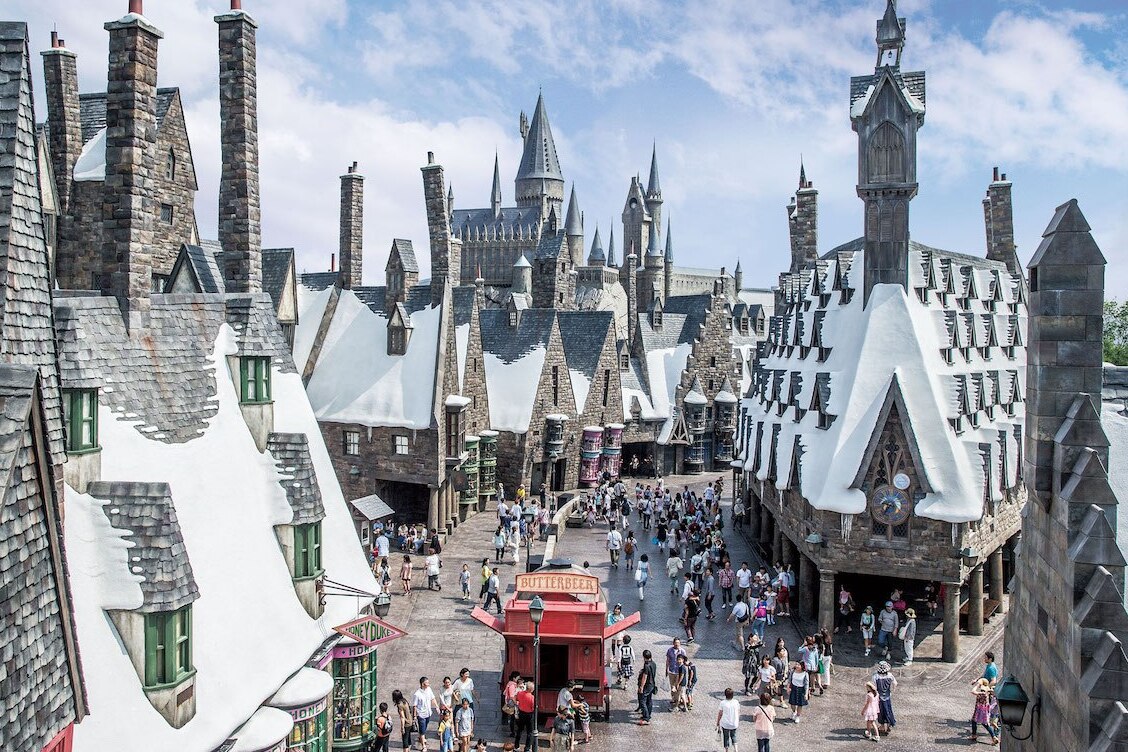
From Kyoto, take the JR Kyoto line to Osaka, transfer to the JR Sakurajima line, and you're at Universal City Station in roughly seventy minutes total. On arrival: buy tickets in advance without exception — the gate queues for same-day tickets are punishing. Prioritize the attractions with the longest queues first thing in the morning. This is a place that rewards aggressive planning.
Insider tip: The park's Express Pass system is expensive but genuinely changes the experience. If you're doing this as a day trip from Kyoto, the time pressure is real — you want to maximize park hours, not queue hours. Book Express Passes when you book your tickets.
Insider tip
Book Express Passes at the same time as your entry tickets — not the morning you arrive. As a day-tripper from Kyoto, your effective park time is shorter than a Osaka-based visitor's. Every queued hour is a wasted one.
Scopri le meraviglie della Cascata di Minoh in Giappone: a forest walk thirty minutes from the urban edge
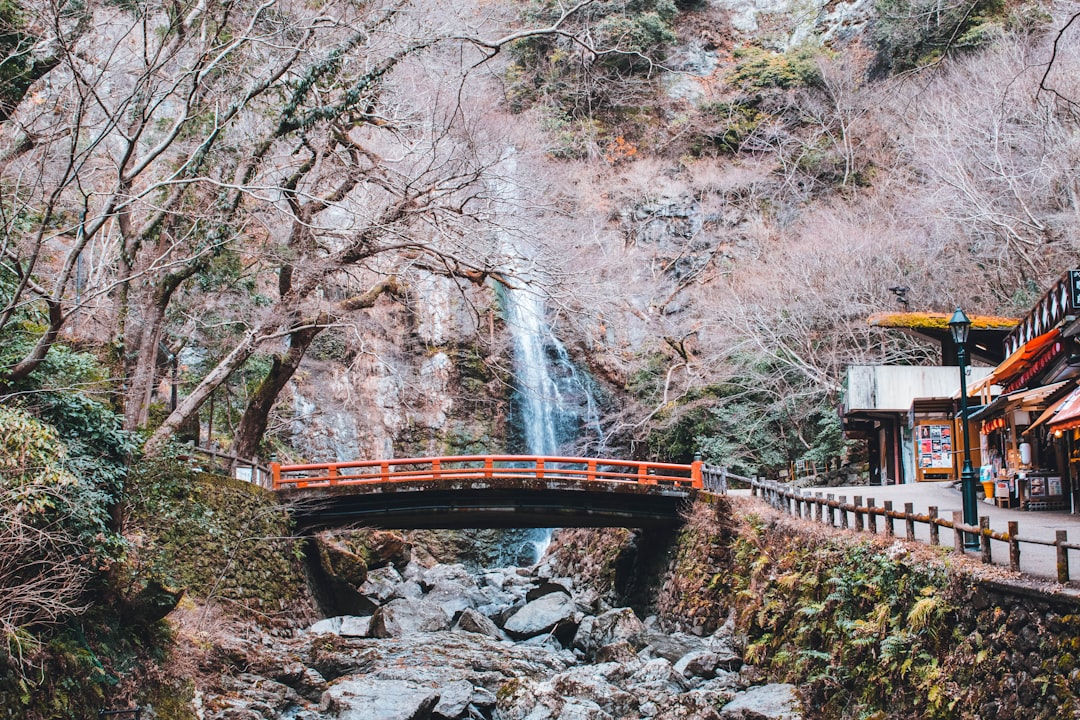
The walk itself is the experience, not just the waterfall at the end. The path follows a stream through cedar and maple forest, passing small temples and food stalls. On arrival: walk the full trail rather than taking the bus partway, visit the waterfall basin, and allow time on the return for the stalls selling local snacks.
Insider tip: Autumn leaf season — typically mid-November in this area — is the most popular period by a significant margin. If you want the forest without the crowds, early weekday mornings in spring or late summer are your best option. By car, parking near Minoo Station fills quickly on weekends.
Insider tip
If driving, park near Minoo Station early — the lots fill by 9:30am on weekends. The trail itself is narrow enough that arriving after 10am on a weekend means walking in a slow-moving column rather than a forest.
Scoprire il Miho Museum a Shigaraki: un tesoro culturale in Giappone: I.M. Pei's buried museum
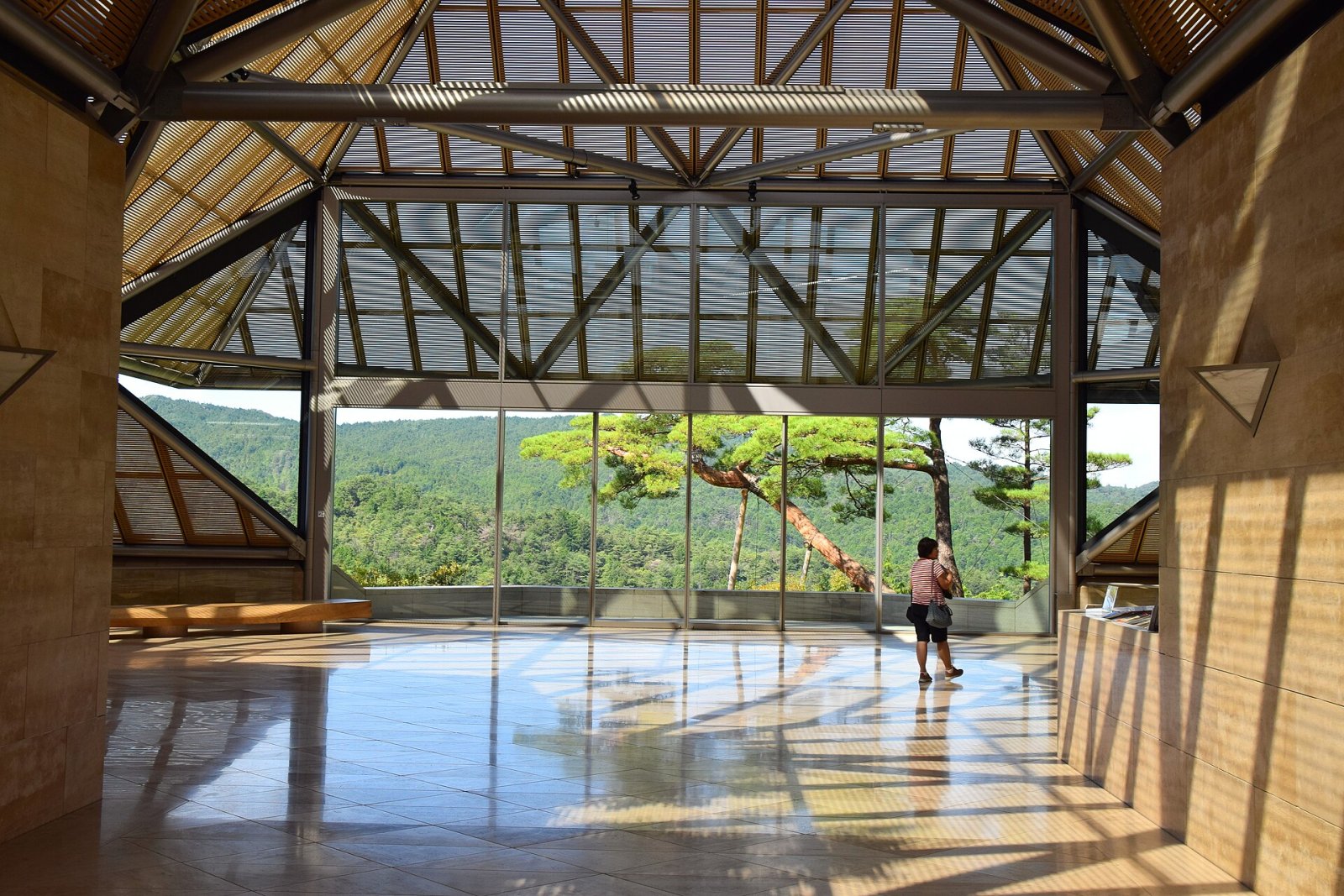
By car, Shigaraki takes about fifty minutes from central Kyoto via Route 422. There is no direct train connection; the closest station is Kibukawa on the JR Biwako line, from which a shuttle bus runs on days the museum is open. The collection focuses on ancient art from across Asia and the Mediterranean world.
On arrival: allow three to four hours minimum. The building and the landscape around it are as much the exhibition as the objects inside. The approach tunnel and bridge sequence should be walked slowly.
Insider tip: The museum is closed on Mondays and during certain seasonal periods — check the official schedule before you go. The shuttle bus from Kibukawa Station runs only when the museum is open, and timing it correctly saves a significant amount of stress.
Insider tip
The shuttle from Kibukawa Station is timed to museum hours and doesn't run on closure days. Confirm the museum's seasonal schedule before booking any transport — it closes for longer periods than most visitors expect.
Hikone Castle Museum: the palace reconstruction that most visitors walk past
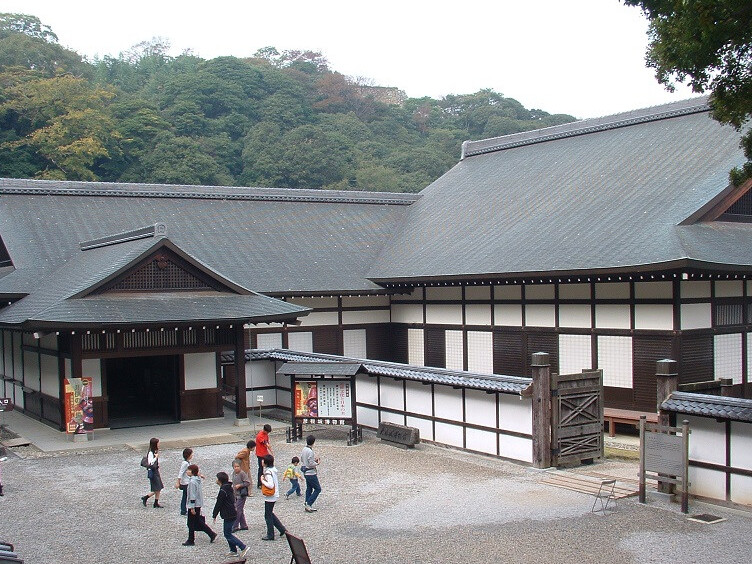
The reconstructed palace buildings themselves — multiple tatami rooms arranged around corridors — give a sense of how the administrative and domestic spaces of a daimyo residence actually functioned, which the tower, focused on defense and display, doesn't provide. Budget at least ninety minutes here, separate from your time on the castle hill.
This pairs naturally with the castle tower as a combined half-day. From Hikone Station, the museum is a twelve-minute walk. The museum and castle share an admission area, so plan your ticketing to cover both.
Insider tip: The museum's tatami rooms and corridor spaces are best experienced in the morning when the light through the shoji screens is at its most useful. Afternoon visits are fine but the interior lighting shifts significantly.
Insider tip
A combined ticket covers both the museum and the castle tower — buy it at the museum entrance rather than the tower entrance to avoid doubling back. The museum opens at 8:30am, earlier than many visitors arrive.
The ten destinations above represent a range of experiences that Kyoto itself, for all its depth, doesn't offer: a waterfall forest, a buried museum, a castle town on a lake, a shrine that predates Buddhism's arrival in Japan, a midcentury art installation in a former Expo park. None of them require heroic logistics. Most are within an hour by train. A few are better by car, and I've tried to say so plainly rather than defaulting to the train recommendation that most travel writing reaches for out of habit.
What I'd suggest, if you have four or five days in Kyoto, is to build in two day trips and keep the rest for the city itself. Choose them based on what Kyoto hasn't given you yet — if you've been temple-saturated, go to Osaka Station City and Sumiyoshi Taisha. If you want to get out of the urban grid entirely, go to Minoo or Hikone. The region is generous with options. Use them.
What I'd suggest, if you have four or five days in Kyoto, is to build in two day trips and keep the rest for the city itself. Choose them based on what Kyoto hasn't given you yet — if you've been temple-saturated, go to Osaka Station City and Sumiyoshi Taisha. If you want to get out of the urban grid entirely, go to Minoo or Hikone. The region is generous with options. Use them.


