A good day trip from London satisfies three conditions. First, it has to be genuinely reachable: two hours or less each way, because anything beyond that and you're spending more time in transit than in the place. Second, it has to offer something the city itself cannot — open land, deep history, a different scale of architecture, a different pace of human movement. Third, it has to be honest about its logistics. Too many travel articles send you cheerfully to a castle car park that fills by 9:30am, or recommend a 'quiet village' that gets three coaches of visitors before lunch.
I've done every trip on this list multiple times, by different modes of transport, in different seasons, and at different hours of the day. Some I've loved. A couple I've had to revise my opinion of after the second visit. What follows is what I actually know, not what the brochure says. The destinations cluster around Windsor, Kent, the South Downs, and Cambridge — all within the practical radius of a London morning. I've grouped them by character and by how you'll realistically get there. Start with the one that matches the day you have, not the one that sounds most impressive at a dinner party.
At a glance
- Best AI Trip Planner Windsor 2026: Scopri Secret World — the town that rewards the early riser
- London| Windsor Castle: the building that has never really been off duty
- Leonardo da Vinci's embryological drawings of the fetus: a collection that most people walk past
- Windsor and the fine bronze statue of Queen Victoria: reading a town through its monuments
- Scopri la Storia e la Bellezza di Hampton Court Palace: the palace that Henry VIII made his own
- Hever Castle and Anne Boleyn: a childhood home that history made famous
- Kent: Kit's Coty House and Little Kit's Coty House — older than you're prepared for
- The South Downs National Park: the hills that are closer than you think
- Great St Mary at the University of Cambridge: the church at the centre of eight centuries of learning
Best AI Trip Planner Windsor 2026: Scopri Secret World — the town that rewards the early riser

For a day structured around the park and gardens specifically, arrive early enough to walk the Long Walk before the tour groups emerge from their coaches. The Great Park covers around 2,000 hectares and includes the Savill Garden, the Valley Gardens, and the deer-grazed parkland that surrounds them. Three things worth doing on arrival: walk at least part of the Long Walk, find the quieter southern sections of the Great Park away from the castle approach, and sit somewhere with a view back toward the castle at the end of the afternoon when the light changes.
Insider tip
Trains from Paddington to Slough run frequently and the connection to Windsor is just a few minutes. The first train gets you there before 8am on weekdays — the park is open and the town is empty. Don't drive unless you're going on a Sunday and leaving before 9am.
London| Windsor Castle: the building that has never really been off duty
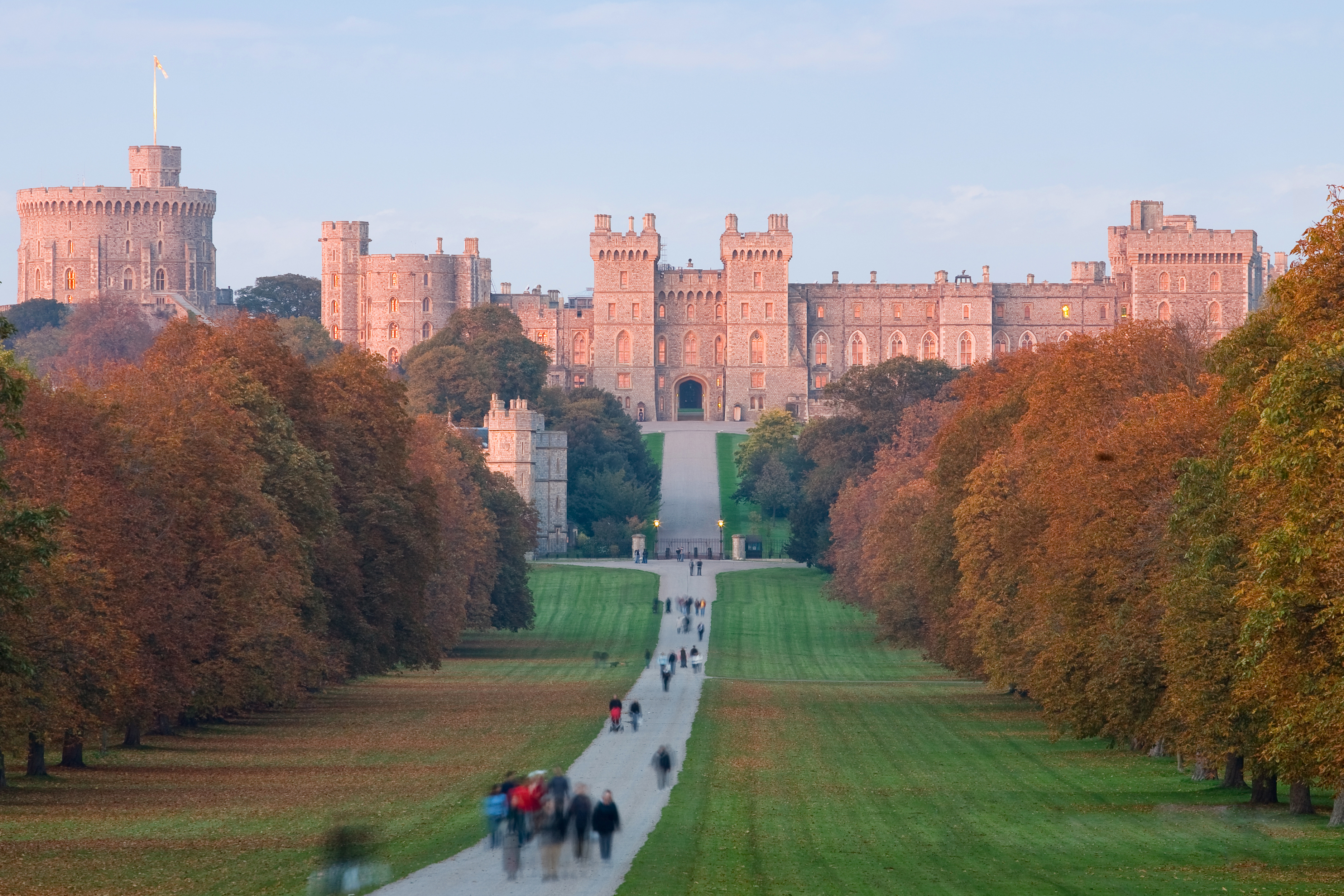
The State Apartments are the main draw, and they're genuinely impressive rather than merely grand. St George's Chapel, within the castle grounds, is where several monarchs are buried and where royal weddings have taken place — it's architecturally exceptional, a late-Gothic building of real quality. On arrival: book timed entry in advance (the queues for walk-ups are punishing by mid-morning), spend time in St George's Chapel before the tour groups arrive there, and walk the outer walls for views over the town and park. Allow three to four hours minimum. The castle is a 10-minute walk from Windsor Central station.
Insider tip
The castle sometimes closes to visitors on short notice for state events. Always check the Royal Collection Trust website the evening before. If it's closed, the Great Park is still open and free — not a bad consolation.
Leonardo da Vinci's embryological drawings of the fetus: a collection that most people walk past
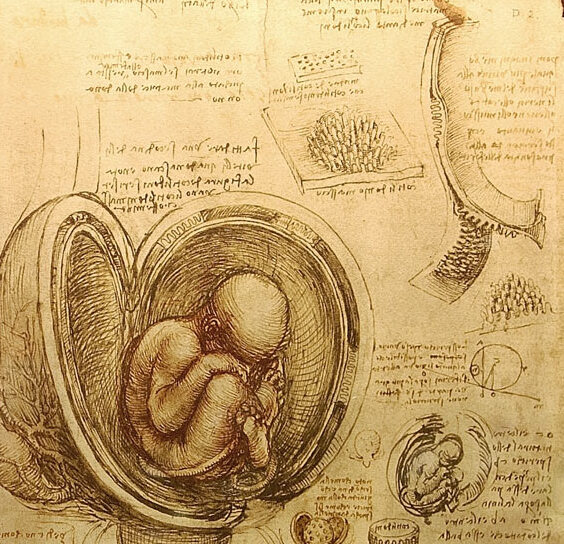
Access is through the castle admission — there is no separate ticket. The drawings are displayed in the Queen's Gallery at Windsor as part of the Royal Collection's rotating exhibitions, so confirm in advance that the Leonardo holdings are currently on show. On arrival: take your time with the anatomical sheets, read the translated annotations if they're provided, and resist the temptation to rush through to the State Apartments. This is the kind of thing you can only see here.
Insider tip
The Royal Collection rotates its displays. Before making this the centrepiece of your visit, check the Royal Collection Trust's current exhibition listings. The drawings are not always on public display.
Windsor and the fine bronze statue of Queen Victoria: reading a town through its monuments
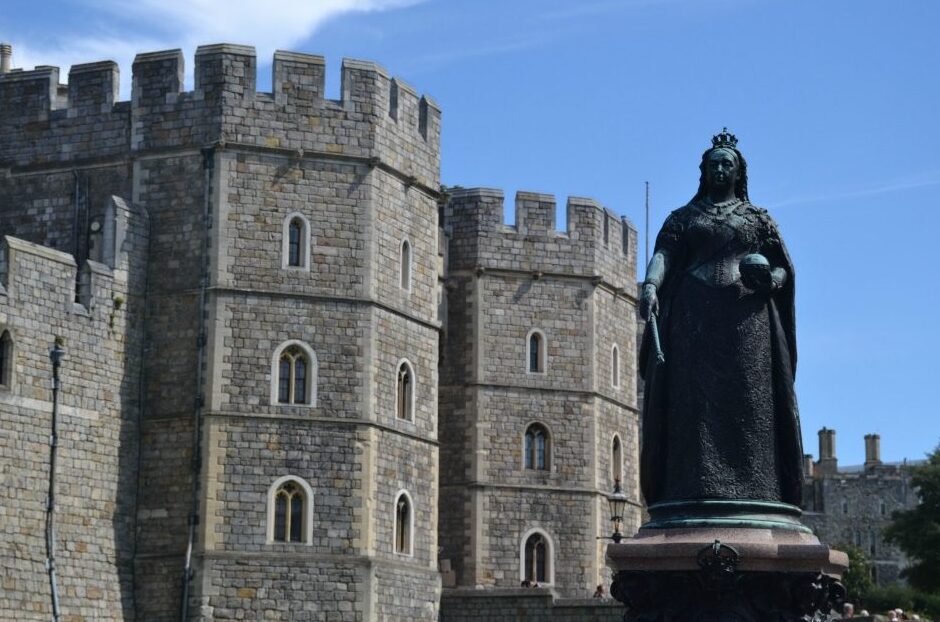
The statue stands near the castle entrance and makes a useful starting point for thinking about Windsor as a place shaped entirely by monarchy — the town's layout, its economy, its architecture all radiating outward from the castle on the hill. On arrival: stand with the statue and look up at the castle, then down the High Street, and you'll understand the town's spatial logic immediately. Then visit the castle, walk the Long Walk, and return to the statue at the end of the day. It reads differently after you've spent time in the place it was built to anchor.
Insider tip
Windsor town centre is very walkable but gets genuinely congested by 11am in summer and on weekends. If you want to see the statue without a crowd around it, walk from the station directly there before doing anything else.
Scopri la Storia e la Bellezza di Hampton Court Palace: the palace that Henry VIII made his own
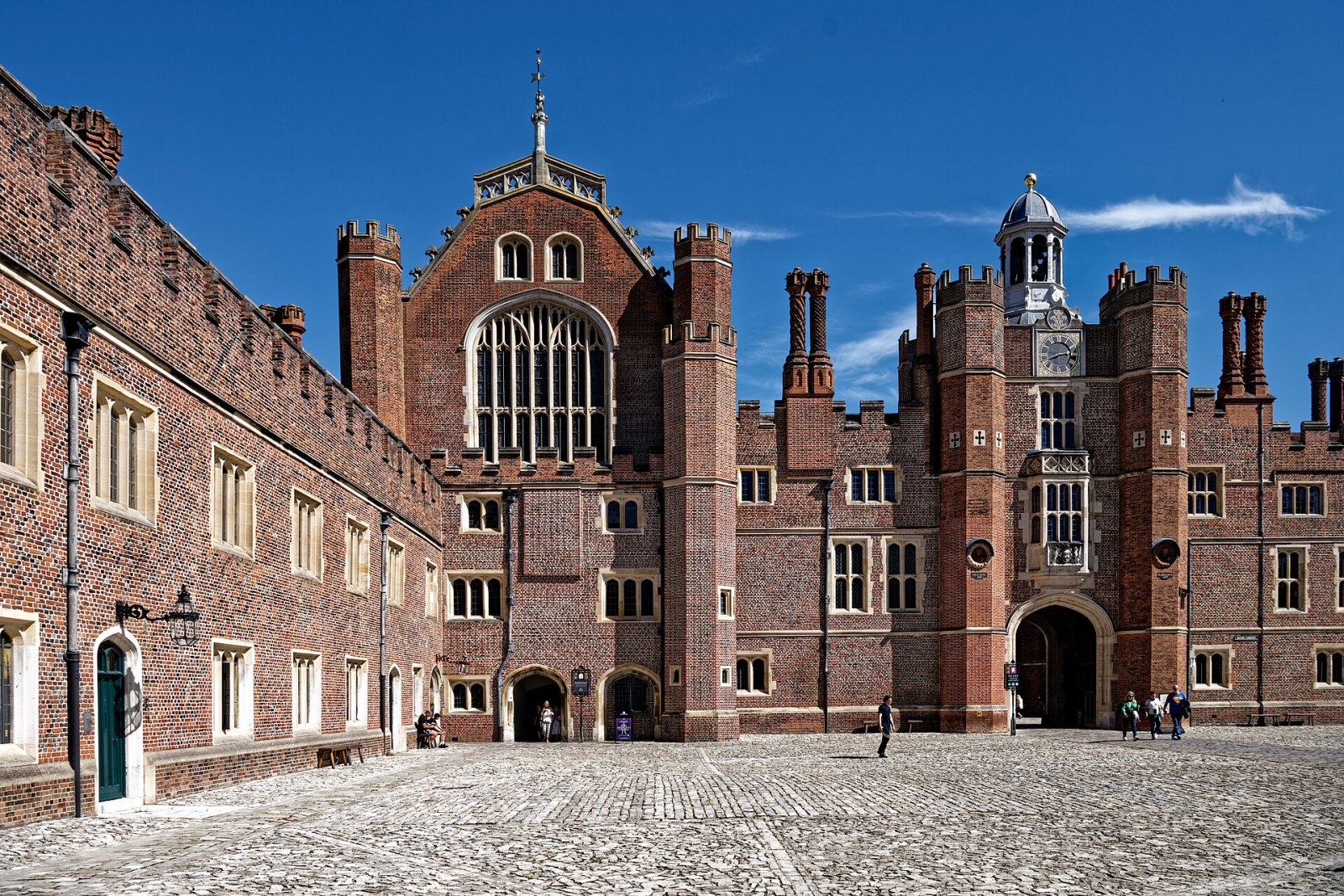
The palace itself is a layered building: Cardinal Wolsey started it, Henry VIII took it over and expanded it, and later monarchs added the baroque wings designed by Christopher Wren. The result is architecturally schizophrenic in an interesting way. On arrival: walk the Great Hall (the finest surviving medieval great hall in England), get deliberately lost in the famous hedge maze, and spend time in the formal gardens, which are maintained to a high standard year-round. The kitchens are also worth a visit — they give a better sense of Tudor domestic life than almost anything else in the country.
Insider tip
The boat from Westminster Pier is seasonal and weather-dependent. Confirm departure times with Thames River Services before you go — the upstream journey takes longer than you expect, so factor this into your return timing.
Hever Castle and Anne Boleyn: a childhood home that history made famous
Getting there by train is indirect: take a train from London Bridge or Victoria to Edenbridge Town, then a taxi (around 10 minutes), as there is no direct bus. By car, the A21 and then B-roads through the Weald take about an hour from central London, and parking on-site is available. On arrival: walk the Italian Garden (Astor imported genuine Roman and medieval sculptures), explore the castle's Tudor rooms, and take time in the grounds, which are extensive. The castle's connection to Anne Boleyn gives it a particular historical gravity that many visitors underestimate.
Insider tip
By car, the lanes approaching Hever are narrow. The castle car park is large but fills on bank holiday weekends. Arrive before 10am or after 3pm to avoid the main coach-party rush.
Kent: Kit's Coty House and Little Kit's Coty House — older than you're prepared for
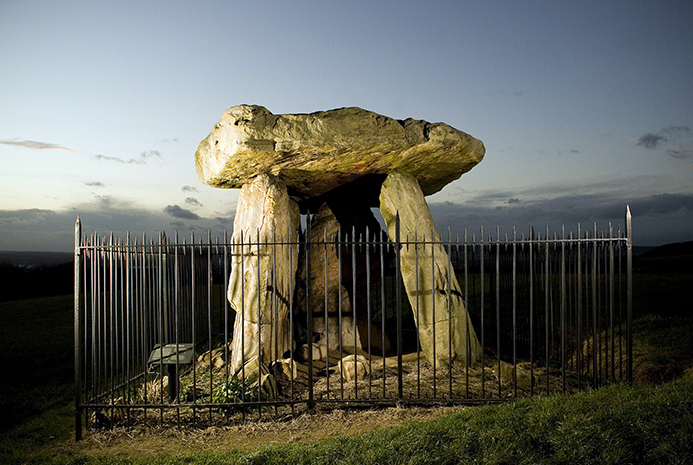
These are not well-visited sites, and that is precisely their appeal. There are no crowds, no café, no gift shop. There is a field, a fence, and stones that have been here for six thousand years. Getting there by car is straightforward — park near Aylesford and walk up the hill. By train, take a Southeastern service to Aylesford or Maidstone West and walk or taxi up. On arrival: visit both monuments, walk between them along the footpath, and look out over the Medway valley from the ridge.
Insider tip
Kit's Coty is managed by English Heritage and is freely accessible. The site is on a working farm track — wear shoes you're comfortable getting muddy. Little Kit's Coty is reached by a short footpath through a field. Go in the morning when the light is low and the stones cast proper shadows.
The South Downs National Park: the hills that are closer than you think
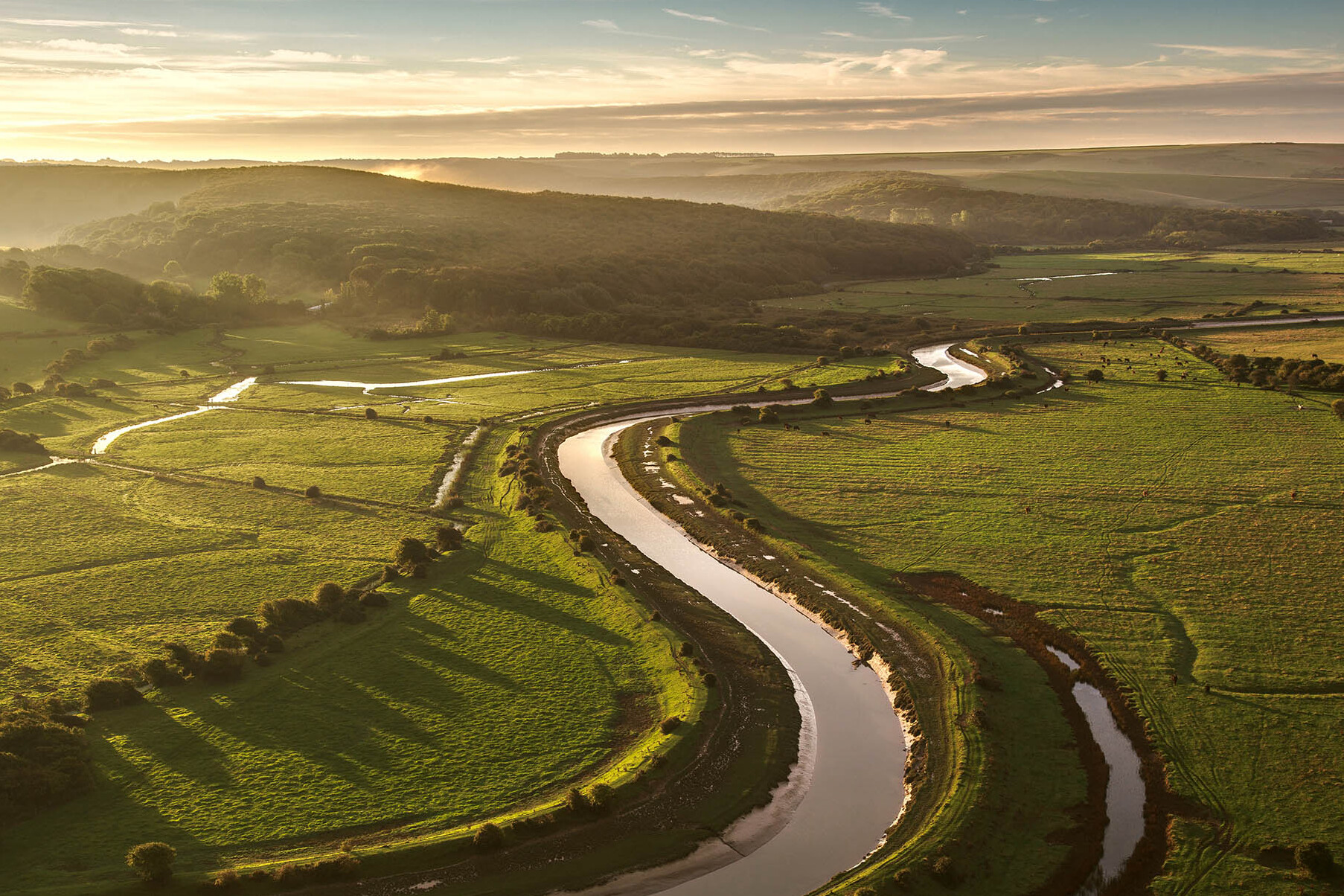
By train, Brighton is the most obvious gateway — fast trains from Victoria and London Bridge take around 50 minutes — and from Brighton you can walk up onto the Downs within 30 minutes. Lewes is a better base for the eastern Downs: quieter, with better walking immediately accessible. By car, the A23 or A27 corridor gives you access to multiple entry points. On arrival: pick a specific walk rather than wandering vaguely — the South Downs Way is the spine of the park and any section of it repays the effort. The views from the escarpment looking north are consistently good.
Insider tip
Brighton itself is not the South Downs — it's the coast. If you want the hills, get off at Lewes or drive to a trailhead near Ditchling Beacon. The Downs are quietest on weekday mornings; weekend afternoons on the popular ridges near Brighton can feel surprisingly urban.
Great St Mary at the University of Cambridge: the church at the centre of eight centuries of learning
Great St Mary's is the university church, positioned at the geographical and ceremonial heart of Cambridge — on the Market Square, directly opposite the Senate House where degrees are conferred. It has served the university since the 15th century, and university officers are still technically required to live within a defined distance of it, a rule that gives you a sense of how slowly some institutions change. On arrival: climb the tower for views over the colleges and the market (a modest fee applies), attend a service if the timing works, and take time to read the memorial tablets inside, which compress centuries of university history into stone. Then walk the Backs — the riverside path behind the colleges — which is what most people come to Cambridge to see.
Insider tip
Cambridge is genuinely busy from late April through September, particularly at weekends. Go on a weekday if you can. The tower climb is worth it specifically in the morning when the light falls across the college rooflines from the east.
Every trip on this list has a version that goes well and a version that doesn't, and the difference is almost always timing. The person who arrives at Windsor Castle at 11am on a Saturday in August is having a different experience from the person who walks through the gates at 9am on a Wednesday in October. The stones at Kit's Coty are the same stones regardless of when you visit, but the field around them is either empty and slightly eerie or full of other people who've also read the same article. These things matter.
What I've tried to give you here is not a list of places to tick off but a set of genuine choices, each with its own logic. Some days you want architecture and history and a good café afterward. Some days you want to stand in a field in front of a six-thousand-year-old stone and feel the scale of time. London will be here when you get back. It always is. The question is what you need from the day you have.
What I've tried to give you here is not a list of places to tick off but a set of genuine choices, each with its own logic. Some days you want architecture and history and a good café afterward. Some days you want to stand in a field in front of a six-thousand-year-old stone and feel the scale of time. London will be here when you get back. It always is. The question is what you need from the day you have.


