But a good day trip isn't just about distance. I've seen people spend four hours getting to a destination, forty-five minutes walking around it in a crowd, and four hours getting back — and call it a success. That's not a day trip; that's a commute with scenery. A genuinely good day trip has a clear transport logic, something worth arriving for, and enough breathing room that you're not checking the return train before you've finished your first coffee. It also has an honest answer to the question: why today, why this place, why this way of getting there?
The ten destinations in this guide were chosen because each one answers that question clearly. Some are famous; some are almost absurdly obscure. I've reached all of them by train, by car, and in a couple of cases by boat — and I'll tell you which method actually works. Crowds, parking realities, schedule gaps, the walk from the station that nobody mentions in the brochure: all of it is here. Use this as a planning document, not a wish list.
At a glance
- Scopri il fascino del Starnberger See in Baviera: Munich's closest exhale
- Chiemsee: Il Castello di Herrenchiemsee — the palace on the island
- Festival of Achensee and Maurach: Austria's quietest lake, one train away
- Garmisch, at the foot of Germany's highest Mountain: serious altitude, serious logistics
- Mittenwald appears to be taken from a Grimm's fairytale: the village that stayed small
- Church of Wies: a Rococo interior that earns the detour
- The Kuchlbauer Tower: Hundertwasser in a brewery courtyard
- Rottenbuch Radio Tower: the wooden tower almost nobody visits
- Scopri l'Abbazia di Andechs: un gioiello culturale in Baviera — the hilltop monastery above the Ammersee
- The German pasta is Spätzle: a culinary detour into Bavarian identity
Scopri il fascino del Starnberger See in Baviera: Munich's closest exhale
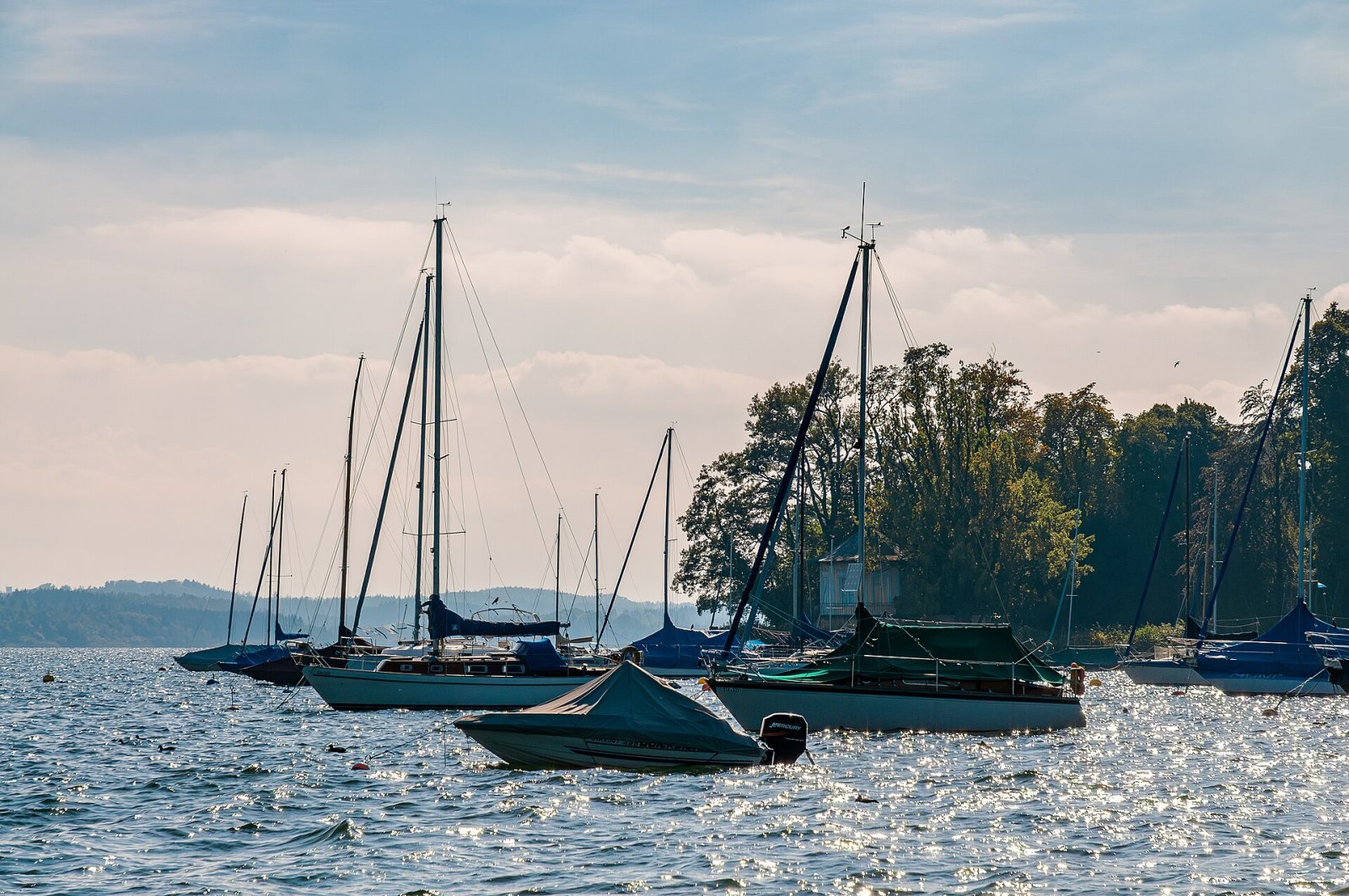
On arrival, walk the lakeside promenade south toward the Starnberg boat landing and take one of the scheduled ferry services across to Possenhofen or down to Berg. The memorial cross in the water near Berg marks where King Ludwig II died in 1886 — a strange, melancholy detail that the lake carries quietly. Rent a bike at the station, swim at one of the designated bathing spots on the eastern shore, or simply sit on the grass and watch the sailboats. This is not a destination that demands activity.
Insider tip
On summer weekends, the S6 heading back to Munich between 5 PM and 7 PM is packed to the doors. Either leave by 4:30 PM or stay for dinner and take the 8 PM train. Parking in Starnberg town is genuinely difficult on hot Saturdays — the train is the right call here without question.
Chiemsee: Il Castello di Herrenchiemsee — the palace on the island
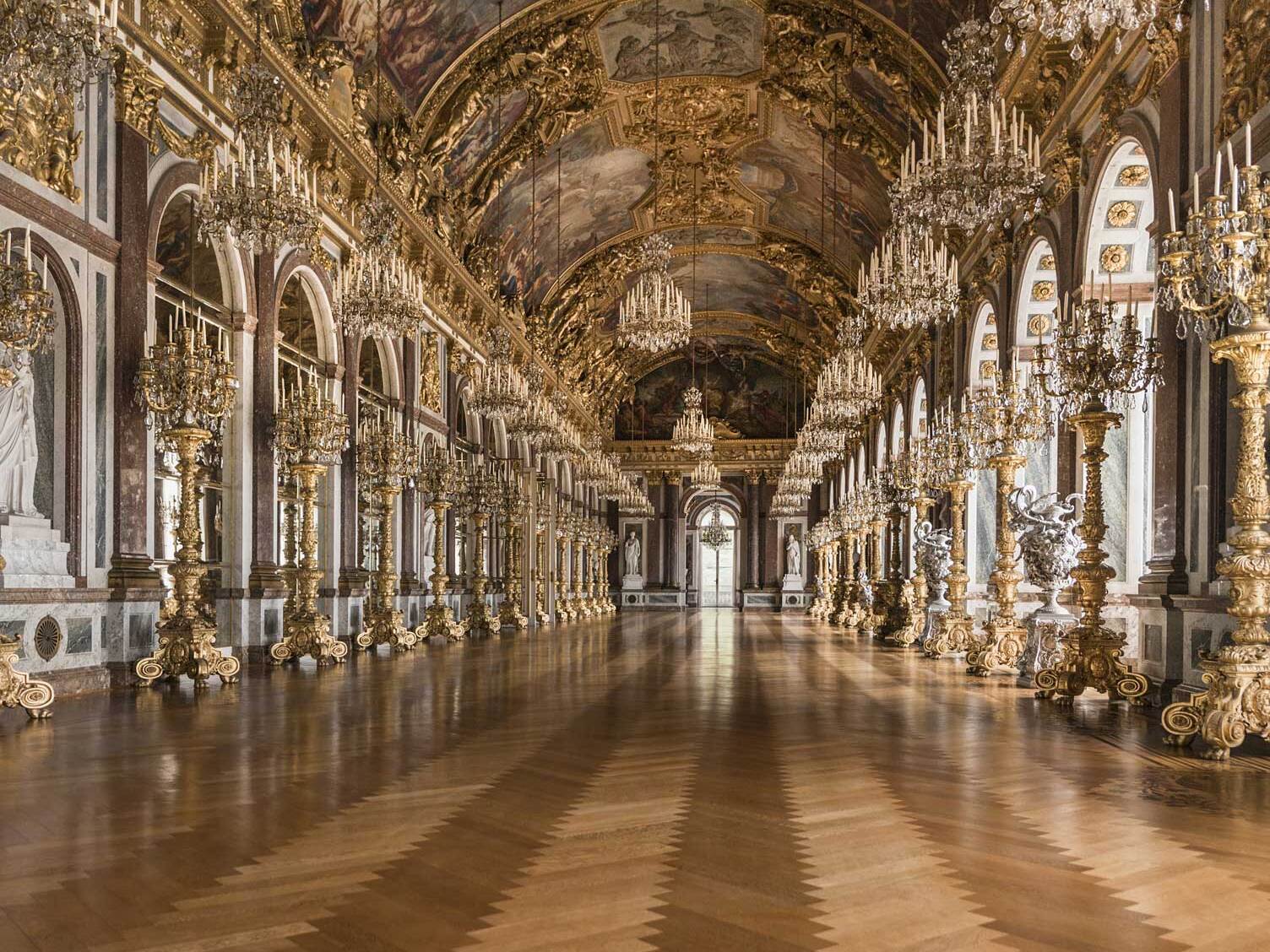
Book the castle interior tour in advance during summer; the queue for walk-up tickets moves slowly and the first tour of the day is significantly less crowded than anything after 11 AM. The gardens are free to walk and worth the time even if you skip the interior. The island also has a quieter Augustinian monastery complex that most visitors walk past entirely — don't. Allow at least five hours for the full round trip.
Insider tip
The last ferry back from the Herreninsel runs earlier than most people expect — check the posted schedule at the dock when you arrive, not when you're ready to leave. Missing it means a long wait or a very expensive taxi situation from Prien.
Festival of Achensee and Maurach: Austria's quietest lake, one train away
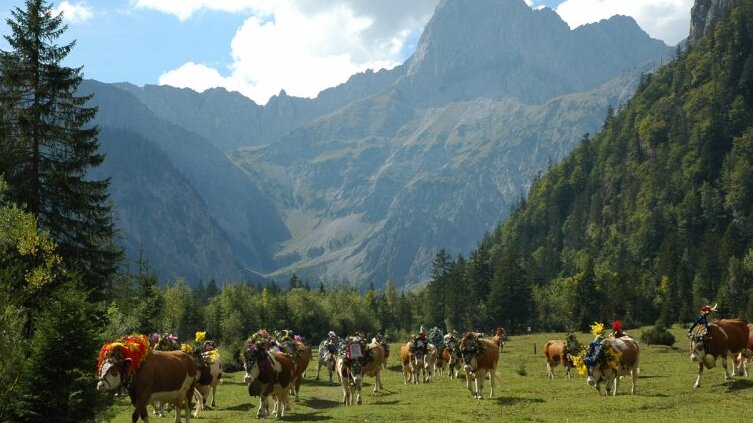
The two villages of Achensee and Maurach sit at the southern end of the lake. Maurach has a cable car up into the Rofan for hiking; Achensee village is quieter, better for swimming and walking the lakeside path northward. Each autumn, the area holds its cattle drive festival — farmers bring their herds down from the summer alpine pastures in a tradition that is genuinely old and not staged for tourists. If your timing is right, it's worth planning around.
Insider tip
The Achenseebahn runs a limited schedule outside of summer — verify departure times directly with the operator before you go, because missing the last rack railway down to Jenbach strands you in a way that a missed bus does not.
Garmisch, at the foot of Germany's highest Mountain: serious altitude, serious logistics
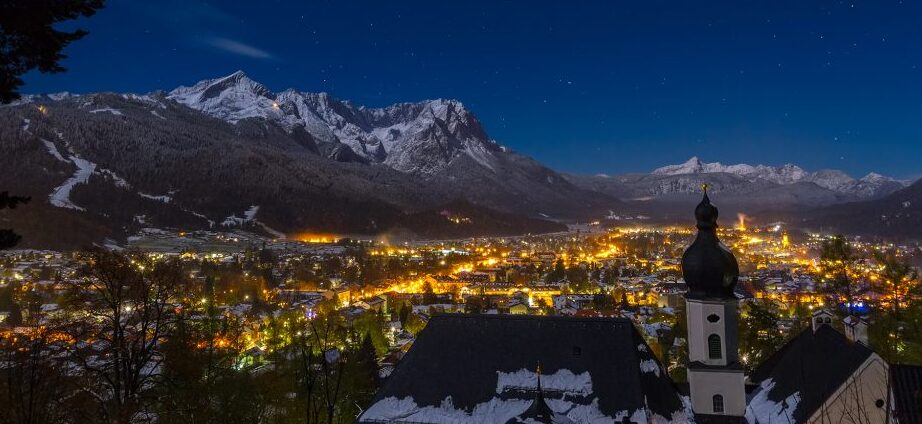
For the mountain: the cog railway from Garmisch station takes you to the Zugspitzplatt glacier, from where a cable car reaches the summit. Allow a full day if you're doing the ascent. If you're not, the Partnach Gorge — a narrow, dramatic limestone gorge accessible on foot from the Olympic ski stadium — takes about two hours and costs very little. The gorge path is icy in winter and genuinely slippery; appropriate footwear is not optional.
Insider tip
Parking in central Garmisch on summer weekends is a slow, frustrating process. The park-and-ride at the edge of town is faster and costs almost nothing. The Zugspitze summit is frequently in cloud by early afternoon — go up in the morning if the forecast is marginal.
Mittenwald appears to be taken from a Grimm's fairytale: the village that stayed small
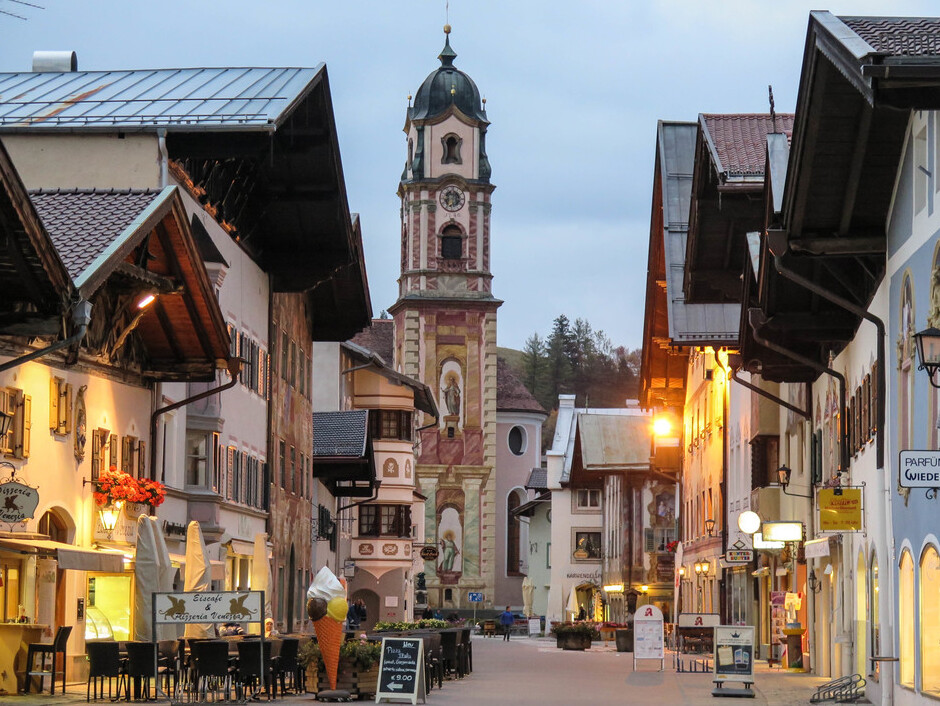
The town is genuinely small and has remained so, which is increasingly rare in this part of Bavaria. It has been a center of violin-making since the 17th century; the craft is still practiced here and the local museum dedicated to it is compact and specific in a way that large museums rarely manage. Walk the main street, look at the painted house facades (Lüftlmalerei), take the Karwendelbahn cable car up to 2,244 meters for a wide view of the valley, and then walk back down through the forest if your knees are cooperative. The border crossing into Austria at the southern edge of town is unmarked and easy to miss.
Insider tip
Mittenwald is significantly less crowded than Garmisch despite being equally accessible. If you're choosing between the two on a busy summer weekend and your priority is quiet streets rather than the Zugspitze summit, Mittenwald is the correct answer.
Church of Wies: a Rococo interior that earns the detour
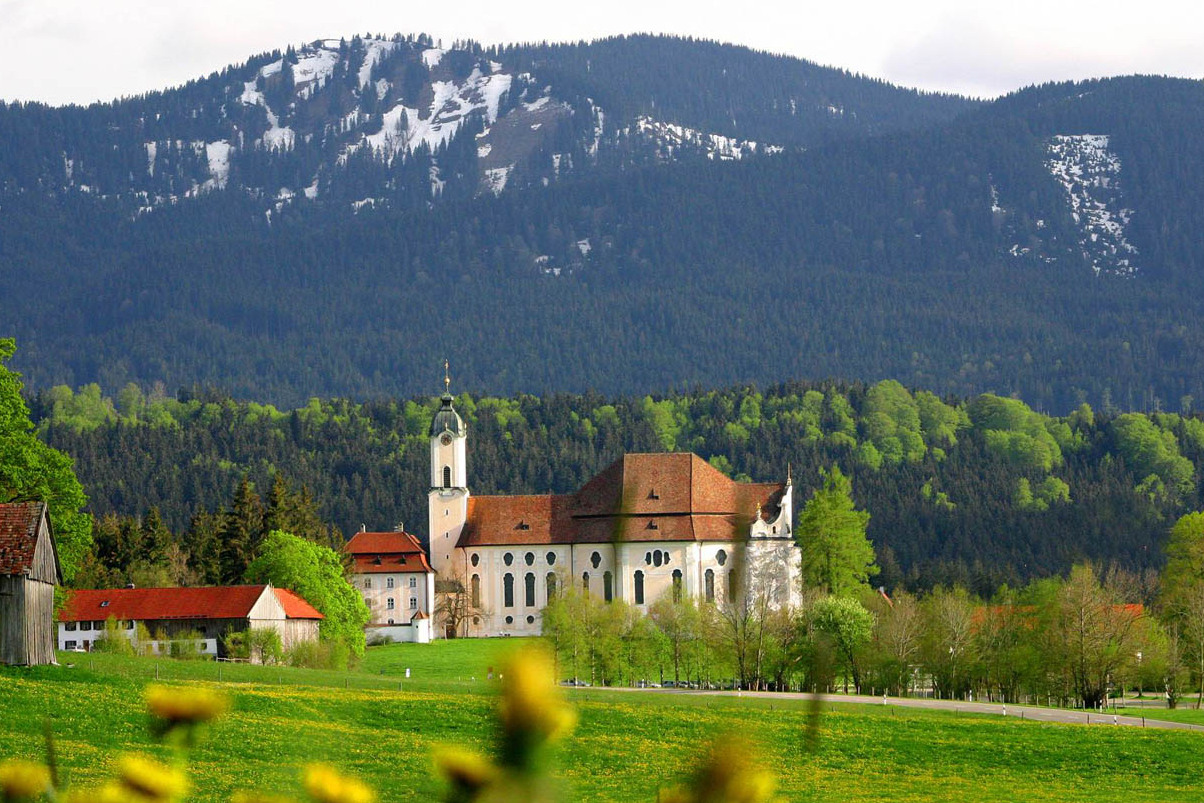
This is a car destination. There is a bus from Steingaden, but the connections are infrequent and the walk from the nearest stop is long. Drive the B17 south from Munich, which is the old Romantic Road, and the signposting to Wies is clear. The church is still an active place of worship — be respectful of services if you arrive on a Sunday morning. Combine this with a stop in Steingaden village or continue south to Füssen if you want a fuller day. The meadow around the church is worth a slow walk before or after.
Insider tip
Tour buses arrive in quantity between 10 AM and 2 PM. Arriving at 9 AM or after 3 PM gives you the interior in relative peace, which matters enormously in a space designed to be experienced quietly. The car park fills fast at peak times — there is overflow parking on the road shoulder.
The Kuchlbauer Tower: Hundertwasser in a brewery courtyard
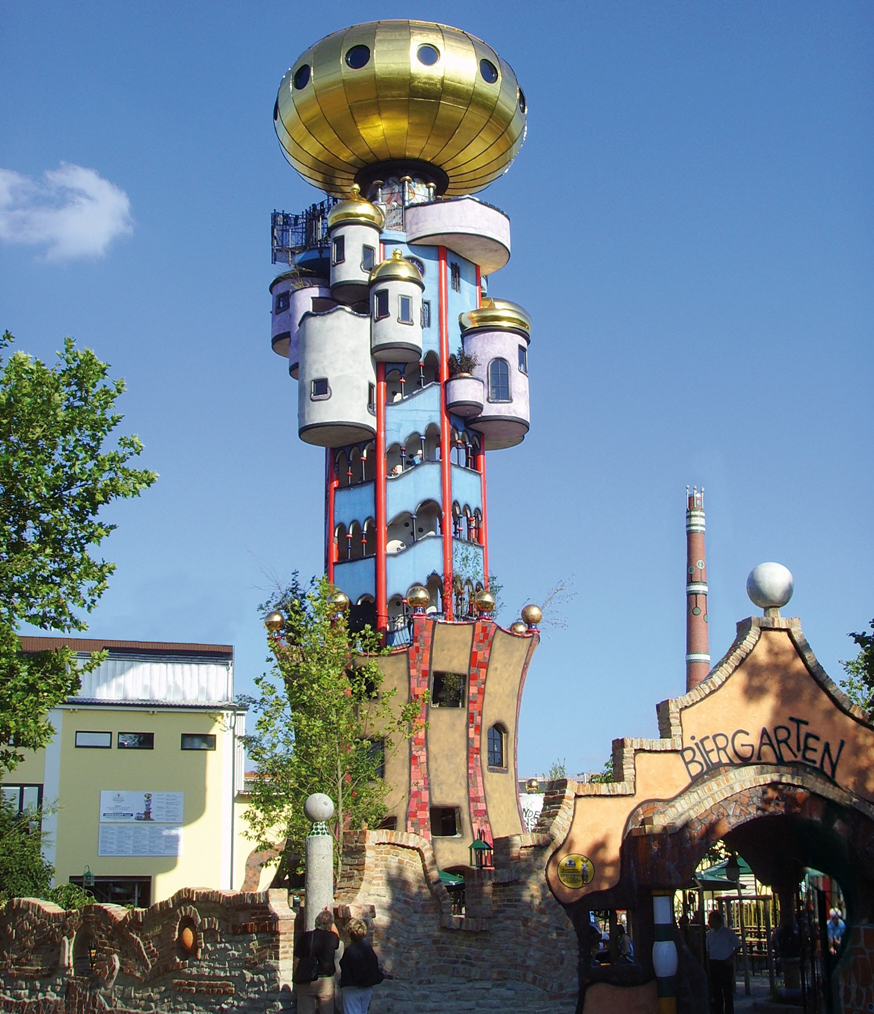
The drive from Munich via the A9 north takes about 70 minutes. There is no practical train connection that makes this a comfortable day trip, so a car is necessary. The brewery offers tours that include the tower, and the combination is genuinely worthwhile — Kuchlbauer has been brewing since the 15th century. Abensberg's old town is compact and pleasant for an hour's walk. This is a half-day destination that pairs well with a stop in Kelheim or at the Befreiungshalle monument on the way back.
Insider tip
The tower tour is ticketed and timed — book ahead in summer because slots fill up, and showing up without a reservation often means a two-hour wait or a turned-away visit. The brewery restaurant is a reasonable lunch option and doesn't require a tower ticket.
Rottenbuch Radio Tower: the wooden tower almost nobody visits
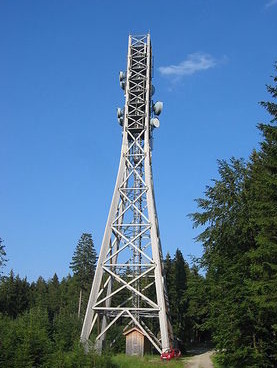
Rottenbuch itself has a notable Augustinian monastery church with a fine interior worth a look. The combination of the monastery and the tower makes for an unusual half-day: one object of genuine historical importance (the church) and one of genuine historical curiosity (the tower). Drive the A95 south and take the exit toward Peißenberg; the roads through this part of Bavaria are quiet and easy to navigate. This is not a destination for everyone, but if you're the kind of traveler who prefers the specific to the general, it rewards the drive.
Insider tip
There is almost no tourist infrastructure here — no café at the tower, limited parking, no signage in English. Bring what you need, download an offline map, and treat it as an expedition rather than an attraction. The lack of crowds is the point.
Scopri l'Abbazia di Andechs: un gioiello culturale in Baviera — the hilltop monastery above the Ammersee
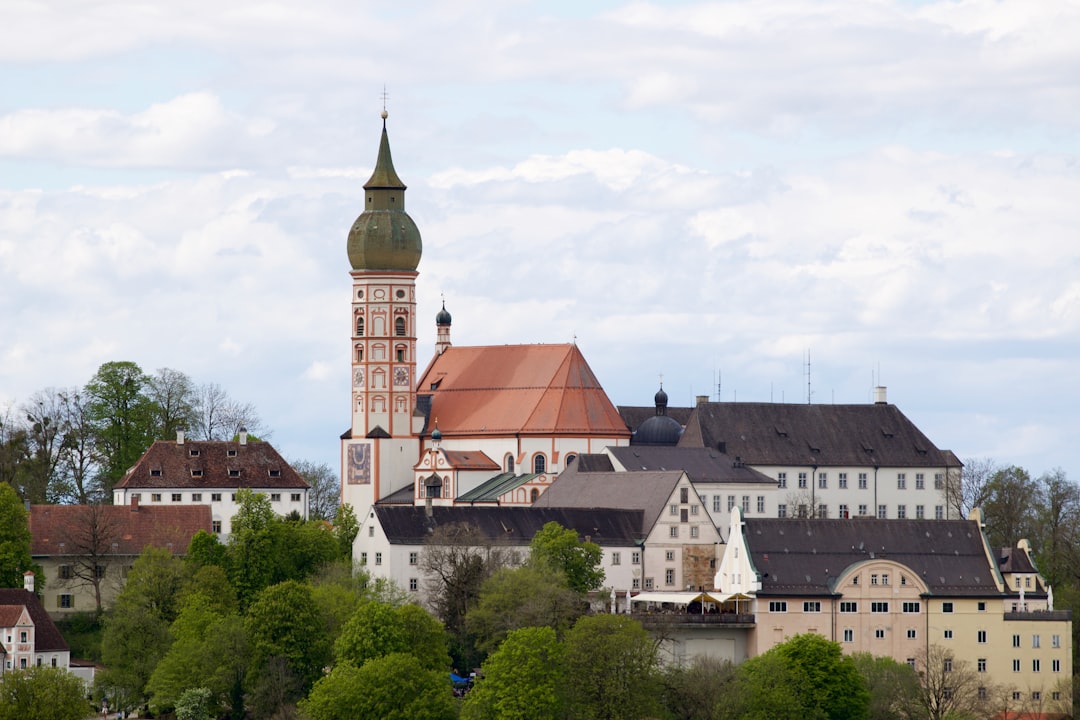
The Benedictine monastery at Andechs has been a place of pilgrimage since the Middle Ages and still functions as an active religious community. The church interior is Baroque and worth seeing. The brewery attached to the monastery produces beer that has been made here for centuries; the beer garden on the hilltop terrace has views over the surrounding hills and lakes that justify the climb on their own. This is one of those places where the combination of the sacred and the convivial is handled with complete naturalness — nobody finds it strange to have a beer ten meters from a functioning monastery, because it has always been this way.
Insider tip
The beer garden opens at 10 AM and the best tables on the terrace go fast. If you arrive by 10:30 AM on a weekend you'll find a seat; by noon you'll be standing. The walk from Herrsching through the forest is the better approach — it earns the arrival.
The German pasta is Spätzle: a culinary detour into Bavarian identity

The best way to encounter Spätzle properly is to build it into a day trip rather than treat it as an afterthought. The monastery beer garden at Andechs serves it; restaurants in Garmisch and Mittenwald list it as a standard item; the Chiemsee ferry landing at Prien has a gasthaus where it appears on almost every plate. Order it as a main when it comes as Käsespätzle — the cheese-and-onion version is a full meal, not a side. This is one of those foods that tells you something true about the region's agricultural history and its relationship with simple, durable ingredients.
Insider tip
Käsespätzle is almost always better at a small gasthaus or brewery restaurant than at any establishment with an English menu displayed outside. If the menu is handwritten on a chalkboard, you're in the right place. Lunch service in rural Bavaria typically ends at 2 PM — don't arrive at 1:45 PM and expect a warm welcome.
There's a version of day-tripping that is really just anxiety management — you leave the city, take photographs of the thing you came to see, and return feeling that you've been efficient. That's not what any of these trips are for. The Starnberger See doesn't care whether you've documented it. The Wieskirche interior takes time to settle into. The rack railway up to Achensee is the experience, not the transport to one.
Munich sits at the center of a radius that contains more variety per kilometer than almost anywhere else in Central Europe — lakes, mountains, monasteries, architectural oddities, living craft traditions. The city is worth your time, but so is everything around it. The trips on this list are not ranked by importance because importance is the wrong frame. They're ranked by distance, which is the only honest measure. Start close, go further, and pay attention to what the journey itself is doing. The return train is always there. The afternoon light on the Karwendel is not.
Munich sits at the center of a radius that contains more variety per kilometer than almost anywhere else in Central Europe — lakes, mountains, monasteries, architectural oddities, living craft traditions. The city is worth your time, but so is everything around it. The trips on this list are not ranked by importance because importance is the wrong frame. They're ranked by distance, which is the only honest measure. Start close, go further, and pay attention to what the journey itself is doing. The return train is always there. The afternoon light on the Karwendel is not.


