A good day trip earns its place by doing two things simultaneously: it gives you something the base city cannot, and it returns you to your hotel at a reasonable hour without the logistics cost eating the experience alive. By that measure, the Kansai region is almost embarrassingly well-stocked. Ancient capitals, moss-covered temple gardens, forests of bamboo, Zen compounds so large they have their own internal geography — all of them reachable in under an hour, most of them on trains that run every fifteen minutes.
I have done every route in this list more than once, in different seasons, by different means. I have stood in Nara at 7 a.m. before the deer crowds arrived, and I have also arrived at noon and regretted it. I have driven to Arashiyama on a Tuesday in November and found a parking situation that bordered on surreal. I want to spare you the mistakes I made so you can make better, more interesting ones of your own.
What follows is not a ranked list. It is a practical sequence, grouped by how you will actually travel, written for someone with one day, limited patience for vagueness, and a genuine desire to see something real.
At a glance
- Alla scoperta del Tempio Kofuku-ji a Nara, Giappone: where the floor plan is the history lesson
- Scopri il Nara Deer Park: un angolo di natura in Giappone — the park that refuses to be a zoo
- Fushimi Inari - Taisha - Important Shinto shrine in Kyoto: how far up the mountain you go is the decision
- Kyoto is home to Japan's best known Buddhist temples: using the city itself as the day trip
- Nijo Castle was the Kyoto residence of Tokugawa Ieyasu: power made architectural
- Kyoto: The garden and the Saihoji Temple — thirteen centuries of intentional landscape
- Saihoji, known as Kokedera, is one of Kyoto's Unesco — the moss temple that requires commitment
- Daitokuji is a large walled temple complex in Kyoto: Zen at operational scale
- Sagano - The wonderful bamboo forest: why you should drive and arrive before the rickshaws
- Ninnaji is one of the Unesco great temples in Kyoto: the temple with its own village
Alla scoperta del Tempio Kofuku-ji a Nara, Giappone: where the floor plan is the history lesson
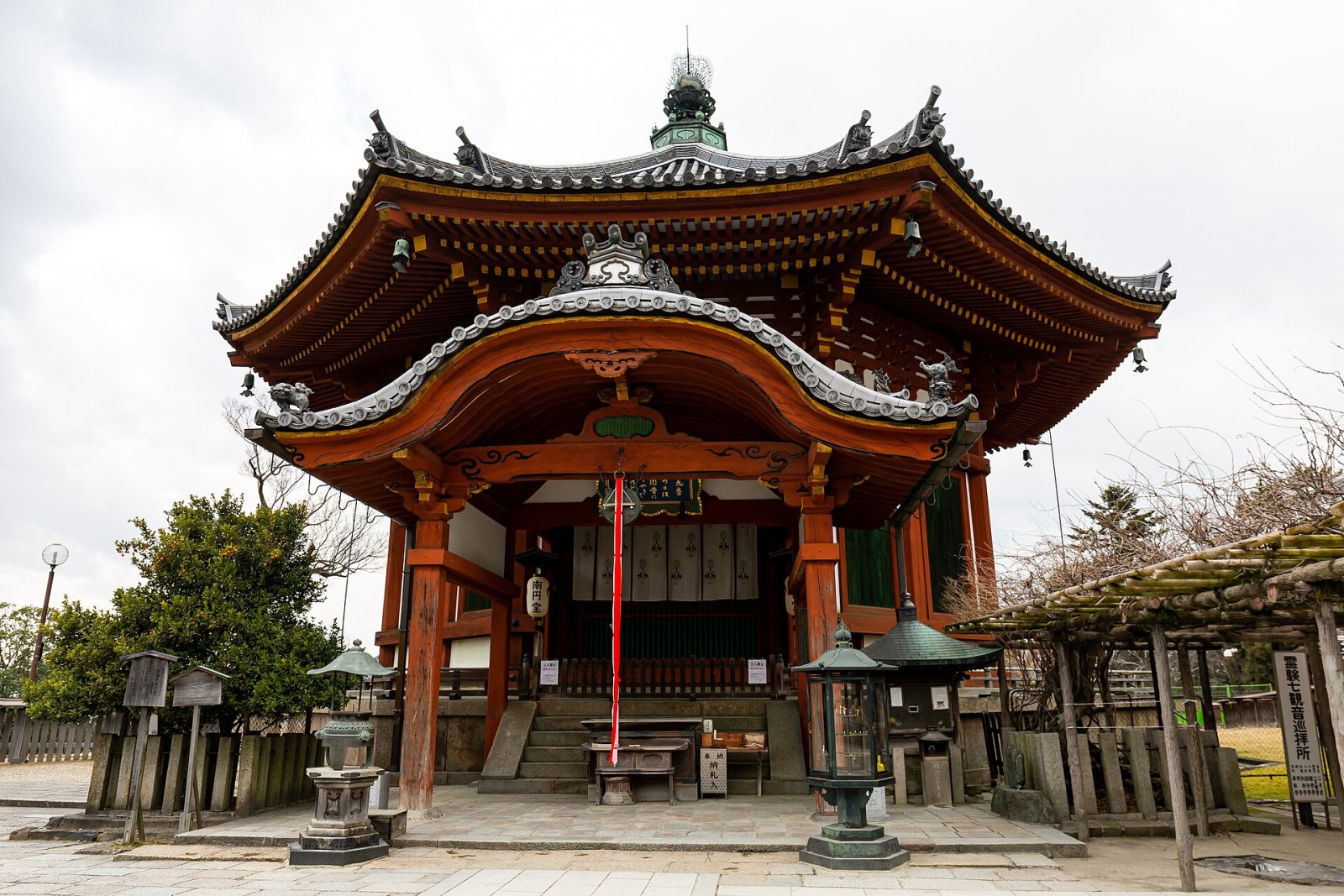
Kofuku-ji was founded in 669 AD and rebuilt so many times across so many centuries that walking its grounds is essentially a compressed survey of Japanese Buddhist architecture. The Eastern Golden Hall, the Five-Storey Pagoda, the National Treasure Museum adjacent to the complex — give each of these your full attention rather than rushing through all three. Specific things to do: examine the asymmetric roofline of the Northern Octagonal Hall, which dates to the Kamakura period; spend 30 minutes in the National Treasure Museum with its extraordinary collection of Asura statuary; walk the covered corridor connecting the main compound to the surrounding park; and sit on the stone steps of the pagoda base at dusk if you have timed things right.
Insider tip
The first train from Osaka Namba on the Kintetsu express leaves around 6:30 a.m. Take it. Kofuku-ji's grounds are technically open at all hours, and the pagoda area before 8 a.m. has perhaps thirty people in it. By 10 a.m. that number is in the hundreds. The National Treasure Museum opens at 9 a.m. — queue at 8:50.
Scopri il Nara Deer Park: un angolo di natura in Giappone — the park that refuses to be a zoo

The park stretches from the train station area all the way up toward Kasuga Grand Shrine, a walk of about 25 minutes through increasingly wooded terrain. Specific things to do: buy shika senbei (deer crackers) from one of the vendors near the Kofuku-ji approach and observe how quickly the deer identify you as a target; walk the upper path toward Kasuga-taisha through the cryptomeria forest; find the pond behind the Ukimido pavilion in the late afternoon when the light comes in low; and take the less-visited western edge of the park where the deer congregate in the shade and the tourist density drops sharply.
Insider tip
Deer in this park are bolder in autumn, when visitors are most numerous and the animals have learned that crowds mean crackers. If you are travelling with small children, keep the crackers out of sight until you are ready — the deer will smell them through a bag. Midweek visits in spring or early summer offer the park at its most navigable.
Fushimi Inari - Taisha - Important Shinto shrine in Kyoto: how far up the mountain you go is the decision
The critical logistical fact is this: the lower gates are perpetually crowded; the upper mountain is not. The full circuit to the summit and back takes two to three hours and most day-trippers turn around at the first major rest point, Yotsutsuji intersection, about 40 minutes up. Specific things to do: walk past Yotsutsuji to the upper trails where the gate density increases and the crowds thin; examine the fox messenger statues at each subsidiary shrine along the route; visit the inner sanctum buildings at the base before starting the climb; and descend via the eastern trail for a different perspective on the gate corridors.
Insider tip
The first JR Nara Line train from Osaka reaches Inari Station before 7 a.m. The gates are lit from below after dark, and the mountain is open 24 hours — but for a day trip, arriving before 8 a.m. is the single most effective crowd-management strategy available to you. By 9:30 a.m. the lower gates are shoulder-to-shoulder.
Kyoto is home to Japan's best known Buddhist temples: using the city itself as the day trip
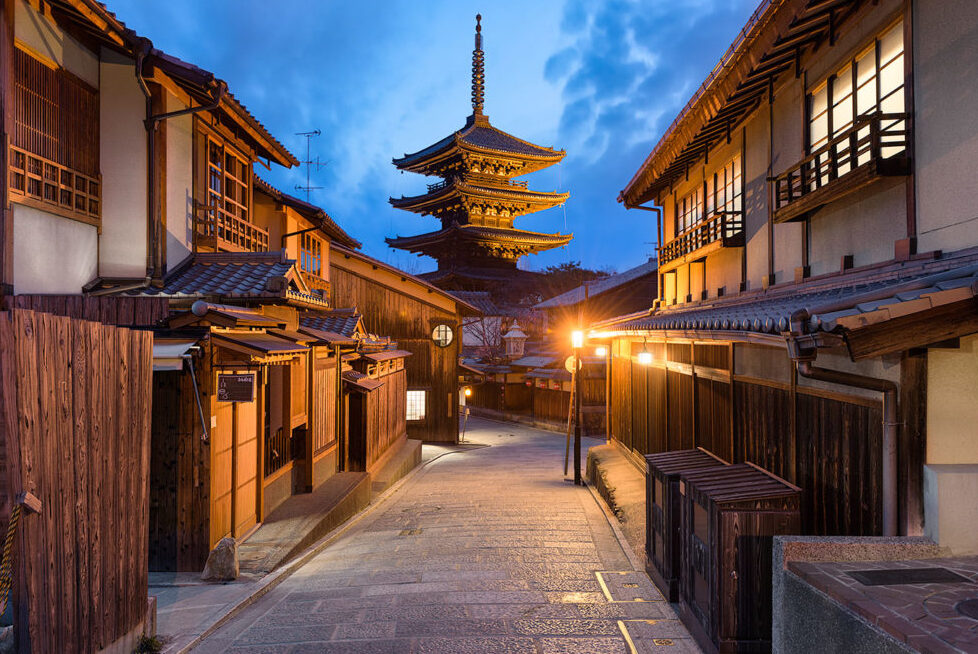
Kyoto served as Japan's imperial capital from 794 to 1868, and the density of significant Buddhist temples, Shinto shrines, and preserved streetscapes within its boundaries is unlike anywhere else in the country. For a single day, I recommend choosing either the Higashiyama district (eastern hills, walkable temple corridor) or the northern Kita ward (Daitokuji, Kinkaku-ji area) rather than attempting both. Specific things to do: walk the Philosopher's Path in Higashiyama from Nanzen-ji to Ginkaku-ji; take bus 101 or 205 to the northwest cluster; visit Nishiki Market in the covered arcade near Shijo for a ground-level sense of the city's daily rhythm; and allow yourself one unscheduled hour to simply walk a residential lane.
Insider tip
Kyoto's bus system is frequent but becomes severely congested on weekends and public holidays. On those days, rent a bicycle from one of the many shops near Kyoto Station or Demachi-yanagi — the city is largely flat in its central sections and cycling between sites is faster than waiting for buses after 10 a.m.
Nijo Castle was the Kyoto residence of Tokugawa Ieyasu: power made architectural
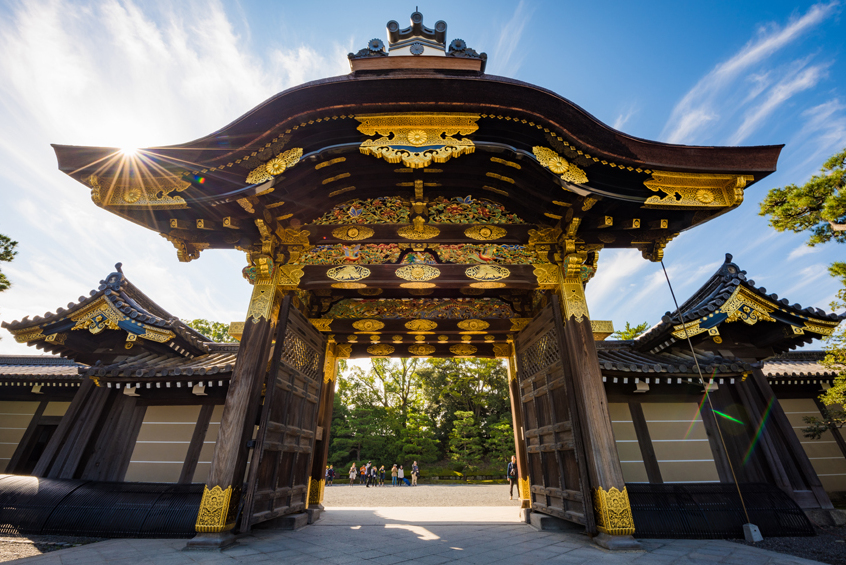
The castle grounds cover about 275,000 square metres, which means you need two to three hours to do it justice rather than rushing. Specific things to do: walk the Ninomaru Palace interior slowly and listen for the floor sounds in the corridors; examine the Kano school paintings on the sliding doors inside the palace, which are among the finest surviving examples of the style; walk the outer Honmaru garden; and spend time in the Seiryu-en garden in the northeast corner, which most visitors skip entirely.
Insider tip
Nijo Castle closes on Tuesdays in January, July, and August, and for special events throughout the year. Check the official calendar before you go — I have arrived to find it closed twice. The castle opens at 8:45 a.m. and the palace interior is best experienced in the first hour before group tours begin arriving around 10 a.m.
Kyoto: The garden and the Saihoji Temple — thirteen centuries of intentional landscape
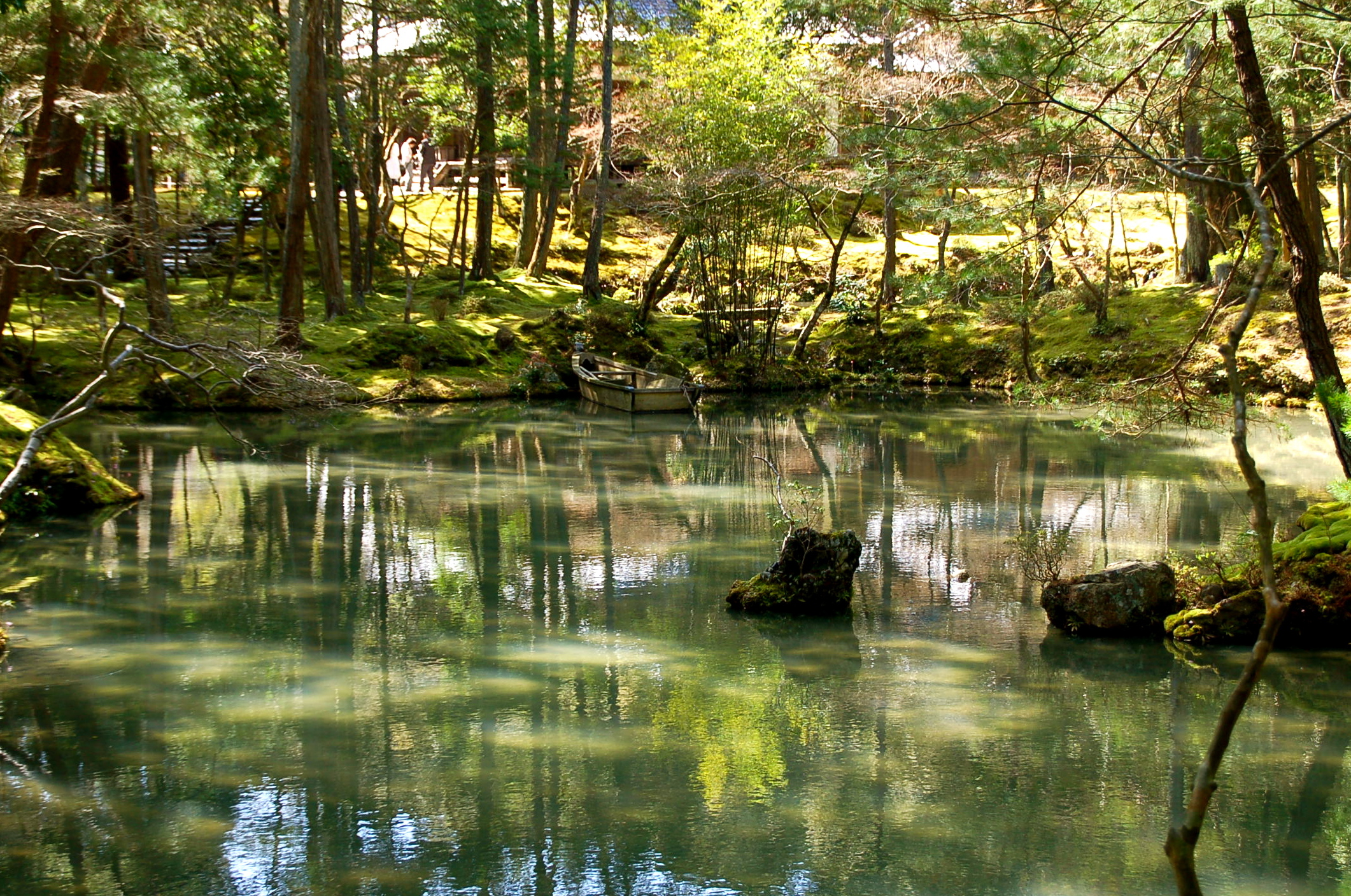
The lower garden, with its moss-covered ground and central pond, is the principal draw. The upper garden contains a more austere dry landscape section that most visitors underestimate. Specific things to do: walk the full circuit of the lower pond garden at a slow pace, which takes about 40 minutes if you are not rushing; examine the stone arrangements in the upper dry garden; observe how the moss changes colour and texture depending on the hour and cloud cover; and sit at the viewpoint above the pond where the garden's spatial logic becomes apparent.
Insider tip
This entry and the following one (Saihoji/Kokedera) refer to the same temple complex from different source angles. The reservation requirement is the critical fact: you must apply in advance by mail or through the official website. Walk-ins are not accepted. Plan this at least three to four weeks ahead, especially for spring and autumn visits.
Saihoji, known as Kokedera, is one of Kyoto's Unesco — the moss temple that requires commitment
The visit itself is structured: you begin with a period of sutra copying or prayer before entering the garden, which sounds like an imposition but functions as a genuine decompression from the pace of transit. Specific things to do: arrive at your reserved time without being late — the schedule is firm; take the sutra-copying exercise seriously rather than rushing it; walk the lower garden in the direction opposite to most other visitors to get clear sightlines; and visit in the rainy season (tsuyu, roughly June) when the moss is at its most saturated and the garden looks like something from a different geological era.
Insider tip
The reservation system requires you to send a postcard or use the official online form well in advance. The temple sends back a reply card with your time slot. Entrance fees are higher than most Kyoto temples — budget accordingly. If your reservation falls through, do not attempt to arrive without one; you will be turned away.
Daitokuji is a large walled temple complex in Kyoto: Zen at operational scale
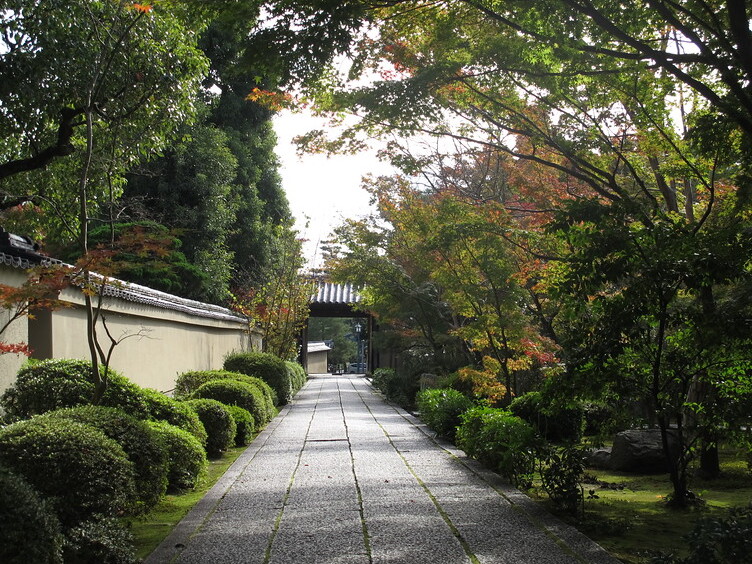
Of the nearly two dozen sub-temples, typically four to eight are open to the public at any given time, and the rotation changes. Specific things to do: check which sub-temples are open before you go — Daisen-in and Zuiho-in are most consistently accessible and both contain significant dry landscape gardens; walk the perimeter wall before entering to understand the compound's scale; visit Koto-in, which has a long approach path of maples and stone lanterns that is particularly atmospheric in November; and allow at least three hours for the complex rather than the 90 minutes most guidebooks suggest.
Insider tip
Daitokuji is in the northern part of Kyoto, which means it is less integrated into the standard tourist circuit and receives fewer visitors than Higashiyama or Arashiyama. Weekday mornings here are genuinely quiet. The complex opens at 9 a.m. and the sub-temples have individual closing times — Daisen-in closes at 5 p.m. in summer, 4:30 p.m. in winter.
Sagano - The wonderful bamboo forest: why you should drive and arrive before the rickshaws
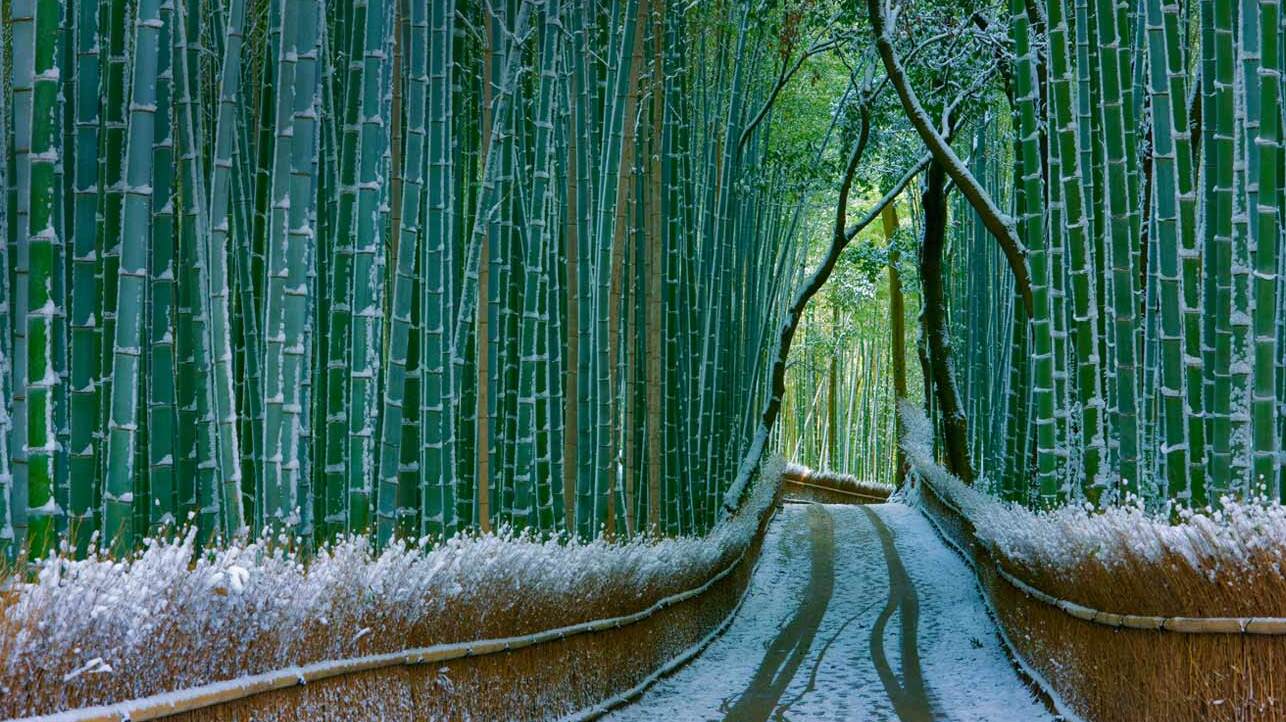
The grove itself is a 500-metre path between stands of Moso bamboo that reach 20 metres or more, creating a tunnel effect that genuinely alters the quality of light and sound. Specific things to do: walk the grove in both directions rather than treating it as a one-way transit; visit Tenryu-ji garden immediately adjacent, which is one of the finest Zen gardens in Japan; cross the Togetsukyo bridge over the Oi River and look back at the wooded hillside; and walk north from the grove into the quieter Sagano lanes toward Jojakko-ji for a less-trafficked version of the same landscape.
Insider tip
Parking near Arashiyama on weekends in autumn (late October through mid-November) is a serious problem. Roads back up from the main parking areas by 9 a.m. and do not clear until early evening. If you must go on a weekend in autumn, take the train. If you drive on a weekday, the Togetsukyo bridge parking area fills by 9:30 a.m. — be there before 8.
Ninnaji is one of the Unesco great temples in Kyoto: the temple with its own village
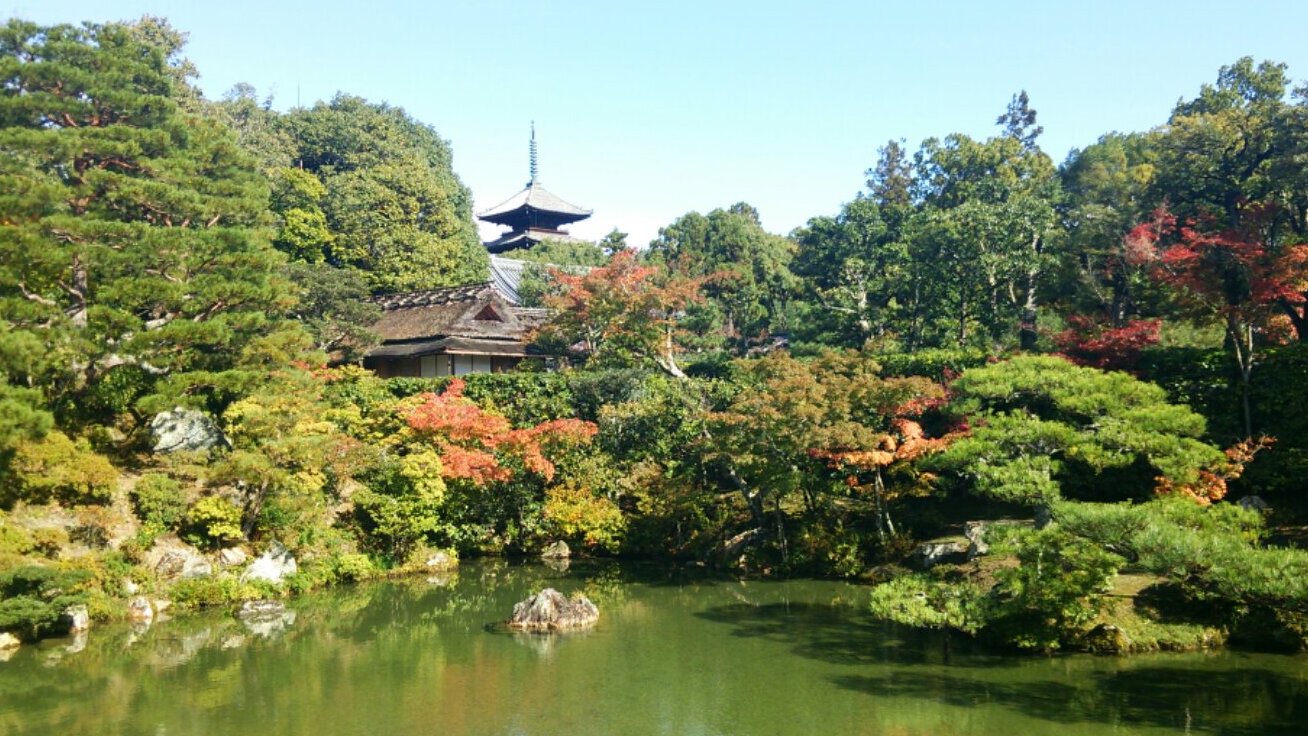
What distinguishes Ninnaji from many Kyoto temples is its scale and internal variety: the complex includes a five-storey pagoda, the Kondo main hall, a Noh stage, a garden, and the remains of the imperial palace buildings. It feels more like a small precinct than a single temple. Specific things to do: examine the Niomon gate at the entrance, which dates to the seventeenth century; walk the covered corridor connecting the main hall buildings; visit the Omuro Gosho garden in the northern section; and climb the stone steps to the pagoda base for an elevated view across the temple rooflines.
Insider tip
Ninnaji is famous for its late-blooming Omuro cherry trees, which flower two to three weeks after most of Kyoto's sakura season has ended — typically late April. If you are visiting in late April, this is the one place in the region where you can still see cherry blossoms without having planned around the standard peak. The temple opens at 9 a.m.; arrive by 9:10 on cherry blossom days.
The Kansai corridor between Osaka and Kyoto is one of those rare travel situations where the infrastructure has been arranged, almost conspiratorially, in your favour. Trains are frequent, distances are short, and the sites at the other end have been maintained with a seriousness of purpose that makes the effort feel proportionate.
But I want to say something about restraint. The temptation when you have a list like this is to attempt three or four entries in a single day, treating them as checkboxes. I have done that, and I can tell you that the version of Kofuku-ji or Daitokuji or the bamboo grove that you experience at a run, between other things, is a significantly diminished version of the real one. Pick one destination per day. Go early. Stay longer than you think you need to. The train back to Osaka runs until midnight.
The city will be there when you return. It always is.
But I want to say something about restraint. The temptation when you have a list like this is to attempt three or four entries in a single day, treating them as checkboxes. I have done that, and I can tell you that the version of Kofuku-ji or Daitokuji or the bamboo grove that you experience at a run, between other things, is a significantly diminished version of the real one. Pick one destination per day. Go early. Stay longer than you think you need to. The train back to Osaka runs until midnight.
The city will be there when you return. It always is.


