I've been making day trips from Paris for the better part of fifteen years, by every means available. I've taken the RER at six in the morning to beat the tour buses. I've driven the A6 in August and regretted every minute of it. I've sat on a river boat watching the Île-de-France countryside unspool at the pace it deserves. I know which trips reward the early riser and which ones can absorb a lazy ten o'clock departure. I know where the parking is a trap and where the train is genuinely faster than the car.
A good day trip from Paris earns its travel time. That means something meaningfully different from what you can get in the city — a different scale, a different silence, a different relationship to the sky. It means a return journey that doesn't feel like a defeat. And it means logistics that don't consume the experience. The ten destinations in this guide clear all three bars. Some are famous. Some are overlooked. None of them will waste your day.
At a glance
- Chateau de Chantilly: where the horses live better than most people
- Notre-Dame de Chartres Cathedral: the light does the work
- Teatro di corte del castello di Fontainebleau: Napoleon's theatre, and the forest outside it
- Giverny and Claude Monet: the garden that became the paintings
- Scopri il fascino del Château de Breteuil à Choisel: a family château that hasn't been museumified
- Eure Valley | Castle of Maintenon: a ruin that earns its place in the landscape
- Lac de l'Essonne: a nature break that asks nothing of you
- Disneyland Paris, originally Euro Disney Resort: a day trip that is exactly what it is
- Scopri i Remparts de Saint-Malo: a walled city that the sea has shaped
Chateau de Chantilly: where the horses live better than most people
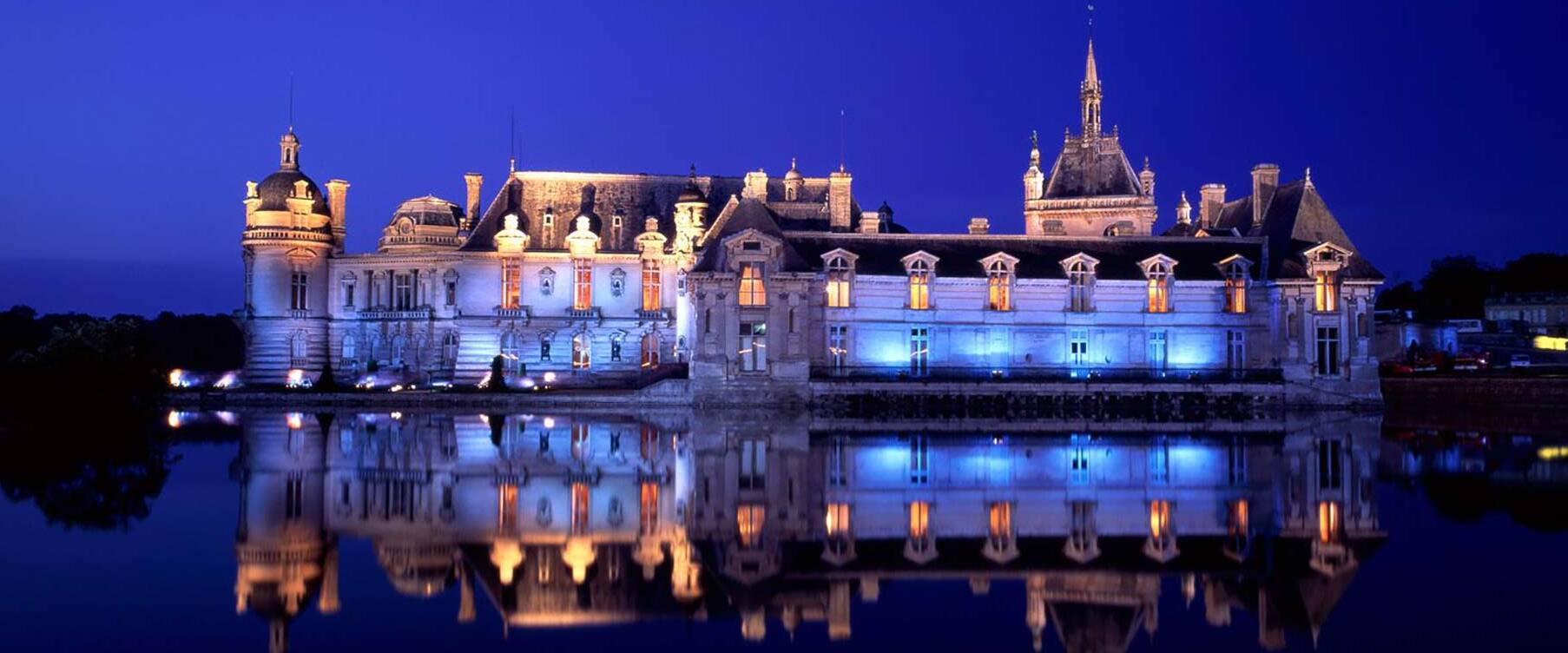
Beyond the château, the Grandes Écuries, the 18th-century stables, are worth the visit on their own terms. They were built to house 240 horses and 500 hunting dogs, and the scale of that ambition is still legible in the stone. Walk the forest paths around the estate in the afternoon when the light comes in low. Do the formal gardens. Resist the urge to rush.
Three to four specific things to do: tour the Condé Museum, visit the Grandes Écuries, walk the Le Nôtre-designed gardens, take the rowboat out on the moat if it's available.
Insider tip
The first train from Gare du Nord leaves early enough to get you to the château gates before the coach tours arrive. Aim to be inside the museum by 10am. By noon, the main courtyard fills up considerably. The château is closed on Tuesdays.
Notre-Dame de Chartres Cathedral: the light does the work
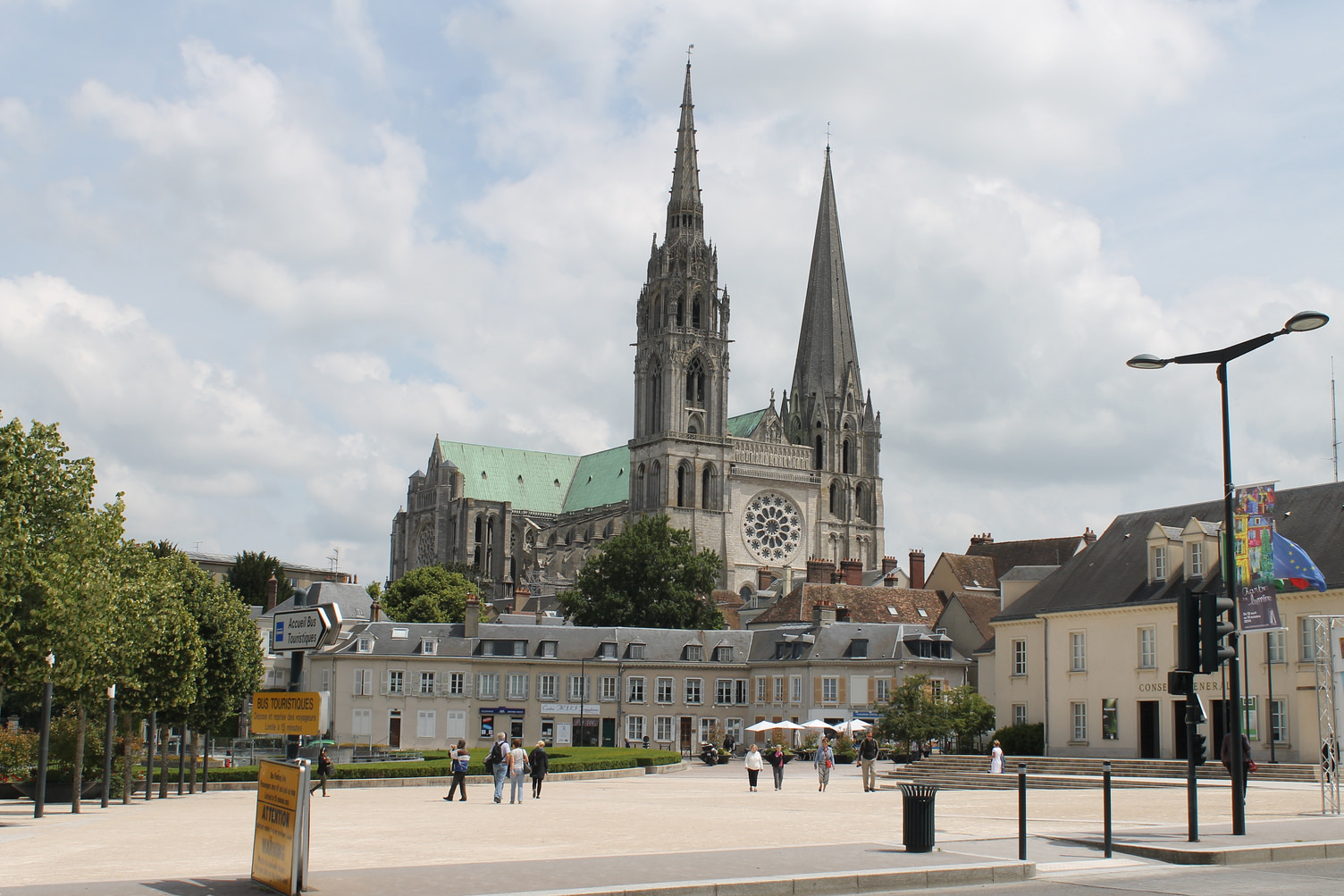
The cathedral is considered one of the most complete surviving examples of early 13th-century religious architecture in the world, and UNESCO has been saying so for decades. Beyond the nave, climb the north tower for the view over the Beauce plain. Walk down to the lower town along the rue des Écuyers. The old city around the cathedral repays wandering — it's compact enough to cover on foot in a couple of hours without a map.
Three to four specific things to do: study the Royal Portal sculptures, take the north tower climb, walk the medieval labyrinth on the nave floor, explore the Eure riverbank in the lower town.
Insider tip
Wednesday and Friday mornings often have fewer visitors than weekends. The train from Montparnasse takes about 55 minutes and runs frequently. Buy your return ticket in advance if you're going on a Saturday in summer — the last trains back fill up.
Teatro di corte del castello di Fontainebleau: Napoleon's theatre, and the forest outside it
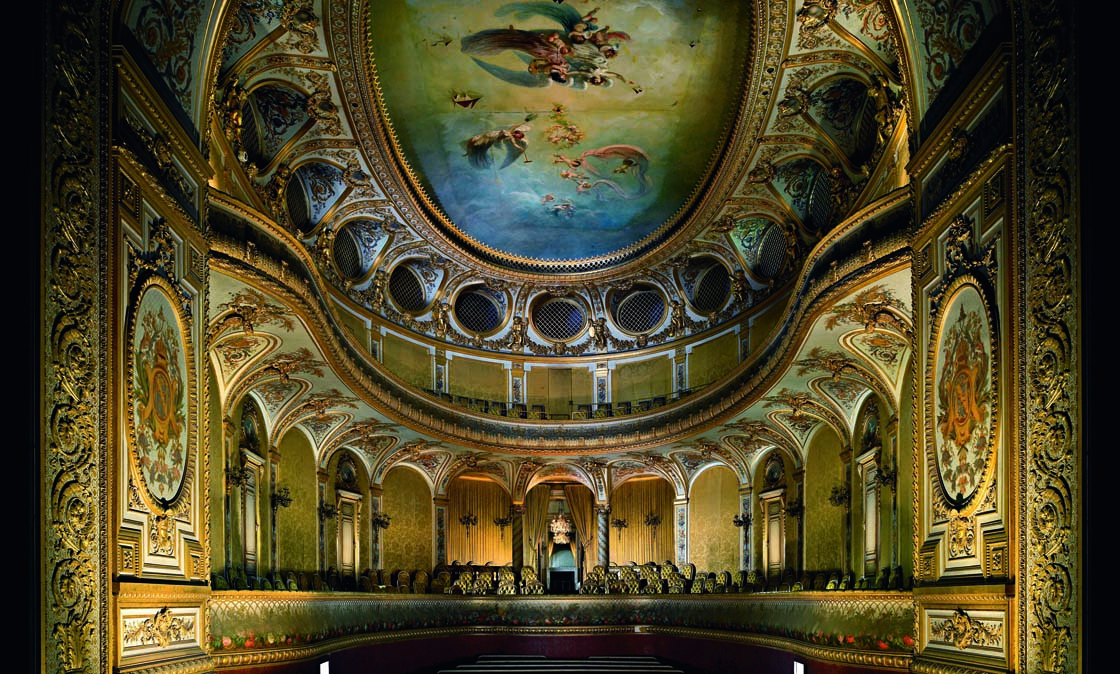
It's a small, jewel-box theatre in the full Second Empire decorative style — gilded, intimate, and almost absurdly ornate by any modern standard. It's the kind of room that makes you understand why the 19th century produced so much opera. After the palace, the Forêt de Fontainebleau is one of the great underrated outdoor spaces within reach of Paris — 25,000 hectares of sandstone outcrops, oak forest, and marked trails that attract serious climbers and casual walkers alike.
Three to four specific things to do: tour the court theatre, walk the Napoleon I apartments, take a marked trail into the forest, visit the Cour des Adieux where Napoleon bid farewell to his guard.
Insider tip
The château is closed on Tuesdays. The forest trails around the Gorges d'Apremont are accessible directly from the town — no car needed. Go on a weekday if you can; the forest gets crowded with Parisian families on Sunday afternoons.
Giverny and Claude Monet: the garden that became the paintings

The house itself is worth seeing — the yellow dining room, the blue kitchen, the collection of Japanese woodblock prints on the walls. It's a working artist's house, not a monument, and it reads that way. The village beyond the garden is quiet and takes about 20 minutes to walk end to end.
Three to four specific things to do: walk the Water Garden at opening time, tour the house interior, cycle the route from Vernon along the Seine, visit the Musée des Impressionnismes Giverny nearby.
Insider tip
The garden opens in late March and closes in early November. Get there at opening time — 9:30am — before the tour groups arrive from Paris. The bicycle hire in Vernon is reliable and the riverside route is flat. Avoid late June weekends: they are genuinely overwhelming.
Scopri il fascino del Château de Breteuil à Choisel: a family château that hasn't been museumified

The park surrounding the château is the real draw for many visitors: formal French gardens giving way to English-style woodland, with long allées and a working kitchen garden. It's the kind of place where children can run freely and adults can sit on a bench without feeling like they're blocking a tour route. The Vallée de Chevreuse itself is a regional nature park, and the roads through it are among the most pleasant drives within an hour of Paris.
Three to four specific things to do: tour the furnished château rooms, walk the formal gardens and woodland park, explore the Vallée de Chevreuse by car or on foot, visit the kitchen garden.
Insider tip
Parking is ample and free. The château is particularly worth visiting in spring when the wisteria and garden beds are in bloom. Check opening hours before you go — they vary by season and the château sometimes closes for private events.
Eure Valley | Castle of Maintenon: a ruin that earns its place in the landscape
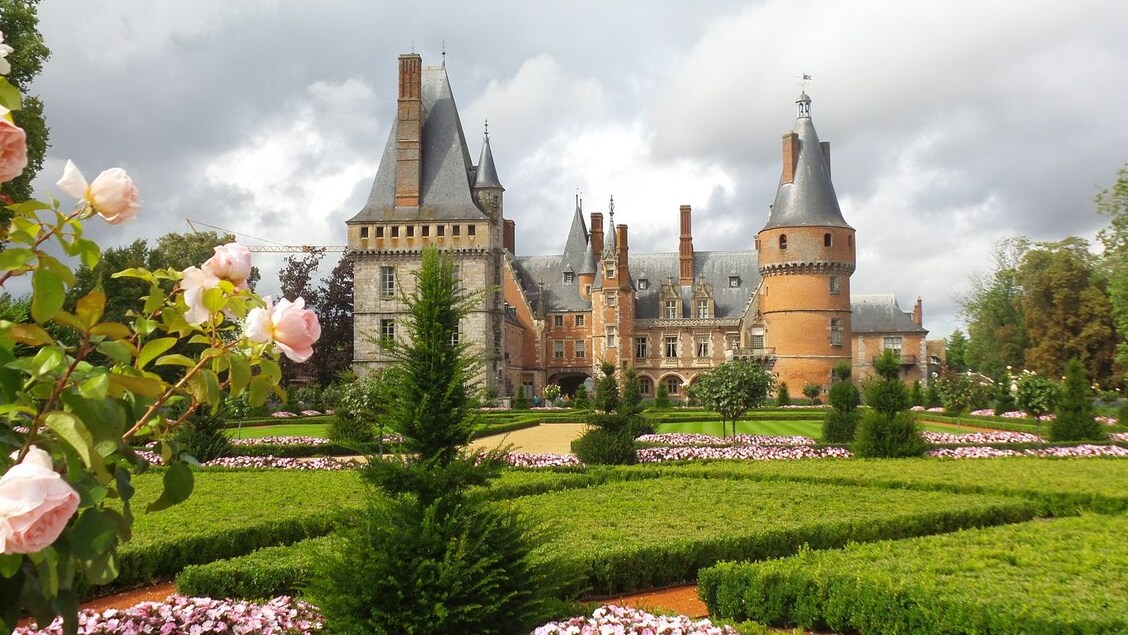
The castle itself is a layered structure: medieval tower, Renaissance additions, and the extraordinary unfinished aqueduct begun under Louis XIV to supply Versailles with water from the Eure. The project was abandoned, and the ruined arches now stand in the park as a monument to the gap between royal ambition and engineering reality. Madame de Maintenon, the morganatic wife of Louis XIV, gave the castle its current name and shaped much of its character. The interior is furnished and the guided tour is thorough without being exhausting.
Three to four specific things to do: tour the furnished château interior, walk the park to the unfinished aqueduct, drive the Eure Valley road, combine with a visit to Chartres cathedral 15 kilometres away.
Insider tip
Maintenon and Chartres are close enough to combine in a single day if you're driving. Do Maintenon first when it opens, then drive to Chartres for the afternoon. The aqueduct ruins are best seen in the late afternoon light.
Lac de l'Essonne: a nature break that asks nothing of you
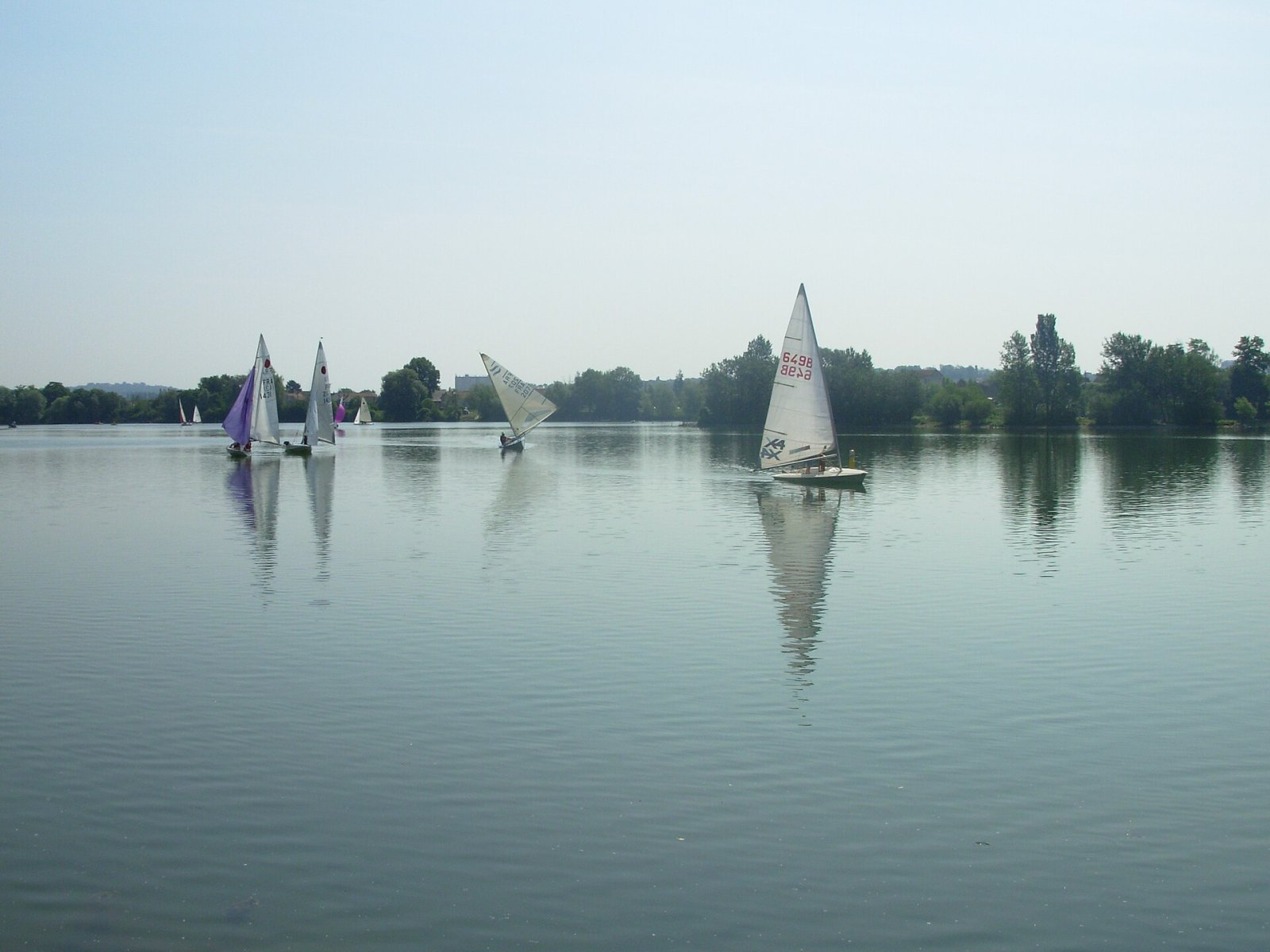
You can reach Corbeil-Essonnes by RER D, but the lake itself is more easily accessed by car, which lets you park close and leave when you want. The area around the lake is managed as a natural space, with paths suitable for walking and cycling. It's the kind of place Parisians use for a Sunday reset — a picnic, a slow walk, a couple of hours away from screens. If your day trip ambitions are modest and your need for quiet is acute, this is the most honest answer on this list.
Three to four specific things to do: walk the lake perimeter path, bring a picnic and find a quiet spot on the bank, cycle the surrounding paths, watch for birdlife along the water's edge.
Insider tip
Go on a weekday if you want the lake largely to yourself. Weekend afternoons bring local families in numbers. The drive from Paris on the A6 is straightforward but avoid Friday evening — the southbound traffic is brutal.
Disneyland Paris, originally Euro Disney Resort: a day trip that is exactly what it is
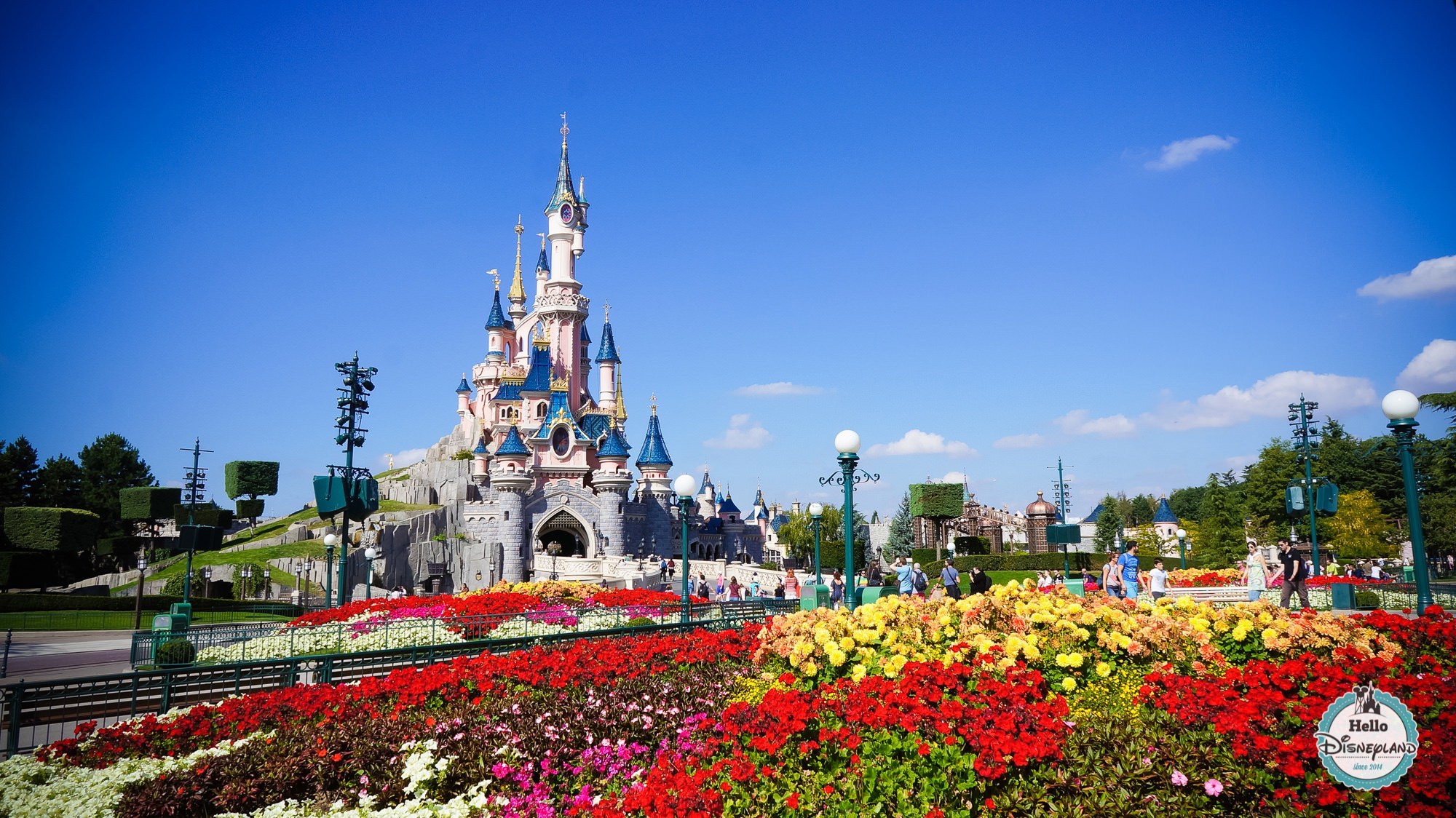
The resort encompasses two theme parks — the original Disneyland Park and Walt Disney Studios Park — plus hotels, restaurants, and the Disney Village entertainment district. The RER A connection is genuinely good: frequent, direct, and depositing you at the park gates. A boat connection via the Seine is not the standard approach, but river excursions from Paris occasionally incorporate the Marne-la-Vallée area; check current operator schedules if the water route appeals. For families with children, this trip needs no justification. For adults without them, the best argument is the sheer logistical efficiency of a day that requires no navigation decisions once you arrive.
Three to four specific things to do: prioritise the rides with the longest queues first thing in the morning, use the park app for real-time wait times, walk Main Street USA at closing time when the crowds thin, book any table-service restaurant in advance.
Insider tip
Arrive at park opening, not 30 minutes after. The difference in queue times is not marginal — it's 20 minutes versus 90 minutes for the same ride. Midweek in October or November is the quietest period by a significant margin. Avoid school holiday weeks entirely if crowds are a concern.
Scopri i Remparts de Saint-Malo: a walled city that the sea has shaped
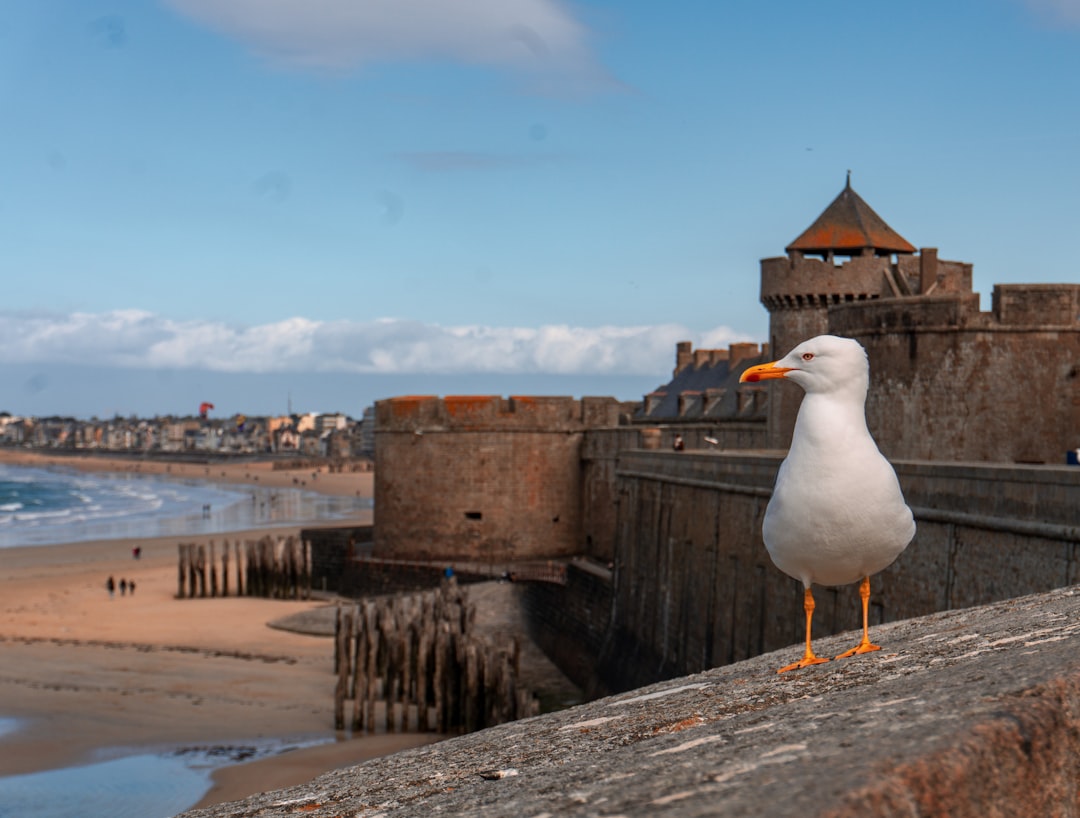
The walls are walkable in their entirety, a circuit of about 1.8 kilometres above the old city with views over the sea, the offshore islands, and the tidal flats. The intra-muros city within the walls is compact and navigable on foot. The sea itself is a constant presence — the tides here are among the most dramatic in Europe, and the light on the granite at low tide is unlike anything in the Île-de-France. Go in shoulder season when the city is not overwhelmed by summer visitors.
Three to four specific things to do: walk the full rampart circuit, explore the intra-muros streets, check the tide table and time your visit to the tidal islands accordingly, visit the Château de Saint-Malo at the city gate.
Insider tip
The first TGV from Montparnasse leaves early enough to get you to Saint-Malo by mid-morning. Book your return train before you go — the last TGV back fills quickly on summer evenings. This trip is better as an overnight if you can manage it, but the day version is doable with discipline.
Fifteen years of day trips from Paris have taught me one reliable thing: the city is not diminished by leaving it. If anything, the return journey tends to clarify what you value about it — the density, the noise, the particular quality of a Paris evening. The destinations on this list are not interchangeable. The silence of the Lac de l'Essonne is a different proposition from the conceptual disorientation of the Elephant Wursa, which is a different proposition again from standing on the ramparts of Saint-Malo with the Atlantic wind in your face. A good day trip is not a consolation prize for people who couldn't get tickets to something in the city. It's a choice with its own logic and its own rewards. Make it deliberately, leave early, and give yourself permission to come back tired. That's the whole point.


