10 Best Day Trips from Porto — by train, car, and boat
A working guide to getting out of the city, making the most of your hours, and coming back satisfied rather than exhausted
L
Words by
Lena Hofmann
Updated
21 October 2026
Read time
12 minutes
Includes
7 places · interactive map
Porto is one of those cities that earns its reputation without trying too hard. The tiles, the bridges, the wine lodges across the river in Vila Nova de Gaia — it all holds up. But if you spend more than two or three nights here, you will feel the pull of the surrounding region, and you should act on it. The north of Portugal is dense with things that matter: river valleys carved over millennia, medieval towns that never got too comfortable with tourism, a coastline that the Atlantic treats with zero sentimentality, and an interior that rewards the traveler willing to put in a little effort.
A good day trip from Porto earns its place on two conditions. First, the journey itself has to be manageable — under two hours each way, ideally less, with a transport option that doesn't require you to rent a car if you don't want one. Second, what you find at the other end has to justify the round trip. Not every destination passes both tests. Some places look great on a map and deliver a thin two-hour experience before you're standing on a platform wondering what to do with the rest of the afternoon.
I've done all of these trips multiple times, in different seasons, by different means. I've missed trains, sat in summer traffic on the A3, and arrived somewhere on a Monday when everything was closed. The advice below reflects those mistakes as much as the successes. The goal is simple: help you make a real decision about where to go and how to get there, so the day works rather than merely happens.
Barcelos, Portugal's symbol in the world: the rooster town that rewards an early start
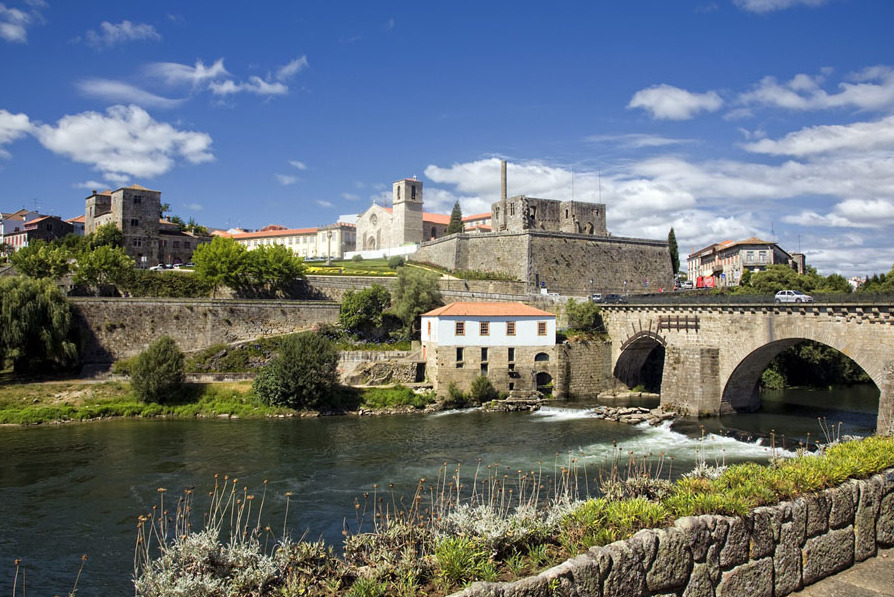
Barcelos sits about 42 kilometres northeast of Porto, and the CP regional train from Campanhã gets you there in roughly 50 minutes — a perfectly reasonable price to pay for a town that carries genuine cultural weight. This is the birthplace of the Galo de Barcelos, the ceramic rooster that became Portugal's most recognisable folk symbol, and while that origin story is everywhere in the souvenir stalls, the town itself is more than a gift-shop punchline. The weekly Thursday market, held in the Campo da República since the Middle Ages, is one of the largest in the Iberian Peninsula and worth timing your visit around. On arrival, walk the medieval bridge over the Rio Cávado for the view back toward the old town, visit the Museu Arqueológico for the stone cross that supposedly inspired the rooster legend, explore the ruins of the Counts' Palace, and spend time in the market itself if the day is right. The town is genuinely navigable on foot, which matters when you have a train to catch at the end of the afternoon.
Insider tip
The Thursday market gets crowded by 10am. Take the earliest train from Campanhã — there's a departure around 7:30am — and you'll have the stalls to yourself for the first hour. Afternoon trains back to Porto run regularly, but check the last departure before you commit to a long lunch.
If the Thursday market version of Barcelos feels too busy for your taste, there's a different rhythm to the town on any other day of the week. The same train from Campanhã drops you into a quieter place — one where the gardens, the riverside paths, and the smaller cultural spaces are genuinely unhurried. Barcelos has been working to position itself as a destination with depth beyond its folklore identity, and on a non-market day you can feel that effort paying off. Walk the riverbank south of the bridge, where the light in the late morning is worth the detour. The town's parks and green spaces are well maintained and largely ignored by visitors who came specifically for the market. Spend time in the historic centre without the crowd pressure, visit the ceramic workshops that operate year-round, and take the long route back to the station through the residential streets where the town's actual texture becomes visible. The return journey is the same 50 minutes, and the last train back gives you a generous window.
Insider tip
If you're visiting on a non-Thursday, consider combining this with a stop at the Museu de Olaria (the pottery museum) — it keeps regular hours and provides real context for the ceramic tradition that Barcelos is built on. Confirm opening times before you go; Portuguese municipal museums sometimes close on Mondays.
3Sport and activity· 35.4 km
Estela, Golf sull'oceano: a serious links course on the Atlantic edge
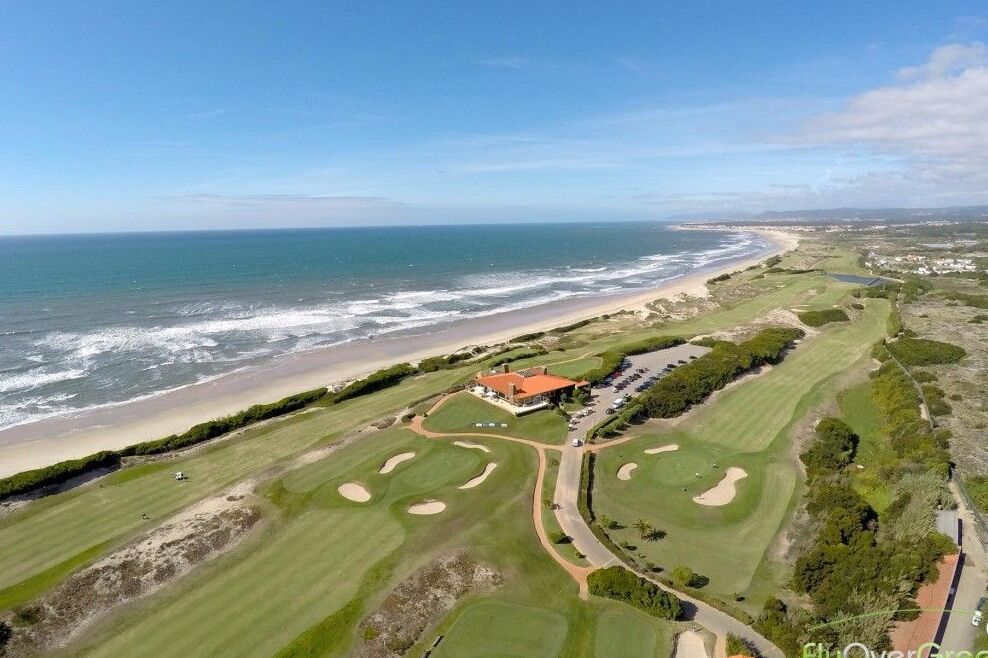
Estela is about 35 kilometres north of Porto — 20 to 25 minutes by car on the A28, depending on where you're starting from. There is no practical train option that gets you close enough to walk to the course, so a car or a taxi is the honest answer here. What you find is one of Portugal's genuinely respected golf courses, a links layout that sits hard against the Atlantic coast and has hosted European Tour events. The course has earned a place on serious ranked lists of Portuguese golf, and for anyone who plays, a round here is a legitimate reason to rent a car for the day. Beyond the golf itself, the coastal setting means the walk between holes delivers the kind of sea air and open horizon that the city cannot offer. Non-golfers who drive out with a playing companion can walk the beach at Praia de Estela while they wait, which is a reasonable way to spend a morning. Book your tee time well in advance in summer — the course fills up, particularly on weekends.
Insider tip
Tee times before 8am are cooler, less crowded, and finish early enough to drive back to Porto for a late lunch. Summer afternoon rounds can be slow and hot. The car park is free and large, but the access road is narrow — take the turn-off from the N13 rather than relying entirely on GPS, which sometimes routes you through a village track.
4Bridges and engineering· 43.8 km
516 Arouca, il più grande ponte sospeso pedonale del mondo: the world's longest pedestrian suspension bridge
The 516 Arouca bridge is named for its length in metres: 516 of them, suspended 175 metres above the Paiva River gorge near the town of Arouca. It held the record for the world's longest pedestrian suspension bridge when it opened, and the experience of crossing it is not something you'll confuse with anything else you've done on a trip to Portugal. The drive from Porto takes roughly an hour, and a car is the only realistic option — public transport to Arouca is limited and slow. Once there, the bridge crossing itself takes about 30 minutes at a comfortable pace, and the surrounding Arouca Geopark offers additional walking trails along the Paiva River if you want to extend the day. The views into the gorge are vertiginous in a way that is either exhilarating or immediately clarifying about your feelings regarding heights. Either way, you'll know quickly. Book tickets online before you go — entry is managed and timed slots sell out in summer.
Insider tip
Arrive for the first entry slot of the day (typically 9am or 9:30am). The gorge is cooler in the morning, the light is better for photographs, and you'll beat the midday rush that builds from about 11am onward. The car park fills fast on weekends — arrive 20 minutes before your slot.
7Gardens and parks· 46.9 km
Jardim de Santa Bárbara: the garden that earns its place in a serious itinerary
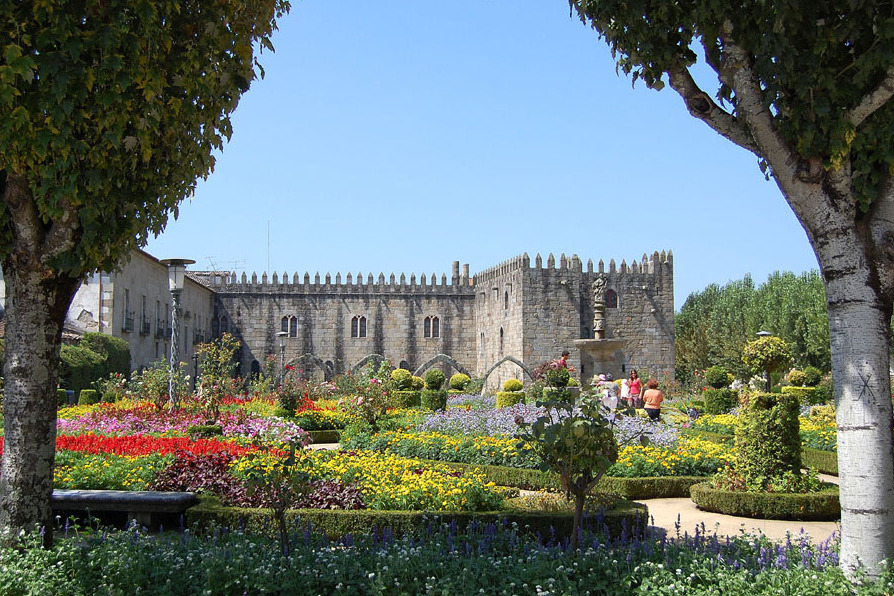
The Jardim de Santa Bárbara in Braga is a small formal garden behind the Archbishop's Palace, and it is the kind of place that travel writers tend to over-describe. Let me be direct: it is a well-maintained public garden with carefully arranged flower beds, a medieval wall as a backdrop, and a quality of quiet that is hard to find in a city centre. It is not large. You will spend 20 to 30 minutes here, not two hours. But those 20 minutes, particularly in spring when the flowers are at their most deliberate, are genuinely restorative in the middle of a day of walking and cathedral-visiting. The garden is free to enter and sits within easy walking distance of both the Cathedral and the Arch of the New Gate, making it a natural component of a Braga day rather than a standalone destination. Think of it as the pause between the larger things — a place to sit, regroup, and decide what comes next.
Insider tip
The garden faces south and gets direct sun from late morning onward. In summer, visit in the first hour after opening or late afternoon when the light softens. The benches under the wall are shaded and quieter than the central paths.
9Landscape and UNESCO heritage· 75.4 km
Alto Douro Vinhateiro: the UNESCO wine landscape and how to actually see it
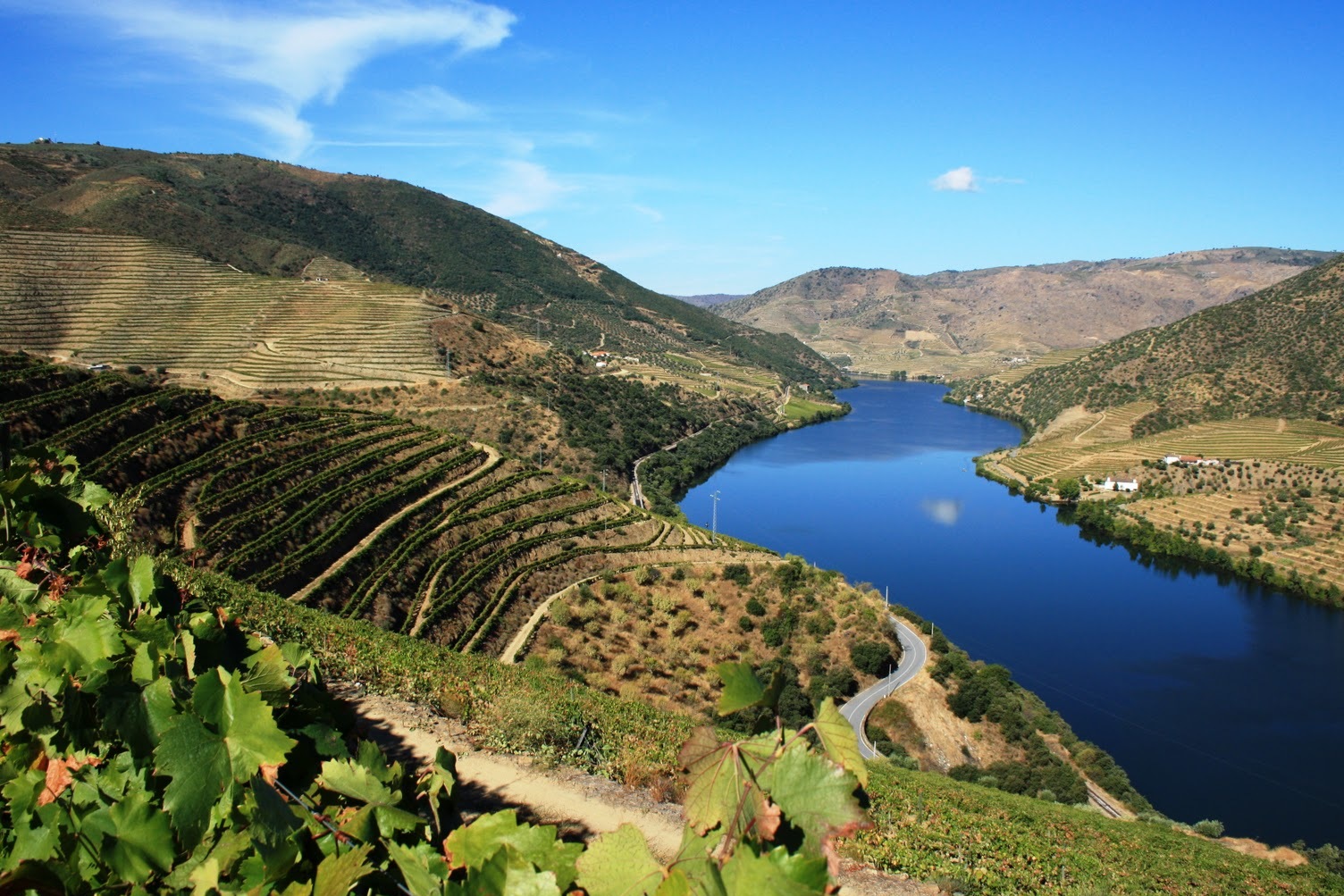
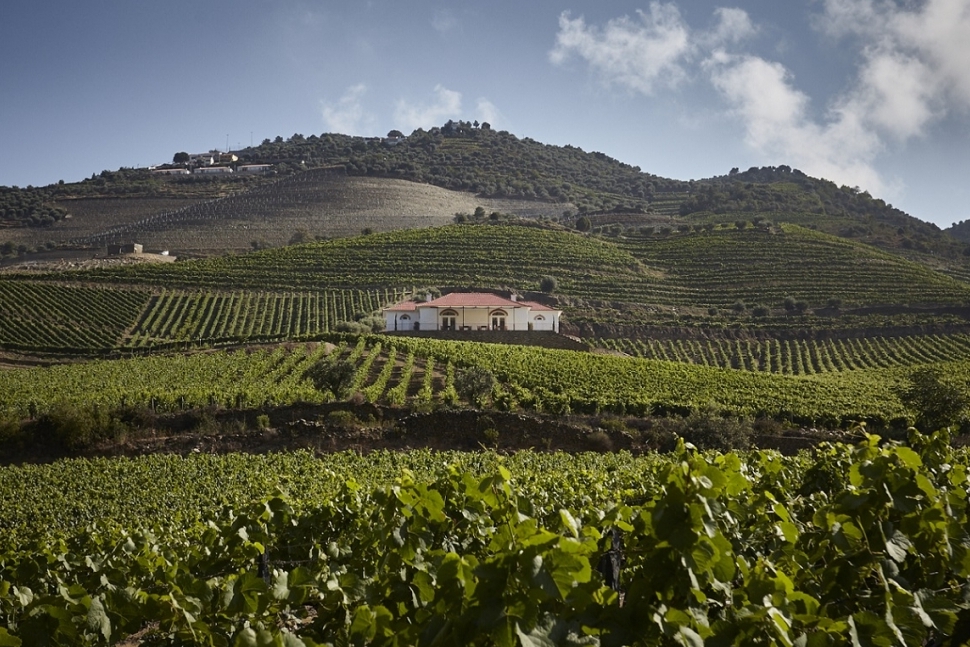
The Alto Douro Wine Region is a UNESCO World Heritage Site, and for once that designation describes something that genuinely earns it. The terraced vineyards that climb the valley walls above the Douro River represent centuries of human effort reshaping a difficult landscape into one of the world's most distinctive wine-growing regions — the oldest regulated one, in fact. From Porto, the Douro line train is the right way to arrive: the journey from São Bento to Régua takes about two hours and runs along the river for much of its length, which is itself part of the experience. The landscape changes as you move east — the river narrows, the terraces steepen, the light takes on a quality that changes the colour of everything. At Régua, you can walk the waterfront, visit the Museu do Douro, and take a short boat trip on the river. The train back gives you a different angle on the same landscape. It is a long day but a well-structured one.
Insider tip
Sit on the right side of the train heading east from Porto for the best river views. The morning departure from São Bento is the practical choice — it gets you to Régua before noon. The return train in late afternoon fills up in summer; buy your return ticket before you board the outbound train.
10Wine estate and heritage· 91.2 km
Quinta do Bomfim a famous and emblematic 'Estates': a working wine estate in Pinhão
Quinta do Bomfim sits in Pinhão, in the Cima Corgo sub-region of the Douro, about 91 kilometres from Porto by road and roughly 2.5 hours by train from São Bento. The extra distance compared to Régua is significant — this is a long day, and you should commit to it deliberately rather than treating it as a casual outing. The quinta is one of the most respected estates associated with Dow's Port, and the visit typically includes a tour of the winemaking facilities, a walk through the vineyards, and a tasting. Pinhão itself is a small riverside village with a train station famous for its azulejo tile panels depicting Douro agricultural life — worth ten minutes of attention before or after your estate visit. The combination of the train journey, the village, and the quinta makes for a day with genuine substance. Book the estate visit in advance; it operates on a schedule and does not accommodate walk-ins reliably.
Insider tip
The boat option from Porto to Pinhão exists — a full-day cruise up the Douro — but it is slow and expensive, and the return logistics require planning. The train is faster and more flexible. If you want the boat experience, take the train out and arrange a short river cruise locally at Pinhão, which several operators offer.
There is a version of travel from Porto where you stay inside the city for the entire trip and come away satisfied. Porto is good enough for that. But the region around it — the river valley heading east, the medieval towns to the north, the Atlantic coast, the granite hills of the interior — is not a footnote to the city. It is a different argument entirely, one that Porto can't make on its own.
The trips in this list are not ranked by quality. They are ranked by distance, which is the variable that actually governs your day. The closer destinations give you flexibility and margin for error. The further ones — Pinhão, the Douro valley — require commitment and reward it. None of them require you to be a particular kind of traveler. They require you to leave, which is the harder part.
Pick one. Check the train schedule tonight. The day will take care of itself.
🏆 Pocket guide
Take this guide with you.
Save it offline, get walking directions, and discover thousands more places like the ones you just read.
What is the best time of year to do day trips from Porto?
Late April through June is the most practical window: the weather is warm but not oppressive, the crowds have not yet peaked, and the Douro Valley landscape is at its greenest. September and early October are excellent for the wine region specifically, as harvest activity adds texture to estate visits. July and August work but require earlier starts — heat builds fast in the Douro interior, and popular sites like the 516 Arouca bridge sell out timed slots weeks in advance. Winter trips are viable for Braga and Barcelos, which are urban enough to absorb a grey day.
Is a rail pass worth buying for day trips from Porto?
Probably not, unless you are combining Porto day trips with wider Iberian travel. CP (Comboios de Portugal) tickets are inexpensive when bought individually, and the Douro line in particular is not covered by many international passes without supplements. Buy point-to-point tickets at the station or via the CP website. The São Bento to Régua return, for example, costs a modest amount and requires no advance booking on most days outside peak summer weekends.
Is driving in northern Portugal straightforward for visitors unfamiliar with the roads?
Generally yes, with caveats. The motorways (A3 north to Braga, A28 to the coast, A4 east toward the Douro) are well maintained and clearly signed. The difficulty comes on secondary roads — particularly in the hills toward Fafe and Celorico de Basto, and on the narrow roads approaching specific sites like Casa do Penedo. Download offline maps before leaving Porto. Tolls on Portuguese motorways are electronic; most rental companies provide a transponder, but confirm this before you drive. Fuel stations are frequent on main routes, sparse in the interior.
Can I do the Douro Valley as a day trip, or does it need an overnight stay?
Régua is manageable as a day trip by train — two hours each way leaves you five to six hours in the valley, which is enough for the waterfront, the Museu do Douro, and a short boat excursion. Pinhão is harder: the train journey is longer, and to do a proper estate visit at Quinta do Bomfim and still catch a reasonable return train, you need to be on an early morning departure from São Bento. If you have the option of one night in Pinhão, take it — the valley at dusk and dawn is a different experience from the midday visit.
Are there boat trips from Porto that serve as day trips in themselves?
Yes, though the logistics need managing. Full-day Douro cruises depart from the Ribeira waterfront in Porto and travel upriver, typically to Régua or beyond, sometimes including a return by train. These are scenic and unhurried, but the upstream journey takes most of the day and limits what you can do on arrival. They work best if the river journey is the point rather than the destination. For a more flexible approach, take the train to Pinhão or Régua and arrange a short local river cruise from there — several operators run one- to two-hour options that show you the terraced valley from the water without consuming the entire day.
🏆 Read this offline
Save it to your phone.
Bookmark this guide, plan your trip offline, and discover thousands of places like these.
BookmarkPlan offline60 languages
iOS / Android
Huawei users
Secret WorldHidden places, real stories — plan your trip