Trip.Planner
En · Travel Guide
Travel Guide · 2026 Edition

10 Best Day Trips from Seville — by train, car, and boat

Where to go, how to get there, and what nobody tells you before you leave

L
Words by
Lena Hofmann
Updated
4 May 2026
Read time
13 minutes
Includes
9 places · interactive map
10 Best Day Trips from Seville — by train, car, and boat
🏆 AI Trip Planner 2026

Plan smarter. Travel deeper.

1.3M+ curated places worldwide, offline maps, and AI-powered itineraries — all in one free app.

1.3M+ places Offline maps AI itineraries Free
Scan to download iOS / Android
Scan for AppGallery Huawei users
Seville is the kind of city that grips you. The light is different here — heavier, more deliberate — and the temptation to simply stay put, drink another coffee in the Plaza de la Encarnación, and call that a day is real and reasonable. But Seville also sits at the geographic heart of one of the most varied regions in Europe, and if you spend your entire trip within the city's ring road, you will leave with only half the picture.

A good day trip earns its travel time. That sounds obvious, but it rules out a surprising number of options. The destination has to offer something the city itself cannot: a different landscape, a different scale, a different silence. It also has to be honest about the logistics. Trains in Andalusia are reliable but not always frequent. Roads are fast but parking in hilltop towns can eat forty minutes you didn't budget. A boat on the Guadalquivir sounds romantic until you check the timetable.

I've done all of these routes multiple times, in different seasons, by different means. I've missed the last train back from Córdoba and eaten a very mediocre sandwich at a rural petrol station waiting for a bus. I've arrived at an archaeological site fifteen minutes after the final guided tour departed. These experiences are, in retrospect, useful — they produced the kind of practical knowledge that doesn't appear on tourism websites.

What follows is not a ranked list of the objectively best places within a hundred kilometres of Seville. It is a curated, honest account of ten trips that are worth the effort, with specific advice on timing, transport, and what to actually do when you arrive. Use it accordingly.
1 Archaeological site · 113.1 km

Medina Azahara le imponenti rovine di Cordoba: the caliphate at the edge of the world
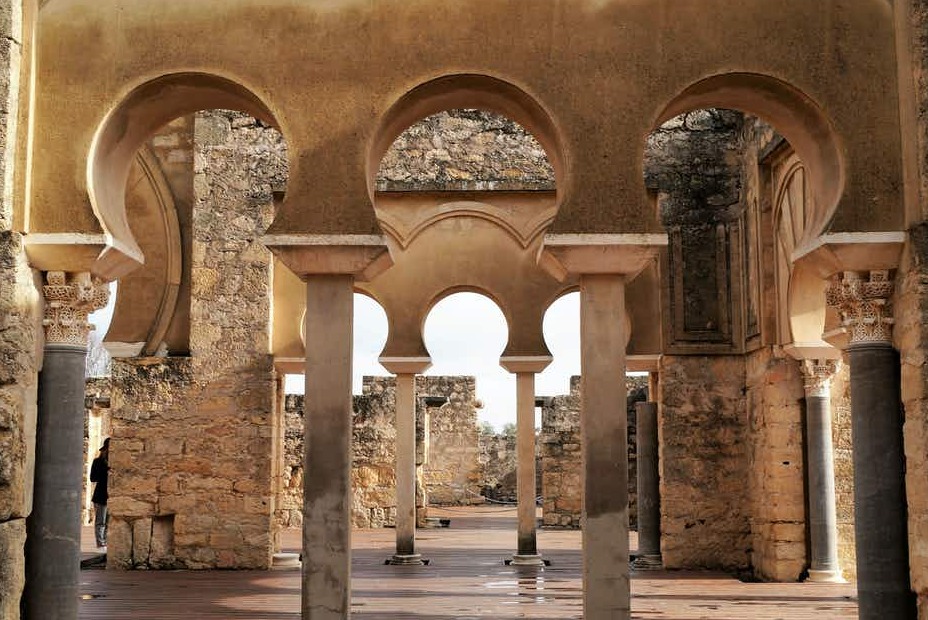
Medina Azahara le imponenti rovine di Cordoba: the caliphate at the edge of the world
The base for this trip is Córdoba, about 45 minutes from Seville on the high-speed AVE — one of the most cost-effective train journeys in Spain. From Córdoba's central station you take a dedicated shuttle bus (the C1 line, running from the bus station on Glorieta de las Tres Culturas) out to the ruins of Medina Azahara, the vast palatial city built by Caliph Abd al-Rahman III in the 10th century. Less than ten kilometres from Córdoba's historic centre, it feels like the edge of a different civilisation entirely — because it was. The site was abandoned and largely dismantled within a century of its construction, which gives it an eerie, unfinished quality that no reconstruction can fully explain. Walk the terraced gardens, trace the outline of the reception halls, and spend serious time in the on-site museum, which contextualises the excavations better than most. Allow at least three hours here, then return to Córdoba for the afternoon. Three things to do: tour the Alcázar gardens, walk the Roman bridge at dusk, and sit in the Jewish quarter long enough for the light to change.
Insider tip The shuttle bus from Córdoba runs roughly hourly and the last return is mid-afternoon — confirm the current timetable at the bus station before you head out, not on your phone the night before. The site gets busy after 11am. Take the first bus.
2 Archaeological site · 112.8 km

The Fountains of the lost city of Medina Azahara: water as political theatre
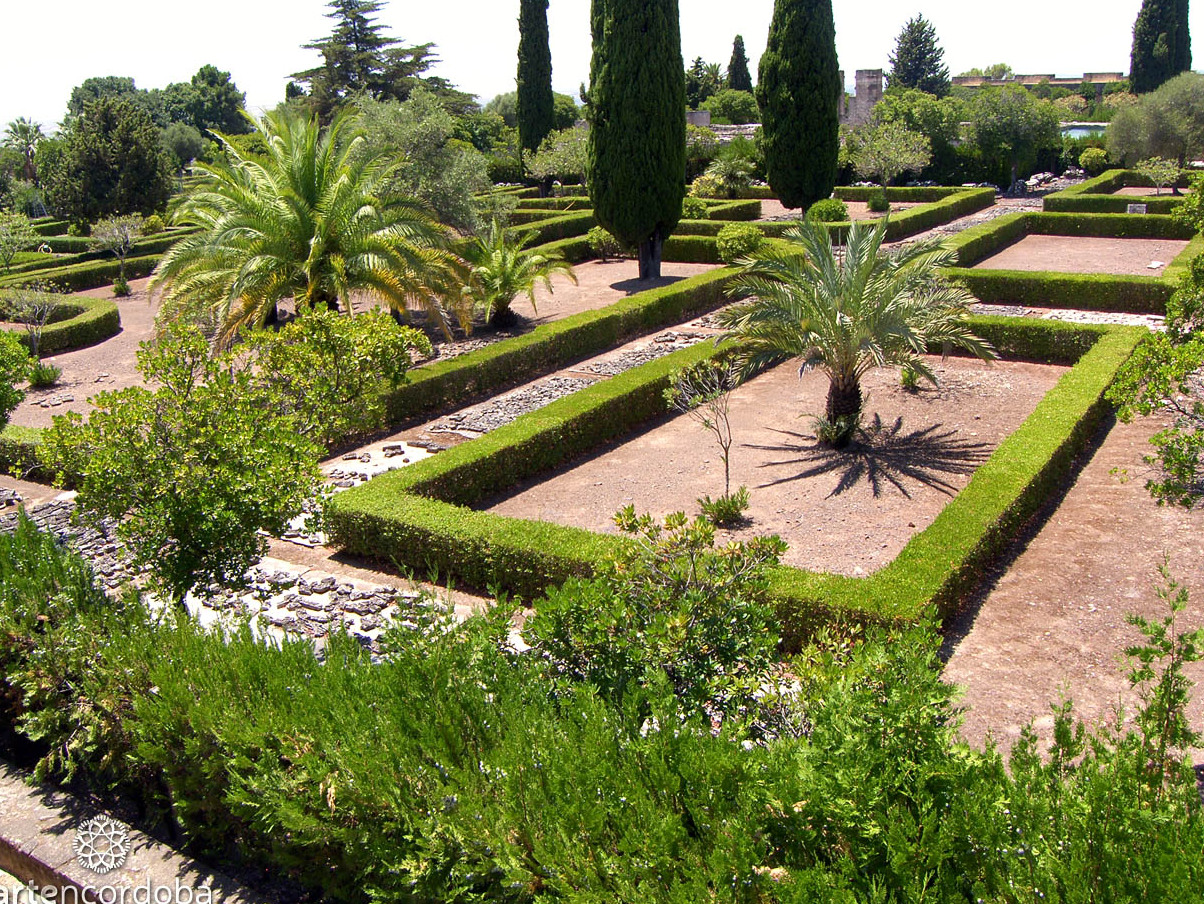
The Fountains of the lost city of Medina Azahara: water as political theatre
This entry and the one above are, geographically, the same place — but they reward separate attention because they represent different ways of reading the same ruins. Where the broader site asks you to think about urban planning and political ambition, the fountains of Medina Azahara ask you to think about water as ideology. The hydraulic system that fed the pools and channels here was an engineering statement: the caliph could make water flow uphill, or appear to, and in a semi-arid landscape that was not a metaphor but a demonstration of power. The garden design drew explicitly on Qur'anic descriptions of paradise — four-way symmetry, running water, fruit trees — and standing in what remains of those channels, even in their fractured state, you feel the intent more clearly than in any photograph. If you are visiting the site anyway (and you should be), build in an extra thirty minutes specifically to find and sit with the fountain complex. It tends to be quieter than the main halls because fewer visitors know to look for it.
Insider tip Wear shoes you don't mind getting dusty. The paths around the water features are unpaved and in summer the heat radiating off the pale stone is significant. Bring more water than you think you need.
3 Natural landscape · 59.9 km

Il Rio Tinto un fiume color rosso: the river that looks like another planet
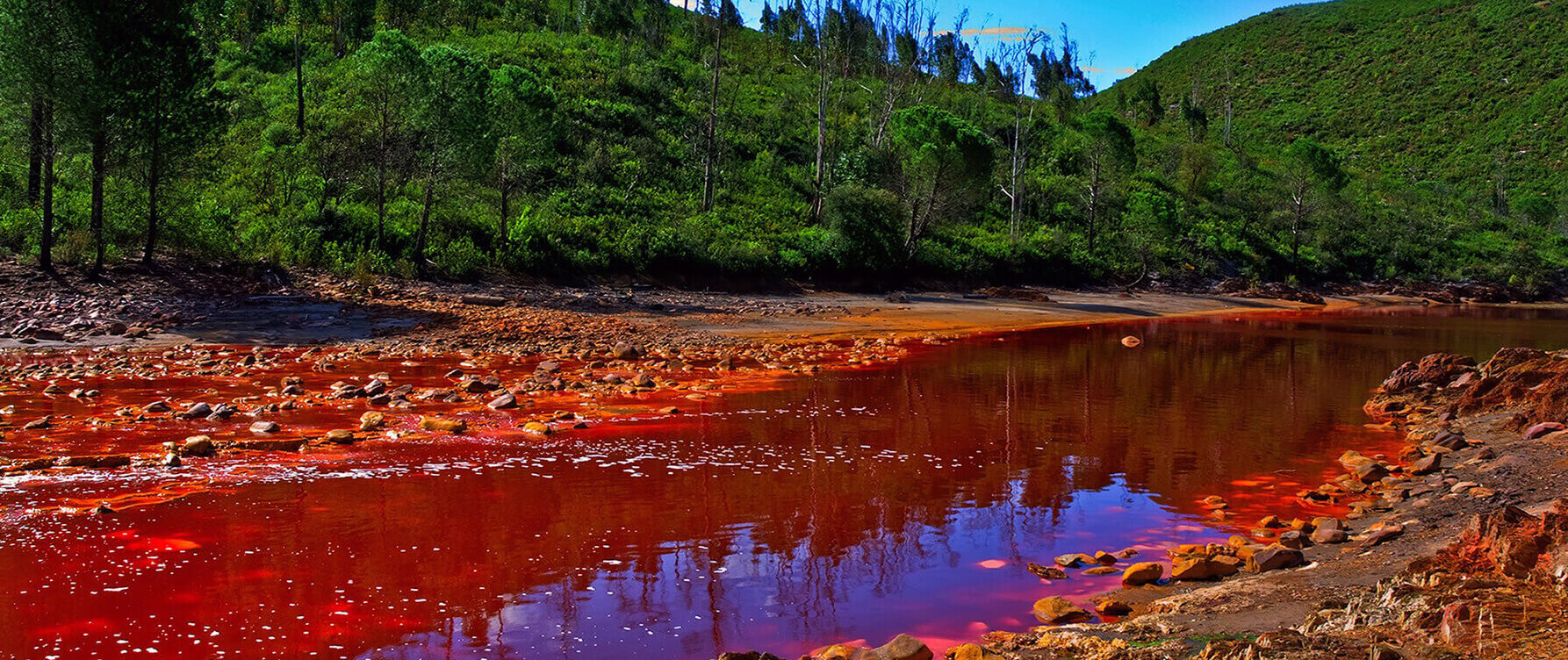
Il Rio Tinto un fiume color rosso: the river that looks like another planet
The name means 'red river', and the first time you see it you will assume the colour has been exaggerated. It has not. The Rio Tinto runs a deep, oxidised red-orange through the province of Huelva, roughly 60 kilometres west of Seville via the A-49 and then the N-435. The colour comes from millennia of mining activity — copper, silver, and iron — that has so thoroughly altered the river's chemistry that it has a pH close to battery acid and supports almost no conventional aquatic life. NASA has studied its microbial ecosystem as an analogue for potential life on Mars. Drive to the mining area around Minas de Riotinto, walk the rim of the Corta Atalaya open-cast mine (one of the largest in the world), and follow the riverside path where the water's colour shifts from rust to burgundy depending on the light. The drive from Seville takes about 75 minutes. There is a small mining museum in the town that is worth an hour of your time.
Insider tip The road through the Sierra Morena foothills is narrow in places and not well-signed. Download an offline map before you leave Seville. Petrol stations are sparse once you leave the A-49.
4 Natural landscape · 86.1 km

Andalusia | The Rio Tinto: the wider landscape around the river
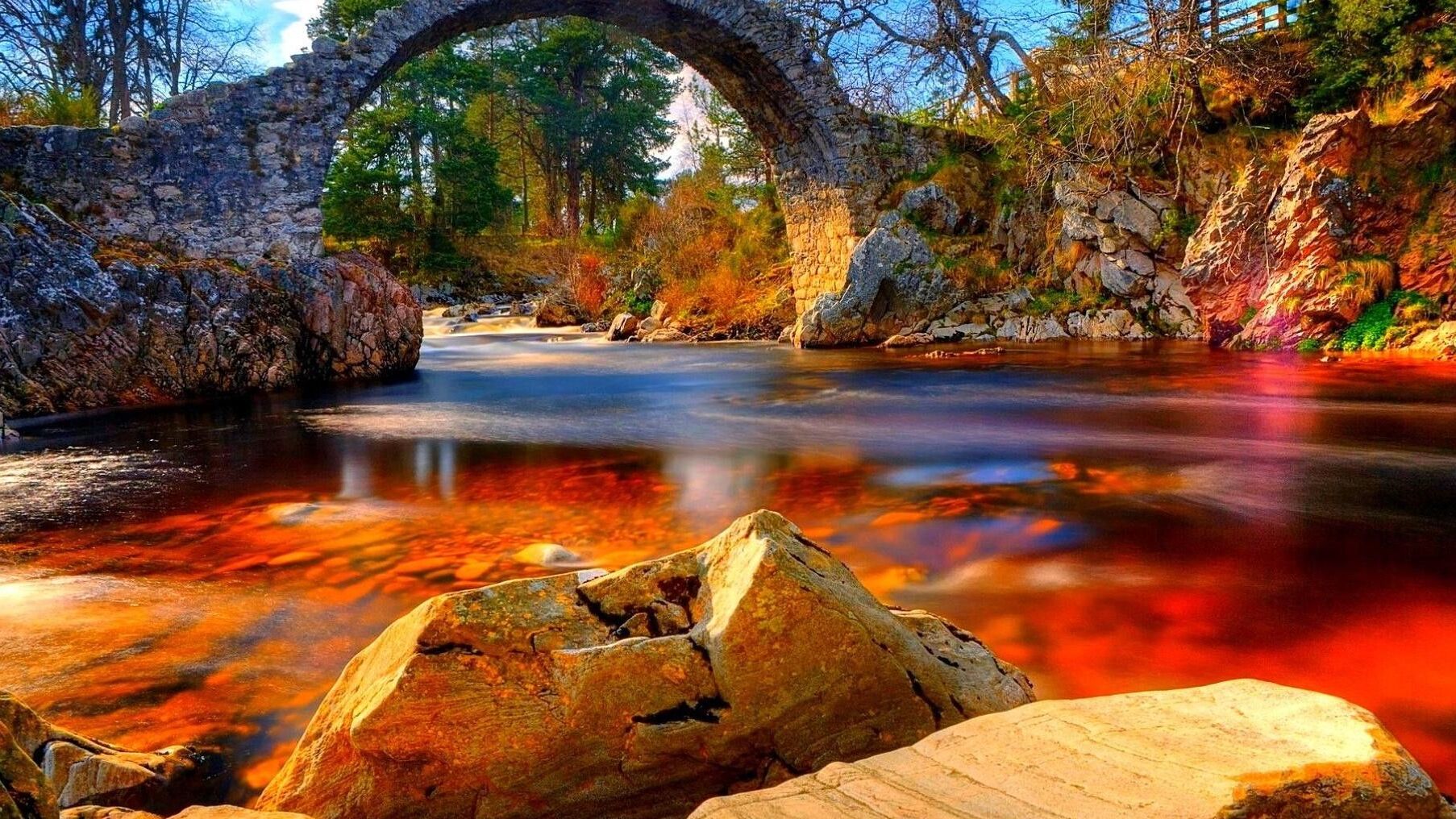
Andalusia | The Rio Tinto: the wider landscape around the river
If the first Rio Tinto entry is about the river's surreal chemistry, this one is about its broader Andalusian context — the Sierra Morena landscape through which it flows, the scale of the mining heritage, and the way the whole region sits in productive tension between industrial history and wild nature. The river originates in the Sierra Morena mountains and flows south-west to the Gulf of Cádiz at Huelva. Driving this route in full — from the headwaters area down toward the coast — takes the better part of a day, and it is best done with a car and no fixed schedule. Stop at the Roman mining galleries near Nerva, walk a section of the riverside trail where the red water meets bleached white rocks, and end in Huelva itself, which is a working port city with a genuinely good waterfront. The contrast between the alien-looking river and the ordinary life of the towns along its banks is the point of the trip.
Insider tip Avoid this drive in late July and August unless you start before 8am. The interior of Huelva province reaches temperatures that make afternoon walking genuinely unpleasant. Spring and October are ideal.
5 Hilltop village · 72.1 km

Arcos de la Frontera: the town that sits on a cliff and knows it
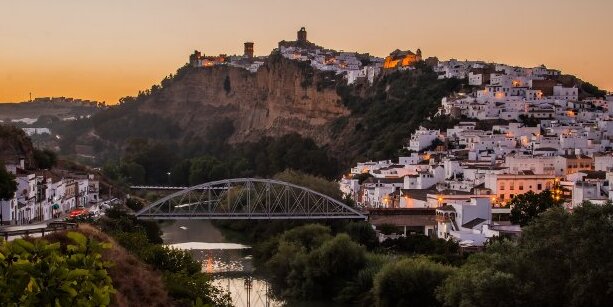
Arcos de la Frontera: the town that sits on a cliff and knows it
About 72 kilometres south-east of Seville on the A-382, Arcos de la Frontera is built on a ridge of white limestone roughly 200 metres above the Guadalete river valley. The old town occupies the narrow spine of that ridge, which means streets that are sometimes barely wide enough for two people to pass, and views from the parador terrace that drop away so sharply you instinctively step back. The drive takes around 75 minutes. Park at the bottom of the hill — the old town is not navigable by car — and walk up. The Iglesia de Santa María de la Asunción anchors the main square; the castle walls are partly accessible; the viewpoint at the cliff edge is where you want to be at around 5pm when the light comes in from the west. This is a town built for defence, and every street angle and wall height reflects that original purpose.
Insider tip Parking in the lower town fills quickly on weekends from about 10am. Arrive by 9:30am or accept a longer walk from the outlying areas. The old town gets very quiet after 2pm — which is actually the best time to walk it.
6 Hilltop village · 73.1 km

Come visitare Arcos de la Frontera con Secret World: the slower version of the same town

This entry pairs naturally with the one above, but it addresses a different kind of visit — slower, more deliberate, less focused on the viewpoints and more on the texture of the town itself. Arcos de la Frontera rewards the visitor who is willing to get slightly lost. The narrow streets of the historic centre — some of them barely alleys — connect small plazas that most day-trippers never find because they are following the signed route between the main monuments. The whitewashed walls, the iron balconies, the sudden glimpses of the valley below between buildings: these are not things you can tick off a list. They accumulate. If you have already visited Arcos once and done the standard circuit, come back and do nothing but walk without a map for two hours. The town is small enough that you cannot get seriously lost, and what you find by wandering tends to be more interesting than what the signs point to.
Insider tip The town is in the province of Cádiz, which means it follows Cádiz lunch hours — restaurants open late and close late. Don't plan to eat before 2pm and don't expect service after 4pm unless you're at a bar.
7 Religious site · 82.2 km

The Carthusian Monastery of Santa Maria de la Defension: silence five kilometres from a sherry town
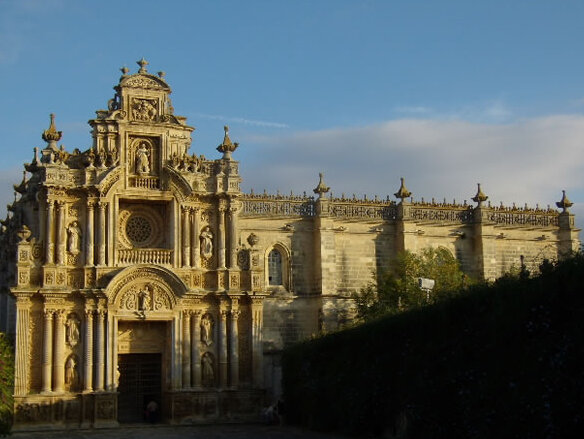
The Carthusian Monastery of Santa Maria de la Defension: silence five kilometres from a sherry town
Most people who visit Jerez de la Frontera — about 82 kilometres from Seville on the A-4, roughly an hour's drive — come for the sherry bodegas and the equestrian school. Both are worth your time. But five kilometres outside the city centre, just off the road toward Algeciras, sits the Carthusian Monastery of Santa Maria de la Defension, and it is one of the more quietly affecting buildings in Andalusia. The monastery was founded in the 15th century and its church contains a significant altarpiece by Francisco de Zurbarán, the Spanish Baroque painter who worked extensively in the region. The Carthusian order is contemplative — the monastery is not a tourist attraction in the conventional sense — which means the visit has a different register than a cathedral or a palace. You are a guest in a working religious community. Behave accordingly, keep your voice down, and give yourself time to sit in the church.
Insider tip Opening hours are limited and change seasonally. Check before you drive out — arriving to find it closed is a real possibility. Combine this with a morning in Jerez itself; the sherry bodegas require advance booking.
9 Food and cultural landscape · 88.0 km

Spain & Food | Jamón, the Spanish word for ham: the Jabugo and Huelva interior route

Spain & Food | Jamón, the Spanish word for ham: the Jabugo and Huelva interior route
This entry is less about a single destination and more about a route through the Sierra de Aracena, the mountain range north of Huelva where the black Iberian pig has been raised on acorns for at least two thousand years — the Roman poet Martial wrote about the ham from this peninsula in the 1st century AD. The town of Jabugo, about 88 kilometres from Seville on the A-66 and then the N-433, is the production centre for what is arguably Spain's most important cured product. Visiting the area means driving through cork oak and holm oak forest, stopping at small towns where the curing houses are the main industry, and eating deliberately rather than casually. This is not a trip for vegetarians and it is not a trip you can rush. Allow a full day. Visit a curing house if you can arrange access, walk the trails around Aracena, and eat lunch at a local bar where the ham is sliced by hand.
Insider tip Many of the smaller curing houses require advance booking for visits. Don't show up unannounced expecting a tour. The town of Aracena, 15 kilometres from Jabugo, has better restaurant options and the Gruta de las Maravillas cave system if you need a second activity.
10 Trekking · 113.9 km

El Caminito del Rey (The King's little pathway): a walkway that used to be genuinely dangerous
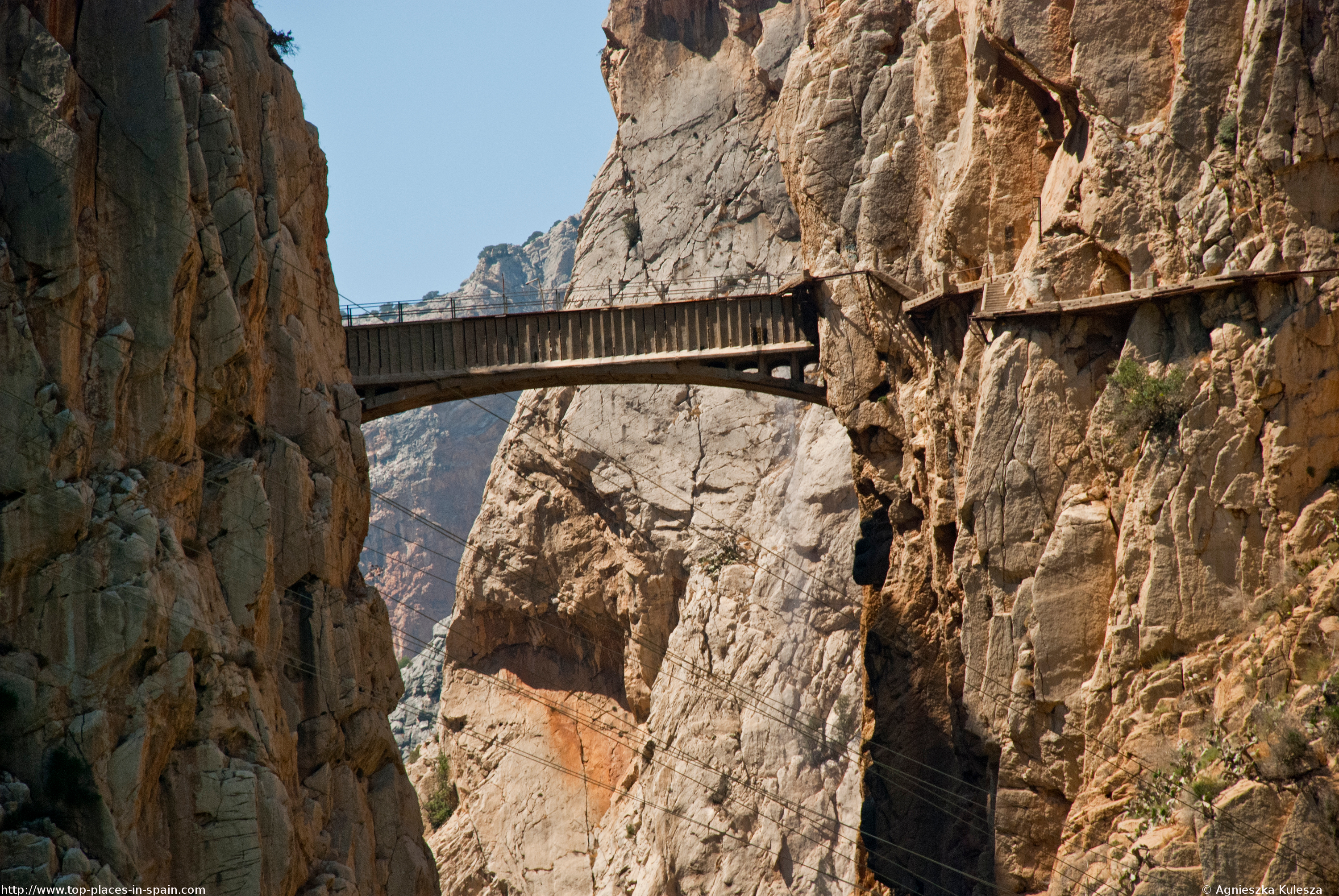
El Caminito del Rey (The King's little pathway): a walkway that used to be genuinely dangerous
About 114 kilometres from Seville — roughly 90 minutes by car toward Málaga, then north toward Ardales and El Chorro — the Caminito del Rey is a narrow walkway pinned to the vertical walls of the Garganta del Chorro gorge. It was built in the early 20th century to allow workers access to the hydroelectric infrastructure in the gorge. For decades after it fell into disrepair it became notorious as one of the most dangerous unofficial hikes in Europe. It was fully restored and reopened with safety infrastructure in 2015. The walk itself is about 7.7 kilometres, predominantly one-way (you need to arrange transport from the exit back to the entrance, or walk the road), and takes between three and four hours depending on pace. The gorge walls are extraordinary — sheer limestone rising hundreds of metres — and the walkway sections over open drops are not for the seriously acrophobic even in their current safe state. Book tickets well in advance: this route sells out weeks ahead in spring.
Insider tip You must book online in advance — there is no walk-up entry. Helmets are provided and mandatory. The entrance is at Ardales; the exit is near El Chorro train station, which has a service back toward Málaga and onward connections. If you are driving, you will need to arrange a shuttle between the two points or walk back along the road, which takes about an hour.
The ten trips above cover roughly 60 to 115 kilometres from Seville in every direction — west into the mining landscapes of Huelva, south toward the white towns of Cádiz province, east toward the caliphate ruins outside Córdoba, and south-east into the gorges of Málaga. They are not equivalent experiences. Some will stay with you for years; others will feel, in retrospect, like a pleasant afternoon that didn't quite justify the drive. That is the honest reality of day trips from any city.

What they share is this: each one asks something of you that Seville itself cannot. A different scale of silence, a different relationship between landscape and history, a different pace. Seville is generous but it is also, in high season, relentless. These trips are not escapes from the city — they are extensions of it, each one adding a layer of context that makes the city itself more legible when you return. Come back tired. Come back with dust on your shoes. The city will look different, and that is the point.
🏆 Pocket guide

Take this guide with you.

Save it offline, get walking directions, and discover thousands more places like the ones you just read.

Save offline Smart routes Hidden gems
Scan to download iOS / Android
Scan for AppGallery Huawei users

All places, on a map

Map data © OpenStreetMap contributors.

Frequently asked questions

What is the best time of year to do day trips from Seville?

March to early June and mid-September to November. July and August are brutal — temperatures in the interior regularly exceed 40°C, and outdoor sites like Medina Azahara, the Rio Tinto, and El Caminito del Rey become genuinely uncomfortable by mid-morning. Spring is the best overall: the light is clear, the landscape is green, and the crowds haven't arrived yet. October is excellent for driving routes through the sierra. December to February is workable for most trips but check reduced opening hours at monasteries and archaeological sites.

Is a rail pass worth buying for day trips from Seville?

Probably not, unless you are also travelling extensively across Spain. The AVE to Córdoba is fast and the point-to-point fare is reasonable if booked in advance through Renfe's website. For most of the other destinations on this list — Arcos de la Frontera, the Rio Tinto, Jerez — you will need a car regardless, because the final leg is not served by rail. A rail pass makes more sense if you are combining Seville day trips with longer journeys to Madrid or Barcelona.

What are the practical realities of driving from Seville?

The motorway network around Seville is good and most destinations are reachable on fast roads for the majority of the journey. The complications arrive at the end: hilltop towns like Arcos de la Frontera have limited and often full parking; the road to Nazari Castle narrows significantly near the top; the Rio Tinto area is poorly signed once you leave the main highway. Rent the smallest car you are comfortable with — a compact is easier to park and easier to manage on narrow roads. Toll roads (autopistas) are faster than free routes (autovías) and worth the cost on longer drives.

How far in advance should I book El Caminito del Rey?

At least two to three weeks in advance during spring (March–May), which is peak season for this route. Weekend slots in April and May can sell out a month ahead. Booking opens on the official website and requires you to select a specific entry time. If you are visiting in autumn or winter, a week's notice is usually sufficient, but there is no reason to risk it — the booking system is straightforward and the tickets are not expensive.

Can I do any of these trips without a car or a train?

A few, with effort. Jerez de la Frontera is served by regular trains from Seville Santa Justa (journey time around an hour), and from Jerez you can reach the Carthusian Monastery by taxi. Córdoba — the base for the Medina Azahara trips — is of course on the AVE. El Caminito del Rey can technically be reached by train (Málaga, then a local service to El Chorro), but the journey is long and requires careful timetable management. The Rio Tinto, Arcos de la Frontera, Nazari Castle, and the Jabugo route are not realistically accessible without a car.

🏆 Read this offline

Save it to your phone.

Bookmark this guide, plan your trip offline, and discover thousands of places like these.

Bookmark Plan offline 60 languages
Scan to download iOS / Android
Scan for AppGallery Huawei users
