The places that feel genuinely hidden here are not always the ones that appear in no guidebook. Sometimes they are the ones that appear in every guidebook and still manage to feel private, because most visitors pass through them too quickly, too hot, too distracted by the next item on a checklist. A gilded temple can be as lonely as a forgotten courtyard if you arrive at the right hour, with the right disposition. A market the size of a small town can feel like a secret if you know which entrance to use.
What I've gathered here are not places that have escaped documentation — Bangkok is too photographed, too written-about for that. They are places that have escaped full understanding. Some are ancient. Some are digital. Some are conversations you didn't know you needed to have before you booked your flight. All of them reward the traveller who has already done the obvious things and is now, quietly, ready to go further.
At a glance
- Grand Palace in Thailand: the building everyone sees and nobody reads
- The spectacular Grand Palace: a complex that contains multitudes
- Bangkok | Wat Pho (the Temple of the Reclining Buddha): the university hiding behind the tourist attraction
- Chatuchak Market: a city within a city that rewards getting lost
- Migliori app viaggio 2026 per Bangkok: le 5 testate — the tools that change what you see
- AI Trip Planner 2026: pianifica Bangkok con l'intelligenza artificiale — the itinerary problem, solved differently
- Come pianificare un viaggio AI a Bangkok nel 2026 — the art of the intelligent itinerary
- Secret World recensione 2026: testato a Bangkok, funziona davvero? — the app that promises local knowledge
- Migliori app viaggio 2026: le 5 top testate a Bangkok — navigating the navigation tools
- Vacanze Bangkok low cost 2026: guida pratica per spendere poco — the economics of Bangkok done right
- AI Trip Planner 2026: Rivoluzione Viaggi a Bangkok — when the algorithm meets the city
- AI Trip Planner 2026: Rivoluzione a Bangkok con l'Intelligenza Artificiale — the personalised city
- Secret World vs TripIt: la scelta migliore per Bangkok 2026 — the comparison that matters
- Viaggio a Bangkok: Consigli e Strumenti AI per il 2026 — the informed arrival
- AI Trip Planner 2026: Pianifica il tuo viaggio a Bangkok — the itinerary as a living document
Part one — The essentials
Grand Palace in Thailand: the building everyone sees and nobody reads
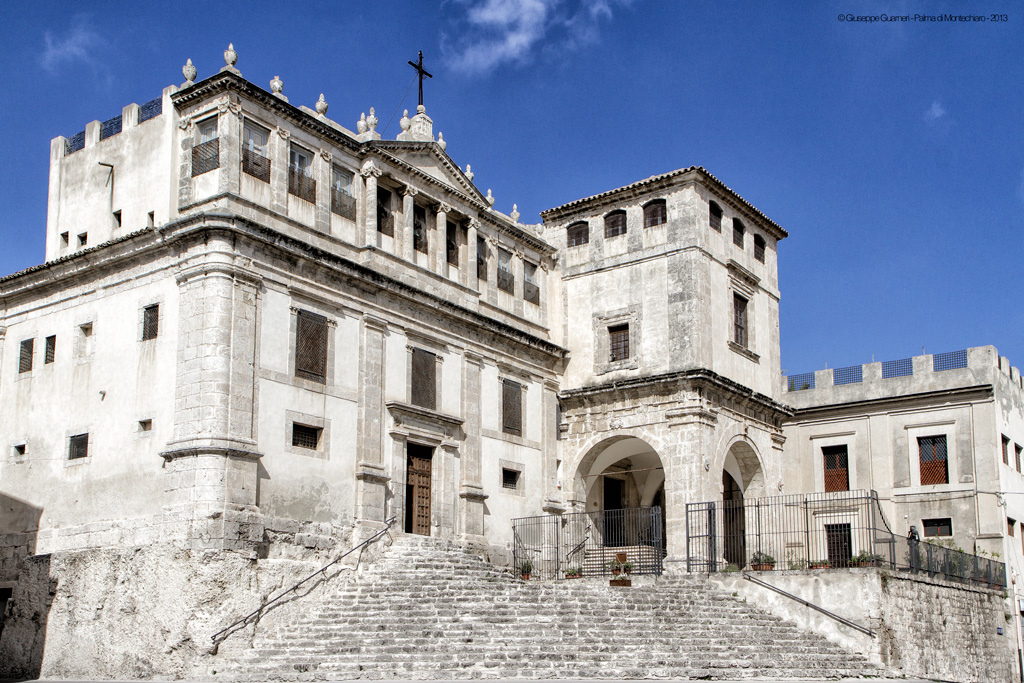
The palace is not hiding. You are simply not looking at it correctly.
Insider tip
Arrive before 8:30 AM when the compound opens — the light is cooler, the crowds are thinner, and the gold genuinely glows rather than glares. Dress code is strictly enforced; sarongs are available to borrow at the gate.
The spectacular Grand Palace: a complex that contains multitudes
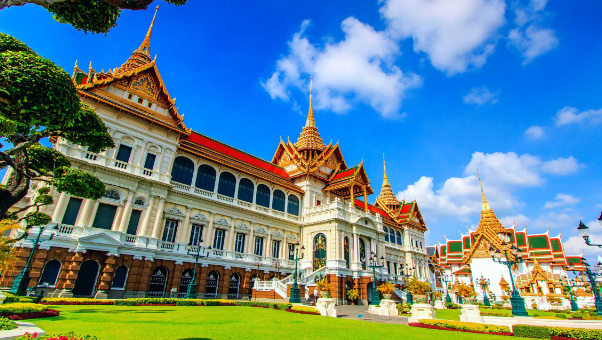
The European-influenced Chakri Maha Prasat throne hall, with its Thai-style roof sitting atop a neoclassical facade, is perhaps the most honest architectural metaphor in all of Bangkok — a city that has always been in conversation with the outside world on its own terms.
Insider tip
The Chakri Maha Prasat building's upper floors are rarely discussed in tour scripts — look up at the roof junction where Thai and European architectural languages meet, and consider what that negotiation cost.
Bangkok | Wat Pho (the Temple of the Reclining Buddha): the university hiding behind the tourist attraction
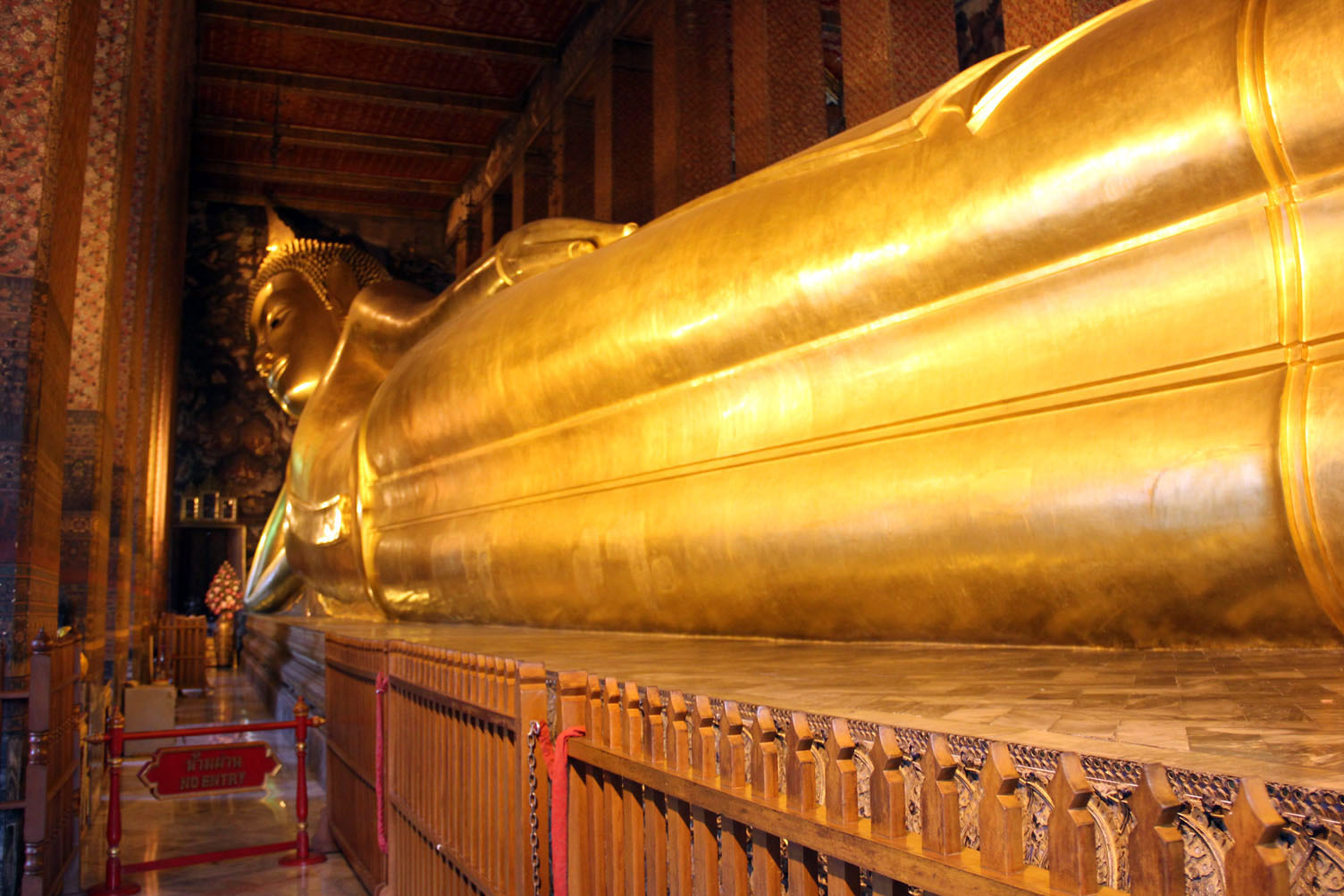
It is also the acknowledged home of traditional Thai massage, and the massage school within the compound is not a tourist add-on — it is a continuation of a centuries-old pedagogical tradition.
Insider tip
The eastern cloister contains rows of Buddha images that most visitors walk past to reach the Reclining Buddha hall — spend fifteen minutes there instead, and you will have the space almost entirely to yourself.
Chatuchak Market: a city within a city that rewards getting lost
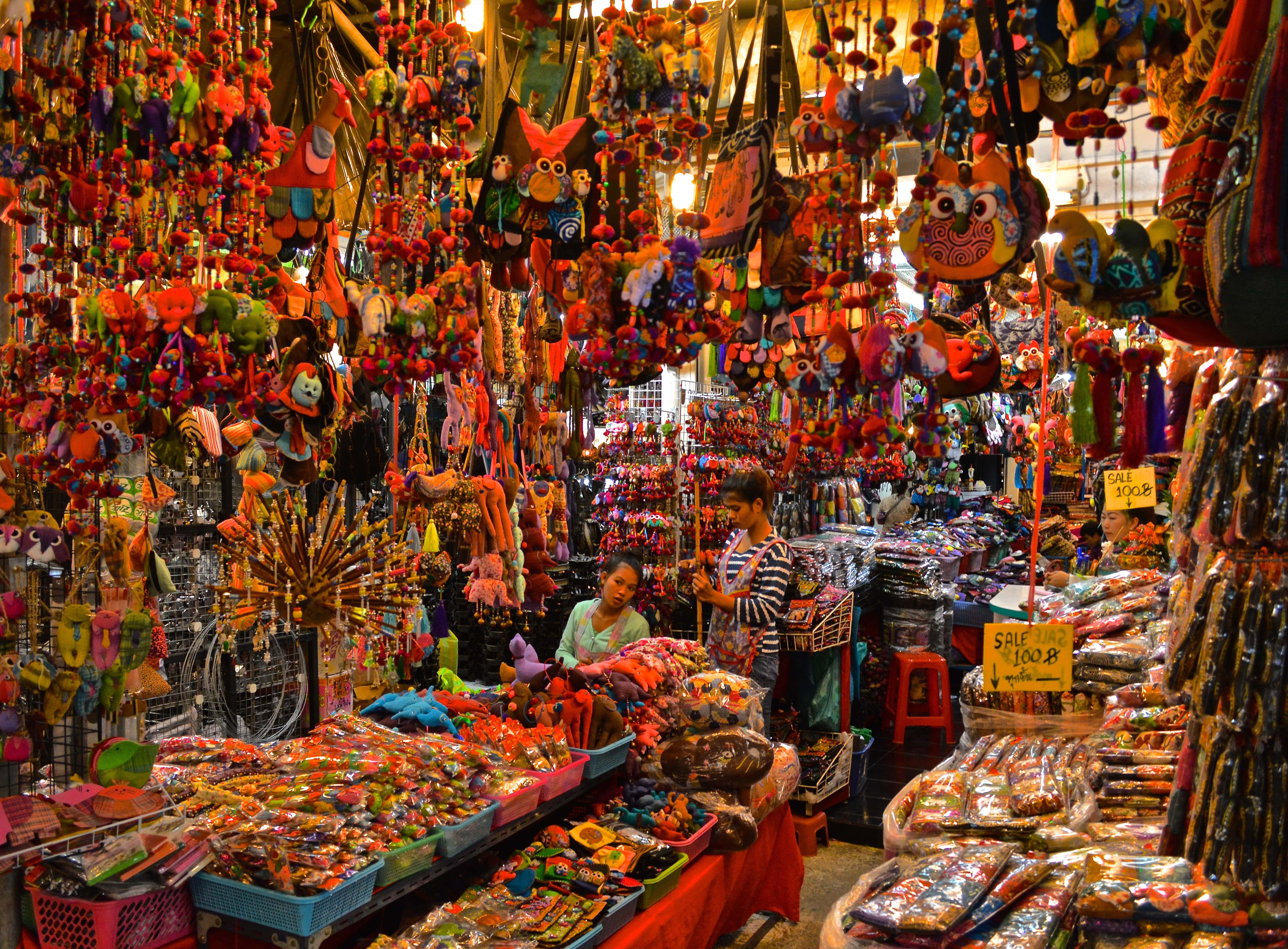
The interior sections — particularly those dealing in antiques, vintage ceramics, second-hand books, and live plants — operate at a completely different register. These are places where Bangkok residents actually shop, where prices are negotiated rather than fixed, and where the merchandise tells a more complex story about the city's tastes and histories.
Insider tip
Section 26 is where serious antique and vintage ceramic dealers cluster — arrive early on Saturday morning when stock is freshest and dealers are more willing to talk. The market map available at the main entrance is worth the 20 baht.
Part two — A little deeper
Migliori app viaggio 2026 per Bangkok: le 5 testate — the tools that change what you see
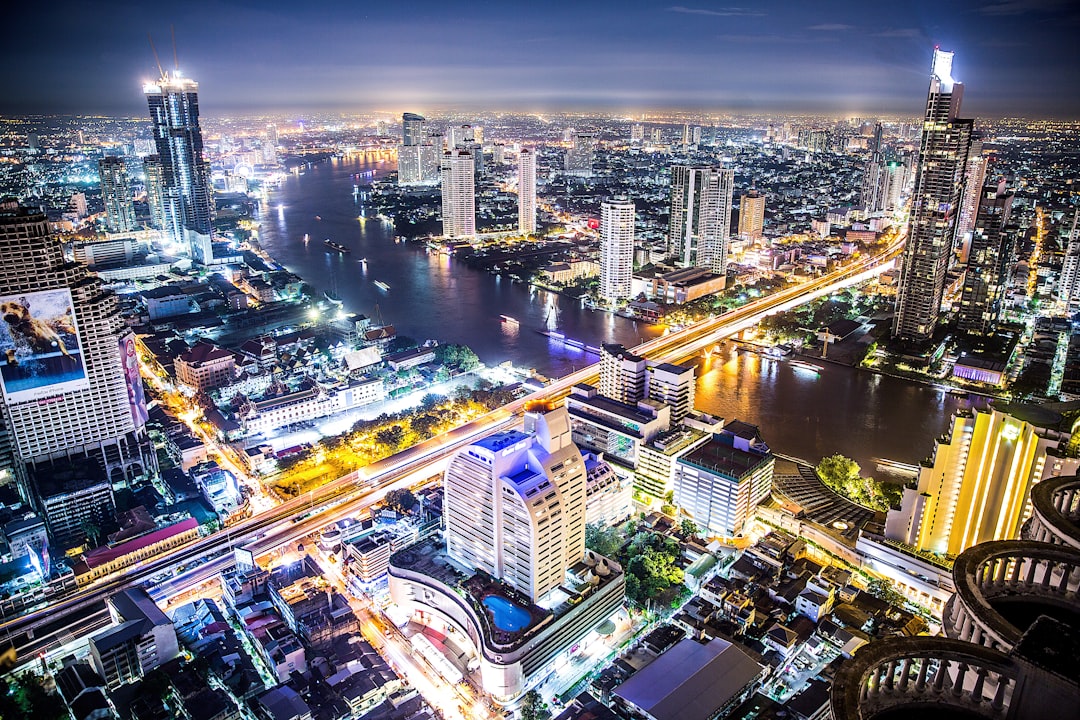
The landscape of travel applications has matured considerably, and Bangkok in 2026 is a city where the right digital tools genuinely extend what is accessible — particularly for independent travellers navigating the gap between the tourist circuit and the city's actual daily life.
Insider tip
Offline maps are not optional in Bangkok — download your area maps before leaving your accommodation, because mobile data can be unreliable in the older neighbourhoods along the Chao Phraya.
AI Trip Planner 2026: pianifica Bangkok con l'intelligenza artificiale — the itinerary problem, solved differently

The more interesting question is what you do with the time it saves — which is, ideally, the time you spend in the places that no algorithm has yet learned to recommend.
Insider tip
Use AI planning tools to handle the logistics of transit and timing, then deliberately build in two unscheduled hours per day for the city to surprise you — Bangkok's best moments are almost always unplanned.
Come pianificare un viaggio AI a Bangkok nel 2026 — the art of the intelligent itinerary

AI-assisted itinerary tools are most valuable not for their suggestions but for their ability to cluster geographically — grouping visits by proximity in ways that reduce transit time and increase the quality of each individual encounter.
Insider tip
Plan each day around a single neighbourhood rather than a list of attractions — you will cover less ground on paper and considerably more in experience.
Secret World recensione 2026: testato a Bangkok, funziona davvero? — the app that promises local knowledge

The honest answer, based on testing in Bangkok's more complex neighbourhoods, is that it performs better in some districts than others — which is, in itself, a useful piece of information.
Insider tip
Cross-reference any app's recommendations with the judgement of your hotel's actual staff — not the concierge desk, but the person who has worked there for five years and eats lunch in the neighbourhood every day.
Part three — Off the obvious path
Migliori app viaggio 2026: le 5 top testate a Bangkok — navigating the navigation tools

The Grand Palace, Wat Pho, and the floating markets at Damnoen Saduak are all within the city's orbit but require very different planning approaches — no single app handles all of them equally well.
Insider tip
For river travel and canal boats, no app currently outperforms asking a local — the Chao Phraya Express Boat colour-coded flag system is genuinely confusing and worth understanding before you board anything.
Vacanze Bangkok low cost 2026: guida pratica per spendere poco — the economics of Bangkok done right

What budget planning in Bangkok actually requires is not deprivation but sequencing — understanding that the 40-baht bowl of noodles from the cart near Hua Lamphong station is not a consolation prize for not affording a restaurant. It is frequently the better meal.
Insider tip
The BTS and MRT rabbit cards pay for themselves within two days of use — the per-journey savings are modest but the time saved queuing for tokens compounds significantly across a week.
AI Trip Planner 2026: Rivoluzione Viaggi a Bangkok — when the algorithm meets the city
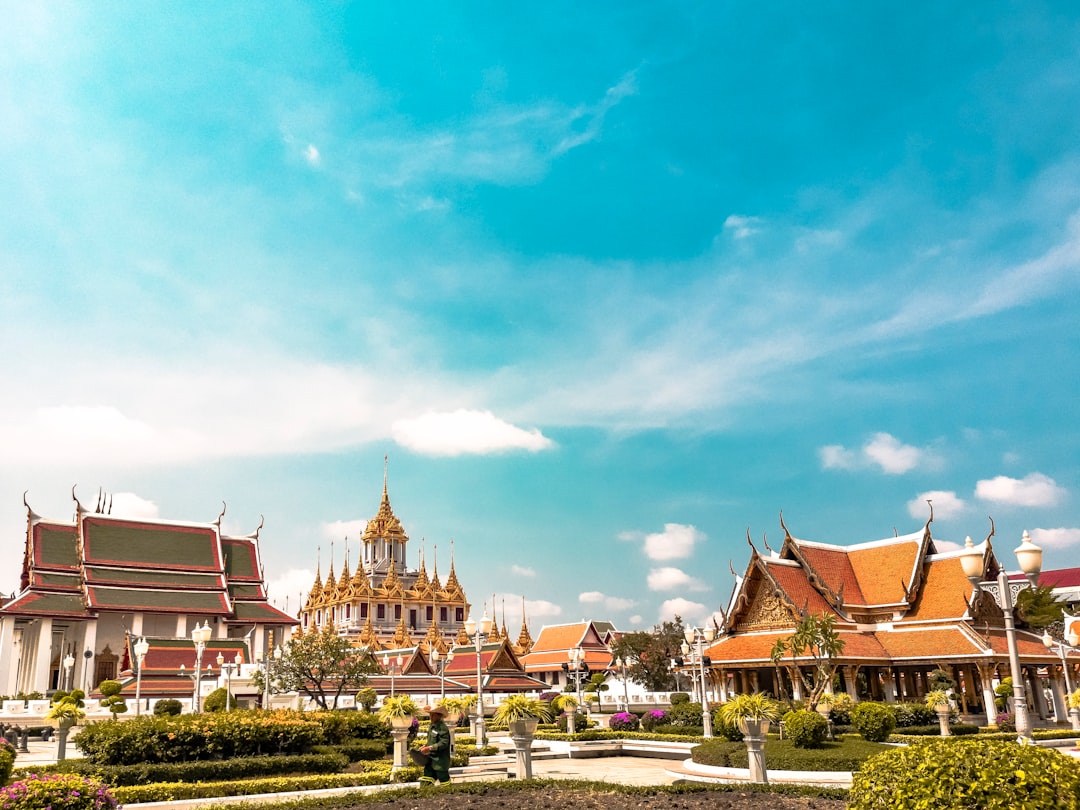
Bangkok in 2026 is a city where the gap between intention and execution has historically been large — the distance between 'I want to see the old town' and actually spending meaningful time there, rather than most of the day in transit, is where intelligent planning earns its value.
Insider tip
Build your AI itinerary around the river and canal network first, then layer in BTS connections — the waterways are faster than they look on a map and considerably more interesting than the Skytrain.
AI Trip Planner 2026: Rivoluzione a Bangkok con l'Intelligenza Artificiale — the personalised city
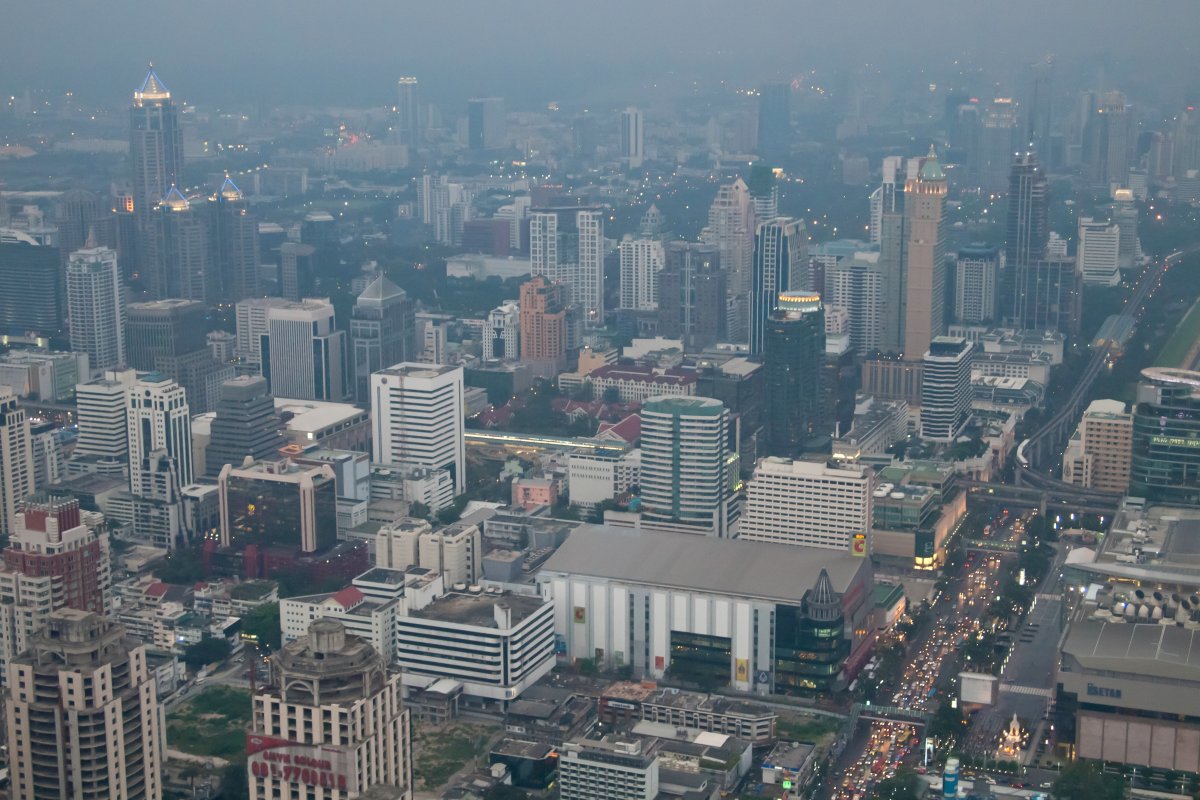
The more sophisticated tools now account for factors that guidebooks cannot: real-time crowd data, weather patterns, the specific opening hours of smaller institutions that change seasonally. Whether that level of optimisation enhances or diminishes the experience of travel is a question worth sitting with.
Insider tip
Give any AI planner your hard constraints first — dietary requirements, mobility considerations, budget ceiling — before asking for recommendations. The suggestions improve significantly when the tool understands your actual limits.
Part four — Around and beyond
Secret World vs TripIt: la scelta migliore per Bangkok 2026 — the comparison that matters
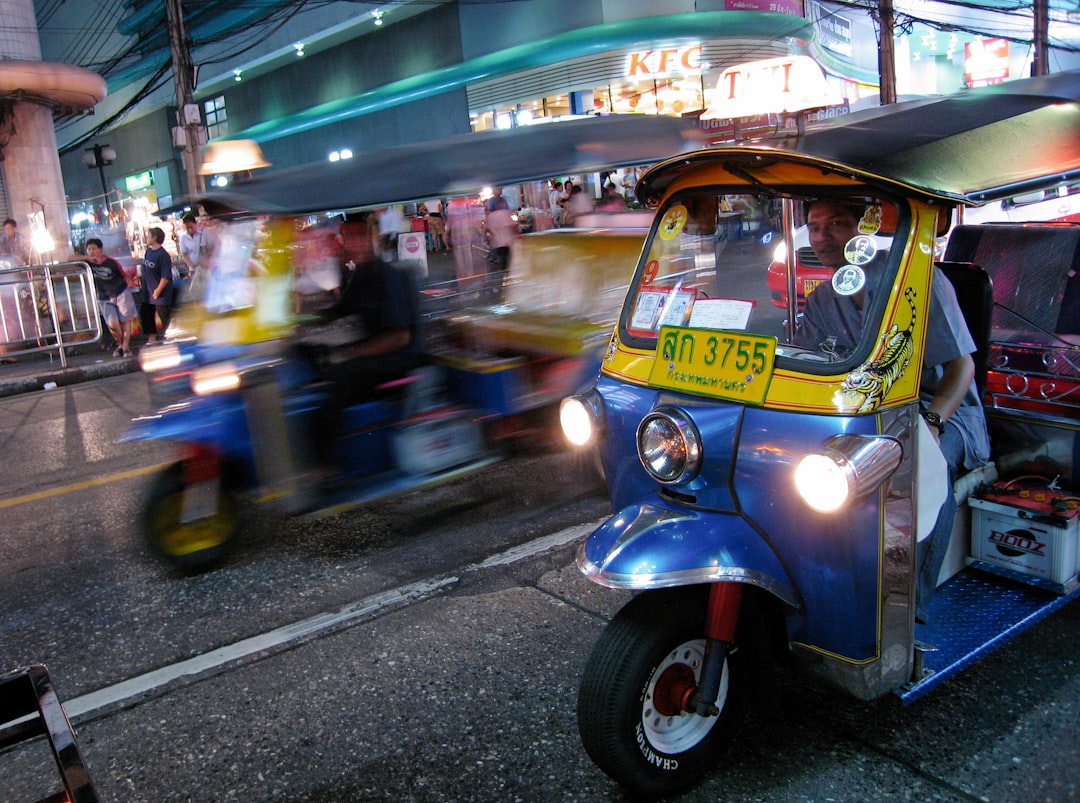
The practical reality for Bangkok in 2026 is that the city's complexity rewards a layered approach: one tool for logistics, one for discovery, and a healthy scepticism about any single platform's claim to have fully mapped a metropolis of ten million people with a street food culture that changes block by block.
Insider tip
Use TripIt or equivalent for flight and hotel management, and use discovery-oriented tools only for suggestions you then verify independently — the best Bangkok recommendations still come from other travellers you meet in the city.
Viaggio a Bangkok: Consigli e Strumenti AI per il 2026 — the informed arrival
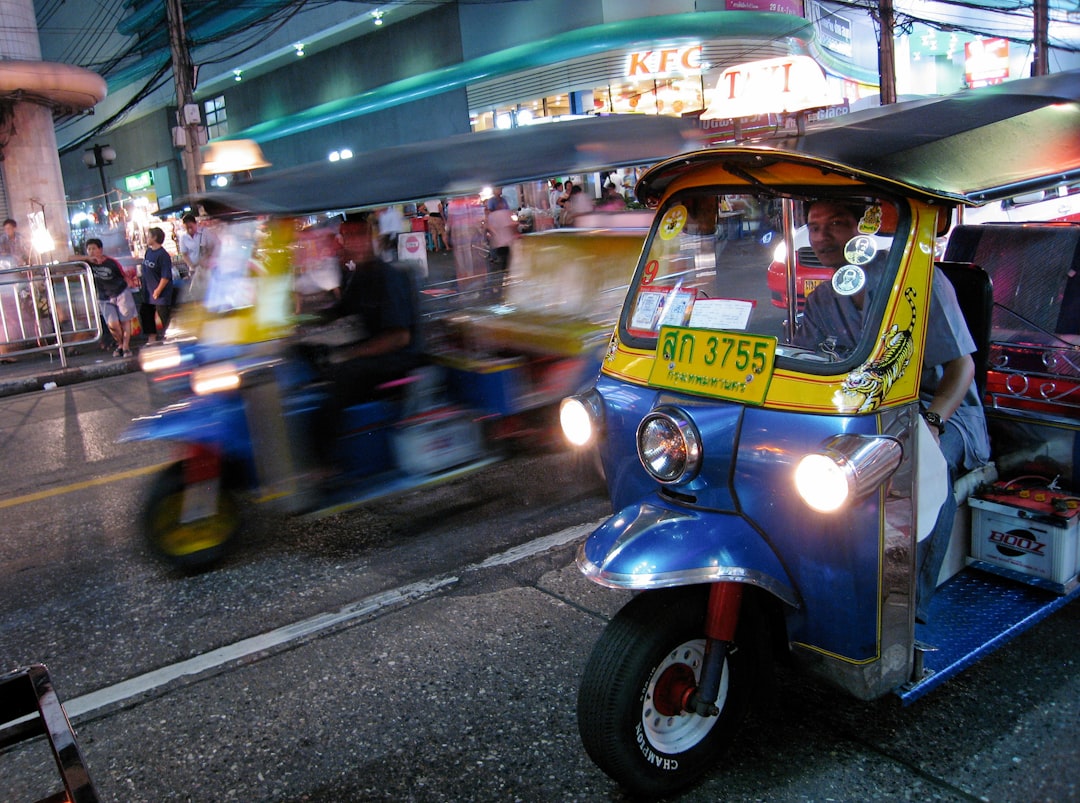
The city's food culture, its Buddhist traditions, its Chinese-Thai merchant heritage, its modernist architectural experiments — all of it becomes more legible when you arrive with even a basic framework of understanding.
Insider tip
Read at least one serious account of Bangkok's history before you arrive — Pico Iyer's essays or a solid historical overview will change what you see more than any app currently can.
AI Trip Planner 2026: Pianifica il tuo viaggio a Bangkok — the itinerary as a living document
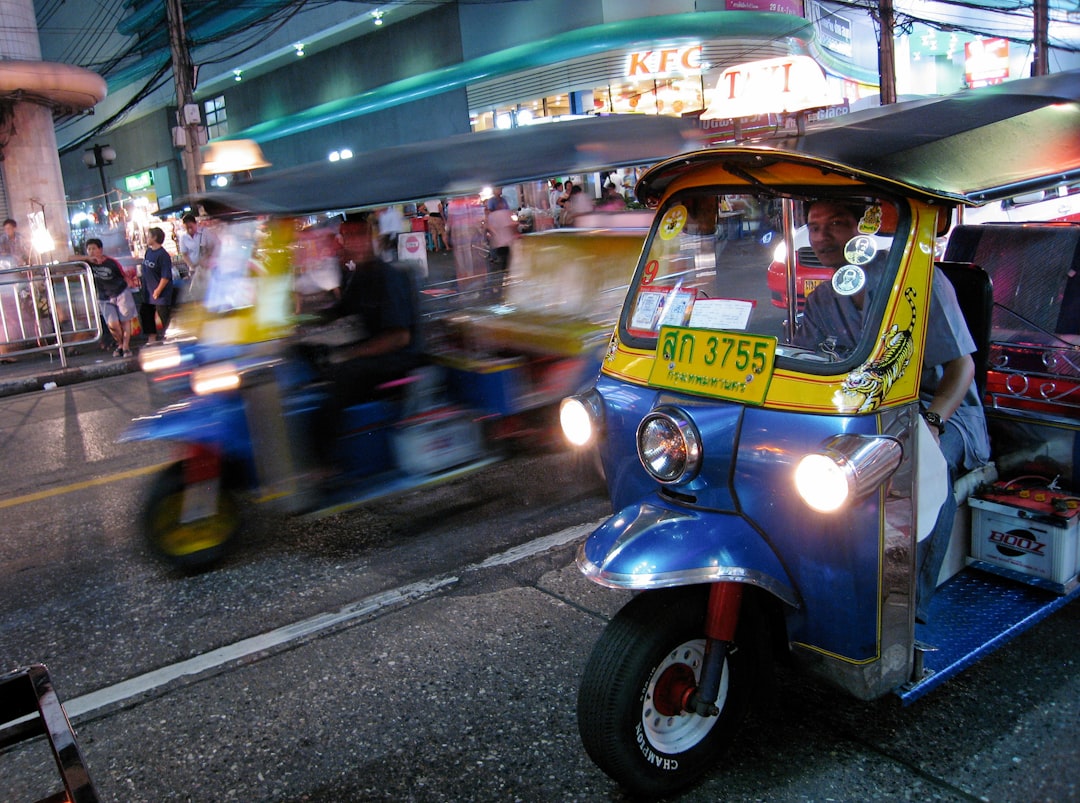
No algorithm has yet learned to schedule serendipity. But the best ones are getting better at creating the conditions in which it can occur.
Insider tip
Print your core itinerary or save it offline — Bangkok's internet connectivity is excellent in most areas but the moments when you most need your phone are frequently the moments when the signal disappears.
Bangkok does not reward the traveller who comes looking for what they already know. It rewards the one who arrives with enough preparation to navigate it and enough flexibility to be redirected by it. The places gathered here are not secrets in any meaningful sense — they are available to anyone with the patience to look past the first layer of the city, which is itself a kind of work. The Grand Palace is not a postcard if you read its walls. Chatuchak is not a market if you understand it as a neighbourhood. The digital tools that help you plan are not the trip — they are the scaffolding you discard once the building stands.
What Bangkok offers, ultimately, is not hiddenness but depth. The city is entirely visible. Most people simply do not look for long enough, or in enough directions, to see what is actually there. Come back a second time. Come back a third. The city will keep moving.
What Bangkok offers, ultimately, is not hiddenness but depth. The city is entirely visible. Most people simply do not look for long enough, or in enough directions, to see what is actually there. Come back a second time. Come back a third. The city will keep moving.


