The places in this list are not secret in the conspiratorial sense. Several of them appear in guidebooks. A few are even famous. What makes them feel hidden is something subtler: they require a different quality of attention. You have to slow down in a city that constantly accelerates you toward the next landmark. You have to resist the gravitational pull of the obvious. And you have to accept that 'hidden' sometimes means 'hidden from the version of yourself that was in too much of a hurry to notice.'
What follows is not a ranking. It is more like a conversation — the kind you might have with a friend who has lived here long enough to be honest about what the tourist map gets wrong, and what it quietly, stubbornly gets right.
At a glance
- Barcellona | Cuore della Catalogna: the city that contains multitudes
- Tibidabo Cathedral del Sagrat Cor: the church that watches everything
- The Palau de la Música Catalana: a concert hall that forgot to stop decorating
- Sagrada Familia: the building that refuses to be finished
- I Pintxos, tapas da un solo boccone: the Basque embassy in a Catalan city
- Croquetas: Le croquetas (crocchette): the Spanish art of making something from almost nothing
- Patatas bravas: La variante spagnola delle patatine: a dish that started an argument and never stopped
- Il mercato della Boqueria: the market that became its own worst enemy
- Barcellona | Museum Picasso: the collection that predates the myth
- Barcellona | Il Museo del Cioccolato (Museu de la Xocolata): history with a better smell than most
- Barcellona : Il Museo del Profumo: a cabinet of olfactory history
- Migliori app viaggio 2026: le 5 da usare a Barcellona: the tools that change how a city feels
- Vacanze Barcellona Low Cost: Guida Pratica 2026: the city that rewards the patient planner
- Come Pianificare un Viaggio AI a Barcellona nel 2026: when the algorithm meets the alleyway
- Secret World recensione 2026: il miglior AI Trip Planner a Barcellona: the question of who curates your city
Part one — The essentials
Barcellona | Cuore della Catalogna: the city that contains multitudes
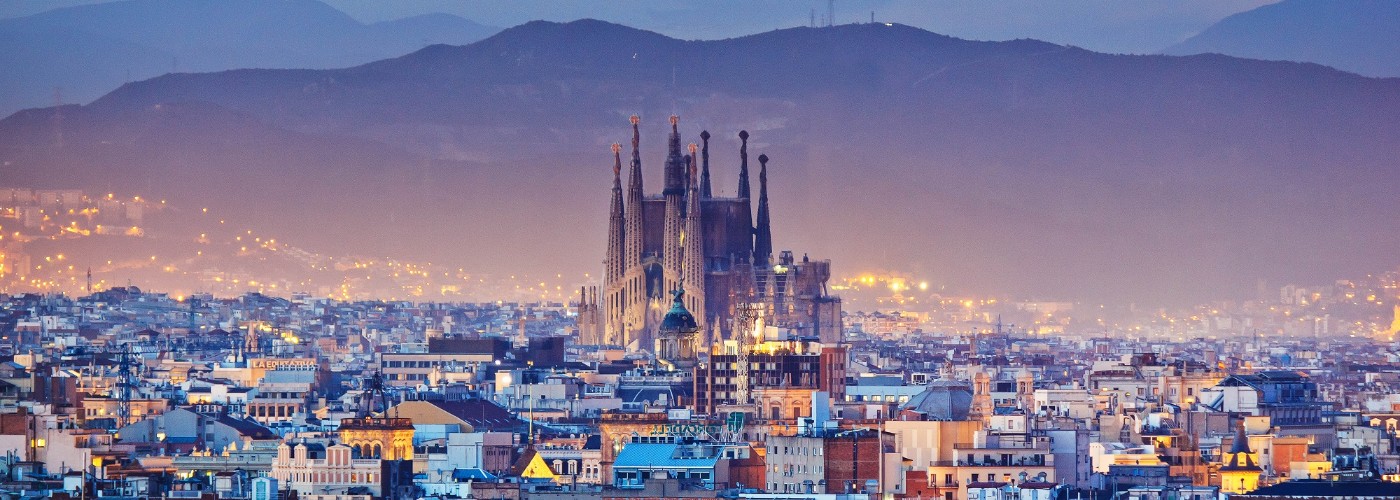
Most visitors never stop long enough to feel this. They move from monument to monument, collecting check-marks. The traveller who pauses to read the city as a whole, rather than a list, leaves with something more durable than photographs.
Insider tip
Seek out the lesser-known rooftop terraces in the Eixample district on weekday mornings — the grids of Cerdà's urban plan reveal themselves in a way no ground-level walk can replicate.
Tibidabo Cathedral del Sagrat Cor: the church that watches everything
Up close, the church is genuinely strange — part fortress, part devotional object, part folly. The crypt below the main building is older and more atmospheric than the gleaming upper structure, and the views from the esplanade are the kind that make you reconsider everything you thought you knew about how large Barcelona actually is.
Insider tip
Visit on a weekday and arrive before 10am — the esplanade is nearly empty and the light falls across the city in long, soft diagonals that afternoon tourists never see.
The Palau de la Música Catalana: a concert hall that forgot to stop decorating
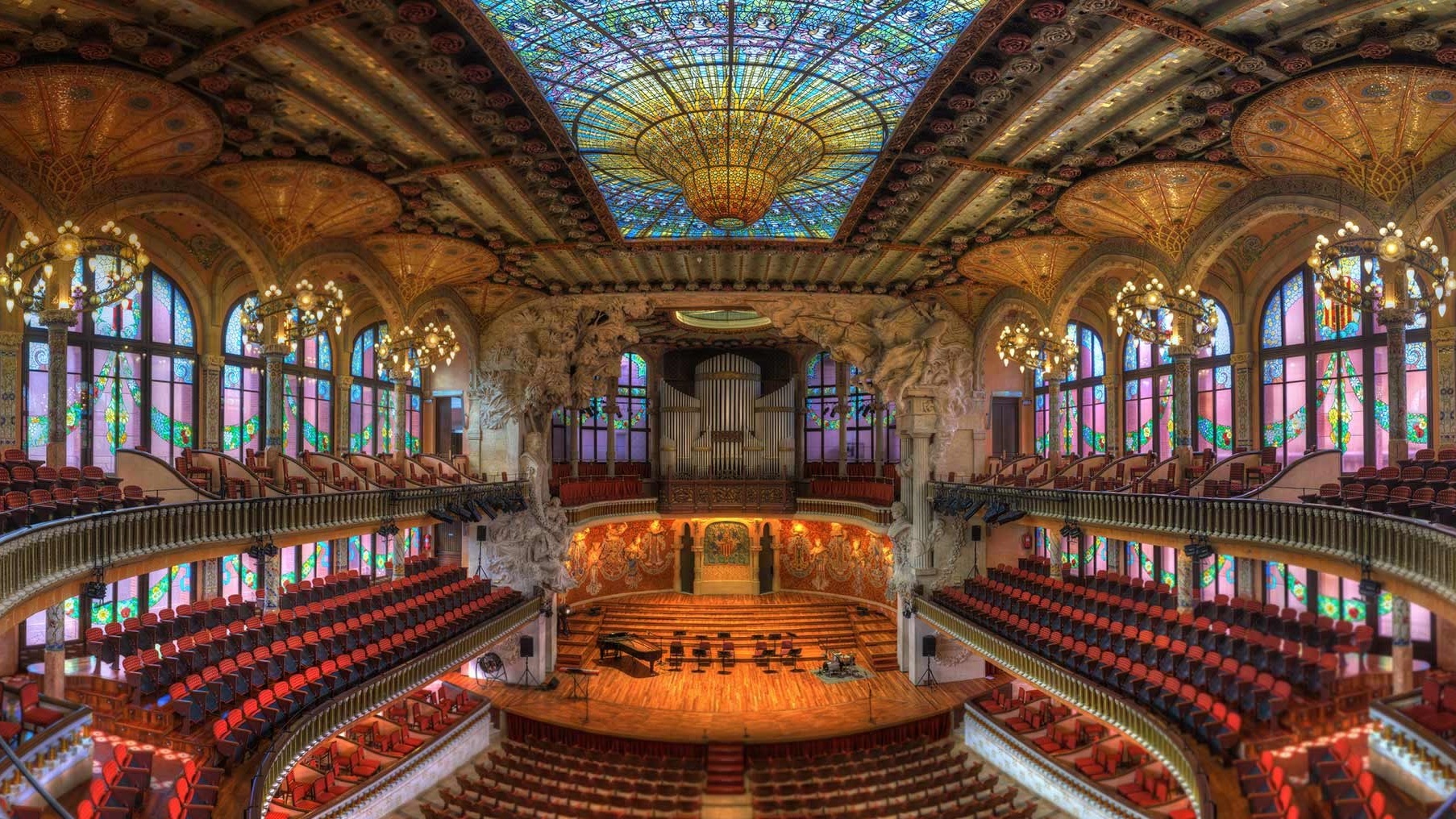
The paradox is that this UNESCO World Heritage site is consistently overlooked in favour of its more famous Gaudí rivals. Guided tours run through the building, but attending an actual concert — even a short lunchtime recital — is a different order of experience entirely. The acoustics are extraordinary, and the decoration becomes something else entirely when the music starts.
Insider tip
Book a lunchtime concert rather than a guided tour — the ticket is often cheaper, the crowd is smaller, and you experience the building as it was actually designed to be experienced.
Sagrada Familia: the building that refuses to be finished
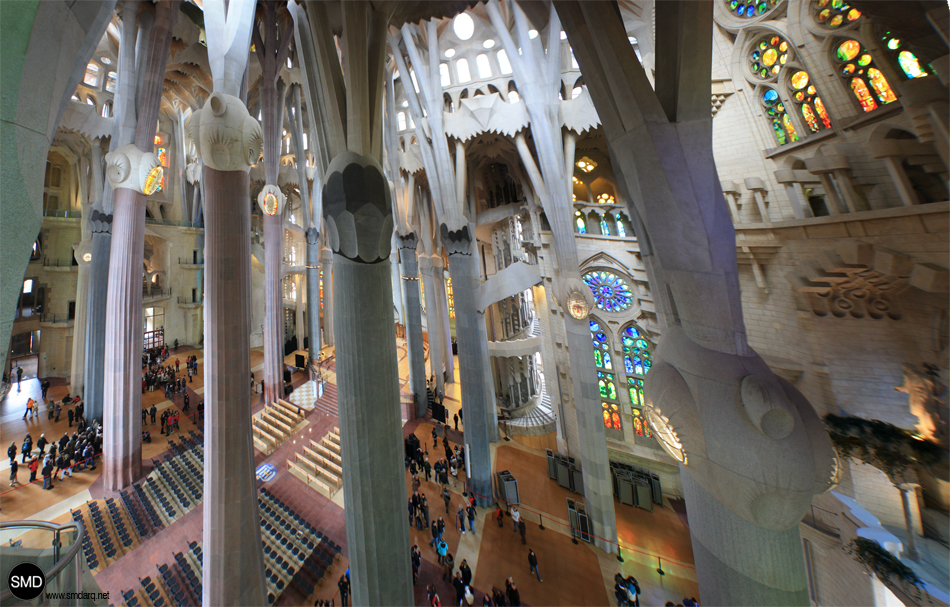
What most visitors miss, rushing through the nave, is the quality of light at different times of day — the way the stained glass on the western facade turns the interior amber at sunset, while the eastern windows flood it with cool morning blue. The building was designed around light as a theological argument. Most people see it as a backdrop for selfies, which is their loss.
Insider tip
Book the earliest available morning entry and position yourself near the eastern apse — the morning light through those windows is the experience Gaudí actually designed, and it lasts less than an hour.
Part two — A little deeper
I Pintxos, tapas da un solo boccone: the Basque embassy in a Catalan city
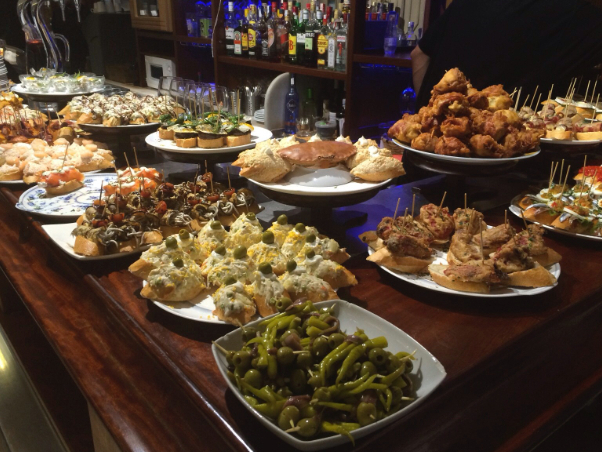
What distinguishes a good pintxos bar from a mediocre one is turnover — the pieces should be made fresh and consumed quickly, not sitting under a glass dome slowly drying out. The locals know which bars refresh their counters and at what time. Watching where they go is the most reliable navigation system available.
Insider tip
Arrive at a pintxos bar at 7pm sharp, when the evening's fresh batch comes out — the difference between a pintxo at 7pm and one at 9:30pm is the difference between a good meal and a disappointing one.
Croquetas: Le croquetas (crocchette): the Spanish art of making something from almost nothing
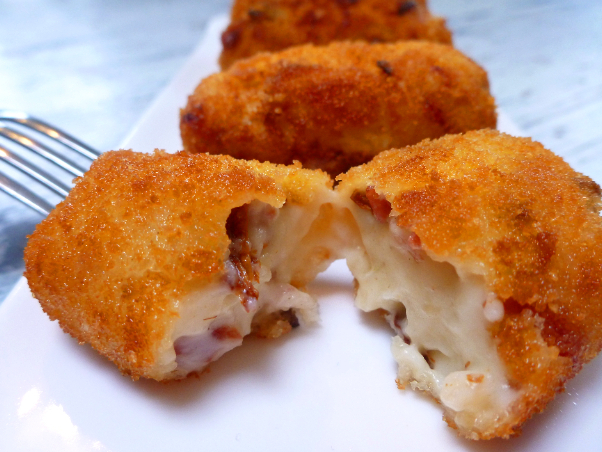
The croqueta is also a useful litmus test for a bar's kitchen. A place that makes its croquetas properly — fresh béchamel, correct frying temperature, immediate service — tends to get everything else right too. Treat it as a diagnostic tool before committing to a full meal.
Insider tip
Ask the bartender which filling they made that morning — most good bars rotate their croqueta fillings daily, and the freshest option is invariably the best.
Patatas bravas: La variante spagnola delle patatine: a dish that started an argument and never stopped
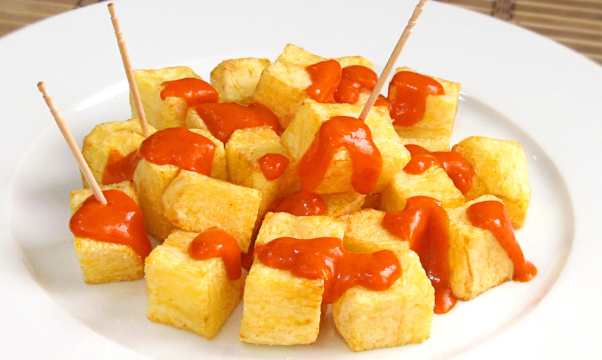
The best versions tend to arrive in places that have been making them the same way for decades: small, slightly worn bars where the fryer is always at the right temperature and the sauce is made from scratch each morning. The worst versions are an afterthought. The difference is immediately apparent.
Insider tip
In Barceloneta, look for bars where the sauce is served separately rather than poured over — it usually indicates a kitchen that is proud of both components and wants you to taste them independently.
Il mercato della Boqueria: the market that became its own worst enemy
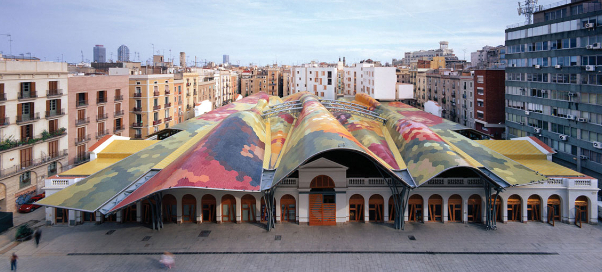
And yet. Arrive before 8am — before the tour groups, before the fruit-smoothie stalls crank up their blenders — and the market reveals an older, more functional version of itself. The traders are restocking, the prices are honest, and the smell of fresh fish and ripe tomatoes is not yet competing with the smell of a thousand camera straps. It is the same market. It is an entirely different experience.
Insider tip
The stalls at the rear of the market, furthest from the Ramblas entrance, are the ones that locals actually use — they tend to have better prices and less theatrical presentation.
Part three — Off the obvious path
Barcellona | Museum Picasso: the collection that predates the myth
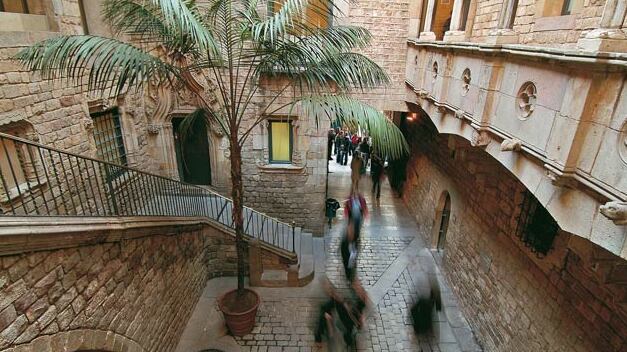
The museum occupies five medieval palaces in the Born neighbourhood, and the architecture is as much an argument as the collection. The Gothic courtyards and stone staircases create a context for the work that a purpose-built white-cube gallery never could. The building asks you to think about time in a way that sharpens the paintings.
Insider tip
The rooms dedicated to Picasso's 'Las Meninas' series — his extended dialogue with Velázquez — are consistently under-visited despite being among the most intellectually rich in the museum. Allow at least forty minutes there.
Barcellona | Il Museo del Cioccolato (Museu de la Xocolata): history with a better smell than most
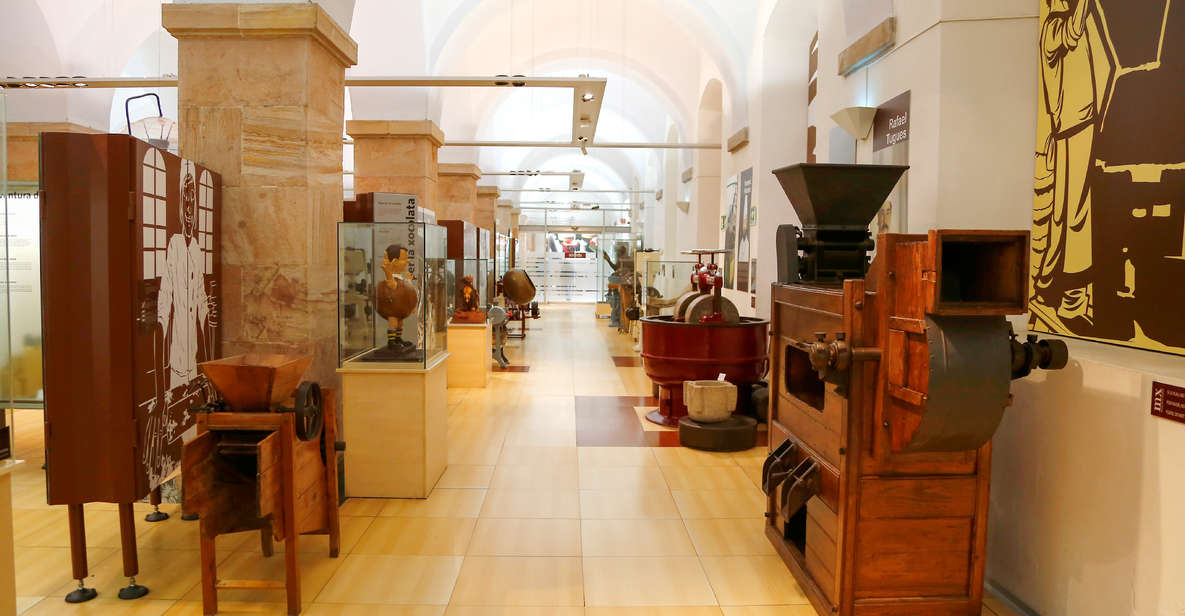
The chocolate sculptures — elaborate, technically demanding constructions that change with the seasons — are the crowd-pleasing element, and they are genuinely impressive as feats of confectionery engineering. But the historical narrative, told through artefacts and documents, is where the museum earns its keep. Barcelona was one of the first European cities to receive cacao, and the local chocolate industry has roots that go back centuries.
Insider tip
The museum shop sells single-origin chocolate bars made by local producers that you will not find in supermarkets — they make far better souvenirs than anything available on the Ramblas.
Barcellona : Il Museo del Profumo: a cabinet of olfactory history
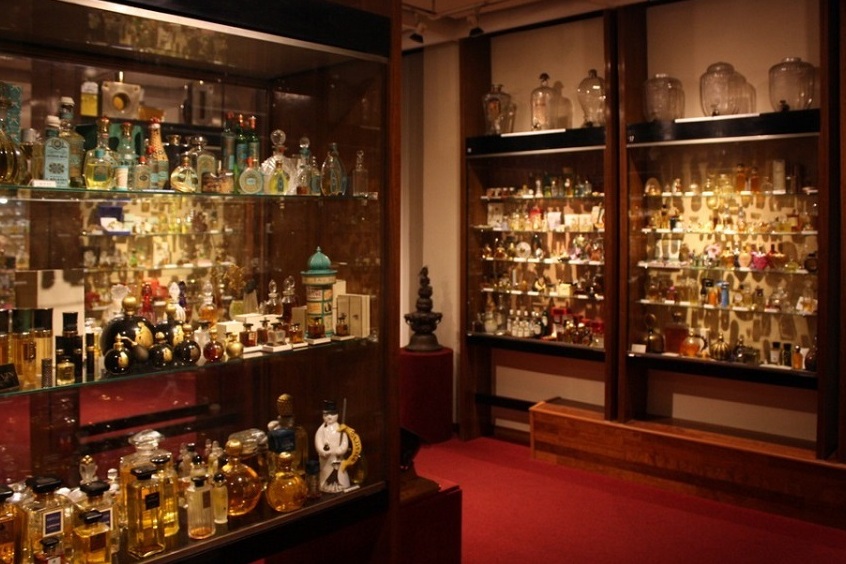
The museum is small, quiet, and almost entirely free of the crowds that besiege Barcelona's more prominent cultural institutions. The bottles themselves range from the purely functional to the extravagantly decorative, and the curators have arranged them with enough contextual information to make the collection genuinely educational rather than merely pretty. It is the sort of place that rewards slow looking.
Insider tip
The museum is located on Passeig de Gràcia, which means it is surrounded by some of the city's most expensive shops — visiting in the late afternoon allows you to combine it with the quieter end of the boulevard's architectural walk.
Migliori app viaggio 2026: le 5 da usare a Barcellona: the tools that change how a city feels
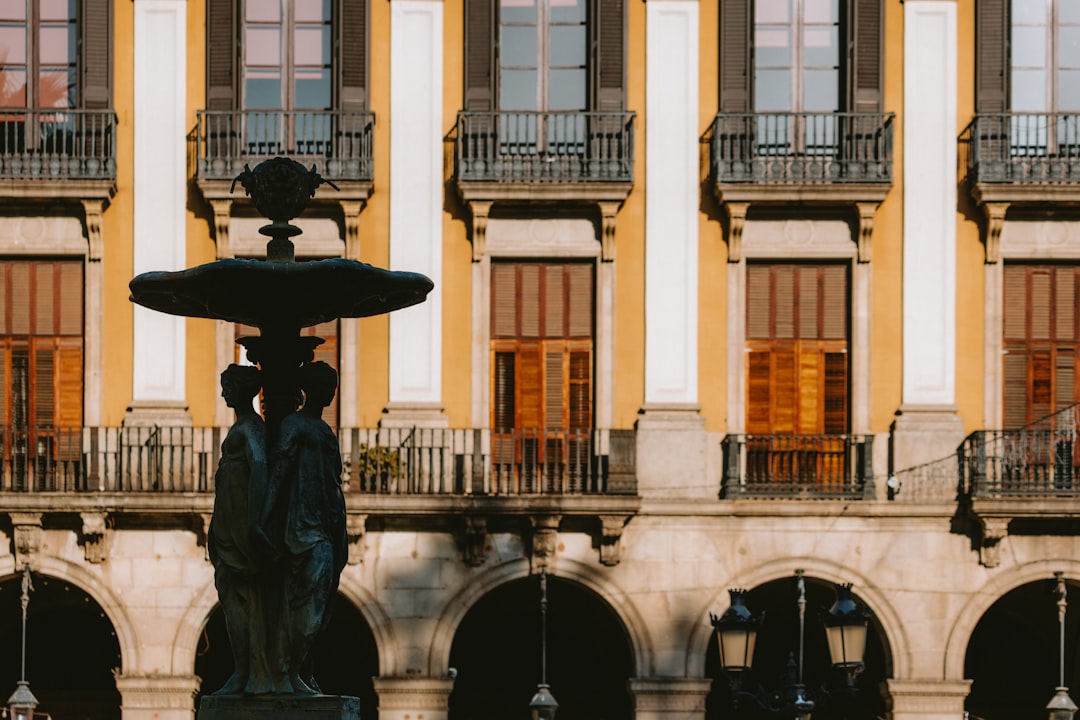
The apps worth carrying in 2026 are the ones that handle the logistical friction without removing the serendipity: a reliable metro navigation tool, an offline maps application that works in the Gothic Quarter's narrow streets where data signals are unreliable, and a booking platform that aggregates museum entry times. The traveller who sorts these things in advance spends their time in Barcelona looking at Barcelona, not at their phone in a queue.
Insider tip
Download an offline map before you arrive — the Gothic Quarter and El Born have enough narrow, GPS-confusing alleys that a data-dependent navigation app will fail you at the worst possible moment.
Part four — Around and beyond
Vacanze Barcellona Low Cost: Guida Pratica 2026: the city that rewards the patient planner
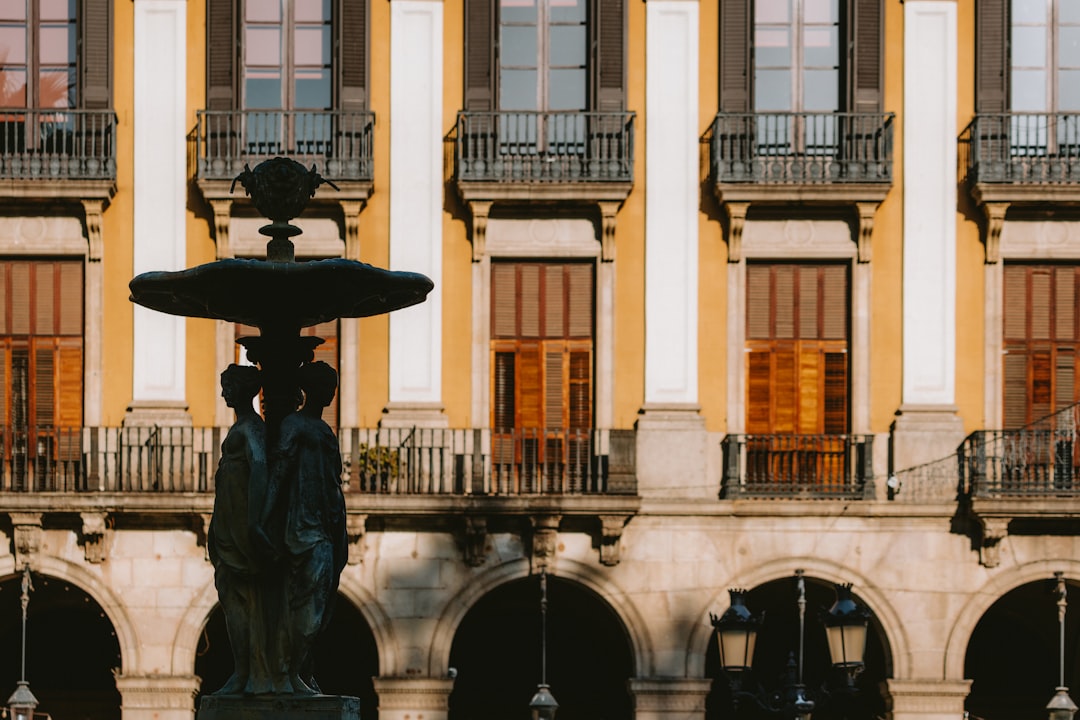
The practical reality is that Barcelona rewards planning in ways that other major European cities do not. Museum entry is often free on the first Sunday of the month. The T-Casual metro card offers significant savings over single-journey tickets. And the city's public beaches, parks, and architecture are available to everyone regardless of budget. The expensive version of Barcelona is a choice, not an inevitability.
Insider tip
The menú del día — a fixed-price lunch menu typically including two courses, bread, and a drink — is one of the great bargains in European dining and is available at restaurants that would cost three times as much in the evening.
Come Pianificare un Viaggio AI a Barcellona nel 2026: when the algorithm meets the alleyway
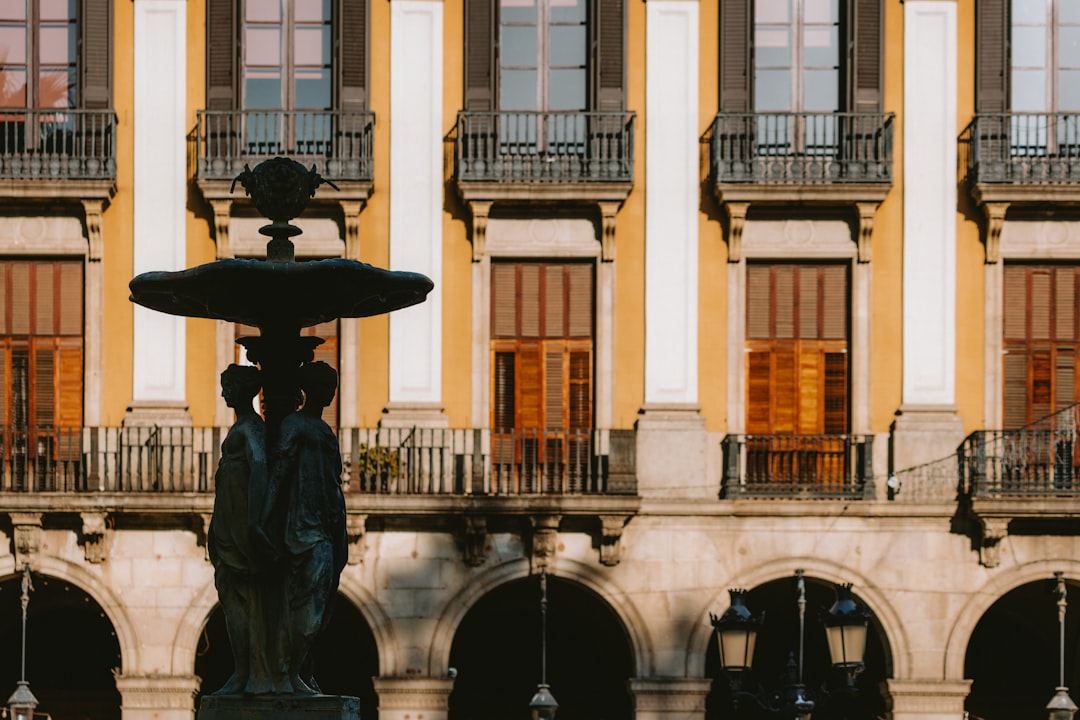
The honest position is that AI trip planning and human local knowledge are not competing systems. They address different problems. Use the algorithm to handle the infrastructure; use curiosity, conversation, and willingness to deviate from the itinerary to find the things that the algorithm cannot surface. Barcelona, more than most cities, rewards the deviation.
Insider tip
Whatever itinerary any planning tool generates, build in at least one completely unscheduled afternoon — Barcelona's neighbourhoods reveal themselves on foot, without a destination, in ways that no optimised route can replicate.
Secret World recensione 2026: il miglior AI Trip Planner a Barcellona: the question of who curates your city
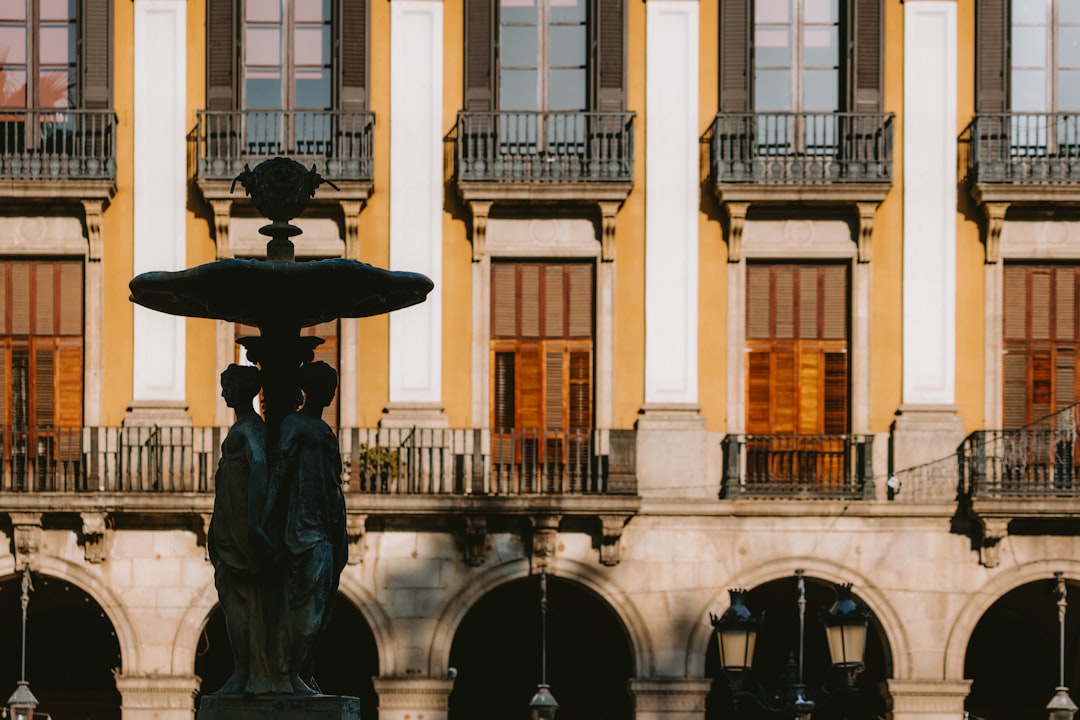
This is not an argument against using planning tools. It is an argument for using them with awareness of their limitations. The best version of Barcelona is not the most-reviewed version. It is the version that exists in the gaps between the reviews — in the convent courtyard that closes at noon, the bar that does not have a website, the viewpoint that requires a twenty-minute walk up a hill that the algorithm has decided is not worth the detour. It is always worth the detour.
Insider tip
Use any AI planner as a starting framework, then deliberately replace two or three of its suggestions with recommendations from a local — a hotel concierge, a neighbourhood shopkeeper, or simply someone you meet at a bar who seems to actually live there.
Barcelona does not give itself up easily, which is part of what makes it worth the effort. The city has been performing for tourists for long enough that it has developed a kind of patient irony about the whole business — it lets the crowds have the postcard version while the other version continues quietly alongside it, available to anyone willing to look slightly sideways.
The fifteen places and ideas in this list are not secrets. They are invitations. Some are famous institutions that reward a different kind of attention; some are practical tools that change how you move through a city; some are foods that tell you more about a culture than any museum exhibit. What they share is a resistance to being consumed quickly and forgotten.
Come back to Barcelona more than once. The city you find on the second visit, when you already know where the metro goes and which neighbourhoods smell of jasmine in the evening, is a different city entirely from the one in the photographs. That second city is the one worth writing about. This is an attempt at the beginning of that conversation.
The fifteen places and ideas in this list are not secrets. They are invitations. Some are famous institutions that reward a different kind of attention; some are practical tools that change how you move through a city; some are foods that tell you more about a culture than any museum exhibit. What they share is a resistance to being consumed quickly and forgotten.
Come back to Barcelona more than once. The city you find on the second visit, when you already know where the metro goes and which neighbourhoods smell of jasmine in the evening, is a different city entirely from the one in the photographs. That second city is the one worth writing about. This is an attempt at the beginning of that conversation.


