I've spent time in Berlin across different seasons and different moods, and what I keep returning to is this: the places that genuinely surprise you here are rarely secret. They're simply overlooked — drowned out by the noise of the obvious. The Brandenburg Gate exists. The Reichstag exists. Nobody is pretending otherwise. But there's a whole grammar of the city that operates just below the headline level, in the rhythm of a Currywurst queue at lunchtime, in the weight of a cathedral dome you climb rather than merely photograph, in the strange dignity of a clock that tells you what time it is in Ulaanbaatar.
The fifteen places that follow are not unknown. Some are famous. What they share is a quality of being genuinely felt rather than merely ticked — places where the city shows you something of itself rather than performing for you. That distinction, I'd argue, is the only one that matters.
At a glance
- Berliner Dom: Was du wirklich wissen musst: the cathedral that argues with its own city
- View from Berliner Dom: the panorama the photographs don't prepare you for
- The Berlin Cathedral: a history longer than the building itself
- Gendarmenmarkt, the most beautiful square in Berlin: the claim that holds up
- The DDR Museum in Berlin: touching the everyday life of a vanished state
- Berlin: The DDR Museum: a second angle on the same institution
- The Brandenburg Gate, symbol of Berlin: the monument that outlived its meanings
- Currywurst in Berlin: Mehr als nur Imbiss-Nostalgie: a queue worth joining
- Eisbein: lo stinco di maiale: the dish that winter was made for
- The World Clock, also known as the Urania World Clock: the public square's quiet philosopher
- Alexanderplatz in Berlin: a square that contains too much history to be comfortable
- Fersehtum is Berlin's television tower: the skyline's only vertical argument
- Secret World recensione 2026: testato a Berlino, vale davvero?: navigating Berlin without losing the plot
- Migliori alternative a Wanderlog per Berlino 2026: the itinerary problem, honestly considered
Part one — The essentials
Berliner Dom: Was du wirklich wissen musst: the cathedral that argues with its own city
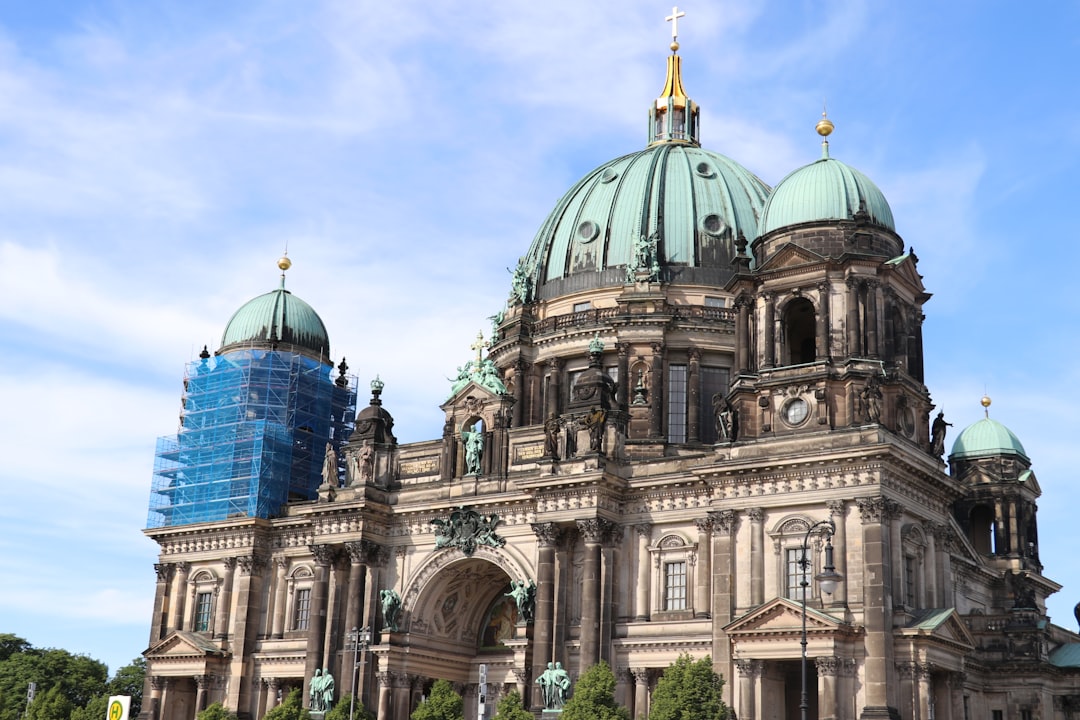
What most visitors miss is the emotional register of the interior. The Hohenzollern crypt below holds nearly a hundred sarcophagi — princes, electors, kings — and the silence down there is of a different quality than the silence upstairs. The city above feels very far away.
Insider tip
Visit on a weekday morning before 10am, when tour groups haven't yet assembled. The light through the nave windows at that hour is worth the early alarm.
View from Berliner Dom: the panorama the photographs don't prepare you for
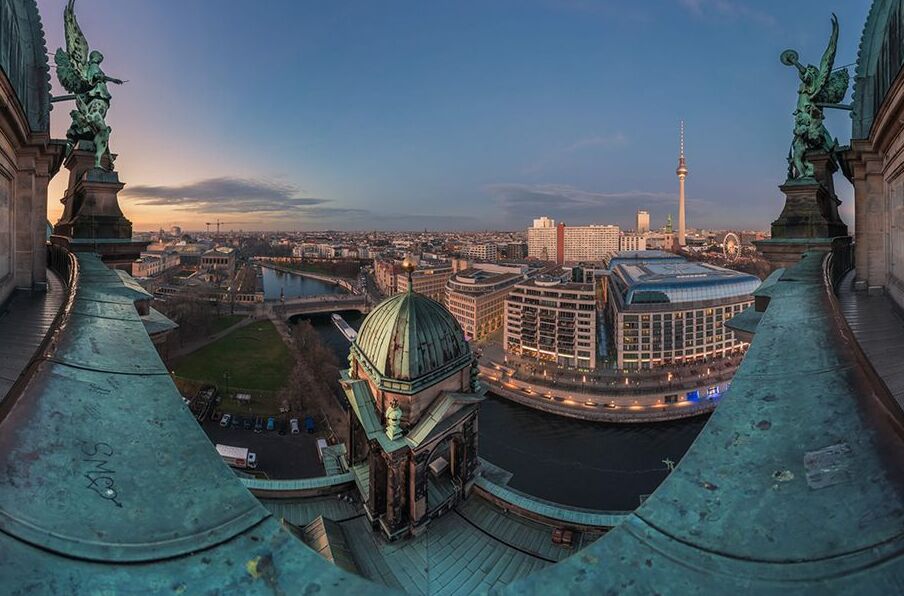
From up here, Berlin reveals its true character: low, wide, surprisingly green, punctuated by the Television Tower to the east and the Tiergarten's dark canopy to the west. The city's famous flatness, which can feel oppressive at street level, becomes a kind of elegance from above. You understand, suddenly, why the Prussians built so many things tall — not from arrogance, but from the need to see across an enormous plain.
Insider tip
The gallery wraps the full circumference of the dome; walk all the way around rather than stopping at the first open viewpoint, which faces the crowds.
The Berlin Cathedral: a history longer than the building itself

Understanding this layering changes how you look at the place. The current dome is not ancient — it was heavily damaged in the Second World War and not fully restored until the 1990s — but it stands on ground that has been continuously sacred, contested, and rebuilt. That is a very Berlin story.
Insider tip
Pick up the free multilingual floor plan at the entrance; it identifies the historical phases of the building in a way the general audio guide skips over entirely.
Gendarmenmarkt, the most beautiful square in Berlin: the claim that holds up
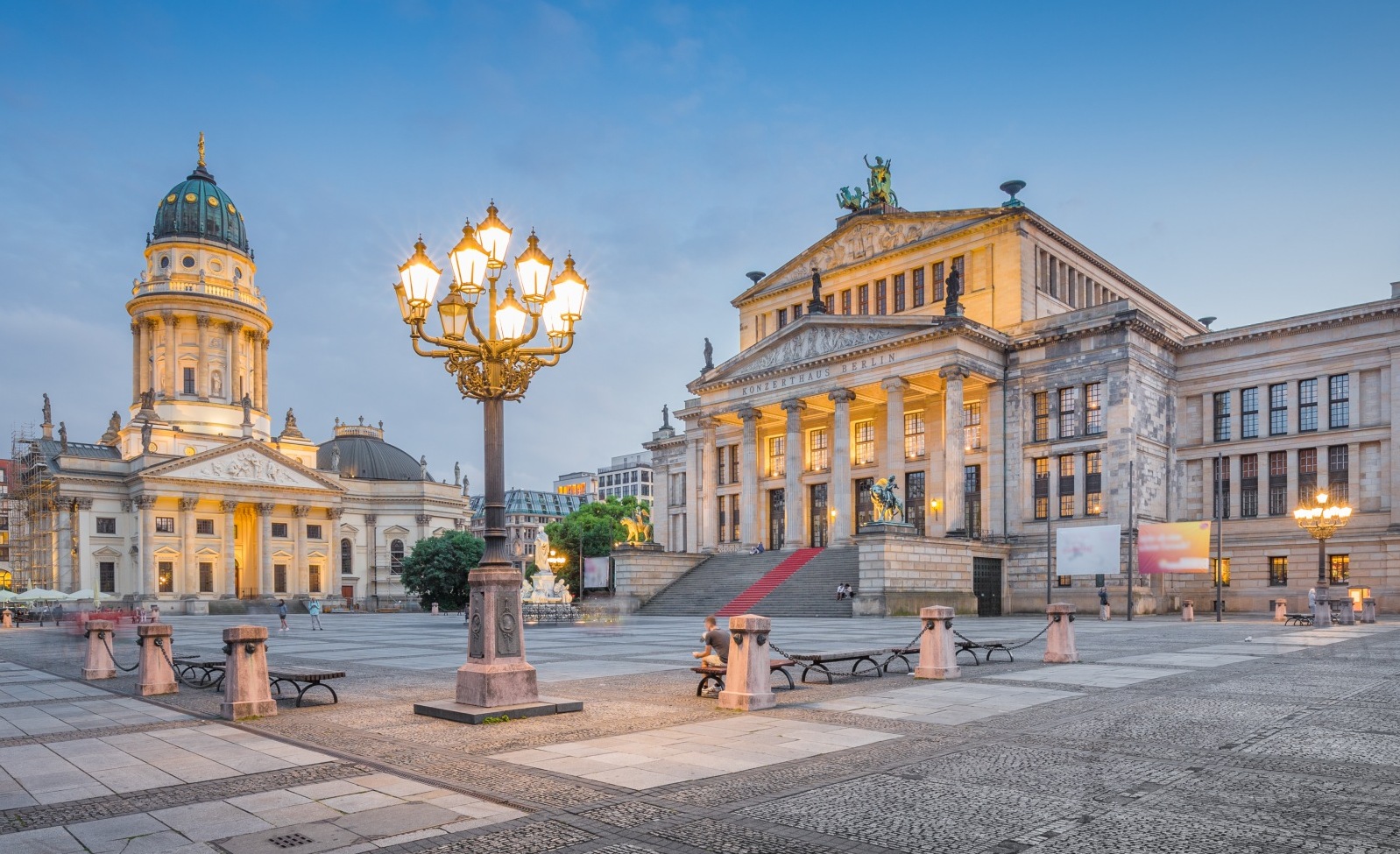
The French Cathedral carries the history of Berlin's Huguenot community, refugees who arrived after the Edict of Fontainebleau in 1685 and left a permanent mark on the city's culture, language, and cooking. The tower of the Französischer Dom is open to visitors and offers a view that most people in the square below never think to seek.
Insider tip
Come on a winter evening when the square is quieter and the facades are lit; the absence of summer crowds reveals the geometry of the space more clearly.
Part two — A little deeper
The DDR Museum in Berlin: touching the everyday life of a vanished state
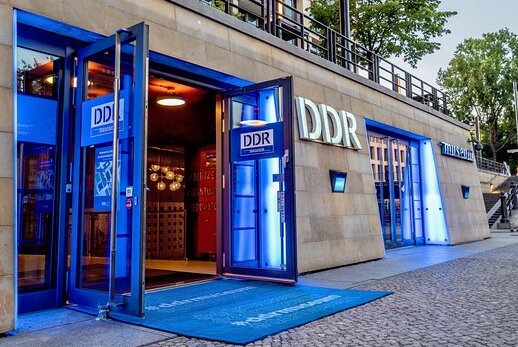
What the museum captures well is the texture of ordinary life under surveillance — not the dramatic moments of resistance, but the daily negotiations, the small pleasures, the way people built private lives inside a public ideology. That is a harder thing to exhibit than documents and photographs, and the DDR Museum does it with more intelligence than its interactive format might suggest.
Insider tip
Allow at least ninety minutes; the sections on leisure, holidays, and youth culture are less crowded than the political exhibits and contain the museum's most surprising material.
Berlin: The DDR Museum: a second angle on the same institution
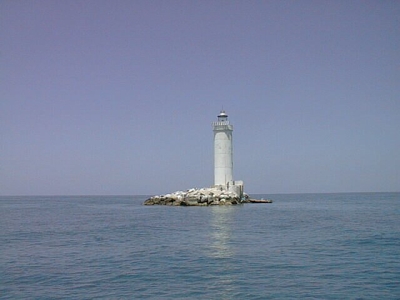
The answer may be that it occupies an uncomfortable space in Berlin's self-narrative — too recent to be ancient history, too specific to be universal, too fond of its subject matter to be purely critical. That ambivalence is, in its own way, historically honest.
Insider tip
The museum's bookshop stocks a range of DDR-era reproductions and scholarly texts that are considerably more interesting than the standard tourist merchandise.
The Brandenburg Gate, symbol of Berlin: the monument that outlived its meanings
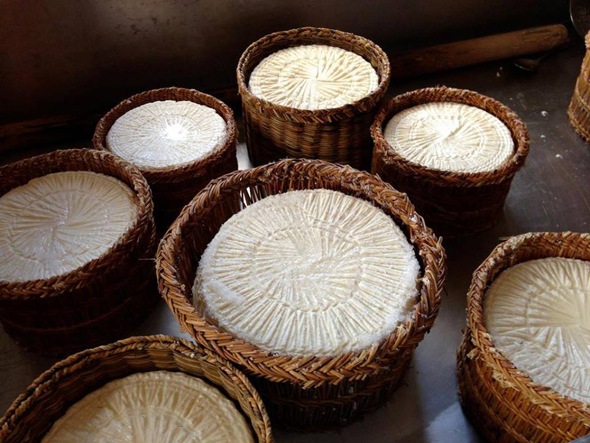
The Wall ran just behind it, making it inaccessible from either side for twenty-eight years. The scenes of November 1989, when crowds climbed its columns, are so embedded in collective memory that the physical object now exists partly in competition with its own image. That tension — between monument and photograph — is worth sitting with.
Insider tip
The quietest time to visit is early morning, before 8am; the Gate is never closed, and the experience of standing in the empty Pariser Platz at dawn is genuinely different from the midday version.
Currywurst in Berlin: Mehr als nur Imbiss-Nostalgie: a queue worth joining
The Currywurst is not subtle, and it is not trying to be. A grilled or fried pork sausage, sliced and served under a spiced ketchup sauce dusted with curry powder — it is Berlin's most democratic food, available from street stands across the city, consumed standing up, usually quickly, almost always with a small wooden fork and a portion of chips or a bread roll on the side. The queue at a good Imbiss at lunchtime is a social institution in its own right.What the nostalgia framing misses is that Currywurst is still actively evolving. The sauce varies significantly between vendors — some lean towards sweetness, others towards heat — and the debate about which stand serves the definitive version is conducted with the kind of seriousness Berliners usually reserve for rent politics.
Insider tip
Ask for the sauce on the side if you want to taste the sausage itself first; most vendors will comply, and it changes the experience significantly.
Part three — Off the obvious path
Eisbein: lo stinco di maiale: the dish that winter was made for

The preparation varies by region and by kitchen: some versions are roasted after boiling to crisp the skin, others are served simply braised. In Berlin, the boiled version with a sharp mustard is considered the standard, though standards in this city are always negotiable.
Insider tip
Order Eisbein in a traditional Berlin Kneipe rather than a tourist restaurant; the portions will be larger, the price lower, and the atmosphere considerably more honest.
The World Clock, also known as the Urania World Clock: the public square's quiet philosopher

Locals use it as a meeting point, which is its most interesting function. In a square that has been rebuilt, renamed, commercialised, and contested many times over, the clock provides a fixed reference — temporal and social — that the surrounding architecture cannot quite manage.
Insider tip
Stand beside the clock for five minutes and watch how Berliners use it; the meeting-point ritual is a small, intact piece of GDR-era urban behaviour that survives in plain sight.
Alexanderplatz in Berlin: a square that contains too much history to be comfortable
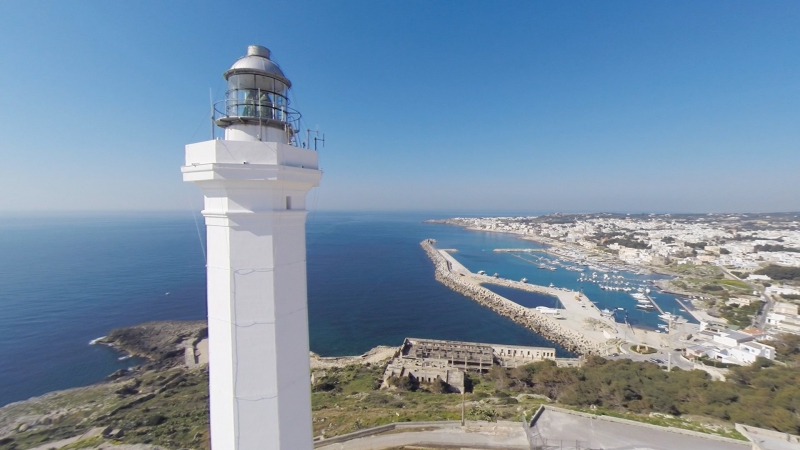
What remains interesting about the square is precisely this indigestibility — the way it refuses to resolve into a single narrative. The Fernsehturm rises above it with socialist confidence. The Weltzeituhr rotates with quiet cosmopolitan ambition. The department stores and fast food chains proceed without irony. It is a square that is still arguing with itself.
Insider tip
Walk the perimeter of the square rather than cutting through it; the edge reveals the mix of architectural periods more clearly than the crowded centre.
Fersehtum is Berlin's television tower: the skyline's only vertical argument
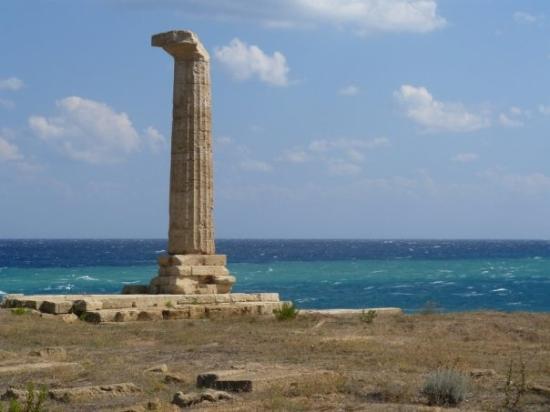
The sphere near the top contains an observation deck and a revolving restaurant. The view from the deck is the most comprehensive in Berlin, covering the full extent of the city's low, wide footprint. The restaurant completes one rotation per hour, which is enough time to eat a meal and understand the city's geography.
Insider tip
Book the observation deck online in advance, especially in summer; the queue for walk-ins can be over an hour, and the online ticket line is separate and considerably faster.
Part four — Around and beyond
Secret World recensione 2026: testato a Berlino, vale davvero?: navigating Berlin without losing the plot
Berlin's parks and green spaces are among its least-discussed assets: the Tiergarten at the city's centre, Treptower Park to the southeast, the Volkspark Friedrichshain with its wartime rubble hills. These spaces require a different kind of navigation than museum-hopping — slower, more lateral, more dependent on a willingness to arrive at something without having planned to.
Insider tip
The BVG app is the most reliable tool for real-time public transport in Berlin; pair it with an offline map for the green spaces, where connectivity can be inconsistent.
Migliori alternative a Wanderlog per Berlino 2026: the itinerary problem, honestly considered

Berlin's green infrastructure — its parks, canal paths, and lakeside walks — is systematically underrepresented in standard itinerary-building tools, which default to monuments and museums. A trip that includes the Tiergarten at dusk, or a walk along the Landwehrkanal in Kreuzberg, or an afternoon in Volkspark Hasenheide, is a different Berlin from the one the apps tend to generate.
Insider tip
Build at least one unscheduled half-day into your Berlin itinerary; the city rewards aimlessness in a way that few capitals manage, and the best discoveries tend to happen in the gaps.
Berlin is a city that has been destroyed, divided, reunified, and reinvented within living memory — and it carries all of that not as a burden but as a kind of restless energy that makes it unlike anywhere else in Europe. The places in this list are not secrets. They are simply things that reward attention, and attention is the one resource that mass tourism consistently fails to provide.
What I keep returning to, after every visit, is the sense that Berlin is still becoming itself — that the city you see today is a provisional version of something not yet finished. That is either exciting or unsettling, depending on your temperament. For travellers who prefer their cities legible and resolved, Berlin will always be slightly frustrating. For those who find pleasure in the unresolved, in the layer beneath the layer, in the clock that tells the time in cities you haven't yet visited — Berlin will keep giving you reasons to come back.
The postcard exists. It's just not the whole story.
What I keep returning to, after every visit, is the sense that Berlin is still becoming itself — that the city you see today is a provisional version of something not yet finished. That is either exciting or unsettling, depending on your temperament. For travellers who prefer their cities legible and resolved, Berlin will always be slightly frustrating. For those who find pleasure in the unresolved, in the layer beneath the layer, in the clock that tells the time in cities you haven't yet visited — Berlin will keep giving you reasons to come back.
The postcard exists. It's just not the whole story.


