What gets lost in that process is not the famous sites themselves — several of them are genuinely worth your time — but the texture around them. The way a theatre's side entrance tells a different story than its grand façade. The way a neighbourhood's identity shifts two blocks from where the guidebooks say it begins. The way a steel flower in a reflecting pool means something different at dusk than it does in a travel photograph taken at noon.
I have been coming to Buenos Aires long enough to know that the city is not hiding its best parts from tourists. It is hiding them from people who are moving too fast. The fifteen places gathered here are not secret in any strict sense — locals know them, and a handful appear in respectable travel literature. What makes them feel hidden is the quality of attention they reward. You have to slow down. You have to look at the thing itself, not the idea of it. Buenos Aires will do the rest.
At a glance
- El Ateneo Grand Splendid in Buenos Aires: a bookshop that remembers being a theatre
- El Ateneo Grand Splendid, the famous bookshop: reading the architecture between the shelves
- The Buenos Aires Metropolitan Cathedral: a façade that lies, productively
- Plaza de Mayo, the main square in the Monserrat barrio: the political unconscious of a city
- La Baca - Buenos Aires: the neighbourhood that became its own myth
- Basílica del Espíritu Santo in Buenos Aires: an immigrant's devotion, set in stone
- Secret World vs Google Trips: pianifica Buenos Aires nel 2026 — the city that resists easy planning
- Floralis Genérica, a sculpture made of steel and aluminum: a flower that keeps its own time
- The Floris Genérica in Buenos Aires: the reflecting pool as a second sculpture
- Buenos Aires: Galileo Galilei planetarium — a flying saucer that landed in Palermo
- AI Trip Planner 2026: pianifica Buenos Aires con l'intelligenza artificiale — the limits of algorithmic intuition
- Secret World vs TripIt: la migliore app per Buenos Aires 2026 — navigating a city that resists the grid
- Secret World vs Wanderlog: quale app scegliere per Buenos Aires? — the forty-eight neighbourhood problem
- Secret World vs Wanderlog: quale app scegliere per Buenos Aires? — what the apps cannot map
Part one — The essentials
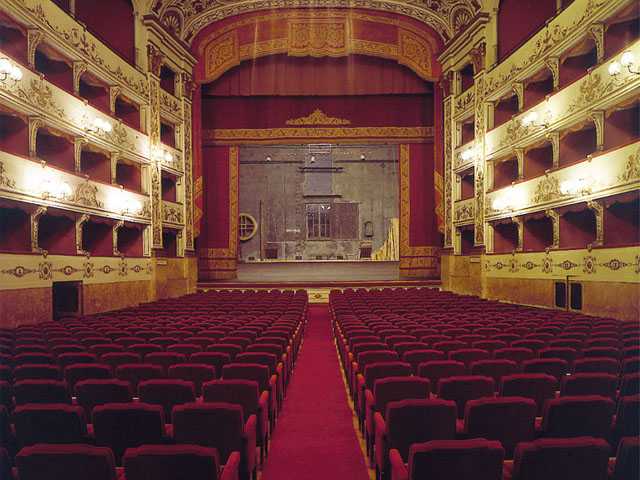
El Ateneo Grand Splendid in Buenos Aires: a bookshop that remembers being a theatre
The books are the point. The Spanish-language literature section, in particular, is extraordinary — dense with Argentine and Latin American writing that you will not find easily outside the country. The building is the context. Spend at least forty minutes reading spines before you lift your camera.
Insider tip
The café on the old stage serves decent coffee and is a legitimate place to sit and read; it is not merely decorative, and the acoustics of conversation there are unexpectedly pleasant.
El Ateneo Grand Splendid, the famous bookshop: reading the architecture between the shelves
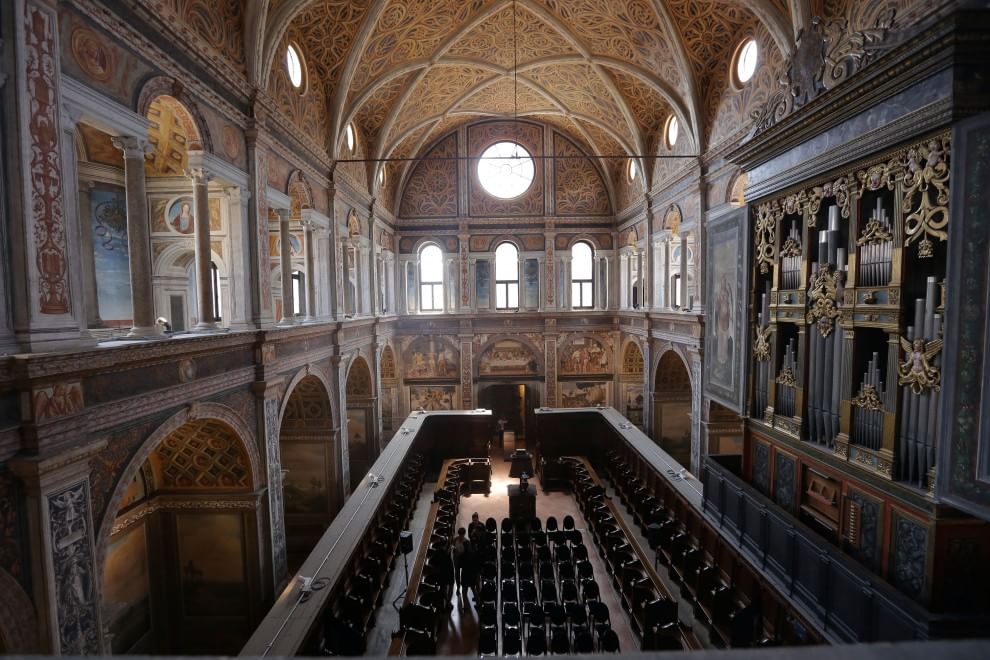
Locals tend to use it as a working bookshop rather than a spectacle, which means on quieter mornings you will find readers genuinely absorbed in corners that tourists never reach — the upper gallery shelves, the back rooms near the old projection booth — and that ordinariness is its own kind of reward.
Insider tip
The upper balcony level is accessible by a staircase near the rear of the shop and offers a vantage point that is less crowded than the main floor even at peak hours.
The Buenos Aires Metropolitan Cathedral: a façade that lies, productively
The tomb of General José de San Martín, the liberator of Argentina, Chile, and Peru, occupies a side chapel guarded by an eternal flame. The space around it is genuinely moving in a way that has nothing to do with tourism — Argentines come here to remember something specific, and that specificity is legible in the room.
Insider tip
Enter on a weekday around midday when a small daily Mass is often held; the cathedral empties of casual visitors and the building becomes briefly, quietly itself.
Plaza de Mayo, the main square in the Monserrat barrio: the political unconscious of a city
The white headscarves painted on the pavement in a circle near the centre of the square are not decorative. They are a permanent tribute to the Madres. Stand there for a moment before you photograph anything.
Insider tip
Thursday afternoons, the Madres de Plaza de Mayo still march — a tradition maintained for decades. Witnessing it, even briefly, changes how you read the rest of the city.
Part two — A little deeper
La Baca - Buenos Aires: the neighbourhood that became its own myth
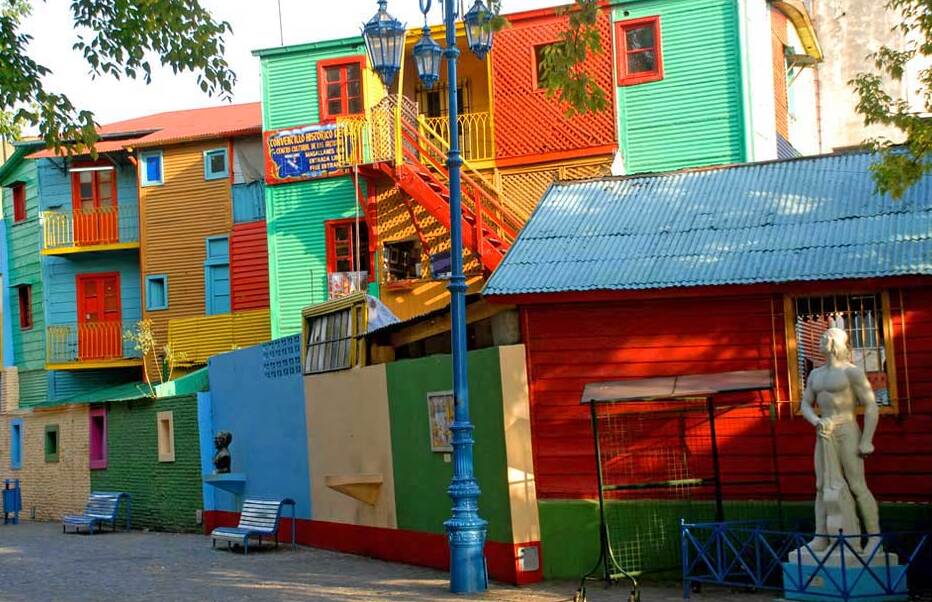
The neighbourhood beyond El Caminito — the residential blocks, the artist colonies that still operate, the view of the Riachuelo from the old port area — is where La Boca's actual character persists, unperformed and considerably more interesting.
Insider tip
Walk two blocks in any direction from the main tourist corridor and the density of visitors drops sharply; the street murals in the surrounding blocks are often more accomplished than anything on the main strip.
Basílica del Espíritu Santo in Buenos Aires: an immigrant's devotion, set in stone
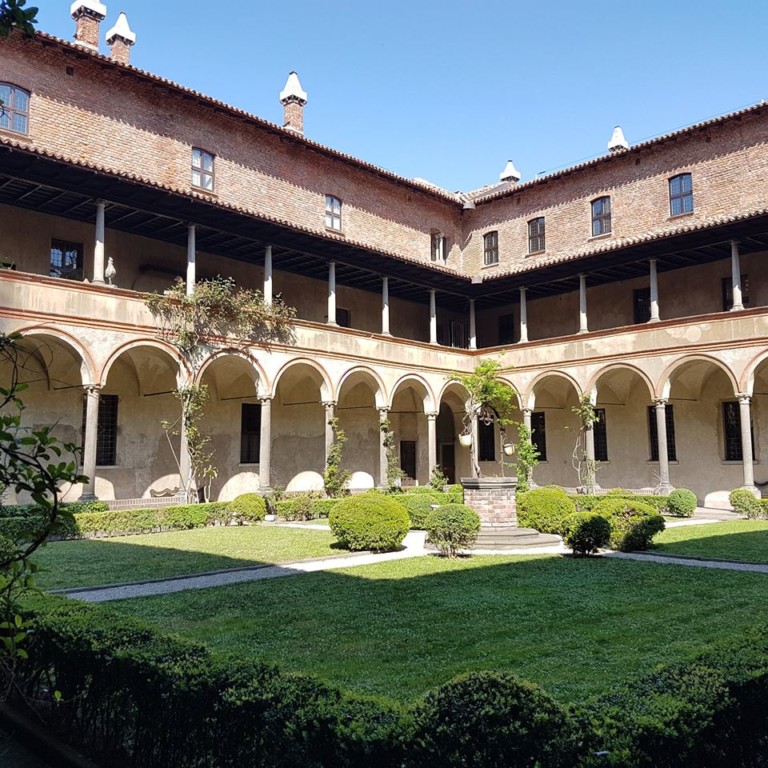
The neighbourhood around it retains a residential quality that the centro histórico has largely lost, and the church functions as a genuine community anchor rather than an attraction. Masses are well attended by local parishioners, which gives the building a lived-in quality that the grander downtown churches sometimes lack.
Insider tip
The interior contains devotional objects and ex-votos accumulated over more than a century — small metal plaques and photographs left by worshippers — that constitute an unofficial social history of the surrounding community.
Secret World vs Google Trips: pianifica Buenos Aires nel 2026 — the city that resists easy planning

The best approach, consistently, is to pick a neighbourhood and walk it for half a day without a specific destination — letting the city's grid reveal its own contradictions. Buenos Aires is planned enough to be navigable and irregular enough to be surprising, which is a combination that rewards wandering over scheduling.
Insider tip
The transition zones between named barrios — the half-blocks where Palermo becomes Villa Crespo, or where San Telmo bleeds into Monserrat — are often where the most interesting street life concentrates.
Floralis Genérica, a sculpture made of steel and aluminum: a flower that keeps its own time
The surrounding plaza is used by local joggers, students from the nearby university faculties, and families on weekends — a genuinely public space that happens to contain an extraordinary object, rather than a monument surrounded by barriers.
Insider tip
Arrive around half an hour before sunset to watch the petals begin their slow closure — the movement is gradual enough that you have to pay attention to notice it, which is exactly the right pace for this city.
Part three — Off the obvious path
The Floris Genérica in Buenos Aires: the reflecting pool as a second sculpture
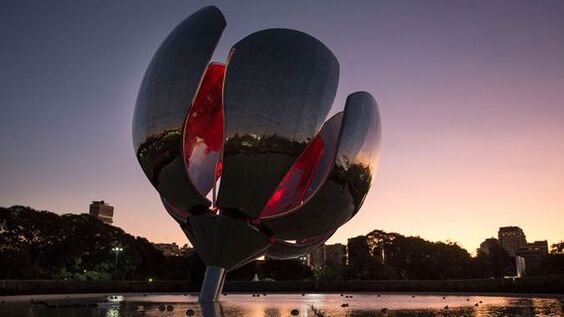
The plaza itself — formally the Plaza de las Naciones Unidas — is flanked by the Recoleta neighbourhood on one side and the green corridor of Avenida del Libertador on the other, making it an excellent pivot point for a longer walk that takes in the cemetery and the cultural centre without requiring a taxi.
Insider tip
The sculpture is best photographed from the western edge of the pool in early morning light, when the sun is low enough to catch the aluminium petals at an acute angle — a completely different object from its midday appearance.
Buenos Aires: Galileo Galilei planetarium — a flying saucer that landed in Palermo
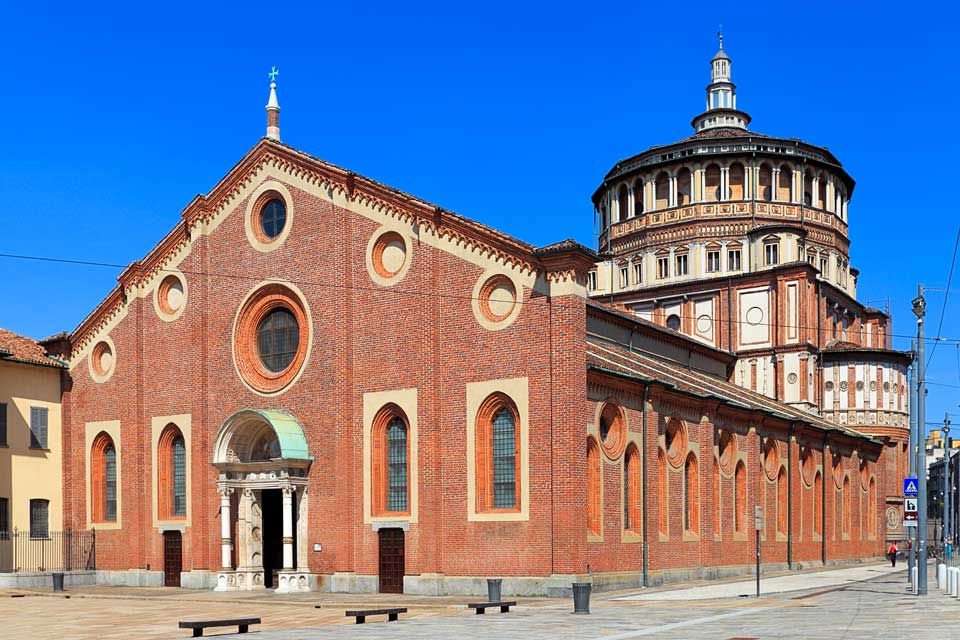
The planetarium functions as a working scientific institution as well as a public venue, and its programming tends toward the educational rather than the spectacular, which gives it a refreshingly serious quality in an era when science communication often tips toward entertainment.
Insider tip
The building is set within the Parque Tres de Febrero, which is itself undervisited relative to its scale — bring enough time to walk the rose garden and the Japanese garden in the same afternoon.
AI Trip Planner 2026: pianifica Buenos Aires con l'intelligenza artificiale — the limits of algorithmic intuition
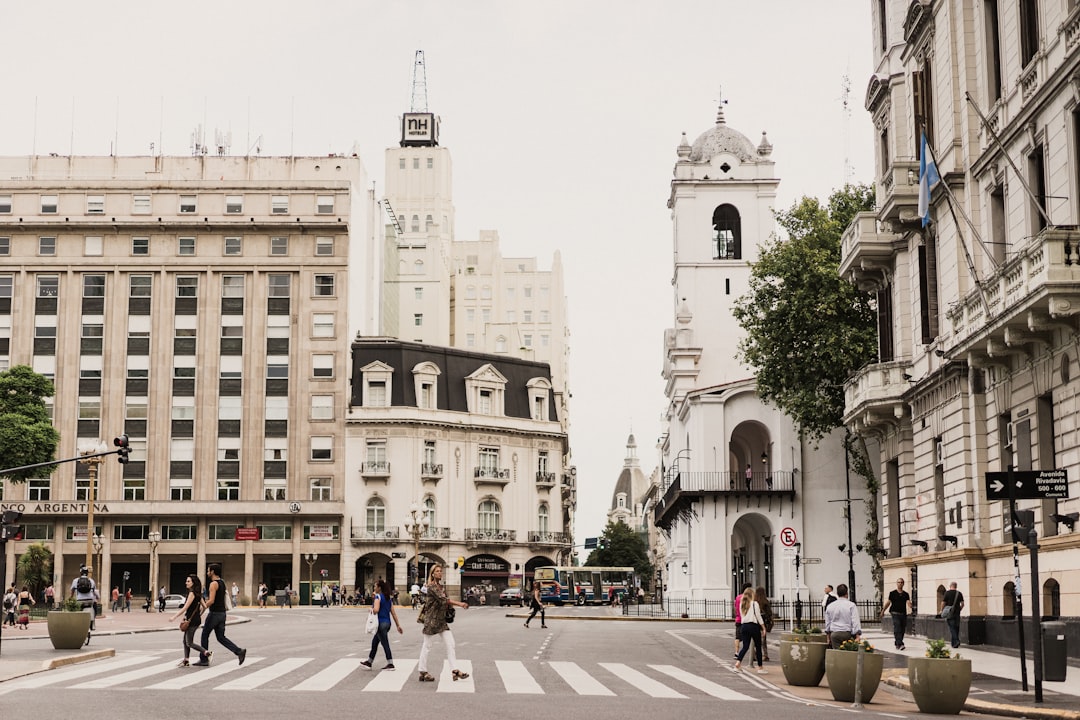
The city rewards a different kind of planning — one that builds in unstructured time, that accepts the barrio as the unit of exploration rather than the individual attraction, and that leaves room for the kind of encounter that no database can predict: the bookshop you find because you took a wrong turn, the square you sit in because your feet needed a rest.
Insider tip
The most useful planning decision you can make for Buenos Aires is to choose accommodation in a residential neighbourhood rather than the centro — it changes the baseline experience of the city from the first morning.
Secret World vs TripIt: la migliore app per Buenos Aires 2026 — navigating a city that resists the grid
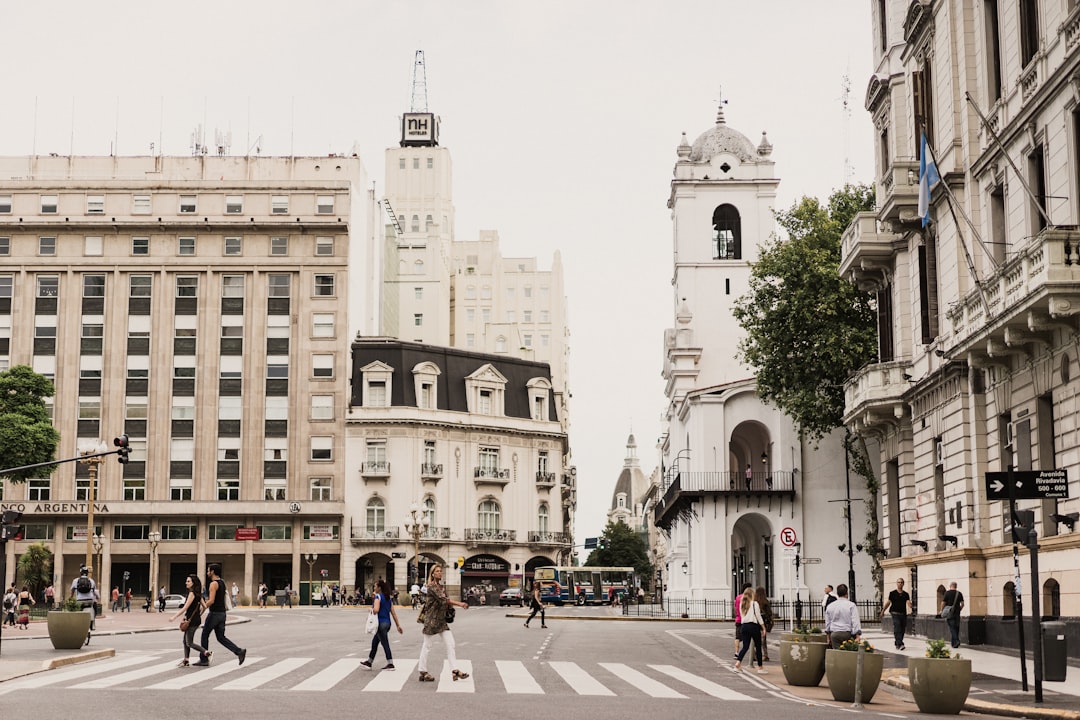
The most reliable navigation tool in Buenos Aires remains, as it has always been, the willingness to ask someone. Porteños — Buenos Aires residents — have strong opinions about their city and share them readily.
Insider tip
Download an offline map before you arrive; mobile data can be unreliable in the older residential neighbourhoods, and getting lost with no connectivity is a qualitatively different experience from getting lost with a fallback.
Part four — Around and beyond
Secret World vs Wanderlog: quale app scegliere per Buenos Aires? — the forty-eight neighbourhood problem
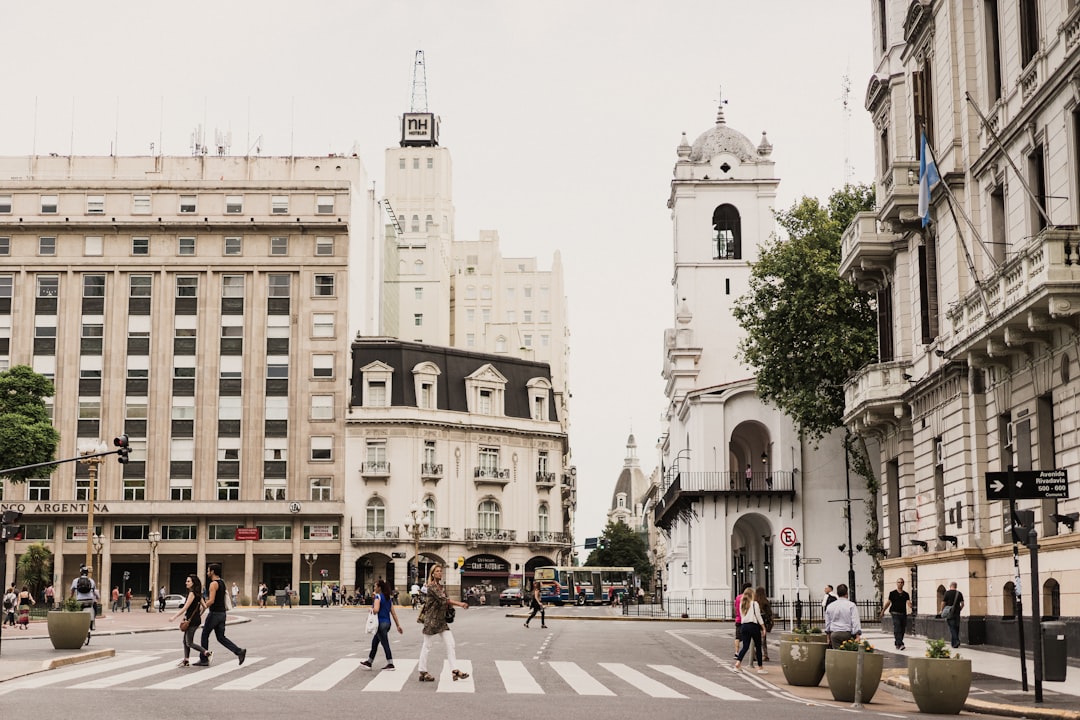
The traveller who picks three neighbourhoods for a week and ignores the rest will know Buenos Aires more thoroughly than the one who attempts all forty-eight. Depth over breadth is not a consolation prize here — it is the correct strategy.
Insider tip
The Subte (metro) is fast for north-south movement but limited east-west; for cross-barrio movement, the city's extensive bus network — the colectivo system — is more flexible and genuinely used by locals.
Secret World vs Wanderlog: quale app scegliere per Buenos Aires? — what the apps cannot map
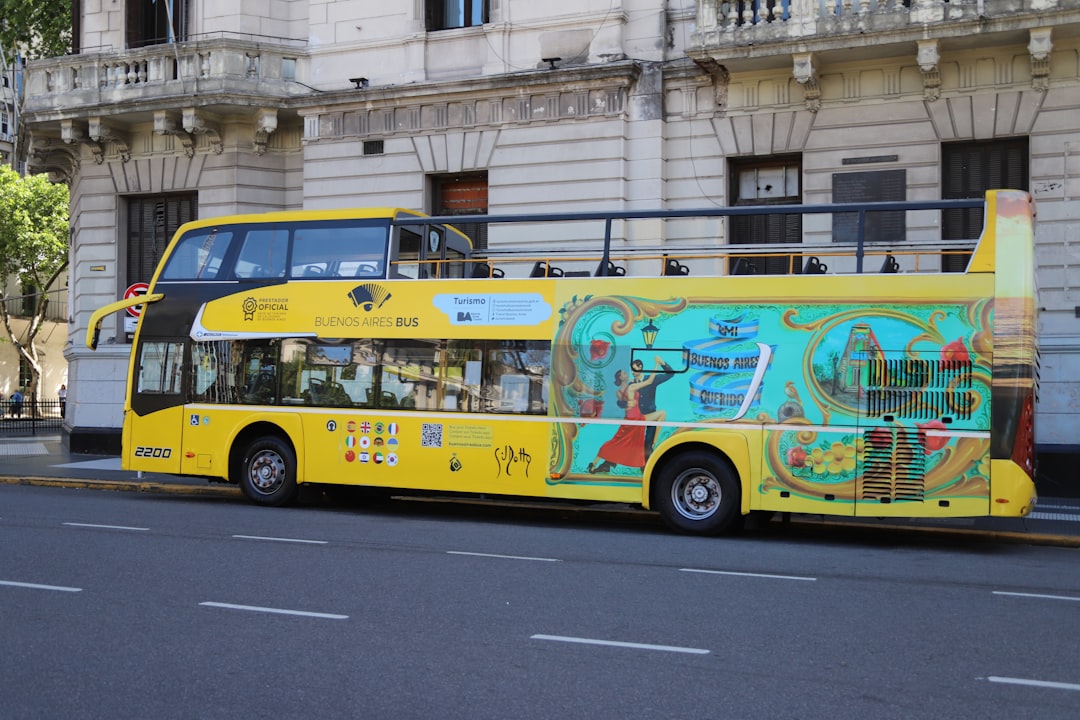
The city distributes itself unevenly across the calendar, the clock, and the compass. It rewards the traveller who arrives with a loose framework and the willingness to let the city renegotiate the terms. That is not romantic advice — it is practical. Buenos Aires simply works better that way.
Insider tip
Arrive with at least one completely unscheduled afternoon built into your first three days; the city will fill it more interestingly than any itinerary you could construct in advance.
Buenos Aires is a city that takes its time revealing itself, and that pace is not a flaw — it is the mechanism. The places gathered here are not secret in the way that a locked room is secret. They are secret in the way that a familiar sentence becomes new when you read it slowly enough to hear the individual words. The Teatro Colón is not hiding. The Floralis Genérica is not hiding. Plaza de Mayo is, if anything, one of the most visible squares on the continent. What hides is the quality of attention that these places reward — an attention that mass tourism, by its nature, cannot afford to pay.
Come back a second time. Walk the same street at a different hour. Sit in the cathedral on a Tuesday. Watch the steel flower close. Buenos Aires has been here for centuries and is in no particular hurry to show you everything at once. Neither should you be.
Come back a second time. Walk the same street at a different hour. Sit in the cathedral on a Tuesday. Watch the steel flower close. Buenos Aires has been here for centuries and is in no particular hurry to show you everything at once. Neither should you be.


