I have spent more time than is probably reasonable on this small dumbbell-shaped sliver of land — ten kilometres southwest of Hong Kong's urban core, reachable in under an hour by ordinary ferry, and yet operating on a completely different frequency from the city. No private cars. Narrow lanes that dead-end into other narrow lanes. A harbour that smells of salt and diesel and something older than both. The kind of place where the light changes your mood before you have consciously decided to let it.
What follows is not a list of secrets. Most of these places are findable, in the sense that they exist on maps and occasionally appear in footnotes. What makes them feel hidden is something more sociological than geographical: they require a willingness to slow down, to turn left when the crowd turns right, to sit with a place long enough for it to reveal something beyond its surface. Cheung Chau rewards exactly that kind of attention. The postcard version of the island is pleasant enough. What lies behind it is considerably more interesting.
At a glance
- Cheung Chau - The hideaway of the pirate Cheung Po Tsai: where legend earns its keep
- Man Mo Temple, an old Taoist temple: the god of literature meets the god of war
- Scopri il Man Mo Temple di Hong Kong: a second reading of the same text
- Lantau Island, l'isola più grande di Hong Kong: the giant that hides in plain sight
- Il volto verde di Hong Kong: l'isola di Lamma: the rural face the city keeps to itself
- Hong Kong Disneyland: the park that serious travellers dismiss too quickly
- Scopri la Magia di Victoria Peak a Hong Kong: what the tram tourists miss at the top
- The Hong Kong, Victoria Peak and the wonderful skyline: reading the city from above
- Hong Kong : Tian Tan Buddha - The Big Buddha: the statue that earns its scale
- Alla scoperta del Tian Tan Buddha a Hong Kong: the walk that the cable car replaces
- Tian Tan Buddha, referred to as the "Big Buddha": pilgrimage in the age of the selfie stick
- Scopri il Monastero di Po Lin a Hong Kong: the monastery the Buddha overshadows
- Ocean Park is a major attraction in Hong Kong: the park that outlasted its own era
Part one — The essentials
Cheung Chau - The hideaway of the pirate Cheung Po Tsai: where legend earns its keep

The real reward is the panorama from the headland above: a wide sweep of the Pearl River estuary, the kind of view that explains immediately why a pirate lord would have wanted this particular piece of geography.
Insider tip
Go in the late afternoon when the light comes in low from the west. The path down from the headland back toward the village passes a small shrine that most people step around without stopping — it repays a moment's attention.
Man Mo Temple, an old Taoist temple: the god of literature meets the god of war
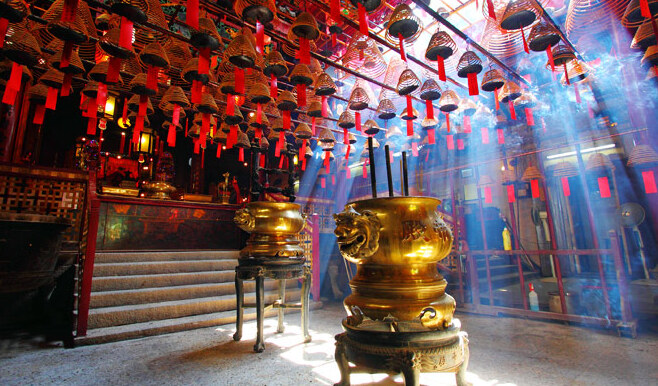
The interior is thick with incense smoke from the great hanging coils overhead, and the light that filters through it has a quality that no photographer has ever quite managed to capture honestly. It is a working temple, not a museum, and the distinction matters. People come here to pray, to seek guidance, to mark occasions — and that ongoing human use gives the space a weight that purely preserved heritage sites rarely achieve.
Insider tip
Visit on a weekday morning when the temple is quietest. The caretaker is occasionally willing to explain the significance of the deity arrangements to visitors who show genuine curiosity rather than just pointing a camera.
Scopri il Man Mo Temple di Hong Kong: a second reading of the same text
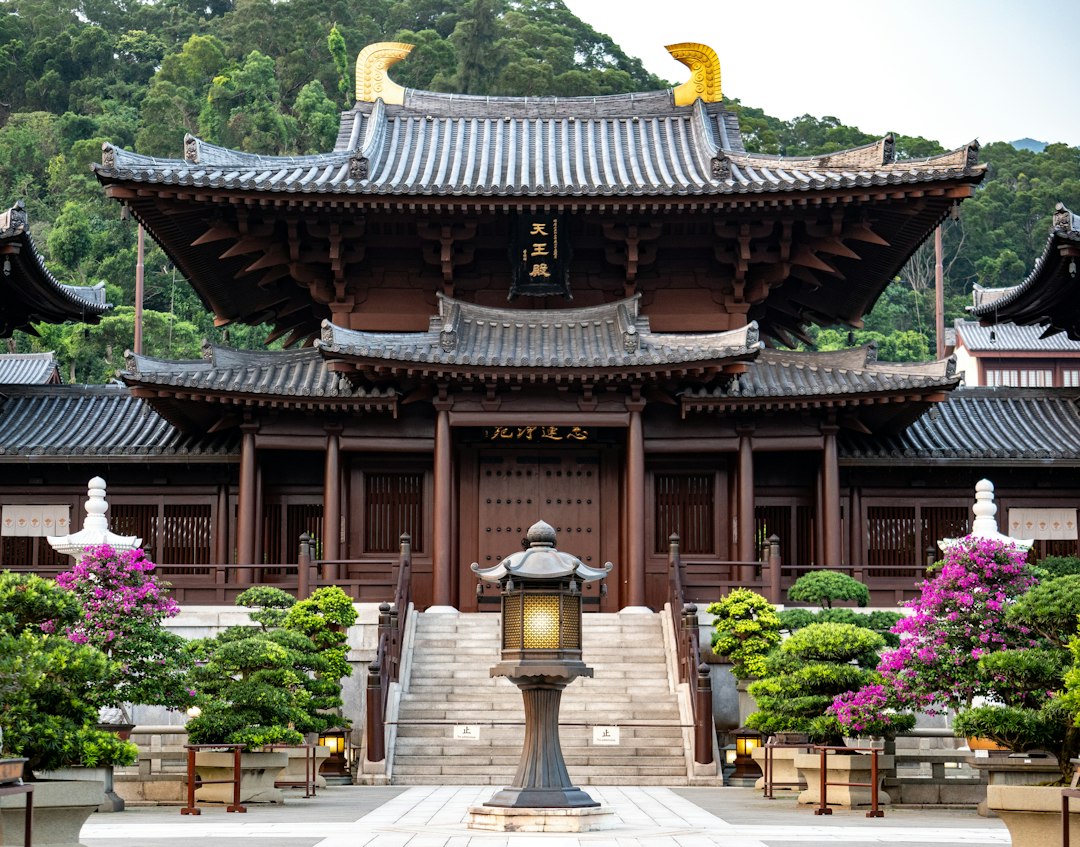
Between the scintillating skyscrapers and the frenetic pace of metropolitan life, finding a place where the pace drops to something close to contemplative is itself a discovery. The temple's dedication to the gods of literature and war — Man and Mo — reads differently here, in a fishing community context, than it does in an urban one.
Insider tip
If you visit both the Cheung Chau temple and the Hollywood Road version on the same trip, the contrast in atmosphere tells you more about Hong Kong's social geography than almost any guidebook passage could.
Lantau Island, l'isola più grande di Hong Kong: the giant that hides in plain sight

The island's green valleys and unspoiled coastline represent a version of Hong Kong that the territory's reputation as a vertical city entirely fails to predict. Walking trails cross the hills with views that extend on clear days to the open South China Sea, and the fishing villages on the southern coast operate on a rhythm that has more in common with Cheung Chau than with Kowloon.
Insider tip
The southern coastline bus routes are infrequent — check the schedule before you go, or you will find yourself waiting in a beautiful location with no particular way to leave it.
Part two — A little deeper
Il volto verde di Hong Kong: l'isola di Lamma: the rural face the city keeps to itself

The 'green face' of Hong Kong, as the Italian-language description aptly frames it, is not a metaphor but a literal reality: the hillsides are genuinely forested, the coastline genuinely rocky and wild in places. What makes Lamma feel overlooked is that it sits in the shadow of the more famous outlying islands, visited primarily by people who know to look for it.
Insider tip
The trail between the two villages takes roughly an hour at a comfortable pace. Walk it in the morning before the weekend crowds arrive from Central, and you will have the hillside largely to yourself.
Hong Kong Disneyland: the park that serious travellers dismiss too quickly
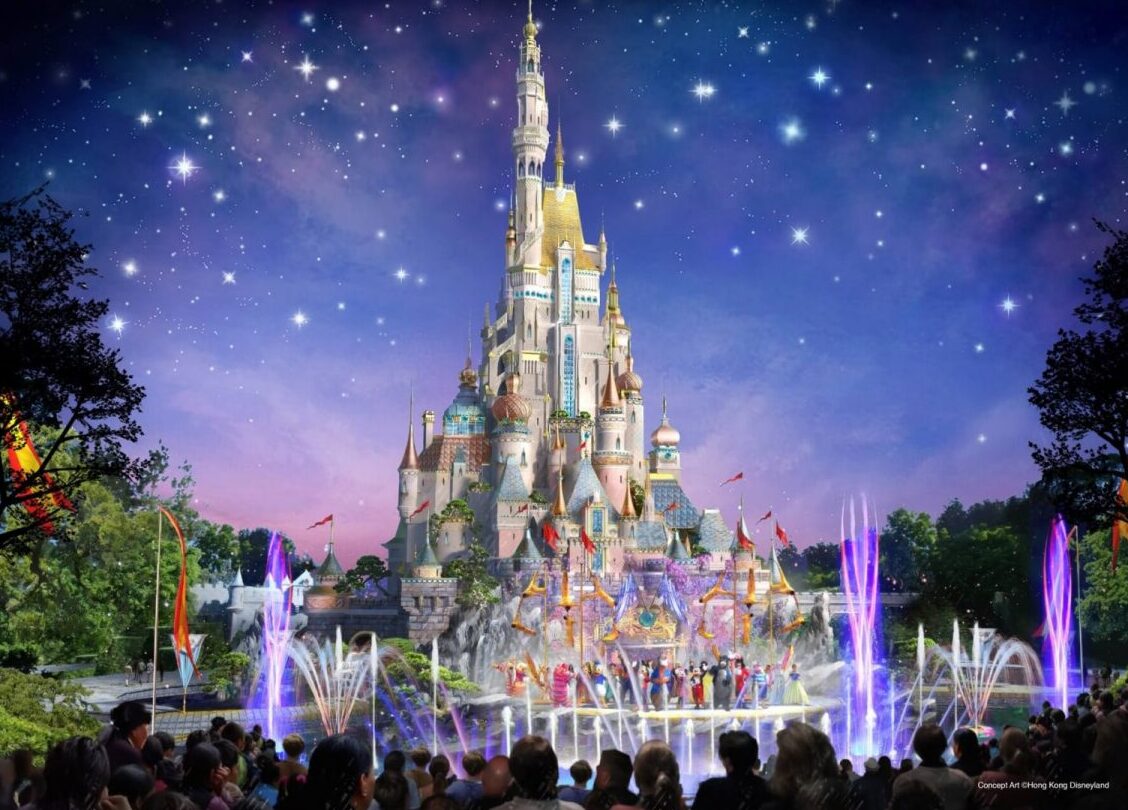
For the traveller interested in how American cultural exports are translated and received in East Asian contexts, the park is genuinely fascinating: the mix of Cantonese, Mandarin, and English announcements; the food adaptations; the particular way Hong Kong families navigate the space. It is a cultural document as much as an entertainment venue.
Insider tip
Visit on a Tuesday or Wednesday in the off-season and the crowd dynamics change entirely — the park becomes almost contemplative, and you can study the design details that disappear under weekend foot traffic.
Scopri la Magia di Victoria Peak a Hong Kong: what the tram tourists miss at the top
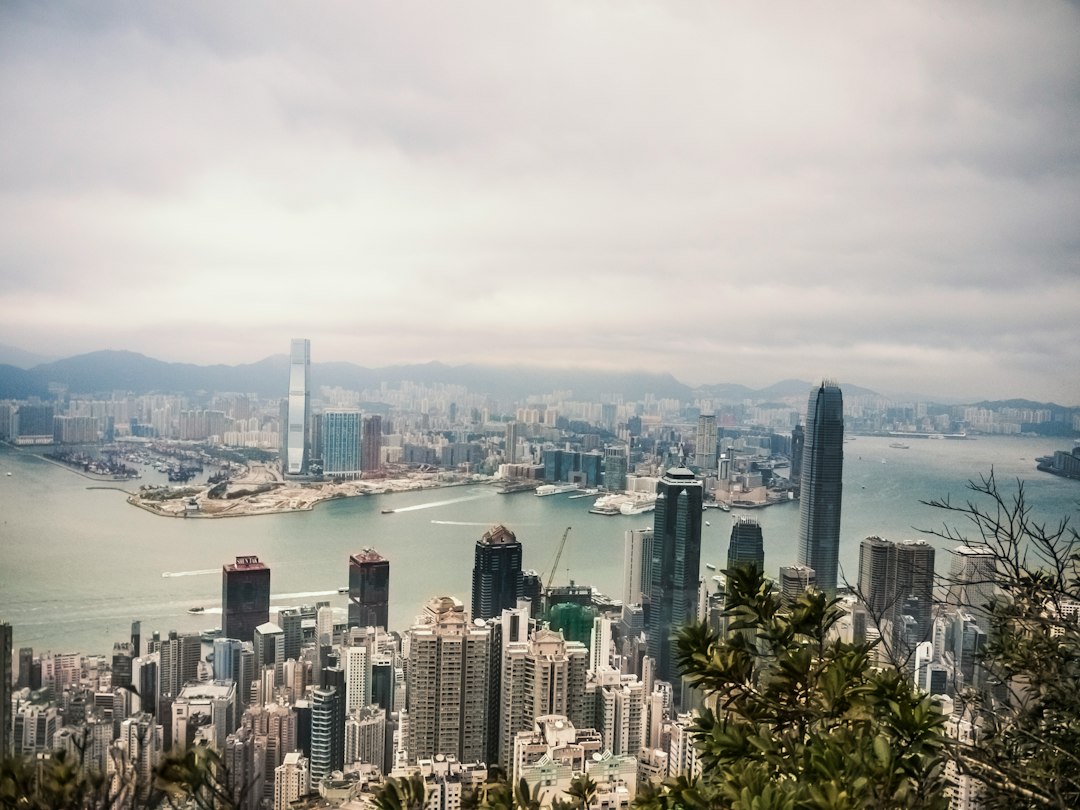
The walking trails that circle the summit offer a completely different relationship with the landscape: the city appearing and disappearing through gaps in the vegetation, the harbour visible from angles that no postcard has ever used, the air noticeably cooler and quieter than anywhere at sea level. The Peak is famous for its skyline view; it is underrated as a place to simply walk and think.
Insider tip
The circular Lugard Road walk takes about 45 minutes and requires no particular fitness. Do it early morning before the tour groups arrive and the experience is closer to a mountain walk than a tourist attraction.
The Hong Kong, Victoria Peak and the wonderful skyline: reading the city from above

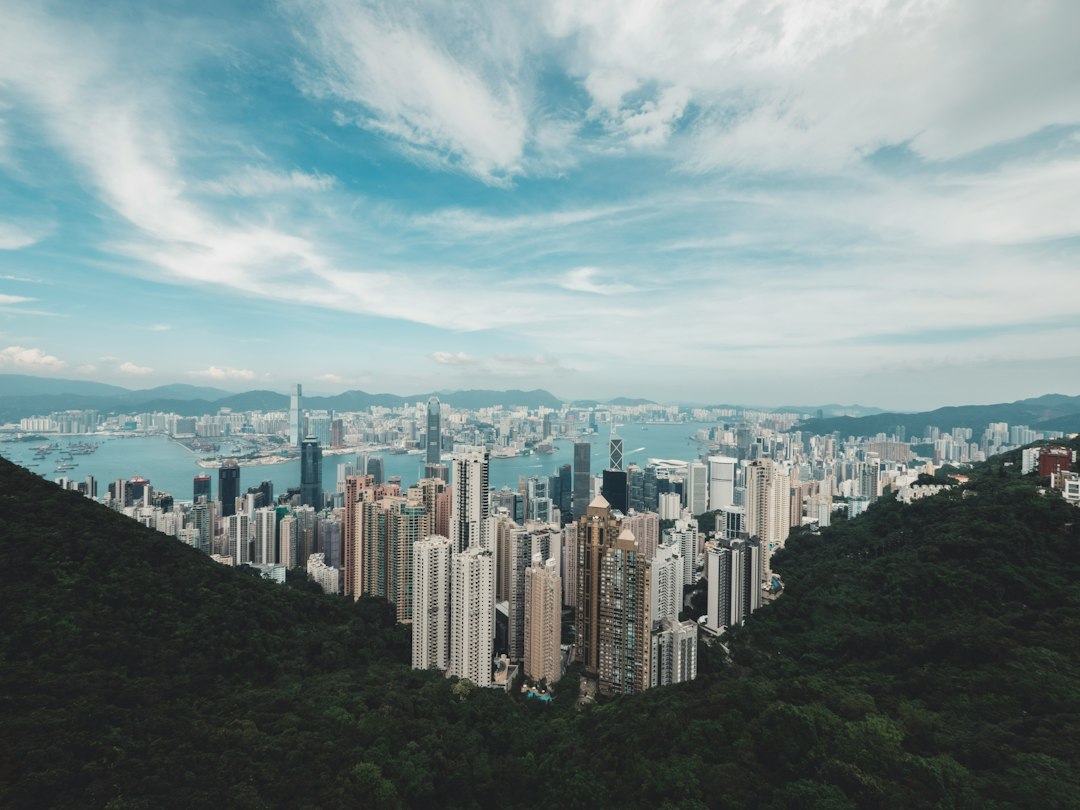
The relationship between the harbour, the islands, and the urban mass is complex and changes with the light, the weather, and the time of day. The famous night view is well documented; less discussed is the view in the hour after dawn, when the city is already fully alive below but the light is still soft enough to show the hills behind Kowloon as a backdrop rather than an afterthought. The density of the skyline is not just a spectacle — it is a legible record of how the territory grew.
Insider tip
The south-facing side of the Peak, looking away from the harbour toward the outlying islands, is almost entirely ignored by visitors. On a clear day you can see Lamma and Cheung Chau from here — a quietly satisfying geographical connection.
Part three — Off the obvious path
Hong Kong : Tian Tan Buddha - The Big Buddha: the statue that earns its scale
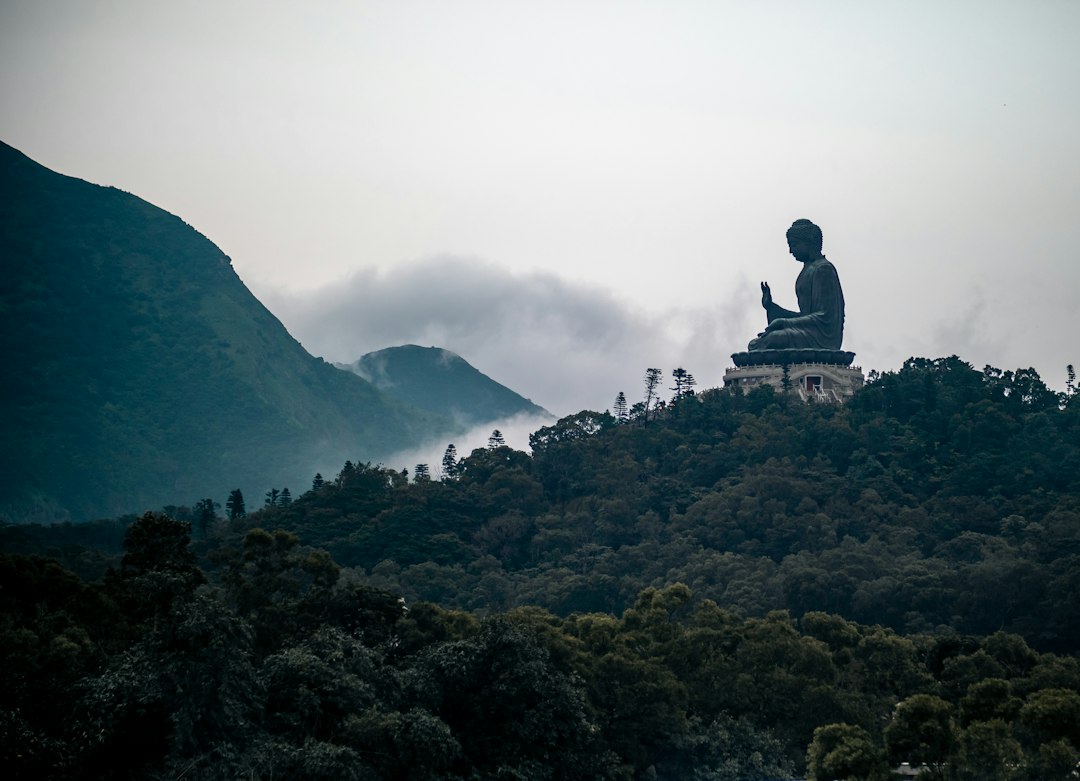
The Buddha draws pilgrims from across Asia, which means that on any given day the crowd at the base is a genuinely international congregation of different kinds of devotion and different kinds of tourism — a sociological mix that is itself worth observing.
Insider tip
The interior of the statue's base contains a small museum and exhibition space that almost nobody visits, absorbed as they are by the exterior. It offers a different kind of encounter with the site's religious significance.
Alla scoperta del Tian Tan Buddha a Hong Kong: the walk that the cable car replaces
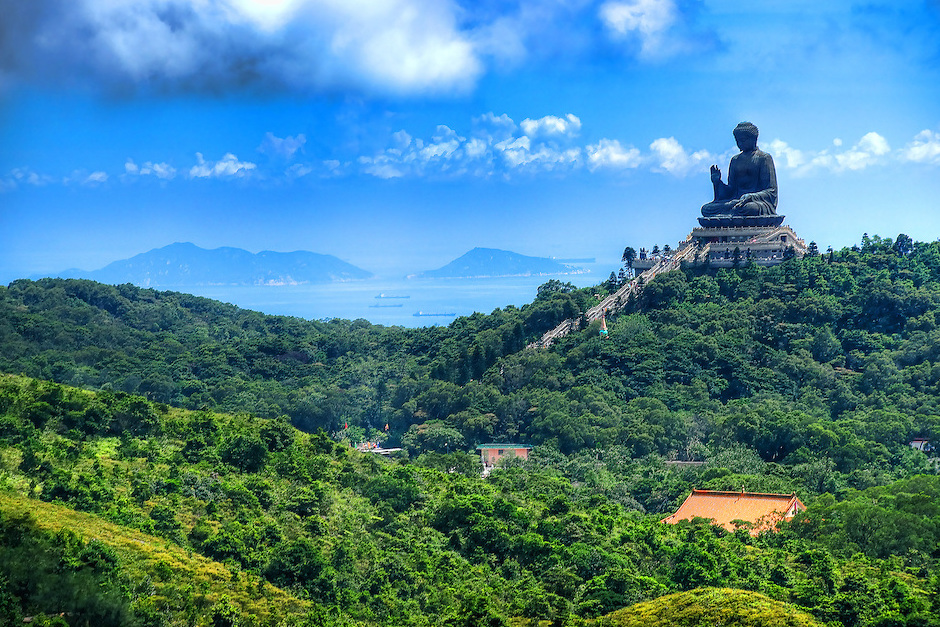
The statue itself, at 34 metres and 202 tonnes of bronze, represents a significant feat of engineering as much as of devotion — it was assembled on site from 202 separate bronze pieces, and the logistics of that assembly on a remote Lantau hilltop in the early 1990s are worth contemplating as you climb the steps. The surrounding vegetation, described accurately as lush, provides a context that makes the statue feel less like a tourist attraction and more like what it is: a genuine religious monument.
Insider tip
The walking trail from Tung Chung takes roughly two to three hours and requires reasonable fitness. The reward is arriving at the plateau with a physical understanding of the site's remoteness that cable car passengers simply do not have.
Tian Tan Buddha, referred to as the "Big Buddha": pilgrimage in the age of the selfie stick
What makes the Big Buddha interesting beyond its scale is precisely this layering of intentions: it is simultaneously a functioning object of Buddhist devotion and one of Hong Kong's most-photographed landmarks, and those two roles coexist with less friction than you might expect. The monks of Po Lin Monastery below maintain the site's religious character with a quiet persistence that the tourist traffic has not entirely overwhelmed.
Insider tip
The best photographic angle for the statue — the one that shows it against the sky without the surrounding infrastructure — is from the path that approaches from the east, about ten minutes' walk from the main plaza.
Scopri il Monastero di Po Lin a Hong Kong: the monastery the Buddha overshadows
The description of Po Lin as a place where spirituality and nature intertwine is not merely promotional language: the monastery sits in a natural bowl in the hills, surrounded by the kind of forested landscape that makes the concept of a retreat from the world feel geographically literal. The vegetarian restaurant serves meals to visitors and is one of the more interesting eating experiences in the territory — not for culinary sophistication but for context.
Insider tip
The monastery's vegetarian lunch is served at fixed times and requires a modest donation. Arrive early — it fills up, and the experience of eating in the monastery's dining hall with a mixed crowd of pilgrims and tourists is worth planning around.
Part four — Around and beyond
Ocean Park is a major attraction in Hong Kong: the park that outlasted its own era
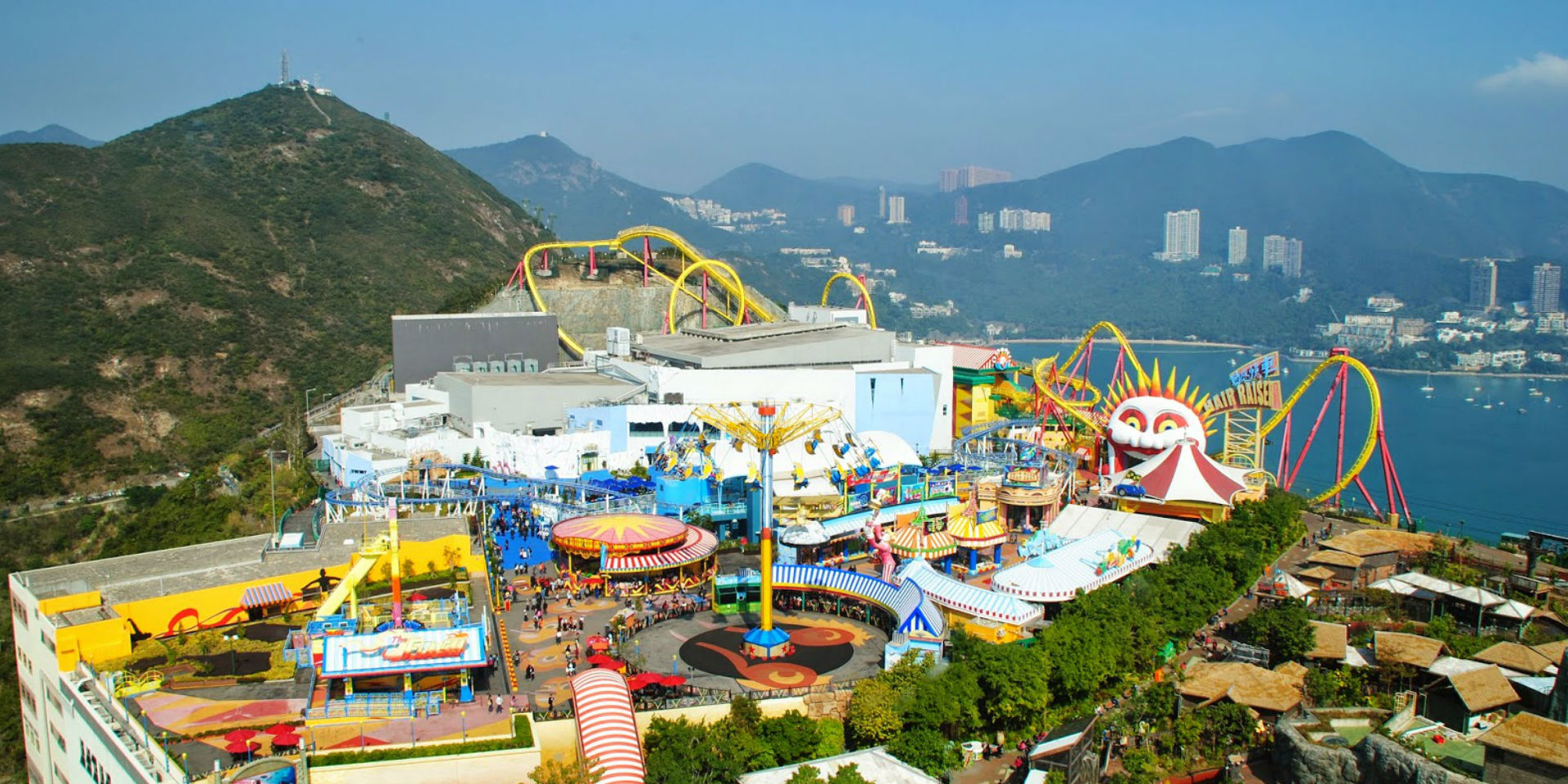
The park's complicated relationship with its own animal exhibits reflects broader debates about marine parks globally, and visiting with that context in mind produces a more interesting experience than simply treating it as entertainment. The headland geography is spectacular in a way that the park's marketing rarely quite captures.
Insider tip
The cable car that connects the two sections of the park offers one of the better coastal views in Hong Kong and is included in the admission price. Most visitors treat it as transport; it is worth riding slowly and looking outward rather than at the park below.
I want to resist the conclusion that usually ends pieces like this — the one where the writer urges you to go soon, before it changes, before the crowds arrive, before the thing that makes it special is erased by its own discovery. Cheung Chau and the wider Hong Kong archipelago have been absorbing visitors, adapting to attention, and remaining stubbornly themselves for long enough that the anxiety feels misplaced.
What I would say instead is this: the places listed here reward a particular quality of attention that has nothing to do with being first or being exclusive. They reward slowness. They reward the willingness to sit in a temple until the incense smoke changes the quality of your thinking, to walk a coastal path past its obvious end, to take a ferry to an island you have already visited and look for what you missed the first time.
Cheung Chau, like all genuinely interesting places, is not a destination you finish. It is one you return to, and each return finds something the previous visit overlooked. That is not a hidden gem. That is just how places work, when you let them.
What I would say instead is this: the places listed here reward a particular quality of attention that has nothing to do with being first or being exclusive. They reward slowness. They reward the willingness to sit in a temple until the incense smoke changes the quality of your thinking, to walk a coastal path past its obvious end, to take a ferry to an island you have already visited and look for what you missed the first time.
Cheung Chau, like all genuinely interesting places, is not a destination you finish. It is one you return to, and each return finds something the previous visit overlooked. That is not a hidden gem. That is just how places work, when you let them.


