But Hong Kong is not knowable in a weekend. It is barely knowable in a decade. The city changes character every few hundred metres — a jade market materialises under a flyover, a Tang dynasty nunnery sits behind a housing estate, a colonial clock tower stands orphaned on a waterfront its railway long ago abandoned. The places that surprise you here are not always obscure. Some appear on every map. What makes them feel hidden is the way mass tourism flows around them rather than through them, the way a crowd can stand in front of something without quite seeing it.
What follows is not a list of secrets. It is a list of places that reward the kind of attention most travellers forget to bring — the second glance, the slower walk, the willingness to arrive without an agenda. Hong Kong will meet you there.
At a glance
- Zaha Hadid: Innovation Tower (Jockey Club Tower): the building that argues with gravity
- The old Clock Tower in Kowloon: a terminus without a train
- Chi Lin Nunnery: Tang dynasty carpentry in a housing estate postcode
- Dim Sum that means "touch your heart": the meal that predates the restaurant
- Hong Kong: The Jade Market: a mineral with a philosophy attached
- Wong Tai Sin Temple in Hong Kong: a temple where the prayers are audible
- Golden Bauhinia Square in Hong Kong: a symbol that works harder than it looks
- Hong Kong Trail: the city that disappears behind a ridge
- Il volto verde di Hong Kong: l'isola di Lamma: the island that declined to modernise
- The venerable Peak Tram: the incline that reframes the city
- The Hong Kong Museum of History: the city explaining itself to itself
- Come pianificare un viaggio a Hong Kong con l'AI nel 2026: navigating a city that resists simplification
- Secret World vs Wanderlog: il migliore trip planner per Hong Kong 2026: the tools that know the MTR better than you do
Part one — The essentials
Zaha Hadid: Innovation Tower (Jockey Club Tower): the building that argues with gravity
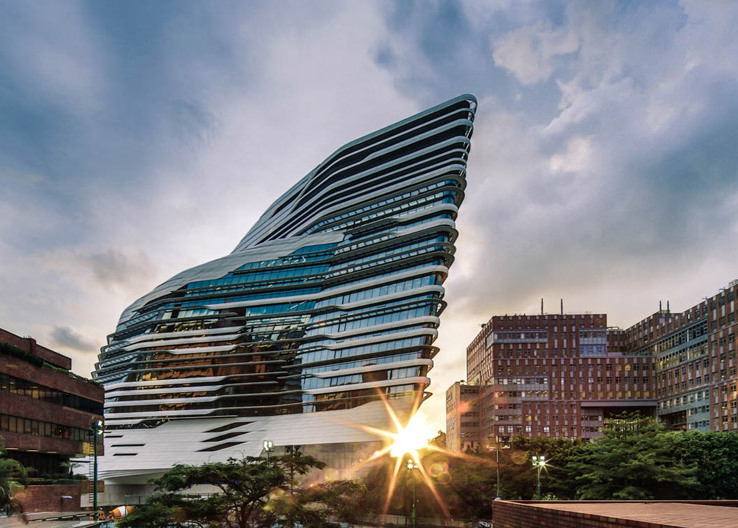
Most visitors to Kowloon walk straight past it on their way to the Hung Hom ferry pier or the nearby museums. That is their loss. Stand beneath the cantilevered upper floors and look up; the geometry becomes briefly vertiginous in the best possible way.
Insider tip
The building is publicly accessible during university hours. Walk through the atrium to appreciate how Hadid's interior voids mirror the external drama — the spatial experience from inside is entirely different from the street view.
The old Clock Tower in Kowloon: a terminus without a train
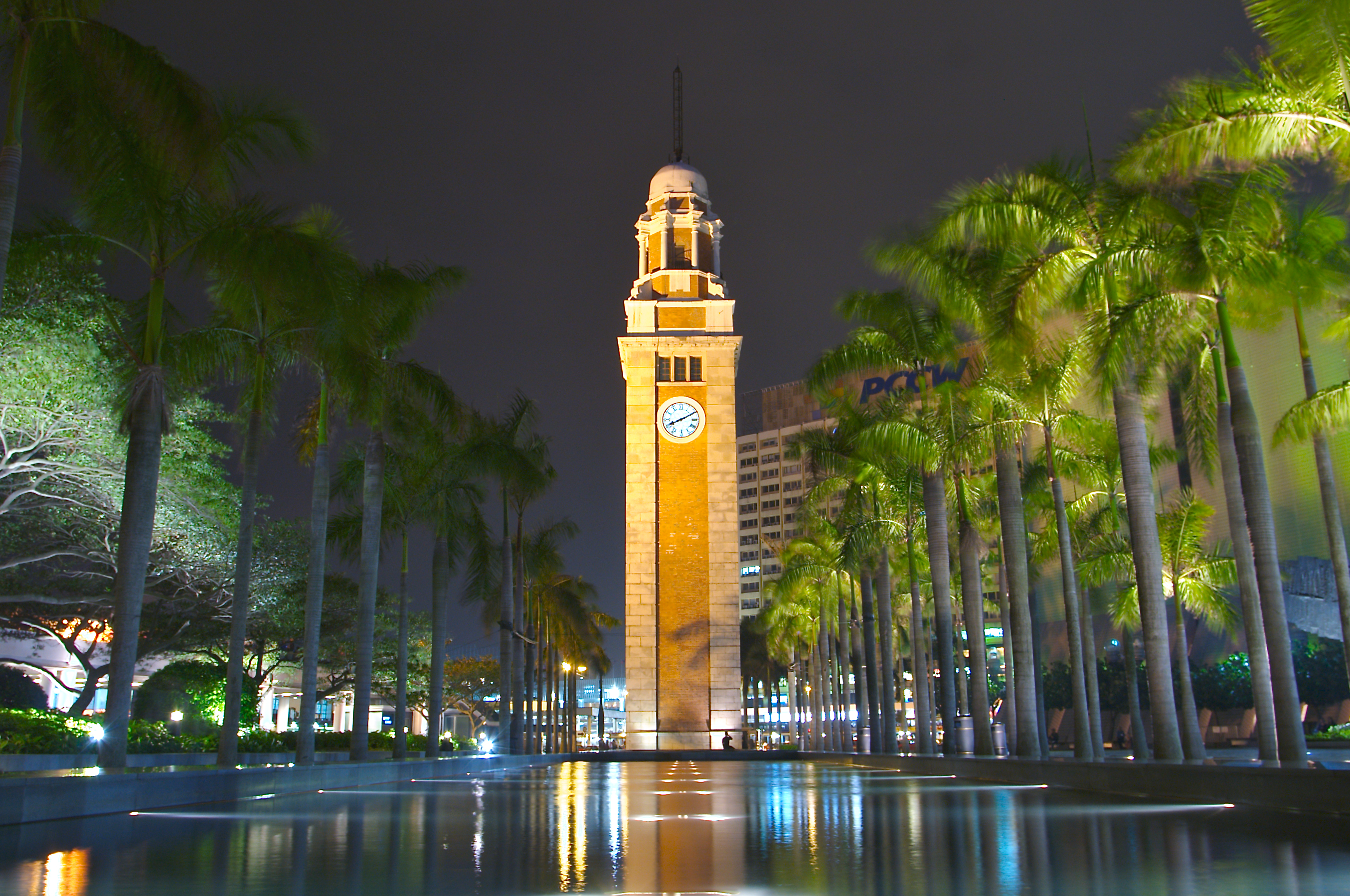
There is something quietly affecting about a clock tower with no railway beneath it. It keeps time for a building that no longer exists. Visitors rushing along the promenade toward the Star Ferry rarely stop to read its history, which means you can often have it almost entirely to yourself — a rare condition on this particular stretch of waterfront.
Insider tip
Visit in the early morning before the promenade fills. The tower's reflection in the harbour is clearest then, and you can read the heritage plaques without negotiating around tour groups.
Chi Lin Nunnery: Tang dynasty carpentry in a housing estate postcode
The adjacent Nan Lian Garden, a classical Chinese garden of equal quality, extends the experience. Together they constitute perhaps an hour of walking that feels nothing like the city surrounding them. The nunnery is active; monks and nuns go about their work with a composure that the architecture seems to encourage.
Insider tip
The nunnery is free to enter. Arrive on a weekday morning for the quietest experience; the garden beside it can be combined into a two-hour circuit that most day-trippers never make time for.
Dim Sum that means "touch your heart": the meal that predates the restaurant

In Hong Kong, dim sum is everywhere, but it is not all equal. The city's older establishments — the ones with trolleys rather than order forms, with tables that seat twelve and noise levels that preclude quiet reflection — offer something that the newer, design-forward versions consciously edit out: the sense that food is a social architecture as much as a culinary one.
Insider tip
Seek out the older teahouses in Sham Shui Po or Sheung Wan rather than the hotel restaurants. Arrive before 9am on a Sunday to eat alongside the neighbourhood rather than alongside other tourists.
Part two — A little deeper
Hong Kong: The Jade Market: a mineral with a philosophy attached
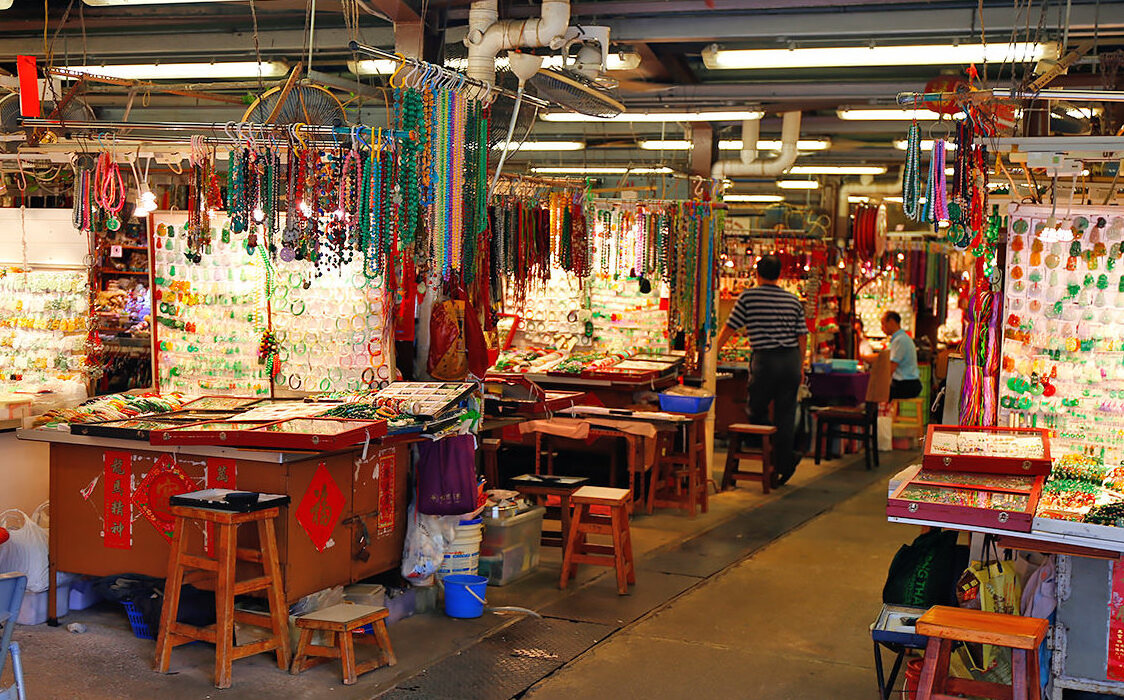
Jade in Chinese culture carries meanings that go well beyond aesthetics: it is associated with virtue, protection and status in ways that predate written records. The market is not primarily a tourist attraction — it serves a community of buyers who know exactly what they are looking at. That expertise is visible in the transactions, which have a precision and seriousness that the setting's informality belies.
Insider tip
Unless you know jade well, buy for aesthetic pleasure rather than investment. The vendors are knowledgeable and generally honest, but the difference between nephrite and jadeite — and their very different price points — is not always obvious to the untrained eye.
Wong Tai Sin Temple in Hong Kong: a temple where the prayers are audible
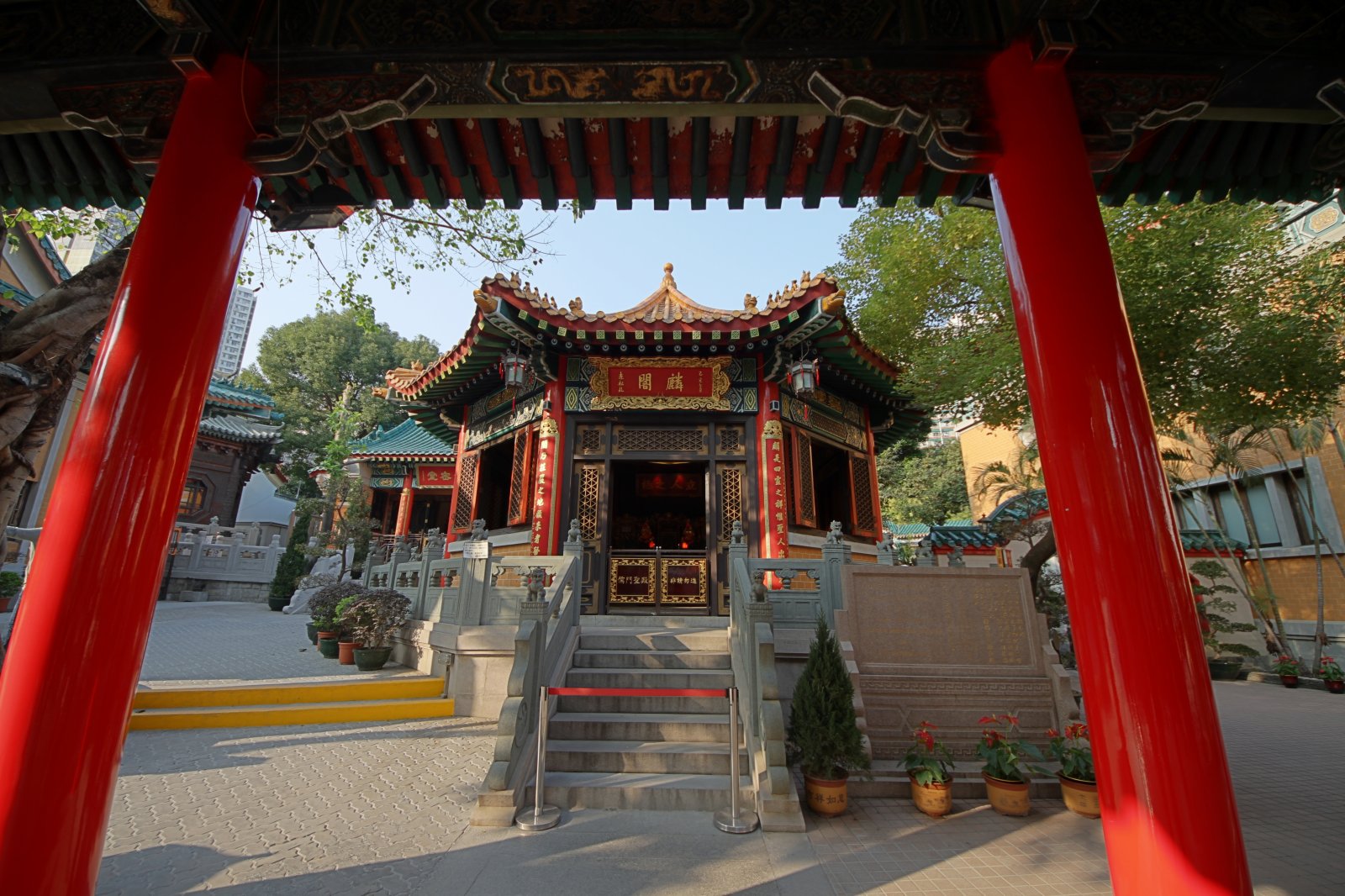
What makes the temple worth more than a passing visit is precisely this: it is not a heritage site preserved in amber. It is a working place of worship where the relationship between the sacred and the everyday is conducted in real time. The incense smoke is not decorative. The prayers are not performed for visitors. You are witnessing something continuous, and that continuity is the most interesting thing about it.
Insider tip
The temple complex includes Confucian and Buddhist shrines alongside the Taoist main hall — a coexistence that reflects Hong Kong's layered religious culture. The Good Wish Garden behind the main hall is quieter and often overlooked.
Golden Bauhinia Square in Hong Kong: a symbol that works harder than it looks

It is not, on the surface, the kind of place a travel writer recommends. But there is something genuinely interesting in the layers of meaning the square has accumulated since 1997: a site of commemoration that has also become a site of contestation, reflection and, on the right morning, of surprising quietness. The bauhinia flower, which appears on Hong Kong's flag, is itself a hybrid species — discovered in the territory in the late nineteenth century. The symbolism, intended or not, is apt.
Insider tip
A flag-raising ceremony takes place at the square every morning. The surrounding Wan Chai waterfront has been significantly developed; combine a visit with a walk east along the promenade for views that most city maps undersell.
Hong Kong Trail: the city that disappears behind a ridge

Hong Kong protects approximately 40 percent of its land area as country parks — a statistic that surprises almost everyone who has only seen the harbour. The trail passes through this protected landscape with a consistency that rewards the full route, though most walkers do it in sections. The views south toward the South China Sea, from the ridgelines above Tai Tam, are among the most quietly satisfying in the territory.
Insider tip
The trail is waymarked and generally well-maintained, but carry water beyond what you think you need — the humidity on the south-facing slopes is significant even in cooler months. Stage 2, from Pok Fu Lam to the Peak, is the most accessible entry point for first-time walkers.
Part three — Off the obvious path
Il volto verde di Hong Kong: l'isola di Lamma: the island that declined to modernise

The walk between them — roughly an hour along a path that crosses the island's spine — passes fishing villages, seafood restaurants built over the water, and stretches of genuine rural quiet. Lamma is not undiscovered, but it is undervisited relative to what it offers, which is essentially the argument that Hong Kong and nature are not opposites.
Insider tip
The seafood restaurants in Sok Kwu Wan are the island's most famous draw, but the less-visited north of the island around Mo Tat Wan offers emptier beaches and a quieter version of the same landscape. Take the last ferry back rather than the first — the island empties of day-trippers by late afternoon.
The venerable Peak Tram: the incline that reframes the city

The tram is not a secret. Tens of millions of people have taken it. But the experience of the ascent itself — the way the city reconfigures as you rise, the forest closing in on either side of the track, the sudden arrival at the upper terminus — is consistently underrated relative to the destination. The Peak is the point; the tram is the argument for getting there slowly.
Insider tip
The queues at the lower terminus in Garden Road can be long during peak hours. Consider walking up via the Old Peak Road — a steep but rewarding 45-minute climb — and taking the tram back down, which reverses the visual drama of the ascent.
The Hong Kong Museum of History: the city explaining itself to itself
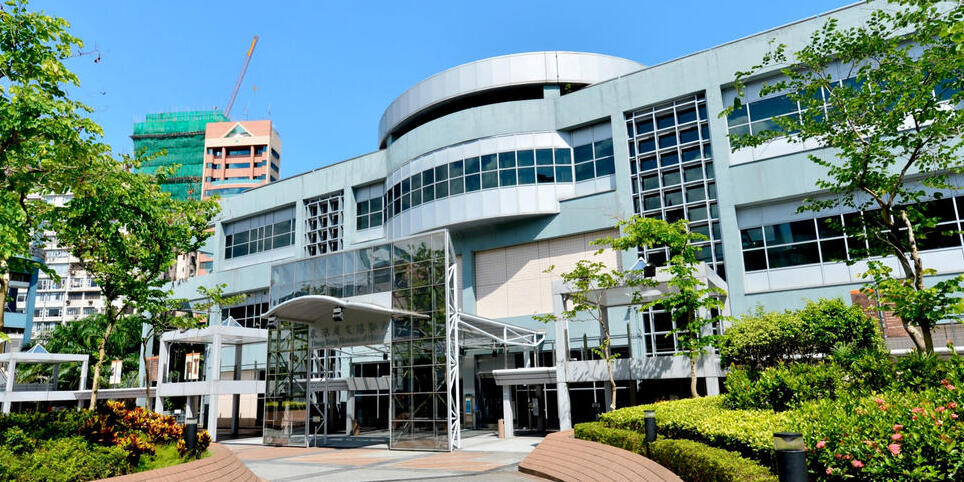
What makes the museum interesting beyond its content is its position: a city that has changed as rapidly and as radically as Hong Kong has a particular need to document itself, and the museum does so with a thoroughness that rewards unhurried visitors. The galleries on the colonial and occupation periods are especially substantive.
Insider tip
The museum is free on Wednesdays. The permanent exhibition takes a minimum of two hours to do justice to; most visitors give it forty minutes and leave having missed the more nuanced later galleries on postwar society and identity.
Come pianificare un viaggio a Hong Kong con l'AI nel 2026: navigating a city that resists simplification
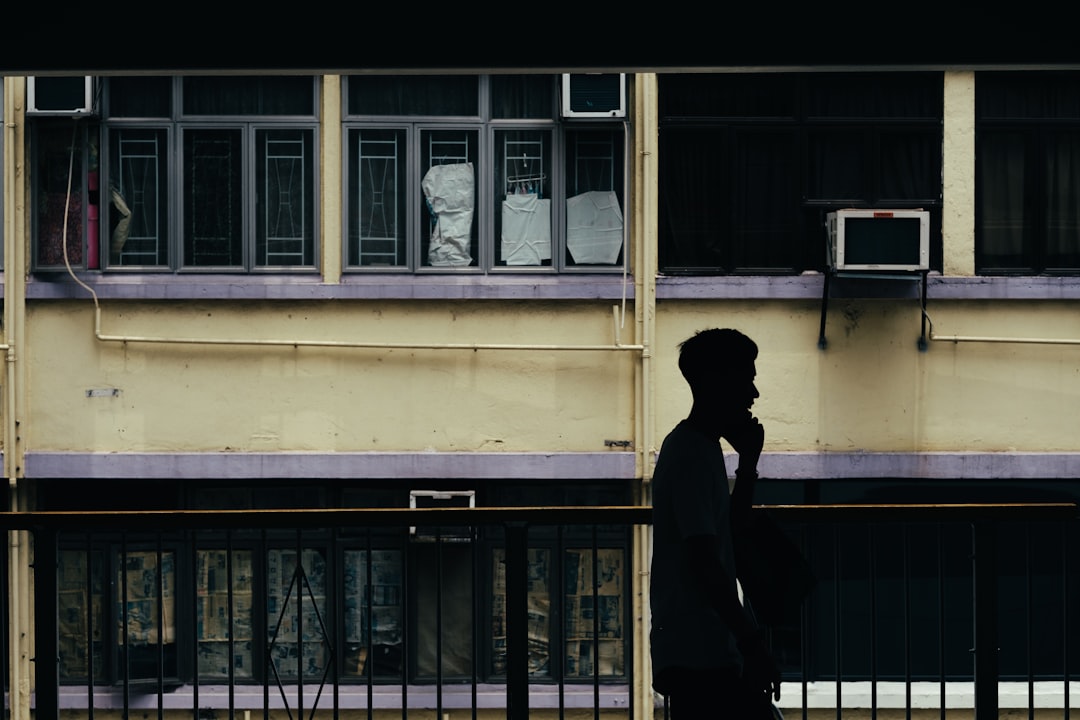
Planning tools that use AI to map itineraries across Hong Kong's layered geography — connecting island ferries, hiking trails, market schedules and temple timings — represent a genuine evolution in how visitors can approach a city this dense. The risk, as always, is over-optimisation: a perfectly planned day in Hong Kong is still a day spent looking at a screen rather than at a flyover market.
Insider tip
Use planning tools to handle logistics — transport connections, opening hours, ferry schedules — but leave at least one unstructured afternoon per trip. Hong Kong's best surprises are structural; they require you to be somewhere without a reason.
Part four — Around and beyond
Secret World vs Wanderlog: il migliore trip planner per Hong Kong 2026: the tools that know the MTR better than you do
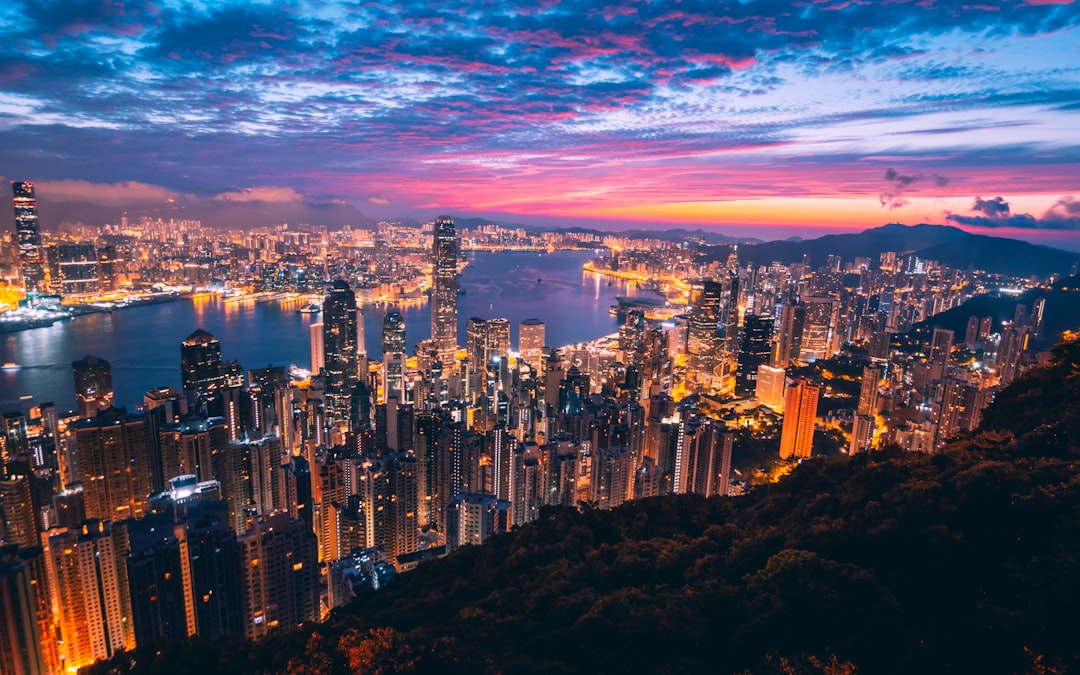
Trip planners that integrate real-time transport data with curated local knowledge represent a meaningful improvement over static guidebooks for a city this operationally complex. The best of them treat Hong Kong as what it is: not a single destination but a system of interconnected places, each requiring its own approach.
Insider tip
Whichever tool you use, build your itinerary around transport hubs rather than neighbourhoods — Hong Kong's geography rewards hub-and-spoke thinking. The Octopus card, which covers the MTR, buses, ferries and some trams, remains the single most useful object you can carry in the city.
Every city has a version of itself that it shows willingly and a version that requires patience. Hong Kong's willingness is considerable — the harbour view, the ferry, the temple on the hill — and none of it is dishonest. These are genuinely good things. But the city's depth is proportional to its density, and density, in Hong Kong, is not merely a planning statistic. It is a way of life, a philosophy of coexistence between the ancient and the engineered, the sacred and the commercial, the mountain and the tower block.
The places in this list are not secrets. They are, most of them, findable on any map. What makes them worth seeking is the quality of attention they reward: the willingness to stand still in a city that rarely does, to read the plaque, to take the slow ferry, to walk the ridge until the buildings disappear. Hong Kong will not meet you halfway. But it will meet you.
The places in this list are not secrets. They are, most of them, findable on any map. What makes them worth seeking is the quality of attention they reward: the willingness to stand still in a city that rarely does, to read the plaque, to take the slow ferry, to walk the ridge until the buildings disappear. Hong Kong will not meet you halfway. But it will meet you.


