A quiet reckoning with the places Singapore keeps almost to itself
L
Words by
Lena Hofmann
Updated
12 October 2026
Read time
12 minutes
Includes
15 places · interactive map
There is a particular kind of invisibility that afflicts well-known places. It is not the invisibility of obscurity — nobody has forgotten these spots exist — but the invisibility of assumption. You assume you already understand them. You have seen the photograph, scrolled past the Instagram reel, nodded along when someone mentions the name at dinner. And so you walk past, or through, or around, without ever quite arriving. Katong and its surrounding districts operate under exactly this spell. The neighbourhood has been written about enough that most visitors arrive with a mental map already drawn, which means they see only what they expected to see: the Peranakan shophouses in their candy colours, the laksa stalls, the general theatre of a Singapore that feels older than its skyline suggests. What they miss is everything that sits slightly to the left of that expectation. The garden that is too large to comprehend in a single visit. The fountain that has been certified by a record book and is still, somehow, walked past by people checking their phones. The reservoir that locals treat as a Tuesday-morning ritual and tourists rarely find on any list. I have spent considerable time in this city-state, enough to know that the places which genuinely surprise an informed traveller are rarely secret. They are simply misread. The entries that follow are not secrets. They are corrections — small adjustments to the lens through which most people look at Singapore. Some are famous. Several are technically iconic. All of them, in my experience, are seen without being observed.
Most people photograph the Fullerton from the Esplanade bridge, then move on. Fewer actually enter, and fewer still stand long enough to register what the building is holding: the full gravitational confidence of Palladian colonial architecture transplanted to equatorial heat. Built in the 1920s on the site of Fort Fullerton, it served as Singapore's General Post Office before becoming a luxury hotel — a transition that preserved the bones while upholstering everything else. The Doric columns along the facade are not decorative gestures; they are load-bearing arguments about permanence. Walk the perimeter at dusk, when the stone takes on a warm amber cast and the financial district towers behind it look, briefly, like the interlopers they are.
Insider tip
The inner atrium retains original postal hall details that most hotel guests never notice. Ask at the lobby whether the heritage corridor is accessible — it occasionally is, quietly, without announcement.
Fort Canning is one of those places that rewards a second visit far more than a first. On the initial approach, it reads as a pleasant green hill with some colonial-era gates and a scattering of heritage markers. Return with a little context and it becomes something else entirely: a palimpsest of Singapore's entire recorded history, layered from the Majapahit-era royal court of the 14th century through to the British military command bunker where the fateful decisions of 1942 were made. The spice garden near the summit is a quiet, almost meditative space that most visitors walk through without slowing down. The old Christian cemetery, with its moss-edged tombstones, is stranger and more affecting than anything in the tourist brochures.
Insider tip
The Battle Box underground bunker requires a separate ticket and timed entry — book ahead on weekdays when the park is calm and the audio experience is not competing with weekend crowds.
3Museum|Historic Site· 4.9 km
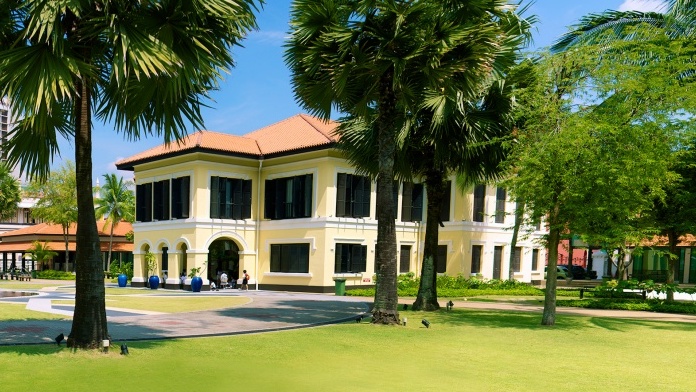
Singapore: Malay Heritage Centre (MHC): a sultan's compound doing quiet, serious work
The Istana Kampong Glam was built roughly 160 years ago by Sultan Ali, son of Sultan Hussein Shah, and the compound's yellow-painted main building carries that lineage with a certain formal dignity. The Malay Heritage Centre housed within it is one of Singapore's more undervisited museums, which is surprising given the quality of its permanent collection. Artefacts, murals, and multimedia installations trace the history of the Malay community across the region with a depth that the adjacent tourist-facing streets of Arab Street rarely suggest. The building itself — with its broad verandahs and courtyard proportions — is worth an hour of unhurried attention before you even approach the exhibition rooms.
Insider tip
The centre runs periodic workshops on traditional crafts that rarely appear on mainstream event listings. Check their official calendar directly rather than relying on aggregator sites, which consistently lag behind.
The building itself is the first thing to reckon with: a cast-iron Victorian market hall designed by George Coleman and reassembled on its current site in the 1890s, its octagonal frame and ornate trusses now sheltering one of Singapore's most democratic eating experiences. Lau Pa Sat — Hokkien for 'old market' — is frequently dismissed by food purists as a tourist trap, which is both partially true and mostly beside the point. The satay stalls that set up along Boon Tat Street in the evenings are a legitimate institution, and the hawker centre's architectural container gives the experience a grandeur that a food court in a shopping mall fundamentally cannot replicate. Eat here at 10pm, when the office workers have thinned out and the smoke from the charcoal grills hangs in the warm air.
Insider tip
The structure is a registered national monument. Tilt your head back mid-meal and study the ironwork — the detail in the trusses is finer than you would expect from a building whose ground floor is now selling chicken rice.
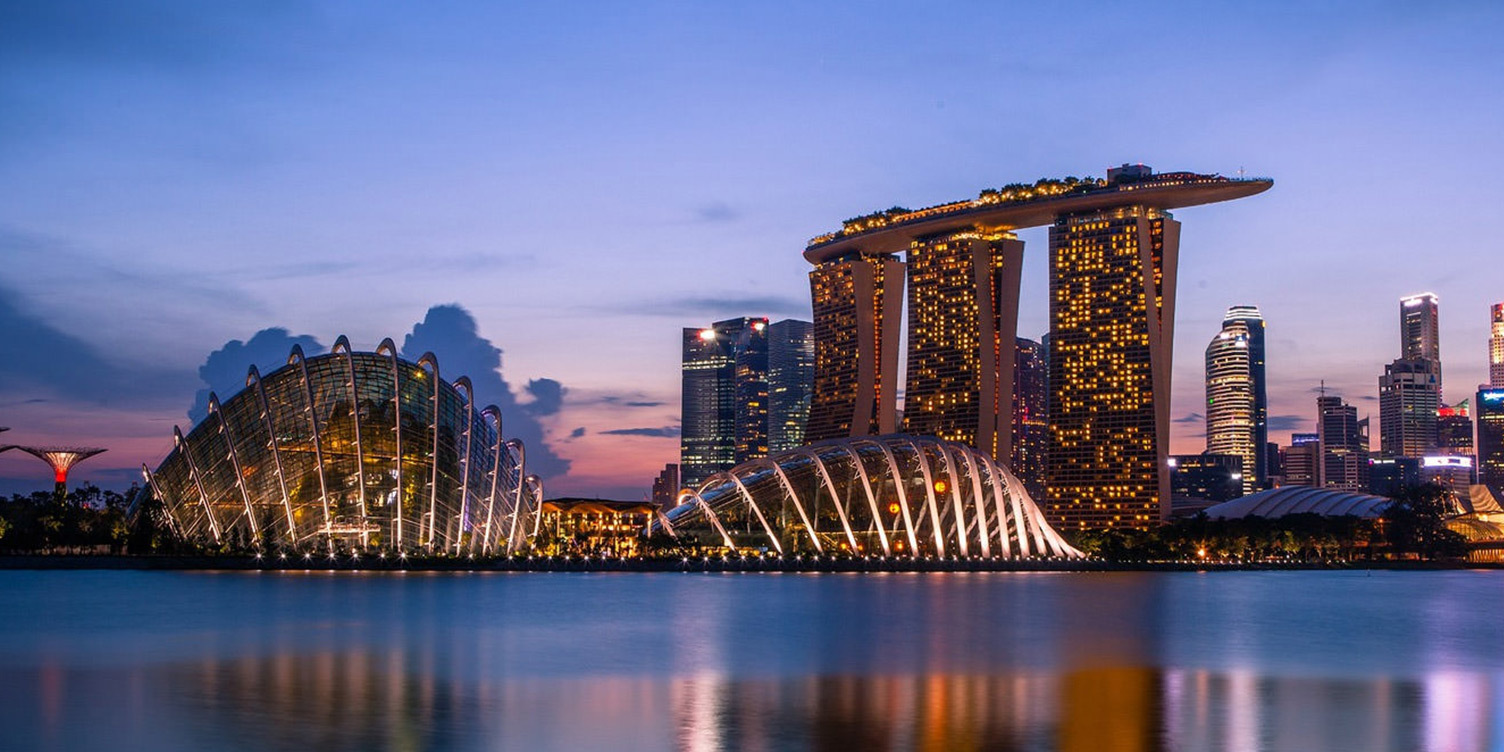
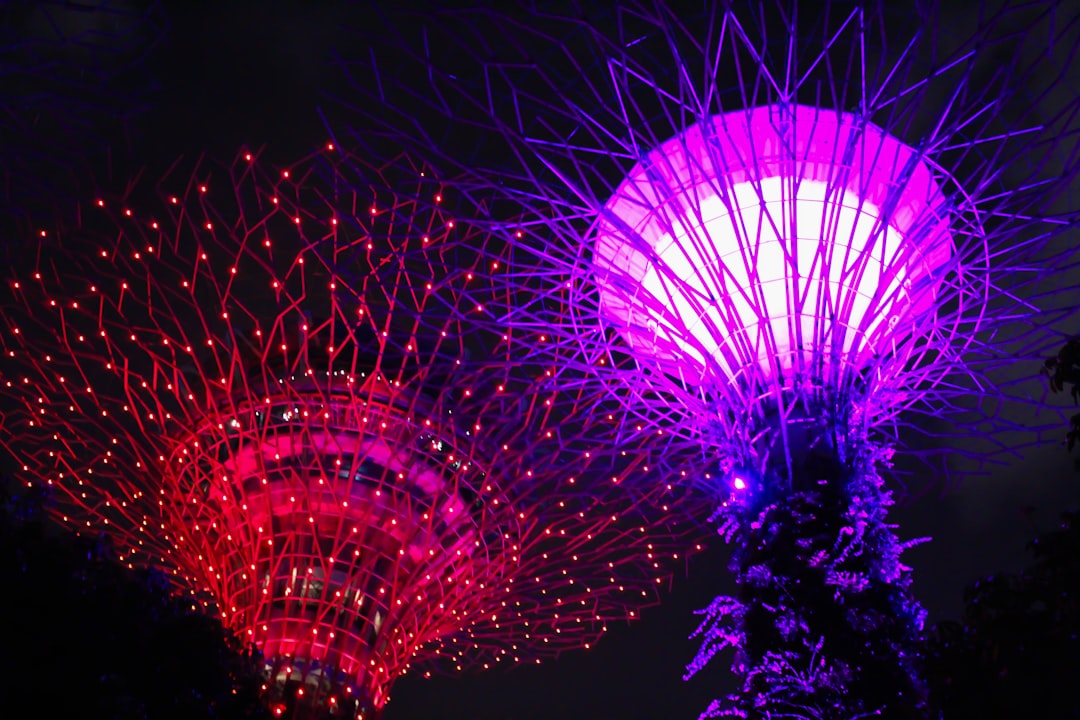
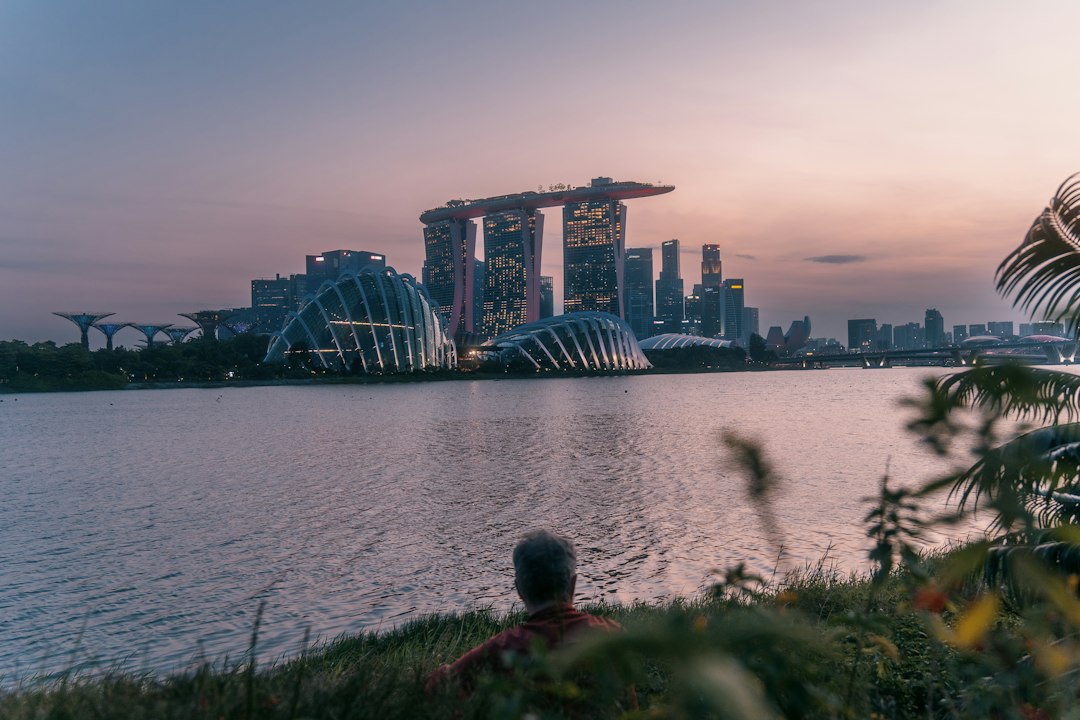
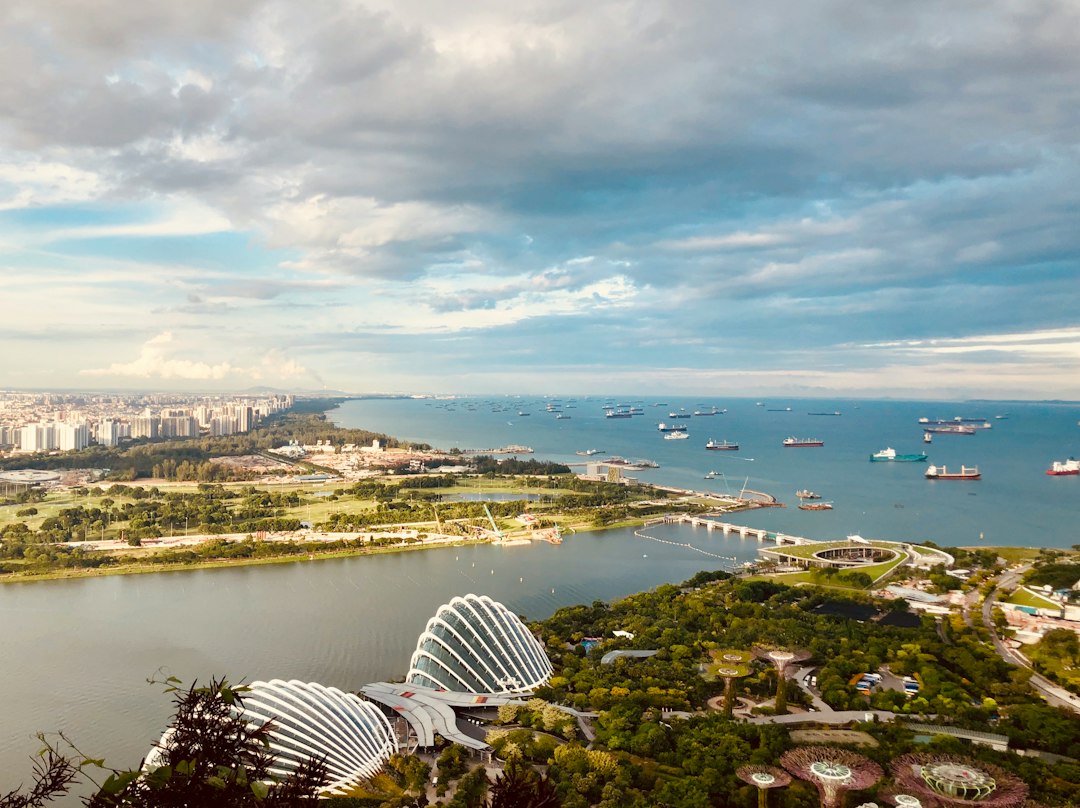
The difficulty with Gardens by the Bay is not finding it — the Supertrees are visible from half of Marina Bay — but understanding what you are actually looking at. The scale defeats casual observation. At 101 hectares, the park is less a garden than a landscape proposition, and most visitors resolve the cognitive overload by visiting the two cooled conservatories, photographing the Supertrees at dusk, and leaving. What remains largely unseen is the outdoor garden itself: the Dragonfly Lake, the Kingfisher Wetlands, the quieter Heritage Gardens that map the cultural histories of Singapore's founding communities. These areas cost nothing to enter and are almost always less crowded than the ticketed attractions that command most of the attention.
Insider tip
The OCBC Skyway walkway among the Supertrees has a less-photographed early-morning slot when the light is cooler and the structure reads as architecture rather than spectacle. Arrive before 9am.
A second approach to Gardens by the Bay is warranted because the site genuinely contains multitudes that a single entry cannot exhaust. The futuristic framing — the titanium-clad conservatories, the vertical solar-powered trees — tends to dominate the narrative, but the park's horticultural ambition is equally serious. The outdoor planting schemes are designed around specific ecological narratives: cloud forest species, coastal plants, heritage cultivars that reference Singapore's agricultural past. Walking slowly through the Bay South Garden on a weekday morning, when the tour groups have not yet arrived, produces a different experience entirely — something closer to genuine botanical curiosity than the theme-park energy the Supertrees generate after dark.
Insider tip
The Heritage Gardens section — Chinese, Malay, Indian, and Colonial — is almost always quiet and provides a useful counterpoint to the park's futurist branding. Most visitors walk past the entrance without stopping.
The premise of the Cloud Forest conservatory is genuinely strange when you state it plainly: a 35-metre artificial mountain, permanently shrouded in mist, planted with over 160,000 species from high-altitude tropical regions, sitting inside a climate-controlled glass dome on reclaimed land at sea level in equatorial Singapore. The strangeness is the point. The Cloud Forest is a feat of horticultural engineering that also functions as a meditation on climate vulnerability — many of the plants on display are from ecosystems under active threat. The walkway that spirals down from the summit gives you a relationship with the planted surfaces that a ground-level garden cannot replicate. The mist is not decorative; it is a functional humidity system, and walking through it at the upper levels feels genuinely disorienting.
Insider tip
The 'Lost World' exhibit near the mountain's peak is the least-visited section despite being the most botanically interesting. Budget an extra 20 minutes specifically for that level rather than rushing the descent.
There is something revealing about the fact that a major travel destination now requires its own planning ecosystem — apps, digital ticketing systems, timed-entry management tools — to be navigated efficiently. Gardens by the Bay has become sufficiently complex, and sufficiently popular, that the logistics of visiting have become a subject in themselves. The 2026 digital infrastructure around the park reflects a broader shift in how large-scale attractions manage visitor flow, and for the traveller who plans carefully, it offers genuine advantages: the ability to time conservatory entries to avoid peak humidity and crowds, to pre-book the Supertree dining experiences that otherwise fill weeks in advance, and to access the park's own interpretation materials before arrival.
Insider tip
Download the official Gardens by the Bay app before you arrive rather than relying on third-party aggregators — the park's own platform has real-time crowd indicators that third-party sites do not replicate accurately.
MacRitchie is where Singapore goes when it needs to remember that it is, underneath all the reclamation and construction, a tropical island. The reservoir and its surrounding Central Catchment Nature Reserve constitute the largest area of primary rainforest in Singapore, and the trail network that runs through it — from gentle boardwalk loops to the more demanding TreeTop Walk suspension bridge — is used by serious runners, birdwatchers, and families with an early start. The forest here is not manicured. Macaque troops move through the canopy with the proprietary confidence of prior residents. The calls of the oriental pied hornbill carry through the understory. It is, by some margin, the least performed natural experience available within Singapore's city limits.
Insider tip
The TreeTop Walk requires a separate approach from the main reservoir loop and is one-directional — plan your route before you start, or you will find yourself walking 4km back to the start in the wrong direction in rising heat.
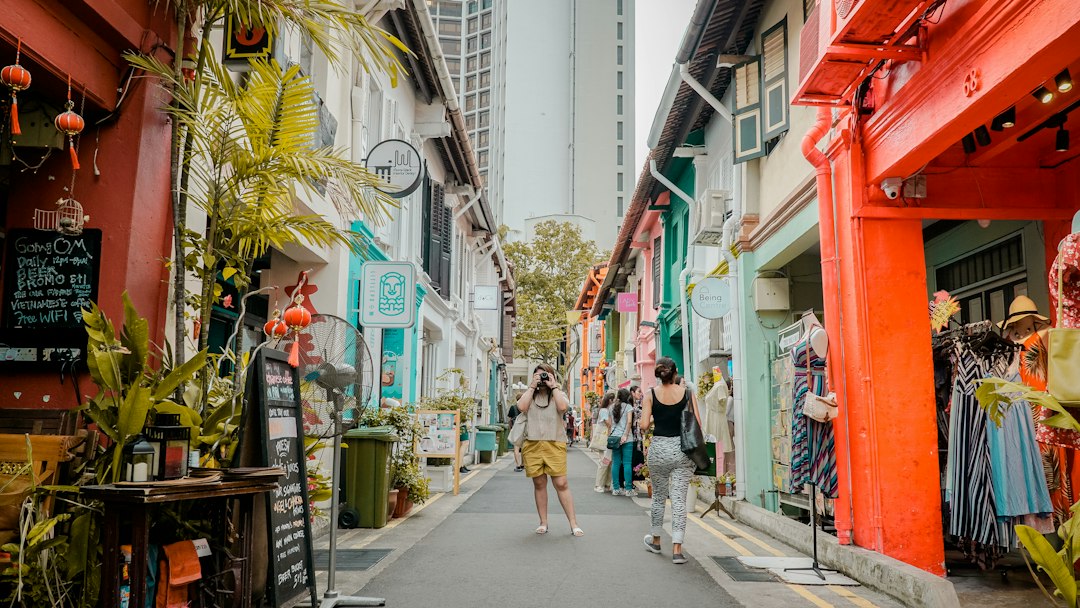
Haji Lane has been written about so many times as a 'bohemian' or 'quirky' alternative to Orchard Road that the description has worn smooth with repetition. What the clichés miss is the lane's actual texture: the way the narrow shophouse facades create an almost canyon-like compression, the fact that the street-art changes seasonally and is sometimes genuinely good, and the presence of independent traders who are operating genuine businesses rather than performing the idea of independent retail. The lane sits within the larger Arab Street district, and its relationship to the Malay-Muslim commercial culture of that neighbourhood gives it a context that the boutique-and-brunch narrative consistently flattens. Come on a weekday morning, before the cafés fill, when the street is still being swept and the light is horizontal.
Insider tip
The alleyways perpendicular to Haji Lane — barely wide enough for two people — contain some of the most interesting small-format art interventions in the district and are almost never photographed.
11Fountain|Square· 5.1 km
The Fountain of Wealth in Singapore: the world's largest, and somehow still overlooked
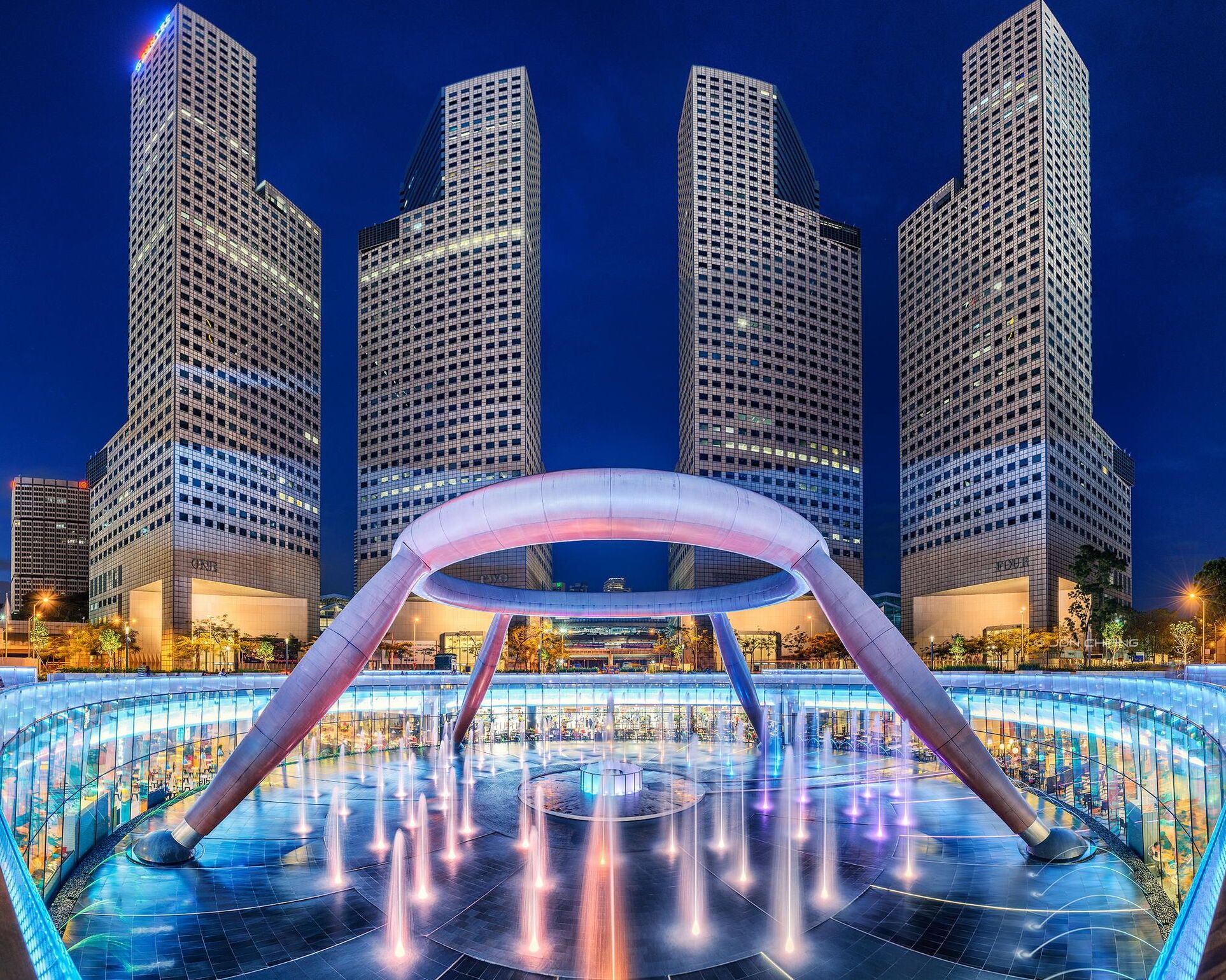
The Fountain of Wealth holds a Guinness World Record for being the world's largest fountain — a fact that should, in theory, make it impossible to ignore. And yet it sits inside the Suntec City mall complex in a way that somehow domesticates the achievement, embedding it in the flow of escalators and food court signage until it becomes part of the ambient background rather than a destination in itself. The fountain's design is based on a Hindu mandala, with the ring structure representing the unity of Southeast Asian nations and the central spout symbolising prosperity. Built in 1995, it was a statement about Singapore's commercial confidence at a particular historical moment. Standing at its edge during one of the scheduled periods when visitors can walk through the lower basin and touch the water, the scale reasserts itself.
Insider tip
The fountain is switched off for maintenance during certain hours of the day — check the Suntec City schedule before visiting, as arriving during a shutdown period removes the primary reason for being there.
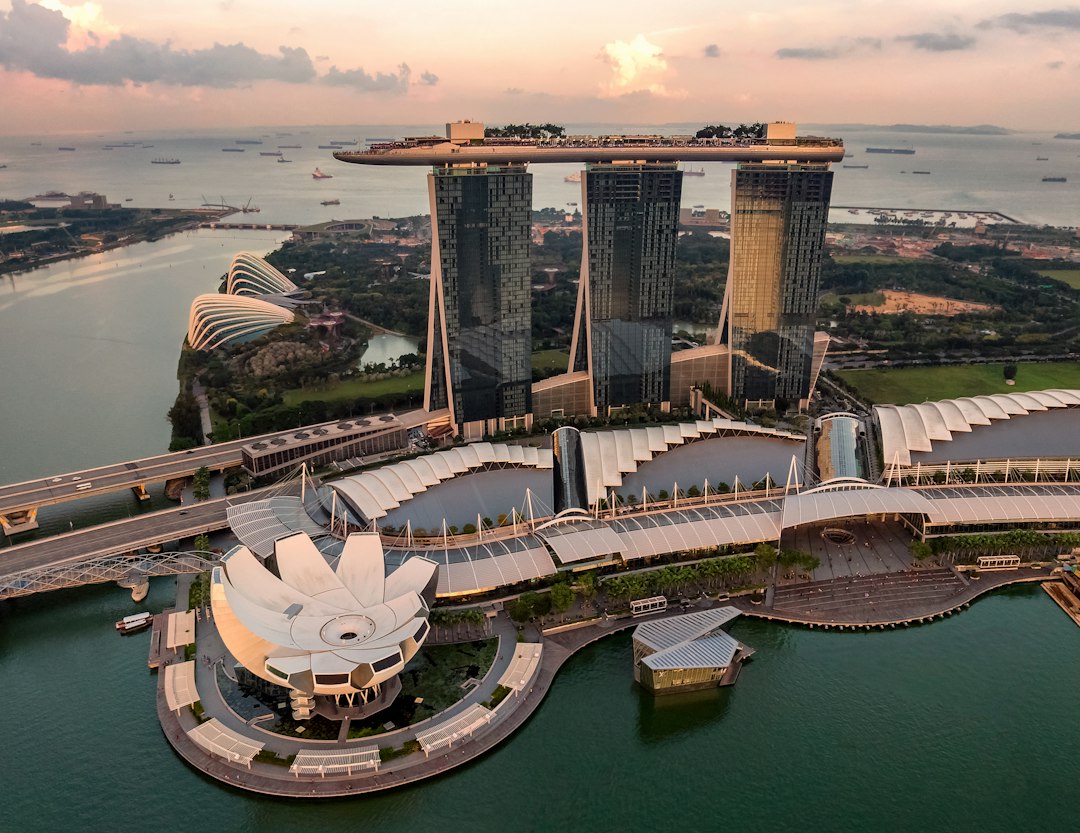
The Marina Bay Sands SkyPark observation deck at the 57th floor is not, by any measure, an overlooked destination. It is one of the most photographed viewpoints in Asia. What is overlooked is the experience of being there at the wrong time versus the right time. The midday visit — bright, crowded, the city bleached by tropical sun — produces the photograph everyone already has. The late-afternoon visit, when the light begins to shift and the financial district towers catch the golden hour, produces something that still has the capacity to stop conversation. The deck's north-facing orientation means you see the full sweep of Marina Bay, the reclaimed land, the reservoir, the green spine of the Central Catchment — the entire geographic argument of modern Singapore laid out below you.
Insider tip
Hotel guests have access to the rooftop infinity pool, which non-guests cannot use. If you are staying elsewhere, the observation deck ticket is the only legitimate access — do not be misled by social media posts that suggest otherwise.
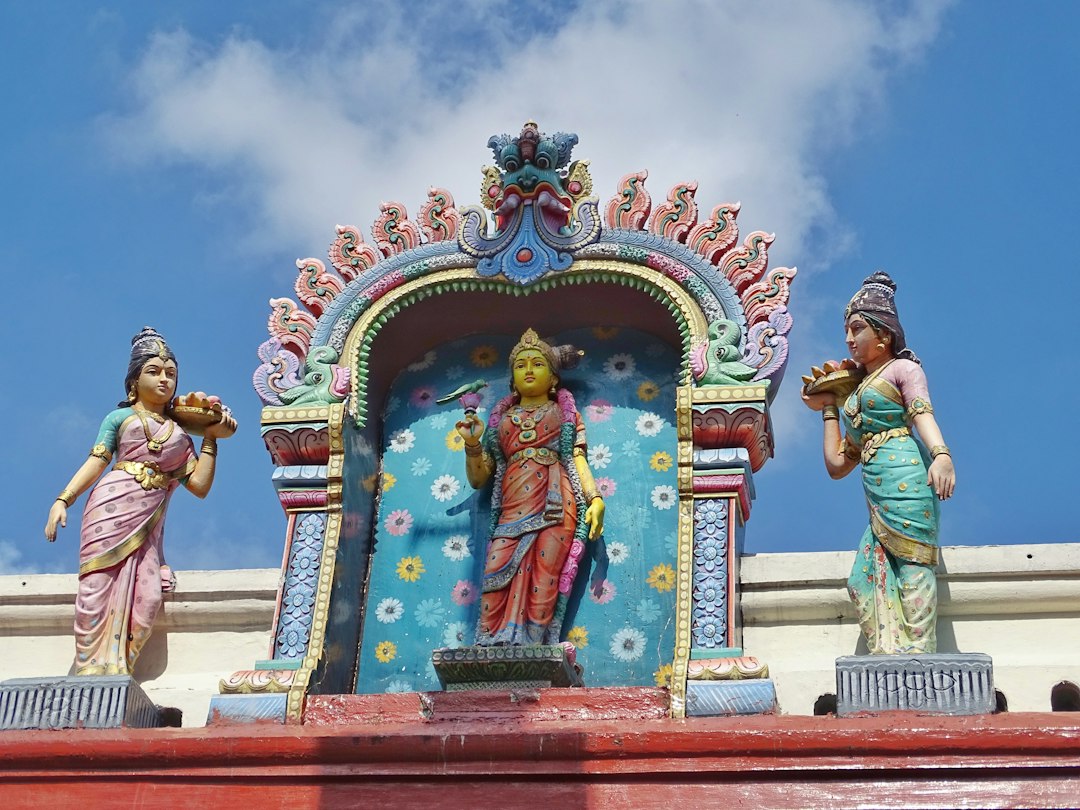
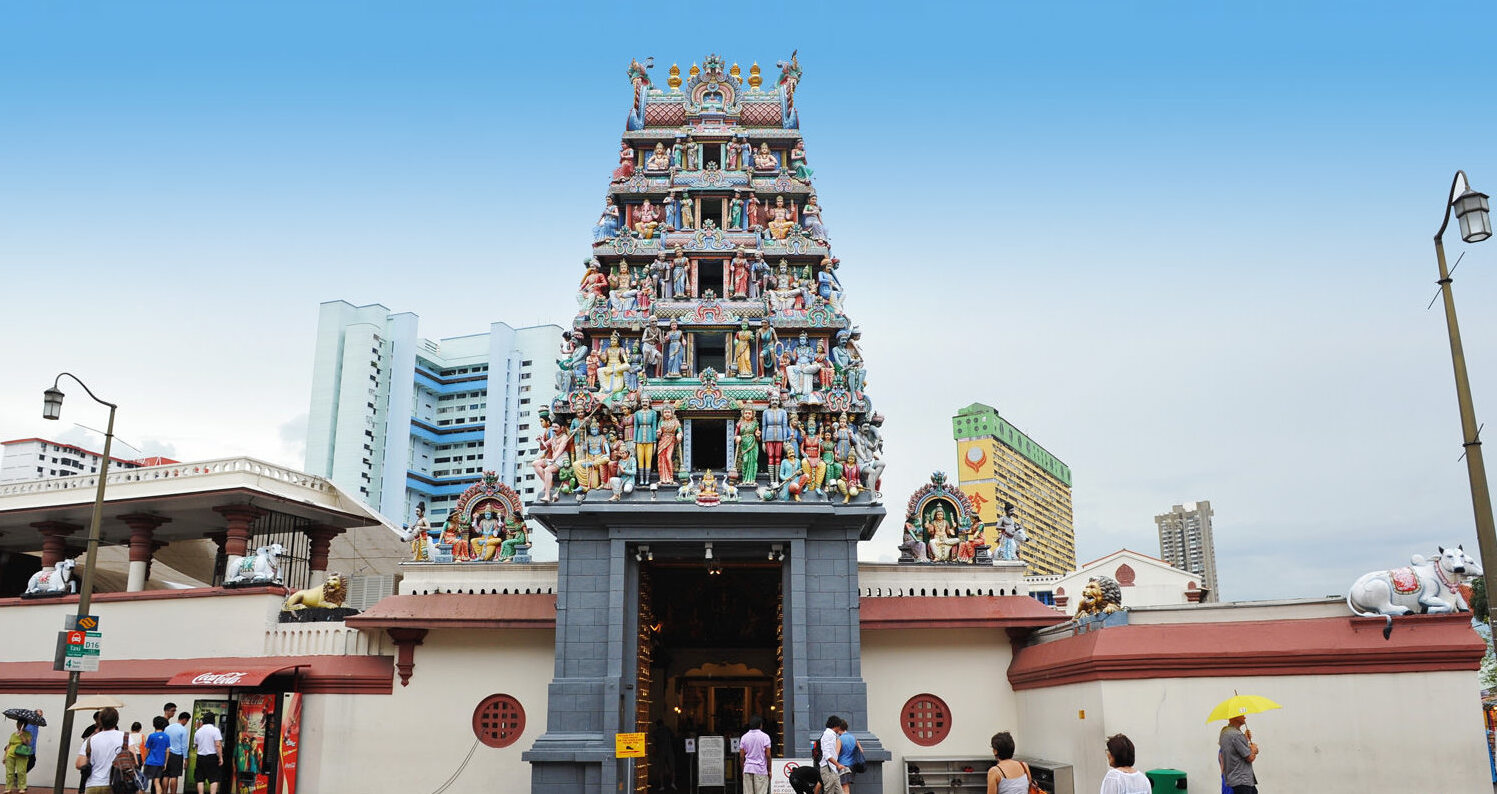
The Sri Veeramakaliamman Temple on Serangoon Road is one of Little India's oldest and most active Hindu temples, dedicated to the goddess Kali in her fierce, protective aspect. The gopuram — the ornate gateway tower — is encrusted with figures that reward sustained attention: each tier of sculpture tells a different narrative thread from Hindu mythology, and the colour palette, restored and repainted at intervals, is more complex than the initial impression of 'bright' suggests. The temple is a functioning place of worship, not a heritage attraction, which means the atmosphere inside during puja times is participatory rather than observational. Visitors are welcome, but the expectation is quiet respect rather than the managed distance of a museum.
Insider tip
Remove shoes before the entrance threshold, not at the gate — the specific boundary is marked and matters. Early morning visits, around 8am, catch the first puja of the day and the quietest crowd.
Little India has been a distinct cultural enclave since the early colonial period, when Indian labourers, traders, and convicts settled along the Serangoon Road corridor. The neighbourhood has been written about as a sensory experience — the turmeric and jasmine garlands, the Tamil film music from open shopfronts, the gold jewellery displayed in vitrines along Serangoon — and all of that is accurate, but it is also a reduction. Little India is a working neighbourhood with a complex internal geography: the Tamil South Indian community, the Punjabi traders, the Bangladeshi and other South Asian migrant workers who gather in the streets on Sunday afternoons. The Sunday gathering in particular — thousands of people filling the pavements and the pedestrianised sections of the road — is one of the most genuinely unrehearsed public scenes in Singapore.
Insider tip
The wet market at Tekka Centre (Zhujiao Market) on the corner of Serangoon and Buffalo Roads operates from early morning and is the neighbourhood at its most functional and least performative — go before 9am.
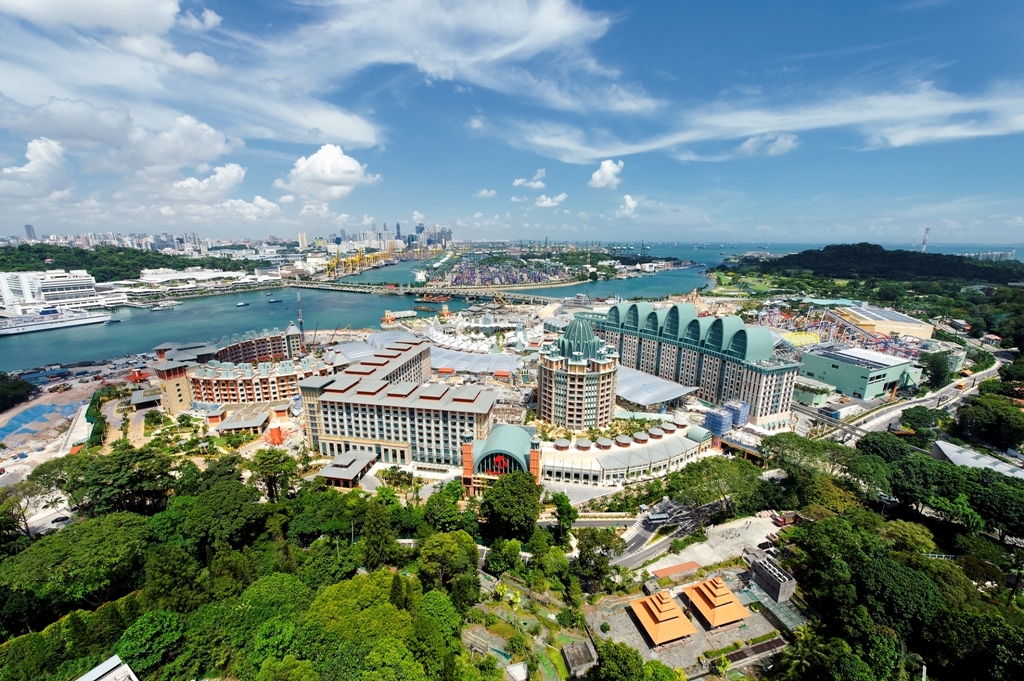
Sentosa's current identity — Universal Studios, beach clubs, cable cars, resort hotels — sits so completely over its previous lives that most visitors never think to ask what came before. The island was, for much of its history, a British military base called Blakang Mati ('death from behind' in Malay, a name whose origins are debated but whose resonance is hard to ignore). The colonial fortifications, some of which survive in the form of Fort Siloso, represent a chapter of Singapore's history that the island's leisure economy has largely absorbed rather than erased. Fort Siloso is one of the few preserved coastal gun battery complexes in Southeast Asia, and it sits in a curious relationship with the waterslides and casino towers that now define the island's skyline. The contrast is not comfortable, which is precisely why it is worth sitting with.
Insider tip
Fort Siloso is often skipped by visitors who came for the beaches or the theme parks. It is free to enter the fort grounds (specific exhibit fees apply) and is genuinely quiet on weekday mornings when the resort is running at lower capacity.
There is a version of travel writing that ends with an injunction: go now, before it changes. I am not interested in that version. Places change. Katong and its surrounding districts have been changing continuously since Raffles drew his administrative lines across the island, and they will continue to change regardless of whether any writer declares them worth preserving. What does not change is the quality of attention that a place rewards when you bring it. The fifteen entries above are not a complete picture of Singapore's less-visited geography — no list of fifteen could be. They are, rather, an argument for a different pace: slower, more willing to stand still, more comfortable with the possibility that the place you are looking at contains more than your first reading of it suggested. Singapore is a city that has been planned within an inch of its life, and yet it keeps producing moments of genuine surprise. The surprise is available to anyone who is not entirely certain they already know what they are looking at.
🏆 Pocket guide
Take this guide with you.
Save it offline, get walking directions, and discover thousands more places like the ones you just read.
What is the best time of year to visit Katong and the surrounding Singapore districts covered in this article?
Singapore operates on a broadly consistent tropical climate year-round, with temperatures hovering between 25°C and 32°C and rainfall distributed across most months. The driest periods tend to fall between February and April, making outdoor sites like MacRitchie Reservoir and Fort Canning Park more comfortable to explore on foot. That said, the indoor attractions — Cloud Forest, the Malay Heritage Centre, Lau Pa Sat — are climate-controlled and genuinely pleasant during any season. Avoid major public holidays if crowd management is a priority, particularly Chinese New Year and Deepavali periods, when Little India and the civic district are significantly busier.
Are the religious sites like Sri Veeramakaliamman Temple accessible to non-Hindu visitors?
Yes, the Sri Veeramakaliamman Temple welcomes visitors of all backgrounds, provided basic protocols are observed. Shoes must be removed before entering the temple threshold. Modest dress is expected — shoulders and knees covered. Photography policies vary and should be confirmed at the entrance on the day of your visit. The temple is an active place of worship, so behaviour that would be appropriate in a museum — loud conversation, extended photography sessions during puja — is not appropriate here. Brief, respectful visits during non-peak worship times are generally the least disruptive approach.
How do I get between the various sites listed — is a car necessary?
Singapore's public transport network is genuinely excellent and covers virtually all of the destinations in this article. The MRT (Mass Rapid Transit) system connects Marina Bay, Little India, Bugis (for Haji Lane and the Malay Heritage Centre), and the Orchard-Dhoby Ghaut corridor near Fort Canning. MacRitchie Reservoir is accessible by bus from several MRT stations, including Caldecott and Marymount. Sentosa Island has its own dedicated transit connections from HarbourFront MRT. For the Gardens by the Bay cluster, the Bayfront MRT station deposits you within a short walk of the main entrance. A stored-value EZ-Link card, available at any MRT station, covers all bus and train journeys.
Which of these destinations require advance booking, and which can be visited spontaneously?
The conservatories at Gardens by the Bay (including Cloud Forest) benefit strongly from advance online booking, particularly on weekends and school holidays when timed-entry slots fill quickly. The SkyPark Observation Deck at Marina Bay Sands similarly sells out on peak evenings — book at least 48 hours ahead if you have a specific sunset time in mind. The Malay Heritage Centre, Fort Canning Park, MacRitchie Reservoir, Lau Pa Sat, and the outdoor sections of Gardens by the Bay can all be visited spontaneously without prior reservation. The Fountain of Wealth at Suntec City requires no booking but does have specific operational hours worth checking before you make the trip.
Are there any entry fees for the sites listed, and is there a way to manage costs across multiple visits?
Entry costs vary considerably across this list. The outdoor sections of Gardens by the Bay are free. The Cloud Forest and Flower Dome conservatories charge separate admission fees, as does the SkyPark Observation Deck and specific exhibits at Fort Siloso on Sentosa. The Malay Heritage Centre charges a modest admission fee with concessions available. MacRitchie Reservoir, Fort Canning Park, Haji Lane, Little India, and Lau Pa Sat are all free to enter. The Singapore Tourist Pass, available for one, two, or three days, covers unlimited MRT and bus travel and may reduce transport costs if you are covering multiple sites across the island in a short period. Individual attraction discounts are sometimes available through the official Visit Singapore platform.
🏆 Read this offline
Save it to your phone.
Bookmark this guide, plan your trip offline, and discover thousands of places like these.
BookmarkPlan offline60 languages
iOS / Android
Huawei users
Secret WorldHidden places, real stories — plan your trip