Kowloon is especially prone to this. It is a district that most visitors believe they understand after forty-eight hours: the night markets, the harbour view, the temple with the incense coils. They are not wrong, exactly. Those things are real and worth your time. But the understanding stays thin, like a map drawn at too small a scale. The texture disappears. The contradictions — the Tang dynasty timber joinery two streets from a Zaha Hadid building; the jade vendors haggling in the shadow of a glass tower — go unnoticed because no one told you to expect them.
What follows is not a list of secrets. Most of these places appear in databases, on signboards, in tourist literature. What makes them feel hidden is the gap between their reputation and the actual experience of standing inside them — the way a park can hold a demolished city's ghost, or a market can teach you something about geology while you think you are just shopping. Kowloon rewards the traveller who slows down enough to notice that gap. These fifteen entries are an attempt to hold it open a little longer.
At a glance
- Zaha Hadid: Innovation Tower (Jockey Club Tower): the building that refuses to stand still
- 1881 Heritage: Storia e Cultura a Hong Kong: a police stable that became a shopping mall and kept its dignity
- Scopri il Tempio di Wong Tai Sin a Hong Kong: incense, commerce, and genuine belief in the same breath
- Wong Tai Sin Temple, a Taoist temple: the same site, a different register
- Scopri la Storia di Kowloon Walled City Park: a park built on the memory of a city that should not have existed
- Nan Lian Garden: un'oasi di tranquillità a Hong Kong: the classical garden as an argument against the city
- Hong Kong and the Ladies' Market: the market as a social institution, not a shopping destination
- Esplora il Ladies' Market di Hong Kong: Mong Kok at its most unapologetically itself
- Hong Kong: The Jade Market: a geology lesson disguised as a shopping experience
- Dim Sum that means "touch your heart": the meal that invented the idea of sharing
- Scopri l'incanto di Sky100 a Hong Kong: the view from the 100th floor, and what it cannot show you
- Golden Bauhinia Square in Hong Kong: a political monument that works better as a geography lesson
- The Avenue of Stars in Tsim Sha Tsui East, Kowloon: the waterfront promenade as an argument about what cinema means
- The Hong Kong Museum of History: the permanent exhibition that takes the long view seriously
Part one — The essentials
Zaha Hadid: Innovation Tower (Jockey Club Tower): the building that refuses to stand still
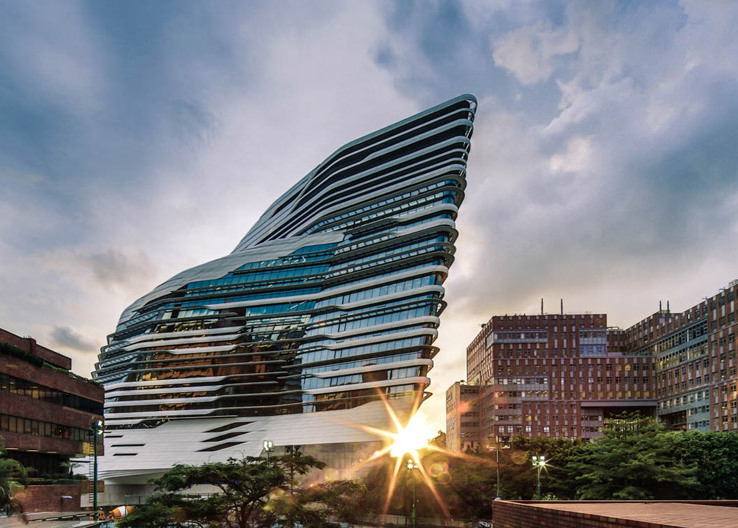
Stand at Chatham Road South in the early morning, when the light catches the white concrete at a low angle, and the structure appears to be mid-movement, like a frame extracted from a longer sequence. It is one of the few buildings in Hong Kong that rewards circling on foot rather than photographing from a fixed point.
Insider tip
Walk the full perimeter before entering. The south-facing elevation, rarely photographed, shows the most dramatic cantilever. Enter through the main atrium and look up immediately — the interior voids are as considered as the exterior.
1881 Heritage: Storia e Cultura a Hong Kong: a police stable that became a shopping mall and kept its dignity
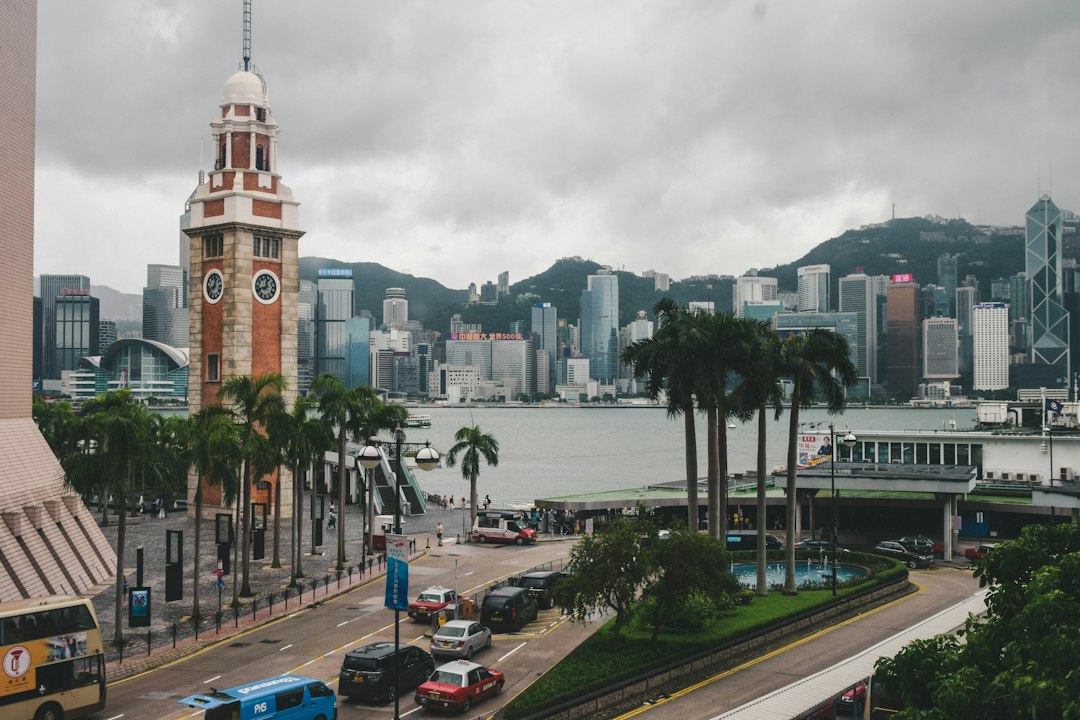
The colonnaded main building, the old stable block, the signal tower: all remain structurally honest, not dressed up as theme-park heritage but simply present. Most visitors who pass through are shopping. If you are not, you have the upper terraces and the courtyard almost to yourself on a weekday afternoon, and the harbour light through the old arches is genuinely affecting.
Insider tip
The time ball tower at the compound's edge is easy to miss — it was used historically to signal the correct time to ships in the harbour. Find it before you look at anything else; it reframes the whole site.
Scopri il Tempio di Wong Tai Sin a Hong Kong: incense, commerce, and genuine belief in the same breath
The complex is larger than photographs suggest, spreading across multiple halls and gardens with an almost municipal ambition. The Good Wish Garden at the rear, modelled on classical Chinese garden design, is frequently empty even when the main forecourt is thick with incense smoke. The contrast between the two spaces — one loud with petition, one quiet with ornament — tells you something true about how religion actually functions in a working city.
Insider tip
Arrive between 7am and 8am on a weekday. The fortune-tellers' booths along the arcade are occupied by practitioners who have been here for decades; even if you do not consult one, watching the process is instructive.
Wong Tai Sin Temple, a Taoist temple: the same site, a different register

The temple's reputation extends well beyond Hong Kong to overseas Chinese communities across Southeast Asia, Europe, and North America, which gives the site an unusual quality: it is simultaneously a neighbourhood institution and a point of diaspora connection. The wall plaques and donation records, if you stop to read them, trace a geography of Chinese emigration across the twentieth century.
Insider tip
The Three Saints Hall, tucked behind the main altar, contains iconography that rewards close inspection. Most visitors photograph the main forecourt and leave without finding it.
Part two — A little deeper
Scopri la Storia di Kowloon Walled City Park: a park built on the memory of a city that should not have existed
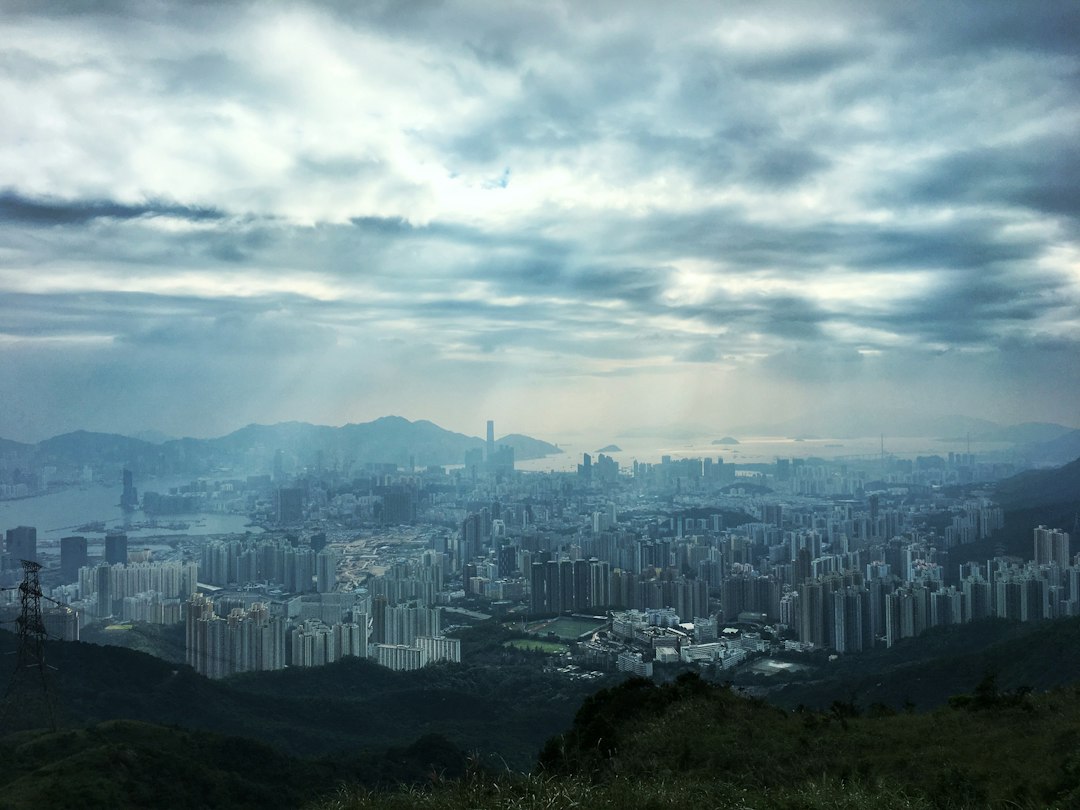
The park is genuinely beautiful and genuinely strange. Interpretive boards describe the Walled City's history with an honesty that is unusual for official civic memory. The remaining artefacts — the old south gate, the yamen building — sit inside the garden like objects in a vitrine, preserved and contextualised but also slightly unreal. The gap between what was here and what is here now is the most interesting thing about the place.
Insider tip
The yamen building houses a small exhibition with photographs of the Walled City's interior. Spend time with these before walking the garden; they make the current silence feel significantly louder.
Nan Lian Garden: un'oasi di tranquillità a Hong Kong: the classical garden as an argument against the city
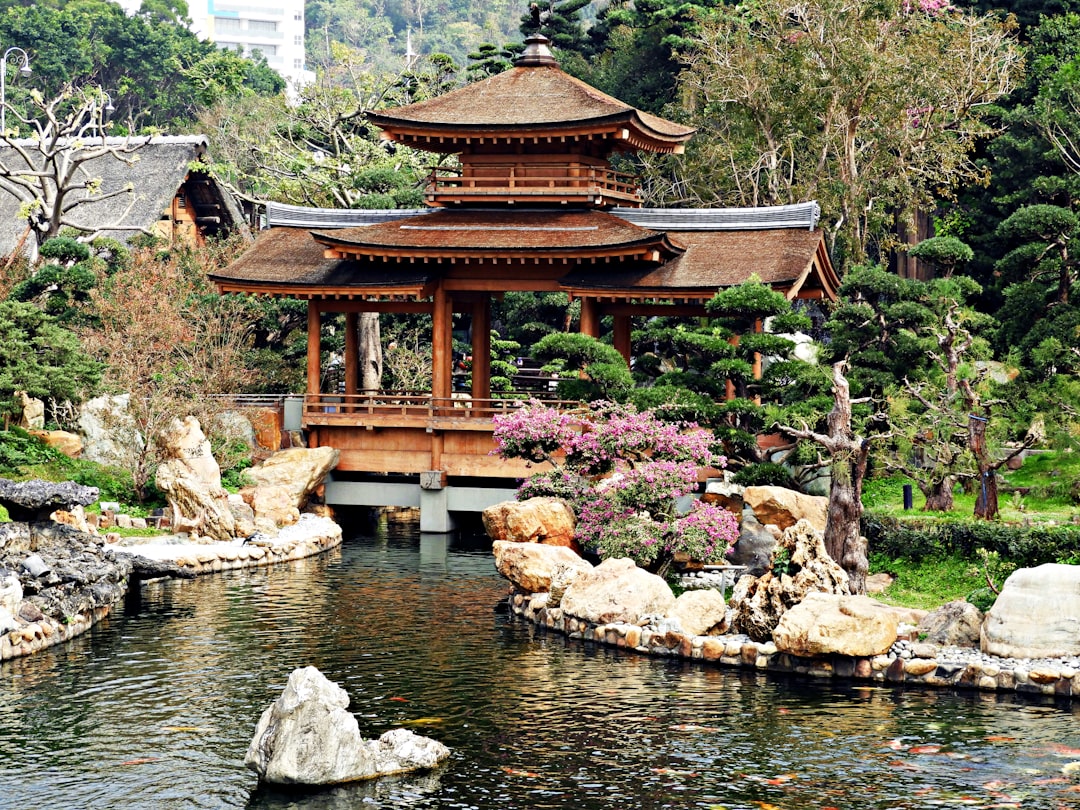
What makes it worth the MTR journey from central Kowloon is not the beauty, which is real but expected, but the acoustic quality. The garden's design absorbs urban noise with surprising efficiency. Standing at the central pond, surrounded by the wooden pavilions and the willow trees, the city recedes to a frequency rather than a fact. It is a designed experience, yes, but an effective one.
Insider tip
The garden closes earlier than most visitors expect — check current hours before you go. The late afternoon light on the pavilion roofs, roughly an hour before closing, is when the garden looks most like the classical paintings it references.
Hong Kong and the Ladies' Market: the market as a social institution, not a shopping destination
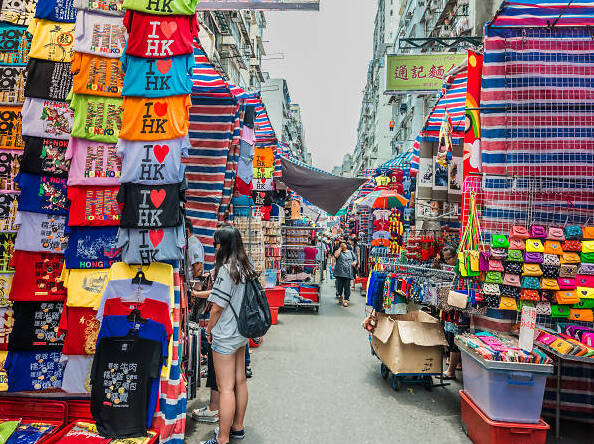
The vendors are not performing for tourists. The haggling is real, the prices are negotiable, and the goods range from the genuinely useful to the magnificently pointless. The surrounding streets — the cooked food stalls, the phone repair shops, the mahjong parlours above the market — are the actual context. The market makes no sense without them.
Insider tip
Walk one block east or west of Tung Choi Street and you are in a different Mong Kok entirely. The contrast between the market strip and the residential streets immediately behind it is worth ten minutes of deliberate exploration.
Esplora il Ladies' Market di Hong Kong: Mong Kok at its most unapologetically itself
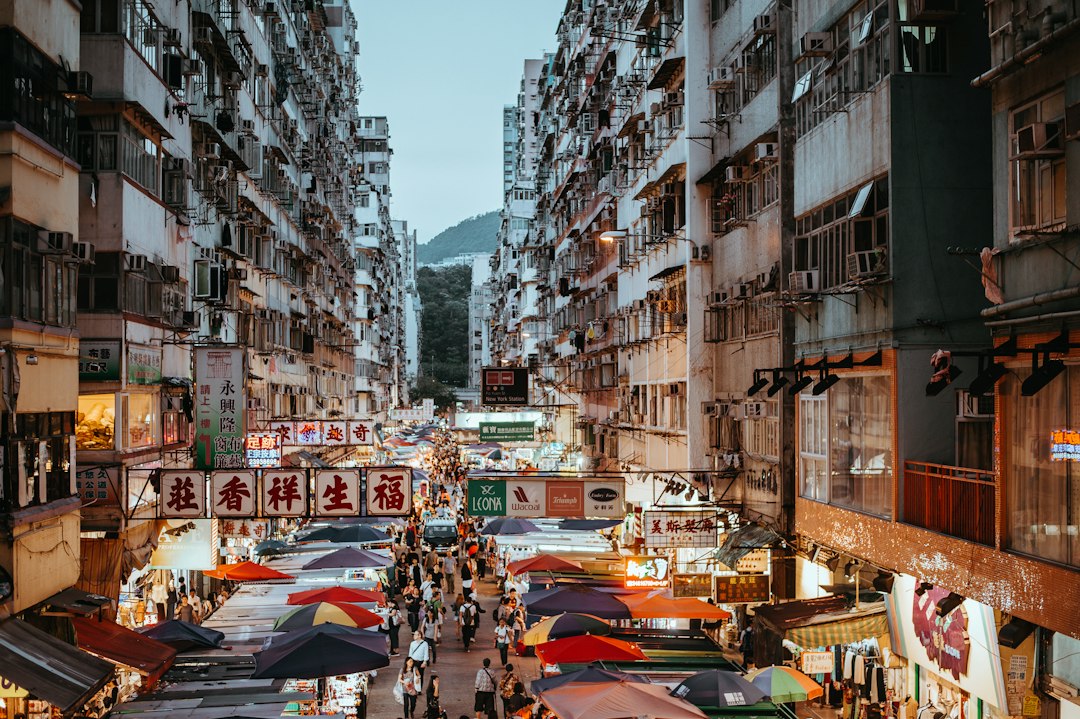
The market's name is historical rather than descriptive; it sells to everyone. What it sells best, aside from clothing, is a particular quality of attention — the vendor who clocks your hesitation over a price, the counter-offer delivered with the timing of someone who has had this conversation ten thousand times. It is, in its way, a performance art.
Insider tip
The market is most atmospheric after 6pm on a weekday, when the local after-work crowd arrives and dilutes the tourist ratio significantly. Prices also tend to become more negotiable as the evening progresses.
Part three — Off the obvious path
Hong Kong: The Jade Market: a geology lesson disguised as a shopping experience
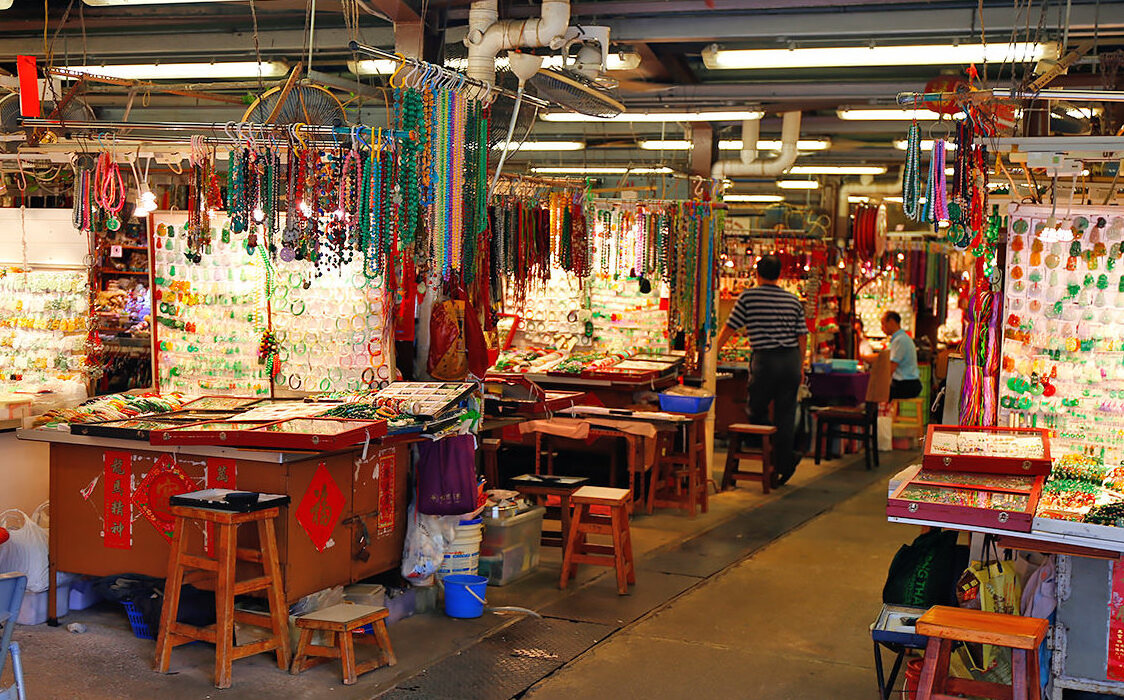
What is interesting about the Jade Market is not the shopping but the education available to anyone willing to ask questions. The vendors who have been here for years can explain the difference between jadeite and nephrite, demonstrate how to test for artificial treatment, and describe the cultural significance of specific forms and colours. It is a specialist knowledge that is available for free, if you approach it with genuine curiosity rather than purchasing intent.
Insider tip
Bring a small torch. Holding a piece of jade up to a bright light reveals internal structure and can help distinguish natural from treated stones. Vendors who welcome this scrutiny are generally the more reliable ones.
Dim Sum that means "touch your heart": the meal that invented the idea of sharing

The Kowloon dim sum experience is different from its tourist-facing equivalents. The older establishments in the district maintain service styles — the trolley, the shouted orders, the shared tables with strangers — that have been largely rationalised away in more visible restaurants. Finding them requires asking rather than searching, and eating in them requires a willingness to order by pointing and trust the result.
Insider tip
Order the turnip cake (lo bak go) and the steamed rice noodle rolls (cheung fun) before anything else. These are the dishes that show most clearly whether a kitchen is operating with care or merely volume.
Scopri l'incanto di Sky100 a Hong Kong: the view from the 100th floor, and what it cannot show you
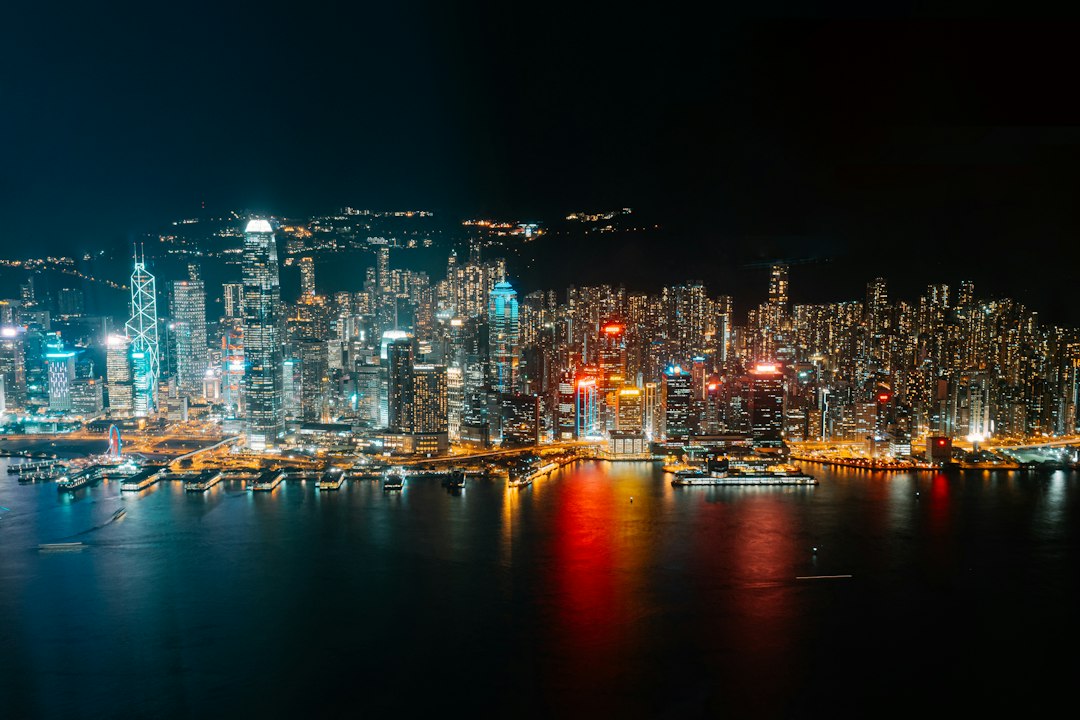
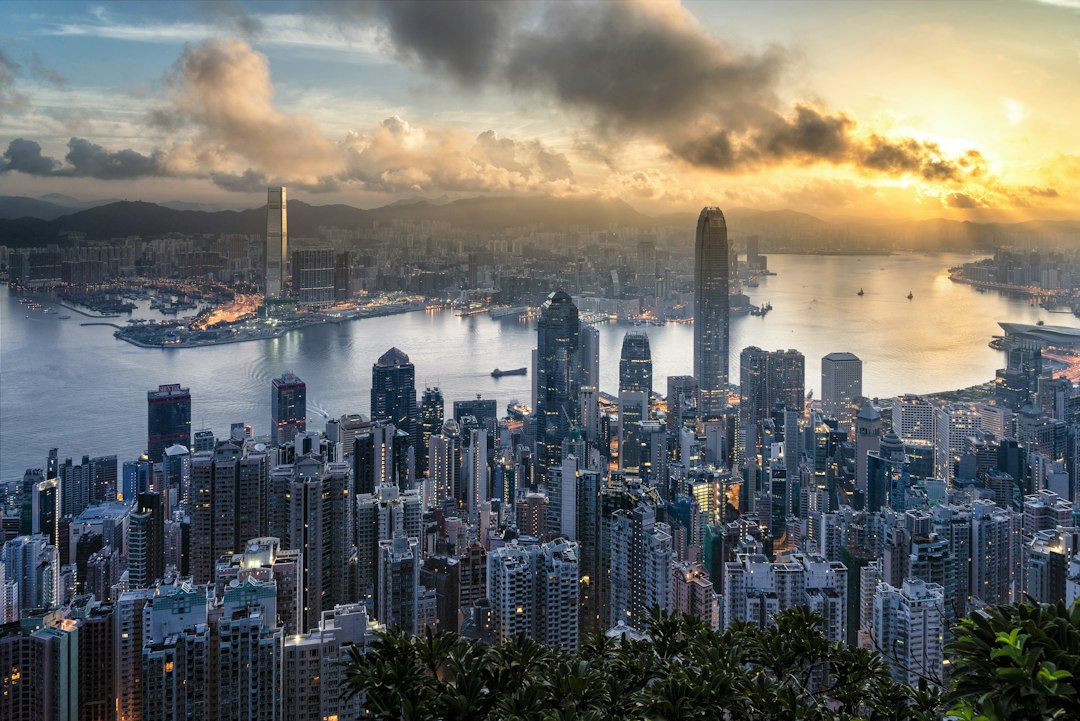
What the view actually reveals, stripped of the promotional framing, is the geographic logic of Hong Kong: the harbour as the hinge between island and peninsula, the container port to the west, the New Territories extending north toward the mainland. It is a view that makes the city legible in a way that street-level experience cannot. The irony is that you have to go to the most corporate possible setting to understand why the street level is interesting.
Insider tip
Visit on a day with moderate haze rather than waiting for perfect clarity. The layers of hills disappearing into the distance are more evocative when partially obscured — the city looks more like itself, complex and partly unknowable.
Golden Bauhinia Square in Hong Kong: a political monument that works better as a geography lesson

What makes it worth visiting is its position on the harbour reclamation, which allows you to understand how dramatically Hong Kong's waterfront has been reshaped over the past century. The land you are standing on did not exist in living memory. The Convention and Exhibition Centre behind you is built on water. The view north toward Kowloon shows you the harbour at its current width, which is considerably narrower than it once was.
Insider tip
A flag-raising ceremony takes place at the square on the first day of each month and on public holidays. If you are not there for that, the early morning, before the tour groups arrive, is when the harbour light is at its most useful for understanding the site's geography.
Part four — Around and beyond
The Avenue of Stars in Tsim Sha Tsui East, Kowloon: the waterfront promenade as an argument about what cinema means
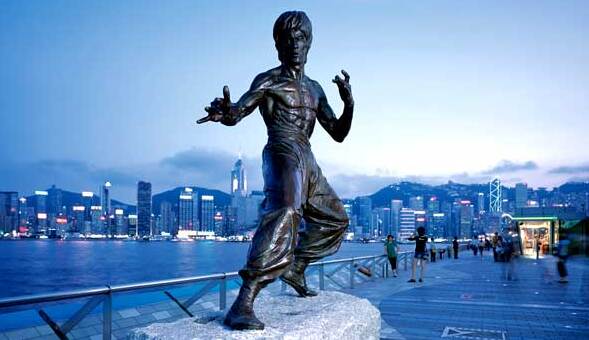
The Avenue underwent a major renovation and reopened in 2019, which improved the physical experience considerably. What it cannot improve is the slight melancholy of a monument to an industry that has changed more than the monument acknowledges. Hong Kong cinema in its golden era — the 1980s and 1990s — produced work of genuine global influence. The Avenue gestures at this legacy without quite grappling with it. That gap, between the tribute and the thing being tributed, is where the interesting thinking happens.
Insider tip
The Symphony of Lights show, which illuminates the harbour skyline at 8pm, is visible from the Avenue and is best watched from the eastern end of the promenade, where the crowd is thinner and the sightlines are cleaner.
The Hong Kong Museum of History: the permanent exhibition that takes the long view seriously
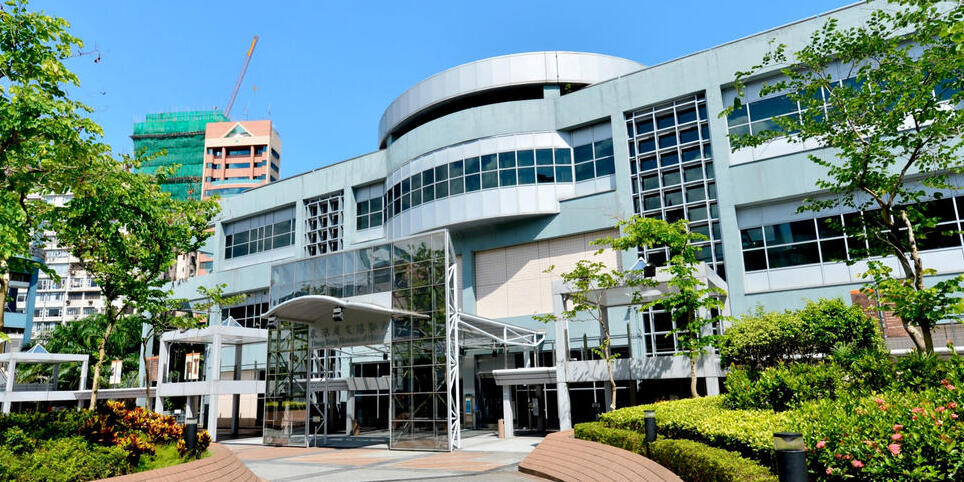
The colonial period is handled with a directness that surprises. The exhibition does not flinch from the opium trade, the labour conditions of the nineteenth century, or the complexity of Hong Kong's political identity. The recreated street scenes from different historical periods are the kind of immersive display that could easily become kitsch but somehow maintains its integrity. It is the best single introduction to what Kowloon actually is and how it came to be that way.
Insider tip
The museum is closed on Tuesdays. The permanent exhibition is free on Wednesdays. Budget at least two hours; the prehistoric and early settlement sections, which most visitors rush through, contain some of the most unexpected material.
Kowloon does not require your approval. That is, perhaps, the most useful thing to understand about it before you visit. The park built on a demolished city will continue to be beautiful and strange whether or not you read the interpretive boards. The jade vendors will continue their education whether or not anyone stops to learn. The dim sum kitchens will continue to operate according to their own logic of quality and routine.
What travel writing can do — at its most honest — is slow the reader down enough to notice the gap between what a place is reputed to be and what it actually is. Kowloon is full of those gaps. The temple that is simultaneously a tourist site and a place of genuine petition. The market that is simultaneously a performance for visitors and a working neighbourhood institution. The park that is simultaneously a garden and a ghost.
The places in this list are not secrets. They are, in most cases, well-documented and easy to find. What they offer is the experience of looking carefully at something you thought you already understood. That, in the end, is the only kind of discovery that travel reliably provides.
What travel writing can do — at its most honest — is slow the reader down enough to notice the gap between what a place is reputed to be and what it actually is. Kowloon is full of those gaps. The temple that is simultaneously a tourist site and a place of genuine petition. The market that is simultaneously a performance for visitors and a working neighbourhood institution. The park that is simultaneously a garden and a ghost.
The places in this list are not secrets. They are, in most cases, well-documented and easy to find. What they offer is the experience of looking carefully at something you thought you already understood. That, in the end, is the only kind of discovery that travel reliably provides.


