A city that has been discovered a thousand times over, and still manages to keep its secrets
L
Words by
Lena Hofmann
Updated
15 October 2026
Read time
13 minutes
Includes
15 places · interactive map
There is a particular kind of invisibility that only the most visited places in the world can achieve. Kyoto has been written about so exhaustively — the temples, the geisha districts, the autumn maples — that the writing itself has become a kind of fog. You arrive with a mental map assembled from a thousand travel pieces, and you walk directly into the postcard. You photograph the thing you already knew was there. You feel, somewhere beneath the satisfaction, a faint disappointment you cannot quite name.
The paradox is that Kyoto's genuinely surprising places are often not secret at all. They appear in guidebooks, in academic papers, in the footnotes of architecture journals. What makes them feel hidden is something more interesting: they require a different quality of attention. They reward the traveller who has already done the obvious things, who has stood in the crowds at the most famous spots and thought, quietly, that there must be another register to this city.
Kyoto was Japan's imperial capital for over a millennium. It holds seventeen UNESCO World Heritage Sites, more than sixteen hundred Buddhist temples, and a street grid that still follows the Tang Dynasty logic of its founding in 794. The density of significant places is almost absurd. Which means that even informed, experienced travellers — people who know the difference between Rinzai and Soto Zen, who can read a karesansui garden with some fluency — regularly walk past things that would stop them cold if they only looked sideways.
What follows is not a list of secrets. It is a list of places that deserve a slower, more considered kind of looking. The city will do the rest.
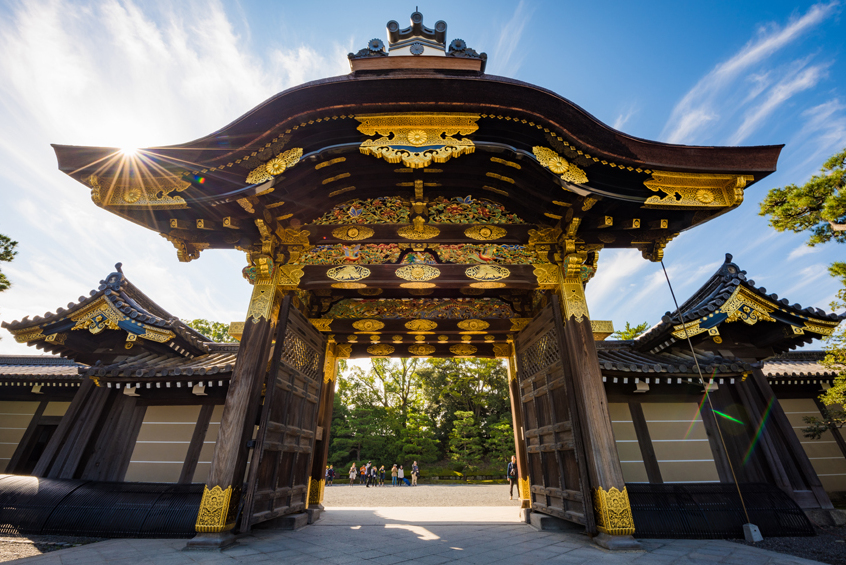
Built in 1603 as the Kyoto foothold of Tokugawa Ieyasu — the shogun who effectively ended Japan's century of civil war — Nijo Castle sits about 1.8 kilometres from the city centre with the quiet confidence of a building that knows exactly what it is. Most visitors photograph the outer walls and the famous nightingale floors, which creak deliberately to betray the approach of assassins. Fewer linger long enough to read the architecture as political theatre: the painted screens, the graduated ceiling heights designed to communicate rank, the garden that exists primarily to be seen from inside. This is a building conceived as an argument about authority, and it makes that argument with extraordinary subtlety. The Ninomaru Palace interiors, when the light falls correctly in the late afternoon, feel less like a museum and more like an occupied room.
Insider tip
Visit on a weekday afternoon in shoulder season — the nightingale floors are genuinely audible only when the crowds thin enough for the building to breathe. The east garden, often bypassed, rewards fifteen minutes of unhurried walking.
2Villa|Garden|Imperial Architecture· 6.2 km
Kyoto: Katsura Imperial Villa: the room that invented wabi
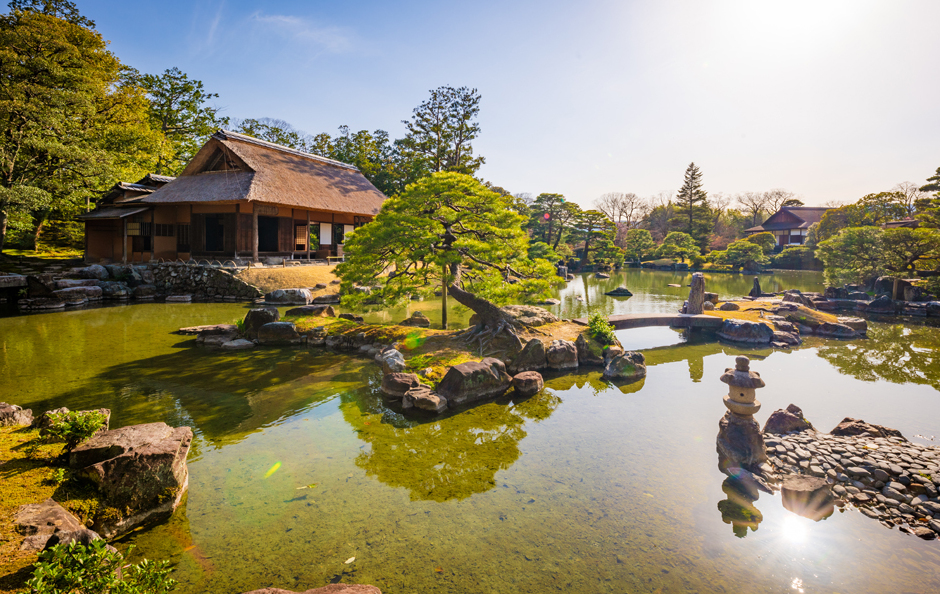
At roughly six kilometres from the city centre, Katsura Imperial Villa sits at a remove that is partly geographical and partly conceptual. Completed in 1645 as a residence for the Katsura branch of the imperial family, it is considered one of the finest examples of Japanese architecture and garden design in existence — a claim that architects from Bruno Taut to Walter Gropius have endorsed with something approaching reverence. The villa is accessible only by advance reservation through the Imperial Household Agency, which filters the crowds to a manageable trickle and gives the place a quality of quietness that feels almost engineered. The garden is designed to reveal itself in sequence as you walk, each turn producing a composed view that was planned centuries before the word 'landscape architecture' existed. The aesthetic is one of considered imperfection: asymmetry, rough materials, restraint.
Insider tip
Reservations open online through the Imperial Household Agency website. Morning slots in November catch the garden at its most composed, before the light flattens. Bring no expectations about grandeur — this place speaks in a much lower register.
3Temple Complex|Zen|Rinzai· 5.1 km
Daitokuji is a large walled temple complex in Kyoto: the city within the city
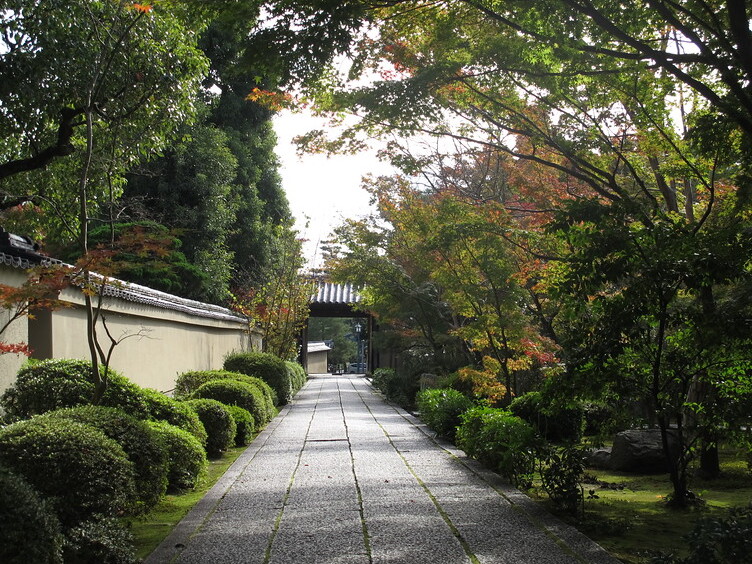
About five kilometres north of central Kyoto, Daitokuji presents itself as a single destination but functions as a small city. The walled complex contains nearly two dozen subtemples, most of them closed to the general public, with a rotating handful open at any given time. It is the head temple of the Rinzai sect's Daitokuji school, and its history is intertwined with some of the most significant figures in Japanese cultural history — Sen no Rikyu, who essentially codified the tea ceremony, had deep connections here. The gardens of the open subtemples — Daisen-in and Ryogenin among them — are compact, intricate karesansui compositions that repay extended contemplation. What distinguishes Daitokuji from more trafficked Zen sites is the feeling that the complex is still, in some functional sense, in use. The monastic life continues behind the walls you cannot enter.
Insider tip
Check which subtemples are currently open before visiting, as the roster changes seasonally. Daisen-in's dry garden is small enough that a single other visitor changes the experience significantly — arrive at opening time.
4Zen Temple|Meiji Era|Garden· 2.3 km
Nanzenji Temple, one of the most important Zen Temples: the aqueduct nobody mentions
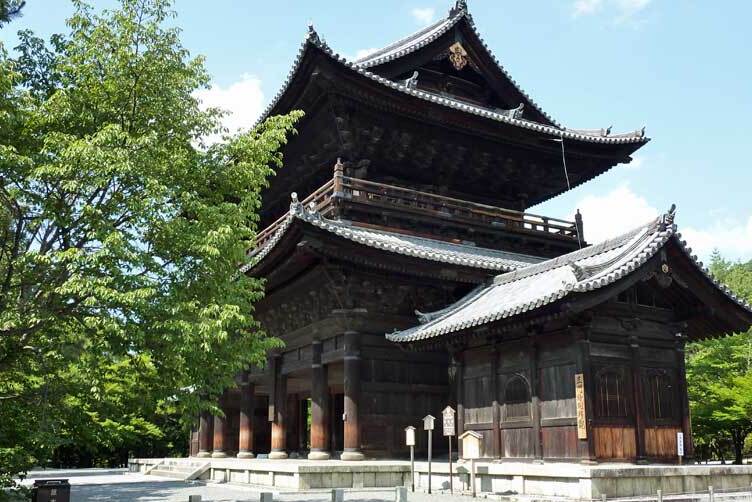
Nanzenji sits at the base of the Higashiyama mountains, about 2.3 kilometres from the city centre, and its grounds are spacious enough to absorb crowds without appearing to. As the head temple of one of the Rinzai Zen schools, its institutional significance is considerable. What the guidebooks tend to mention last, if at all, is the Meiji-era brick aqueduct that cuts through the temple grounds — a piece of late nineteenth-century hydraulic infrastructure that carries water from Lake Biwa and looks, in this context, like a Roman ruin that took a wrong turn somewhere east of Constantinople. The juxtaposition is not accidental: Meiji Japan was deliberately importing Western architectural forms while simultaneously preserving older ones. The aqueduct is Nanzenji's most honest historical statement, and most visitors walk under it without stopping.
Insider tip
The Tenjuan sub-garden, tucked behind the main complex, charges a separate entry fee and is consequently far quieter than the main grounds. The moss garden there in early morning light is worth the extra few hundred yen.
Part two — A little deeper
5Zen Temple|Muromachi Period|Garden· 3.2 km
Ginkakuji, a Zen temple along Kyoto's eastern mountains: the silver that never was
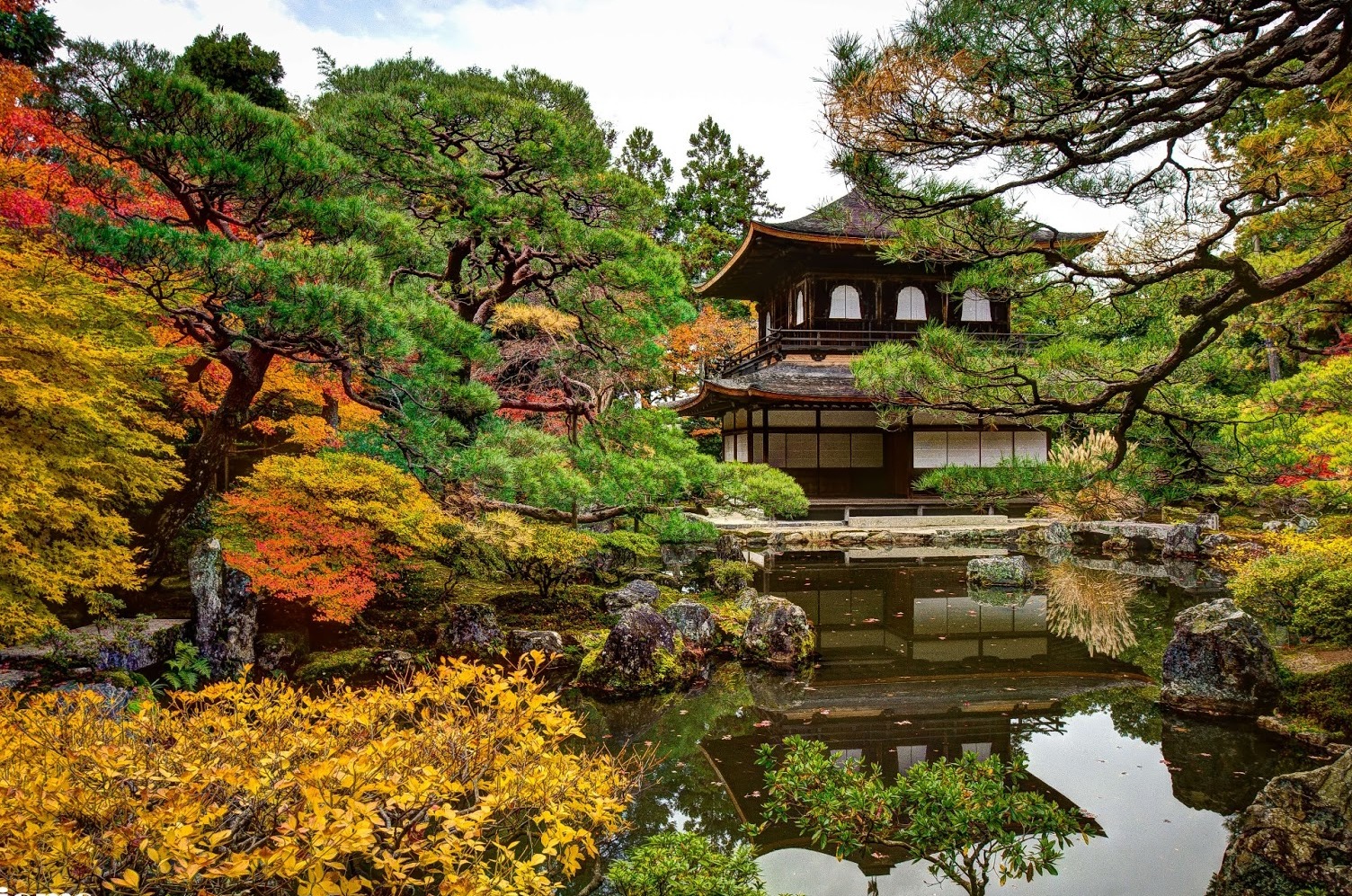
The name means Silver Pavilion, and the silver was never applied. Shogun Ashikaga Yoshimasa began the project in 1482 as a retirement villa modelled on his grandfather's Kinkakuji, with plans to cover the structure in silver leaf — plans that were abandoned, possibly due to the Onin War's economic devastation, possibly for reasons lost to history. What remains is a building of remarkable restraint: dark wood, considered proportion, a garden that includes a famous cone of raked sand called Kogetsudai whose purpose remains genuinely debated. The path along the Philosopher's Walk begins here, and most visitors treat Ginkakuji as a starting point rather than a destination in itself. This is a mistake. The upper garden, reached by a steep path through maples, offers a view over the city that the ground-level crowds never see.
Insider tip
The upper garden trail is often roped off during peak season for conservation reasons — check current access before planning your visit around it. The sand cone is best viewed in the late afternoon when raking shadows define its geometry.
6Zen Temple|Gold Leaf|Muromachi Period· 4.7 km
Kinkakuji is a Zen temple in northern Kyoto: looking past the gold
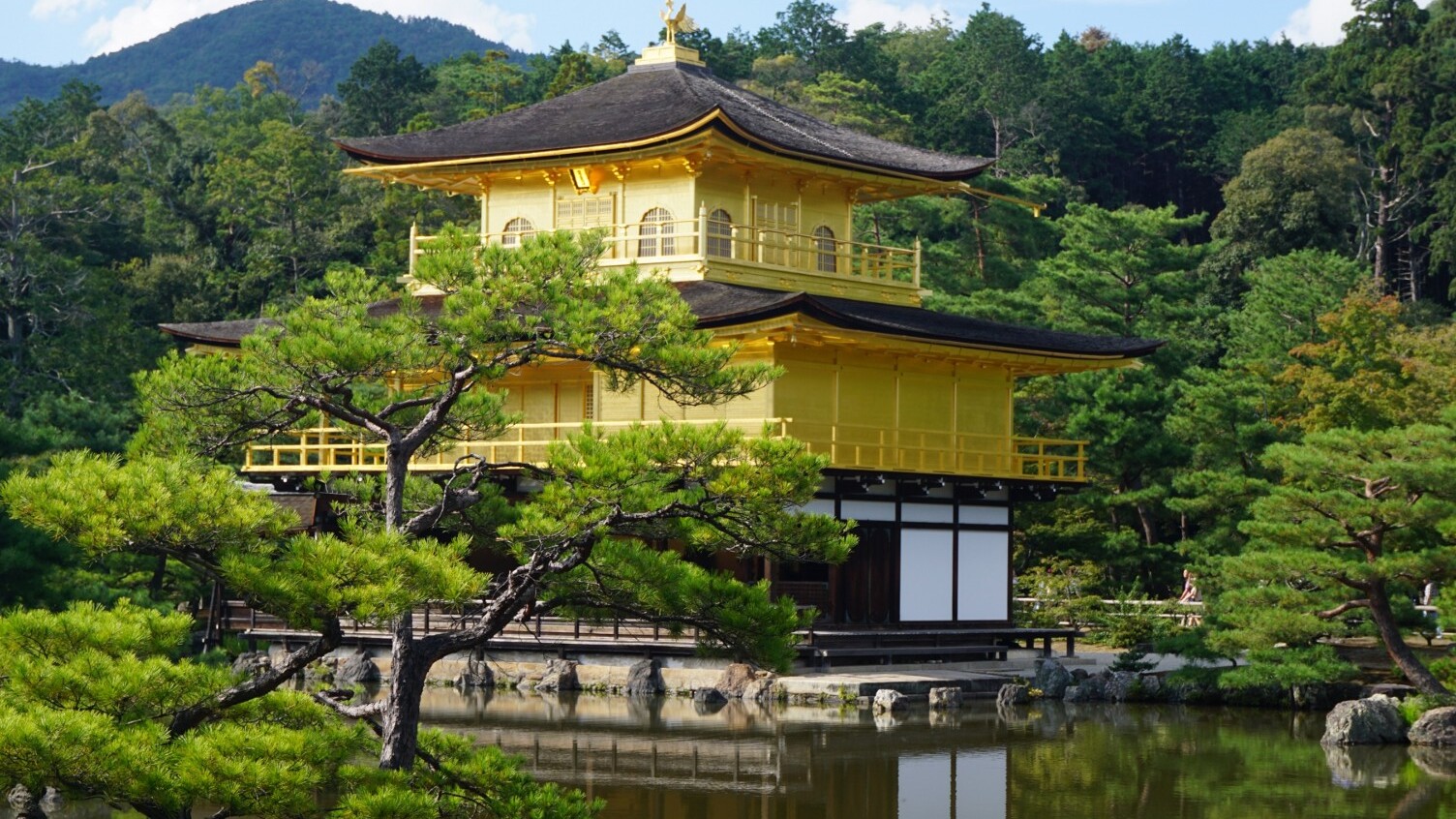
There is almost nothing to say about Kinkakuji that has not already been said, which is itself interesting. The gold-leafed pavilion in northern Kyoto, originally the retirement villa of shogun Ashikaga Yoshimitsu and converted to a Zen temple after his death, is one of the most photographed buildings in Japan. The current structure is a 1955 reconstruction following an arson attack by a young monk — an act that Yukio Mishima turned into a novel. What most visitors miss, in their reasonable preoccupation with the pavilion itself, is the garden's circulation logic: the path is designed to reveal the building from multiple angles across the pond, each framed differently. Slowing down to notice the design rather than the destination produces a genuinely different experience of a place you thought you already understood.
Insider tip
The garden exit leads through a small area with a tea house and a wishing pond that most visitors skip in their rush to leave. It takes four minutes and returns some of the contemplative quality the main pavilion crowds can displace.
7Historic District|Buddhist Heritage|Urban Texture· 0.0 km
Kyoto is home to Japan's best known Buddhist temples: the city as palimpsest
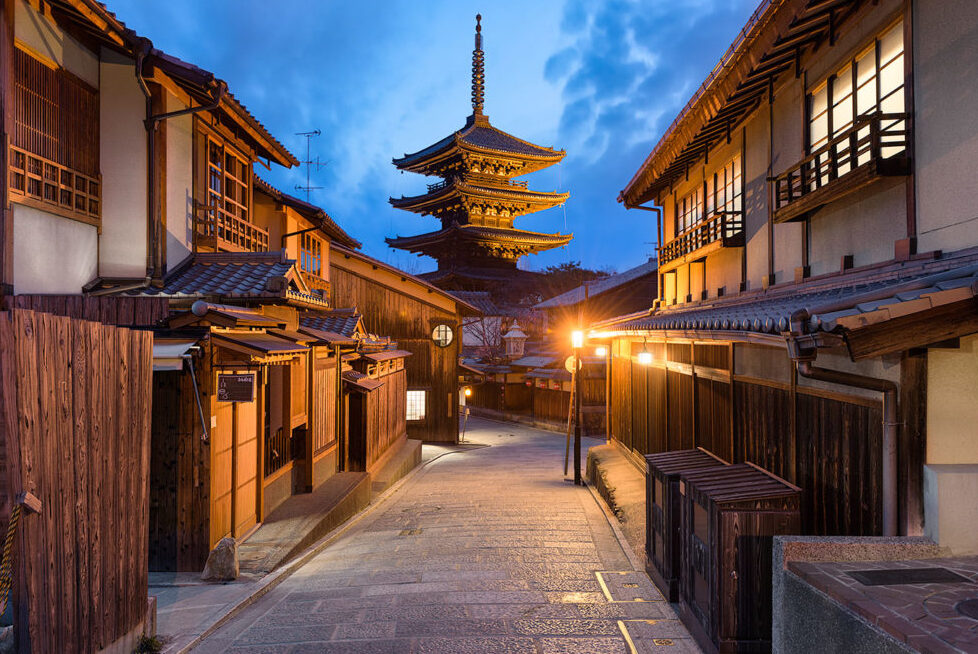
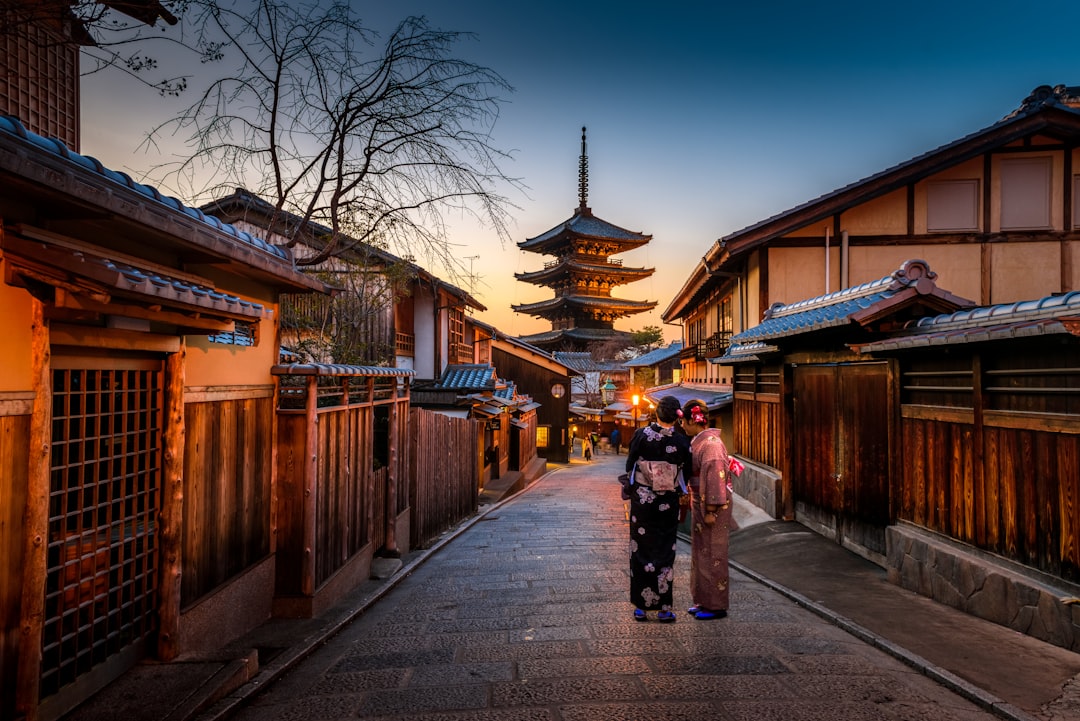
There is a version of Kyoto that exists at street level, between the famous sites — in the corners where old machiya townhouses survive beside concrete apartment blocks, where vending machines stand in front of thousand-year-old stone lanterns, where the city's layered history is legible not in any single monument but in the accumulated texture of ordinary blocks. Kyoto was Japan's capital from 794 to 1868, and that duration is written into the urban fabric in ways that no single temple visit can convey. Walking between sites rather than taking buses between them — even just one or two connections per day — reveals a city that is less a collection of destinations than a continuous historical argument. The street corners, as one source notes, are dotted with evidence of this. You just have to be moving slowly enough to notice.
Insider tip
The area around Nishiki Market's western end, away from the tourist flow, still has blocks where the pre-war street scale survives almost intact. Walk it on a weekday morning before the market opens.
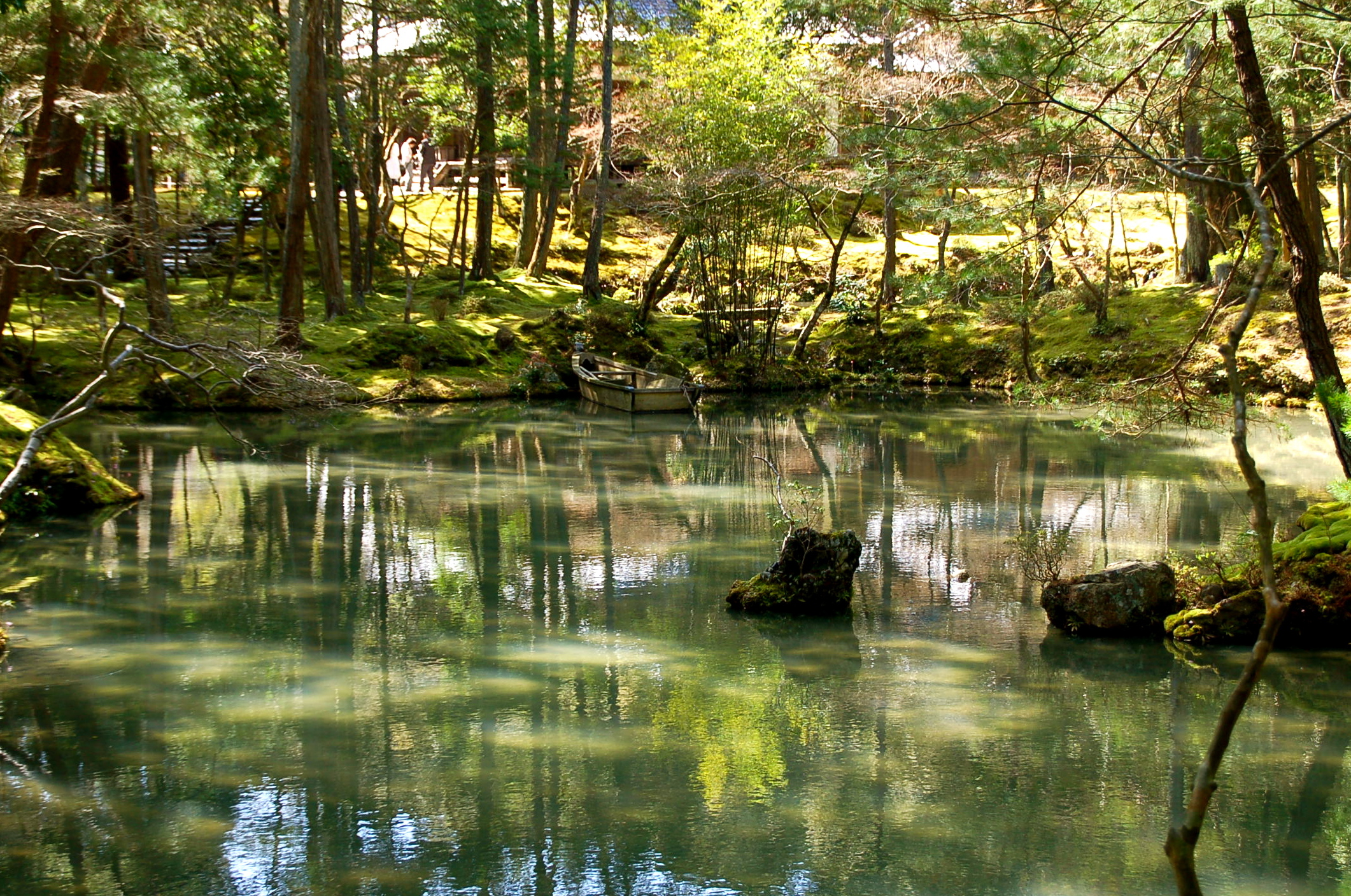
Kokedera — the Moss Temple — is one of Kyoto's UNESCO World Heritage Sites, and visiting it requires a reservation made well in advance by post. This is not an inconvenience: it is the point. The application process, which involves writing to the temple and receiving a reply, filters the visitor population to those who planned deliberately. What you find, having done the work, is a garden of approximately 120 species of moss covering the ground in a continuous green that shifts in colour and texture with the light and season. The effect is one of extraordinary softness — a landscape that seems to absorb sound. The garden surrounds the ruins of a dry landscape garden attributed to Muso Soseki, one of the great garden designers of the fourteenth century, and the ruins within the lushness create a strange, layered beauty.
Insider tip
The reservation process requires patience and some lead time — check the temple's current application requirements before planning your dates around this visit. The garden is most atmospheric after rain, when the moss deepens in colour.
Part three — Off the obvious path
9Nara Period|Temple Garden|Buddhist History· 8.0 km
The history of Saihoji Temple reaches back to the Nara Period, approximately thirteen hundred years ago, when the priest Gyoki founded it at the request of Emperor Shomu as one of forty-nine Hosso Sect temples. Before the moss garden that defines it today, the site had an entirely different character — a dry landscape garden that preceded the current lush ground cover by centuries. The layering of histories here is unusual even by Kyoto standards: the Nara foundation, the Kamakura-period reconstruction by Muso Soseki, the gradual transformation into the moss landscape that now exists. Most visitors experience Saihoji as a single thing — the Moss Temple — without registering that they are standing in the middle of several distinct historical eras simultaneously. The garden's present form is, in a sense, an accident of climate and time as much as design.
Insider tip
If you visit both Saihoji entries on this list in the same trip, approach them as two lenses on the same place: one focusing on the reservation logistics, the other on the deep historical layering. Together they produce a richer picture than either alone.
10Bamboo Grove|Arashiyama|Natural Landscape· 8.7 km
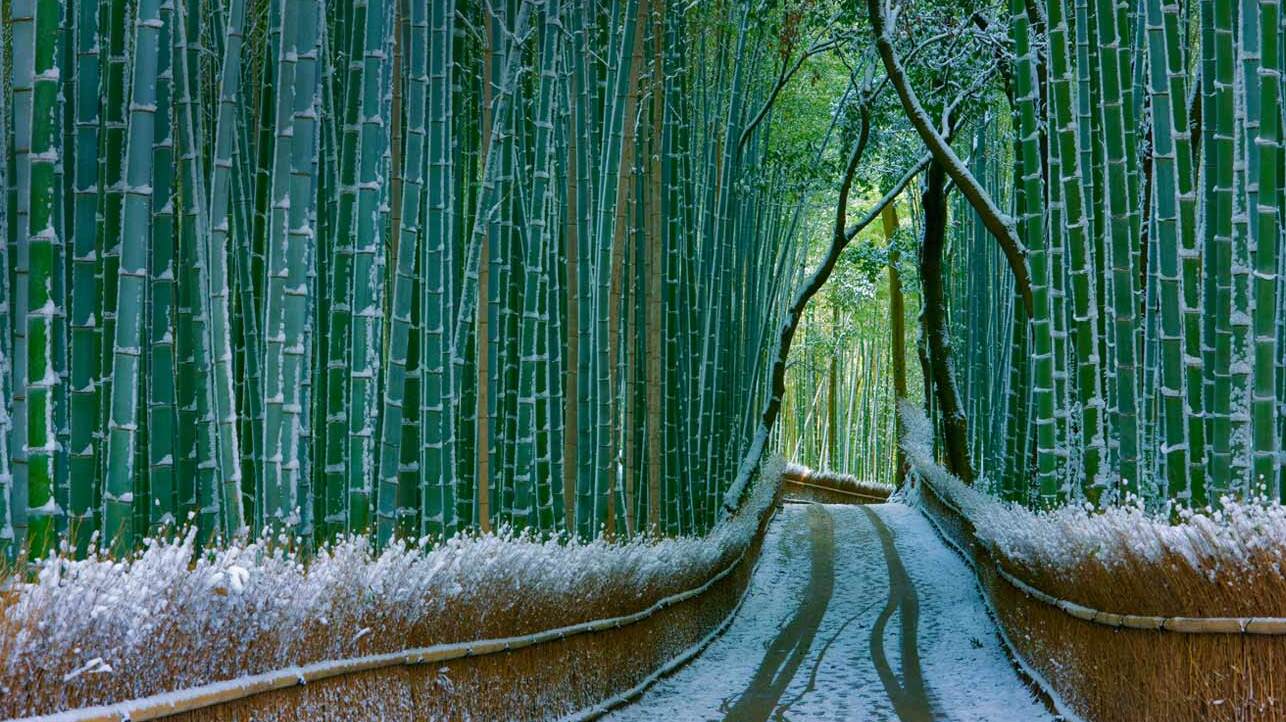
Sagano - The wonderful bamboo forest: what the photographs cannot hold
The Arashiyama Bamboo Grove in the Sagano district is, by now, one of the most reproduced natural images in Japan's tourism canon. The photographs — tall culms filtering green light, a path curving into apparent infinity — are so familiar that arriving in person produces an immediate sense of recognition that can crowd out actual perception. What the photographs cannot convey is the sound: the bamboo in wind produces a particular dry percussion, a sound that the Japanese have historically considered one of the most calming in the natural world. The grove is also smaller than it appears in images, and the crowds at peak hours are genuinely dense. The surrounding Arashiyama district, however, contains temples and hillside paths that the bamboo-focused visitor tends to bypass entirely, and these carry the contemplative quality that the grove itself can struggle to deliver when shared with hundreds of others.
Insider tip
The grove is at its most experiential before 7am, when the tourist buses have not yet arrived and the sound of the bamboo is actually audible. The surrounding Tenryuji garden and the hillside trails above Jojakko-ji offer the quietness that the main grove path rarely can.
11Trip Planning|Urban Navigation|Practical Travel· 0.0 km
Secret World vs Wanderlog: il migliore trip planner per Kyoto 2026: the infrastructure of discovery
Kyoto presents a logistical challenge that is easy to underestimate. The city holds seventeen UNESCO sites, over sixteen hundred Buddhist temples, and a transport network that combines buses, metro lines, and train services in ways that are not always intuitive for a first-time visitor. The sequence in which you visit places matters enormously — not just for efficiency but for the quality of experience each place can deliver. A temple visited after three others in a single morning is experienced differently than one visited first, or alone. Planning tools that map Kyoto's geography against its transport logic can reveal connections and sequences that pure sightseeing instinct misses. The city rewards the traveller who has thought carefully about how to move through it before arriving, rather than discovering its transport eccentricities in real time.
Insider tip
Kyoto's bus system is extensive but can be slow during peak tourist hours. For destinations in the eastern and northern districts, combining the subway with short walks often produces faster and more pleasant journeys than bus routes suggest.
12Trip Planning|Itinerary Design|Navigation· 0.0 km
Secret World vs Google Trips: pianifica Kyoto nel 2026: sequencing as an art form
With four hundred Shinto shrines and sixteen hundred Buddhist temples, the question of what to visit in Kyoto is almost immediately superseded by the question of in what order. The city's geography — Arashiyama to the west, Gion and the Higashiyama mountains to the east, the northern temple districts, the central streets — does not resolve into an obvious sequence. Fushimi Inari and Kinkakuji, for instance, are geographically separated in ways that make combining them in a single morning logistically costly in time and experiential quality. The traveller who has thought about Kyoto's spatial logic before arriving — who understands which clusters of sites sit naturally together and which require dedicated half-days — will find the city significantly more generous than the one who is improvising.
Insider tip
Group your days by geography rather than by fame or category. The eastern mountains (Nanzenji, Ginkakuji, the Philosopher's Walk) form a natural half-day cluster. The northern districts (Daitokuji, Kinkakuji) form another. Mixing them creates unnecessary transit time.
Part four — Around and beyond
13Trip Planning|Digital Tools|Practical Travel· 0.0 km
Secret World vs Google Trips: quale app per Kyoto 2026?: the 70% problem
A striking detail about Kyoto's visitor experience: a significant proportion of travellers report that transit times between sites were shorter than they actually turned out to be — a gap between expectation and reality that compounds across a multi-day itinerary. Kyoto's bus network follows a logic that reflects the city's own layered geography rather than tourist convenience, and the routes that appear direct on a map sometimes involve transfers or long gaps between services. The city's train lines, meanwhile, serve specific corridors efficiently but leave gaps that buses or taxis must fill. Digital planning tools vary considerably in how accurately they model these realities. The traveller who has stress-tested their Kyoto itinerary against actual transport schedules — not optimistic estimates — tends to arrive at each destination less frazzled and more present.
Insider tip
Japan's Google Maps integration is generally reliable for transit times in Kyoto, but always add a buffer of ten to fifteen minutes per connection during peak tourist seasons. The app does not account for platform crowding or bus delays during autumn foliage season.
14Trip Planning|Itinerary Logic|Navigation· 0.0 km
Secret World vs Wanderlog: il miglior trip planner per Kyoto 2026: the seven-kilometre trap
Fushimi Inari and the Golden Pavilion are approximately seven kilometres apart — a distance that looks manageable on a city map and turns out to be considerably more demanding in practice when combined with the time each site actually requires. Fushimi Inari's famous torii gate trails extend for four kilometres up the mountain behind the main shrine; most visitors who plan an hour discover they want three. Kinkakuji, meanwhile, is in the northern part of the city, requiring a bus journey that can be slow during busy periods. The trap is not the distance itself but the planning assumption that famous sites can be combined freely because they appear on the same tourist map. Kyoto's geography rewards the traveller who respects each site's actual time requirement rather than its theoretical proximity to the next.
Insider tip
If you are committed to seeing both Fushimi Inari and Kinkakuji, dedicate a full day and accept that you will do one properly and the other adequately. Trying to do both before noon, as many itineraries suggest, tends to mean doing neither well.
15Trip Planning|Transport Logic|Practical Travel· 0.0 km
Kyoto's transit challenge is not unique among major cities, but it has a particular character: the gap between how the city looks on a map and how it behaves in practice is wider than most travellers expect. Bus routes follow historical street patterns that predate the city's current tourist geography. Journey times between sites are frequently underestimated in printed guides, which tend to use optimistic transit estimates that assume ideal conditions. The result is a city where travellers consistently arrive later than planned, feel more rushed than they intended, and miss the quality of attention that Kyoto's places specifically reward. Understanding Kyoto's transport logic — which connections are reliable, which are slow, where taxis make more sense than buses — is, in a genuine sense, a prerequisite for experiencing the city rather than merely visiting it.
Insider tip
Kyoto's IC card (ICOCA or Suica) works across buses, metro, and most trains, and eliminates the friction of buying individual tickets. Load it with more credit than you think you need — running out mid-journey in a city where you cannot read the fare displays is a particular kind of travel misery.
The honest thing to say about Kyoto is that it does not hide. It simply requires a different quality of presence than most cities ask of you. The places on this list are not secret — some have been written about for centuries. What makes them feel discovered, when you finally stand in them, is the quality of attention you brought to get there: the advance reservation written and sent by post, the early morning alarm, the decision to walk rather than take the bus, the afternoon spent in a single subtemple garden rather than three famous sites.
Kyoto was a capital for over a thousand years. It absorbed that much history into its streets and gardens and temple walls, and it is not going to give it up to a two-hour visit. The city rewards proportion — giving each place the time it actually requires rather than the time a packed itinerary allows. Come back a second time, or a third. Walk past the places you already photographed. The city will show you something different, because you will finally be looking at it rather than at the image of it you arrived with.
🏆 Pocket guide
Take this guide with you.
Save it offline, get walking directions, and discover thousands more places like the ones you just read.
How far in advance do I need to book to visit Katsura Imperial Villa and Saihoji (Kokedera)?
Katsura Imperial Villa requires advance reservation through the Imperial Household Agency, which can be done online. Slots fill quickly during peak seasons (spring and autumn), so booking several weeks in advance is advisable. Saihoji (Kokedera) requires a reservation made by post directly to the temple — the process involves sending a postcard and receiving a reply with your assigned entry time. This can take several weeks, so plan this well before your travel dates. Both reservations are worth the effort: the access controls are precisely what preserve the quality of the experience.
What is the most practical way to navigate between Kyoto's major temple districts?
The key is to group visits geographically rather than by fame or category. The eastern Higashiyama district (Nanzenji, Ginkakuji, the Philosopher's Walk) is best done on foot or by bicycle. The northern district (Daitokuji, Kinkakuji) requires a bus or taxi. Arashiyama (Sagano bamboo grove) is reached by the Sagano/San-in line from Kyoto Station or Nijo Station. Avoid trying to combine east and north in the same morning — the transit time makes it feel rushed and the distances are deceptive on a city map. An IC card (ICOCA or Suica) loaded with sufficient credit will cover all buses, metro, and most train connections.
Which of these sites are genuinely less crowded, and when is the best time to visit them?
Daitokuji's subtemples are consistently quieter than the city's marquee sites because most visitors do not know which subtemples are open or how the complex works. Katsura Imperial Villa's reservation system keeps numbers low year-round. Nijo Castle's east garden and Nanzenji's Tenjuan sub-garden are quieter than the main attractions at the same sites. For all sites, weekday mornings in the shoulder seasons (May, early June, mid-November before the foliage peak) offer the most manageable crowds. The bamboo grove at Sagano is the exception — it requires a very early morning start regardless of season.
How much time should I realistically allocate to Kyoto?
Four to five days is the minimum for experiencing Kyoto with any depth, assuming you are not trying to see everything. A week allows you to give major sites their proper time while leaving room for the slower, more accidental discoveries that characterise good Kyoto travel. Travellers who allocate two days and attempt to cover the main sites typically leave with a collection of photographs and the feeling that they missed something — because they did. Kyoto's particular quality of place accumulates with time spent in it, not with the number of sites checked off. If you can only spare two days, choose one district and stay within it.
Is Kyoto's public transport system manageable for visitors who do not read Japanese?
Largely yes, with some preparation. Major bus routes and metro lines display stop names in Roman script, and Google Maps provides reliable real-time navigation in English. The main challenge is that bus route numbers and stop names can be confusing at busy intersections, and during peak tourist seasons buses can be very crowded. Downloading an offline map before arrival is advisable for areas with patchy mobile signal. The Kyoto City Bus one-day pass offers unlimited bus travel and is cost-effective if you are making more than three or four bus journeys in a day. For outlying sites like Arashiyama, the train is generally faster and more predictable than the bus.
🏆 Read this offline
Save it to your phone.
Bookmark this guide, plan your trip offline, and discover thousands of places like these.
BookmarkPlan offline60 languages
iOS / Android
Huawei users
Secret WorldHidden places, real stories — plan your trip