Trip.Planner
En · Travel Guide
Travel Guide · 2026 Edition

15 Hidden Gems in Macau — beyond the postcard

A city everyone thinks they know, and almost nobody actually sees

L
Words by
Lena Hofmann
Updated
9 October 2026
Read time
12 minutes
Includes
14 places · interactive map
15 Hidden Gems in Macau — beyond the postcard
There is a particular kind of invisibility that afflicts the famous. Macau, for instance, is globally known — a UNESCO-listed historic centre, a casino economy that briefly eclipsed Las Vegas, a coastline that attracts millions of visitors every year. And yet the city that most of those visitors experience is a narrow corridor between a ferry terminal and a ruin. They photograph the ruin, eat a custard tart near a pastel-coloured square, and leave believing they have seen Macau. They have not. They have seen the projection of Macau that the city projects back at them.

I have been coming here for years, drawn by the particular texture of a place that is genuinely two things at once — not in the lazy 'East meets West' way that travel copy has been promising since the 1980s, but in a stranger, more uncomfortable sense. Portuguese colonial ambition and Cantonese pragmatism did not so much blend here as collide, and the collision left architectural shrapnel everywhere: a Baroque façade on a street where incense smoke drifts from a doorway shrine, a garden designed by a Chinese merchant who had read too many classical texts, a lighthouse that watched over a sea route that no longer exists.

The places in this list are not secret. Several of them appear on maps. A few have their own Wikipedia pages. What makes them feel hidden is that the city's gravitational pull — toward the casinos, toward the ruins, toward Senado Square at golden hour — is so strong that most visitors never achieve escape velocity. This is a guide for those who do.

At a glance

  1. The old centre of Macau: where two empires left their paperwork
  2. Ruins of St. Paul's Cathedral: the back of the postcard
  3. Scopri la Casa di Lou Kau a Macao: the merchant who built for posterity
  4. Alla Scoperta del Faro di Guia a Macao: the lighthouse that outlasted its purpose
  5. Il Giardino Lou Lim Ioc: the garden that teaches you to slow down
  6. Lou Lim Ieoc Garden: nine turns and the logic of evil spirits
  7. Senado Square in Macao: the stage and what happens off it
  8. Largo do Lilau: Il Cuore di Macao — the square that remembers water
  9. Scopri il Templo de Kun Iam a Macao: the goddess and the treaty
  10. Macau | The Statue of Guan Yin: the goddess facing the sea
  11. Scopri il Museo del Gran Premio di Macao: speed in a city that moves slowly
  12. Macau Tower: vertigo as a point of view
  13. Scoprire Vila da Taipa: il Cuore Verde di Macao — the village the casinos forgot
  14. Scopri Hac Sa Beach: Il Tesoro Nascosto di Macao — the black sand at the end of the road
Part one — The essentials
1 Historic District · 0.3 km

The old centre of Macau: where two empires left their paperwork

The old centre of Macau: where two empires left their paperwork
The old centre is the kind of place that rewards the person who puts their phone away and simply walks. Its oldest buildings reach back to the 15th century, and the layering is visible if you know what you are looking for: a Portuguese municipal building with a Chinese roof ornament added later, a narrow lane that follows the logic of a Cantonese village rather than a colonial grid. The UNESCO listing has brought attention, but attention is not the same as understanding. Most visitors move through it as a backdrop rather than a subject, which means the quieter streets — the ones without a souvenir stall — remain genuinely uncrowded even at peak hours.

The architectural conversation here is not always polite. The two traditions were not designing together; they were designing around each other, and the friction is part of what makes the streetscape so alive.
Insider tip Walk the district on a weekday morning before 9am. The light is low, the tour groups are still at breakfast, and the neighbourhood belongs to people going to work — which is when any city shows its actual face.
2 Religious Site · 0.3 km

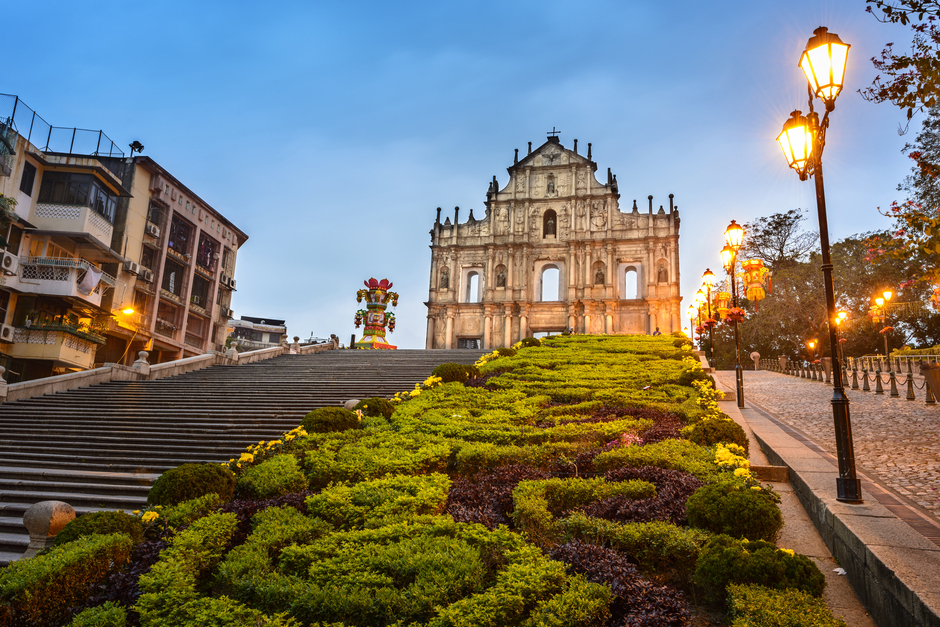
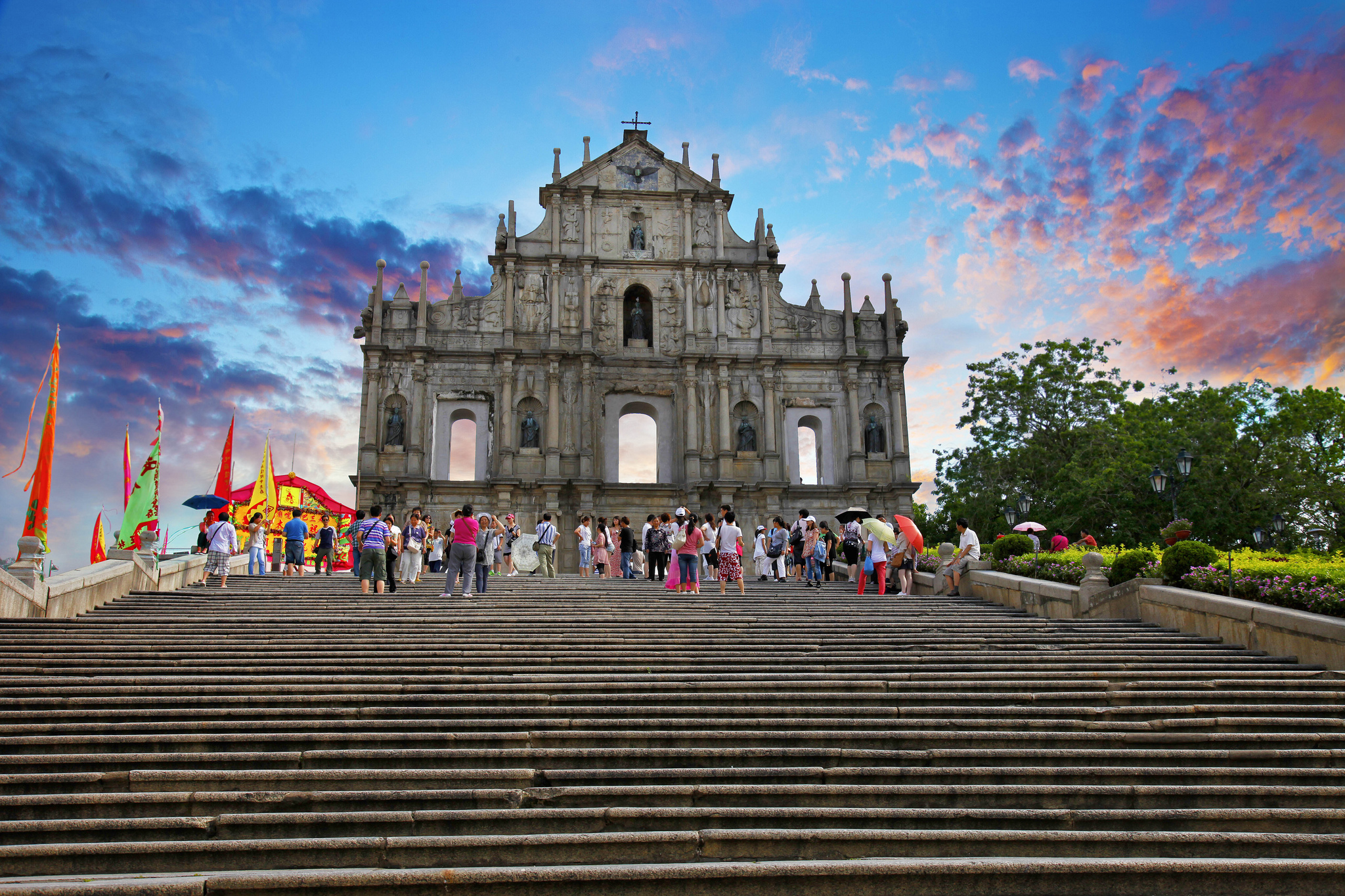
Ruins of St. Paul's Cathedral: the back of the postcard

Ruins of St. Paul's Cathedral: the back of the postcard
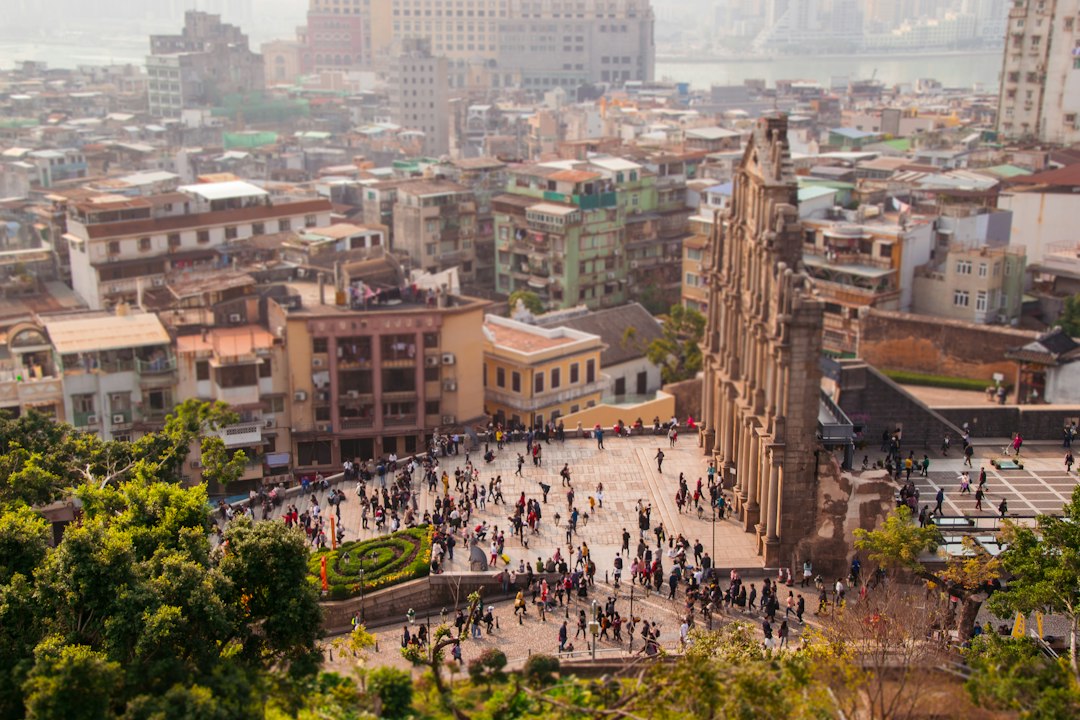
Yes, it is the most-photographed façade in Macau. Yes, every travel piece about the city uses it as a header image. And yet, almost nobody walks around it. The rear of the ruins — what remains of the 16th-century Jesuit church, gutted by fire in 1835 — is structurally raw in a way the front is not. You can see the original stonework without the restoration work, the exposed edges where the nave used to begin, the ghost of a building that was, by contemporary accounts, the most architecturally ambitious church in Asia during Christianity's early expansion into the region.

The crypt beneath the site holds the remains of Japanese and Vietnamese Christian martyrs — a detail that almost no visitor who photographs the façade ever encounters. It reframes the whole site from decorative ruin to genuinely complex historical document.
Insider tip The crypt entrance is on the left side as you face the ruins. It is small, easy to miss, and almost always quieter than the main steps — which is reason enough to find it.
4 Historic Site · 0.6 km

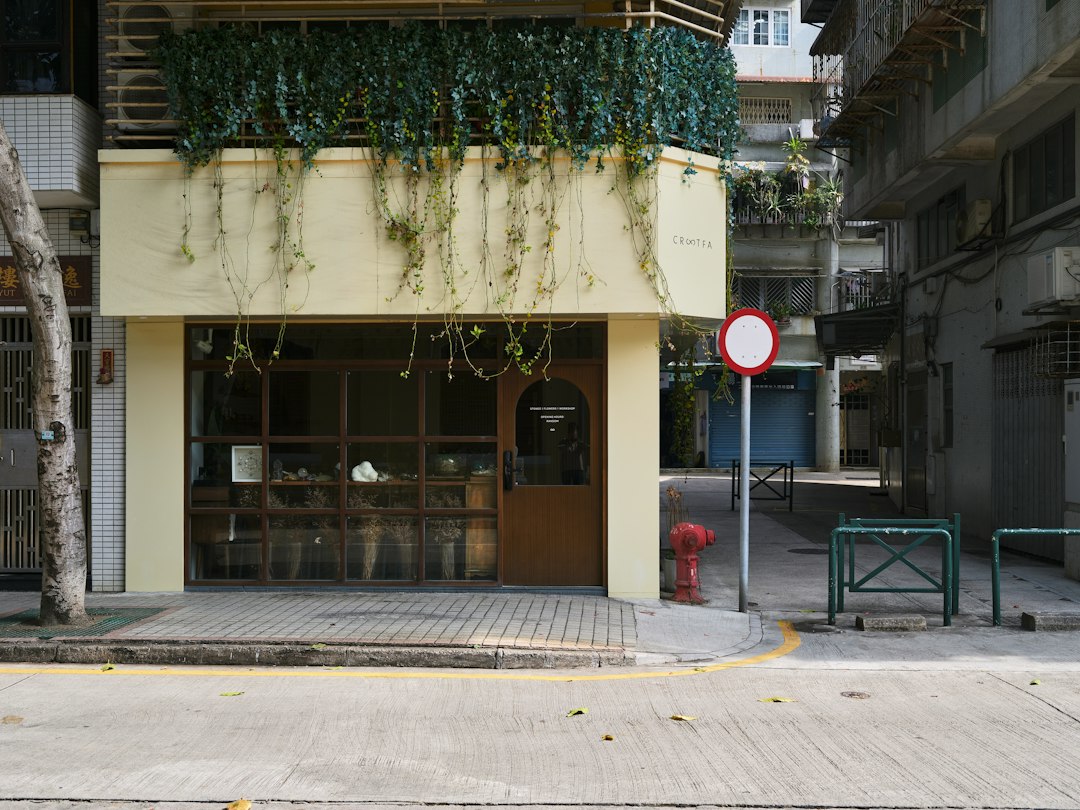
Scopri la Casa di Lou Kau a Macao: the merchant who built for posterity

Scopri la Casa di Lou Kau a Macao: the merchant who built for posterity
Lou Kau was a wealthy Cantonese merchant who built his town house in the late 19th century, and the building is a quieter, less-visited counterpart to the Mandarin's House a few streets away. Where the Mandarin's House has institutional signage and guided routes, the Casa di Lou Kau retains a more provisional feeling — as if the restoration is still being decided, or as if the building itself has not quite agreed to become a museum.

The architectural detail here is in the joinery and the tilework rather than the grand gestures. The carved wooden screens that divide the interior spaces are among the finest examples of Cantonese decorative woodwork in the city, and they are consistently underlooked by visitors who are already thinking about their next stop.
Insider tip Look up at the interior ceiling beams. The painted decorations there are in better condition than almost anything at ground level, and almost nobody notices them.
5 Historic Site · 0.6 km

Alla Scoperta del Faro di Guia a Macao: the lighthouse that outlasted its purpose

Alla Scoperta del Faro di Guia a Macao: the lighthouse that outlasted its purpose
The Guia Fortress and Lighthouse sits on the highest point of the Macau Peninsula, and the lighthouse itself — completed in 1865 — was the first Western-style lighthouse on the Chinese coast. It is still operational, which is either a bureaucratic oversight or a pleasing piece of institutional loyalty, depending on your temperament. The fortress predates the lighthouse by more than two centuries, built in the 1630s when Macau was a genuinely strategic Portuguese outpost.

The cable car that connects the fortress to the city below is, improbably, one of the more pleasant ways to arrive anywhere in Macau. The hilltop itself has a chapel — the Chapel of Our Lady of Guia — whose interior contains murals that blend Christian iconography with Chinese artistic conventions in a way that is either syncretic or confused, and the ambiguity is the point.
Insider tip The cable car runs from Flora Garden and costs very little. Take it up rather than walking — the arrival by cable car gives you the hilltop in the right sequence, with the views opening gradually rather than all at once.
Part two — A little deeper
6 Garden · 0.4 km

Il Giardino Lou Lim Ioc: the garden that teaches you to slow down

Il Giardino Lou Lim Ioc: the garden that teaches you to slow down
There are two entries in this list that refer to essentially the same garden — Lou Lim Ioc and Lou Lim Ieoc Garden — which tells you something useful about how Macau's tourism documentation was assembled. The garden was built by a wealthy Chinese merchant family in the 19th century, modelled on the classical gardens of Suzhou, and it is genuinely one of the more considered green spaces in the city. Lotus ponds, bamboo groves, pavilions placed with the kind of intentionality that requires a landscape architect who has also read philosophy.

What the garden does well is manage time. Inside it, the pace of the city becomes irrelevant. The design is specifically constructed to slow the eye — a path that curves, a view that is partially obscured, a bridge that forces you to change direction.
Insider tip Visit during the week when elderly residents come to practise music in the pavilions. It is not a performance; it is a habit, which makes it worth more.
7 Garden · 0.5 km

Lou Lim Ieoc Garden: nine turns and the logic of evil spirits

Lou Lim Ieoc Garden: nine turns and the logic of evil spirits
The nine-turn bridge — a design feature that appears in classical Chinese gardens — is here not decorative but, according to traditional belief, functional: evil spirits, being incapable of moving in anything other than straight lines, cannot follow you across it. Whether you find this charming or practical probably depends on your current circumstances. The bridge is also, photographically, one of the more interesting structures in Macau, though you will rarely see it credited in the images that circulate online.

The garden's grotto system is easy to overlook — visitors tend to stay near the ponds — but the constructed rock formations at the back of the garden are an example of a Chinese horticultural tradition that is genuinely distinct from anything in European landscape design, and worth twenty minutes of unhurried attention.
Insider tip The grotto at the rear of the garden is almost always empty. Sit in it for five minutes and notice how the garden sounds different from inside it.
8 Square · 0.7 km

Senado Square in Macao: the stage and what happens off it

Senado Square in Macao: the stage and what happens off it
Senado Square is photogenic in the way that certain places are photogenic because they were designed to be — the pastel facades, the wave-pattern Portuguese pavement, the neo-classical post office building that is, genuinely, one of the finer pieces of colonial civic architecture in Asia. None of this is secret. What is less discussed is what the square reveals about Macau's administrative history: this was the centre of Portuguese municipal power in a city where that power was always more negotiated than it appeared.

The square works best when you resist the urge to photograph it and instead sit on the steps of the Leal Senado building and watch how people actually use it — the morning tai chi practitioners, the schoolchildren on field trips, the tourists photographing the tourists.
Insider tip The interior of the Leal Senado building, which faces the square, contains a formal garden and a library that most visitors never enter. Both are open to the public and both are worth the detour.
9 Square · 1.5 km

Largo do Lilau: Il Cuore di Macao — the square that remembers water

Largo do Lilau: Il Cuore di Macao — the square that remembers water
Largo do Lilau is a small square in the São Lourenço neighbourhood, and it is named after a natural spring — the lilau — that was once considered essential to the Portuguese settlement of Macau. Sailors believed the water had particular properties; residents believed that whoever drank from it would always return to the city. The spring is now a fountain, and the square around it is quiet in a way that central Macau rarely is.

The neighbourhood surrounding it contains some of the finest preserved colonial domestic architecture in the city — the kind of buildings that appear in the background of photographs of more famous things, and are therefore consistently underexamined. The square itself is a good place to understand that Macau's Portuguese heritage was not only institutional but residential, which changes how the whole city reads.
Insider tip The streets immediately surrounding Largo do Lilau — particularly Rua do Lilau — are among the least-visited in the historic centre. Walk them in either direction and see what you find.
Part three — Off the obvious path
10 Religious Site · 0.9 km

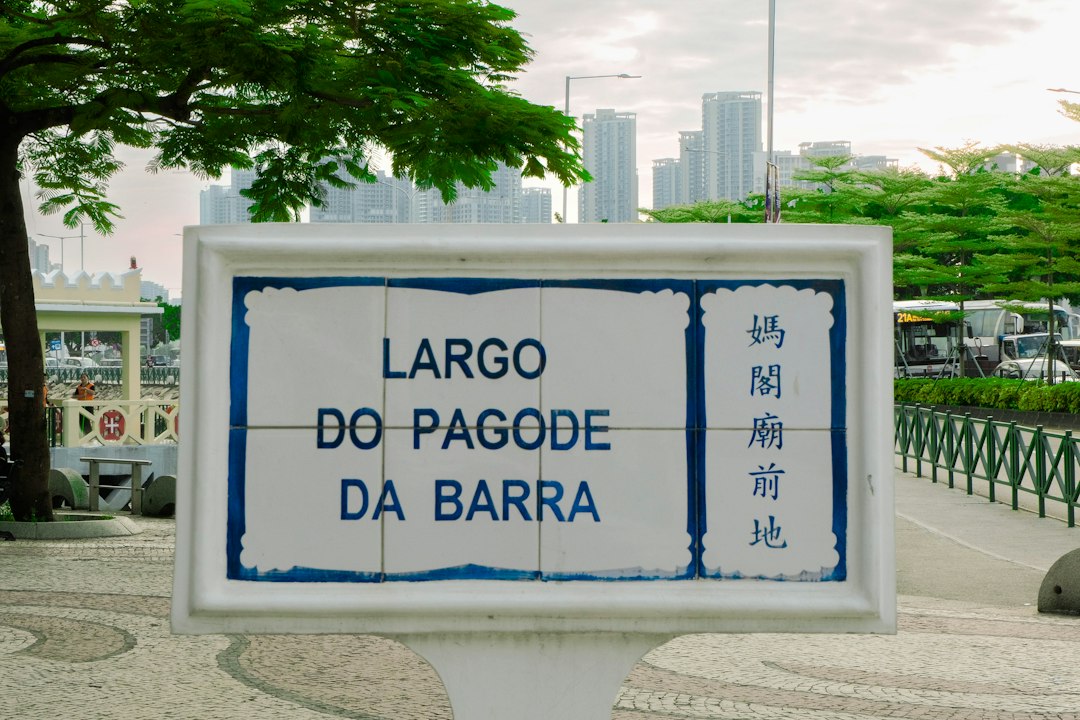
Scopri il Templo de Kun Iam a Macao: the goddess and the treaty

Scopri il Templo de Kun Iam a Macao: the goddess and the treaty
The Kun Iam Temple is dedicated to the Buddhist goddess of mercy, and it is one of the oldest and most significant temples in Macau — which makes it surprising that it appears so rarely in the standard tourist itinerary. The temple complex is large and genuinely active as a place of worship, which means that visiting it requires a degree of attentiveness that the ruins of St. Paul's do not. People are praying here. The incense smoke is not atmospheric; it is functional.

The temple has a secondary claim to historical significance: it was here, in 1844, that the first treaty between China and the United States was signed — a detail that almost nobody who visits the temple knows, and that American visitors in particular tend to find quietly disorienting.
Insider tip The garden at the rear of the temple complex contains stone tables where, according to tradition, the treaty was signed. It is peaceful, it is rarely crowded, and the historical weight of it is entirely out of proportion to its appearance.
11 Landmark · 1.7 km

Macau | The Statue of Guan Yin: the goddess facing the sea

Macau | The Statue of Guan Yin: the goddess facing the sea
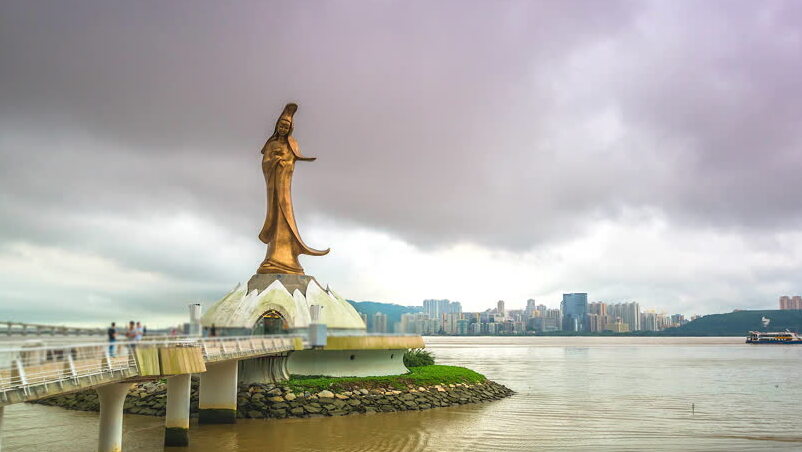
The Guan Yin statue near the Macau Cultural Centre stands on a lotus-shaped platform extending into the Outer Harbour, and at eighteen metres high it is visible from a considerable distance — which makes it strange that it functions, in practice, as one of the city's more overlooked landmarks. Part of this is location: it sits in a part of the waterfront that visitors pass through rather than visit, between the ferry terminal and the casino strip.

The statue itself is a serious piece of religious sculpture, not a tourist installation, and the small shrine at its base is actively used. Standing at the waterfront beside it, looking out toward the Pearl River Delta, you get a sense of Macau's geography — the smallness of the peninsula, the proximity of the mainland — that the interior of the city does not give you.
Insider tip The statue faces the sea, so the best light for photography is in the afternoon when the sun is behind you. But come in the morning if you want to see the shrine in use.
12 Museum · 1.0 km

Scopri il Museo del Gran Premio di Macao: speed in a city that moves slowly

Scopri il Museo del Gran Premio di Macao: speed in a city that moves slowly
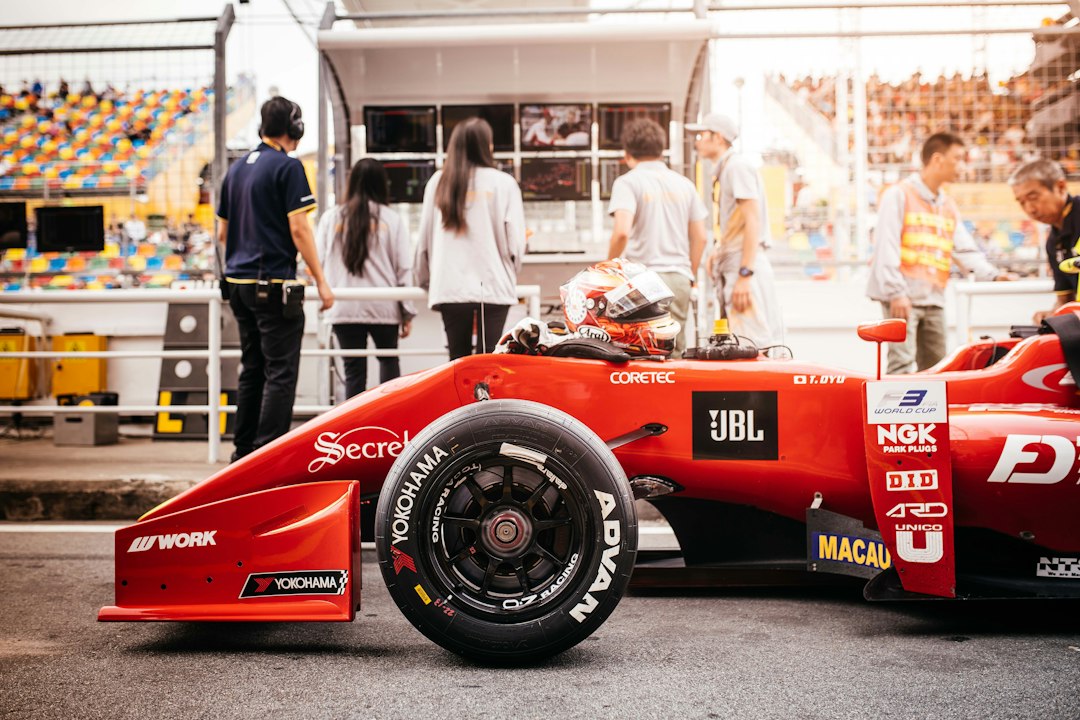
The Macau Grand Prix has been running since 1954, which makes it one of the longest-established street circuits in the world. The museum dedicated to it occupies a space near the Lisboa Hotel and contains a collection of race cars, motorcycles, and memorabilia that is more carefully curated than its modest profile suggests. For anyone with even a passing interest in motorsport history, it is a genuinely engaging hour.

What makes it interesting beyond the racing content is what it reveals about Macau's self-image. A small territory that has hosted an international motor race for decades, threading cars through streets that are also used for ordinary life — there is something about that particular ambition that is very Macau: pragmatic, slightly improbable, and completely committed.
Insider tip The museum is free to enter, which means it is both undersupported and undervisited. The collection of Formula Three cars from the 1980s and 1990s is particularly well-presented.
13 Viewpoint · 2.2 km

Macau Tower: vertigo as a point of view

Macau Tower: vertigo as a point of view
At 338 metres, the Macau Tower is tall enough to make the geography of the territory legible in a way that ground-level exploration cannot. From the 61st-floor observation deck, the relationship between the peninsula, the islands of Taipa and Coloane, and the Chinese mainland becomes clear — and Macau's smallness, which is easy to forget when you are inside it, becomes suddenly apparent. The tower also offers, for those with a particular appetite for controlled fear, a skywalk around the exterior rim and a bungee jump that holds various records.

The tower is unambiguously a tourist attraction, but the view it provides is genuinely useful for anyone trying to understand how the territory is organised. Think of it as orientation rather than entertainment.
Insider tip The observation deck is significantly less crowded on weekday mornings. On a clear day you can see well into Guangdong province, which reframes the whole idea of where Macau ends.
Part four — Around and beyond
14 Village · 5.4 km

Scoprire Vila da Taipa: il Cuore Verde di Macao — the village the casinos forgot

Scoprire Vila da Taipa: il Cuore Verde di Macao — the village the casinos forgot
Vila da Taipa sits on the island of Taipa, surrounded by casino developments that have no interest in its existence, and it is better for it. The village has a main street — Rua do Cunha — that is genuinely lively without being manufactured, lined with small restaurants and shops that serve a local clientele as much as a tourist one. The Taipa Houses Museum nearby preserves a row of early 20th-century Portuguese-style villas that give a sense of what the island looked like before the reclamation projects changed its coastline.

The village works as a corrective to the casino Macau that surrounds it. Walking its streets, you remember that the territory has a residential life, a neighbourhood scale, a pace that is not determined by gaming revenue.
Insider tip The back streets of Vila da Taipa — away from Rua do Cunha — have small neighbourhood temples and local shops that see very few visitors. Give yourself an extra thirty minutes to get lost in them.
15 Beach · 9.0 km

Scopri Hac Sa Beach: Il Tesoro Nascosto di Macao — the black sand at the end of the road

Scopri Hac Sa Beach: Il Tesoro Nascosto di Macao — the black sand at the end of the road
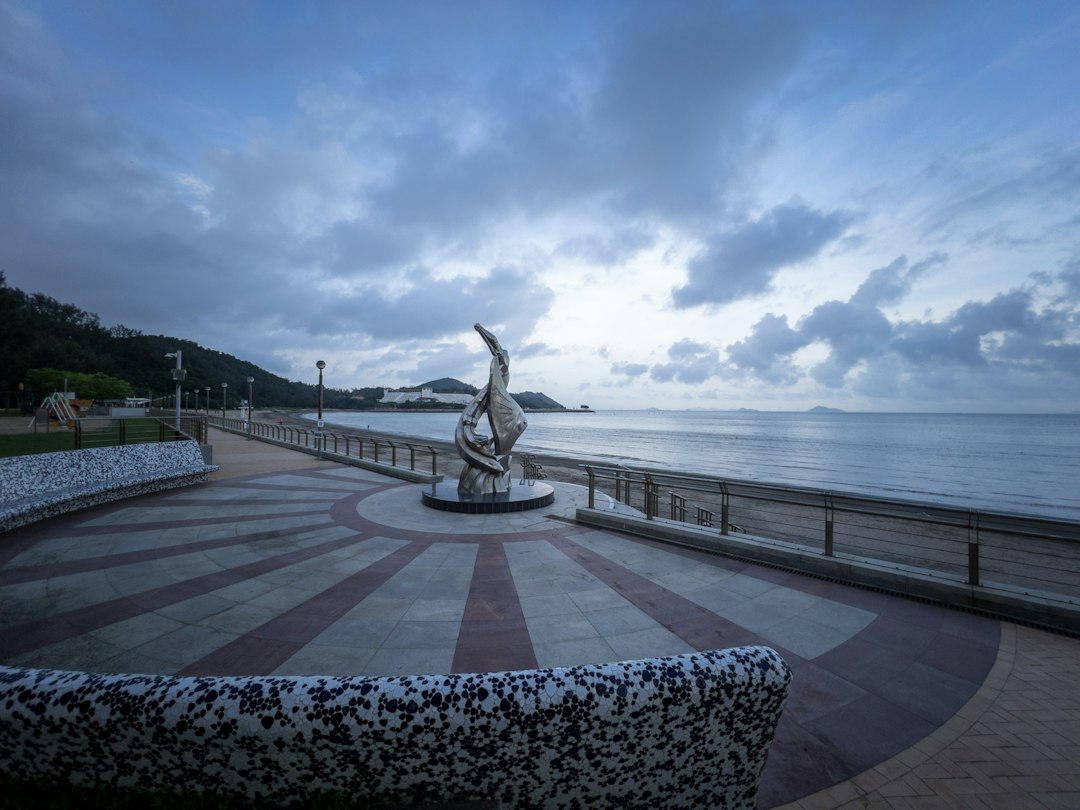
Hac Sa — which translates, accurately, as 'black sand' — is on the southern coast of Coloane, the southernmost island of Macau, and it is far enough from the casino strip to feel like a different country. The sand is dark, volcanic in origin, and the beach is backed by a park with barbecue facilities that are used enthusiastically by local families on weekends. It is not a tropical postcard beach. It is a real beach, used by real people, which is a rarer thing than it sounds.

The drive or bus ride to Hac Sa is itself worthwhile — Coloane is the least developed part of Macau, and the road south passes through a landscape that has resisted the reclamation and construction that has transformed the rest of the territory.
Insider tip Come on a weekday if you want the beach relatively quiet, or on a weekend evening if you want to see how Macau residents actually spend their leisure time. Both are valid. The bus from the ferry terminal takes about forty minutes.
There is a version of Macau that is easy to consume: the ruins, the square, the custard tarts, the casino floor. That version is real, and there is nothing wrong with it. But cities are not menus, and the most interesting thing about any place is usually what it does not offer you directly — what requires a wrong turn, an unhurried morning, or the mild inconvenience of taking a bus to the end of the line.

Macau is a city that has survived an improbable amount of history — Portuguese colonialism, Japanese occupation, the handover, the casino boom — and it has not come through all of that unchanged. The changes are in the streets, the buildings, the gardens, the quiet squares where a spring used to run. You do not need to be a historian to feel them. You just need to look at something other than the thing you came to photograph.

The city will reward the attempt. It usually does.
🏆 Pocket guide

Take this guide with you.

Save it offline, get walking directions, and discover thousands more places like the ones you just read.

Save offline Smart routes Hidden gems
Scan to download iOS / Android
Scan for AppGallery Huawei users

All places, on a map

Map data © OpenStreetMap contributors.

Frequently asked questions

How do I get to the outlying islands — Taipa and Coloane — from the Macau Peninsula?

Public buses connect the peninsula to both Taipa and Coloane and are reliable, inexpensive, and run frequently. Taxis are also widely available and reasonably priced by regional standards. Coloane in particular — where Hac Sa Beach is located — requires a bus or taxi, as it is the furthest point from the ferry terminals. Journey times from the peninsula range from about fifteen minutes to Taipa to around forty minutes to the southern end of Coloane.

Is Macau worth visiting for more than a day trip from Hong Kong?

Emphatically yes, though the territory's compact size means many visitors treat it as a day trip and leave believing they have seen it. A minimum of two nights allows you to visit the outlying islands, explore the historic centre at a pace that is not determined by a ferry schedule, and experience the city at different times of day — which matters, because Macau in the early morning and Macau in the evening are genuinely different places.

What is the best way to get around within the Macau Peninsula itself?

Walking is the most practical option for the historic centre, which is compact and dense with points of interest. Most of the sites in this list are within one to two kilometres of Senado Square. For the Guia Fortress and Lighthouse, the cable car from Flora Garden is the most pleasant option. Taxis are cheap and plentiful for longer distances, and casino shuttle buses — which are free and run frequently — can be useful for reaching parts of the peninsula that are further from the centre.

Are the historic sites and museums in Macau generally free to enter?

Many are. The Mandarin's House, the Casa de Lou Kau, the Kun Iam Temple, the Guan Yin statue area, and the Lou Lim Ieoc Garden are all free or very low cost. The Grand Prix Museum is free. The Macau Tower observation deck charges an admission fee. It is worth checking current opening hours before visiting, as some historic houses have limited opening days.

When is the best time of year to visit Macau?

October to December is generally considered the most comfortable period: the humidity of the summer months has dropped, typhoon season has passed, and the light is good for walking and photography. Spring — March to May — is also pleasant, though humid. Summer (June to September) brings heat, high humidity, and the possibility of typhoons, which can disrupt ferry services from Hong Kong. The Macau Grand Prix, held in November, brings significant crowds and higher hotel prices but is worth planning around if motorsport is of interest.

🏆 Read this offline

Save it to your phone.

Bookmark this guide, plan your trip offline, and discover thousands of places like these.

Bookmark Plan offline 60 languages
Scan to download iOS / Android
Scan for AppGallery Huawei users
Secret World Hidden places, real stories — plan your trip
Get the app
