15 Hidden Gems in Marina Bay — beyond the postcard
The places that even curious travellers walk past, and why that's worth fixing
L
Words by
Lena Hofmann
Updated
15 October 2026
Read time
12 minutes
Includes
15 places · interactive map
Here is the honest problem with Marina Bay: it is one of the most photographed urban waterfronts on earth, and yet most people who visit it see almost nothing of it. They arrive, they tilt their phones upward at the same three silhouettes, they leave with images indistinguishable from ten million others. The city has been so thoroughly pre-digested by travel content that the act of discovery feels like it has been outsourced. You arrive already knowing what you are supposed to feel.
I have been coming to Singapore for years, and I still catch myself walking past things I have never properly stopped for. That is not because the city hides them — Singapore is constitutionally incapable of hiding anything, really — but because the gravitational pull of the obvious is so strong. The light show, the rooftop, the gardens: they are genuinely worth your time, but they also function as a kind of decoy, drawing the crowd's gaze in one direction while the quieter, stranger, more rewarding things sit just slightly off-axis.
What follows is not a list of secrets. Most of these places appear on maps, in brochures, in databases. The reason they feel hidden has less to do with obscurity than with attention. We have collectively agreed to look at Marina Bay in a particular way, and that agreement costs us more than we realise. These fifteen entries are an attempt to look differently — at the same skyline, the same waterfront, the same island — and find what the postcard consistently forgets to include.
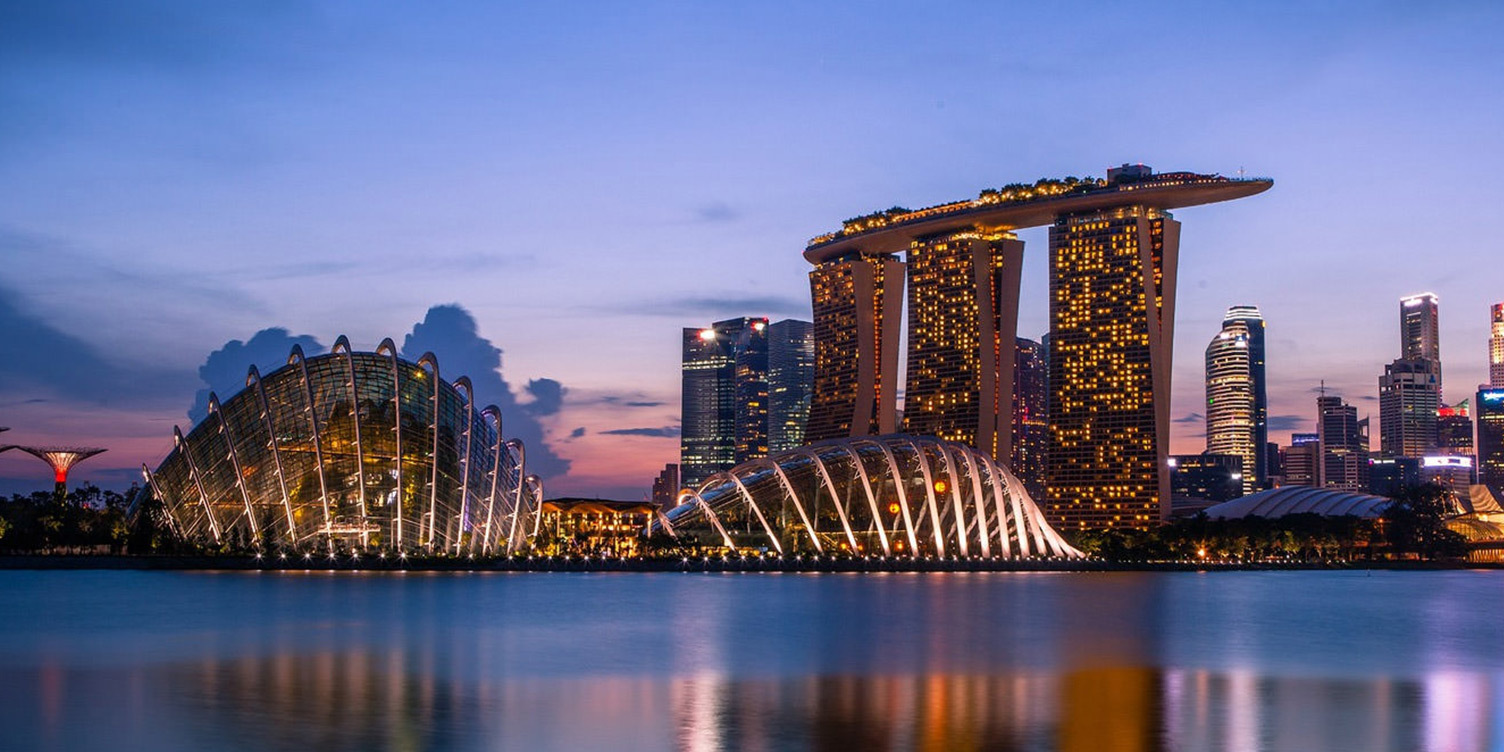
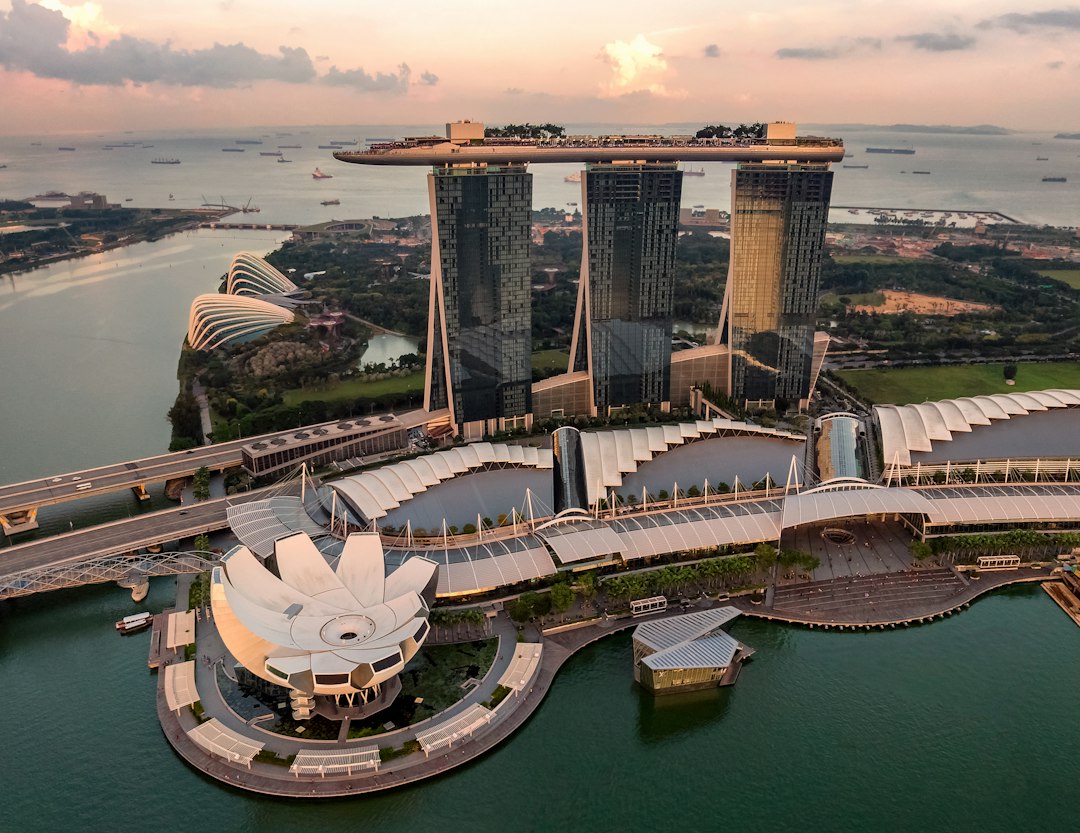
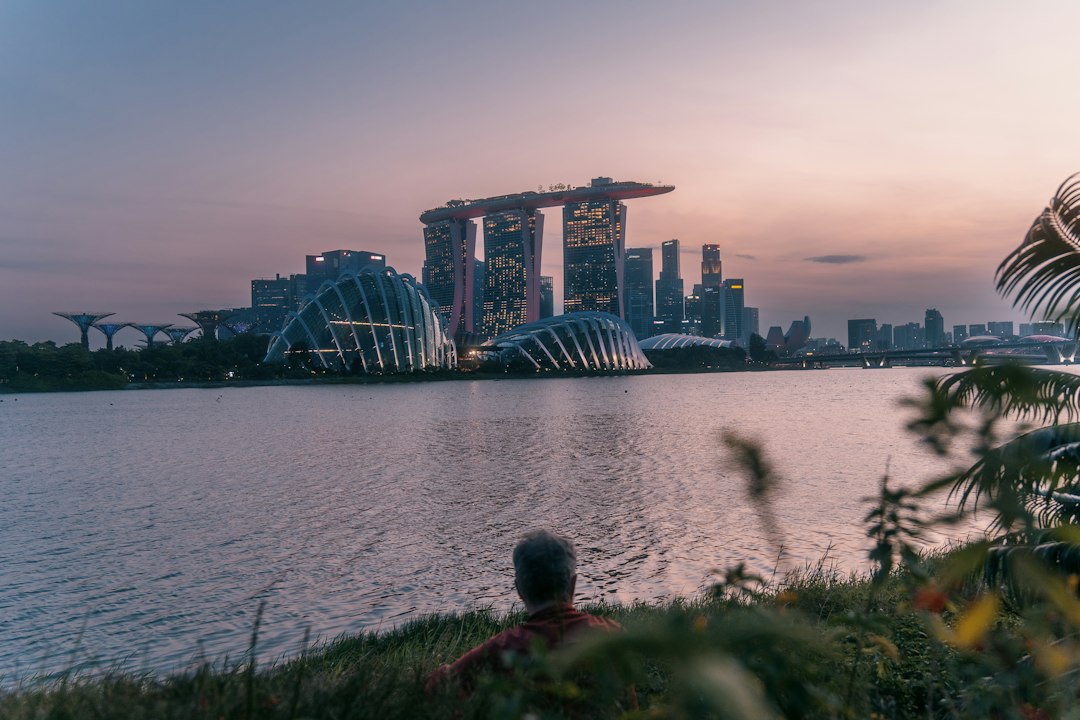
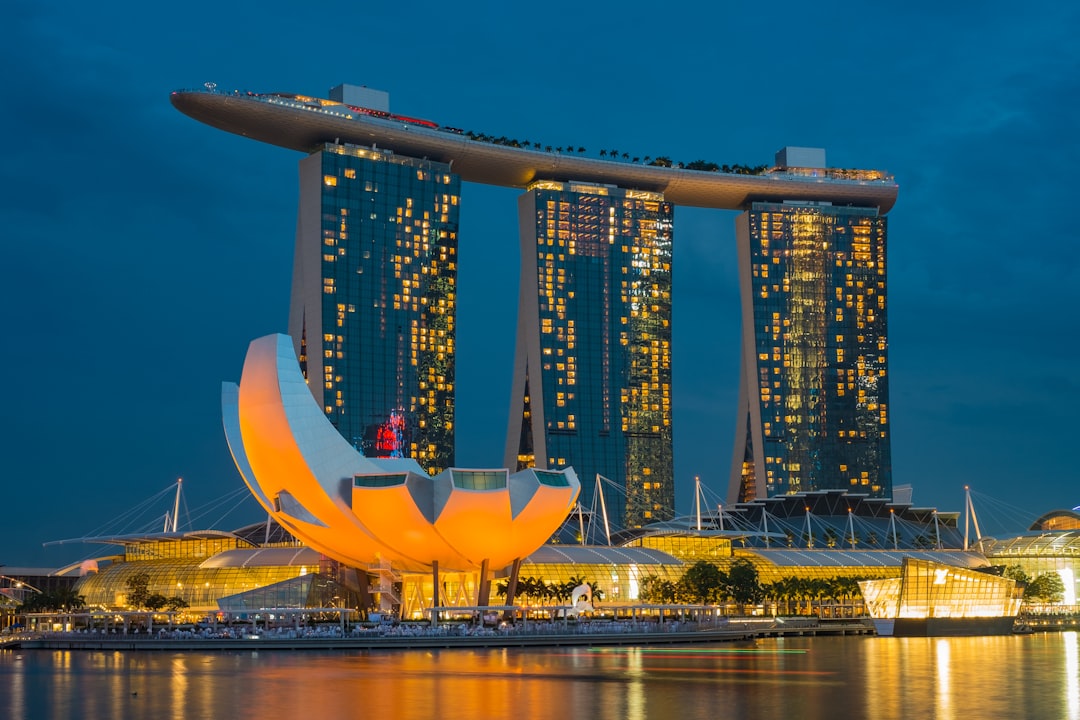
The SkyPark Observation Deck sits at the 86th floor of Marina Bay Sands, that ship-shaped structure balanced across three towers that has become Singapore's most recognisable silhouette. Everyone knows it exists. Far fewer people slow down once they are up there. The tendency is to photograph in every direction and leave, which means missing the way the city's logic reveals itself from altitude — the green corridors, the reservoir catchments, the almost surgical planning of a state that has always treated land as a finite resource to be reasoned with rather than squandered. Stand at the northern edge on a clear afternoon and the causeway to Malaysia is visible. Stand at the southern edge and you are looking at container shipping lanes that move more cargo than most people can conceptualise. The deck rewards stillness far more than it rewards the shutter finger.
Insider tip
Arrive in the late afternoon rather than at sunset — the crowds thin slightly and the quality of light on the financial district towers is considerably more interesting than the theatrical orange-and-pink that everyone waits for.
2Arte, Teatri e Musei· 0.4 km
The Artscience Museum of Singapore: the building that most visitors photograph from the outside and then somehow skip
Moshe Safdie designed the ArtScience Museum as a lotus form, ten petals rising from the waterfront, and the result is one of the more quietly eccentric pieces of architecture in Southeast Asia. The irony is that it appears in the background of approximately half of all Marina Bay Sands photographs and is nonetheless under-visited relative to its neighbour. Inside, the museum operates across two major exhibition spaces that deliberately blur the boundary between artistic practice and scientific inquiry — a pairing that sounds programmatic until you are actually standing in a gallery where the two genuinely converge. The permanent collection is less interesting than the rotating exhibitions, which have hosted everything from digital art retrospectives to explorations of ocean science. The atrium, with its oculus that funnels rainwater into a central pool, is itself worth the entrance price.
Insider tip
The ground-floor atrium is publicly accessible without a ticket — worth a ten-minute stop even if you are not entering the galleries, particularly when it is raining and the water feature is active.
The Fullerton Building occupies the mouth of the Singapore River with the kind of Palladian self-confidence that colonial architecture reserved for institutions it expected to last forever. It was built in the 1920s as the General Post Office, and for decades it was the communications hub of a trading city that depended on correspondence the way a later generation would depend on bandwidth. The building has since been converted into a luxury hotel, which means most travellers now see it as a backdrop rather than a destination. That is a pity, because the facade — its Doric columns, its rusticated base, the way it anchors the river mouth — tells a story about Singapore's early commercial ambitions that no amount of signage can quite replicate. The ground-floor public areas are accessible and worth a slow walk through.
Insider tip
The riverside terrace facing Cavenagh Bridge is one of the quieter spots along the entire waterfront — locals tend to use it in the early morning, before the tour groups arrive.
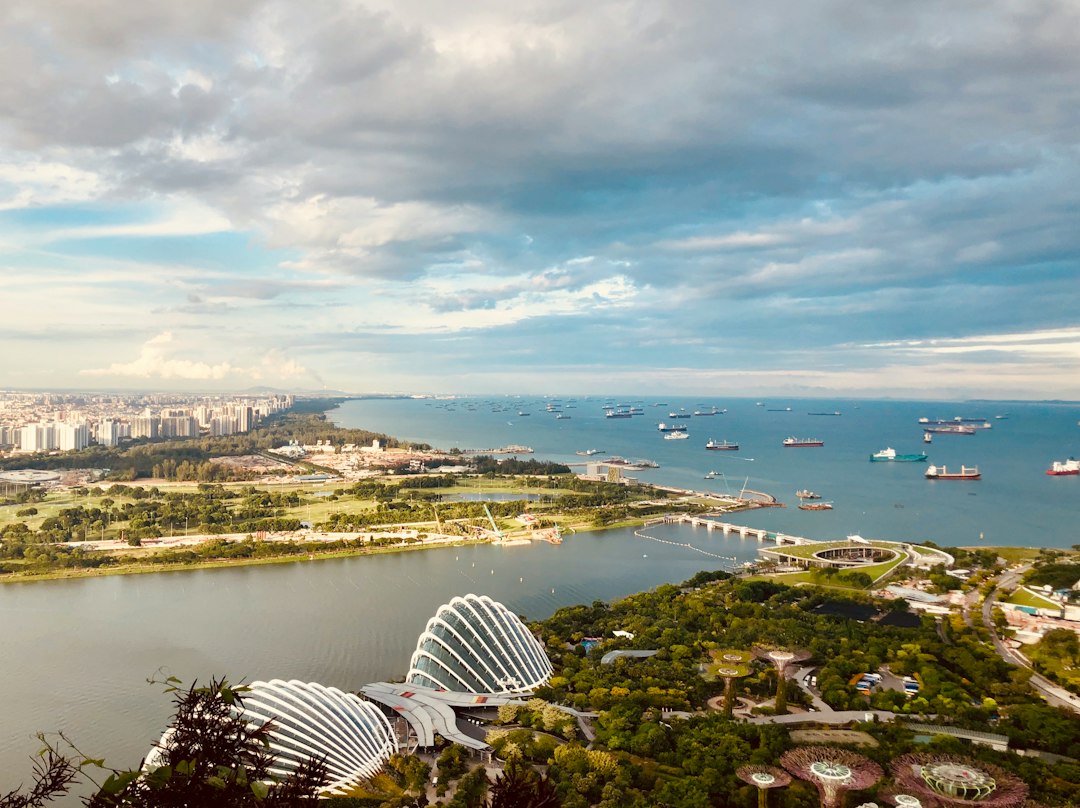
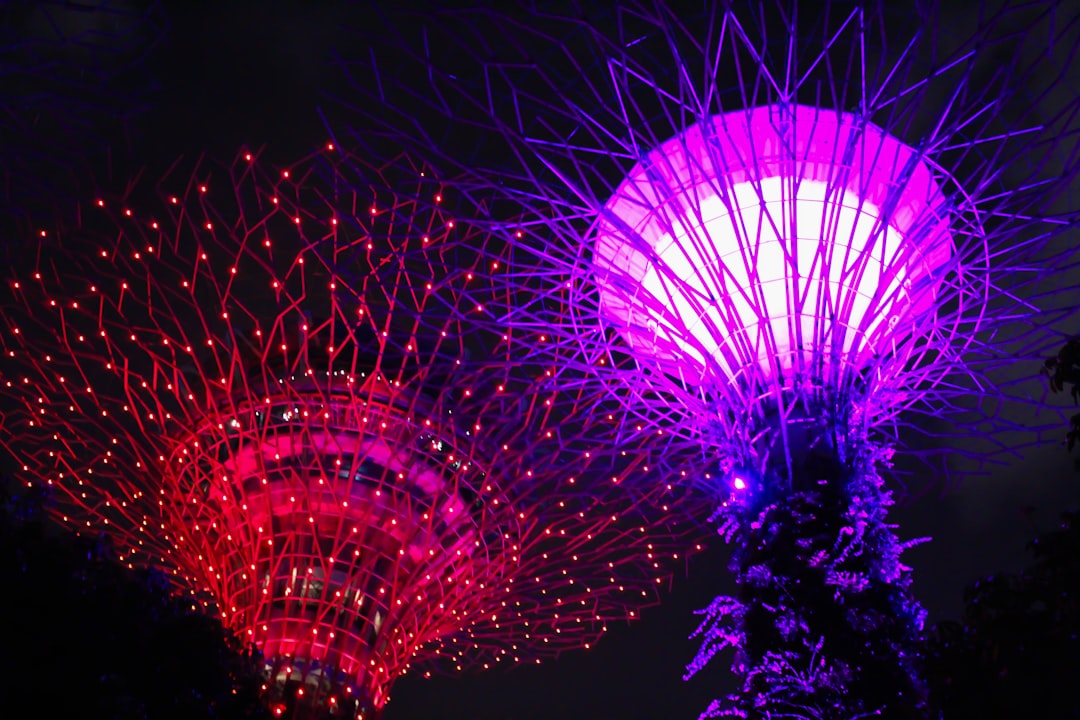
The entry in the database flags this as an arts and museums category, which is a slightly strange classification for what is, in physical terms, one of the most ambitious horticultural engineering projects of the twenty-first century. Positioned at the heart of Marina Bay's reclaimed land, the gardens represent a kind of argument about what a city can choose to do with its waterfront — not just build on it, but cultivate it, cool it, and make it legible as a living system. The Supertrees are the image everyone takes home, but the more interesting story is in the engineering: the biomass energy systems, the climate control of the conservatories, the sheer logistical audacity of maintaining tropical biodiversity at this scale in a city-state that has almost no natural hinterland. That story is told quietly, in interpretive panels that most visitors walk past.
Insider tip
The OCBC Skyway, the aerial walkway connecting the Supertrees, is far less crowded in the hour after it opens in the morning — the light is better and you can actually stop and look without being nudged forward.
Lau Pa Sat is one of those places that sits in plain sight — it is listed in every guidebook, it appears on every food tour — and still manages to be underappreciated, because most people arrive knowing only that it is a hawker centre and leave without registering what they have actually been inside. The cast-iron structure was prefabricated in Glasgow in the 1890s and shipped to Singapore, making it one of the finest examples of Victorian market architecture in Asia. The octagonal form, the ornamental ironwork, the way the open sides allow the city air to move through — these are details worth noticing before you order. The food is the draw, obviously, and the satay stalls that set up on Boon Tat Street in the evenings are the correct place to start. But the building itself is the hidden layer that most people consume without seeing.
Insider tip
Come on a weekday lunch rather than a weekend evening — the crowd is predominantly office workers rather than tourists, the pace is faster, and the stalls that cater to regulars rather than visitors tend to be running their best dishes.
6Fontane, Piazze e Ponti· 1.3 km
The Fountain of Wealth in Singapore: a Guinness record that the city has largely forgotten to be proud of
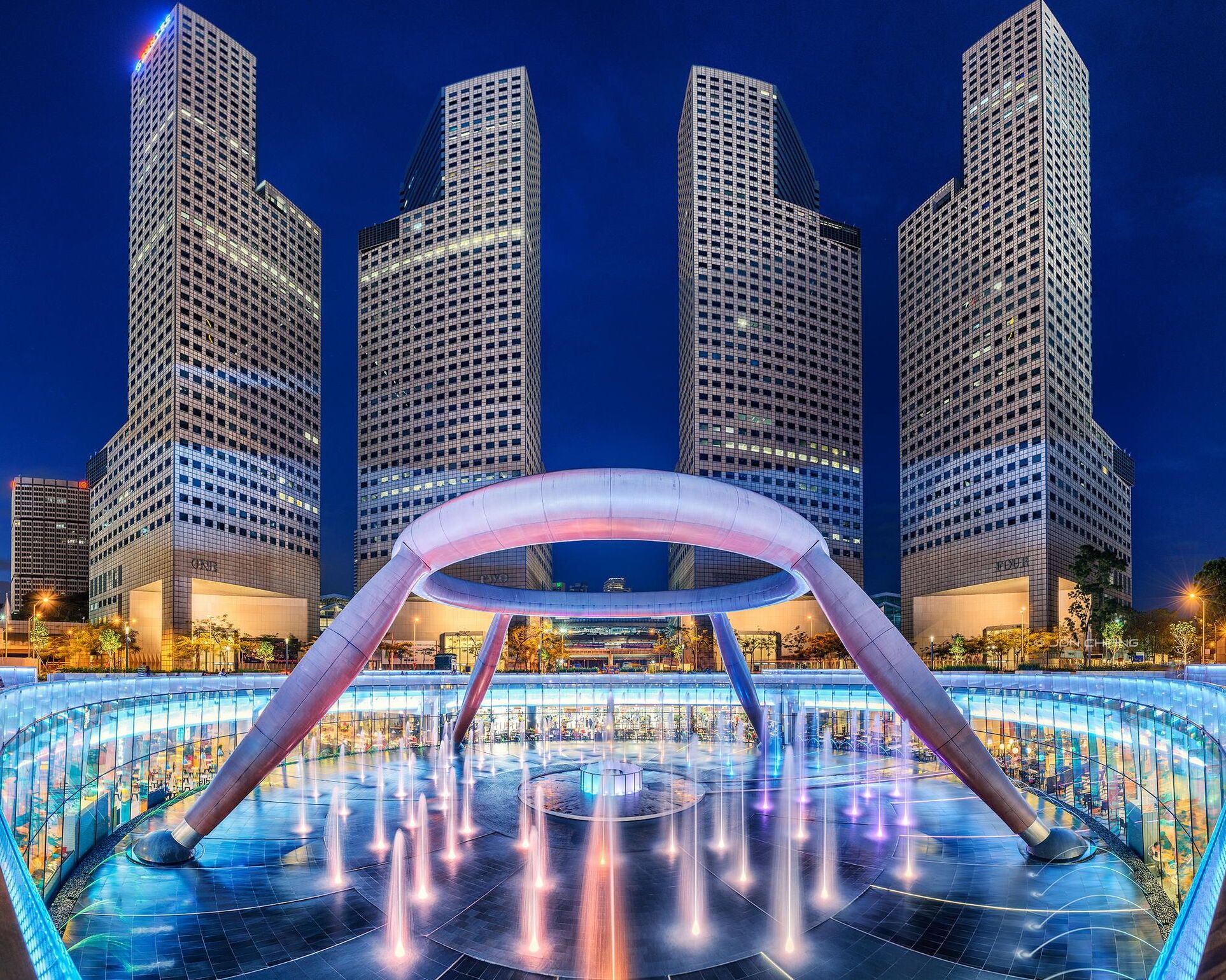
The Fountain of Wealth sits inside Suntec City, a shopping mall complex that is itself somewhat overlooked in the era of newer, shinier retail destinations. Constructed in 1995 and recognised by the Guinness Book of Records as the world's largest fountain at the time, it is a piece of civic symbolism that Singapore took seriously in ways that seem slightly earnest by contemporary standards — the ring design references the five towers of Suntec City arranged in the shape of a hand, the water representing wealth flowing inward. It is the kind of place that appears on no one's shortlist and yet rewards a visit precisely because of its unfashionability. The surrounding mall has aged in ways that the newer waterfront developments have not, and there is something honest about that.
Insider tip
There are specific times of day when the fountain is lowered and visitors can walk through the inner ring — local belief holds that touching the water brings good fortune, and watching people do so is quietly charming.
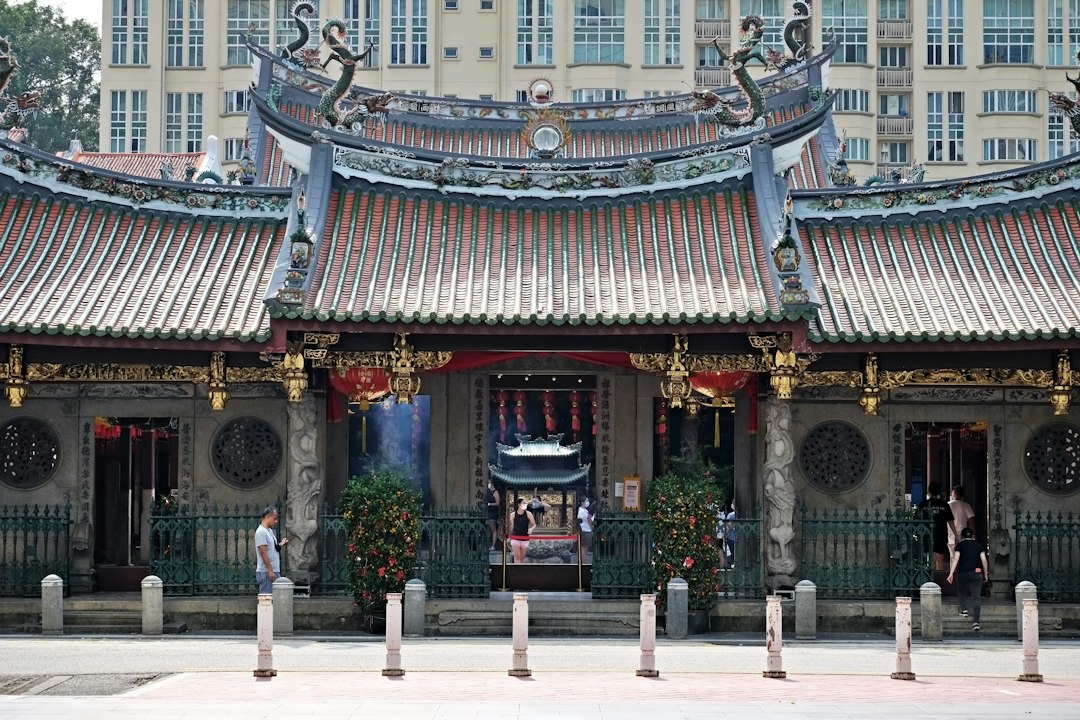
Thian Hock Keng is one of Singapore's oldest Hokkien temples, built in the 1840s on what was then the shoreline — a fact that requires a moment to absorb, given that the sea is now several hundred metres away, pushed back by decades of land reclamation. The temple was a place of thanksgiving for sailors who had survived the crossing from southern China, and that original function gives it a gravity that newer religious sites rarely achieve. The architecture is southern Chinese in style, with ceramic figurines along the roof ridges and a courtyard that filters out the surrounding city with surprising completeness. It sits on Telok Ayer Street, which is itself worth a slow walk for its concentration of conserved shophouses and the way it holds the memory of a waterfront that no longer exists.
Insider tip
Visit on a weekday morning when the incense smoke is thickest and the temple is being used for its actual purpose rather than as a photographic subject — the atmosphere is categorically different from a weekend afternoon.
8Folklore· 1.8 km
Chinatown in Singapore: the neighbourhood that survived its own restoration
Singapore's Chinatown is one of those places that tourism has both preserved and, in certain lights, slightly hollowed out. The shophouses are beautifully restored, the streets are photogenic, and the souvenir density is high. And yet the neighbourhood repays a more patient visit than the standard circuit suggests. The back streets still contain working temples, traditional medicine halls, and the kind of provision shops that serve a local population rather than a visiting one. The area dates to 1819, when Raffles designated it for the Chinese community, and the layers of that history are still legible if you are willing to look past the surface commerce. The distinction between the streets that have been optimised for visitors and the ones that have not is noticeable and worth navigating deliberately.
Insider tip
The Sri Mariamman Temple on South Bridge Road — a Hindu temple in the middle of Chinatown, which tells you something about the actual complexity of Singapore's ethnic geography — is frequently overlooked by visitors focused on the Chinese heritage narrative.
MacRitchie Reservoir sits at roughly eight kilometres from the Marina Bay centre, which places it comfortably outside the usual tourist radius — and that distance is precisely what makes it worth the journey. Singapore's central water catchment area is one of the more remarkable urban planning decisions in the region: a preserved forest of secondary and primary growth in the middle of one of the densest cities on earth, functioning simultaneously as water infrastructure, biodiversity corridor, and recreational space. The treetop walk, a suspension bridge through the forest canopy, offers a perspective on Singapore that is the categorical opposite of the skyline view. The sounds are different, the light is different, the pace is different. It is the same city and it is completely unrecognisable.
Insider tip
The treetop walk requires a one-way hike of several kilometres to reach — plan for a half-day minimum and bring water. The macaques along the trail are habituated to humans and will investigate unattended bags with professional thoroughness.
Mount Faber is the hill that most visitors to Sentosa see from the cable car without ever actually visiting. At roughly 105 metres, it is not a dramatic elevation by any global standard, but in Singapore's flat topography it constitutes a genuine vantage point, and the park that surrounds the summit has a quiet, slightly faded elegance that the more aggressively developed parts of the island lack. The road itself is one of the more pleasant drives in Singapore — winding through secondary forest with occasional clearings that frame the southern harbour and the container port beyond. The cable car terminal at the top is functional and somewhat touristy, but walk ten minutes from it in either direction and you are largely alone with the trees and the view.
Insider tip
The evening light from the western side of the hill, looking toward the port, is considerably more interesting photographically than the standard southern harbour view — the scale of the container operations becomes apparent in a way that is genuinely thought-provoking.
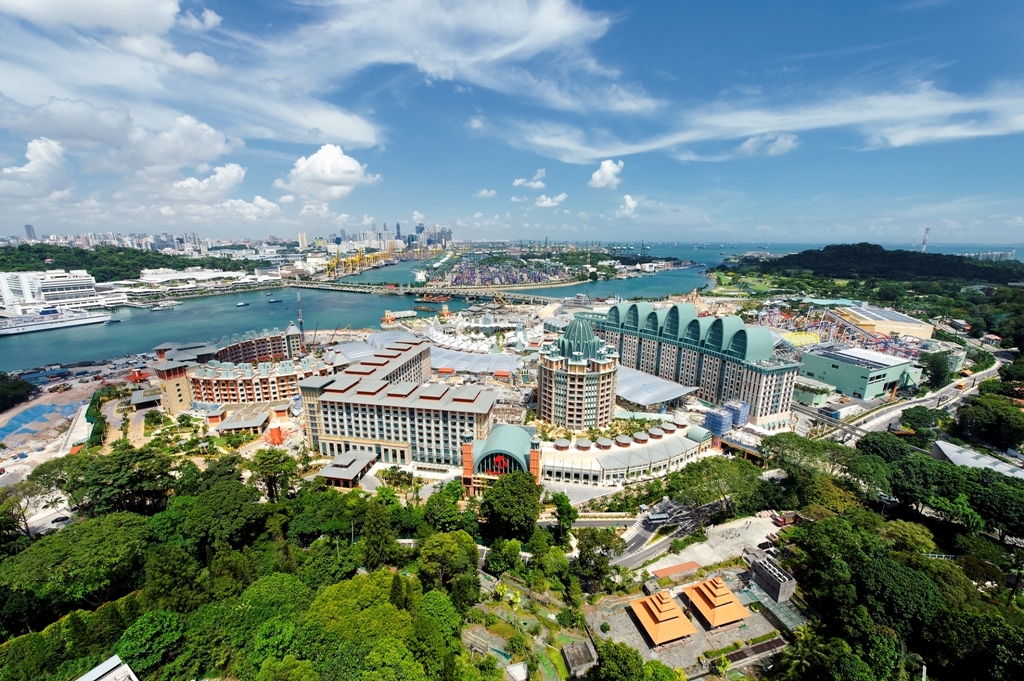
Sentosa is easy to dismiss — it is, by design, a pleasure island, and it performs that function with a relentlessness that can feel exhausting. But the island has a history that the current development has not entirely erased. It was a British military base, then a prisoner-of-war camp during the Japanese occupation, then a Malay fishing village, before its transformation into a resort destination. The Fort Siloso site preserves some of this military past, and the coastal trails on the less-developed western end of the island offer a version of Sentosa that predates the theme park era. The beaches, for all their artificiality — the sand is imported — are genuinely pleasant in the early morning before the crowds arrive. The island rewards the visitor who arrives before ten and leaves before noon.
Insider tip
The Sentosa Nature Discovery trail on the western end of the island passes through secondary rainforest that most resort guests never find — it is short, well-maintained, and offers a complete tonal contrast to the Universal Studios end of the island.
Fort Canning Park sits at about two kilometres from Marina Bay's centre, which places it within comfortable walking distance and yet outside the gravitational pull of the waterfront. The hill has been continuously significant for at least seven centuries — it was the site of the royal palace of the Malay kings before Raffles arrived, then a British military fort, then a command centre during the Second World War. The underground bunker where the decision to surrender Singapore to Japanese forces was made in 1942 is now a museum, and it is one of the more sobering historical sites in a city that sometimes prefers to look forward rather than back. The park itself is a green corridor through the civic district, with spice gardens, Gothic gate fragments, and views that most people who work nearby have never properly stopped to take in.
Insider tip
The Battle Box museum inside the hill is small but genuinely affecting — the preserved operations room, with its period communications equipment, makes the events of February 1942 feel uncomfortably immediate in a way that larger museums rarely achieve.
There is a version of Gardens by the Bay that exists entirely in logistics — the advance booking systems, the timed entry slots, the navigation tools that have become necessary for a site of this scale and popularity. This entry in the database points toward that infrastructure layer, and it is worth thinking about what it reveals: that a garden this ambitious requires a planning apparatus that is itself a kind of attraction. The apps and digital tools designed for the site reflect Singapore's broader relationship with managed experience — the city is extraordinarily good at making complexity feel seamless, and the systems built around Gardens by the Bay are a case study in that competence. Understanding how to use them before you arrive is not just practical; it changes the quality of the visit in ways that are difficult to overstate.
Insider tip
Booking the Flower Dome and Cloud Forest entry in advance — rather than on arrival — typically saves between thirty minutes and an hour of queuing, and the difference in experience between a crowded and an uncrowded conservatory is significant.
The conservatories — the Flower Dome and the Cloud Forest — are the ticketed, climate-controlled heart of Gardens by the Bay, and they are genuinely impressive. But the outdoor gardens that surround them are free, and they are where the site's ambition is most legible at human scale. The Bay South Garden stretches along the waterfront with a variety of themed planting areas, heritage gardens, and the kind of horticultural detail that rewards slow walking rather than purposeful transit. The site was inaugurated in 2012 on reclaimed land that was, not long before, open water — the speed of that transformation is part of what makes it worth understanding rather than simply photographing. The outdoor sections are at their best in the early morning, when the temperature is manageable and the light is low and directional.
Insider tip
The Heritage Gardens section — which includes Chinese, Malay, Indian, and colonial garden traditions — is consistently under-visited relative to the Supertree Grove and deserves at least forty-five minutes of deliberate attention.
This entry sits at the intersection of travel infrastructure and destination itself, pointing toward the growing ecosystem of AI-assisted planning tools being developed around Marina Bay as a test case for intelligent urban tourism. Singapore has long treated its tourism infrastructure as a form of soft power, and the deployment of machine-learning tools to personalise visitor itineraries is a natural extension of that philosophy. What is interesting from a traveller's perspective is not the technology per se but what it reveals about how the city thinks about its own complexity — the assumption that Marina Bay is legible enough to be algorithmically navigated, and that the gap between what most visitors see and what the area contains is wide enough to require active bridging. That gap is precisely what this entire list is attempting to address by less automated means.
Insider tip
Whatever planning tool you use, build in at least one unscheduled hour per day in Marina Bay — the area's scale and density mean that the most interesting discoveries consistently happen in the transitions between planned stops rather than at the stops themselves.
The honest conclusion, after spending time with all fifteen of these places, is that Marina Bay's hiddenness is not geographical. Nothing here requires a long journey or insider knowledge or a contact who knows a contact. What it requires is a willingness to be slightly less efficient — to walk past the obvious thing, to sit somewhere for longer than the photograph demands, to let a place be more complicated than its reputation suggests.
Singapore is a city that rewards that kind of attention disproportionately, because it has been so thoroughly planned that the gaps in the plan are genuinely surprising when you find them. The forest inside the reservoir, the colonial building that became a hotel, the Victorian ironwork that became a hawker centre — these are not accidents. They are the residue of a city that has been continuously reinventing itself for two centuries and has not always managed to erase what came before.
That residue is where the real travel is. Not in the postcard, but in what the postcard crops out.
🏆 Pocket guide
Take this guide with you.
Save it offline, get walking directions, and discover thousands more places like the ones you just read.
How many days do you realistically need to cover the Marina Bay area properly, including the less obvious sites?
Three full days is a reasonable minimum if you want to move beyond the main waterfront attractions. Day one for the immediate bay area — the observation deck, the ArtScience Museum, the Fullerton Building. Day two for the slightly further sites — Chinatown, Thian Hock Keng, Lau Pa Sat. Day three for the green spaces and outlying areas, including Fort Canning Park and, if your legs are willing, MacRitchie Reservoir. Sentosa and Mount Faber can be combined into a half-day if you are selective about what you do on the island.
Which of these sites are free to enter, and which require advance booking?
The outdoor areas of Gardens by the Bay, Fort Canning Park, Chinatown's streets, the Fullerton Building's public areas, and Thian Hock Keng Temple are all free. The SkyPark Observation Deck, the ArtScience Museum, the Gardens by the Bay conservatories, and the Battle Box at Fort Canning require paid entry. The observation deck and conservatories benefit significantly from advance booking, particularly on weekends and public holidays, when queues can be substantial.
Is public transport adequate for reaching all of these sites, or is a taxi or ride-share necessary for some?
The MRT system covers the Marina Bay area very well, and most of the central sites — the ArtScience Museum, Lau Pa Sat, Thian Hock Keng, Chinatown — are within comfortable walking distance of stations. MacRitchie Reservoir requires either a bus connection or a ride-share from the nearest MRT station. Mount Faber is most conveniently reached by taxi or ride-share, though it is walkable from HarbourFront MRT for those who enjoy a hill. Sentosa is connected by MRT, cable car, and a pedestrian boardwalk from VivoCity mall.
What is the best time of year to visit Marina Bay, given Singapore's climate?
Singapore sits close to the equator and maintains high humidity and temperatures throughout the year, so there is no dramatically better season in the European sense. The northeast monsoon season, roughly November through January, brings heavier rainfall, particularly in the evenings — which can actually be atmospheric at the waterfront but makes outdoor exploration less comfortable. February through April tends to be drier and slightly less oppressive in terms of heat. Regardless of when you visit, plan outdoor activities for early morning and use the middle of the day for indoor sites like the museums and conservatories.
Are there practical tools or apps that genuinely improve the Marina Bay experience, beyond standard mapping applications?
The official Gardens by the Bay app is worth downloading before your visit — it includes real-time queue information and the ability to book conservatory entry. The Singapore Tourism Board's Visit Singapore platform aggregates event listings and can surface programming at the ArtScience Museum and other venues that is not always visible through general search. For the MacRitchie trailhead and the Fort Canning park trails, offline map downloads are advisable since mobile coverage can be patchy in the forested sections. Beyond apps, the NLB (National Library Board) digital archive is worth consulting before visiting historical sites like the Fullerton Building and Thian Hock Keng — the contextual depth it provides changes how you see the buildings.
🏆 Read this offline
Save it to your phone.
Bookmark this guide, plan your trip offline, and discover thousands of places like these.
BookmarkPlan offline60 languages
iOS / Android
Huawei users
Secret WorldHidden places, real stories — plan your trip