I have spent more time in this city than I can honestly account for. I have walked neighbourhoods where the architecture changes register every three blocks — from Art Deco to Brutalist to something that has no name yet. I have sat in libraries so beautiful they made me feel guilty for not reading more. I have stood beneath sculptures that arrived here from Paris and somehow feel more at home in Polanco than they ever did on the Seine. And in almost every case, I have been largely alone, or nearly so, because the city's scale defeats casual curiosity. Thirty-three million people in a metropolitan area that stretches beyond comprehension means that even the celebrated places get lost in the noise.
What follows is not a list of secrets. Most of these places are documented, catalogued, occasionally reviewed. What makes them feel hidden is something subtler: the city moves too fast, and attention is a finite resource. These are the places that reward the traveller who slows down long enough to actually look.
At a glance
- Mexico City: Plaza de la Constitución — the square that named itself after an absence
- Il Palacio de Bellas Artes di Città del Messico — the opera house that sank and kept going
- Monumento a la Revolución in Ciudad de México — the mausoleum inside the triumphal arch
- Biblioteca Vasconcelos: Largest library in Latin America — the book city you can actually enter
- Il Palacio de Bellas Artes di Città del Messico — revisited: the curtain you will never see raised
- The Gates of Hell", by French artist Auguste Rodin — Rodin in Polanco, far from Paris
- Museum Soumaya in Mexico city — the building that argues with itself
- Basilica of Our Lady of Guadalupe — the pilgrimage site that contains a genuine architectural argument
- Secret World recensione 2026: testato a Città del Messico — what the city does to your sense of scale
- Wanderlog Alternatives 2026: le migliori app per Città del Messico — the Centro Histórico as a cataloguing problem
- Come pianificare viaggio AI: guida Città del Messico 2026 — the metro as a museum of the city's logic
- Wanderlog alternatives 2026: le migliori app per Città del Messico — Teotihuacán as a lesson in distance
- Migliori app viaggio 2026: 5 testate a Città del Messico — the 150-museum problem
- Migliori app viaggio 2026: le 5 testate a Città del Messico — the neighbourhood that changes every five blocks
- Come pianificare viaggio AI a Città del Messico nel 2026 — the city that rewards the traveller who gets lost
Part one — The essentials
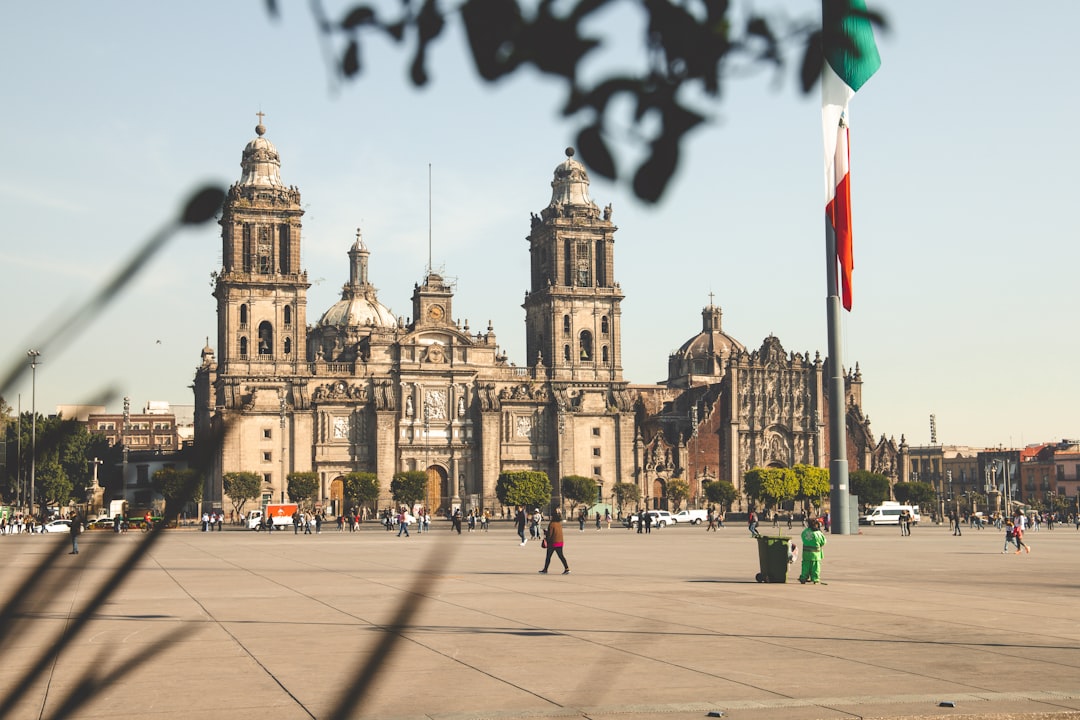
Mexico City: Plaza de la Constitución — the square that named itself after an absence

Today it is one of the largest public squares on earth, and it is almost always doing something — military ceremonies, outdoor concerts, political protests, seasonal installations. But the real pleasure is arriving very early, before the flags are raised and the vendors set up, when the basalt stones still hold the cold of the night and the cathedral at the north end looks less like a tourist attraction and more like something that simply grew here, slowly, over five centuries.
Insider tip
The square sits directly above the ruins of the Aztec ceremonial centre Tenochtitlán. Walk to the northeast corner of the plaza and look down through the grates in the pavement — you can see excavated stonework that predates the Spanish city by centuries.
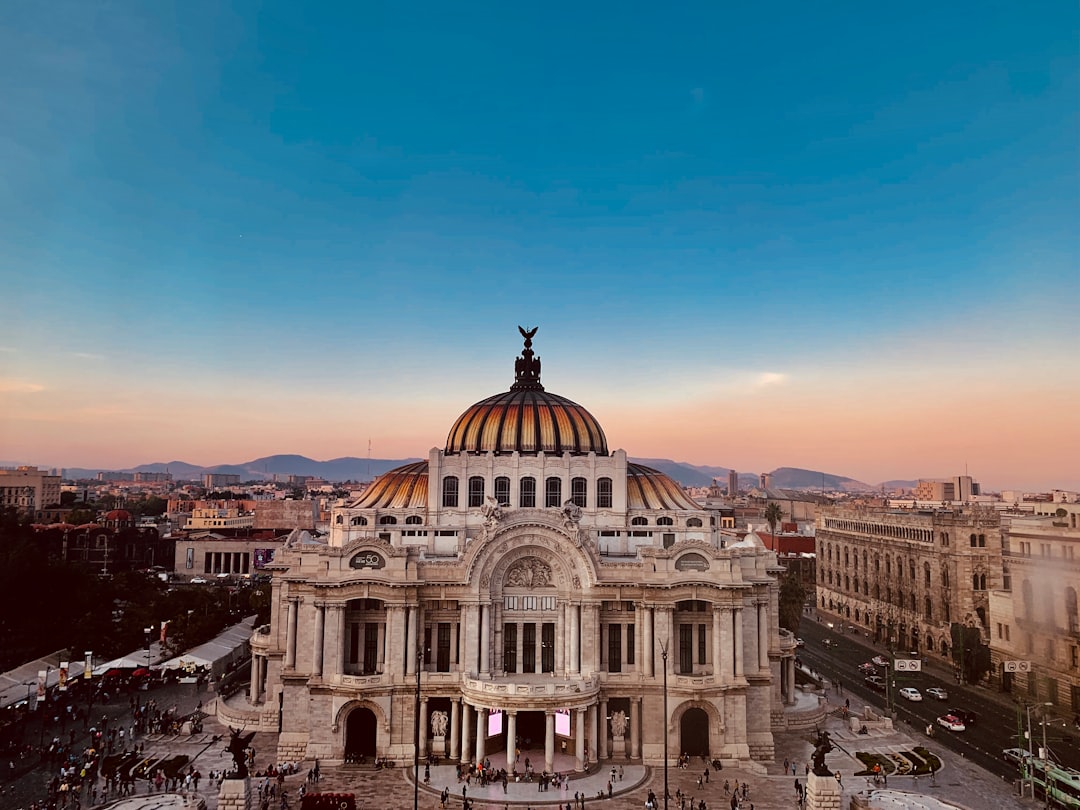
Il Palacio de Bellas Artes di Città del Messico — the opera house that sank and kept going
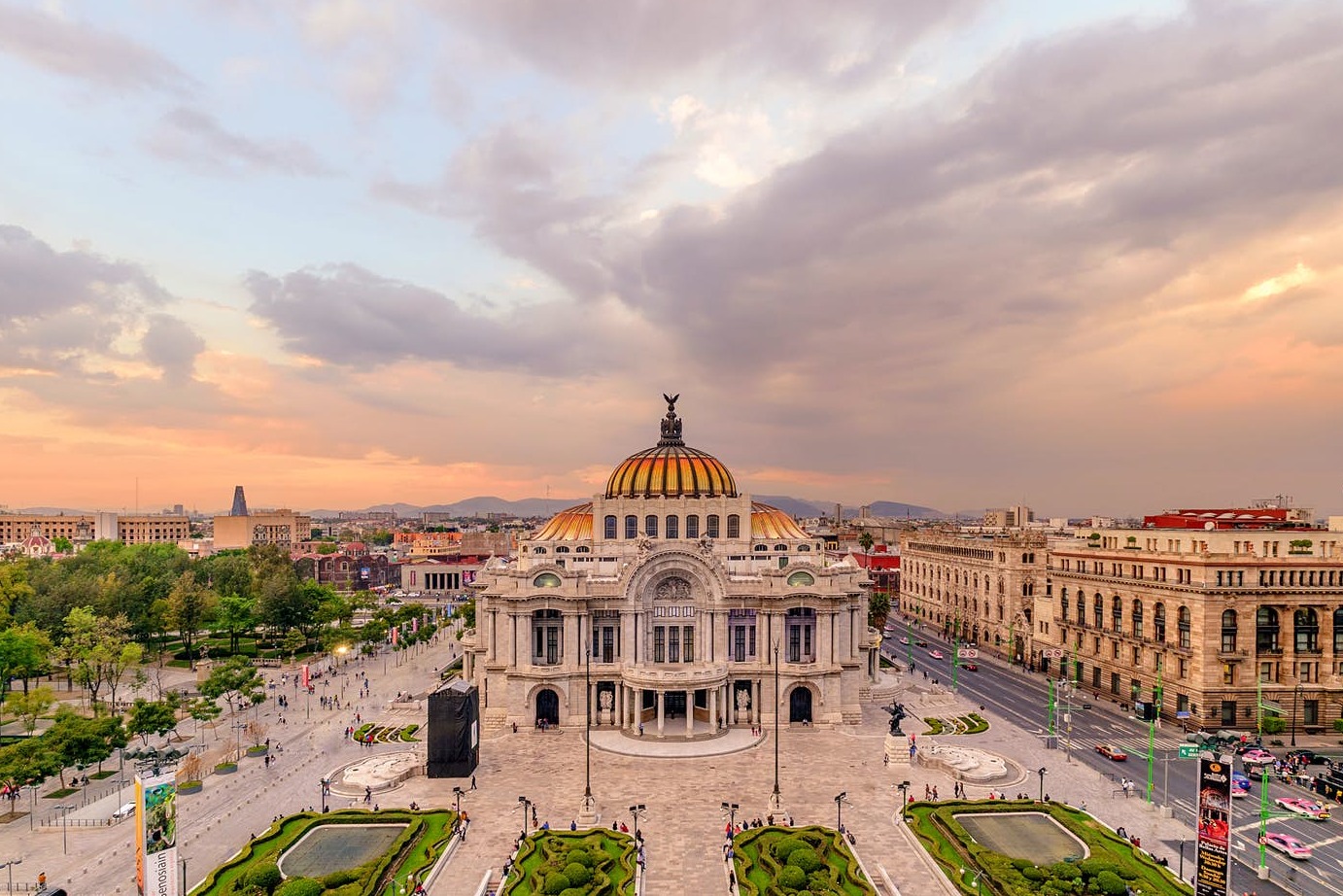
The building has been sinking into the soft lakebed beneath the city since its construction — a fact that the engineers have managed and the building has absorbed with apparent dignity. It now sits noticeably lower than the surrounding street level, which makes approaching it feel like descending into something ancient.
Insider tip
The museum's upper floors, which house the murals, are often less crowded than the ground-floor exhibition spaces. Go straight upstairs when you enter — most visitors linger at the entrance level and never make it to the main works.
Monumento a la Revolución in Ciudad de México — the mausoleum inside the triumphal arch
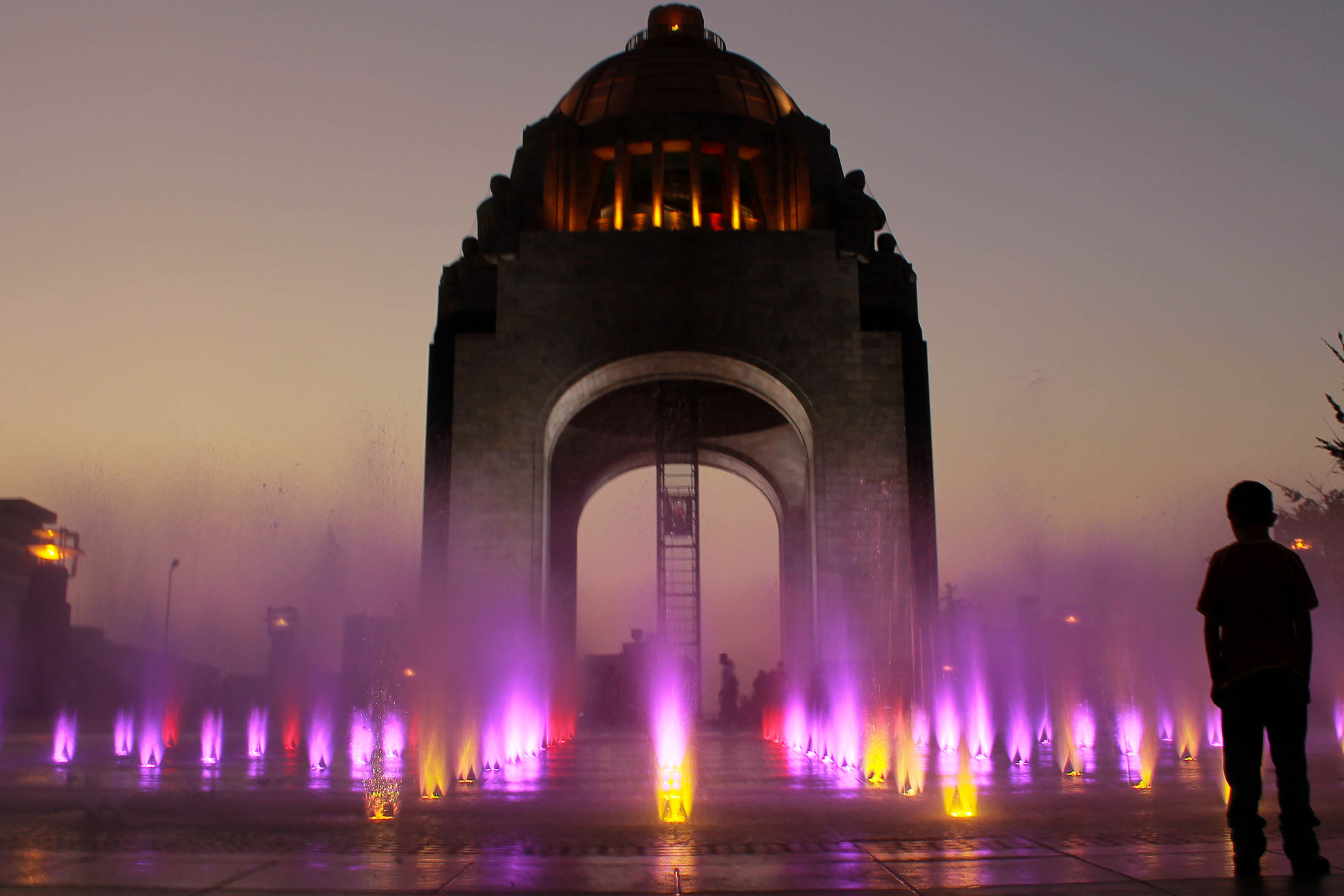
The result — 67 metres of Art Deco and Modernist architecture rising from the Plaza de la República — contains the tombs of several revolutionary figures in its four corner pylons. There is a lift to the top, from which the city spreads in every direction with a clarity that is almost disorienting. Most visitors walk past it on the way somewhere else.
Insider tip
The museum beneath the monument, accessed from the plaza level, traces the history of both the Revolution and the building itself. It is small, well-curated, and almost always quiet — a combination that is increasingly rare in this city.
Biblioteca Vasconcelos: Largest library in Latin America — the book city you can actually enter
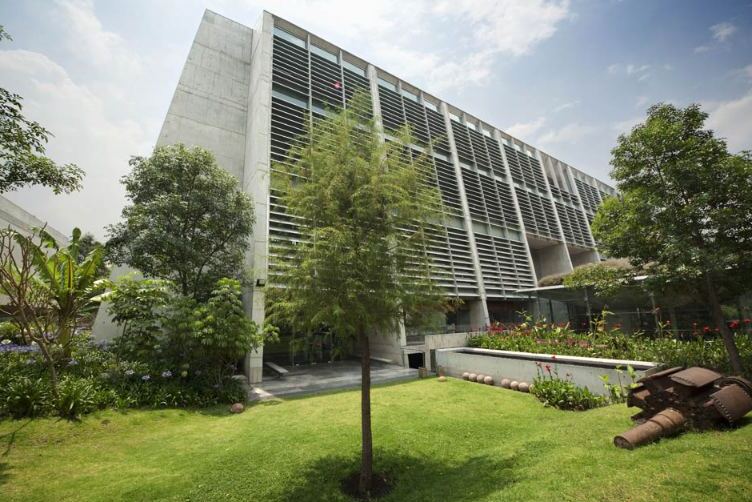
The surrounding botanical garden is part of the complex and is frequently overlooked even by people who visit the library itself. It contains a greenhouse and a collection of Mexican plant species arranged with the same quiet rigour as the building's interior. This is a functioning public library — free to enter, used daily by students and researchers — which somehow makes it feel more extraordinary, not less.
Insider tip
Visit on a weekday morning. The library opens early and the light through the skylight at that hour does something to the suspended shelving that no photograph has yet captured accurately. The botanical garden is best in late morning before the heat builds.
Part two — A little deeper
Il Palacio de Bellas Artes di Città del Messico — revisited: the curtain you will never see raised

The opera and concert programme at Bellas Artes is also considerably more accessible than its grand exterior suggests. Ticket prices for many performances remain genuinely modest by international standards, and the acoustics of the main hall reward even the most casual concert-goer.
Insider tip
Check the schedule for the Ballet Folklórico de México, which performs here regularly. It is neither obscure nor undiscovered, but it is consistently underestimated by travellers who assume folk performance means something simplified. It does not.
The Gates of Hell", by French artist Auguste Rodin — Rodin in Polanco, far from Paris
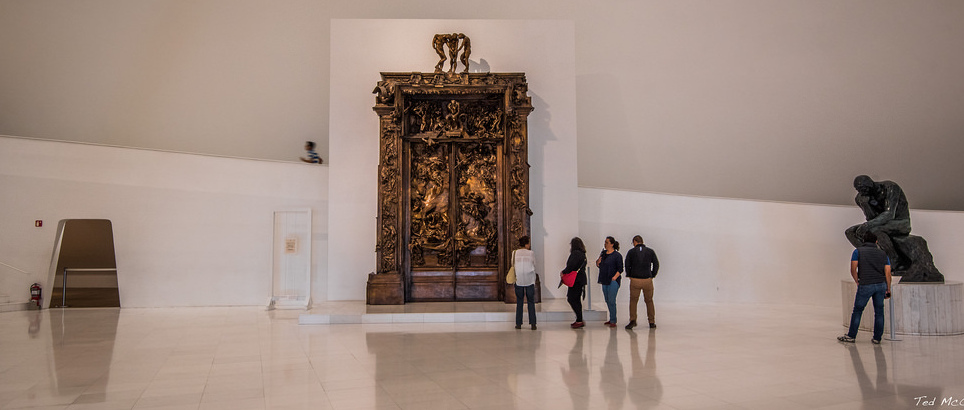
What makes encountering Rodin here different from encountering him in Paris or Philadelphia is the absence of the pilgrimage mentality. People come to Polanco for other reasons — lunch, shopping, the neighbourhood's particular brand of Mexico City elegance — and the sculpture is simply there, waiting, without the weight of expectation that European art institutions carry by default.
Insider tip
The older Museo Soumaya in Plaza Loreto (not the famous silver building in Plaza Carso) is where this Rodin collection lives. It is less visited than the newer building and the intimacy of the space changes how you stand in relation to the work.
Museum Soumaya in Mexico city — the building that argues with itself
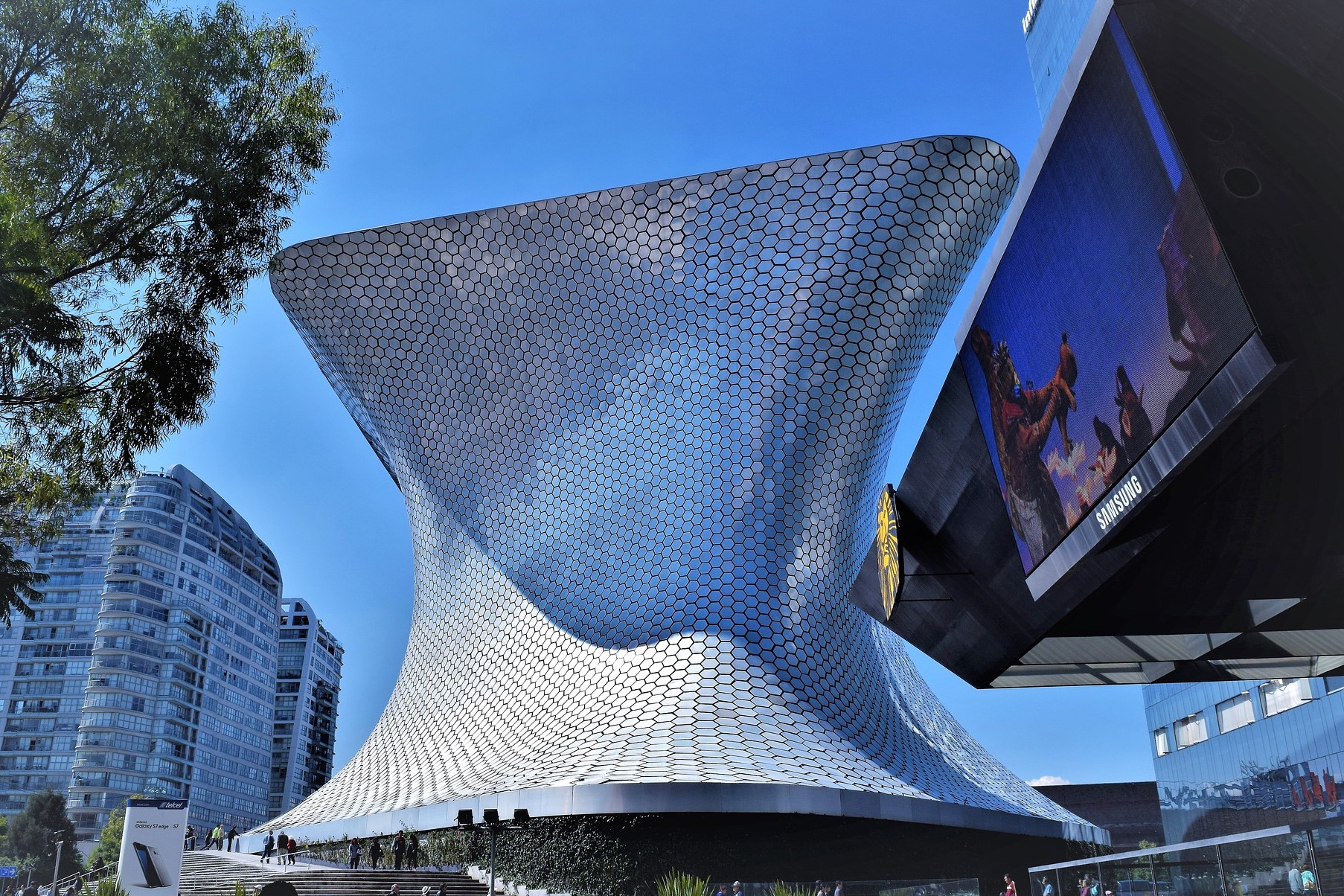
The building's interior ramp system, which spirals visitors upward through the collection, creates an unusual relationship between art and movement — you are always slightly in transit, which changes how you look. The top floor, where the collection thins and the views of the city open up, is where the building finally stops competing with its contents.
Insider tip
The museum is free of charge every day, which means it can be busy on weekends. A Tuesday or Wednesday morning visit, arriving when the doors open, gives you the upper floors almost entirely to yourself.
Basilica of Our Lady of Guadalupe — the pilgrimage site that contains a genuine architectural argument

The old basilica, begun in the sixteenth century and completed in 1709, has been sinking into the unstable lakebed for centuries. Its floors tilt visibly. Its walls lean. It continues to stand with the particular stubbornness of a building that has survived too much to accept defeat. The new basilica beside it — circular, brutally modern, capable of holding ten thousand worshippers — represents a completely different philosophy of sacred space. Standing between them, you are standing between two centuries of Mexican religious architecture having a very public disagreement.
Insider tip
The moving walkway beneath the tilma — the cloth bearing the image of the Virgin — was installed to manage the volume of pilgrims and prevent crowding. Riding it slowly, you pass beneath the image at a pace that is oddly contemplative, even for secular visitors.
Part three — Off the obvious path
Secret World recensione 2026: testato a Città del Messico — what the city does to your sense of scale
These are the places where the city becomes legible. Sitting in a small park in Colonia Condesa on a Sunday morning, watching families and dogs and elderly men with newspapers, you understand something about Mexico City that no museum or monument can tell you: it is, beneath all its complexity, a city organised around the pleasures of being outside.
Insider tip
The smaller parks in Colonia Roma Norte — particularly those along Orizaba and Álvaro Obregón — fill with a neighbourhood crowd on weekend mornings that is entirely distinct from the tourist circuits. Arrive with no plan and stay longer than you intended.
Wanderlog Alternatives 2026: le migliori app per Città del Messico — the Centro Histórico as a cataloguing problem

The Centro is also where Mexico City's indigenous heritage sits closest to the surface. The ruins of Tenochtitlán's Templo Mayor were discovered during construction work in 1978, and the excavation continues. Walking the Centro with that knowledge changes what you see when you look at the street level: everything above it is, in some sense, a second city built on top of the first.
Insider tip
The streets west of the Zócalo — particularly República de Uruguay and República de El Salvador — host a concentration of specialist wholesale shops (paper, printing, religious goods) that operate on a completely different rhythm from the tourist areas. They are open on weekday mornings and feel like a different century.
Come pianificare viaggio AI: guida Città del Messico 2026 — the metro as a museum of the city's logic
The metro also passes through — and in some cases directly beneath — archaeological sites. The Pino Suárez station contains a small Aztec shrine that was discovered during construction and incorporated into the station's design. It sits behind glass on the platform, visible to commuters who are almost universally too busy to stop and look at it.
Insider tip
The Pino Suárez shrine is on the Line 2 platform. It is small, well-lit, and completely free to view as part of a normal metro journey. Most of the thousands of people who pass it daily do not break stride.
Wanderlog alternatives 2026: le migliori app per Città del Messico — Teotihuacán as a lesson in distance

The site is large enough that arriving early and walking away from the main axis reveals areas that the majority of visitors never reach. The residential compounds on the periphery — Tetitla, Atetelco — contain murals that are, in their own quieter register, as significant as anything on the main avenue. They are also almost always accessible without a queue.
Insider tip
The first bus from Terminal Norte to Teotihuacán leaves very early. Arriving at the site before 8am, before the tour groups from the city hotels, gives you the pyramids in a silence that is genuinely disorienting. By 10am, that silence is gone.
Part four — Around and beyond
Migliori app viaggio 2026: 5 testate a Città del Messico — the 150-museum problem

The smaller museums — dedicated to medicine, to printing, to the history of specific neighbourhoods, to specific artists who are famous in Mexico and unknown elsewhere — are where the city's self-understanding becomes most visible. They are also where you are most likely to be shown around personally by someone who works there and is delighted that you came, because not enough people do.
Insider tip
The Museo del Estanquillo in the Centro, dedicated to the illustrator and writer Carlos Monsiváis, contains a collection of Mexican popular culture — prints, toys, photographs, ephemera — that is unlike anything else in the city. It is small, free, and almost always quiet.
Migliori app viaggio 2026: le 5 testate a Città del Messico — the neighbourhood that changes every five blocks

This quality of constant transformation is not accidental. Mexico City was built and rebuilt in layers — pre-Columbian, colonial, nineteenth-century liberal, post-revolutionary modernist — and those layers do not sit neatly on top of each other. They overlap, contradict, and occasionally erupt through the surface in ways that make walking the city feel like reading a text in which all the footnotes are also part of the main argument.
Insider tip
Walking the boundary streets between colonias — rather than staying within a single neighbourhood — is where the city's contradictions are most visible. The street where Colonia Roma meets Colonia Doctores, for instance, changes its entire social register within half a block.
Come pianificare viaggio AI a Città del Messico nel 2026 — the city that rewards the traveller who gets lost

Xochimilco, in the south of the city, is the most visible remnant of the lake system that once defined the valley. The trajineras — the flat-bottomed boats that navigate the canals — are well-known. Less well-known is that the chinampas, the ancient floating garden islands, are still actively farmed by a small number of families using agricultural techniques that predate the Spanish arrival. That continuity, quiet and unannounced, is what Mexico City keeps offering to those who look past the postcard.
Insider tip
The working chinampas of Xochimilco are best reached by taking a local boat rather than the tourist trajineras from the main embarcadero. Ask at the smaller, less-signposted landing points along the canal network — the price is lower and the experience is incomparably more honest.
Mexico City will defeat any attempt to summarise it. That is not a failure of the city — it is the city's primary characteristic. A metropolis of this scale and this historical density does not resolve into a list, even a list of fifteen. What these places share is not obscurity but a quality of attention: they reward the traveller who arrives willing to look carefully rather than efficiently.
The places that feel most hidden in Mexico City are often the ones that have been hiding in plain sight for decades — the shrine on the metro platform, the revolutionary monument that began as something else entirely, the library where a whale hangs suspended above the books. They are not waiting to be discovered. They are simply waiting for someone to slow down long enough to actually see them.
Come back. The city will have changed, and so, if you have been paying attention, will you.
The places that feel most hidden in Mexico City are often the ones that have been hiding in plain sight for decades — the shrine on the metro platform, the revolutionary monument that began as something else entirely, the library where a whale hangs suspended above the books. They are not waiting to be discovered. They are simply waiting for someone to slow down long enough to actually see them.
Come back. The city will have changed, and so, if you have been paying attention, will you.


