I have been coming to Osaka for years, and I have learned that the city's real character is not performed for visitors. It lives in the gap between what the guidebooks promise and what you actually find when you arrive: a fountain that turns water into sculpture, a shrine so architecturally singular that even architecture students walk past it thinking it must be a replica, a garden that sits behind a zoo wall and sees perhaps a tenth of the footfall it deserves.
The word 'hidden' is doing a lot of dishonest work in travel writing right now. Most places described as hidden are simply places that require five extra minutes of intention. That is what this list asks of you: not a machete, not a local fixer, not a secret handshake. Just the willingness to look slightly to the left of where everyone else is looking. Osaka will do the rest. It is a city that has always rewarded the curious and quietly ignored the hurried, and it shows no signs of changing that policy.
At a glance
- Osaka: The Nine Floating Fountains: water as sculpture, Expo 70's forgotten masterpiece
- Osaka's Sumiyoshi Taisha is one of Japan's oldest shrines: architecture before Buddhism arrived
- Osaka Station City and the Fountain Clock: infrastructure as civic theatre
- Osaka Castle stands tall on the Uemachi Daichi Plateau: the walls that outlasted the castle
- Osaka Castle: Un Viaggio nella Storia del Giappone: the park that absorbs the crowds so the castle doesn't have to
- Shitennoji is one of Japan's oldest temples: the state's first act of faith
- Scoprire il Sumiyoshi Taisha: un tesoro culturale di Osaka: the shrine's outer precincts and the city that grew around it
- Scopri Osaka Dotonbori: il cuore pulsante della cultura giapponese: the canal at six in the morning
- Scopri Dotonbori: il Cuore Pulsante di Osaka: what the district looks like from the water
- Osaka Shinsekai: un viaggio nel cuore di Kansai: the neighbourhood that time spent forty years ignoring
- Scopri l'incanto di Universal Studios Japan a Osaka: the park's relationship to the city around it
- Osaka's Universal Studios theme park: the two parks that share a name and not much else
- Keitakuen Garden: Un Paradiso di Fiori a Osaka: the garden that a zoo is hiding
- Scoprire il Tennoji Zoo: un angolo di natura a Osaka: what the zoo tells you about the city
Part one — The essentials
Osaka: The Nine Floating Fountains: water as sculpture, Expo 70's forgotten masterpiece
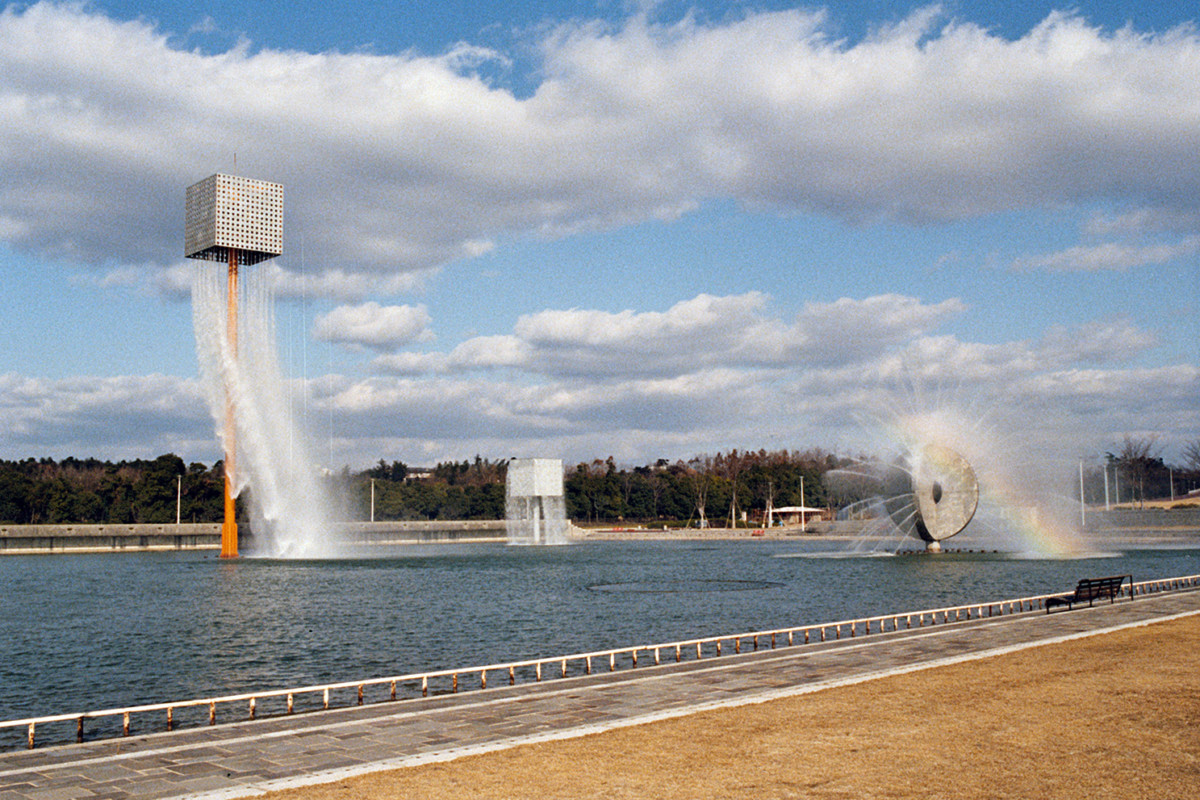
The fountains reward stillness. Stand near one long enough and you begin to understand what Noguchi was doing: he was treating water the way he treated stone, as a material with inherent tension, capable of holding a shape. The effect is quietly philosophical in a way that most public water features are not.
Insider tip
Visit on a weekday morning when the park is nearly empty — the fountains are operational from specific hours and the absence of crowds lets you hear the water's own acoustics, which are part of the design.
Osaka's Sumiyoshi Taisha is one of Japan's oldest shrines: architecture before Buddhism arrived
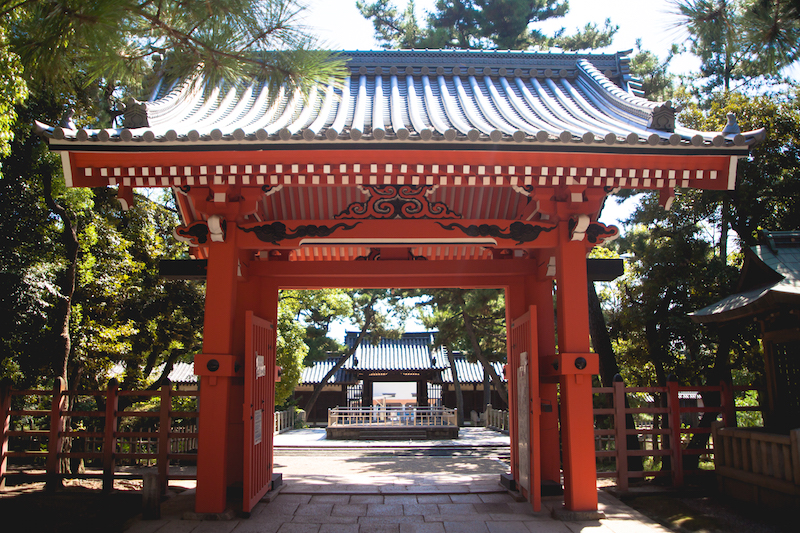
Most visitors who make it to the shrine are there for the arched bridge — the Taiko-bashi — which is steep enough to require careful footwork and photogenic enough to generate its own small crowd. Walk past the bridge and into the compound's quieter precincts, and the architecture begins to speak in a lower register.
Insider tip
The shrine's four main halls are designated national treasures; the best viewing angle for understanding the Sumiyoshi-zukuri roofline is from the northeast corner of the compound, where most visitors do not wander.
Osaka Station City and the Fountain Clock: infrastructure as civic theatre
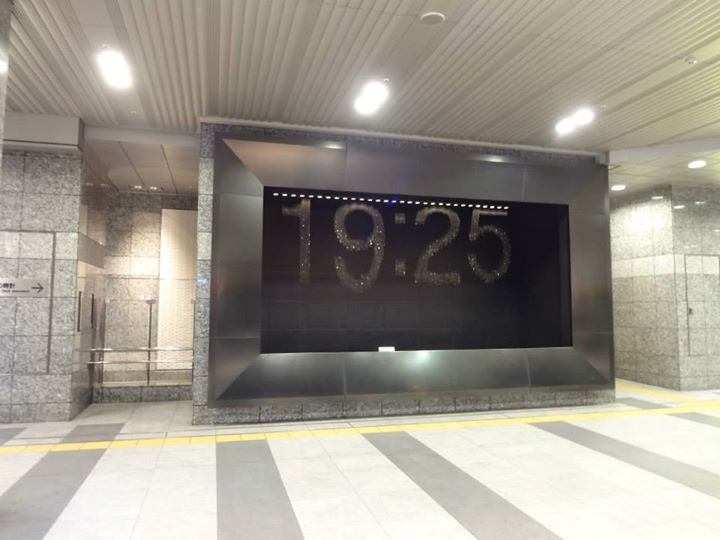
The Fountain Clock is the detail that most commuters walk past without registering: a water-based timepiece that displays the actual time using precisely controlled jets. It is the kind of object that stops children and, if you allow it, should stop adults too — a reminder that public infrastructure can carry wit.
Insider tip
The fifth-floor Time-Space Square is genuinely quiet on weekday afternoons and offers a view down into the station's atrium that reframes the whole building as a single piece of spatial thinking.
Osaka Castle stands tall on the Uemachi Daichi Plateau: the walls that outlasted the castle
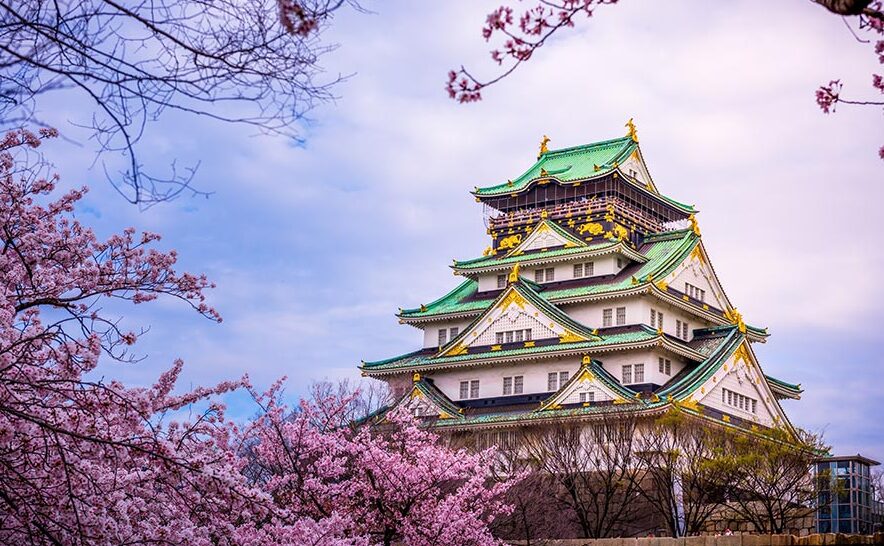
The castle sits on the Uemachi Daichi Plateau, the oldest continuously inhabited area in Osaka, and the ground itself carries a kind of historical weight that the reconstructed tower above cannot quite claim.
Insider tip
Walk the inner moat's perimeter rather than heading directly for the tower entrance — the walls are best appreciated at ground level, where their true scale becomes apparent.
Part two — A little deeper
Osaka Castle: Un Viaggio nella Storia del Giappone: the park that absorbs the crowds so the castle doesn't have to
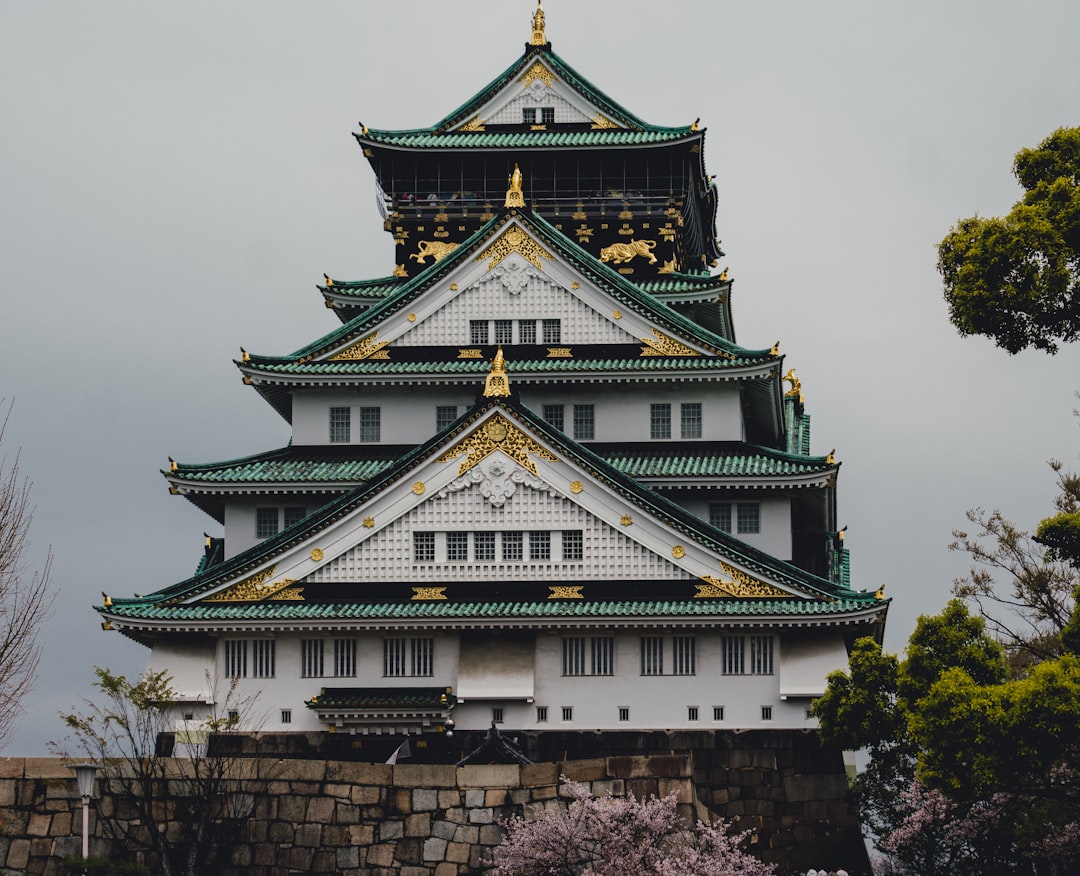
The park's role in Osaka's civic life is easy to underestimate. It is a place where the city's residents come to do the ordinary things — eat lunch on a bench, walk slowly, practice instruments in the open air — that make urban green spaces function as genuine commons rather than ornamental backdrops.
Insider tip
The Nishinomaru Garden charges a small separate entry fee, which is precisely why it is significantly less crowded than the rest of the grounds — that fee is the best value in the park.
Shitennoji is one of Japan's oldest temples: the state's first act of faith
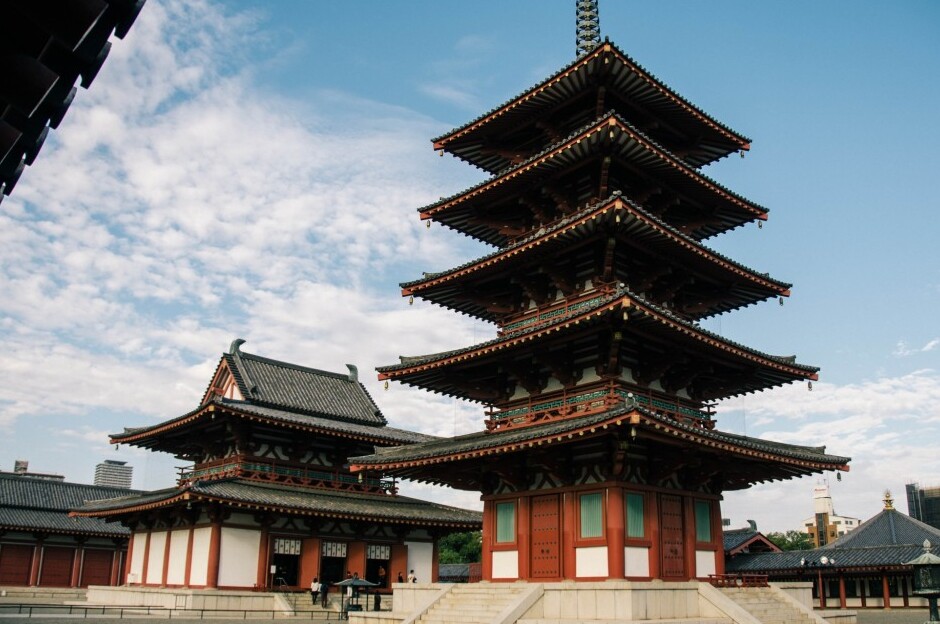
What is easy to miss, amid the main compound's orderly symmetry, is the flea market held on the temple grounds on the twenty-first and twenty-eighth of each month. It is one of Osaka's better antique markets and draws a crowd that is almost entirely local.
Insider tip
The temple's inner garden, Garan, charges a separate admission fee and contains the original stone torii gate — one of the oldest stone torii in Japan — which most visitors skip in favour of the main pagoda.
Scoprire il Sumiyoshi Taisha: un tesoro culturale di Osaka: the shrine's outer precincts and the city that grew around it
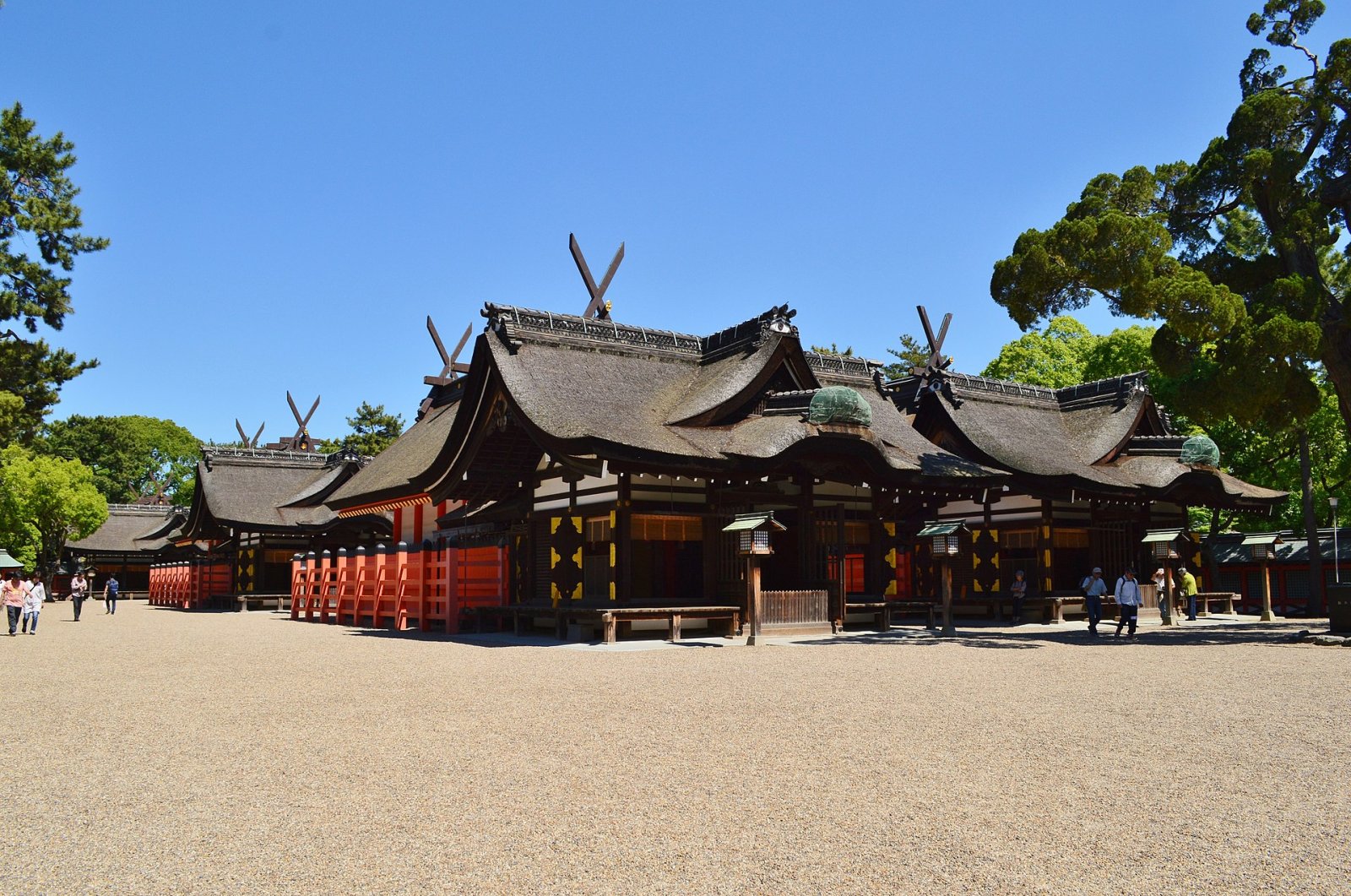
The shrine's relationship to the sea is worth understanding: Sumiyoshi was historically a deity of seafarers, and the shrine served as a place of prayer for those departing across the Seto Inland Sea. Osaka was, for much of its history, a maritime city, and the shrine preserves that identity in a way that the modern city's waterfront developments have largely erased.
Insider tip
Walk south from the main shrine along the smaller streets rather than returning directly to the tram stop — the neighbourhood reveals itself slowly and rewards a twenty-minute detour.
Scopri Osaka Dotonbori: il cuore pulsante della cultura giapponese: the canal at six in the morning
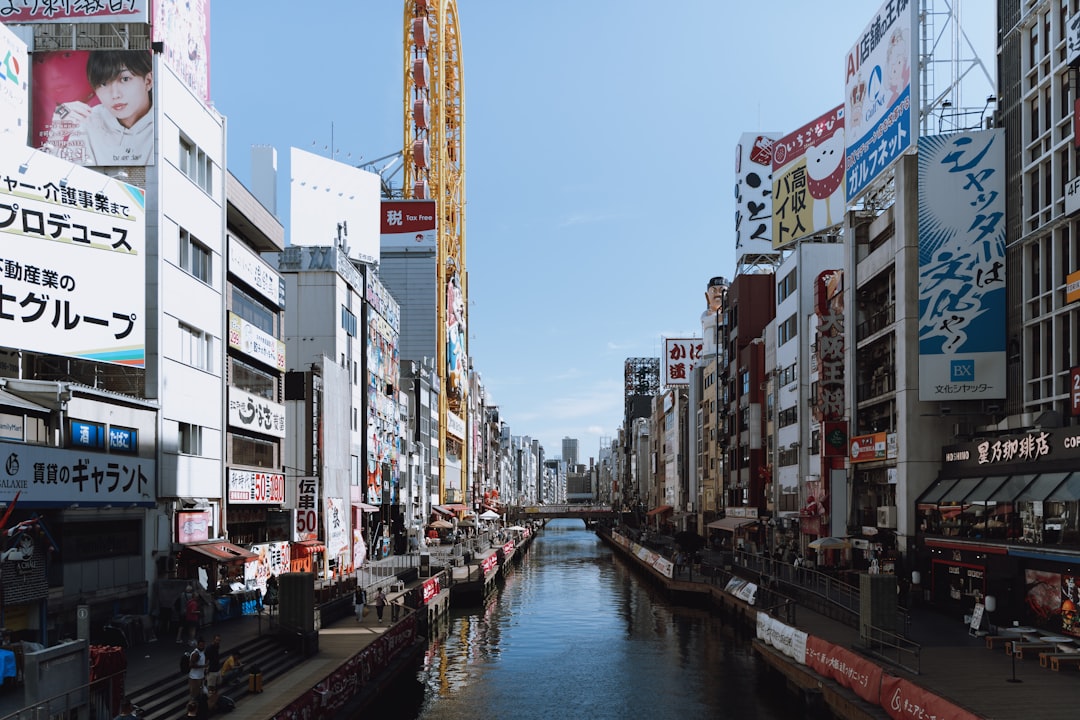
The canal itself has a history that the entertainment district tends to obscure: it was dug in the early seventeenth century to connect the city's waterways and served as a commercial artery for centuries before it became a backdrop for selfies. The stone embankments are original.
Insider tip
The section of the canal west of the Ebisu Bridge is significantly quieter than the main strip and gives a cleaner sense of the waterway's actual proportions — walk it before nine in the morning.
Part three — Off the obvious path
Scopri Dotonbori: il Cuore Pulsante di Osaka: what the district looks like from the water
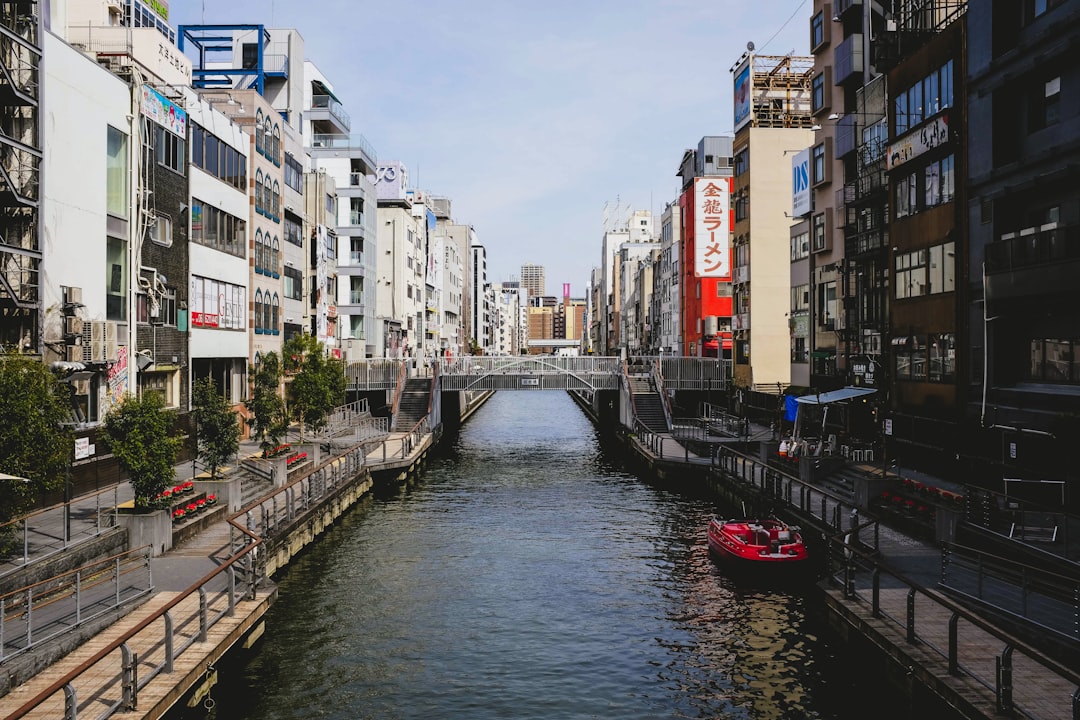
The boats also pass under a series of bridges, each with its own character, and the experience of passing through those low arches gives the canal a tunnel-like intimacy that the street-level experience of Dotonbori never suggests.
Insider tip
Book the first boat of the day — the light on the canal's southern bank in the morning is completely different from the afternoon, and the tour guide's commentary is more relaxed with a smaller group.
Osaka Shinsekai: un viaggio nel cuore di Kansai: the neighbourhood that time spent forty years ignoring
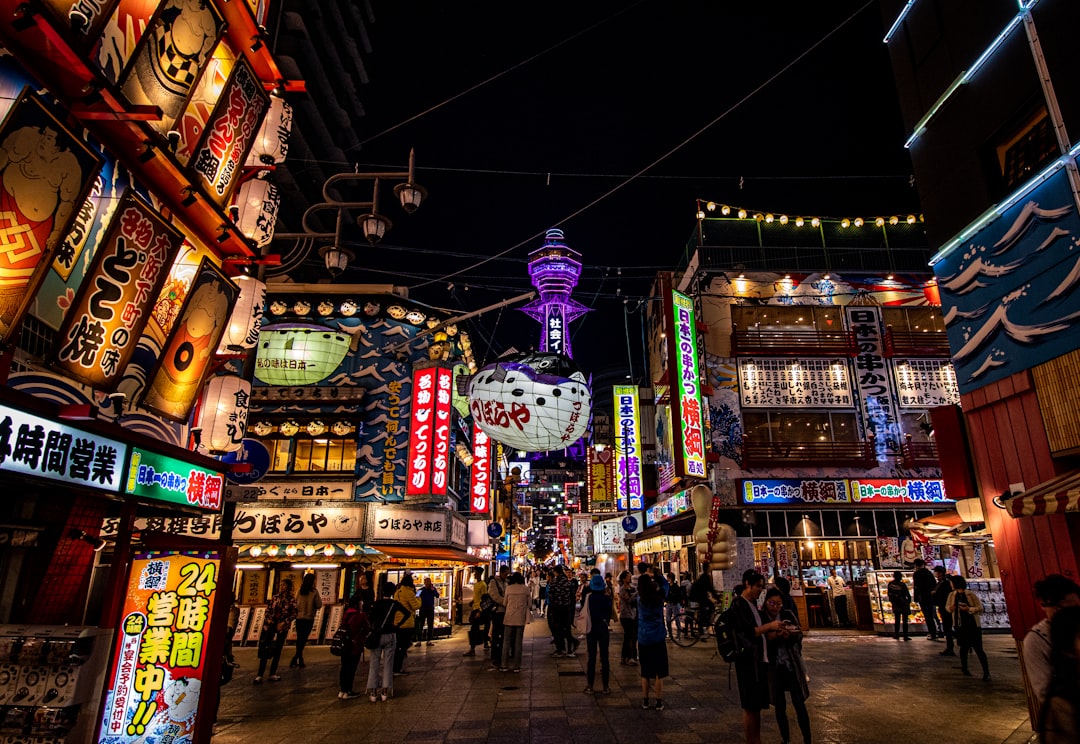
The Shinsekai that exists now is genuinely interesting precisely because the gentrification is incomplete. The old shogi parlours and the cheap kushikatsu restaurants and the slightly worn arcades coexist with newer bars and coffee shops in a way that feels accidental rather than curated.
Insider tip
The streets immediately south of Tsutenkaku Tower, around the Janjan Yokocho covered arcade, retain the neighbourhood's older character more faithfully than the main tourist approach from the north.
Scopri l'incanto di Universal Studios Japan a Osaka: the park's relationship to the city around it
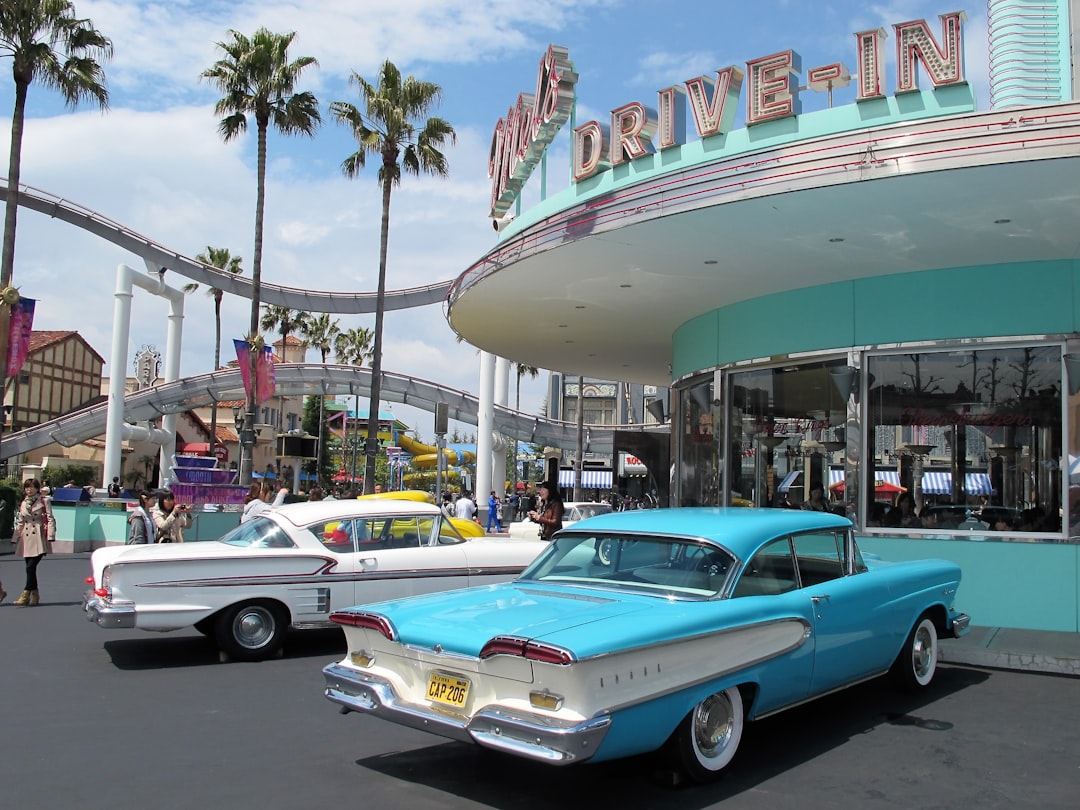
What is worth noting, for the visitor who steps outside the park's perimeter, is that the Sakurajima waterfront retains traces of its industrial past in the infrastructure around the port. It is not a beautiful area, but it is an honest one, and the contrast with the manufactured environments inside the park is instructive.
Insider tip
The waterfront path east of the park entrance, toward the Sakurajima ferry terminal, is almost entirely unvisited by park guests and offers a view back across Osaka Bay that the park's own sightlines deliberately avoid.
Osaka's Universal Studios theme park: the two parks that share a name and not much else
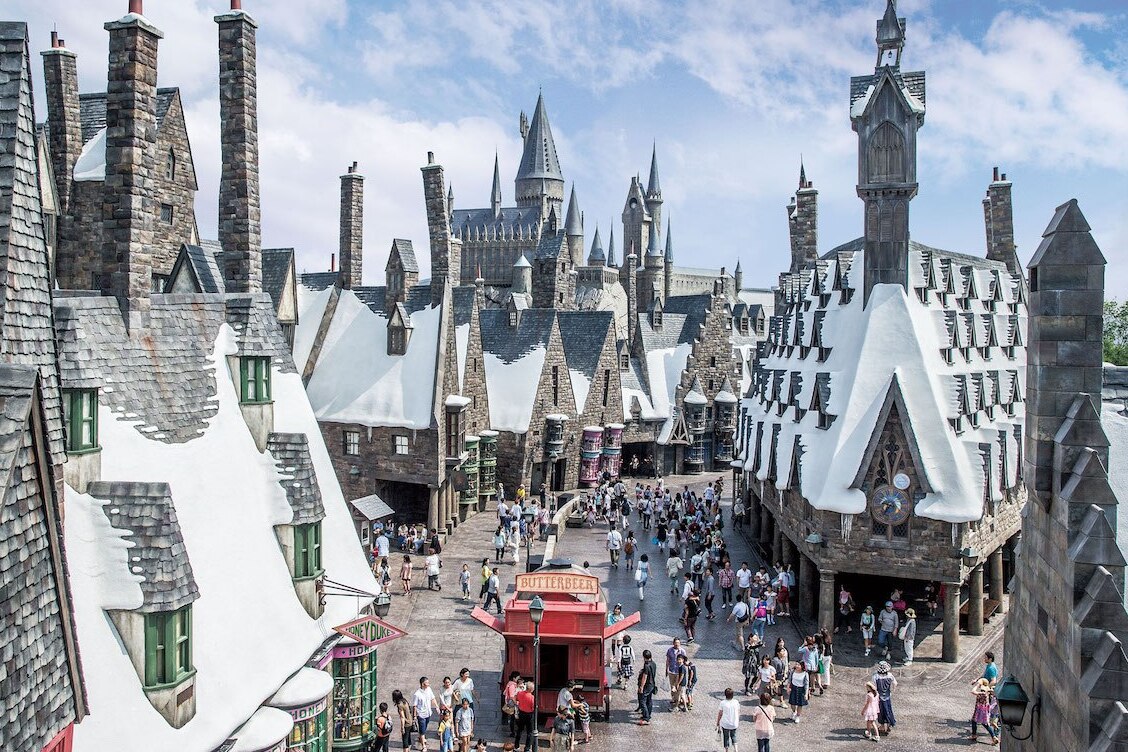
For the visitor who is not primarily interested in theme parks, the USJ phenomenon is worth understanding as a piece of urban economics: the park transformed a post-industrial waterfront and generated an entire hospitality district around itself, reshaping that part of Osaka's geography more completely than any planning initiative.
Insider tip
The area directly outside the park's main gate, along the Universal City Walk, is worth a slow walk in the evening when the park has closed — the crowd dynamics change completely and the commercial strip becomes more legible.
Part four — Around and beyond
Keitakuen Garden: Un Paradiso di Fiori a Osaka: the garden that a zoo is hiding
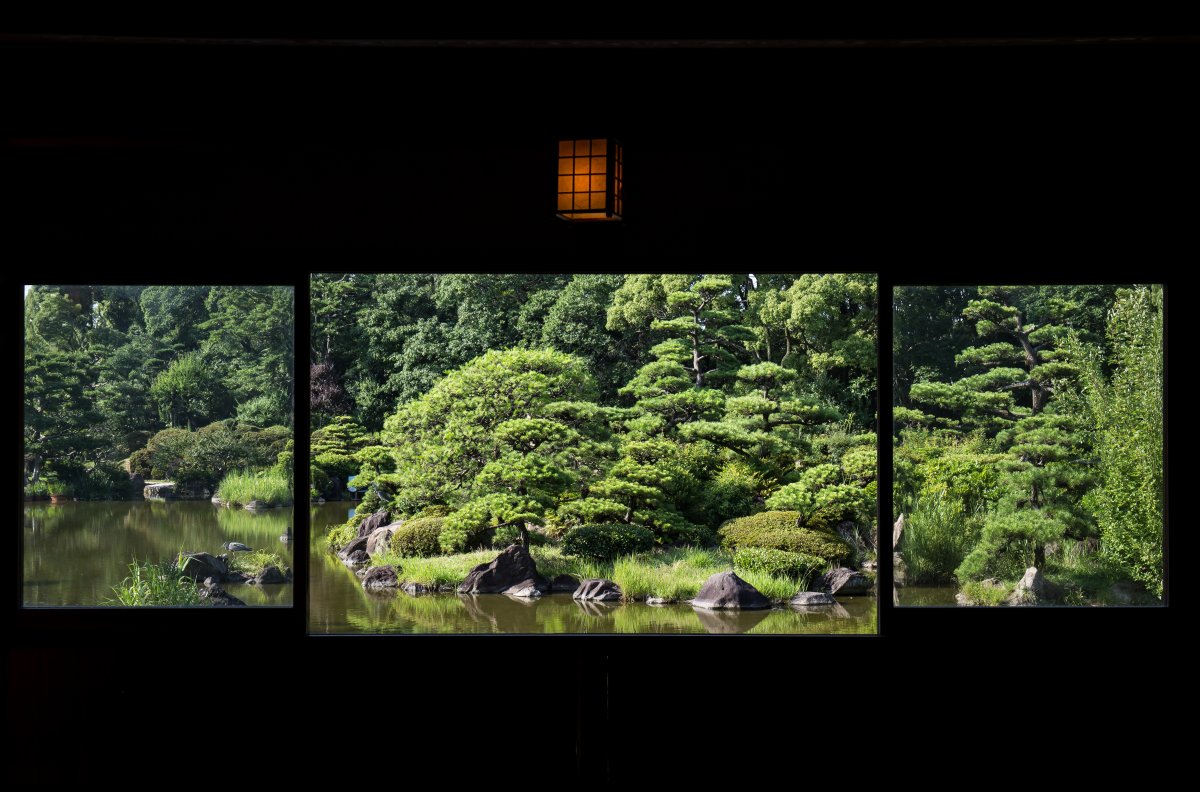
The garden is a traditional Japanese landscape design, built around a central pond and structured to offer a different composition from each of its viewing points. It is the kind of space that rewards repeated visits across seasons, and it sees a fraction of the footfall of comparable gardens in Kyoto — not because it is inferior, but because it has the misfortune of being in the shadow of a zoo.
Insider tip
The garden's best light falls on the pond in the late afternoon; the reflection of the surrounding trees in the water is the garden's central visual argument, and it requires low sun to work properly.
Scoprire il Tennoji Zoo: un angolo di natura a Osaka: what the zoo tells you about the city

The zoo itself is not large by international standards, and its facilities reflect its age in ways that more recently built zoos do not. But it functions as a genuine neighbourhood resource — the families who use it on weekday afternoons are not tourists, and the experience of the zoo as a local institution rather than an attraction is worth something.
Insider tip
The zoo's back sections, furthest from the main entrance, are quieter and contain some of the older enclosure architecture — the structures themselves are worth examining as examples of early twentieth-century zoo design.
Every city has a version of itself that it performs for visitors and a version that it lives in quietly when the visitors have gone back to their hotels. Osaka is better than most at keeping those two versions in proximity — the performed city and the lived city overlap here in ways that they do not in places that have been more thoroughly optimised for tourism.
What I keep finding, after years of returning, is that the places on a list like this one are not really secrets. They are simply places that require a different quality of attention than the places that announce themselves loudly. The Noguchi fountains are in a public park. The Sumiyoshi-zukuri roofline is visible from the street. The Keitakuen Garden has a sign. The city is not hiding anything. It is simply waiting to see who is paying attention.
That, in the end, is the only reliable qualification for finding the version of Osaka that goes beyond the postcard: the willingness to slow down long enough for the city to show you what it actually looks like.
What I keep finding, after years of returning, is that the places on a list like this one are not really secrets. They are simply places that require a different quality of attention than the places that announce themselves loudly. The Noguchi fountains are in a public park. The Sumiyoshi-zukuri roofline is visible from the street. The Keitakuen Garden has a sign. The city is not hiding anything. It is simply waiting to see who is paying attention.
That, in the end, is the only reliable qualification for finding the version of Osaka that goes beyond the postcard: the willingness to slow down long enough for the city to show you what it actually looks like.


