What I have come to understand, after years of returning to Paris with a notebook and a deliberate willingness to be bored, is that the city's real texture lives in the gaps between the famous things. A blue door beside Notre-Dame that almost everyone walks past. A fountain that most people mistake for street furniture. A café where Voltaire reportedly ran up a tab that would embarrass a small government. A church in the Marais that absorbed a German shell during the First World War and kept its congregation inside anyway.
These are not obscure places in the conventional sense. Several of them appear on maps. A few have their own Wikipedia pages. What makes them feel hidden is something subtler: they require you to slow down, to look sideways, to resist the gravitational pull of the obvious. Paris rewards that resistance more generously than any city I know. The fifteen places that follow are my evidence.
At a glance
- One of Paris's best-kept secrets: the Hôtel-Dieu: behind the blue door
- La Conciergerie | The oldest public clock in Paris: time on trial
- Il centro Pompidou un edificio fatto di tubi: the building that turned itself inside out
- Saint-Gervais Saint-Protais in Paris: the church that kept singing
- Paris: The Igor Stravinsky fountain: sixteen sculptures and a composer who would have approved
- Pont-Neuf (New Bridge) is Paris' oldest bridge: the paradox in stone
- Ile de la cité uno dei posti più romantici di Francia: the island that started everything
- Parigi e il romantico Lungo Senna: the river that Parisians use differently
- Le Procope : The oldest operating cafe in Paris: where the revolution was caffeinated
- Parigi | Croissant: the pastry that is not what you think it is
- Le crepes...una delizia di Francia - Secret World: the street food that has its own theology
- The Musée de la Poupée in Paris: a museum that takes its subject seriously
- Parigi, la città dell'Amore: the idea of the city versus the city itself
- Secret World vs TripIt: quale app vince a Parigi nel 2026: the question behind the question
- Come pianificare un viaggio a Parigi con l'AI nel 2026: 130 museums and the art of choosing none of them
Part one — The essentials
One of Paris's best-kept secrets: the Hôtel-Dieu: behind the blue door
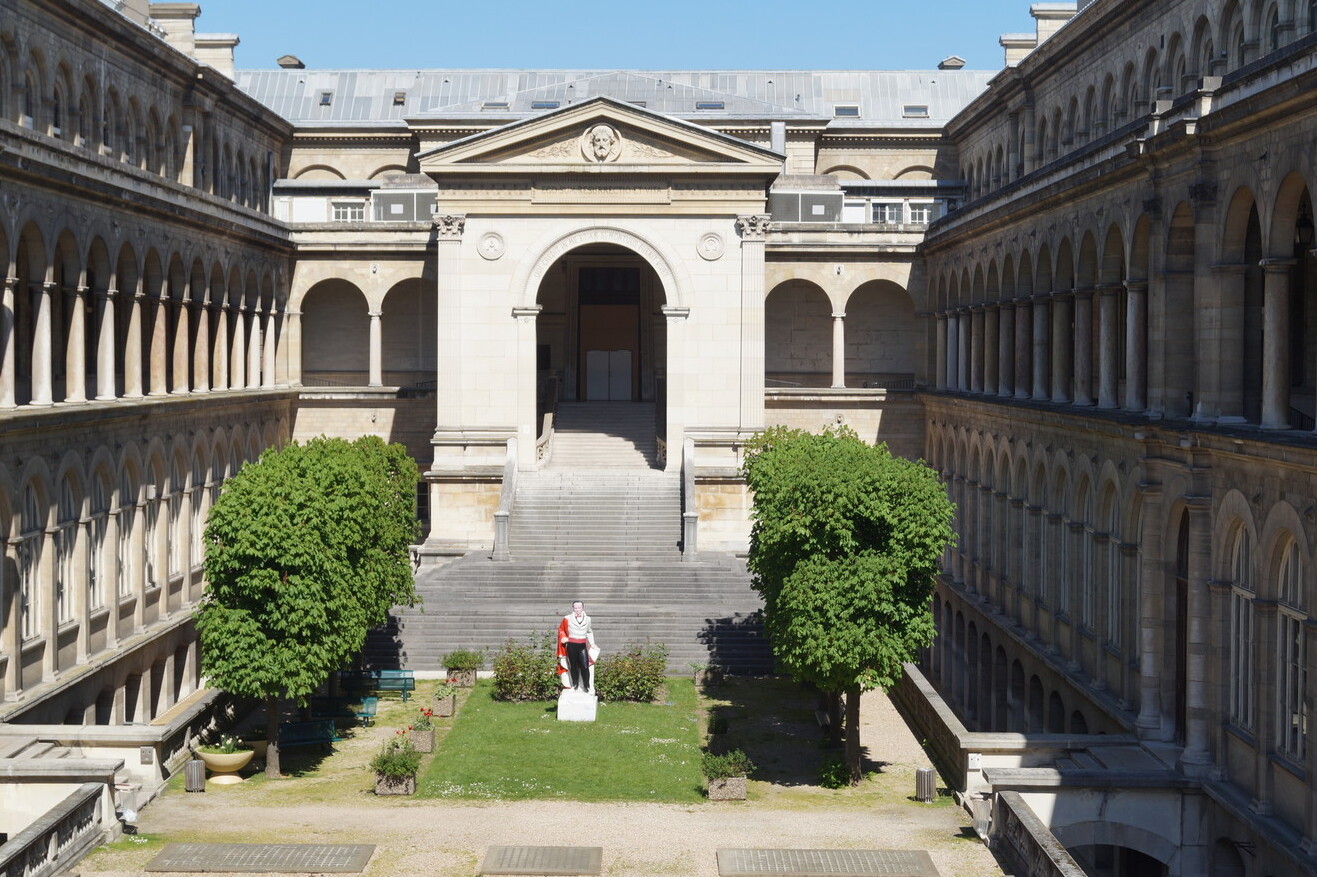
What makes this place genuinely affecting is that it is still a working hospital. This is not a museum of medicine or a heritage site with an entrance fee. It is a place where people are being treated, and the contrast between that ordinary urgency and the architectural grandeur around it gives the courtyard a strange, clarifying quality.
Insider tip
Enter from the Place du Parvis Notre-Dame side, not from the Rue de la Cité. The blue door is easy to miss precisely because it is flanked by more photogenic stonework. Go mid-morning on a weekday when the courtyard is quietest.
La Conciergerie | The oldest public clock in Paris: time on trial
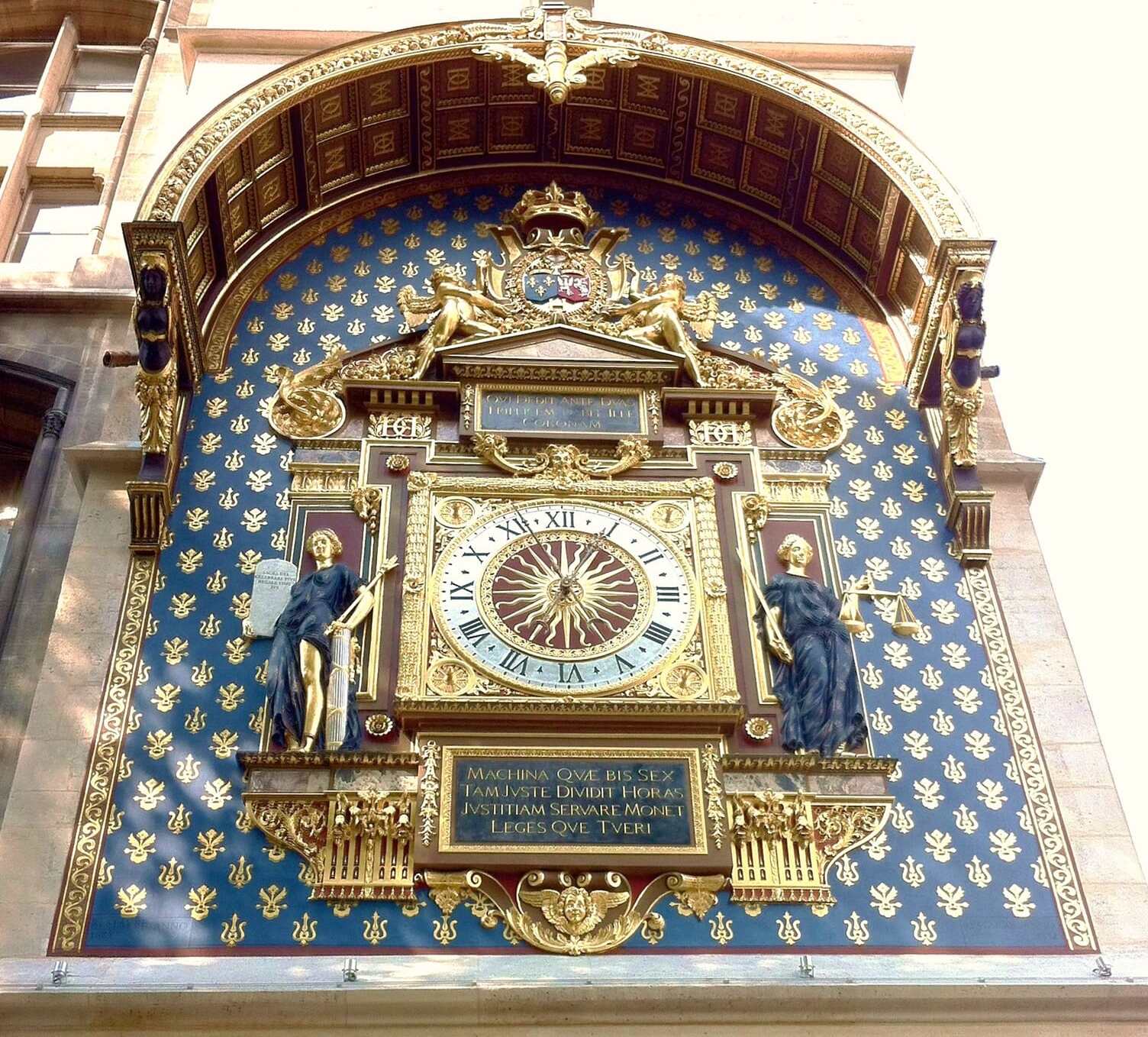
Stand on the Quai de l'Horloge and look up at the clock face, gilded and blue, and consider that Parisians have been reading the time from this exact spot for roughly seven centuries. The river traffic has changed. The clock has not.
Insider tip
The clock is best seen from the Quai de l'Horloge on the north side of the Île de la Cité. Visit in late afternoon when the light catches the gilding at an angle that the morning crowds never see.
Il centro Pompidou un edificio fatto di tubi: the building that turned itself inside out
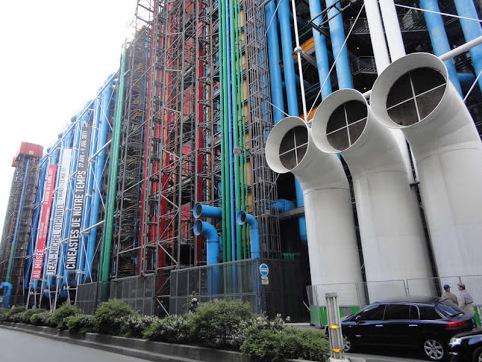
In a city that prizes surface beauty above almost everything, the Pompidou's deliberate ugliness is a kind of argument. Most visitors go inside for the modern art collection, which is substantial. Fewer stop to read the building itself.
Insider tip
The sloping piazza in front of the Pompidou is one of the best free people-watching spots in Paris. Arrive before the museum opens and you will have it largely to yourself, with the building's facade catching the morning light in ways the afternoon crowds never experience.
Saint-Gervais Saint-Protais in Paris: the church that kept singing
What history tends to mention, and what deserves to be mentioned again, is that during Good Friday services in 1918, a German shell struck the church while the congregation was inside, killing nearly a hundred people. The community rebuilt and continued. There is a memorial inside that is worth more than a glance.
Insider tip
The church is associated with the Fraternités de Jérusalem, a monastic community that leads contemplative services with chant. If your visit coincides with one of their liturgical hours, stay. It is not a tourist experience — it is something quieter and more durable than that.
Part two — A little deeper
Paris: The Igor Stravinsky fountain: sixteen sculptures and a composer who would have approved

The fountain sprays water in irregular patterns, which means that standing too close in summer is a gamble. Most people take a photograph and move on. The ones who stay are rewarded.
Insider tip
Come in the early evening when the Pompidou crowd has thinned and the light is low. The coloured sculptures catch the last sun in a way that the midday glare obscures entirely.
Pont-Neuf (New Bridge) is Paris' oldest bridge: the paradox in stone
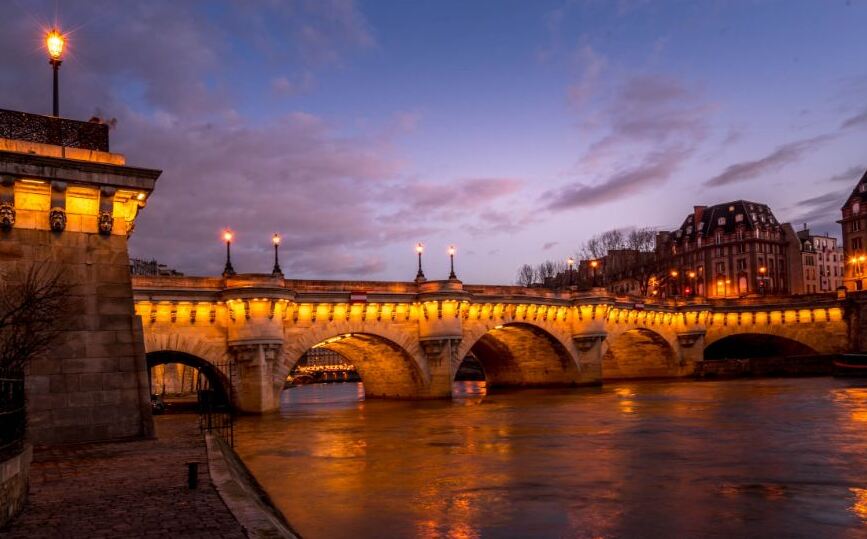
The bridge spans the Seine at the western tip of the Île de la Cité, connecting the Right and Left Banks, and it carries a kind of unhurried dignity. The stone is worn in ways that newer bridges are not. The equestrian statue of Henri IV at its centre has watched the city change for four centuries.
Insider tip
Walk the bridge at dawn, before the river cruise boats begin their circuits. The light on the water at that hour, and the near-silence of a city not yet fully awake, gives the oldest bridge in Paris something it loses by nine in the morning.
Ile de la cité uno dei posti più romantici di Francia: the island that started everything

The flower market — the Marché aux Fleurs — operates on the island on most days of the week and has done so since the early nineteenth century. It is not a secret. It is simply overlooked by people who are moving too quickly toward something they already know they want to see.
Insider tip
Walk the Rue Chanoinesse, a narrow street on the north side of Notre-Dame, on a weekday morning. It is one of the oldest streets in Paris and carries almost none of the foot traffic that the cathedral square generates fifty metres away.
Parigi e il romantico Lungo Senna: the river that Parisians use differently
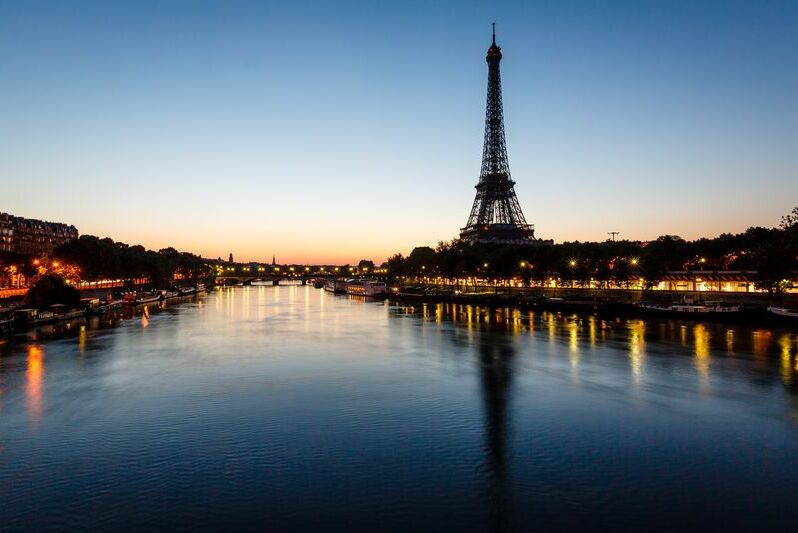
The stretch between the Pont de Sully and the Pont de l'Alma is the most varied: bookstalls, fishermen, joggers, lovers, the occasional accordion player who is neither ironic nor self-conscious about it.
Insider tip
The lower quays on the Left Bank between the Pont Saint-Michel and the Pont de la Tournelle are where locals tend to gather on summer evenings. Bring something to drink, sit on the stone steps, and resist the urge to photograph everything.
Part three — Off the obvious path
Le Procope : The oldest operating cafe in Paris: where the revolution was caffeinated
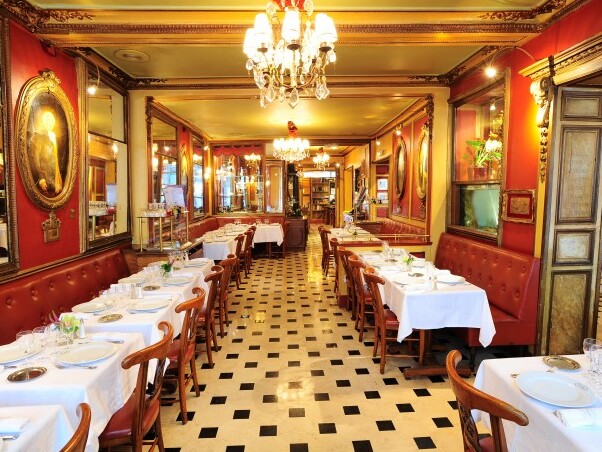
The building is in the 6th arrondissement, on the Rue de l'Ancienne Comédie, and it wears its age with a certain theatrical pride — portraits on the walls, a menu that leans toward French classics, prices that reflect the address. It is not the cheapest meal in Paris. It is possibly the most freighted.
Insider tip
Go for lunch rather than dinner — the atmosphere is similar, the crowds are lighter, and you can take your time with a single dish and a carafe of wine without feeling rushed by a full evening service.
Parigi | Croissant: the pastry that is not what you think it is

What most visitors do not know is that the croissant's origins are not straightforwardly French. The kipferl, a crescent-shaped pastry from Vienna, is generally credited as the ancestor, and the croissant as Parisians know it today was shaped by Austrian baking techniques that arrived in the city in the nineteenth century. Paris adopted it, refined it, and then claimed it entirely.
Insider tip
Avoid any boulangerie within two hundred metres of a major tourist site. Walk four or five streets into a residential neighbourhood and look for a queue of people in work clothes at around eight in the morning. That queue is your guide.
Le crepes...una delizia di Francia - Secret World: the street food that has its own theology
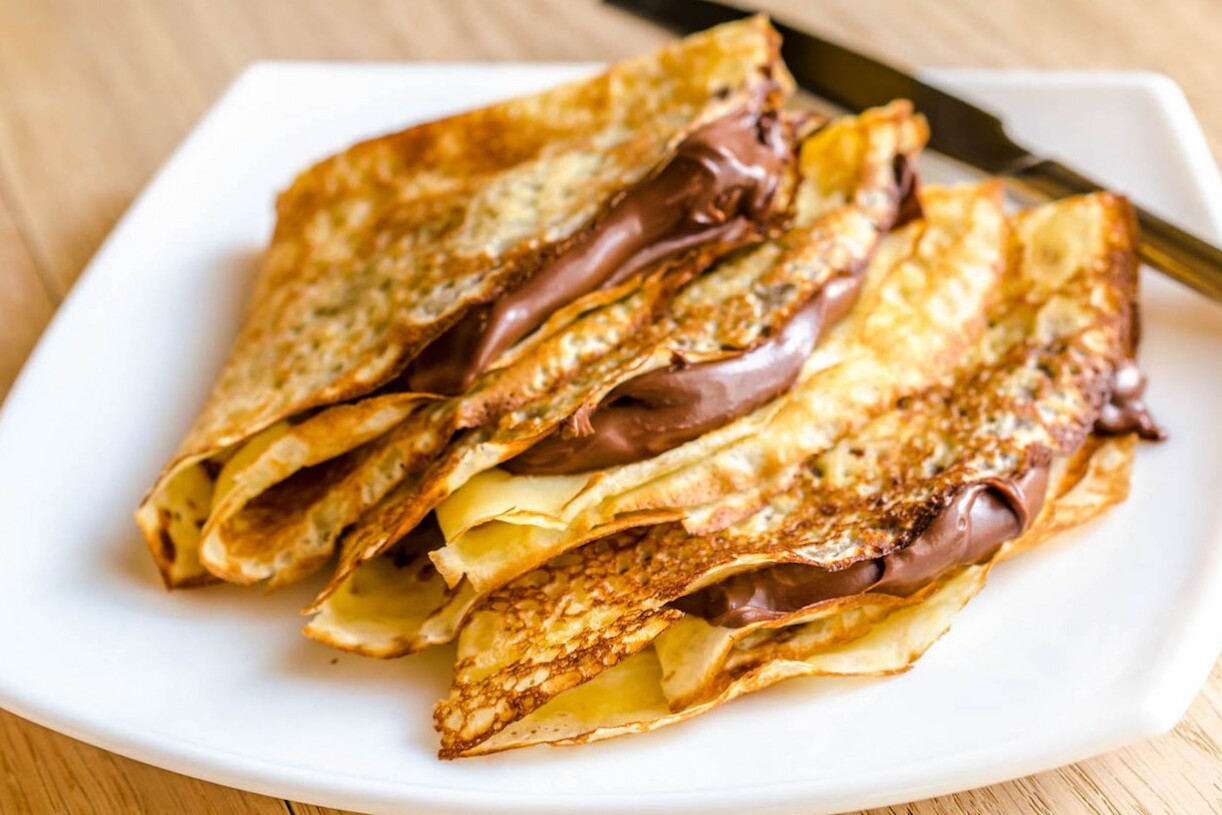
The origins of the crêpe are Breton rather than Parisian, which is a distinction that matters to anyone from Brittany. The savoury galette, made with buckwheat flour, is technically a separate thing from the sweet crêpe, and the best crêperies in Paris will insist on this distinction with the quiet firmness of people who have explained it many times.
Insider tip
The area around Montparnasse has a concentration of Breton crêperies that reflects the historical migration of Bretons to Paris via the Gare Montparnasse. This is where you go if you want a buckwheat galette made by someone who grew up eating them.
The Musée de la Poupée in Paris: a museum that takes its subject seriously
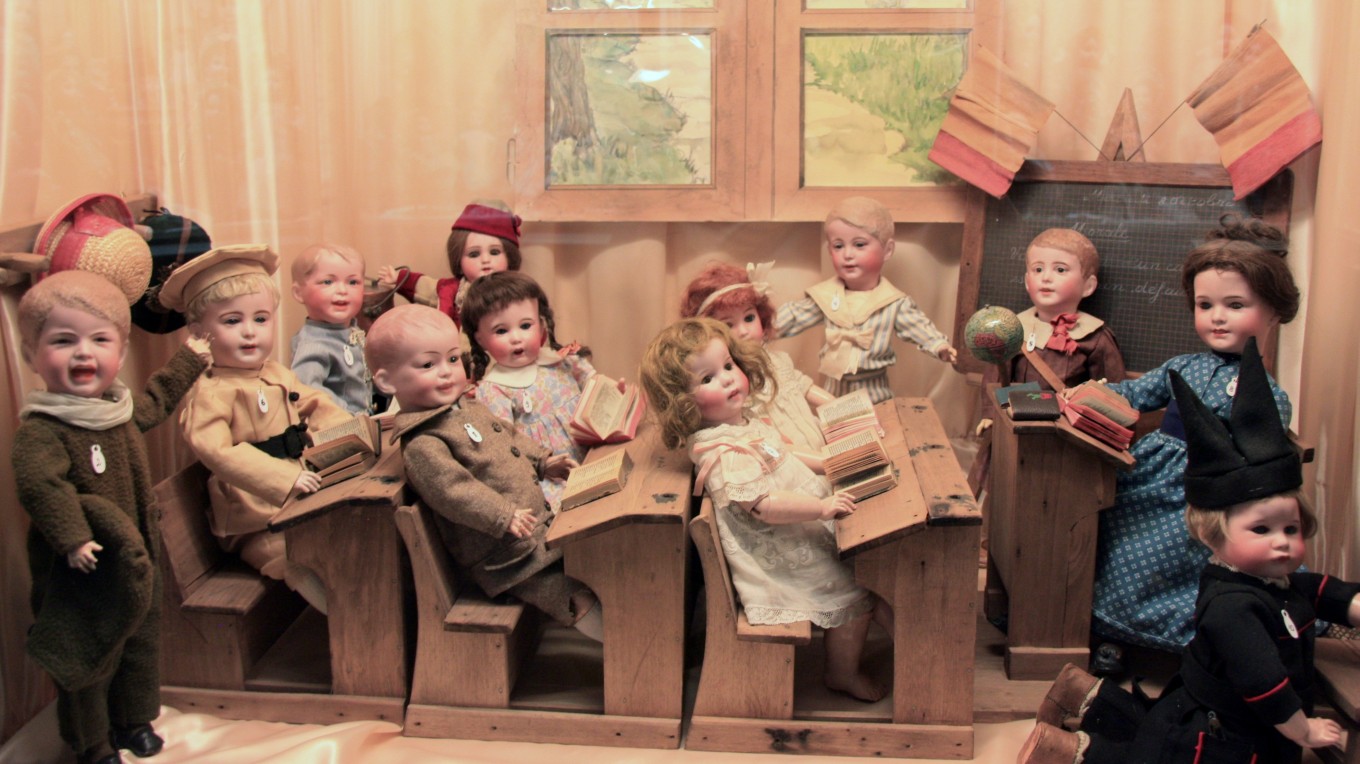
The museum is tucked into a covered passage in the 3rd arrondissement, which is itself worth the detour. The dolls are unsettling in the way that all preserved childhood objects are unsettling: they carry the weight of time in a way that adult artefacts somehow do not.
Insider tip
The museum is small enough to visit in under an hour, which makes it an ideal companion to an afternoon in the Marais. It is particularly rewarding if you visit with a child, who will respond to it entirely differently than you do.
Part four — Around and beyond
Parigi, la città dell'Amore: the idea of the city versus the city itself

There is something about the physical arrangement of Paris — the scale of its boulevards, the density of its cafés, the quality of its light in certain seasons — that does produce a particular emotional register in people who spend time there. Whether that register is love or something more complicated is a question the city leaves deliberately open.
Insider tip
Spend an evening in a neighbourhood you have no particular reason to visit — the 13th arrondissement, or the Canal Saint-Martin area — and notice how the city feels when you are not trying to see anything specific. This is when Paris tends to make its real impression.
Secret World vs TripIt: quale app vince a Parigi nel 2026: the question behind the question

A city that is fully planned is a city that cannot surprise you. The best version of Paris that most people experience is the one that includes at least one afternoon of deliberate aimlessness — no app, no itinerary, no particular destination — and the discovery that tends to follow from it.
Insider tip
Use whatever app you prefer for transport and ticketing, but build at least one unscheduled half-day into every trip. Paris is a city that rewards the absence of a plan more reliably than it rewards a good one.
Come pianificare un viaggio a Parigi con l'AI nel 2026: 130 museums and the art of choosing none of them
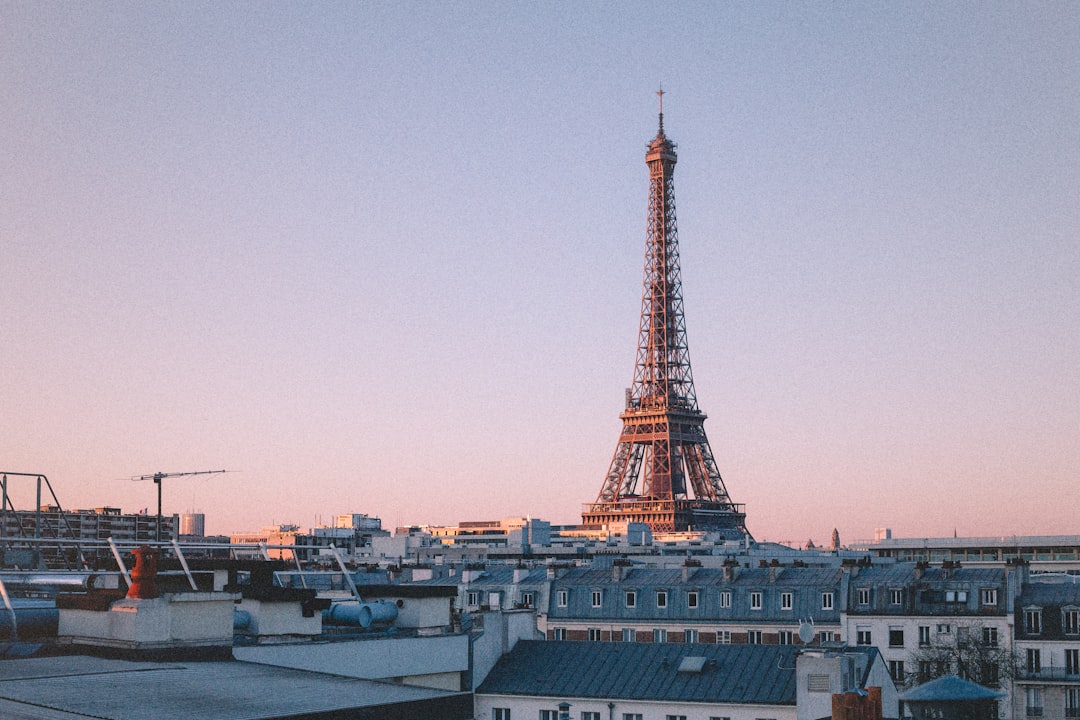
The emergence of AI planning tools has made the logistics of Paris more navigable, but it has also made the itineraries more uniform. The algorithm recommends what the data says people like, and what people like is what everyone else has already done.
Insider tip
Ask any planning tool — AI or otherwise — to suggest the three least-visited museums in the arrondissement you are already in. The answer will be more interesting than the answer to 'what should I see in Paris.'
Every city has a version of itself that it presents to strangers, and a version it keeps for the people who stay long enough to earn it. Paris is unusually skilled at maintaining both versions simultaneously, which is why it remains genuinely interesting to people who have visited it many times. The places in this list are not secrets in any strict sense — they are simply places that require a different kind of attention than the famous landmarks do. They ask you to slow down, to look sideways, to be willing to spend an afternoon on something that might not resolve into a good story.
That willingness is, I think, the real entry requirement for Paris. The city has been written about so exhaustively that the only honest response is to stop trying to see it whole and start paying close attention to whatever is directly in front of you. The blue door. The old clock. The fountain that sprays at irregular intervals. These are not lesser versions of Paris. They are, in many ways, more Paris than the postcard version has ever managed to be.
That willingness is, I think, the real entry requirement for Paris. The city has been written about so exhaustively that the only honest response is to stop trying to see it whole and start paying close attention to whatever is directly in front of you. The blue door. The old clock. The fountain that sprays at irregular intervals. These are not lesser versions of Paris. They are, in many ways, more Paris than the postcard version has ever managed to be.


