I have been coming to Rio for years, and I have made the same mistakes as everyone else. I have stood at the base of Corcovado with a crowd of people all pointing cameras in identical directions. I have walked the black-and-white mosaic of Copacabana's promenade at the exact pace of ten thousand tourists before me. These are not bad experiences. But they are curated ones — and curation, by definition, is a form of editing. What gets cut is often the most interesting material.
The places in this list are not secret in the conspiratorial sense. Several of them are documented, mapped, and occasionally crowded. What makes them feel hidden is something more subtle: they exist in the gap between the city's reputation and the city's reality. They are the places that informed travellers — people who have read the guidebooks, done the research, seen the photographs — still manage to walk past. Sometimes because the light is wrong. Sometimes because the café next door has a longer queue. Sometimes simply because nobody thought to stop.
Rio rewards stopping. It rewards the pause, the second look, the willingness to let the itinerary dissolve for an afternoon. These fifteen places are invitations to do exactly that.
At a glance
- Rio de Janeiro Theatre: the building that keeps its best face for those who look up
- The Confeitaria Colombo: a mirror room that time forgot to modernise
- The Candelária Church - Rio de Janeiro: baroque gravity in a square that never slows down
- The Cathedral of Rio de Janeiro: a concrete cone that divides opinion and rewards patience
- Parque Lage, a public park in the city of Rio de Janeiro: the mansion at the foot of the mountain
- Rio de Janeiro Botanical Garden (Jardin Botanico): the imperial avenue that earns its silence
- Aterro do Flamengo in Rio de Janeiro: the landfill that became a living room
- Caipirinha: o coquetel brasileiro que o mundo inteiro copiou — and why the version you've had before probably wasn't one
- CCBB Rio de Janeiro - one of the most important cultural place of Brazil: the bank that became a gallery
- Brazil: The Sugar Loaf Mountain — the second cable car is the one worth taking
- Rio de Janeiro and the famous Ipanema Beach: reading the geography before you lay down your towel
- Rio de Janeiro e le sue famose per le spiagge: the city as a whole, seen from the water
- Secret World vs TripIt: quale app vince a Rio de Janeiro 2026 — or, the question of how to navigate a city that resists navigation
Part one — The essentials
Rio de Janeiro Theatre: the building that keeps its best face for those who look up
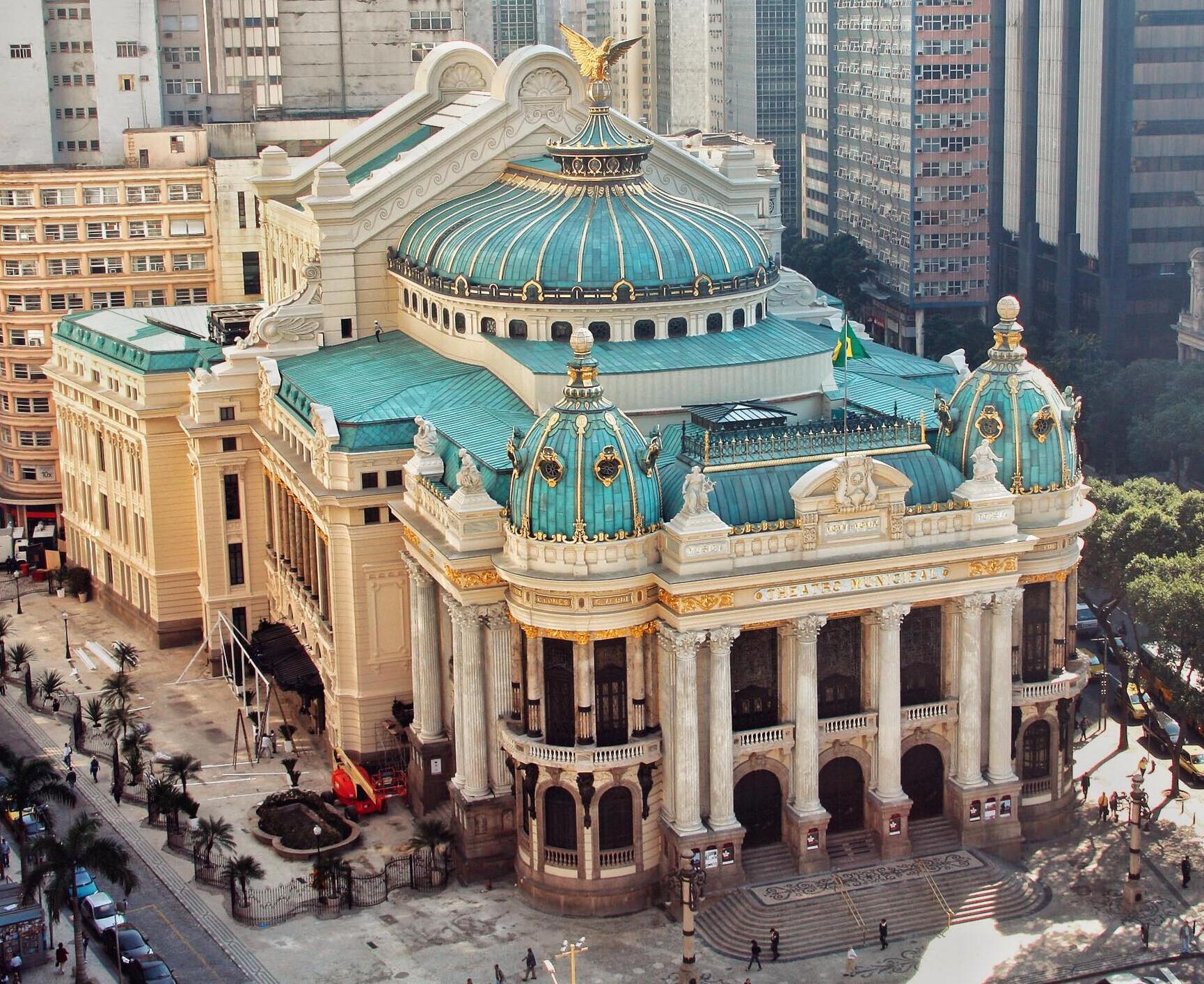
What makes it feel hidden is the Brazilian habit of treating grandeur as ordinary. Locals pass the theatre on their way to work without a second glance. The building has become furniture. For a visitor willing to buy a cheap ticket to an evening performance, it becomes something else entirely.
Insider tip
Check the theatre's schedule online before you arrive in Rio — evening performances often sell affordable gallery seats that put you directly beneath the painted ceiling. Dress modestly but don't overthink it; Cariocas are relaxed about concert attire.
The Confeitaria Colombo: a mirror room that time forgot to modernise
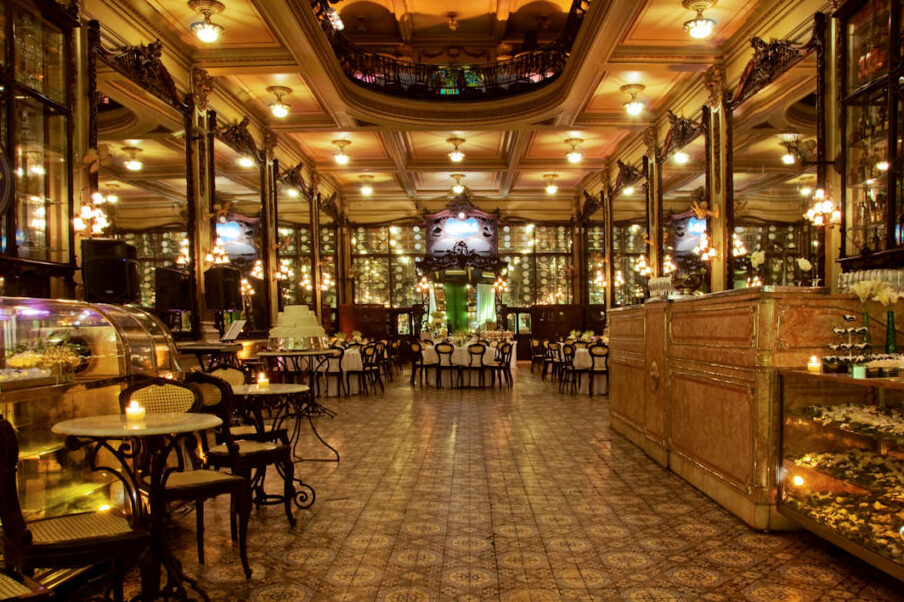
The reason it qualifies as overlooked is that most visitors who know about it arrive for a photograph and leave. The correct approach is the opposite: arrive hungry, order coffee, and stay long enough for the room to stop feeling theatrical and start feeling simply real.
Insider tip
The upstairs tearoom, accessible via a narrow staircase at the back, is quieter than the ground floor and offers the best view of the atrium's full geometry. Go on a weekday morning when the tour groups haven't yet arrived.
The Candelária Church - Rio de Janeiro: baroque gravity in a square that never slows down
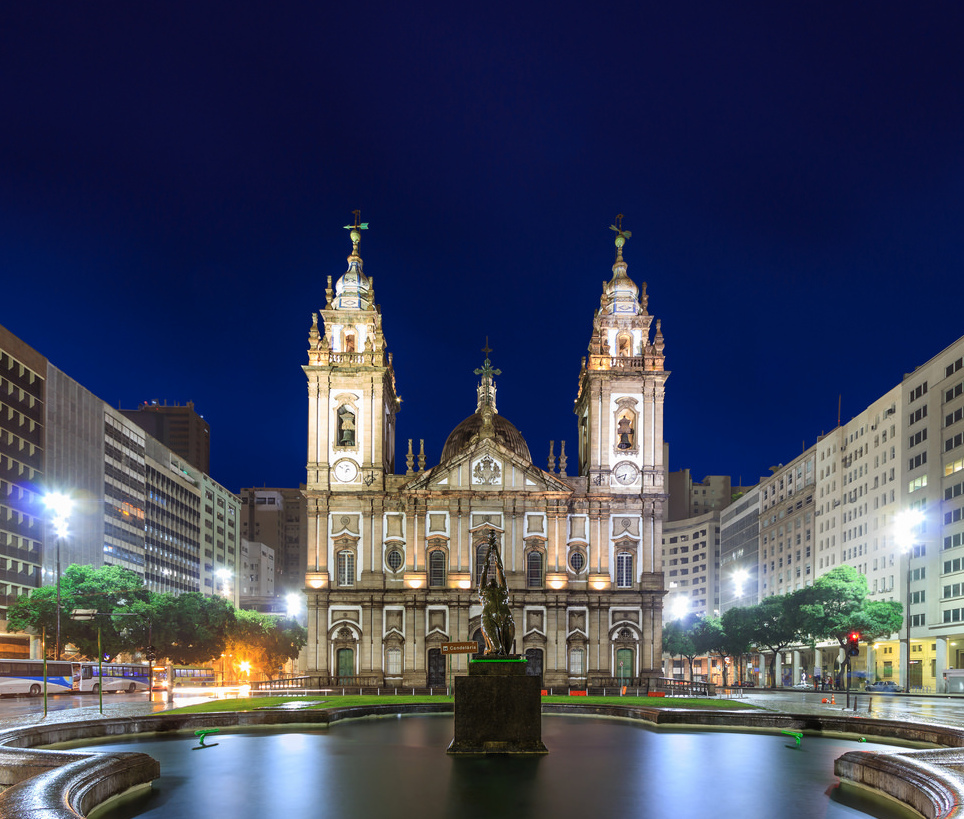
Step inside and the noise disappears with a completeness that feels almost architectural in its own right. The nave is long and cool, the marble floors polished by generations of feet, the painted panels depicting the legend of the church's founding — a shipwreck, a vow, a construction — with the earnest detail of people who believed the story mattered. In a city that moves at Rio's pace, the interior of Candelária is an argument for stillness.
Insider tip
The church is open to visitors in the mornings on most weekdays; arrive before 10am to have the nave largely to yourself. The side chapels contain painted details that most visitors never reach.
The Cathedral of Rio de Janeiro: a concrete cone that divides opinion and rewards patience
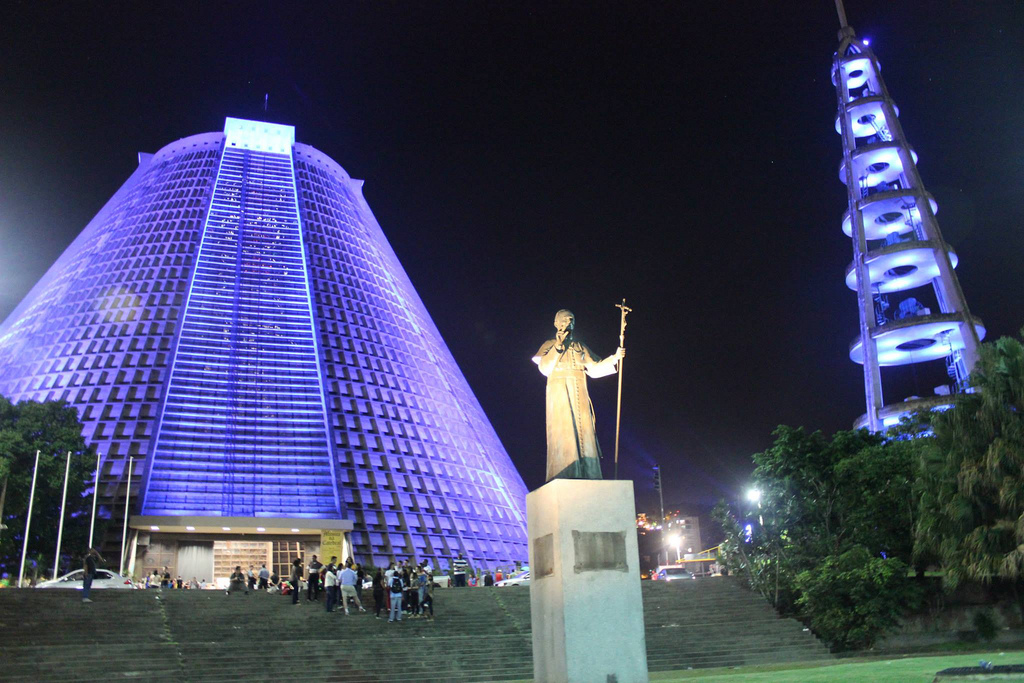
Those who go inside encounter one of the more extraordinary interior spaces in South America. Four enormous stained-glass panels rise from floor to ceiling, each one a different colour — red, blue, green, yellow — flooding the circular nave with light that changes character as the day progresses. At midday the effect is almost hallucinatory. The cathedral holds approximately twenty thousand people; on a quiet Tuesday morning it holds you, alone, in a room full of coloured light.
Insider tip
Visit between 11am and 1pm on a sunny day when the stained-glass panels are at their most luminous. The ecclesiastical museum in the basement, often overlooked, contains imperial-era religious artefacts of genuine historical weight.
Part two — A little deeper
Parque Lage, a public park in the city of Rio de Janeiro: the mansion at the foot of the mountain

The park behind the mansion is free, open to the public, and connects via trail to Corcovado. Families picnic on the lawns. Art students sketch in the courtyards. Toucans appear in the trees with the casual frequency of pigeons.
Insider tip
The hiking trail that begins behind the mansion and climbs through Atlantic Forest toward Corcovado is well-marked and moderately demanding — it takes roughly two hours and arrives near the Christ statue, allowing you to avoid the tourist train queue entirely.
Rio de Janeiro Botanical Garden (Jardin Botanico): the imperial avenue that earns its silence

What earns the garden its place in this list is not the famous avenue but what lies beyond it: the orchid house, the Japanese garden, the sections of Atlantic Forest that have been allowed to grow with something approaching wilderness. The garden covers 137 hectares, and most visitors see perhaps a tenth of it. The rest is available to anyone willing to follow the less-signposted paths.
Insider tip
Tuesday mornings, when the garden is less visited, are the best time to find the orchid greenhouse and the cactus section near the back of the grounds relatively empty. Bring water — the garden is larger than it appears on maps.
Aterro do Flamengo in Rio de Janeiro: the landfill that became a living room

Foreign visitors tend to skip it in favour of the more famous southern beaches. That is a navigational error. On weekend mornings the Aterro is where Rio actually lives — where grandmothers walk, where teenagers skate, where the city's extraordinary social mix is on display without the mediation of tourism.
Insider tip
The stretch near the Museum of Modern Art (MAM) is where the park's design is most legible — Burle Marx's planting choices and Reidy's pavilion architecture are in genuine conversation here. The MAM itself is worth a separate visit.
Caipirinha: o coquetel brasileiro que o mundo inteiro copiou — and why the version you've had before probably wasn't one

This is not food snobbery; it is a question of ingredients and attention. In Rio, the caipirinha is not a cocktail in the international sense — it is a social ritual, a way of marking the transition from afternoon to evening, from work to something better. The glass matters less than the company.
Insider tip
Ask for your caipirinha com cachaça artesanal — artisanal cachaça — rather than the standard commercial brands. Many kiosks and botequins stock small-batch cachaças from Minas Gerais that transform the drink into something worth discussing.
Part three — Off the obvious path
CCBB Rio de Janeiro - one of the most important cultural place of Brazil: the bank that became a gallery
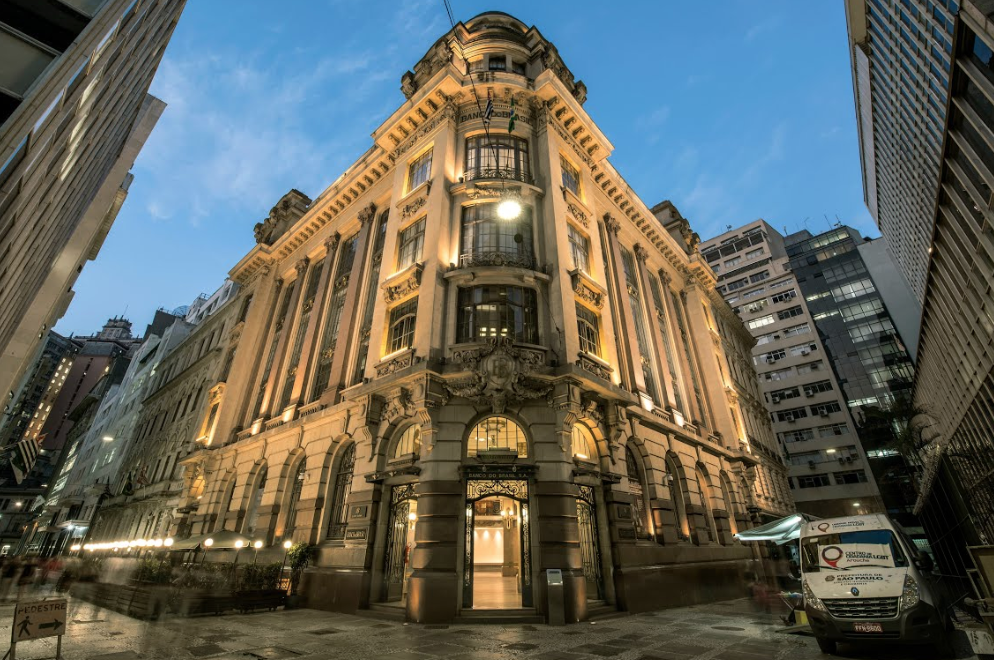
The CCBB is free or very cheap to enter, which means it is used by Cariocas in the way that cultural centres should be used — casually, regularly, without the reverence that expensive admission tends to impose. On a weekday afternoon you will find students, pensioners, and office workers on their lunch breaks sharing the same rooms with the art.
Insider tip
The CCBB's rooftop terrace, accessible during opening hours, offers an unusual view over the old port district and is almost never mentioned in visitor guides. The building's original banking architecture — vaults, counters, ironwork — is still visible in several rooms.
Brazil: The Sugar Loaf Mountain — the second cable car is the one worth taking

The issue is pace. The cable car system involves two stages: the first stops at Morro da Urca, the lower peak, where most visitors linger briefly before taking the second car to the summit. Morro da Urca itself — with its open-air stage, its bar, its different angle on the bay — is worth an hour that almost nobody gives it. The mountain rewards those who slow down before they reach the top.
Insider tip
The last cable car of the day, departing as the sun sets, is the most coveted departure — book tickets online well in advance. Arriving at Morro da Urca for sunset and watching the city lights come on below is a different experience from the midday crowd.
Rio de Janeiro and the famous Ipanema Beach: reading the geography before you lay down your towel

The beach is divided into posts — numbered lifeguard stations — and each post has its own character: families at some, surfers at others, the LGBTQ+ community concentrated around Post 8 near Rua Farme de Amoedo. The Morro Dois Irmãos at the western end frames every sunset with the kind of compositional authority that makes you briefly believe the landscape was arranged deliberately.
Insider tip
The stretch of beach near Post 9 is where the most skilled football and footvolley players tend to gather on weekend afternoons — watching a game of footvolley (volleyball played without hands) is one of the more absorbing free entertainments the city offers.
Rio de Janeiro e le sue famose per le spiagge: the city as a whole, seen from the water
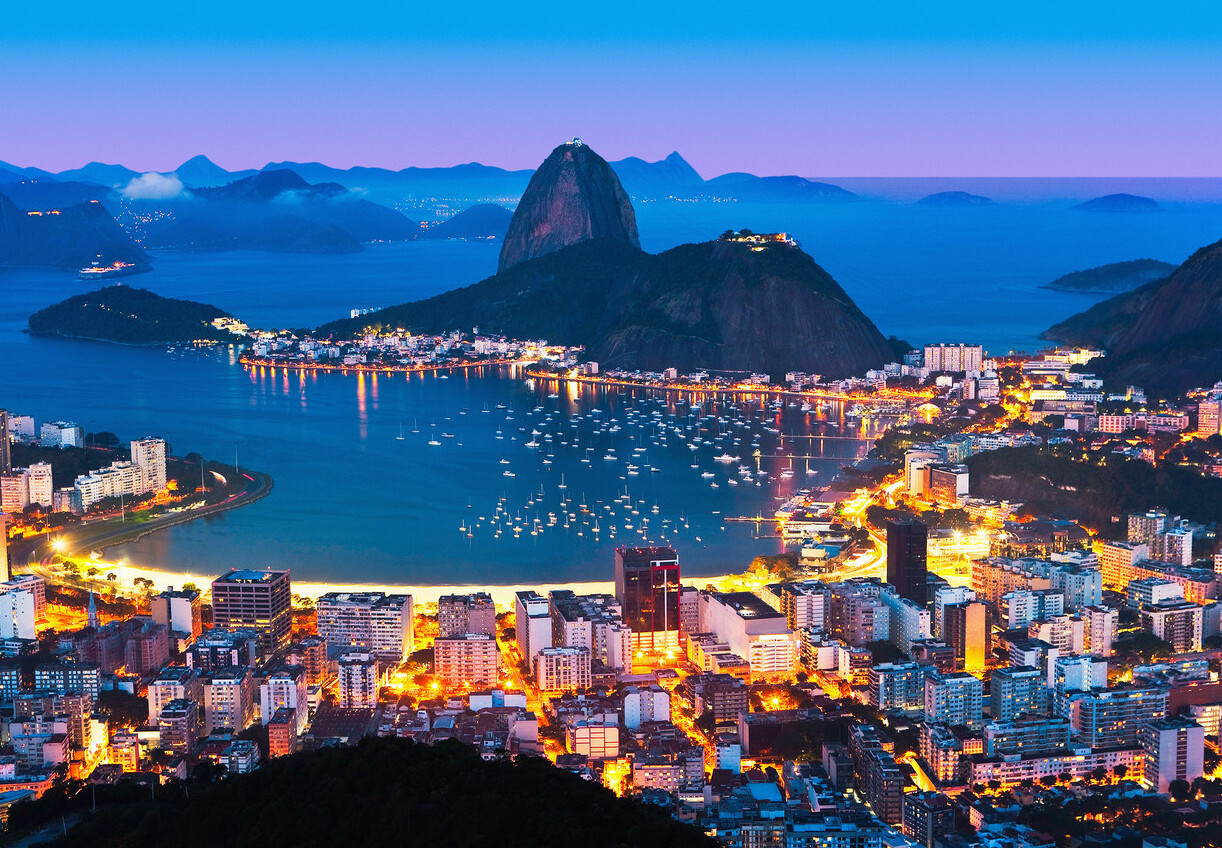
A ferry crossing of Guanabara Bay — cheap, functional, used by commuters from Niterói — offers a view of Rio that no land-based vantage point replicates. The city arranges itself differently from the water. The mountains resolve into layers. The relationship between the formal city and the favelas on the hillsides becomes suddenly, uncomfortably clear. It is the view that explains everything else.
Insider tip
The regular passenger ferry between Praça XV in downtown Rio and Niterói costs a few reais and takes about fifteen minutes each way. Take it in the late afternoon when the light on the mountains is at its most legible, and ride it back without getting off.
Part four — Around and beyond
Secret World vs TripIt: quale app vince a Rio de Janeiro 2026 — or, the question of how to navigate a city that resists navigation

The question of which app to use is, in some ways, the wrong question. The right question is how much structure you actually need. Rio's public transport — metro, BRT, ferry, bus — is more coherent than its reputation suggests, and the metro in particular is efficient and safe. But the city's best moments tend to happen in the gaps between planned destinations, in the unscheduled hour when the itinerary collapses and you end up somewhere you hadn't considered.
Insider tip
The Rio metro app and Google Maps are reliable for underground and surface routes respectively, but for real-time bus information, locals use the Moovit app — it handles Rio's complex bus network with more accuracy than most alternatives.
Every city has a version of itself that it presents to strangers, and a version that it keeps for the people who stay long enough to earn it. Rio de Janeiro's presented version is extraordinarily good — the mountains, the beaches, the carnival, the light. It is one of the great urban spectacles on earth, and there is no shame in being dazzled by it.
But the city that exists beneath that spectacle — in the mirrored halls of a century-old café, in the coloured light of a concrete cathedral, in the ferry crossing that nobody takes for pleasure but everybody should — is quieter, stranger, and ultimately more lasting. It is the city that stays with you after the photographs have been filed and the postcard version has faded.
Rio rewards the traveller who arrives with the postcard already in hand and then, deliberately, puts it down. The city is large enough, and various enough, and genuinely surprising enough, to justify the gesture. Go slowly. Look up. Stay for the second coffee.
But the city that exists beneath that spectacle — in the mirrored halls of a century-old café, in the coloured light of a concrete cathedral, in the ferry crossing that nobody takes for pleasure but everybody should — is quieter, stranger, and ultimately more lasting. It is the city that stays with you after the photographs have been filed and the postcard version has faded.
Rio rewards the traveller who arrives with the postcard already in hand and then, deliberately, puts it down. The city is large enough, and various enough, and genuinely surprising enough, to justify the gesture. Go slowly. Look up. Stay for the second coffee.


