I have spent years returning to this corner of the New Territories and Kowloon, each time convinced I have found the last unmarked door, and each time proven wrong. The places in this editorial are not secret. Several of them appear on official tourist maps. A few have their own Wikipedia entries. What makes them feel hidden is something more specific: they exist in the gap between what a place is described as and what it actually is when you show up on a Tuesday afternoon in light rain, with no particular agenda. That gap is where travel writing should live, and almost never does.
What follows is not a list of obscurities assembled to flatter the reader's sense of adventure. It is a considered account of fifteen places — temples, markets, gardens, buildings, waterfronts — that consistently surprise people who consider themselves informed about Hong Kong. The surprise is not always dramatic. Sometimes it is simply the recognition that a place has been quietly, stubbornly itself all along, indifferent to the photographs taken of it. That, I would argue, is the rarest quality a destination can possess.
At a glance
- Che Kung Temple at Ho Chung: the river-facing shrine that time forgot to renovate
- Zaha Hadid: Innovation Tower (Jockey Club Tower): the building that Hong Kong's architecture tourists somehow keep missing
- 1881 Heritage: Storia e Cultura a Hong Kong: the colonial compound that earns its own reading
- Esplora la serenità del Chi Lin Nunnery a Hong Kong: the wooden temple complex that insists on being taken seriously
- Nan Lian Garden: un'oasi di tranquillità a Hong Kong: the second reading of a place that rewards return visits
- Scopri il MacLehose Trail: Un Viaggio nel Cuore di Hong Kong: the 100-kilometre argument against the idea that Hong Kong is a city
- Hong Kong and the Ladies' Market: the street that refuses to become respectable
- Esplora il Ladies' Market di Hong Kong: Mong Kok's most photographed street, read against the grain
- Hong Kong: The Jade Market: two thousand square feet of compressed expertise
- Dim Sum that means 'touch your heart': the meal that Hong Kong does not need to explain to itself
- Scopri la Magia dell'Avenue of Stars a Hong Kong: the promenade that is better understood as civic theatre than tourist attraction
- The Avenue of Stars in Tsim Sha Tsui East, Kowloon: the waterfront that the harbour view has been unfairly overshadowing
- Golden Bauhinia Square in Hong Kong: the handover monument that rewards a second look
- The Hong Kong Museum of History: the institution that tells you what the harbour view leaves out
Part one — The essentials
Che Kung Temple at Ho Chung: the river-facing shrine that time forgot to renovate
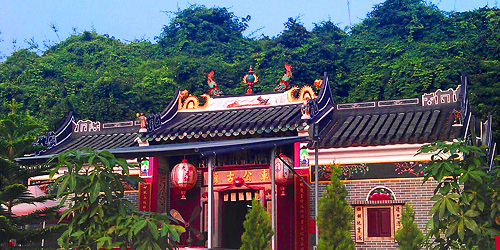
Come here on a weekday and you may be the only non-local present. The caretakers are not performing for tourists; they are maintaining a working place of worship that predates the British arrival by well over a century. That is a different kind of experience from anything you will find closer to the harbour.
Insider tip
Walk the short path behind the temple into the feng shui woodland rather than turning back to the road immediately — the tree canopy there is genuinely old-growth by Hong Kong standards and the contrast with the surrounding development is quietly disorienting.
Zaha Hadid: Innovation Tower (Jockey Club Tower): the building that Hong Kong's architecture tourists somehow keep missing
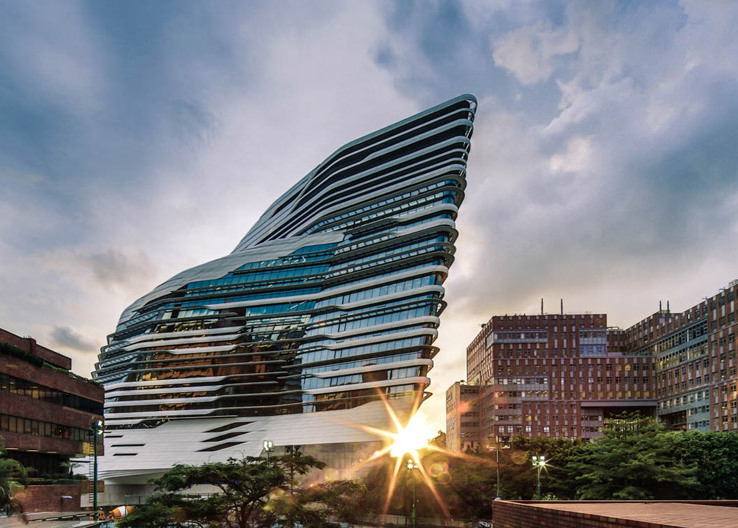
Hadid's characteristic vocabulary is fully present: the building refuses the right angle as a matter of principle, corridors curve into atriums, and the facade reads differently from every approach. It is a building that argues, architecturally, that education should feel like controlled disorientation. Whether or not you agree, standing beneath it produces the specific sensation of encountering a genuinely original idea made physical.
Insider tip
Access to the lobby and lower public areas is generally possible during university hours — walk in with the confidence of someone attending a lecture and the building opens up considerably beyond what you can see from the street.
1881 Heritage: Storia e Cultura a Hong Kong: the colonial compound that earns its own reading
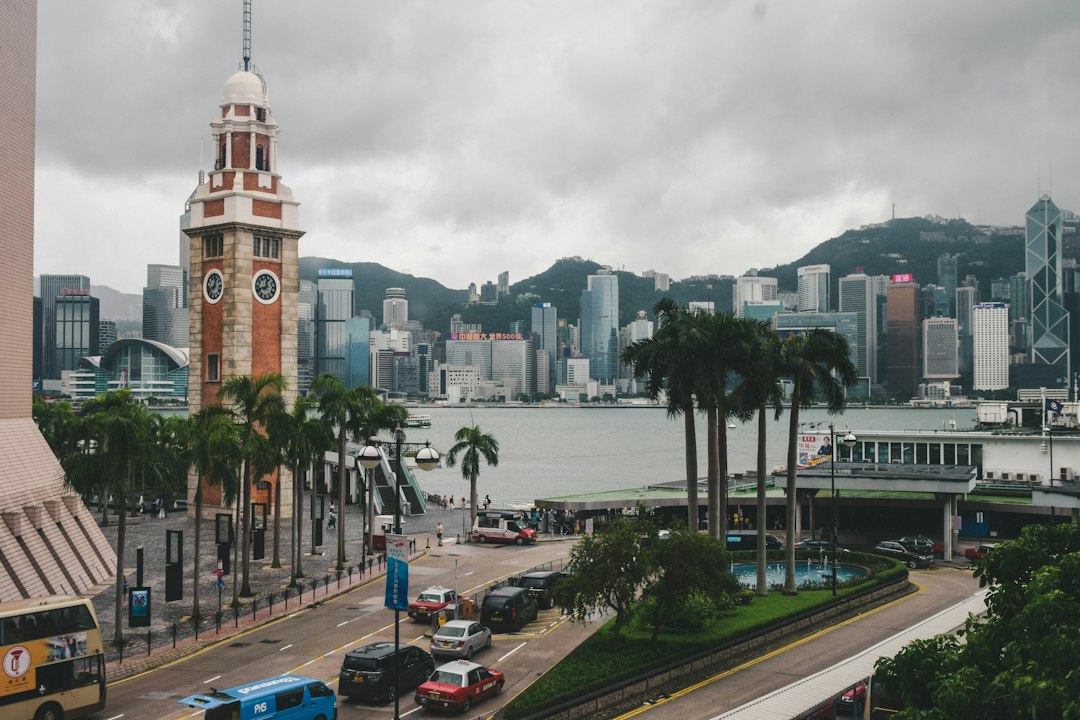
The irony is that the heritage designation intended to preserve the site has also made it a destination for a certain kind of luxury tourism that has nothing to do with history. Arrive early, before the retail opens, and the courtyard belongs to the architecture rather than the shopping bags.
Insider tip
The Time Ball Tower at the edge of the compound is easily overlooked amid the grander buildings — it was used to signal the correct time to ships in the harbour, and its modest scale tells you something true about how precision mattered more than grandeur to the people who built this city.
Esplora la serenità del Chi Lin Nunnery a Hong Kong: the wooden temple complex that insists on being taken seriously
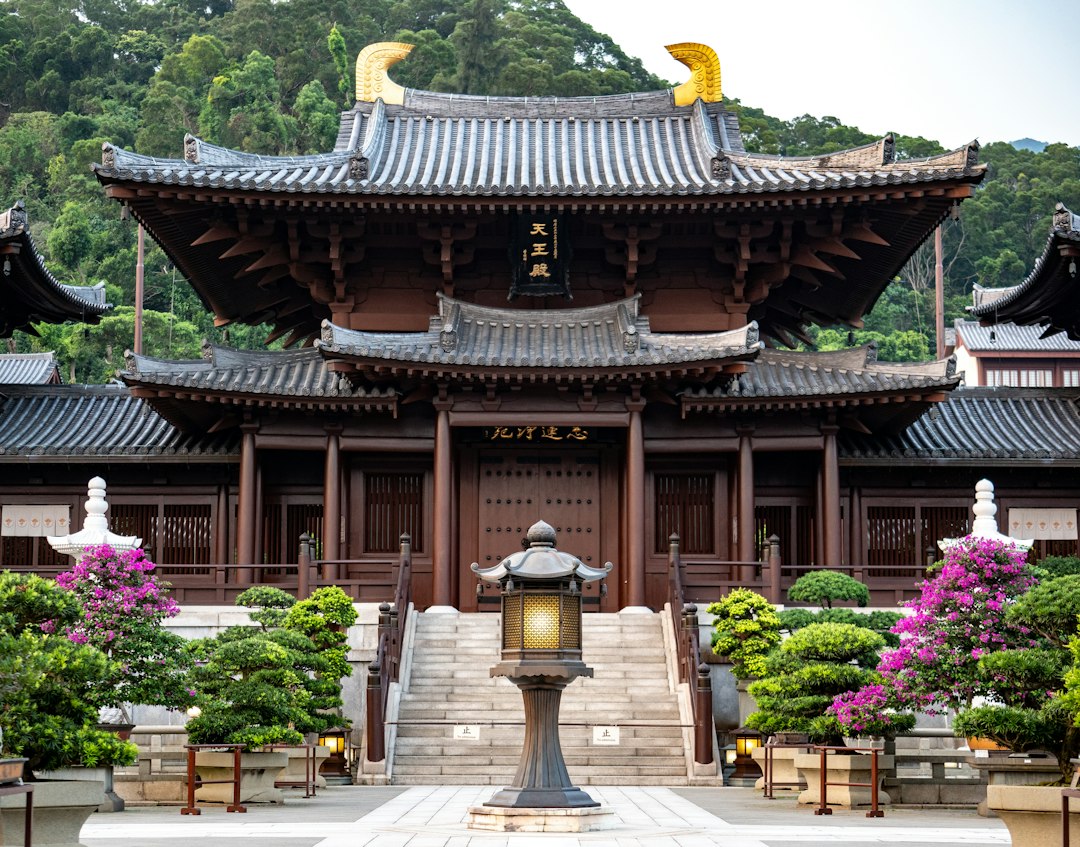
The result is a working Buddhist nunnery that functions simultaneously as an architectural argument about what has been lost in modern construction. The halls are arranged in a sequence of ascending courtyards, each slightly more removed from street noise than the last, until the innermost spaces achieve a stillness that feels genuinely earned rather than engineered for tourism.
Insider tip
The nunnery shares a wall with Nan Lian Garden but has its own entrance and its own atmosphere — visit them separately rather than treating them as a single attraction, because the transition between the two reveals something about how different institutions use the same aesthetic tradition.
Part two — A little deeper
Nan Lian Garden: un'oasi di tranquillità a Hong Kong: the second reading of a place that rewards return visits
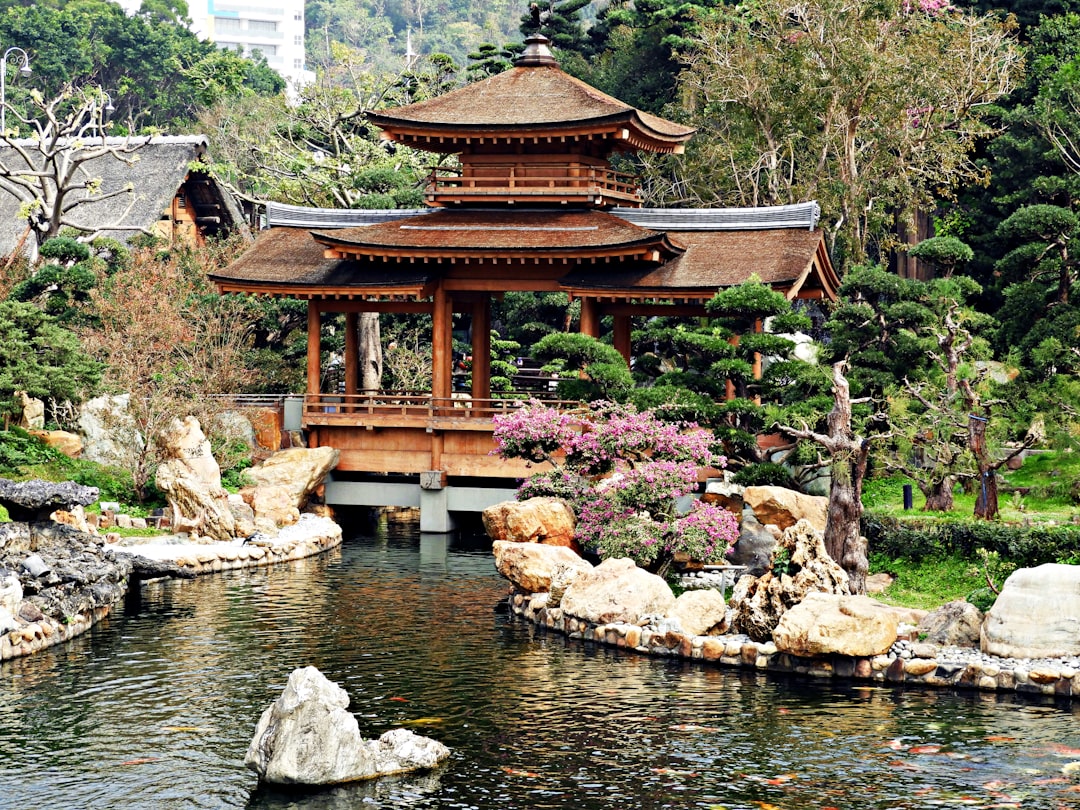
Regular visitors to Diamond Hill — and there are many, particularly among older residents of the surrounding estates — treat the garden as a neighbourhood resource rather than a tourist destination. Joining that rhythm, even briefly, produces a different quality of attention than arriving with a camera and a checklist.
Insider tip
The wooden pavilion at the far end of the garden from the main entrance receives almost no visitors despite offering the most composed view of the entire layout — walk past the obvious stopping points and keep going.
Scopri il MacLehose Trail: Un Viaggio nel Cuore di Hong Kong: the 100-kilometre argument against the idea that Hong Kong is a city
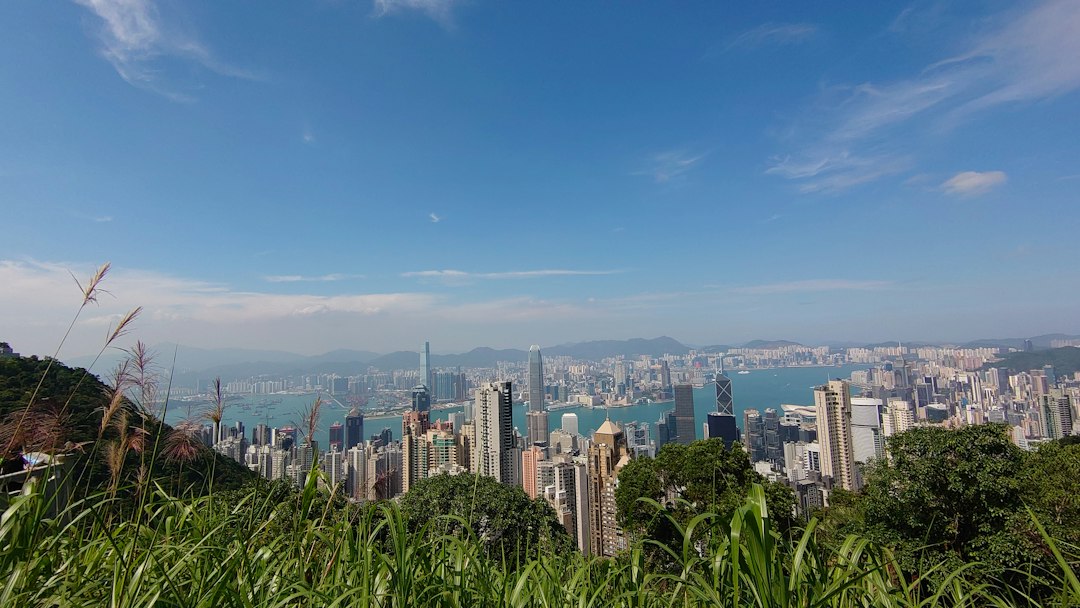
What surprises most people is not the scenery but the solitude. Within forty minutes of leaving the Sai Kung town centre, you can be on a ridge with no building visible in any direction. Hong Kong contains more protected countryside, proportionally, than almost any comparable urban territory in Asia, and the MacLehose Trail is the most direct way to understand that fact physically rather than statistically.
Insider tip
Stage Two of the trail, running between Pak Tam Au and Kei Ling Ha Lo Wai, offers the most dramatic coastal views with the least elevation gain — a reasonable introduction for walkers who are not committed to the full distance.
Hong Kong and the Ladies' Market: the street that refuses to become respectable
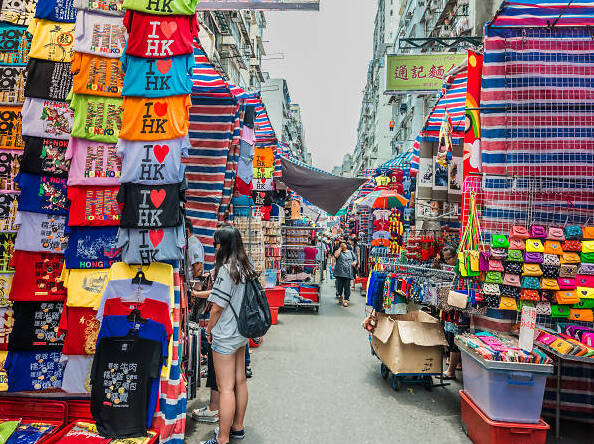
The market is at its most interesting not at peak tourist hours but in the early evening, when the stall holders are negotiating with each other rather than with visitors, when the street food carts are doing their actual business, and when Mong Kok's extraordinary residential density makes itself felt in the foot traffic.
Insider tip
The blocks immediately north of the market's main tourist section, where the stalls shift from souvenirs to everyday clothing and household goods, are where the market's actual function as a neighbourhood resource becomes apparent.
Esplora il Ladies' Market di Hong Kong: Mong Kok's most photographed street, read against the grain
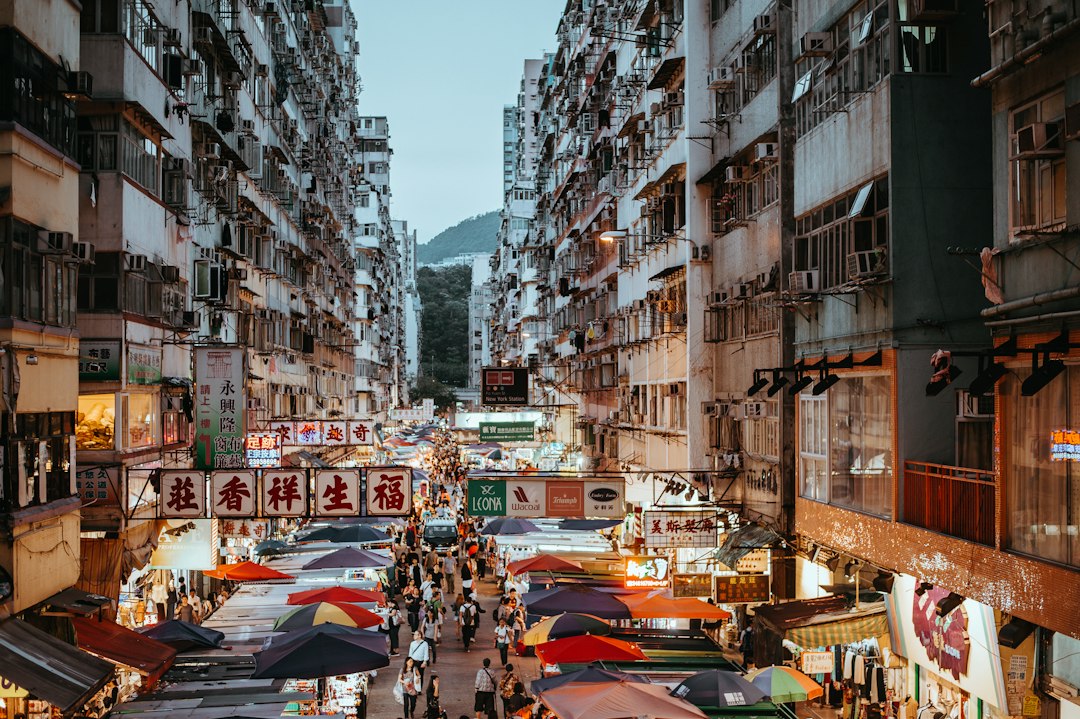
The stalls themselves are worth reading carefully. The mix of goods — branded imitations alongside genuine local manufacture, tourist items alongside things that no tourist would have any use for — tells you something true about how Mong Kok negotiates between its global visibility and its local function.
Insider tip
Arrive before the tourist foot traffic peaks, around late morning on a weekday, and the market's relationship with its own neighbourhood becomes legible in a way that the evening crowds obscure entirely.
Part three — Off the obvious path
Hong Kong: The Jade Market: two thousand square feet of compressed expertise
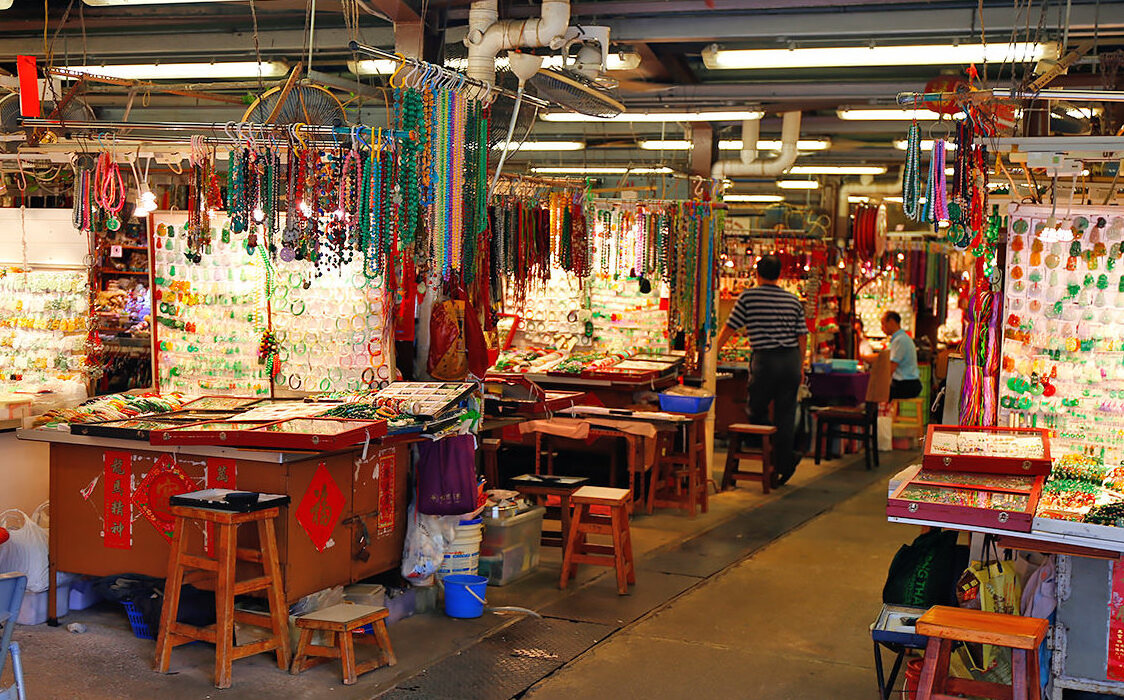
Jade's cultural significance in Chinese tradition is not merely decorative: the stone carries associations with virtue, protection, and social status that make the market a compressed lesson in material culture as much as a shopping destination. The honest difficulty of distinguishing quality from imitation is itself instructive — it is a reminder that some knowledge cannot be acquired from a screen.
Insider tip
If you express genuine curiosity rather than immediate buying intent, some of the longer-established vendors will explain the difference between jadeite and nephrite — the two distinct stones both sold as jade — with a patience that suggests they find the ignorance of visitors more interesting than their money.
Dim Sum that means 'touch your heart': the meal that Hong Kong does not need to explain to itself

The tradition originated as a accompaniment to tea drinking along the old Silk Road routes and evolved into the elaborate, cart-wheeled, multi-generational Sunday institution that defines a particular kind of Hong Kong family life. Eating dim sum well requires a certain willingness to commit: you sit, you order repeatedly, you stay longer than you planned.
Insider tip
The best dim sum experiences in Hong Kong are rarely in the places that appear on international food lists — ask a local where their family goes on Sunday mornings, accept the answer even if it involves a forty-minute MTR journey, and go before ten o'clock.
Scopri la Magia dell'Avenue of Stars a Hong Kong: the promenade that is better understood as civic theatre than tourist attraction
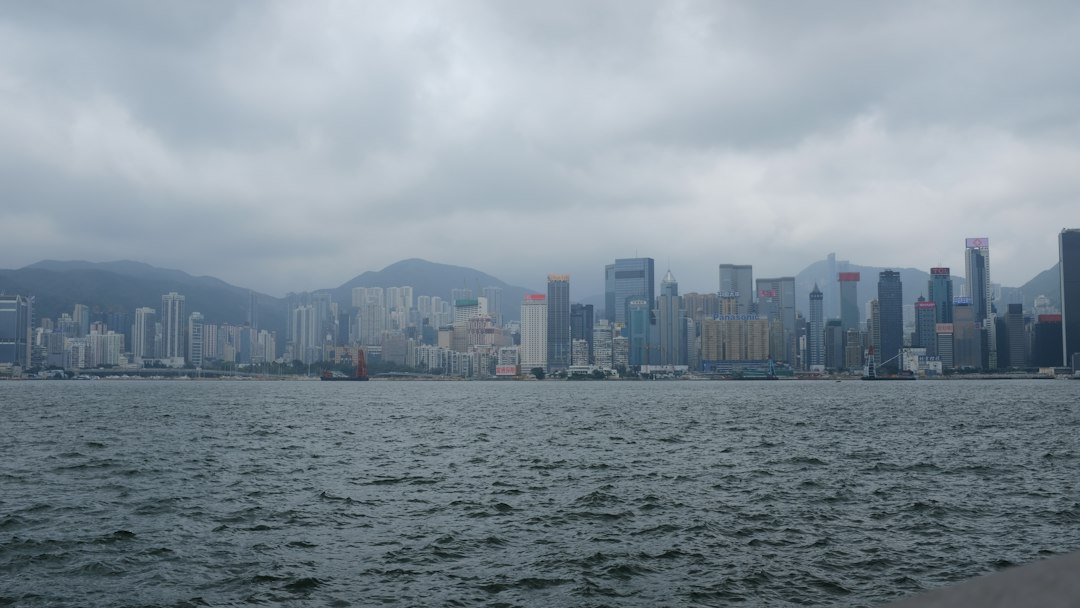
The film industry connection is real and worth taking seriously. Hong Kong cinema — particularly the martial arts and crime genres that dominated from the 1970s through the 1990s — was one of the most globally influential popular art forms of the twentieth century, and the Avenue of Stars is one of the few public spaces in the city that acknowledges that history directly.
Insider tip
The promenade is far less crowded in the early morning, when the harbour light is at its most interesting and the space is occupied primarily by people doing tai chi — a combination that tells you more about the city than any evening light show.
The Avenue of Stars in Tsim Sha Tsui East, Kowloon: the waterfront that the harbour view has been unfairly overshadowing
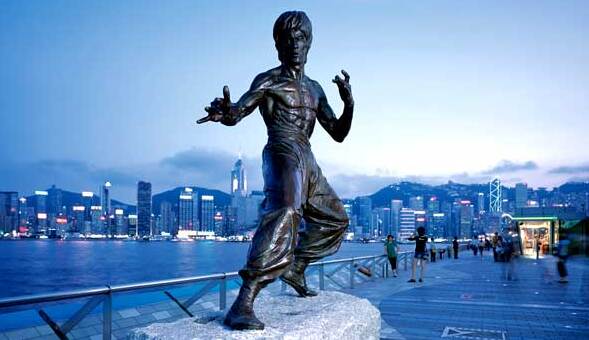
The promenade underwent renovation and reopened in 2019, with improved public seating and better integration of the heritage elements. The result is a public space that works better as a place to sit and think than it does as a photography location, which is not how most people use it.
Insider tip
The eastern end of the promenade, away from the main tourist concentration near the Bruce Lee statue, offers the same harbour view with considerably more space and a better angle on the Kowloon waterfront's own skyline.
Part four — Around and beyond
Golden Bauhinia Square in Hong Kong: the handover monument that rewards a second look

The bauhinia flower is Hong Kong's regional emblem, appearing on the flag and the coin, and the square's function as a site of official ceremony — flag-raising events take place here regularly — gives it a political weight that tourist photographs tend to crop out. Understanding what the square commemorates, and what it does not, is a more interesting exercise than photographing the sculpture.
Insider tip
The flag-raising ceremony takes place at dawn on the first of each month and on significant national holidays — attending one, even briefly, gives you a reading of the square's intended meaning that the usual daytime visit entirely misses.
The Hong Kong Museum of History: the institution that tells you what the harbour view leaves out
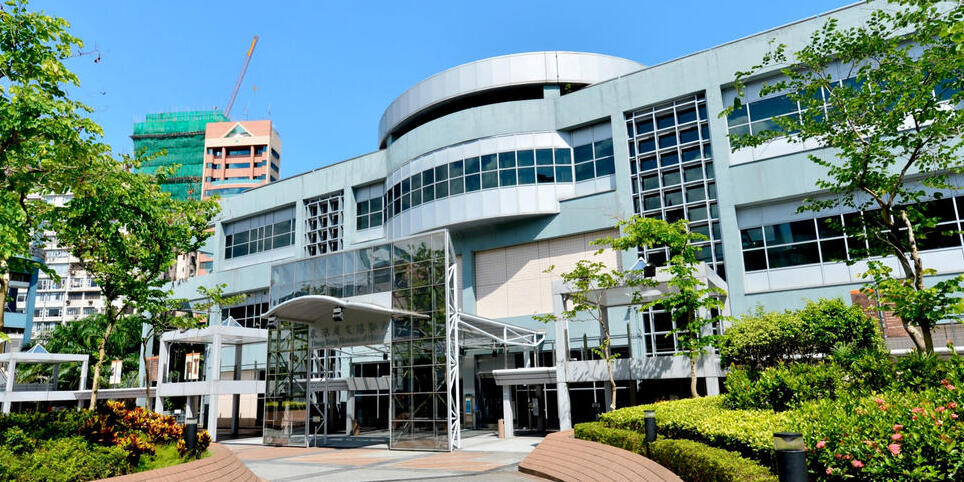
What distinguishes the museum is its willingness to hold complexity without resolving it into a single narrative. The colonial period is neither celebrated nor simply condemned; the fishing village origins are documented with genuine ethnographic care; the postwar industrial transformation is shown as a human story rather than an economic abstraction. It is, in short, a museum that trusts its visitors to think.
Insider tip
The reconstructed street scenes from early twentieth-century Hong Kong in the lower galleries are worth more time than most visitors give them — the material culture details, from shop signage to domestic objects, are meticulously researched and tell you things about daily life that no harbour view can.
There is a version of travel writing that exists to make you feel you have been somewhere before you arrive. This is not that. The fifteen places described here will not match their descriptions exactly — they never do — and several of them will probably disappoint you in small ways that turn out, later, to be the most interesting parts of the visit. The temple will be more modest than you expected. The garden will have a tower block in the background. The museum will have a closed gallery. The market will be louder and less charming than the photographs suggested.
This is what Sai Kung and its surrounding territory actually offer: not the postcard, but the place behind the postcard, which is messier and more contingent and considerably more real. The places that endure in memory are rarely the ones that performed perfectly. They are the ones that were simply, stubbornly themselves on the day you arrived, indifferent to your expectations. That indifference, I have come to think, is the only honest definition of a place worth visiting.
This is what Sai Kung and its surrounding territory actually offer: not the postcard, but the place behind the postcard, which is messier and more contingent and considerably more real. The places that endure in memory are rarely the ones that performed perfectly. They are the ones that were simply, stubbornly themselves on the day you arrived, indifferent to your expectations. That indifference, I have come to think, is the only honest definition of a place worth visiting.


