Trip.Planner
En · Travel Guide
Travel Guide · 2026 Edition

15 Hidden Gems in Sentosa — beyond the postcard

A quiet guide to the places that informed travellers still manage to overlook

L
Words by
Lena Hofmann
Updated
12 October 2026
Read time
13 minutes
Includes
15 places · interactive map
15 Hidden Gems in Sentosa — beyond the postcard
There is a particular kind of invisibility that descends on places that are, technically, famous. Sentosa Island is a good example. Most visitors arrive with a plan — Universal Studios, the cable car, the beach — and execute it with the efficiency of people who have already decided what they will find. The result is that an entire layer of the island, and the broader Singapore geography it sits within, remains unseen. Not because it hides. Because the crowd moves too fast to notice it.

I have spent time in Singapore across several visits, each one peeling back a different stratum. What strikes me, repeatedly, is how the island rewards a specific quality of attention — not the attention of the itinerary-builder, but the attention of the person who pauses, looks sideways, and asks why that bridge is shaped like a wave, or what is happening inside that temple courtyard on a Tuesday afternoon. The places in this list are not secrets in the conspiratorial sense. Several of them appear on maps and in guidebooks. What makes them feel hidden is that the dominant tourist current simply flows around them, the way a river moves around a stone it has always moved around.

This guide is written for the traveller who has already done the obvious things and is now standing at the edge of the crowd, wondering what else is here. The answer, as it turns out, is quite a lot. Some of it is architectural. Some of it is edible. Some of it is simply a matter of walking a few hundred metres further than most people bother to walk. All of it will give you something worth carrying home.

At a glance

  1. Scopri il Fullerton Building di Singapore: the post office that became a monument
  2. Henderson Waves bridge: Highest pedestrian Bridge — a structure that thinks it is a living thing
  3. Scopri il Buddha Tooth Relic Temple di Singapore: devotion rendered in five floors of detail
  4. Thian Hock Keng: il cuore spirituale di Singapore — the temple the street noise cannot reach
  5. Scopri il Maxwell Food Centre di Singapore: the hawker centre that became a pilgrimage
  6. Chinatown Complex: Un Viaggio Sensoriale a Singapore — the wet market above the hawker hall
  7. Un Viaggio Panoramico a Mount Faber Road, Singapore: the road that remembers what the city looked like before
  8. Sentosa Island:Singapore's mega theme-park — the edges the resort forgot to develop
  9. Chinatown in Singapore: the neighbourhood that keeps living inside its own restoration
  10. Scoprire il Merlion Park: il cuore di Singapore — the icon that works better at the edges
  11. Scopri la Magia del MacRitchie Reservoir: the forest that the city grew around
  12. Scoprire l'Asian Civilisations Museum di Singapore: the collection that puts Singapore in context
  13. Esplorando i Giardini di Gardens by the Bay: the parts that the Supertrees overshadow
  14. Como visitare Chinatown Singapore con Secret World: navigating the neighbourhood on its own terms
  15. Secret World recensione 2026 a Sentosa Island: La tua guida ideale — on the tools we use to see places
Part one — The essentials
1 Historic Site · 4.8 km

Scopri il Fullerton Building di Singapore: the post office that became a monument

Scopri il Fullerton Building di Singapore: the post office that became a monument
There is something almost confrontational about the Fullerton Building's Palladian facade rising from the edge of the Singapore River — as if it never quite accepted that the colonial era ended. Built in 1928 as the General Post Office, it occupied a site that had been the administrative heart of the settlement since Raffles landed. Today it operates as a luxury hotel, which means most visitors see only the lobby, if that. The real reward is standing on the river promenade at dusk, watching the building's colonnades catch the last light while the financial district glitters behind it. The contrast between that composed neoclassical gravity and the glass towers crowding its shoulders tells you more about Singapore's compressed history than most museum panels manage.
Insider tip Walk around to the rear terrace facing the river — the perspective from there, looking back toward Cavenagh Bridge, is the one that architectural photographers consistently choose and tourists consistently miss.
2 Bridge · 3.8 km

Henderson Waves bridge: Highest pedestrian Bridge — a structure that thinks it is a living thing

Henderson Waves bridge: Highest pedestrian Bridge — a structure that thinks it is a living thing
At 36 metres above the forest canopy of the Southern Ridges, the Henderson Waves bridge is the kind of structure that makes you question the boundary between architecture and sculpture. Its undulating steel ribs — seven of them — rise and dip across a 274-metre span, creating sheltered alcoves where you can sit inside the curve of the bridge itself, suspended above a sea of trees. Most visitors photograph it from below or from the cable car and move on. The ones who actually walk it, slowly, discover that the bridge changes character depending on the time of day: bleached and austere at noon, warmly amber at late afternoon, and genuinely strange at night when the lighting picks out each rib in isolation.
Insider tip Come on a weekday morning when the Southern Ridges trail is quiet. The bridge connects to Telok Blangah Hill Park on one end — follow that path for an additional thirty minutes and you will almost certainly have the canopy to yourself.
3 Religious Site · 3.9 km

Scopri il Buddha Tooth Relic Temple di Singapore: devotion rendered in five floors of detail

Scopri il Buddha Tooth Relic Temple di Singapore: devotion rendered in five floors of detail
The Buddha Tooth Relic Temple in Chinatown was completed in 2007, which means it is young by the standards of the tradition it honours but already layered with genuine use and devotion. The Tang dynasty architectural style — bracketed eaves, ochre walls, tiered roofline — is executed with a seriousness that resists the category of replica. Most tourists photograph the ground-floor main hall and leave. The upper floors, which house a Buddhist culture museum and a rooftop garden with a ten-thousand-Buddha stupa, receive a fraction of the foot traffic. The building was partly funded through recycled gold from donated jewellery, a detail that gives the gilded interior an unexpected biographical weight.
Insider tip The rooftop garden on the fourth floor is free to enter and almost always quiet. It is also one of the few elevated outdoor spaces in Chinatown where you can sit without being asked to order something.
4 Religious Site · 4.0 km

Thian Hock Keng: il cuore spirituale di Singapore — the temple the street noise cannot reach

Thian Hock Keng: il cuore spirituale di Singapore — the temple the street noise cannot reach
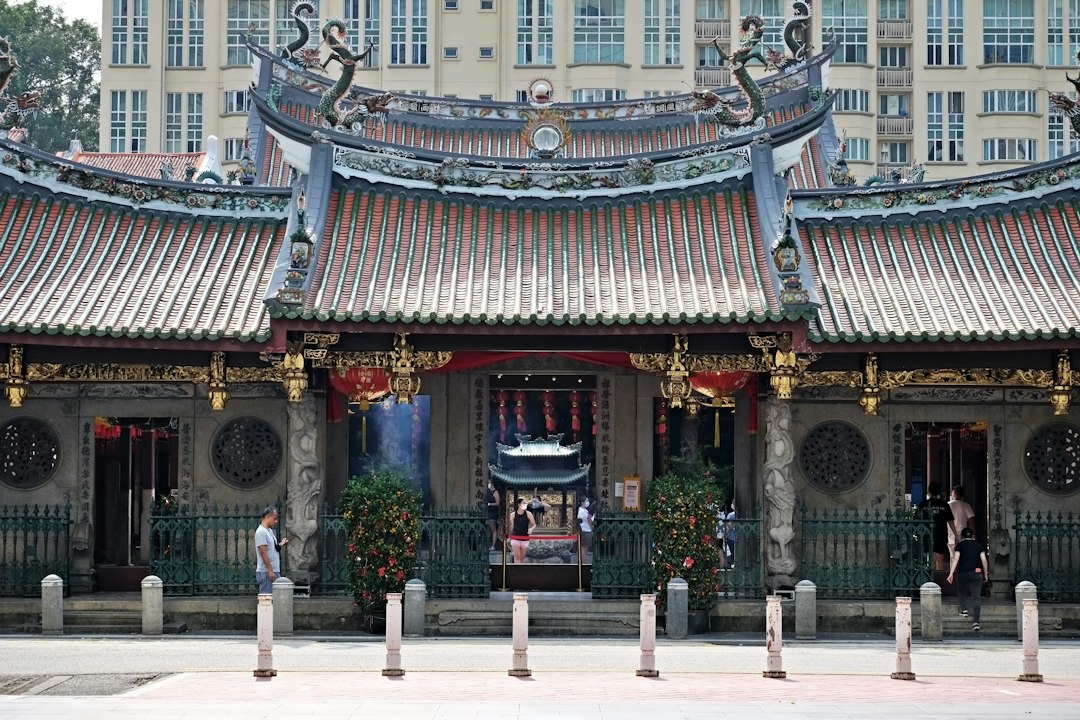
Built between 1839 and 1842 by Hokkien immigrants as a gesture of gratitude to Mazu, the goddess of the sea, Thian Hock Keng predates almost everything around it and carries that seniority with composure. The temple was constructed without a single nail, using interlocking timber joinery, and the materials — cast iron railings, decorative tiles, granite — were shipped from China. What is remarkable about visiting it today is the acoustic quality: the surrounding shophouses absorb the street noise, and the internal courtyard operates at a different temperature and volume from the rest of Chinatown. It is one of the oldest Hokkien temples in Singapore, and on a quiet afternoon, that history is almost physically present.
Insider tip The side chambers flanking the main hall contain smaller altars and older decorative details that the main axis of the temple draws attention away from — spend time there rather than moving straight through.
Part two — A little deeper
5 Food & Drink · 3.8 km

Scopri il Maxwell Food Centre di Singapore: the hawker centre that became a pilgrimage

Scopri il Maxwell Food Centre di Singapore: the hawker centre that became a pilgrimage
Maxwell Food Centre occupies a 1949 building in Chinatown that was originally a wet market, and it still carries that functional, undecorated quality — concrete floors, communal tables, ceiling fans working harder than the air conditioning. The centre became internationally known after a particular chicken rice stall was visited by a famous American chef on television, which created a queue that now operates as its own minor tourist attraction. But Maxwell's value is not in that one stall. It is in the surrounding dozen: the popiah vendor who has been rolling the same fresh spring rolls for decades, the char kway teow that arrives in a blackened wok with the kind of wok hei that only comes from years of repetition.
Insider tip Arrive before 11:30am or after 2pm to avoid the lunch surge. The stalls along the back wall tend to have shorter queues and are no less accomplished than the famous ones at the front.
6 Food & Drink · 4.0 km

Chinatown Complex: Un Viaggio Sensoriale a Singapore — the wet market above the hawker hall

Chinatown Complex: Un Viaggio Sensoriale a Singapore — the wet market above the hawker hall
Most visitors to Chinatown Complex go directly to the ground-floor hawker centre, which is one of the largest in Singapore and entirely deserves its reputation. Fewer go upstairs to the wet market, which occupies the upper floors in a state of cheerful, organised chaos — live seafood in tanks, tropical produce stacked in arrangements that a still-life painter would envy, and a cast of vendors who have been selling from the same stall positions for longer than most of the surrounding buildings have existed. The market is a working space, not a performance of itself, and that distinction is felt immediately when you step off the escalator.
Insider tip The wet market floors are best visited early morning, around 7 to 8am, when the produce is freshest and the vendors are in the particular good humour that comes before the day's real work begins.
7 Panorama · 2.5 km

Un Viaggio Panoramico a Mount Faber Road, Singapore: the road that remembers what the city looked like before

Un Viaggio Panoramico a Mount Faber Road, Singapore: the road that remembers what the city looked like before
Mount Faber Road winds up to one of Singapore's oldest hilltop parks, and the drive or walk up its forested flank offers a perspective on the city that the flat, air-conditioned interior of Singapore rarely provides. From the summit, you can see the southern islands, the container port — one of the busiest in the world — and, on a clear day, the outline of Indonesian islands across the strait. The hill was used as a signal station in the nineteenth century, and there is something about the view that still feels like surveillance: the whole of Singapore's maritime logic laid out below you, the ships queuing in the roads, the cranes working in silence from this distance.
Insider tip The cable car station at the top connects to Sentosa, but the viewing terrace beside it is free to access and far less crowded than the cable car queues suggest it should be.
8 Island · 0.0 km

Sentosa Island:Singapore's mega theme-park — the edges the resort forgot to develop

Sentosa Island:Singapore's mega theme-park — the edges the resort forgot to develop
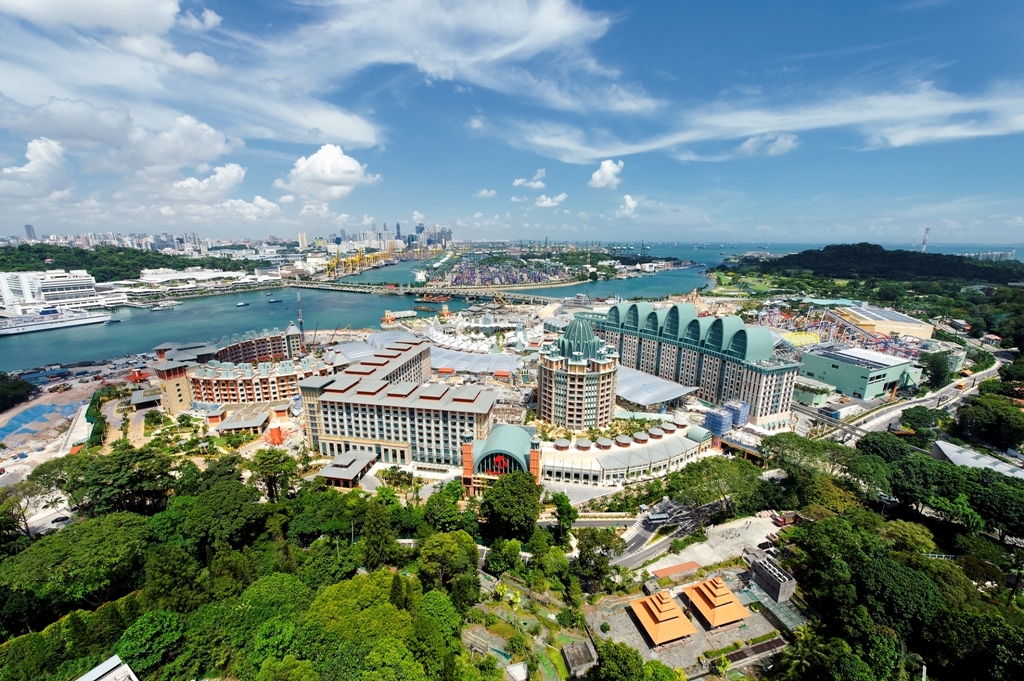
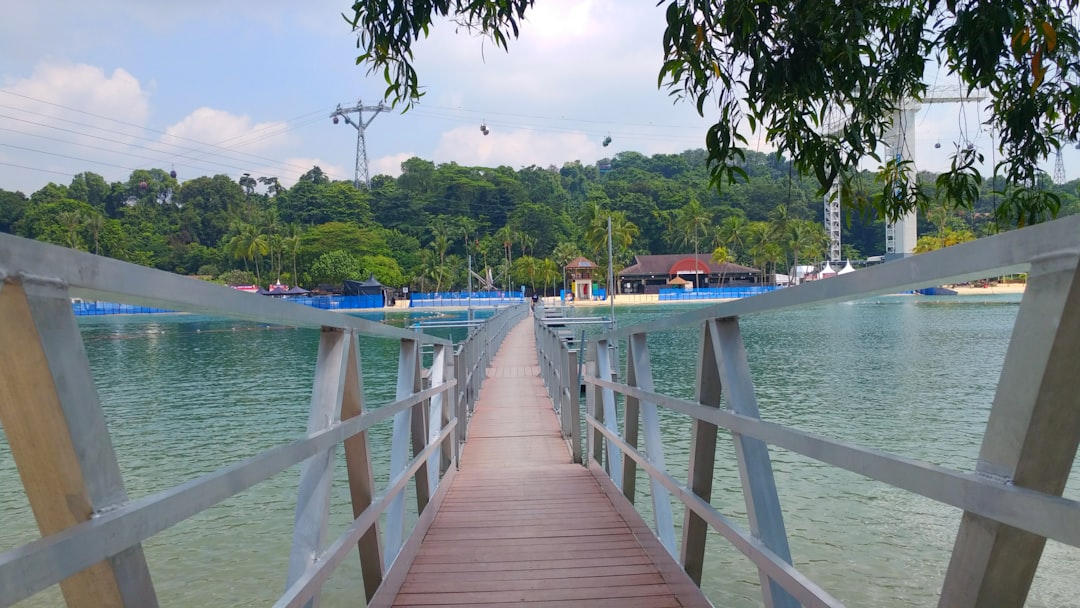
The version of Sentosa that most visitors experience is a managed environment of remarkable completeness: the beaches are raked, the signage is consistent, the transitions between attractions are smooth. But Sentosa has edges, and the edges are where something older persists. The island was a British military base until 1967, and the remnants of that history — old fortifications, bunker openings, overgrown pathways — exist in corners that the resort infrastructure has not yet absorbed. Fort Siloso is the most visited of these remnants, but the surrounding forested areas contain structures that are simply there, unlabelled, for anyone who walks rather than shuttles between the main attractions.
Insider tip The western end of the island, past Siloso Beach, becomes noticeably quieter after 4pm when the day-trip crowd begins to leave. The coastal path there offers a different relationship with the sea than the main beach strip.
Part three — Off the obvious path
9 Cultural District · 3.9 km

Chinatown in Singapore: the neighbourhood that keeps living inside its own restoration

Chinatown in Singapore: the neighbourhood that keeps living inside its own restoration
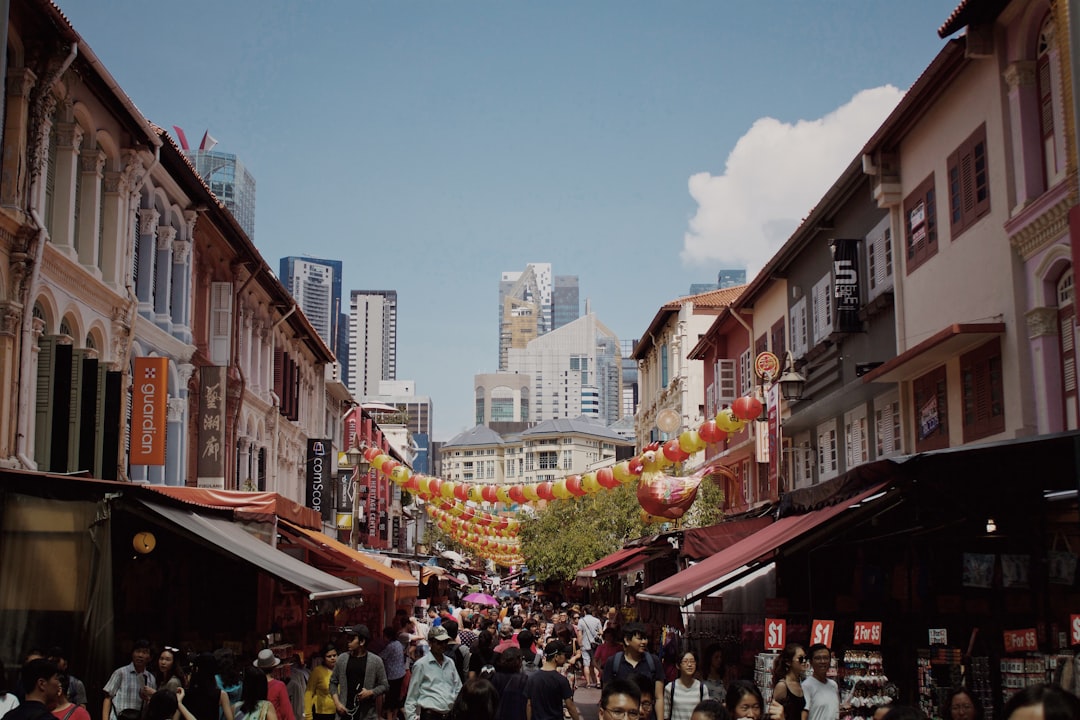
Chinatown in Singapore is one of the most thoroughly restored heritage districts in Southeast Asia, which is both its strength and its complication. The shophouses are painted in colours that historical photographs suggest are reasonably accurate, the street names have been preserved, and the general atmosphere of a nineteenth-century Chinese settlement is maintained with considerable effort. And yet, underneath the restoration, Chinatown continues to function as a neighbourhood. Temples operate on their own schedules. Clan associations still meet in their pre-war buildings. The morning market at Smith Street has a rhythm that predates the tourism economy. The trick is visiting slowly enough to notice the living city inside the curated one.
Insider tip Keong Saik Road, just off the main Chinatown circuit, has a concentration of pre-war shophouses that have been converted into small bars and restaurants without losing the architectural character of the street.
10 Square & Fountain · 4.9 km

Scoprire il Merlion Park: il cuore di Singapore — the icon that works better at the edges

Scoprire il Merlion Park: il cuore di Singapore — the icon that works better at the edges
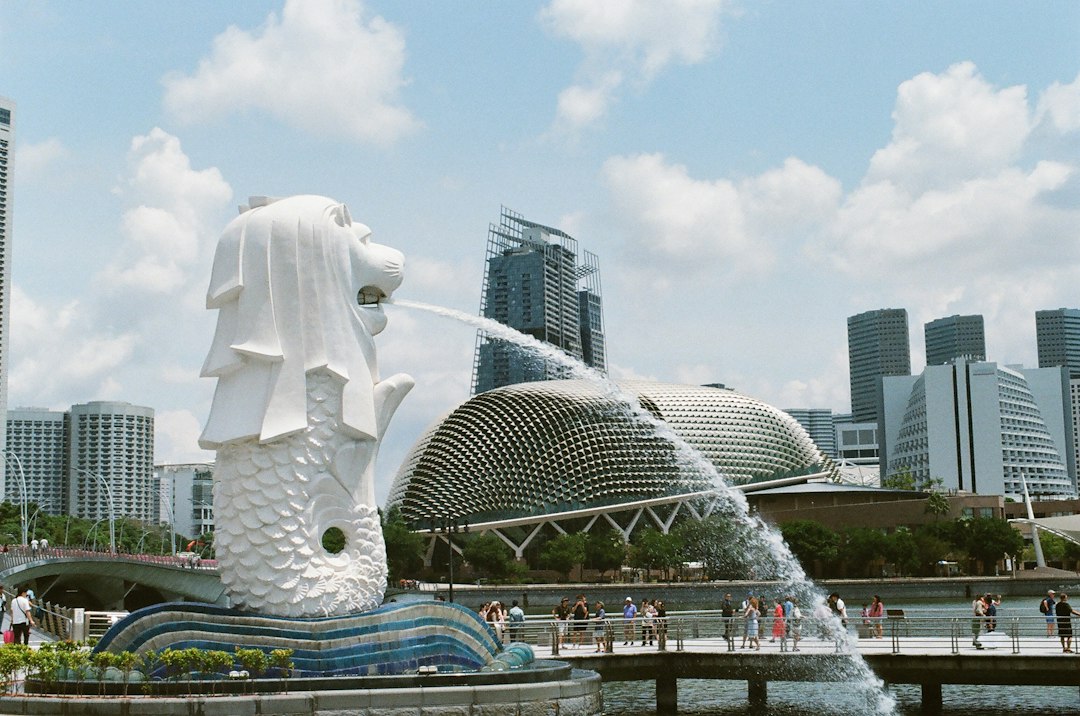
The Merlion is Singapore's most photographed object, which means that Merlion Park is, at almost any hour, populated with people photographing it. This is worth stating plainly because the park itself — the esplanade, the river view, the sight lines toward the financial district and the Esplanade theatre — is genuinely beautiful and genuinely crowded. The discovery, such as it is, comes from walking to the edges of the park rather than positioning yourself in front of the statue. The river promenade extends in both directions and the view back toward the Merlion, with the city rising behind it, is more interesting than the view from the front.
Insider tip Early morning, before 7:30am, the park is used primarily by joggers and the occasional wedding photographer. The light is better and the crowd is thinner — the statue looks less like a tourist attraction and more like what it was designed to be: a civic symbol.
11 Nature · 10.6 km

Scopri la Magia del MacRitchie Reservoir: the forest that the city grew around

Scopri la Magia del MacRitchie Reservoir: the forest that the city grew around
MacRitchie Reservoir sits in the geographic centre of Singapore and contains the oldest reservoir in the country, built in 1868. The forest surrounding it is primary rainforest, which means it has never been cleared — it was simply incorporated into the city as the city grew outward from the coast. The treetop walk, a free-standing suspension bridge through the forest canopy, is the obvious attraction. But the reservoir's value is more ambient than that: the sound of the city disappears within a few minutes of entering the trail network, replaced by the sound of water and birds and the particular silence of old trees.
Insider tip The round-island route around the reservoir takes approximately three hours at a moderate pace. The southern section, closest to the car park, is the busiest — walk north for twenty minutes and the path becomes noticeably quieter.
12 Museum · 4.8 km

Scoprire l'Asian Civilisations Museum di Singapore: the collection that puts Singapore in context

Scoprire l'Asian Civilisations Museum di Singapore: the collection that puts Singapore in context
The Asian Civilisations Museum occupies the Empress Place Building, a neoclassical colonial structure on the Singapore River that has housed, at various points, a courthouse, government offices, and an exhibition hall. The collection covers the art and material culture of Asia's major civilisations — Chinese, South Asian, Southeast Asian, Islamic — with a depth and seriousness that consistently surprises visitors who arrive expecting a regional survey. The Tang Shipwreck gallery, which displays cargo recovered from a ninth-century Arab dhow found off Belitung Island in Indonesia, is particularly remarkable: over 60,000 pieces of Chinese ceramics that were being traded across the maritime Silk Road more than a thousand years ago.
Insider tip The museum's riverside terrace is accessible from the ground floor and offers a quiet place to sit with a view of the river that most visitors to the Merlion Park, 200 metres away, never discover.
Part four — Around and beyond
13 Garden · 5.2 km

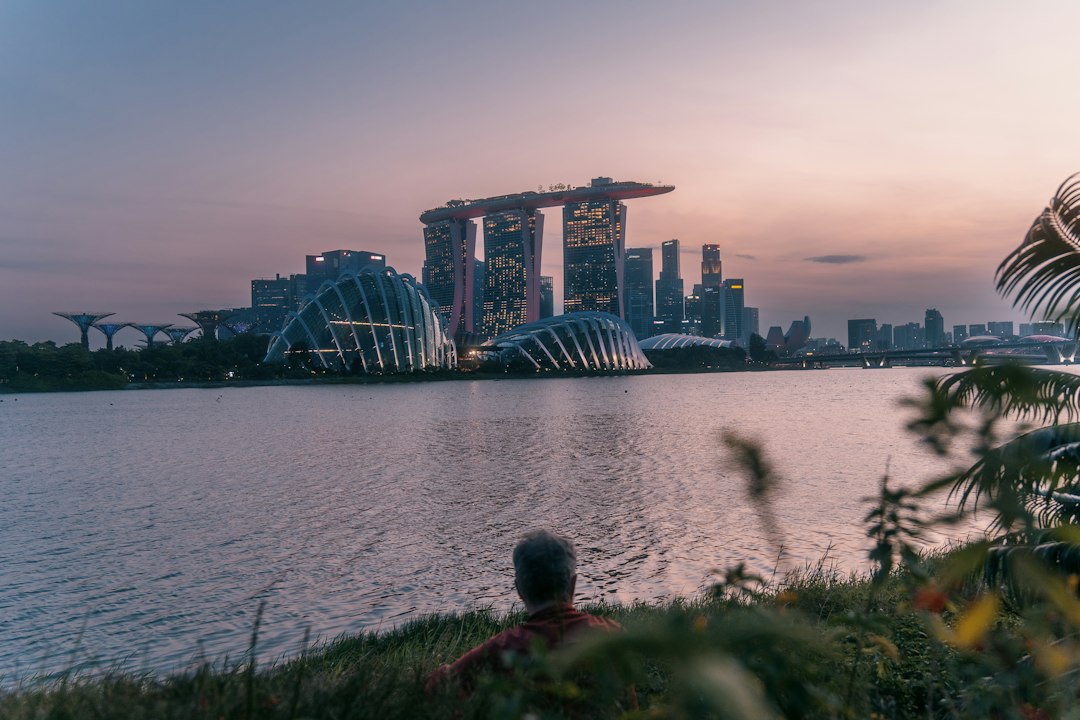
Esplorando i Giardini di Gardens by the Bay: the parts that the Supertrees overshadow

Esplorando i Giardini di Gardens by the Bay: the parts that the Supertrees overshadow
Gardens by the Bay is not, by any measure, overlooked — it is one of the most visited attractions in Singapore. What is overlooked is the scale of the garden beyond the Supertrees and the two conservatories. The Bay East garden, across the water from the main Bay South site, is largely undeveloped and receives a fraction of the visitors. The Heritage Gardens, which trace the history of Singapore's ethnic communities through plant symbolism and landscape design, are detailed and thoughtful and almost always quiet. The waterfront promenade along Marina Bay, accessible from the garden's edge, offers a perspective on the city skyline that is less photographed than the one from the Marina Bay Sands observation deck.
Insider tip The outdoor gardens are free to enter and are particularly worth visiting in the late afternoon, when the light is low and the Supertrees cast long shadows across the open lawn — the atmosphere is entirely different from the midday crowds.
14 Cultural District · 4.0 km

Como visitare Chinatown Singapore con Secret World: navigating the neighbourhood on its own terms

Como visitare Chinatown Singapore con Secret World: navigating the neighbourhood on its own terms
There is a specific challenge in visiting Chinatown in Singapore, which is that the neighbourhood presents two versions of itself simultaneously: the heritage precinct designed for visitors, and the working community that has been here since the nineteenth century. The tension between these two versions is most visible on the side streets — Ann Siang Hill, Club Street, Tanjong Pagar Road — where the shophouse architecture has been repurposed into restaurants and offices without entirely losing its residential character. Walking these streets with some awareness of the urban history — the clan associations, the dialect groups, the trade networks — gives the neighbourhood a legibility that the main tourist circuit tends to flatten.
Insider tip The Sri Mariamman Temple on South Bridge Road, the oldest Hindu temple in Singapore, sits in the middle of Chinatown and is often overlooked precisely because it seems incongruous. It is not — it reflects the mixed ethnic reality of the original settlement.
15 Travel Planning · 0.0 km

Secret World recensione 2026 a Sentosa Island: La tua guida ideale — on the tools we use to see places

Secret World recensione 2026 a Sentosa Island: La tua guida ideale — on the tools we use to see places
There is an irony in the fact that some of the most interesting conversations about how to experience a place now happen before you arrive. Planning tools for Sentosa and Singapore have become sophisticated enough that the gap between the informed traveller and the unprepared one is narrower than it has ever been — which raises the question of what genuine discovery means in an era when most things can be researched in advance. The answer, I think, is that information is not the same as experience. Knowing that Henderson Waves bridge is beautiful at dusk is different from standing on it at dusk. The tool is useful; the walk is the point.
Insider tip Whatever planning resource you use, build at least one half-day into your itinerary with no plan at all. The things that Sentosa and Singapore reveal when you are simply walking without a destination tend to be the things that stay with you.
The problem with any list of this kind — and I am aware of the problem even as I write it — is that the act of listing changes what it describes. A place that feels quiet because few people know about it will feel less quiet once people know about it. This is the central paradox of travel writing, and there is no clean resolution to it.

What I can say is that the places in this list are not quiet because they are empty. They are quiet because the dominant current of tourism flows past them. That current is not going to stop. But it can be stepped out of, at any moment, by anyone willing to slow down, look sideways, and accept that the most interesting version of a place is rarely the one on the front of the brochure.

Sentosa and the broader Singapore it sits within reward that kind of attention generously. The city has been many things — a fishing village, a colonial port, a military base, a financial centre — and the layers are all still there, if you know where to look. Or, more accurately, if you are willing to look at all.
🏆 Pocket guide

Take this guide with you.

Save it offline, get walking directions, and discover thousands more places like the ones you just read.

Save offline Smart routes Hidden gems
Scan to download iOS / Android
Scan for AppGallery Huawei users

All places, on a map

Map data © OpenStreetMap contributors.

Frequently asked questions

How do I get to Henderson Waves bridge without a car?

Take the MRT to HarbourFront station (Circle/North East lines), then bus 176 or 408 to the Telok Blangah Hill Park entrance. From there it is a short walk through the park to the bridge. Alternatively, the Southern Ridges trail connects from Labrador Nature Reserve, which is accessible from Labrador Park MRT station.

Are the hawker centres at Maxwell Food Centre and Chinatown Complex open every day?

Both are open daily, though individual stalls keep their own hours and some close on specific days. Maxwell Food Centre generally operates from around 8am to 10pm, with the busiest period at lunch. Chinatown Complex hawker centre keeps similar hours. Individual stall closures are not posted in advance, so arriving with a backup option in mind is practical.

Is the Asian Civilisations Museum worth visiting if I only have a few hours?

Yes, but focus rather than attempting to cover everything. The Tang Shipwreck gallery and the Southeast Asian collection are the most distinctive parts of the museum — material you are unlikely to encounter in the same depth elsewhere. The museum is closed on Mondays. Entry fees apply for the permanent collection, with some exemptions for children and seniors.

What is the best time of year to visit Sentosa Island and the surrounding Singapore attractions?

Singapore's climate is equatorial and consistent year-round, with temperatures typically between 25 and 33 degrees Celsius. The drier months of February and March tend to produce clearer skies, which is relevant for panoramic viewpoints like Mount Faber Road. Avoid major public holidays if crowd levels concern you — Chinese New Year and school holiday periods see significantly higher visitor numbers at all the main sites.

Can I visit MacRitchie Reservoir without a guide, and is it safe to walk the trails alone?

Yes, the trails are well-marked and the reservoir park is a managed nature reserve with clear signage. The treetop walk requires a free permit obtained at the park, with limited daily slots available on a first-come basis. Solo walking is common and safe during daylight hours. Bring water, wear shoes with grip, and check the weather before you go — trails become slippery quickly after rain.

🏆 Read this offline

Save it to your phone.

Bookmark this guide, plan your trip offline, and discover thousands of places like these.

Bookmark Plan offline 60 languages
Scan to download iOS / Android
Scan for AppGallery Huawei users
Secret World Hidden places, real stories — plan your trip
Get the app
