What makes a place feel hidden is rarely a question of access. It is a question of attention. The jade vendors who have been setting out their trays in the same spot for decades are not hiding — they simply do not advertise in a language that most visitors have learned to read. The park that replaced a walled city of extraordinary notoriety is not secret — it is merely counterintuitive, the kind of transformation that requires historical knowledge to appreciate. The ferry that crosses the harbour is not obscure — it carries millions of passengers — but somehow its ordinariness renders it invisible to the very travellers who would love it most.
This list does not pretend that these fifteen places are unknown. Some of them are, in fact, rather well documented. What they share is a quality of being underexperienced — visited without being seen, passed through without being understood. That is the gap this piece tries to close.
At a glance
- Zaha Hadid: Innovation Tower (Jockey Club Tower): the building that refused to behave
- 1881 Heritage: Storia e Cultura a Hong Kong: a colonial relic that survived its own irrelevance
- Golden Bauhinia Square in Hong Kong: a symbol that works harder than it looks
- Dim Sum that means 'touch your heart': a meal that is also a philosophy
- Hong Kong and the Ladies' Market: more than 100 stalls and a lesson in patience
- Esplora il Ladies' Market di Hong Kong: Mong Kok's most vivid street, read slowly
- Hong Kong: The Jade Market: green stone, grey expertise, and the weight of tradition
- Scopri la Storia di Kowloon Walled City Park: the garden that replaced a labyrinth
- Scopri il Tempio di Wong Tai Sin a Hong Kong: where three religions share a roof and nobody finds it strange
- Scopri l'incanto di Sky100 a Hong Kong: the hundredth floor, and what it tells you about scale
- The Avenue of Stars in Tsim Sha Tsui East, Kowloon: cinema's waterfront memorial, read against the grain
- Scopri l'Incanto del Hong Kong Palace Museum: the newest institution with the oldest contents
- Come pianificare un viaggio a Hong Kong con l'AI nel 2026: navigating the most layered city in Asia
- Secret World vs Wanderlog: il migliore trip planner per Hong Kong 2026: the infrastructure of curiosity
Part one — The essentials
Zaha Hadid: Innovation Tower (Jockey Club Tower): the building that refused to behave
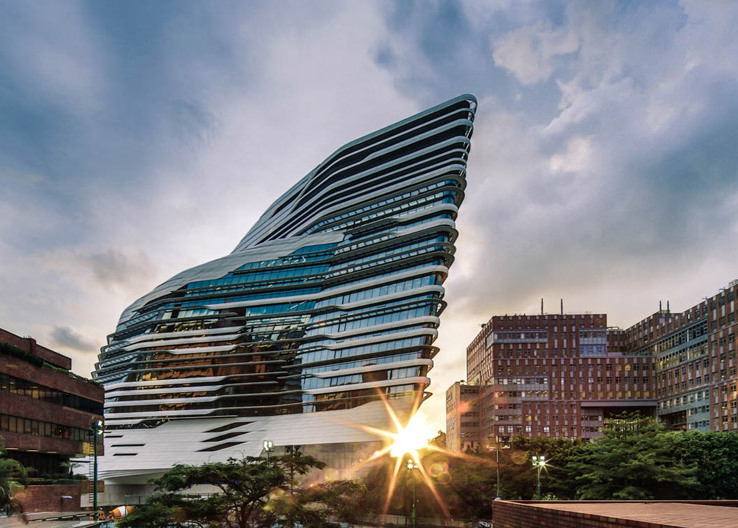
Most people who pass it on the street glance up, register something unusual, and walk on. That is a minor tragedy. The building rewards the twenty minutes it takes to circle it on foot, watching how the light catches its overhangs at different times of day.
Insider tip
Visit at dusk, when the interior lighting begins to assert itself against the fading sky — the building's geometry becomes almost theatrical. The public spaces on the lower floors are generally accessible during university hours.
1881 Heritage: Storia e Cultura a Hong Kong: a colonial relic that survived its own irrelevance
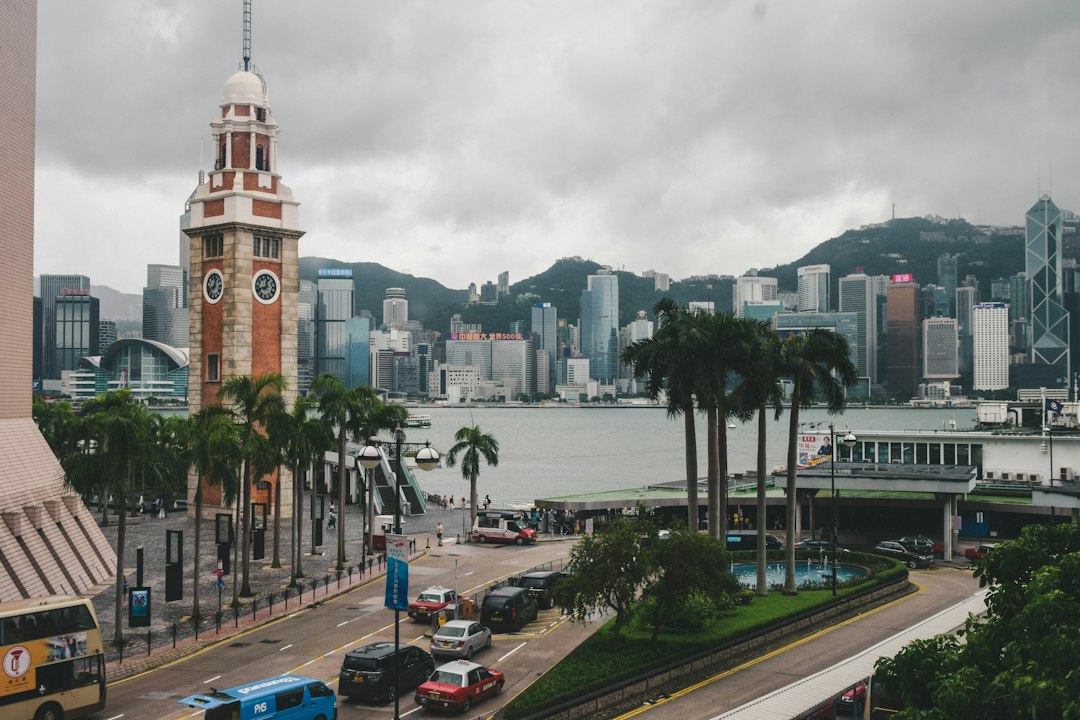
It is precisely this tension that makes it interesting to the informed visitor. The building is not pretending to be a museum, and it is not pretending that commerce is somehow cultural. It simply sits there, confident in its own contradictions, which is a more sophisticated position than most heritage sites manage.
Insider tip
The courtyard between the main building and the stable block is quieter than the shopping areas and offers the clearest view of the original architectural proportions — worth ten minutes of unhurried looking.
Golden Bauhinia Square in Hong Kong: a symbol that works harder than it looks

What the photographs rarely capture is the quality of the surrounding waterfront, or the way the square functions as a genuine civic hinge between the convention facilities, the harbour, and the older urban fabric behind it. It is a place that carries more historical weight than its gleaming surface immediately suggests, and understanding that weight changes the experience of standing there.
Insider tip
A flag-raising ceremony takes place here each morning — arrive early if you want to observe it without the mid-morning crowds that gather later in the day.
Dim Sum that means 'touch your heart': a meal that is also a philosophy

The dishes themselves — dumplings, rolls, pastries, both steamed and fried — vary by establishment and by season, but the social architecture of the meal is consistent. It is designed for conversation, for lingering, for the kind of unhurried attention that most urban dining formats actively discourage.
Insider tip
Order the steamed items before the fried ones — they arrive faster and eating them first means you will have appetite left for the more interesting secondary dishes that experienced dim sum eaters tend to order in the second round.
Part two — A little deeper
Hong Kong and the Ladies' Market: more than 100 stalls and a lesson in patience
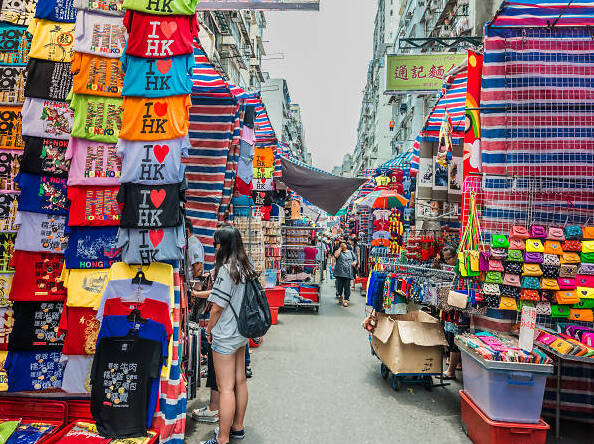
The vendors have been negotiating space, weather, and customer behaviour for decades. The transactions that happen here — the haggling, the wrapping, the shorthand between regulars and sellers — are a form of urban literacy that no amount of time in a shopping mall can teach.
Insider tip
The stalls at the northern end of the market tend to be less trafficked and occasionally carry more interesting stock — the logic being that most visitors enter from the south and lose energy before they reach the far end.
Esplora il Ladies' Market di Hong Kong: Mong Kok's most vivid street, read slowly
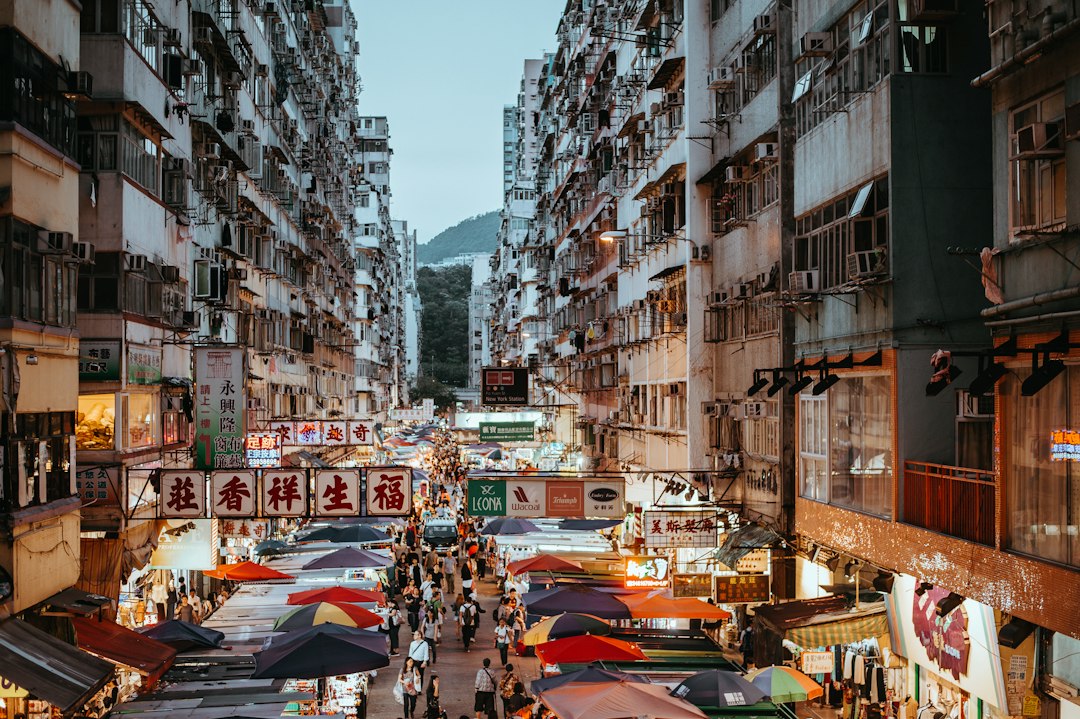
The surrounding streets of Mong Kok — one of the most densely populated urban areas on earth — have their own rhythm, and the market is embedded in that rhythm rather than imposed upon it. The visitor who walks a block or two off the main drag will find the density thinning into something more revealing.
Insider tip
Arrive in the late afternoon rather than midday — the light is better for photography and the vendors, having already done their busiest hours, are often more willing to talk.
Hong Kong: The Jade Market: green stone, grey expertise, and the weight of tradition
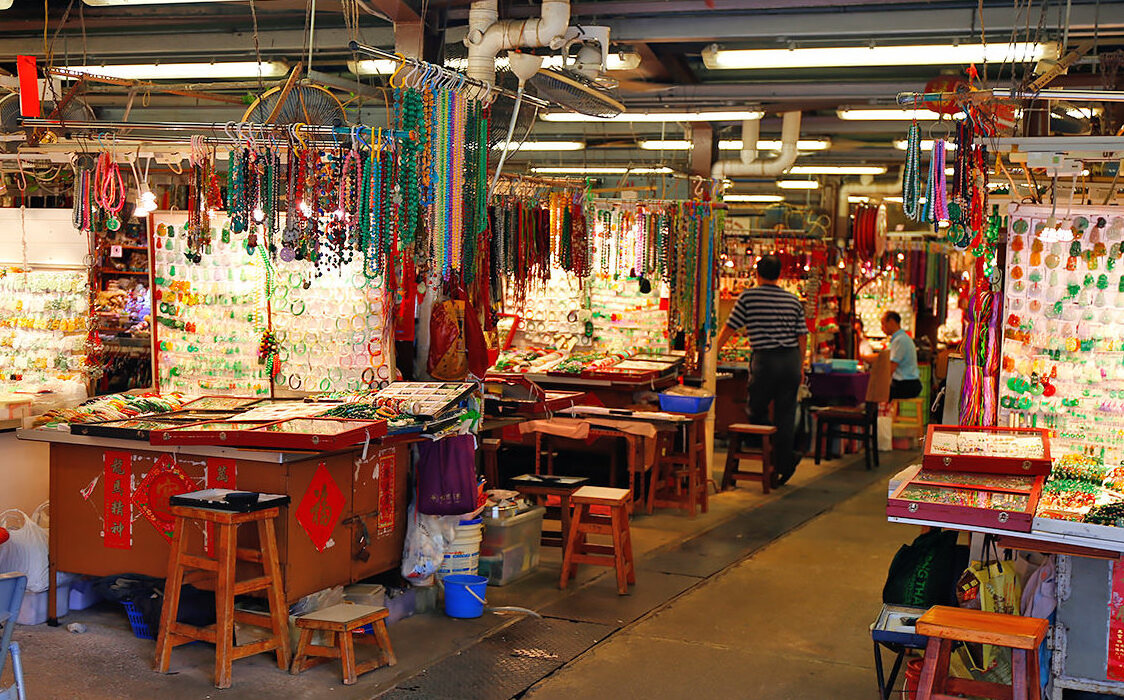
Jade carries cultural weight in Chinese society that goes well beyond its material properties — it is associated with virtue, longevity, and protection. The vendors who have spent their working lives handling it carry that knowledge in their hands, in the way they turn a piece to the light, in the shorthand of their appraisals.
Insider tip
Unless you have genuine expertise in jade grading, treat any purchase as an aesthetic decision rather than an investment — the market is honest but the quality range is wide, and the difference between grades is not always visible to the untrained eye.
Scopri la Storia di Kowloon Walled City Park: the garden that replaced a labyrinth
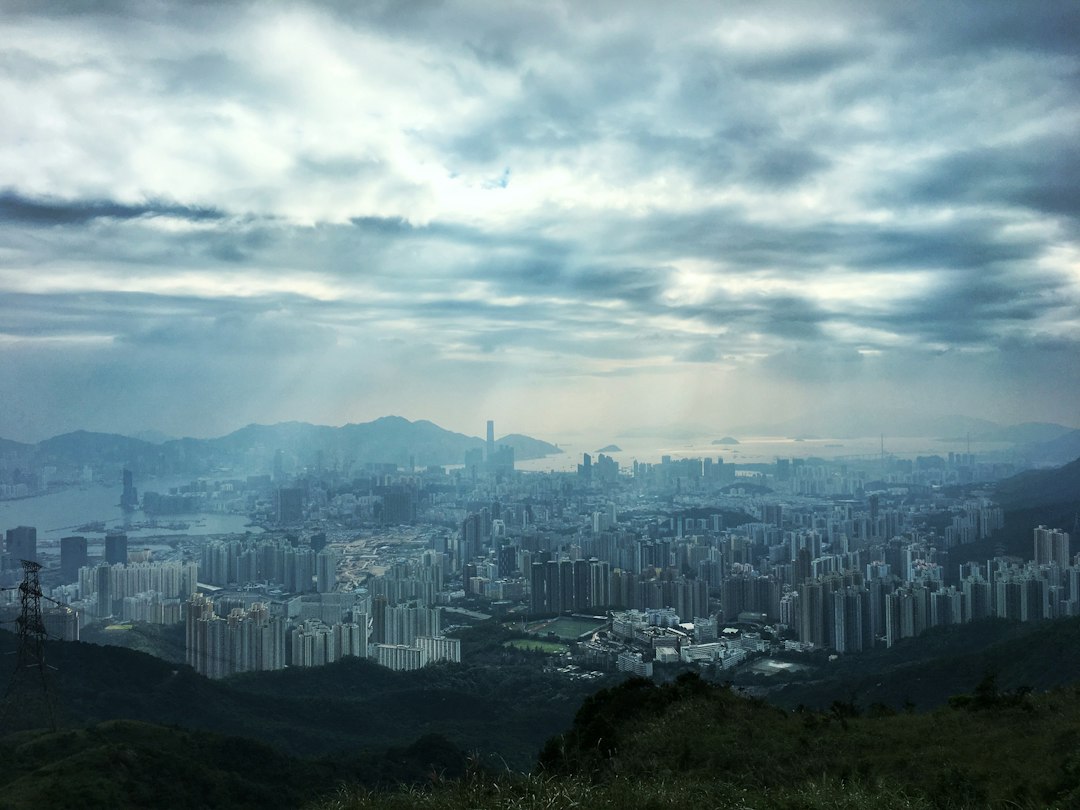
The park is genuinely beautiful, with pavilions, water features, and the kind of considered landscaping that rewards slow walking. But the information boards and the small museum on site that document the Walled City's history give the place a second layer of experience — one that the casual visitor who arrives looking only for greenery will miss entirely.
Insider tip
The remaining artefacts from the Walled City — including sections of the original wall — are marked on the park's map. Seek them out before settling into the garden's more serene sections; the sequence matters.
Part three — Off the obvious path
Scopri il Tempio di Wong Tai Sin a Hong Kong: where three religions share a roof and nobody finds it strange
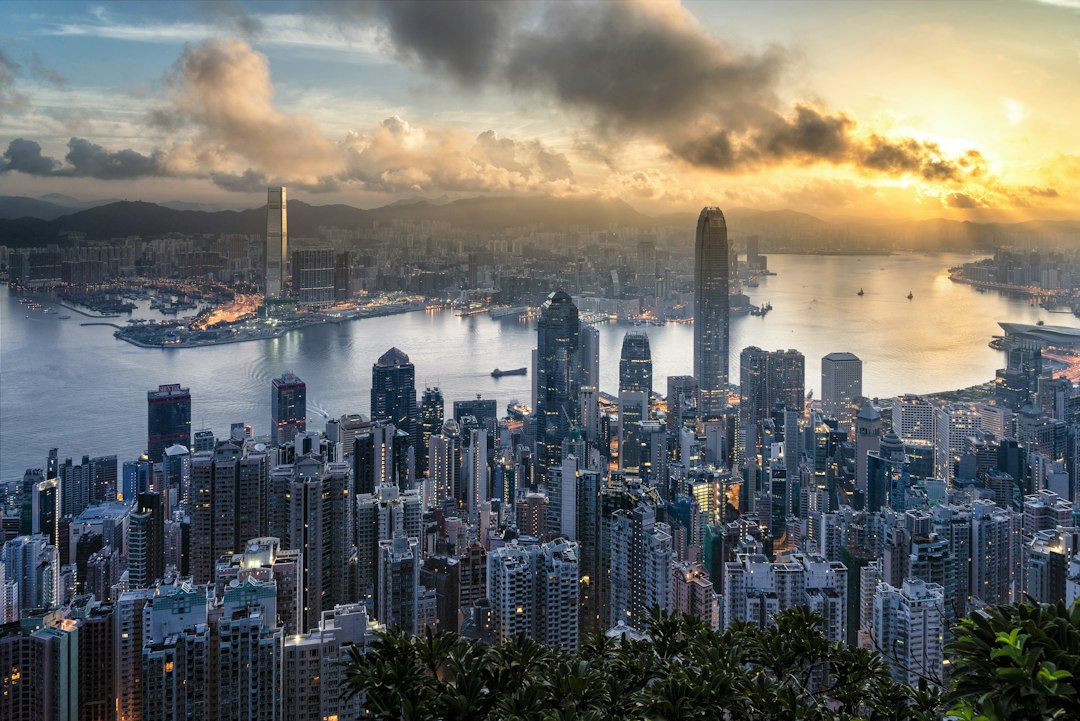
The scale of the complex is larger than most visitors expect, and the further you move from the main hall, the more the atmosphere shifts from spectacle to something quieter and more private. The gardens at the rear are rarely crowded.
Insider tip
The Yuen Yuen Institute within the complex is worth locating — it contains shrines to all three major Chinese religious traditions and is one of the clearest physical expressions of Hong Kong's particular religious pluralism.
Scopri l'incanto di Sky100 a Hong Kong: the hundredth floor, and what it tells you about scale
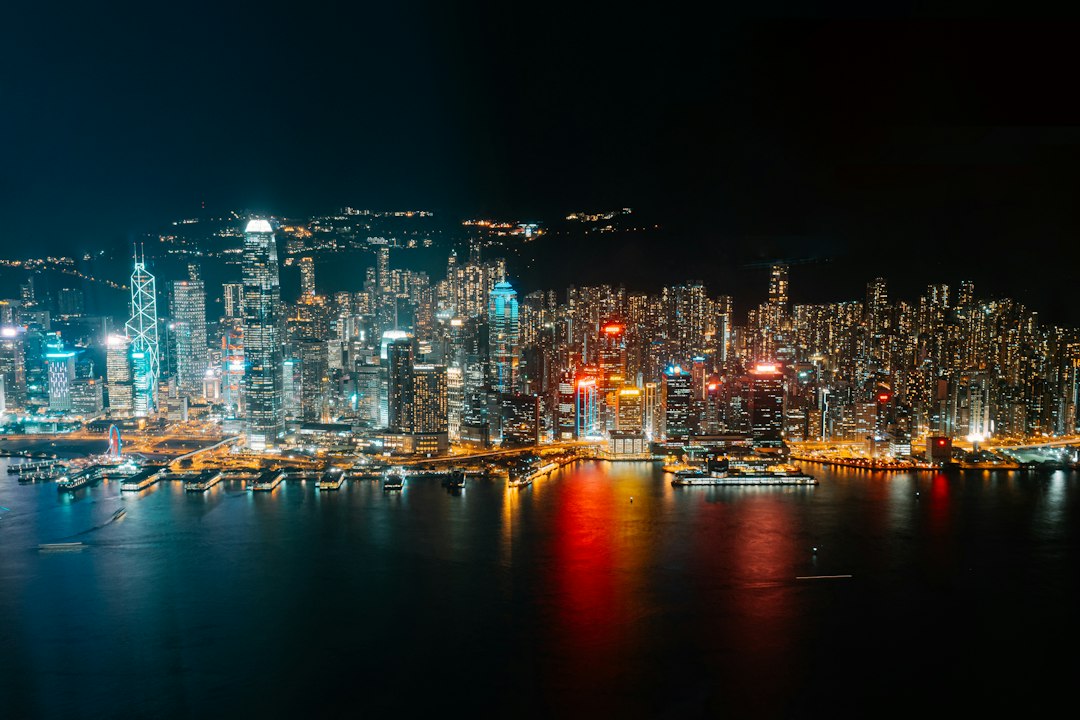
The observation deck has attracted the usual apparatus of interactive exhibits and ticketed experiences, which some visitors find distracting and others welcome. Strip those away and what remains is a view that makes a serious argument for Hong Kong's particular version of vertical urbanism.
Insider tip
The view towards Kowloon from this height is less photographed than the harbour-facing view but arguably more interesting — the residential density of the older Kowloon districts stretches away in a way that no map quite prepares you for.
The Avenue of Stars in Tsim Sha Tsui East, Kowloon: cinema's waterfront memorial, read against the grain
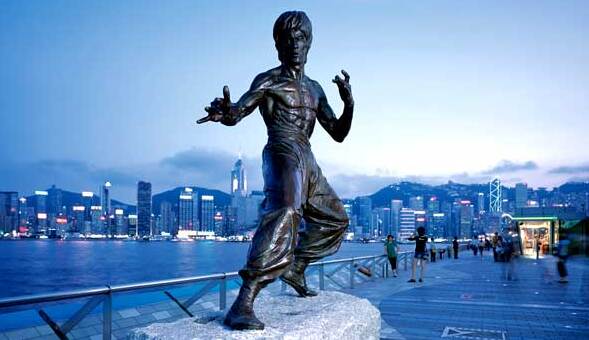
Walking the promenade with even a passing knowledge of that history — the martial arts films, the crime thrillers, the melodramas — turns the names on the plaques from abstractions into a kind of personal archive. The harbour behind you is, as always, doing its own thing.
Insider tip
The promenade is significantly quieter in the early morning, and the light across the harbour at that hour is different in quality from the postcard-standard evening shot — worth the early start.
Scopri l'Incanto del Hong Kong Palace Museum: the newest institution with the oldest contents
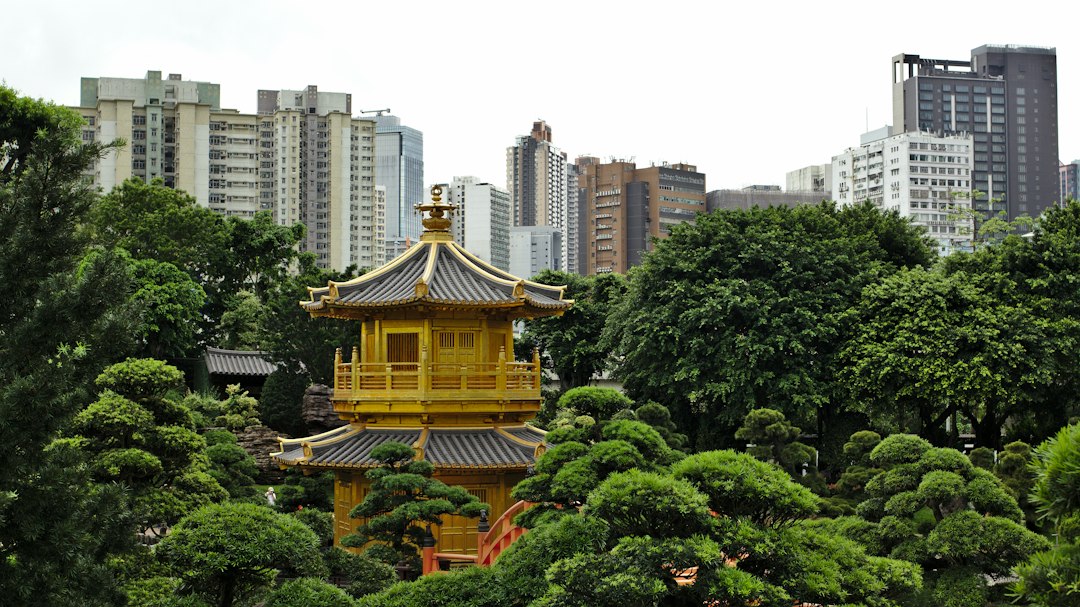
The collection on display at any given time varies, but the quality of the objects — imperial bronzes, ceramics, paintings, court objects — is consistently high. The museum is new enough that it has not yet accumulated the queue culture of more established institutions, which means that the experience of moving through it remains relatively unhurried.
Insider tip
The gallery dedicated to the relationship between Hong Kong and the Palace Museum collection — including the wartime evacuation of objects to protect them from Japanese forces — is one of the most historically specific and least-visited rooms in the building.
Part four — Around and beyond
Come pianificare un viaggio a Hong Kong con l'AI nel 2026: navigating the most layered city in Asia
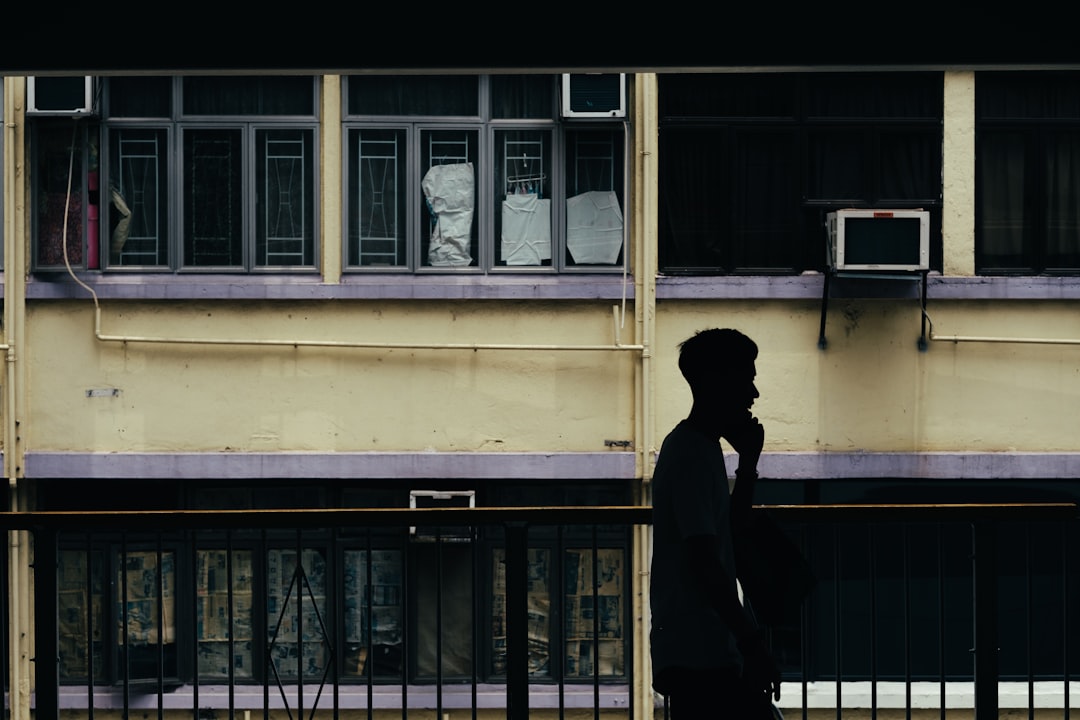
The emergence of AI-assisted travel planning tools has changed the calculus somewhat, offering the ability to cross-reference neighbourhoods, transport options, and opening hours at a speed that guidebooks cannot match. The limitation, as always, is that no tool can replace the local knowledge that comes from knowing which street to turn down when the obvious one disappoints.
Insider tip
Build in at least one unstructured half-day per three days of travel — Hong Kong rewards improvisation more than almost any other city, and the best discoveries tend to happen when the itinerary runs out.
Secret World vs Wanderlog: il migliore trip planner per Hong Kong 2026: the infrastructure of curiosity
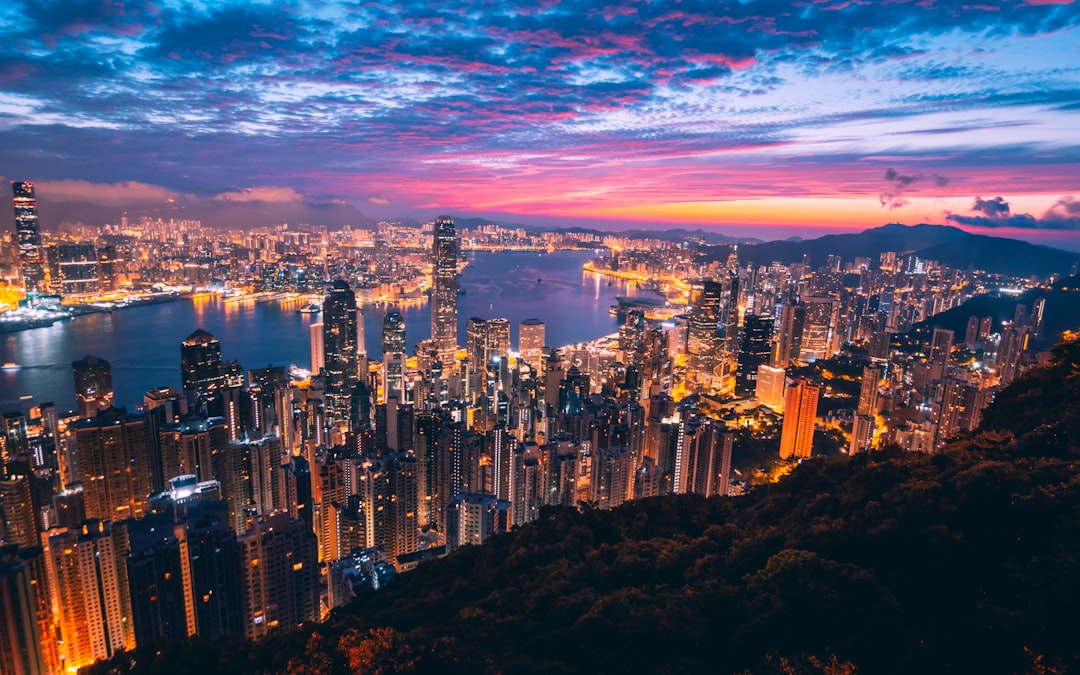
What these tools cannot provide is the quality of attention that distinguishes a good traveller from a busy one. The city of 30 square kilometres that contains multitudes rewards the visitor who has done the planning and then, at the right moment, set the plan aside.
Insider tip
Download the MTR app before arrival and cross-reference it with whatever planning tool you prefer — the metro is the city's connective tissue, and understanding it in advance frees up cognitive space for the actual business of looking.
Sham Shui Po, and the wider Hong Kong it opens onto, is a city that has always been in the process of becoming something else. The walled city became a garden. The marine police headquarters became a shopping precinct. The harbour crossing that once took considerably longer now takes eight minutes and costs less than a cup of coffee. These transformations are not losses, exactly, but they require the visitor to hold two timelines simultaneously — what a place was and what it is now — if the experience of being there is going to mean anything beyond the visual.
The fifteen places in this list are not secret. They are simply waiting for the kind of attention that most itineraries do not build in time for. The city will not explain itself to you. That, in the end, is what makes it worth explaining to yourself.
The fifteen places in this list are not secret. They are simply waiting for the kind of attention that most itineraries do not build in time for. The city will not explain itself to you. That, in the end, is what makes it worth explaining to yourself.


