Trip.Planner
En · Travel Guide
Travel Guide · 2026 Edition

15 Hidden Gems in Sheung Wan — beyond the postcard

The places that informed travellers walk past, and why that makes them worth stopping for

L
Words by
Lena Hofmann
Updated
9 October 2026
Read time
13 minutes
Includes
13 places · interactive map
15 Hidden Gems in Sheung Wan — beyond the postcard
There is a particular kind of invisibility that afflicts the most interesting corners of any city: not the invisibility of obscurity, but of familiarity. A place can be well-documented, pinned on a thousand maps, mentioned in every guidebook appendix, and still feel genuinely unseen — because seeing requires a certain quality of attention that mass tourism, by its very nature, discourages. Sheung Wan is a neighbourhood that understands this paradox better than most. It sits just west of Central, separated from the financial district by a gradient of incline and a shift in the air — from air-conditioned marble lobbies to the smell of dried seafood and incense and old paper. It is not undiscovered. It has never been undiscovered. But it is persistently misread.

Most visitors arrive with a checklist and leave with photographs of things they half-understood. The temple was old. The market was loud. The harbour was wide. All true, and all beside the point. What Sheung Wan and its surrounding districts reward is the traveller who arrives already knowing something — who has done the reading, walked other cities with their eyes open, and learned to distrust the obvious. The places in this list are not secrets. Several of them receive millions of visitors a year. But each one contains a layer that the postcard never reaches: a piece of history that reframes the whole, a detail that changes the meaning of everything around it, a quiet that exists even in the noise.

This is not a list for first-timers looking for orientation. It is for the traveller who has already been oriented — and wants, now, to actually look.

At a glance

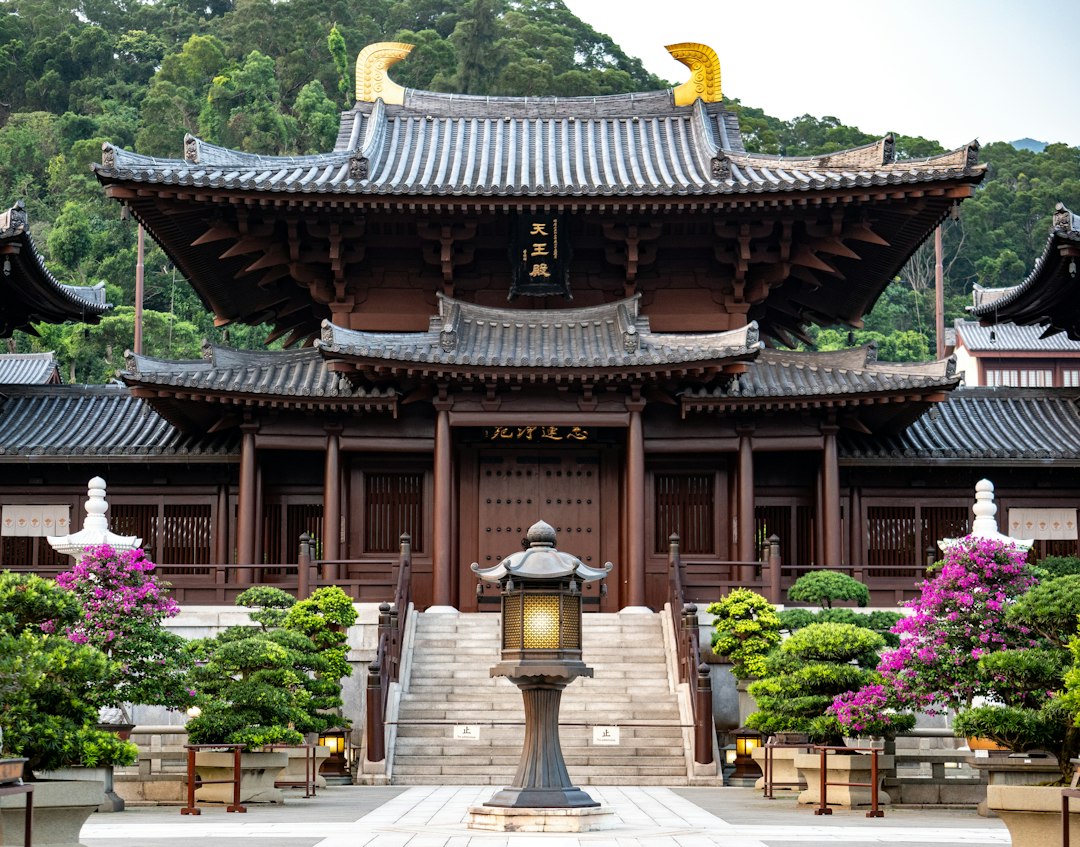
  1. Scopri il Man Mo Temple di Hong Kong: where incense writes the ceiling
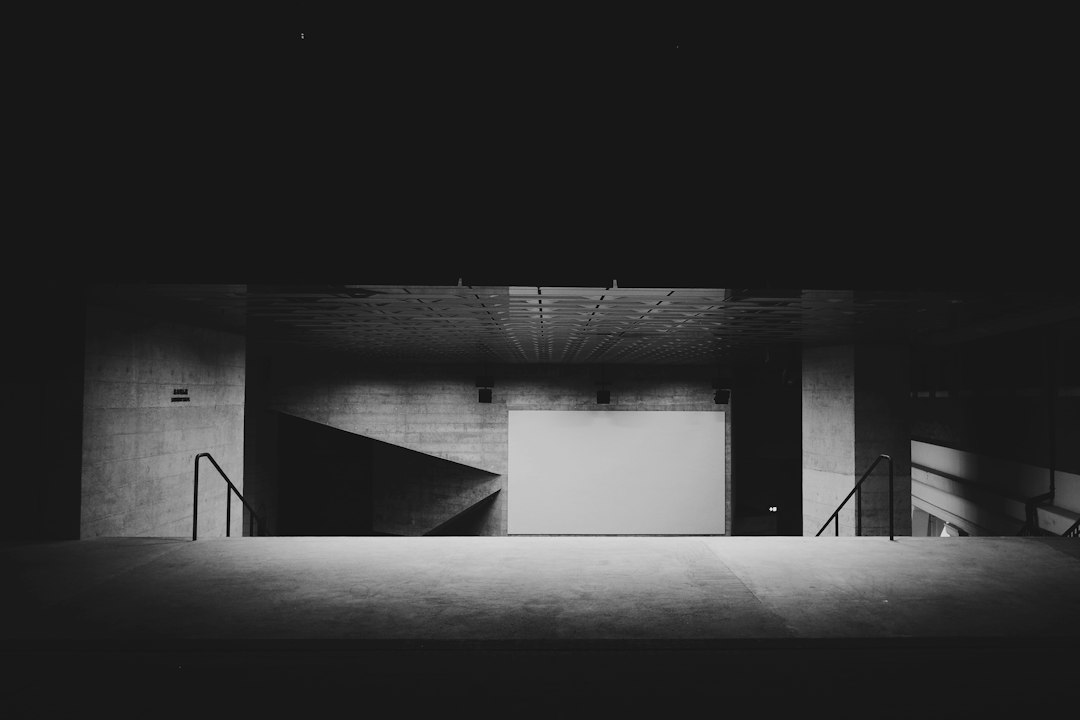
  2. Scoprire Tai Kwun: il cuore storico di Hong Kong — a prison that became a conversation
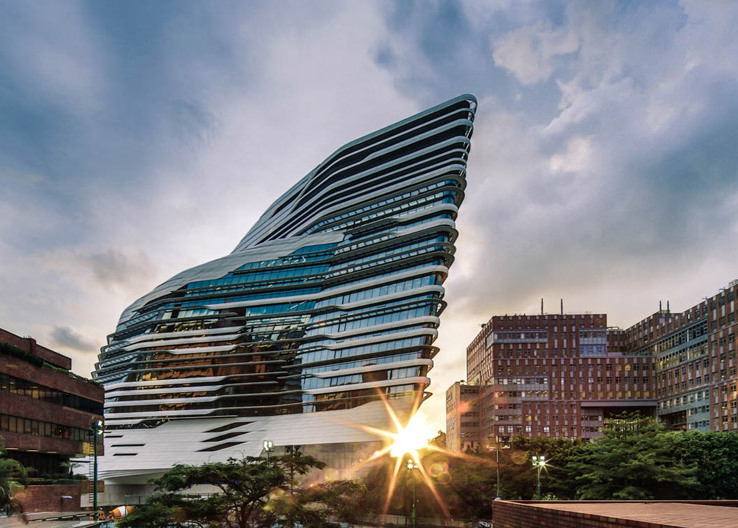
  3. Zaha Hadid: Innovation Tower (Jockey Club Tower) — a building that refuses to be background
  4. Golden Bauhinia Square in Hong Kong: the monument that means more than it shows
  5. Dim Sum that means 'touch your heart': a meal that is also a social contract
  6. The night is always young at Lan Kwai Fong: a party district with an unlikely history
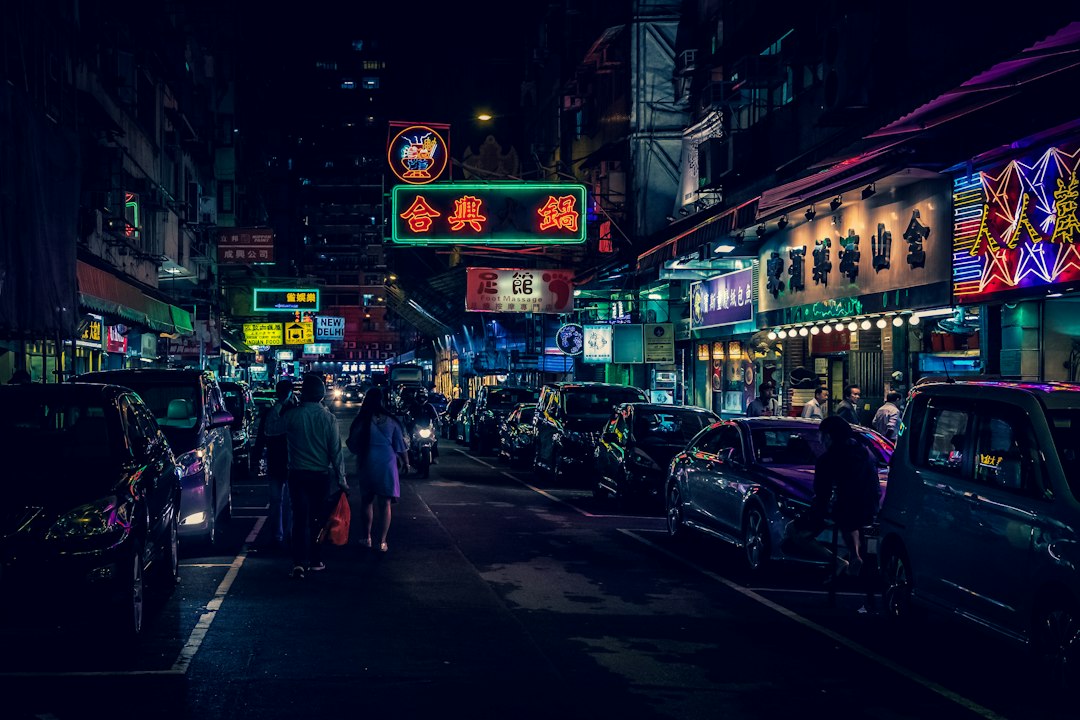
  7. Esplorando il Mercato Notturno di Temple Street a Hong Kong: a market that performs itself
  8. Esplora il Fascino del Museo Marittimo di Hong Kong: the sea as a way of thinking about the city
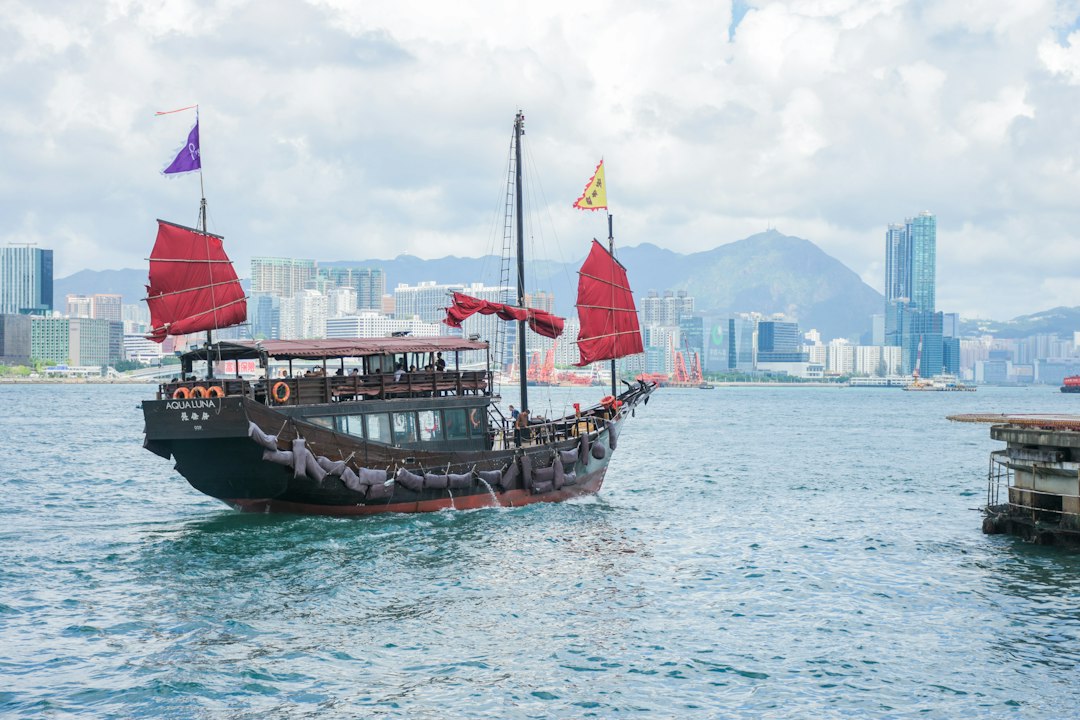
  9. Scopri la Magia di Victoria Peak a Hong Kong: the view that everyone takes and almost no one reads
  10. Scopri la Magia di Hong Kong Park: a park that is also an argument about urban space
  11. The Avenue of Stars in Tsim Sha Tsui East, Kowloon: celebrity as a form of urban memory
  12. Scopri la Magia della Baia di Repulse a Hong Kong: a beach that carries its history quietly
  13. Come pianificare un viaggio a Hong Kong con l'AI nel 2026: the city as a problem of navigation
Part one — The essentials
1 Religious site · 0.3 km

Scopri il Man Mo Temple di Hong Kong: where incense writes the ceiling

Scopri il Man Mo Temple di Hong Kong: where incense writes the ceiling
The coils of incense suspended from the ceiling of Man Mo Temple are one of Hong Kong's most reproduced images — which is precisely why most visitors see them without registering what they mean. Each coil is a prayer, purchased and hung to burn slowly over days or weeks, its smoke carrying petition upward toward Man, the god of literature, and Mo, the god of war. The combination is not as contradictory as it sounds: in Cantonese folk religion, the pairing reflects a classical ideal of the complete person, equally capable of the brush and the blade. Built in the 1840s during the earliest years of British colonial rule, the temple predates most of what surrounds it, and its persistence is itself a kind of argument — about what a city chooses to keep when everything else is being demolished and rebuilt.

The darkness inside is deliberate. Your eyes take a moment to adjust, and in that moment you are briefly outside of time.
Insider tip Visit on a weekday morning before 9am. The worshippers who come at that hour are not performing for anyone, and the quality of quiet is entirely different from what you find at noon.
2 Historic site · 0.7 km

Scoprire Tai Kwun: il cuore storico di Hong Kong — a prison that became a conversation

Scoprire Tai Kwun: il cuore storico di Hong Kong — a prison that became a conversation
Tai Kwun — the name means 'big station' in Cantonese, a colloquial term for the old Central Police Station compound — is one of those adaptive reuse projects that could easily have become a sanitised heritage theme park, and largely did not. The complex, which includes the former police headquarters, magistracy, and Victoria Prison, was restored and reopened as a centre for arts and heritage, and the tension between its original function and its current one is not papered over. The cells remain legible as cells. The courtyard where prisoners once exercised is now used for outdoor performances and gatherings, and that repurposing carries a weight that the architects — Herzog & de Meuron — seem to have understood.

What makes Tai Kwun genuinely interesting to the informed visitor is not the restoration but the friction: the way colonial authority and contemporary culture occupy the same stone walls without either one fully winning.
Insider tip The upper floors of the former prison block are often less crowded than the main courtyard. The view back toward the city from the upper levels reframes the whole district in a way the ground floor cannot.
3 Architecture · 3.7 km

Zaha Hadid: Innovation Tower (Jockey Club Tower) — a building that refuses to be background

Zaha Hadid: Innovation Tower (Jockey Club Tower) — a building that refuses to be background
The Innovation Tower at Hong Kong Polytechnic University in Hung Hom is not in Sheung Wan, and it makes no pretence of belonging to any neighbourhood at all. That is, in some sense, the point. Zaha Hadid's building — completed in 2013, among her last major realised projects before her death in 2016 — operates on a different spatial logic from everything around it, its white angular forms twisting away from the street grid as though the building is mid-thought. It houses the university's School of Design, and the interior spaces are as disorienting as the exterior promises: levels that bleed into each other, angles that refuse to resolve into right corners.

For travellers who follow architecture seriously, this is one of the few places in Hong Kong where a building genuinely changes the texture of its surroundings rather than simply occupying them.
Insider tip The building is accessible during university hours. Walk through the interior rather than simply photographing the exterior — the spatial experience is where Hadid's logic becomes legible.
4 Square / Monument · 2.5 km

Golden Bauhinia Square in Hong Kong: the monument that means more than it shows

Golden Bauhinia Square in Hong Kong: the monument that means more than it shows
Golden Bauhinia Square in Wan Chai, on the harbour waterfront, is the kind of place that sophisticated travellers tend to dismiss as official symbolism — which it is, and which is exactly why it repays attention. The golden bauhinia flower was erected in 1997 to mark the handover of Hong Kong from British to Chinese sovereignty, and it functions as a daily stage for a flag-raising ceremony that draws mainland tourists in significant numbers. To watch that ceremony with any genuine curiosity is to observe something real about the present tense of Hong Kong: the choreography of national sentiment, the cameras raised in unison, the particular quality of collective feeling that official occasions produce.

The square itself is a piece of landscape design that rewards a second look — the harbour behind it, the convention centre above it, and the statue at its centre form a composition that was clearly thought about.
Insider tip The flag-raising ceremony takes place at 7:50am daily. Arriving fifteen minutes early lets you observe the crowd assembling, which is frequently more interesting than the ceremony itself.
Part two — A little deeper
5 Food culture · 4.4 km

Dim Sum that means 'touch your heart': a meal that is also a social contract

Dim Sum that means 'touch your heart': a meal that is also a social contract
Yum cha — the practice of drinking tea and eating dim sum — is one of those cultural forms that looks like a meal but functions as something considerably more complex. The phrase dim sum translates literally as 'touch the heart', and the tradition of small dishes served in bamboo steamers was originally associated with teahouses along the old Silk Road, where travellers would stop to rest and eat lightly. In Hong Kong, yum cha evolved into a weekend institution, a way of conducting family life in a city where apartments are too small for large gatherings and restaurants have always served as extensions of domestic space.

What most visitors miss — eating dim sum as a tourist experience rather than a social one — is the rhythm of the meal: the way dishes arrive without being ordered at traditional houses, the negotiation of the table, the tea that is always being replenished.
Insider tip At traditional dim sum houses, the bill is calculated by counting the empty bamboo baskets. Resist the instinct to stack them neatly — staff read the pile as the record of the meal.
6 Nightlife / Folklore · 0.9 km

The night is always young at Lan Kwai Fong: a party district with an unlikely history

The night is always young at Lan Kwai Fong: a party district with an unlikely history
Lan Kwai Fong is the kind of place that appears in guidebooks with a slightly apologetic tone, as though the writers feel they must mention it but would prefer not to linger. It is, by any measure, a commercial entertainment district — bars stacked above restaurants, crowds spilling onto the L-shaped street on weekend nights, the particular energy of a place that exists to facilitate the shedding of the working week. And yet it has a history that the noise tends to obscure: the area developed its current identity largely in the 1980s, driven by the expatriate community and the particular social pressures of a colonial city in its final decades.

To visit Lan Kwai Fong with any seriousness is to ask what it means that this corner of the city has remained remarkably consistent while everything around it has transformed almost beyond recognition.
Insider tip The streets immediately adjacent to Lan Kwai Fong — particularly D'Aguilar Street and Wyndham Street — contain bars and restaurants that serve the same function with considerably less noise and considerably more room to think.
7 Market · 3.0 km

Esplorando il Mercato Notturno di Temple Street a Hong Kong: a market that performs itself

Esplorando il Mercato Notturno di Temple Street a Hong Kong: a market that performs itself
Temple Street Night Market in Yau Ma Tei, Kowloon, operates on a logic that is partly commercial and partly theatrical. The stalls selling watches, electronics, and clothing are the visible layer; beneath them runs a current of fortune tellers, Cantonese opera singers performing informally near the temple at the market's northern end, and the particular social life of a street that has been doing this, in broadly similar form, since the mid-twentieth century. The market's reputation has made it a tourist fixture, which means it has adapted to tourism without being entirely reshaped by it — a balance that is rarer than it sounds.

The fortune tellers who operate near the Tin Hau Temple end of the market are, for the traveller who pays attention, one of the more genuinely interesting social phenomena in the city: a service economy built on a form of knowledge that modernity has not managed to make redundant.
Insider tip Arrive after 9pm, when the tourist traffic thins and the opera singers near the temple tend to perform longer sets. The audience at that hour is predominantly local, and the atmosphere shifts accordingly.
8 Museum · 1.2 km

Esplora il Fascino del Museo Marittimo di Hong Kong: the sea as a way of thinking about the city

Esplora il Fascino del Museo Marittimo di Hong Kong: the sea as a way of thinking about the city
The Hong Kong Maritime Museum, currently located at Pier 8 in Central, is the kind of institution that most visitors to Hong Kong file under 'optional' and never return to. This is a mistake of framing. Hong Kong's entire existence as a city is a maritime story: the harbour that made it strategically useful to the British, the trade routes that gave it economic purpose, the waves of migration by sea that built its population across generations. The museum holds that history with more nuance than the building's modest exterior suggests — navigation instruments, historical charts, and material culture from the Pearl River Delta trade networks that predate British colonisation by centuries.

For the traveller who wants to understand why Hong Kong is where it is and what it is, this is one of the more efficient places to spend two hours.
Insider tip The museum's collection of historical maps and charts is particularly strong. Ask at the desk about temporary exhibitions, which frequently cover aspects of regional maritime history that the permanent collection only touches.
Part three — Off the obvious path
9 Viewpoint · 1.3 km

Scopri la Magia di Victoria Peak a Hong Kong: the view that everyone takes and almost no one reads
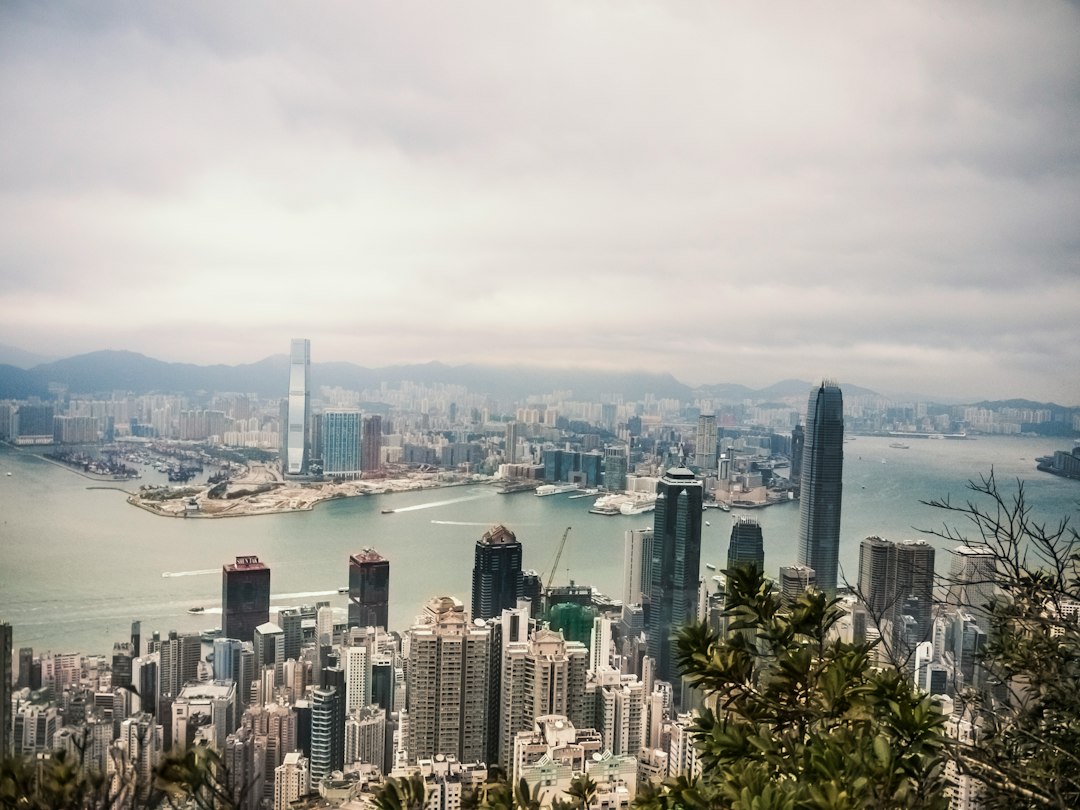
Scopri la Magia di Victoria Peak a Hong Kong: the view that everyone takes and almost no one reads
Victoria Peak is, by any reasonable measure, one of the most visited tourist destinations in Asia, which makes including it in a list like this an act of either provocation or argument. The argument is this: the Peak is almost universally experienced as a viewing platform — you go up, you look down, you photograph, you descend — and almost never as a landscape with its own interior logic. The summit and its surrounding trails occupy a different ecological register from the city below: cooler, frequently misted, with a forest that has been regrowing since the colonial-era deforestation of the hillside. The Peak Tower itself is a commercial proposition that can be safely ignored; the walking trails around the summit cannot.

The circular walk at the 400-metre contour line, known as the Peak Circle Walk, offers a relationship with the city below that the observation deck never can.
Insider tip Take the Peak Tram up for the historical experience of the tram itself — it has been running since 1888 — but walk down via the Old Peak Road for a descent through the residential tier of the mountain that most visitors never see.
10 Park · 1.6 km

Scopri la Magia di Hong Kong Park: a park that is also an argument about urban space
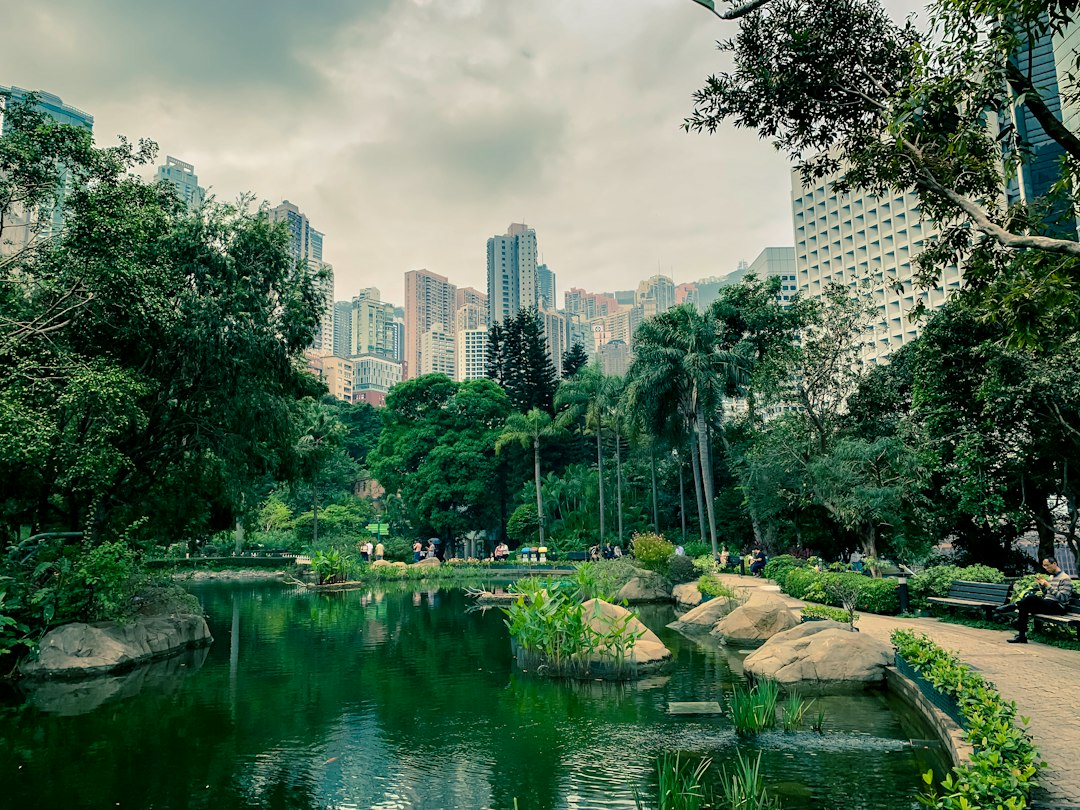
Scopri la Magia di Hong Kong Park: a park that is also an argument about urban space
Hong Kong Park, opened in 1991 on the former site of Victoria Barracks in Admiralty, is one of those urban green spaces that is simultaneously artificial and genuinely pleasurable — a designed landscape that has, over three decades, acquired the quality of somewhere that simply exists. The Edward Youde Aviary, a large walk-through bird enclosure within the park, is one of its less-advertised features: a tensile structure that contains a forested interior with a raised walkway, allowing visitors to move through the canopy rather than observe it from below. The park also contains a visual arts centre, a conservatory, and the Flagstaff House Museum of Tea Ware, which occupies the oldest surviving Western-style building in Hong Kong.

Most visitors to Admiralty use the park as a shortcut between the MTR and Pacific Place. The ones who stop tend to stay longer than they planned.
Insider tip The aviary is best visited in the early morning when the birds are most active and the light through the tensile roof structure creates a quality of interior atmosphere that the midday sun flattens entirely.
11 Waterfront promenade · 2.6 km

The Avenue of Stars in Tsim Sha Tsui East, Kowloon: celebrity as a form of urban memory
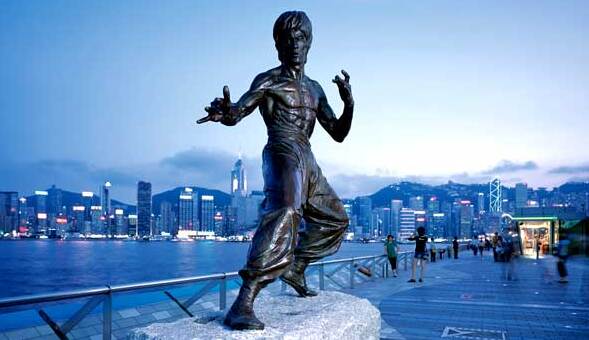
The Avenue of Stars in Tsim Sha Tsui East, Kowloon: celebrity as a form of urban memory
The Avenue of Stars along the Tsim Sha Tsui waterfront was conceived as a tribute to Hong Kong's film industry — a civic acknowledgment that the city's contribution to global cinema was something worth marking in stone and bronze. The handprints and plaques of Hong Kong cinema's major figures are embedded in the promenade, and a large statue of Bruce Lee stands at the waterfront edge. What makes the Avenue of Stars interesting to the traveller who already knows Hong Kong cinema is not the monuments themselves but the view they frame: across Victoria Harbour to the Hong Kong Island skyline, one of the most reproduced urban panoramas in the world.

The promenade was renovated and reopened in 2019, and the redesign gave it a quality of civic seriousness that the original version, opened in 2004, sometimes lacked.
Insider tip The Symphony of Lights show, which illuminates the harbour skyline nightly, is best observed from the Avenue of Stars rather than from the Island side — the viewing angle and the distance give the light display a context that the closer vantage points obscure.
13 Coastal · 7.4 km

Scopri la Magia della Baia di Repulse a Hong Kong: a beach that carries its history quietly
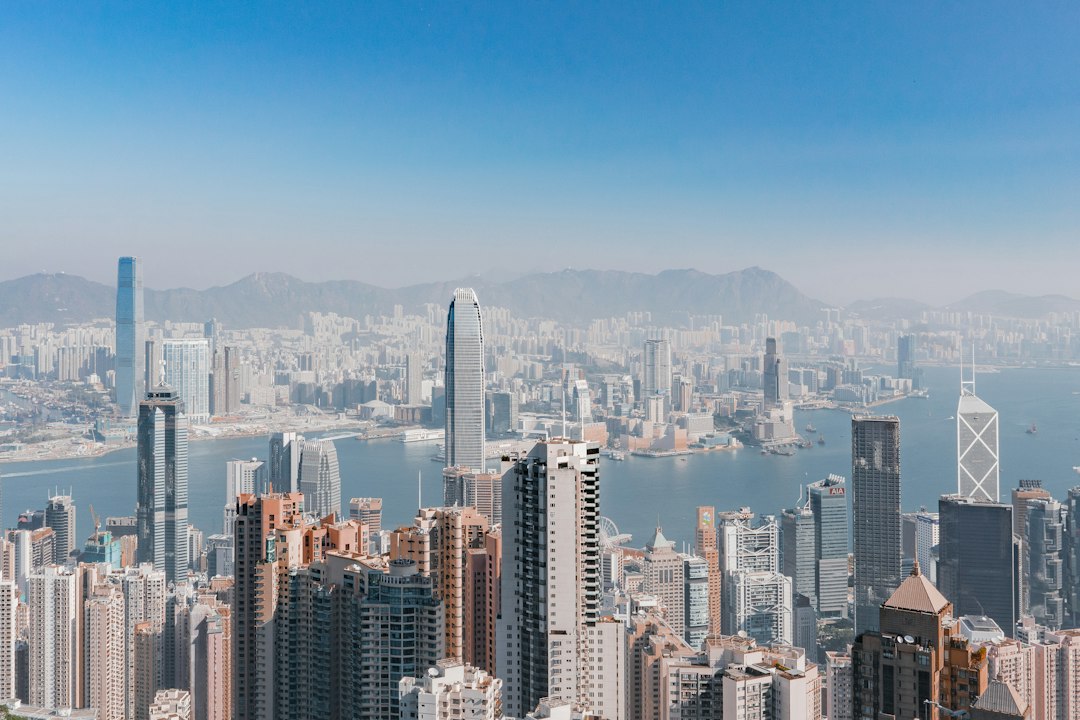
Scopri la Magia della Baia di Repulse a Hong Kong: a beach that carries its history quietly
Repulse Bay, on Hong Kong Island's southern coast, is one of those places whose name alone contains a history that most visitors never think to ask about. The bay is named after HMS Repulse, a British warship that patrolled these waters in the nineteenth century, and the name has stuck through every subsequent transformation of the place — from colonial resort to wartime site to contemporary beach suburb. The Repulse Bay Hotel, rebuilt in the 1980s after the demolition of the original colonial-era structure, is a curious object: a postmodern pastiche of colonial architecture that manages, despite itself, to be atmospherically coherent.

The beach itself is wide and frequently crowded on weekends, but the hills above the bay contain walking paths that offer a relationship with the coastline that the beach level cannot.
Insider tip Walk east from the main beach toward Middle Bay and South Bay — both accessible on foot within twenty minutes — for a version of the southern coast that operates at a noticeably different register from the main beach.
Part four — Around and beyond
15 Travel intelligence · 4.1 km

Come pianificare un viaggio a Hong Kong con l'AI nel 2026: the city as a problem of navigation
Come pianificare un viaggio a Hong Kong con l'AI nel 2026: the city as a problem of navigation
Hong Kong is, in the literal sense, one of the most difficult cities to navigate intuitively: 7.5 million people across a peninsula, an archipelago of over 260 islands, an MTR network of nearly 100 stations, and neighbourhoods that change character every few hundred metres. The question of how to move through such a city — which tools to use, which logics to trust — is itself a form of urban knowledge. The emergence of AI-assisted travel planning in 2025 and 2026 has changed the texture of this problem without resolving it: the city still rewards the traveller who has done the reading over the one who has outsourced the thinking.

What no navigation tool can provide is the quality of attention that makes a city legible — the willingness to be confused, to take the wrong exit, to arrive somewhere unexpected and stay long enough to understand why it exists.
Insider tip The MTR's tourist day pass covers unlimited travel on most lines and is worth calculating against your planned route — but the most interesting parts of Sheung Wan and its adjacent districts are best reached on foot, and the hills are not as steep as they look on the map.
There is a version of Sheung Wan — and of Hong Kong more broadly — that exists only in the gap between what a place is supposed to mean and what it actually does when you give it time. The temple with the smoke-coiled ceiling. The prison that became a cultural centre. The ferry that has been crossing the same harbour for over a century while everything around it was demolished and rebuilt. None of these places are secrets. All of them are, in the sense that matters, underread.

The traveller who arrives in Hong Kong with a postcard in mind will find the postcard waiting for them, efficiently delivered, at every major site. The traveller who arrives with a question — about how a city of this density holds its history, about what survives and what is replaced, about the relationship between the harbour and the hills — will find that the city is, quietly and without any promotional effort, one of the more rewarding places in the world to think inside of. That is not a small thing. It is, in fact, the only thing that makes a city worth returning to.
🏆 Pocket guide

Take this guide with you.

Save it offline, get walking directions, and discover thousands more places like the ones you just read.

Save offline Smart routes Hidden gems
Scan to download iOS / Android
Scan for AppGallery Huawei users

All places, on a map

Map data © OpenStreetMap contributors.

Frequently asked questions

What is the best way to move between Sheung Wan and the other districts mentioned in this list?

The MTR connects most of the districts efficiently — Sheung Wan station on the Island Line is the natural base for the western districts, while Admiralty and Central cover the mid-island sites. For Kowloon destinations including the Avenue of Stars and Temple Street, the Star Ferry to Tsim Sha Tsui is both practical and worthwhile as an experience in itself. Repulse Bay and the southern coast are best reached by bus from Exchange Square, which takes approximately 30 minutes.

Are the religious sites like Man Mo Temple appropriate for non-religious visitors to enter?

Yes. Man Mo Temple is open to all visitors and entry is free. The expected conduct is quiet and respectful — avoid flash photography near active worshippers, and be aware that the temple is a functioning place of worship rather than a museum. The incense smoke is dense; visitors with respiratory sensitivities may want to limit their time inside during peak worship hours.

How much time should a serious traveller allocate to Tai Kwun?

A minimum of two hours is needed to move through the complex with any real attention — the former prison block, the police headquarters, the magistracy building, and whatever temporary exhibitions are currently installed. If there is a performance or event scheduled in the courtyard, building an additional hour around that is worthwhile. The site is free to enter, though some exhibitions and performances require tickets purchased in advance.

Is the Hong Kong Trail suitable for travellers without hiking experience?

The trail varies significantly in difficulty across its eight stages. The early stages near the Peak are well-maintained and accessible to most fit walkers. The later stages, particularly Stage 8 toward the eastern coast, involve more sustained ascent and descent on less-maintained paths. Proper footwear is essential for any stage. The trail is well-signposted and the country parks have emergency call points at intervals, but mobile coverage can be intermittent on the more remote sections.

What is the practical difference between visiting dim sum at a traditional teahouse versus a contemporary restaurant?

Traditional dim sum houses — most of which operate for breakfast and lunch only, closing by early afternoon — use trolley service or order sheets rather than menus with photographs, which means ordering requires either Cantonese or the willingness to point at what passes by on the trolley. Contemporary dim sum restaurants offer English menus and table service, which is more comfortable but produces a slightly different experience of the meal. For the traveller who wants to understand yum cha as a social form rather than a food experience, the traditional teahouse is the more instructive environment, even if the logistics require more effort.

🏆 Read this offline

Save it to your phone.

Bookmark this guide, plan your trip offline, and discover thousands of places like these.

Bookmark Plan offline 60 languages
Scan to download iOS / Android
Scan for AppGallery Huawei users
Secret World Hidden places, real stories — plan your trip
Get the app
