But there is another reason these places feel hidden, and it is more interesting: Singapore has been so aggressively curated for tourism that the curation itself becomes the camouflage. When everything is presented as significant, the genuinely significant gets lost in the noise. The places in this list are not secrets. Several of them receive thousands of visitors. What makes them feel hidden is that most people pass through them without really arriving — without sitting still long enough to notice what the building is actually saying, or what the neighbourhood smells like at 7am, or why the person next to them is quietly emotional in front of an exhibit. That quality of not-quite-arriving is what I'm writing against. Consider this a set of instructions for actually showing up.
At a glance
- National Museum of Singapore: the building that keeps rewriting itself
- Singapore | Peranakan Museum: the school that became a memory palace
- Henderson Waves bridge: Highest pedestrian Bridge — the one that nobody finishes crossing
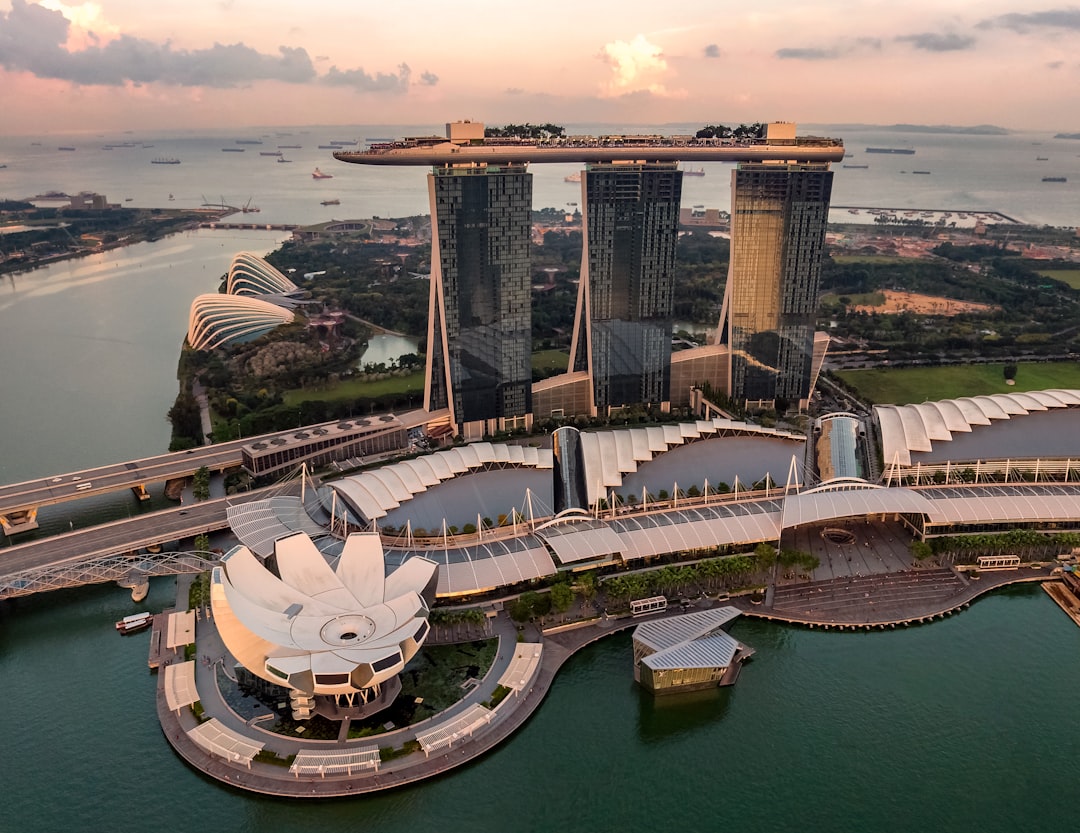
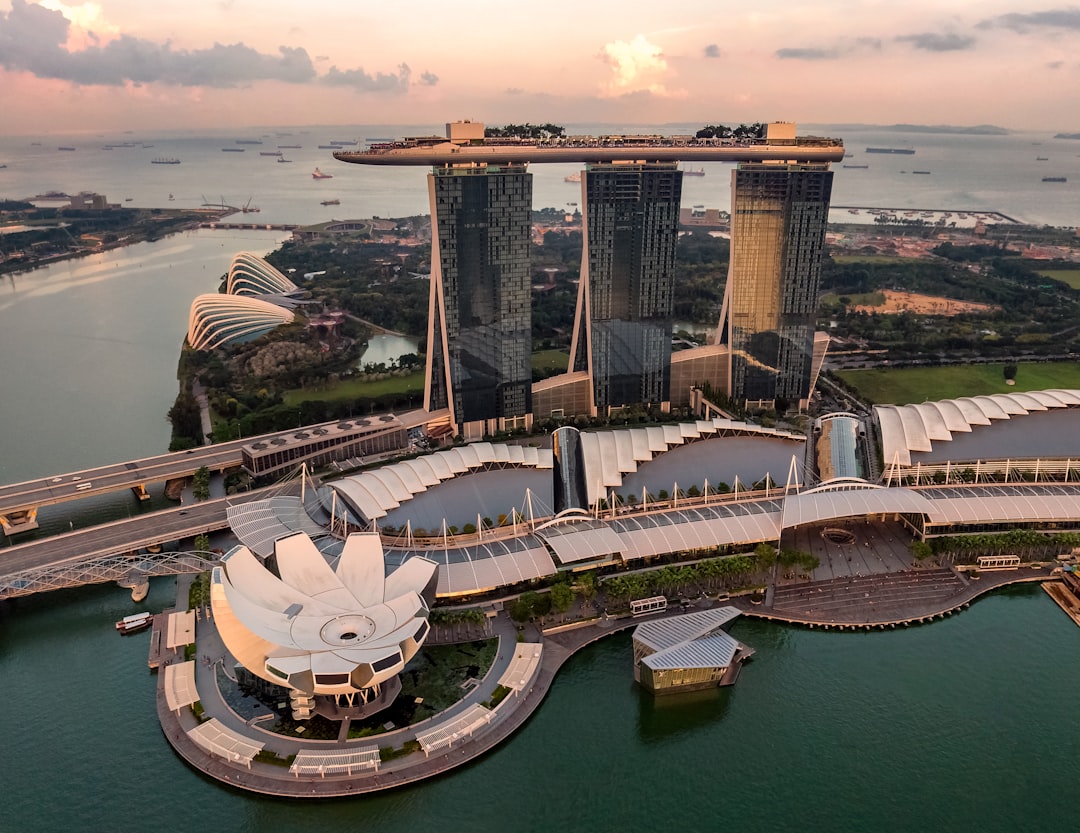
- The Artscience Museum of Singapore: the lotus that asks harder questions than it appears to
- Little India - Singapore: the neighbourhood that refuses to perform itself
- Chinatown in Singapore: the shophouse that survived its own restoration
- Singapore: Malay Heritage Centre (MHC) — the palace that asks who gets to remember
- The Singapore Botanic Garden: the 52 hectares that most visitors reduce to one
- Sentosa Island: Singapore's mega theme-park — the edges that the resort forgot
- Gear-Patrol: One of the largest garden in the world. — the supertrees that work harder than they look
- The Fountain of Wealth in Singapore: the world record that became a ritual
- Trip Planner AI a Singapore 2026: recensione dei 3 migliori — the planning layer that reveals what the city hides
- AI Trip Planner 2026: pianifica Singapore con l'intelligenza artificiale — the itinerary that asks better questions
- Migliori app viaggio 2026: le 5 top testate a Singapore — the digital tools that find what the city doesn't advertise
- Trip Planner AI recensione: testati a Singapore nel 2026 — the map that knows the city is more than its highlights
Part one — The essentials
National Museum of Singapore: the building that keeps rewriting itself
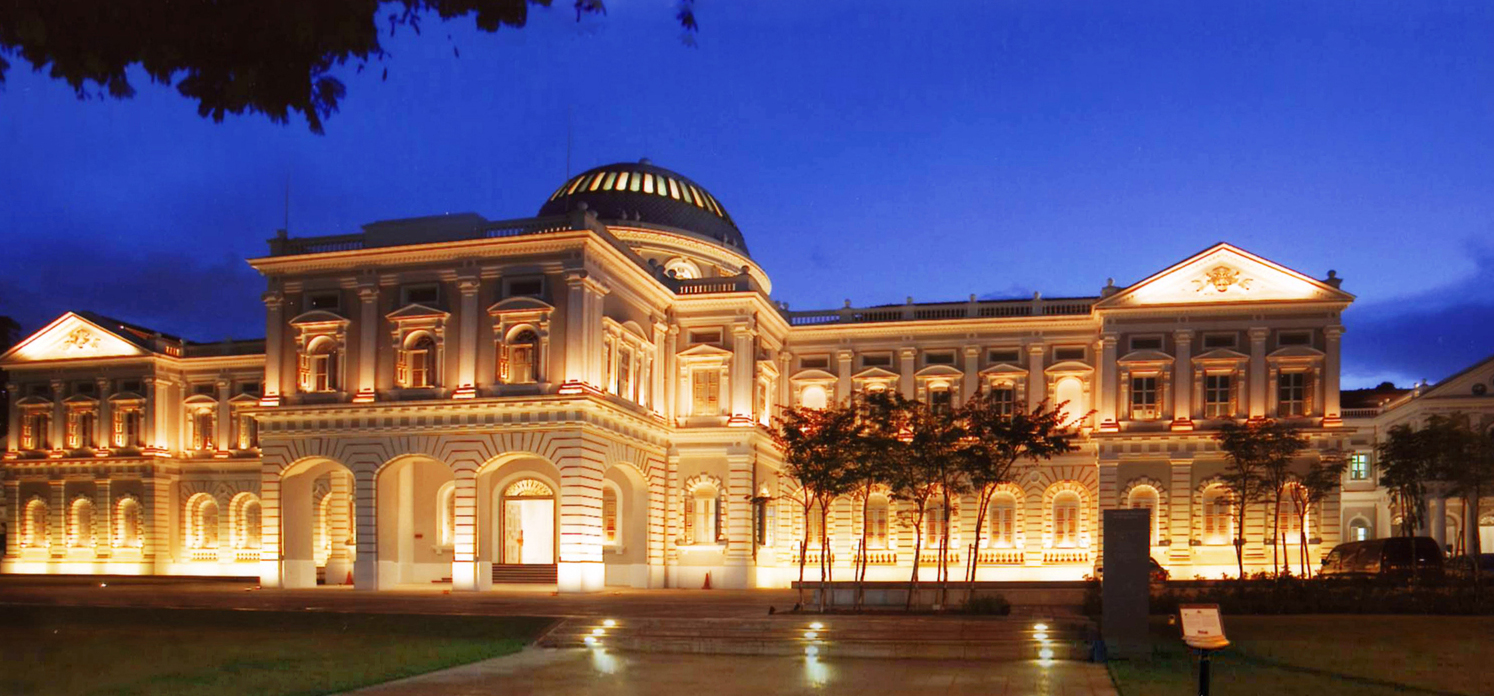
Inside, the galleries celebrating Singapore's history and culture are more nuanced than their institutional framing suggests. The social history exhibits, in particular, resist the triumphalist narrative you might expect, giving space to the uncomfortable and the ambiguous.
Insider tip
Visit on a weekday morning when school groups are absent and the dome gallery is quiet enough to hear your own footsteps. The acoustic quality of that space is its own kind of exhibit.
Singapore | Peranakan Museum: the school that became a memory palace
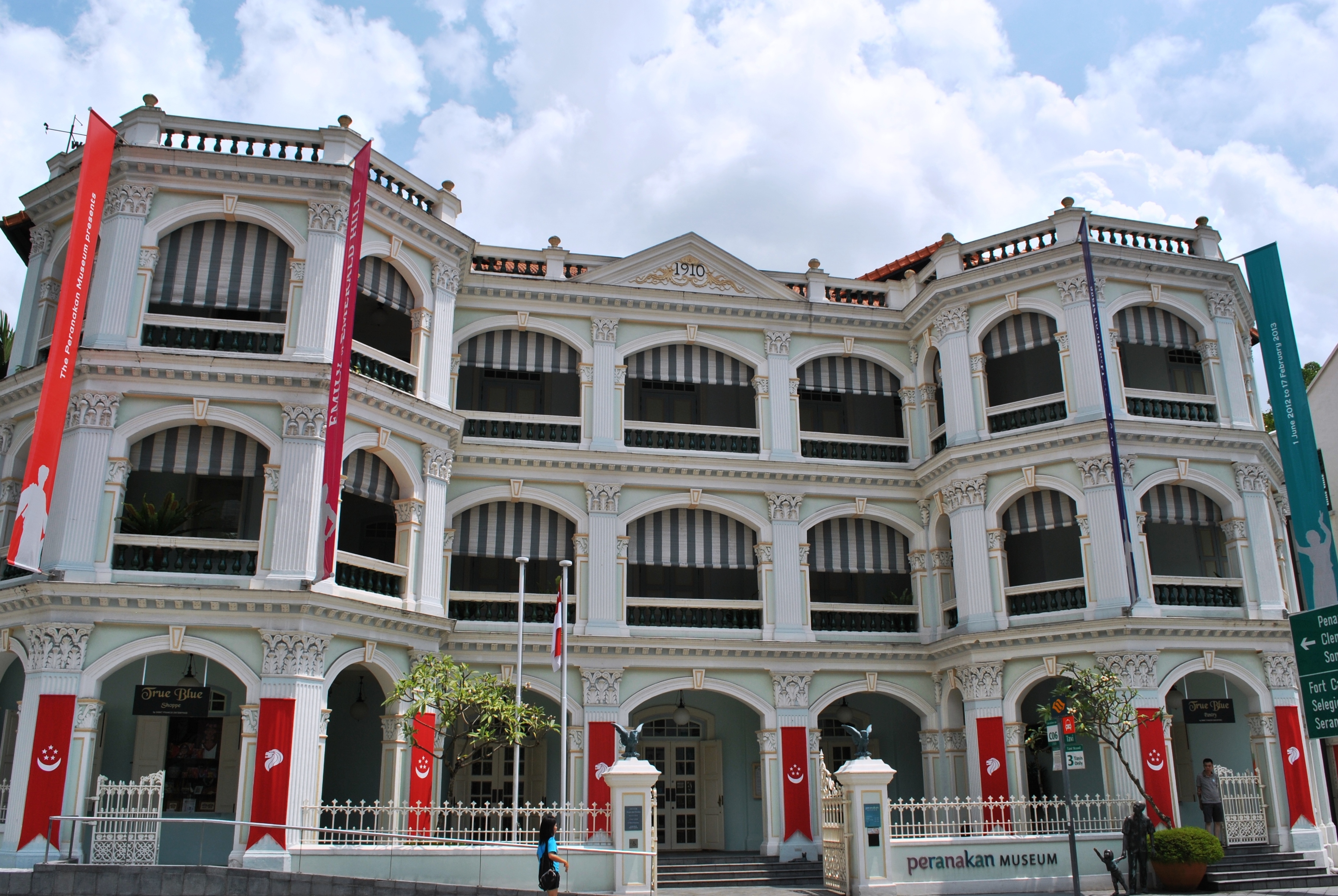
What distinguishes the experience is the sense of genuine cultural complexity the curators have allowed to remain in place. Peranakan identity was never fixed or simple, and the museum doesn't pretend otherwise. The building itself — with its high ceilings and shuttered windows — provides a quietly colonial backdrop that the exhibits subtly interrogate.
Insider tip
The upper floors receive far fewer visitors than the ground level. The exhibits on Peranakan wedding rituals on the higher storeys are among the most detailed and least crowded in the building.
Henderson Waves bridge: Highest pedestrian Bridge — the one that nobody finishes crossing

Most people who visit photograph the approach, walk perhaps a third of the way across, and turn back. This means the far end of the bridge — where the structure settles and the views open differently — is almost always empty. The lush green corridor it connects, linking Telok Blangah Hill Park to Kent Ridge Park, is one of the city's great overlooked walking routes.
Insider tip
Cross the bridge in the early morning before 8am and the mist sits in the canopy below you. The light is entirely different from the afternoon, and you will likely have the alcoves to yourself.
The Artscience Museum of Singapore: the lotus that asks harder questions than it appears to

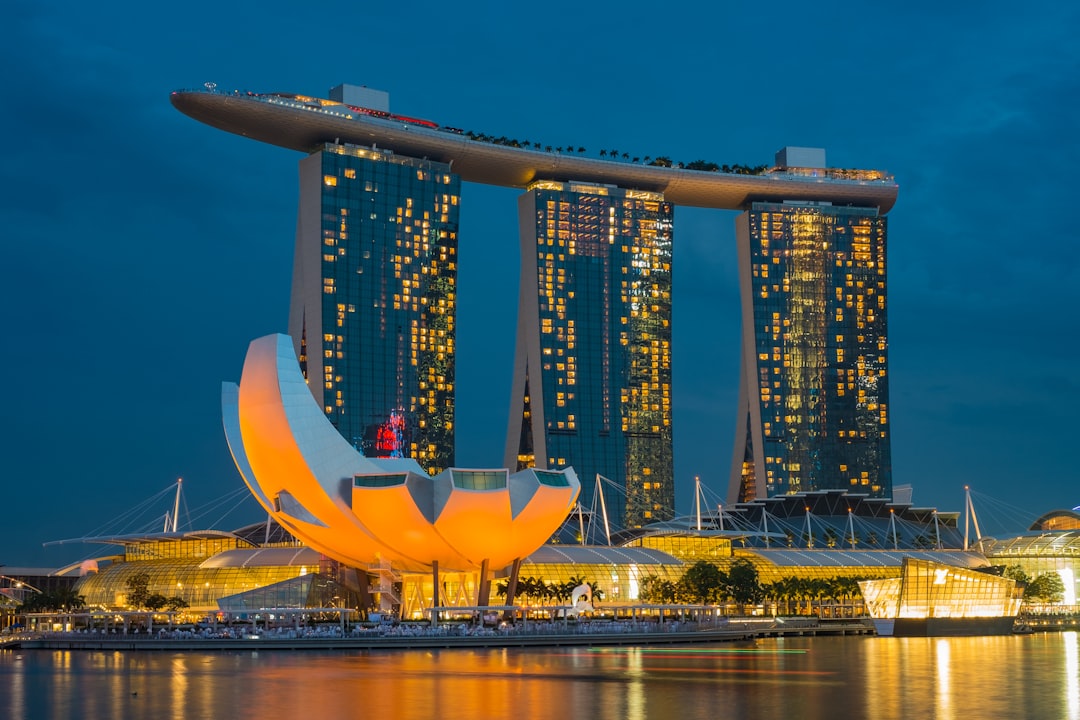
The permanent collection is less interesting than the rotating exhibitions, which have included work that takes seriously the ethical dimensions of technology and environmental change. It is not a building that condescends to its audience, which in Singapore's museum landscape is more notable than it sounds.
Insider tip
The light well at the centre of the building changes character entirely depending on the time of day. Late afternoon, when sunlight filters down through the petals, the atrium becomes the most interesting room in the building.
Part two — A little deeper
Little India - Singapore: the neighbourhood that refuses to perform itself
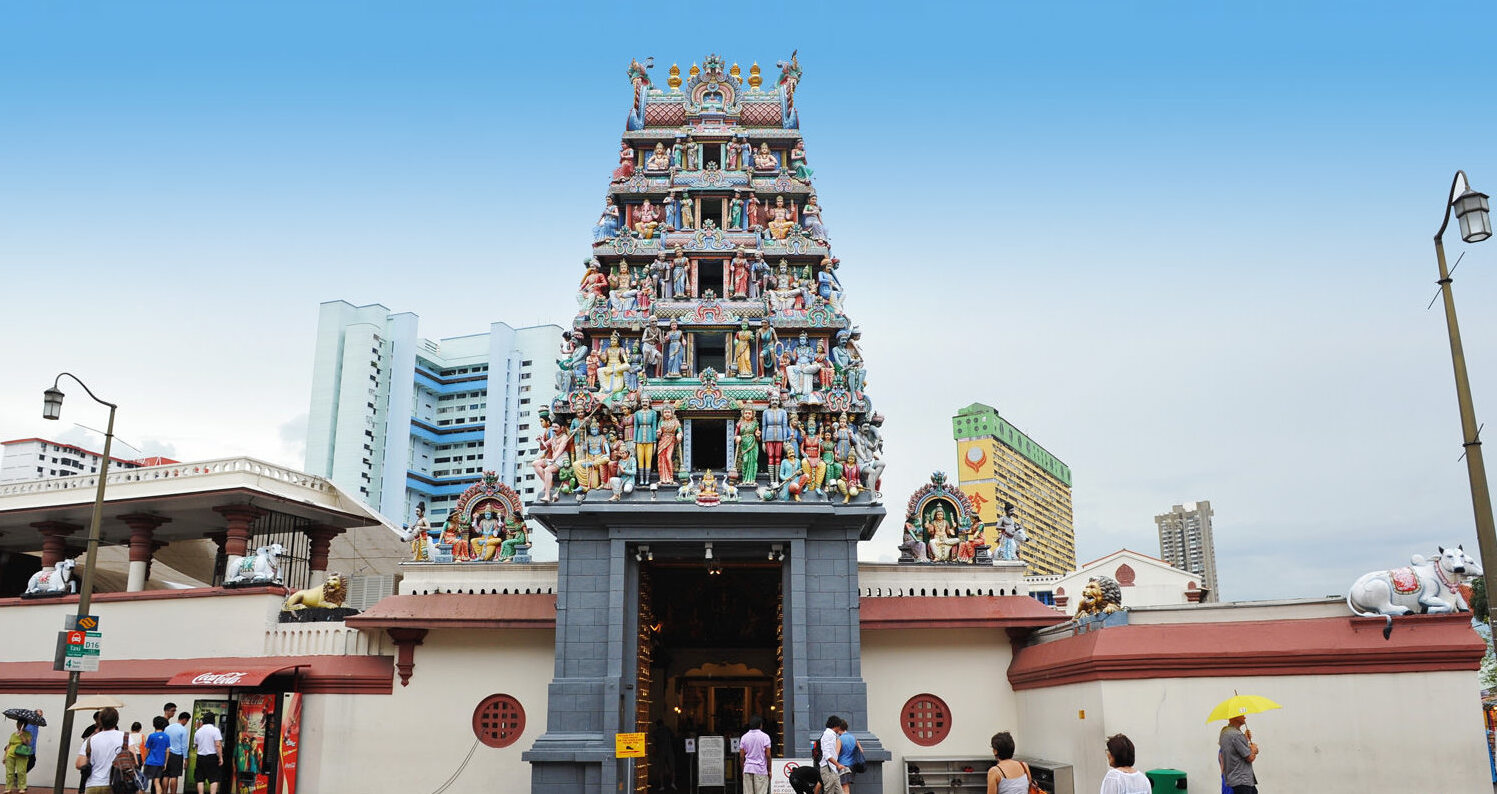
The goldsmith shops remain, the garland sellers remain, the temples remain — but they exist alongside mobile phone remittance shops and Tamil-language bookstores and restaurants that are not catering to tourists and have no particular reason to. This is Little India's quiet defiance: it has been designated a heritage area without becoming a heritage performance.
Insider tip
The side streets off Dunlop Street, particularly in the early morning, carry a quality of unhurried neighbourhood life that the main Serangoon Road drag rarely offers. Follow your nose rather than a map.
Chinatown in Singapore: the shophouse that survived its own restoration

The Sri Mariamman Temple on South Bridge Road is one of the oldest Hindu temples in Singapore and sits in the middle of Chinatown with a beautiful indifference to the category confusion this implies. The wet market on Sago Street in the early morning is the neighbourhood at its least self-conscious. These are the moments when Chinatown stops being a destination and becomes a place.
Insider tip
Walk the back lanes between Neil Road and Tanjong Pagar Road, where the shophouses are less restored and more lived-in. The further you get from the tourist centre, the more interesting the neighbourhood becomes.
Singapore: Malay Heritage Centre (MHC) — the palace that asks who gets to remember
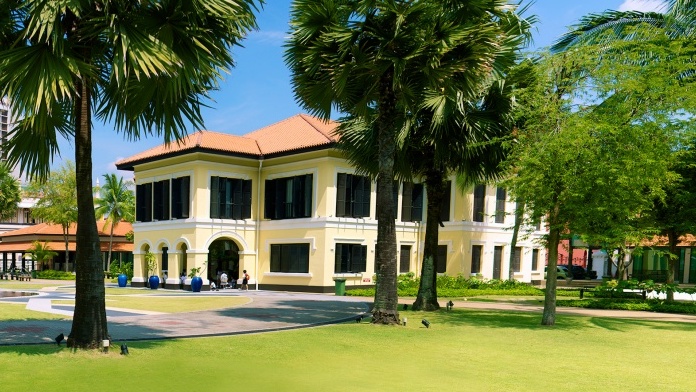
The centre itself, with its artefacts, murals, and multimedia presentations, navigates this complexity with more honesty than you might expect from a state-funded institution. The exhibits on Malay maritime culture and the history of the Bugis traders are particularly strong — a reminder that Singapore's story did not begin with Raffles, whatever the colonial narrative preferred to suggest.
Insider tip
The garden grounds of the Istana are often overlooked in favour of the interior galleries. Spend time outside first — the building's architecture, with its Malay and colonial hybrid elements, tells its own story before you enter.
The Singapore Botanic Garden: the 52 hectares that most visitors reduce to one

The Ginger Garden and the Evolution Garden, which traces the development of plant life across geological time, receive a fraction of the attention directed at the orchids. The Evolution Garden in particular is the kind of exhibit that makes you feel slightly embarrassed about how little you know about the planet you live on — which is, in the best sense, what botanic gardens are for.
Insider tip
Enter through the Bukit Timah Gate rather than the main Tanglin Gate. You'll arrive near the less-visited northern sections of the garden, where the atmosphere is closer to a genuine forest than a manicured park.
Part three — Off the obvious path
Sentosa Island: Singapore's mega theme-park — the edges that the resort forgot
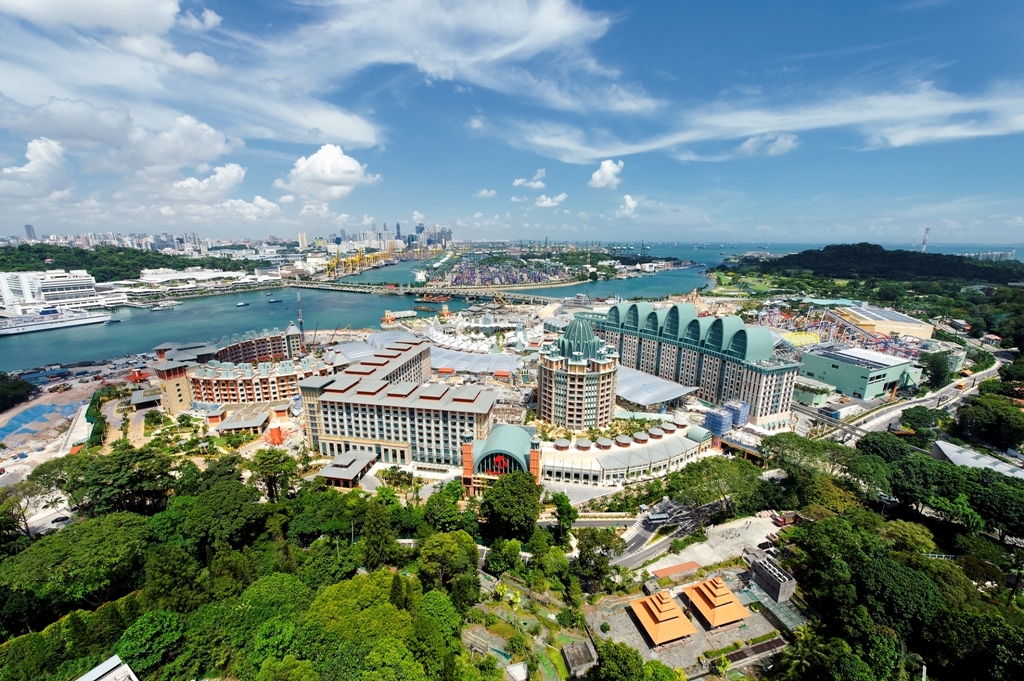
The southern beaches, particularly Palawan and Tanjong, have a quality in the early morning — before the beach clubs open and the music starts — that is genuinely peaceful. The Fort Siloso area, where the island's Second World War history is preserved, is frequently empty and carries a weight that sits in odd contrast to the leisure infrastructure surrounding it. The contrast itself is the point.
Insider tip
Take the beach boardwalk west from Siloso Beach at dawn. The views back toward the mainland and across to the container ships on the Strait of Singapore are a reminder that this island has an older, stranger history than the resort acknowledges.
Gear-Patrol: One of the largest garden in the world. — the supertrees that work harder than they look
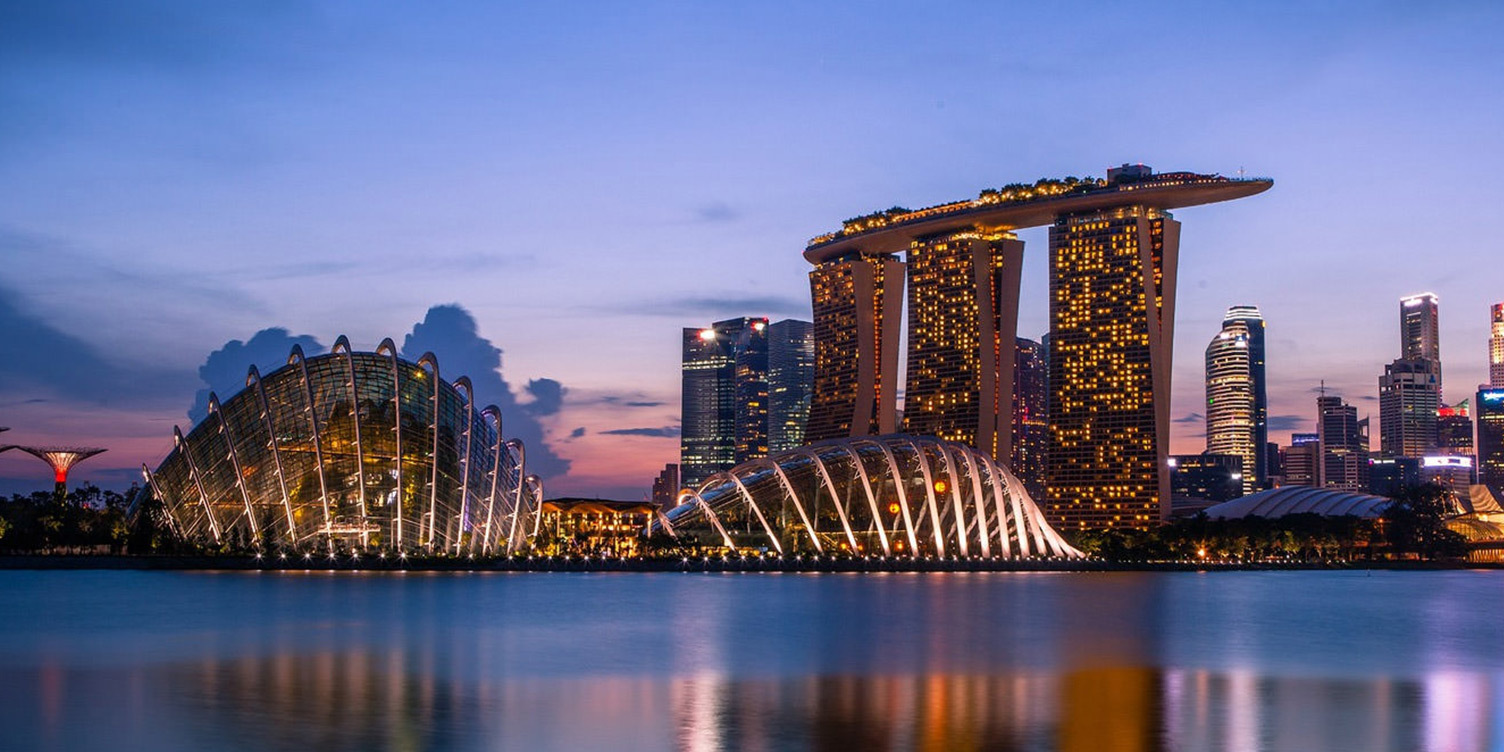
The Cloud Forest dome, with its indoor mountain and waterfall, is the more interesting of the two conservatories — not for its spectacle, which is considerable, but for the environmental argument it makes quietly and consistently throughout. This is a garden that is also an argument about what cities owe to the natural world.
Insider tip
The OCBC Skyway, the aerial walkway between the Supertrees, is less crowded in the early evening just before the light show begins. The views at that hour, with the bay catching the last of the daylight, are worth the timing.
The Fountain of Wealth in Singapore: the world record that became a ritual
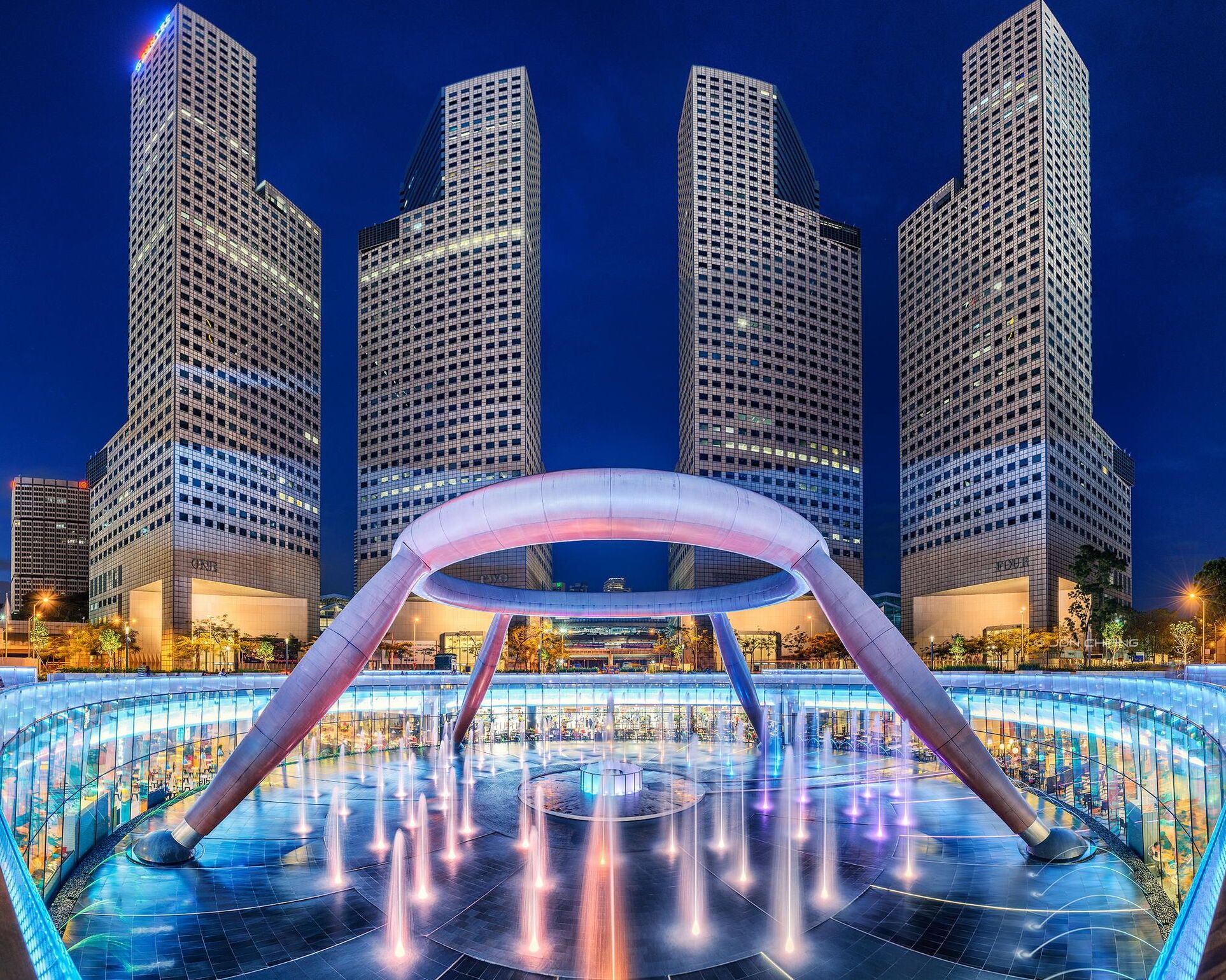
Most people walk past it on the way to lunch. A smaller number stop and walk slowly around the outer ring — there is a specific direction and a specific time window during which this is encouraged, and the ritual of it, however commercial its origins, has acquired a genuine neighbourhood quality.
Insider tip
The fountain's inner pool is accessible to visitors during specific hours each day. Walking the inner circuit slowly, against the grain of the shopping centre foot traffic, is a quietly meditative experience in an unlikely setting.
Trip Planner AI a Singapore 2026: recensione dei 3 migliori — the planning layer that reveals what the city hides
Used well, these tools don't flatten a city into a checklist — they reveal the logic of neighbourhoods, the walking distances that are shorter than maps suggest, the timing considerations that determine whether a place is crowded or quiet. The best of them treat Singapore's complexity as a feature rather than a problem to be solved.
Insider tip
Use AI planning tools to generate walking routes between neighbourhoods rather than lists of attractions. The journey between Little India and Kampong Glam on foot, for instance, reveals a transition zone that neither neighbourhood's dedicated tourism material acknowledges.
Part four — Around and beyond
AI Trip Planner 2026: pianifica Singapore con l'intelligenza artificiale — the itinerary that asks better questions
The value is not in the individual recommendations — any good guidebook provides those — but in the sequencing intelligence: understanding which combination of places makes sense on a Tuesday afternoon in the wet season, or which neighbourhood transitions reward walking versus taking the MRT. This is the kind of local knowledge that traditionally required years of residency to accumulate.
Insider tip
Ask AI planning tools specifically about neighbourhood boundary zones — the blocks between Chinatown and Tanjong Pagar, or between Arab Street and Bugis — where the character of the city shifts in ways that neither area's official tourism material captures.
Migliori app viaggio 2026: le 5 top testate a Singapore — the digital tools that find what the city doesn't advertise
The best current tools integrate real-time crowd data, neighbourhood-level cultural context, and time-of-day recommendations in ways that help travellers move between Singapore's many registers — from the contemplative to the commercial — with some awareness of what they are actually moving between.
Insider tip
Use travel apps to identify the hawker centres that locals frequent rather than those that appear in tourist itineraries. The quality difference is real, and the experience of eating somewhere that wasn't designed with you in mind is irreplaceable.
Trip Planner AI recensione: testati a Singapore nel 2026 — the map that knows the city is more than its highlights

What distinguishes the better tools is not their database of attractions — that information is widely available — but their capacity to model the experience of moving through Singapore as a city rather than a collection of destinations. The difference between a list and an itinerary is the difference between knowing where things are and understanding how they relate.
Insider tip
When testing any AI planning tool in Singapore, ask it to build you a half-day itinerary that avoids the top ten TripAdvisor results. The quality of its response will tell you immediately whether it understands the city or merely knows facts about it.
There is a particular kind of travel fatigue that sets in when a city has been too thoroughly pre-experienced — when you have seen so many photographs, read so many itineraries, consumed so many first-person accounts that arrival feels like a confirmation rather than a discovery. Singapore, perhaps more than any other city of its size and ambition, risks producing this effect. It is extraordinarily good at presenting itself, at curating the experience of itself, at making the visitor feel oriented and informed and efficiently processed.
The places in this list are not antidotes to that experience so much as interruptions of it. A quiet alcove on a bridge above the forest. The upper floors of a museum that most people don't reach. A neighbourhood that continues to be itself regardless of whether you are watching. These are not secrets. They are simply places that reward the quality of attention that tourism, in its efficient modern form, tends to discourage. Slow down. Look at the building before you enter it. Walk the route that isn't on the map. Singapore will meet you there.
The places in this list are not antidotes to that experience so much as interruptions of it. A quiet alcove on a bridge above the forest. The upper floors of a museum that most people don't reach. A neighbourhood that continues to be itself regardless of whether you are watching. These are not secrets. They are simply places that reward the quality of attention that tourism, in its efficient modern form, tends to discourage. Slow down. Look at the building before you enter it. Walk the route that isn't on the map. Singapore will meet you there.


