I arrived on a Tuesday in late October, when the tourist season had exhaled its last breath and the village had returned to itself. The streets were nearly empty, but they were not quiet — there were cats on warm stone, an old man arguing with a hardware-shop door, and somewhere below the main lane, the sound of water moving through rock. That is the thing about Sorano and the wider territory it anchors: the landscape is genuinely ancient in a way that resists easy consumption. The Etruscans cut roads into the earth here. Jewish communities built lives into the cliffs. Winemakers still tend vines that predate the nation-state of Italy by several centuries.
None of that fits neatly onto a postcard, which is precisely why it survives. The fifteen places gathered here are not secrets — some have plaques, some have opening hours, one has a dedicated museum. What makes them feel hidden is something subtler: they ask more of you than a glance. Bring patience. Bring comfortable shoes. Leave the itinerary loose.
At a glance
- Sorano, one of the hidden gems of Italy: the village that earns its reputation slowly
- The Orsini Fortress in Sorano: a ramp that changes your sense of scale
- Museo della Banda Musicale: a Roman tower and a room full of brass
- Necropoli Etrusca di Sovana: density of the dead
- Tomba di Ildebranda: the most ambitious thing the Etruscans built here
- Gli Etruschi e le antiche Vie Cave: corridors cut into the earth
- Museo di San Mamiliano: a mosaic found by accident
- Pitigliano: The Little Jerusalem: a community written into the cliffs
- Strano: Biscotto di Salsiccia Nero di maremma: a sausage that deserves a closer look
- La Migliaccia di Pitigliano: a crêpe with a longer history than its appearance suggests
- La Focaccia bastarda di Pitigliano: a sweet that grew beyond its container
- Aleatico di Gradoli DOC: a wine from a volcanic lake district
Part one — The essentials
Sorano, one of the hidden gems of Italy: the village that earns its reputation slowly

What rewards the patient visitor is the layering: Etruscan caves beneath medieval houses beneath Renaissance additions, all of it held together by the tufa that was simultaneously building material and excavation site. Walk the perimeter path in the early morning and you will understand why curious travellers consistently find more here than they expected.
Insider tip
The lower path along the cliff base, accessible near the old washing area, reveals cave openings that most visitors never notice because they stay on the upper lane. Go before 9am when the light is horizontal and the stone turns amber.
The Orsini Fortress in Sorano: a ramp that changes your sense of scale
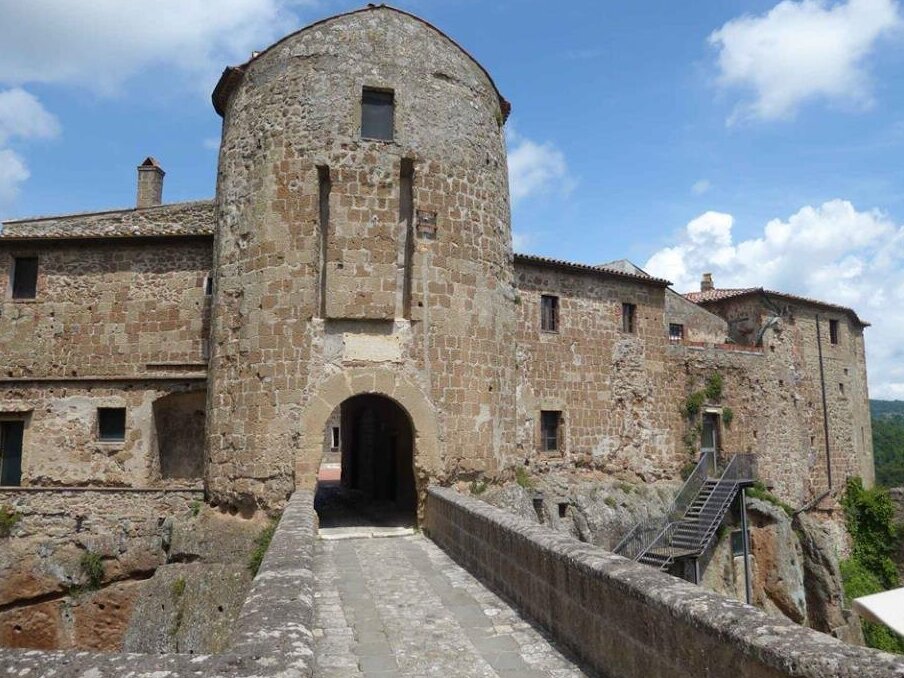
The interior spaces shift between military austerity and the remnants of noble inhabitation. There are rooms where the transition from fortress to residence is visible in a single wall, where arrow slits sit alongside the ghost of a fireplace surround.
Insider tip
Ask at the ticket desk about access to the upper terrace, which is sometimes opened on request and offers a view down into the borgo's roofscape that no street-level position can replicate.
Museo della Banda Musicale: a Roman tower and a room full of brass
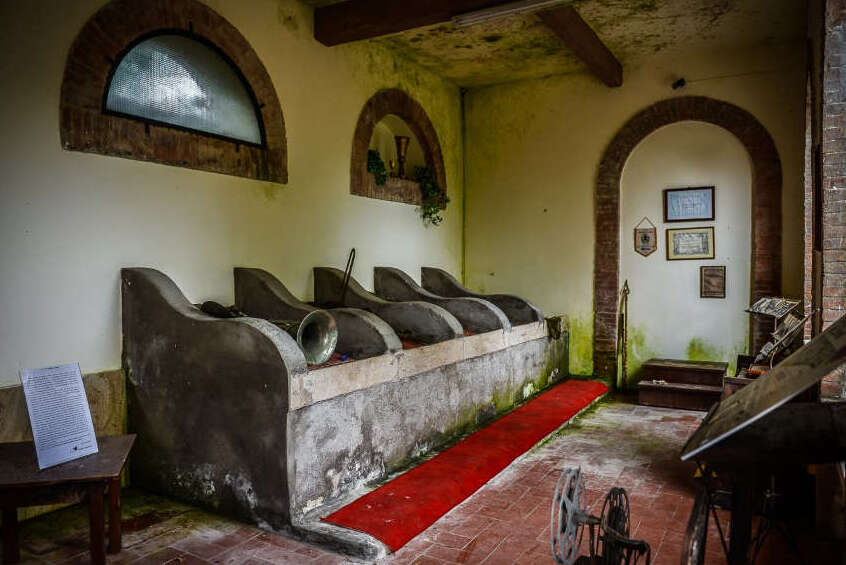
The museum preserves the instruments, uniforms, and memorabilia of a local banda — that quintessentially Italian institution of civic music-making that has accompanied every funeral, festival, and feast day for generations. The Roman tower beside it, a singular monument of ancient stonework pressed against contemporary construction, is the kind of archaeological survival that would be fenced, lit, and ticketed in a larger city. Here it simply exists, next to a car park.
Insider tip
The tower is best viewed from the side street to the north, where the full height is visible and the contrast between Roman opus incertum and modern render becomes almost compositional.
Part two — A little deeper
Necropoli Etrusca di Sovana: density of the dead
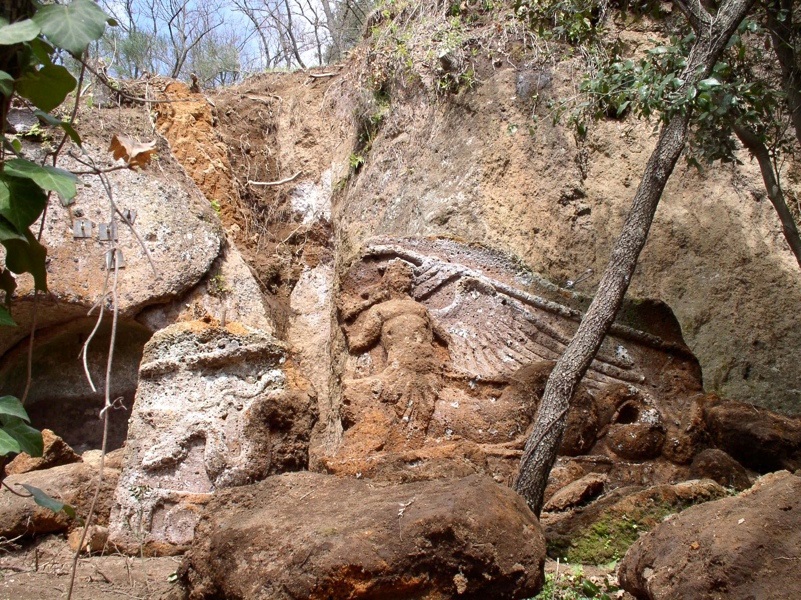
The variety is what sustains attention: cube tombs, pit tombs, façade tombs with architectural detail that suggests the Etruscans were translating built structures into stone as a form of memory. The site was first formally documented in 1843 and has been yielding interpretation ever since.
Insider tip
Come in the afternoon when most day-trippers have left. The paths through the necropolis become genuinely quiet, and the quality of light through the tree canopy changes the texture of the tufa in ways that morning visits don't offer.
Tomba di Ildebranda: the most ambitious thing the Etruscans built here

What makes it remarkable is its ambition: carved columns, a staircase, architectural mouldings — a temple façade translated into the cliff face, suggesting that the Etruscan family who commissioned it wanted their afterlife to look like a public building. The scale only becomes apparent when you stand at its base and look up. It is not large by Roman standards, but within the tufa landscape it carries an authority that is difficult to account for rationally.
Insider tip
The site map available at the necropolis entrance shows a secondary path that approaches the Tomba di Ildebranda from the north side — this angle reveals the full column arrangement better than the standard frontal approach.
Gli Etruschi e le antiche Vie Cave: corridors cut into the earth
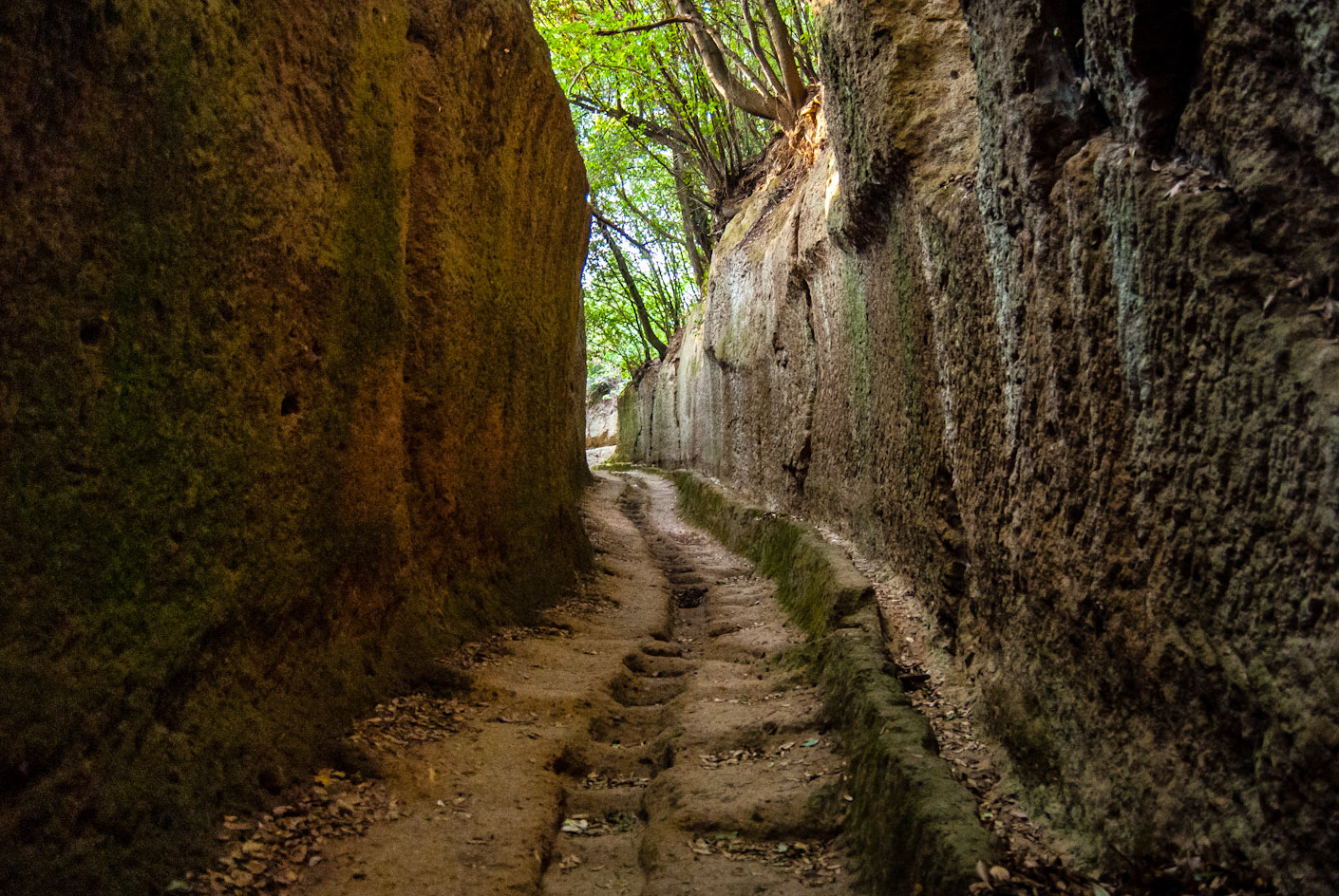
Near Pitigliano, the Grotta delle Vie offers one of the most accessible entry points into this network. Walking a vie cava is not a hike in any conventional sense — it is something closer to moving through a thought, a path that was purposeful and is now mysterious.
Insider tip
Wear shoes with grip — the tufa becomes slick when damp, which in the shaded depths of the vie cave is most of the time. A small torch is useful even in daylight for reading the carved details in the walls.
Part three — Off the obvious path
Museo di San Mamiliano: a mosaic found by accident
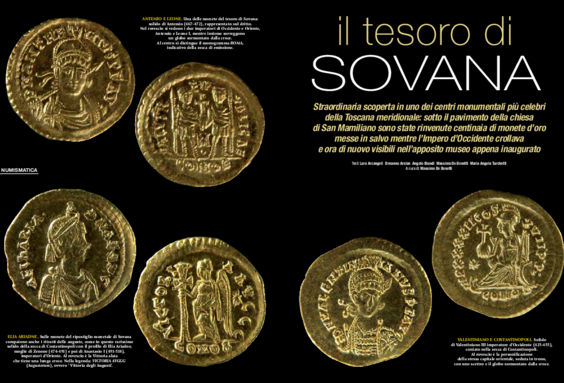
It is the kind of museum that rewards visitors who read the labels rather than simply moving through the rooms. The finds contextualise the necropolis outside, the cathedral nearby, and the continuous human presence in Sovana that stretches from Etruscan settlement through Roman occupation through medieval Christian community — all of it compressed into a small, carefully tended space.
Insider tip
The museum has limited and sometimes irregular opening hours — check in advance with the Sorano tourist office or call ahead, particularly outside the summer season, to avoid finding it closed.
Pitigliano: The Little Jerusalem: a community written into the cliffs
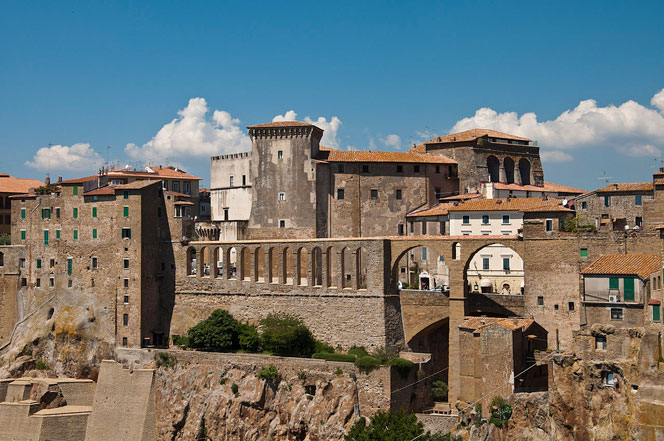
The ghetto, the synagogue, and the network of caves used for kosher food preparation are all accessible and interpreted. They constitute one of the most intact records of Jewish life in rural Tuscany, and they sit within a town that is otherwise thoroughly medieval Christian — the coexistence is the story.
Insider tip
The synagogue museum opens on a schedule that varies seasonally — arrive early in the day and check at the entrance before planning the rest of your visit around it.
Strano: Biscotto di Salsiccia Nero di maremma: a sausage that deserves a closer look
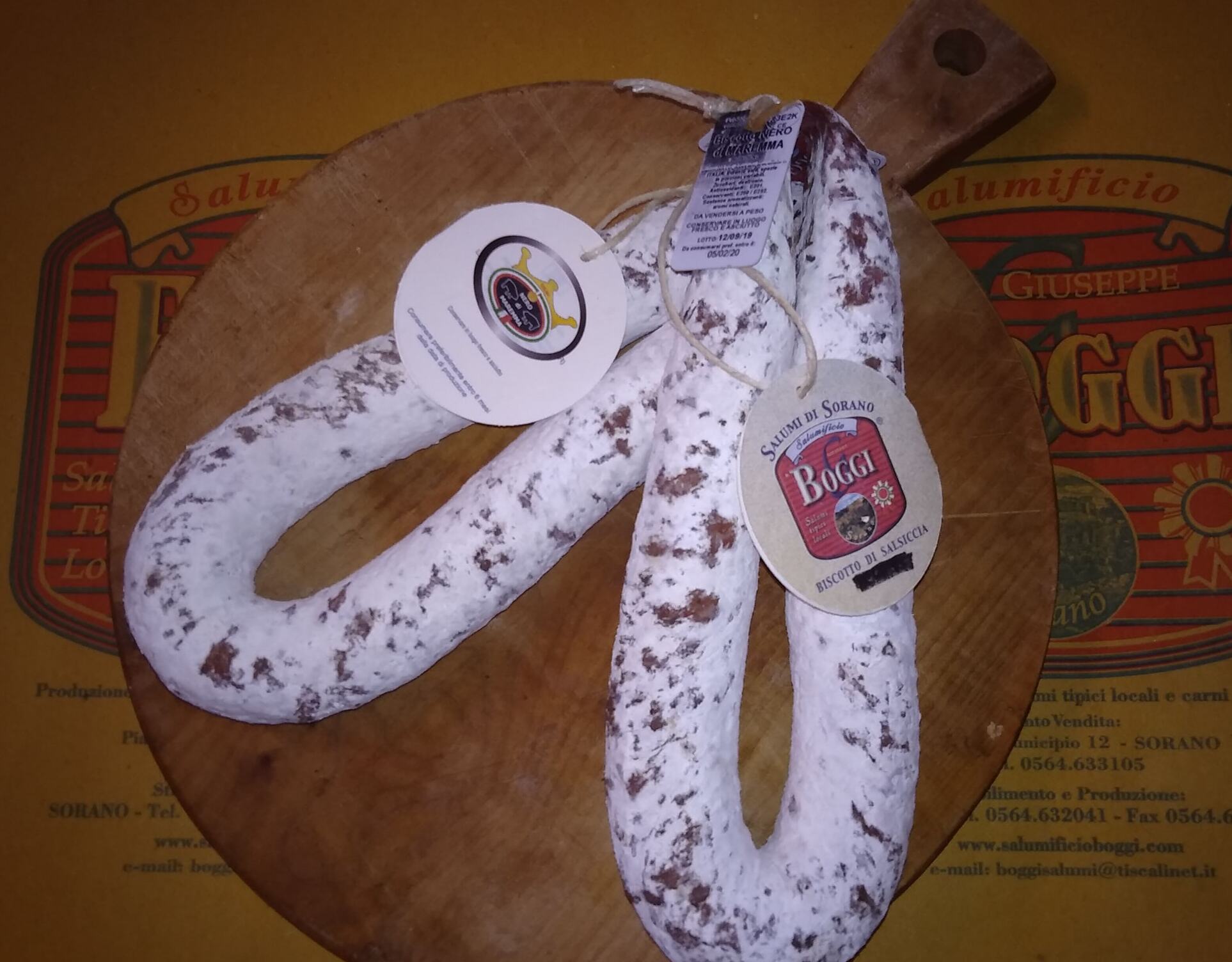
The 'biscotto' designation refers not to a biscuit in any conventional sense but to the particular shape and the double-tying technique. It is a product that rewards the kind of traveller who asks the person behind the deli counter what they are actually looking at — the answer tends to be longer and more interesting than expected.
Insider tip
Look for it in the small alimentari shops in Sorano's upper village rather than in tourist-facing outlets — the quality and the conversation will both be better.
Part four — Around and beyond
La Migliaccia di Pitigliano: a crêpe with a longer history than its appearance suggests
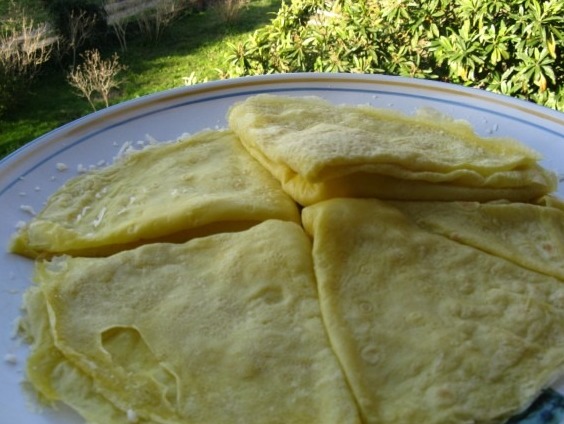
The migliaccia is a registered traditional product of the territory, which means it has been formally documented and protected before it could disappear entirely into the general category of 'old things people used to eat.' Finding it requires asking at the right bakery or trattoria in Pitigliano — it is not always on display, but it is usually available if you know to ask.
Insider tip
Ask specifically for the migliaccia rather than accepting a generic description of local flatbreads — the distinction matters to the people who make it, and naming it correctly opens a conversation.
La Focaccia bastarda di Pitigliano: a sweet that grew beyond its container
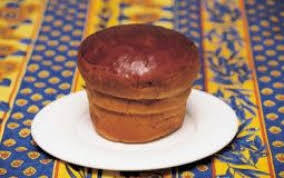
It is the kind of local specialty that has survived not because it has been promoted but because it is genuinely good and because the people of Pitigliano have continued to make it for reasons that have nothing to do with tourism.
Insider tip
The focaccia bastarda is best found in the pasticcerie of Pitigliano's old town — it is often available in the morning and may be sold out by early afternoon, particularly on weekends.
Aleatico di Gradoli DOC: a wine from a volcanic lake district
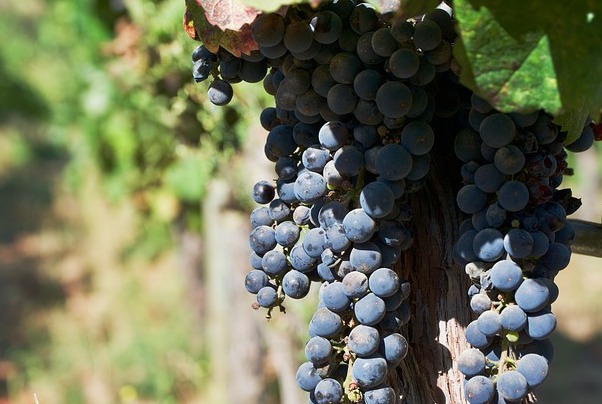
It is a DOC that appears on relatively few wine lists outside the immediate territory, which means that encountering it in a small enoteca near Sorano or Pitigliano carries the specific pleasure of finding something that has not yet been packaged for export. The passito version, made from partially dried grapes, is the form most worth seeking out.
Insider tip
The town of Gradoli itself, on the northern shore of Lago di Bolsena, has a small number of producers who sell directly — a detour of about thirty kilometres from Sorano that justifies itself entirely.
Leaving Sorano on the third morning, I drove the road toward Pitigliano slowly enough to watch the tufa landscape change in the early light. There is a particular quality to this territory that I have been trying to articulate since I arrived and have not quite managed: it is the sense that the land has already absorbed everything that has happened to it — Etruscan tombs, medieval sieges, Jewish exiles, centuries of agricultural labour — and is not especially interested in being interpreted. It simply continues.
The fifteen places gathered here are not a checklist. They are an argument for a different kind of travel: one that moves at the speed of conversation, that tolerates closed museums and irregular opening hours and the occasional dead end on a tufa path. The reward is not a photograph. It is the particular satisfaction of having been somewhere rather than merely having passed through it. Sorano and its territory offer that, quietly and without insistence, to anyone patient enough to stay past lunch.
The fifteen places gathered here are not a checklist. They are an argument for a different kind of travel: one that moves at the speed of conversation, that tolerates closed museums and irregular opening hours and the occasional dead end on a tufa path. The reward is not a photograph. It is the particular satisfaction of having been somewhere rather than merely having passed through it. Sorano and its territory offer that, quietly and without insistence, to anyone patient enough to stay past lunch.


