I have spent more time in Taipa and its surrounding Macao territory than I care to calculate — enough to know that the island rewards a particular kind of stubbornness. Not the stubbornness of the contrarian who refuses to see famous things, but the stubbornness of the person who keeps walking after the obvious photograph has been taken. The places in this list are not obscure because nobody knows about them. Several are listed on heritage registers and appear in academic papers. They are overlooked in a more practical sense: people walk past them on the way to something louder. That is the specific quality of hiddenness I find most interesting — not geographical remoteness, but psychological distance. These fifteen places sit in that gap. Some are in Taipa proper; others are in the broader Macao territory that the island connects to. All of them deserve more than a glance.
At a glance
- Scoprire Vila da Taipa: il Cuore Verde di Macao — the village that refuses to perform
- Scopri la Casa di Lou Kau a Macao: a merchant's ambition in stone and tile
- Macau Tower: the structure that earns its reputation from the outside
- Scopri il Tempio di A-Ma: Luce e Spiritualità a Macao — before the tour groups arrive
- A-Ma Temple is a Taoist temple in Macao: the weight of 1488
- Lou Lim Ieoc Garden: the bridge that outwits evil spirits
- Macau Giant Panda Pavilion: the architecture is the point
- Scopri Hac Sa Beach: Il Tesoro Nascosto di Macao — the black sand that most visitors never see
- Scopri Cheoc Van Beach: la Perla di Macao — the quieter bay around the headland
- Largo do Lilau: Il Cuore di Macao — the square that time is still negotiating with
- Senado Square in Macao: the plaza that works harder than it looks
- Scopri il Fascino del Museo Marittimo di Macao: the sea that made the city
- Scopri la Torre di Macao: un panorama mozzafiato — the view that earns its height
Part one — The essentials
Scoprire Vila da Taipa: il Cuore Verde di Macao — the village that refuses to perform
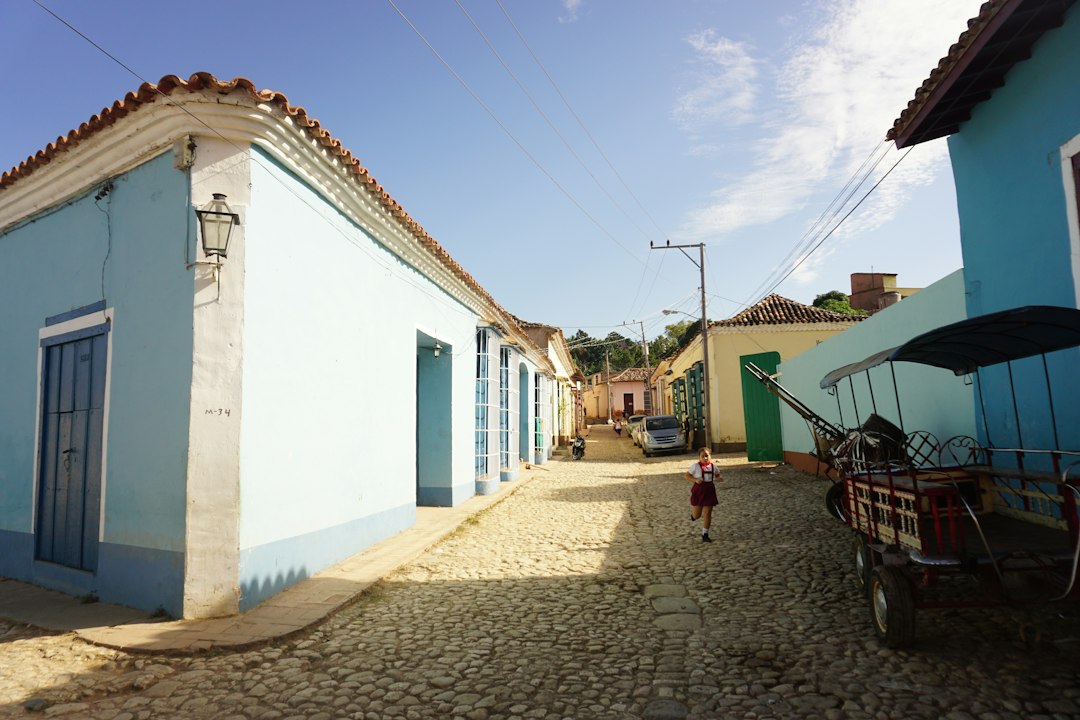
What the village does quietly, and what most visitors miss entirely, is function as a genuine residential neighbourhood. People live here. They dry laundry on poles above the street. They argue about parking. The green spaces that give this corner of Macao its particular character are not ornamental; they are simply where people sit in the evening when the air cools. Come mid-morning on a weekday and you will have stretches of it almost to yourself.
Insider tip
The side streets running perpendicular to Rua do Cunha are where the village's domestic life is most visible — quieter, less photographed, and worth the ten-minute detour.
Scopri la Casa di Lou Kau a Macao: a merchant's ambition in stone and tile
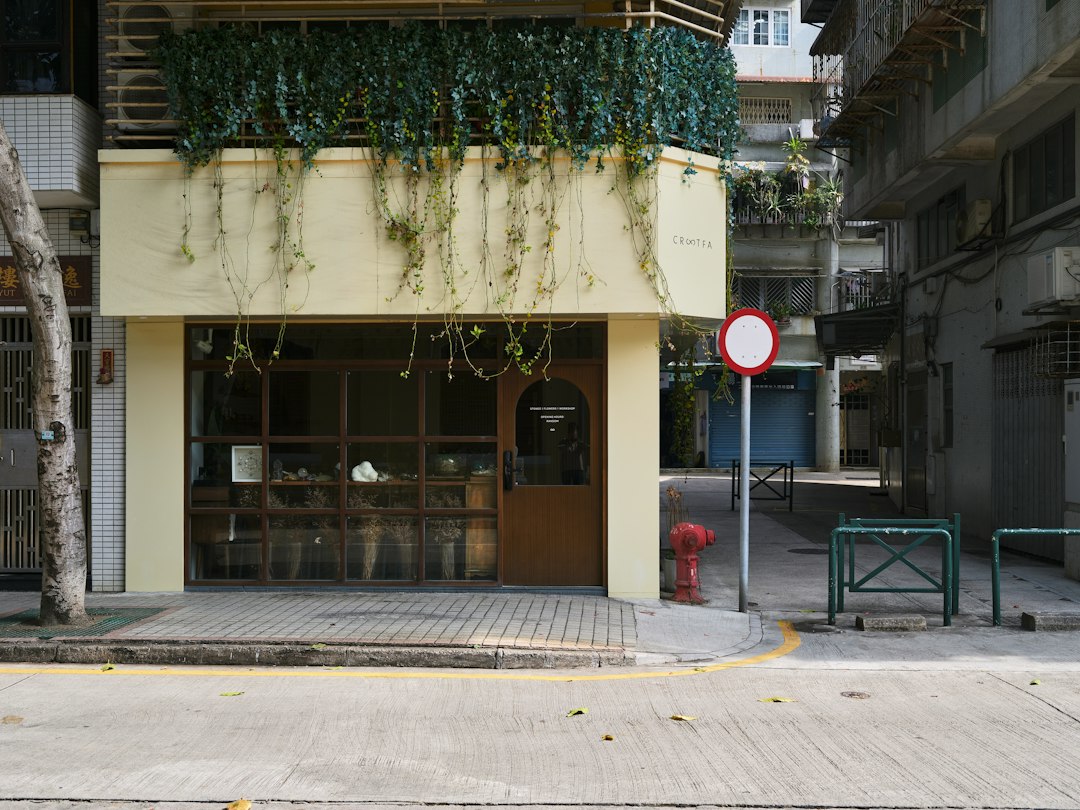
The house sits in a part of the historic centre that most visitors pass through quickly, focused on the larger landmarks. It is easy to walk past the entrance without registering what is inside. The interior reveals a domestic logic that is entirely different from European contemporaries of the same period — the relationship between public and private space, between the street-facing reception rooms and the inner family quarters, tells you more about nineteenth-century Macao society than most museum exhibits.
Insider tip
The carved wooden partitions on the upper floor are the finest detail in the building — stand close and take time with them rather than moving through at touring pace.
Macau Tower: the structure that earns its reputation from the outside
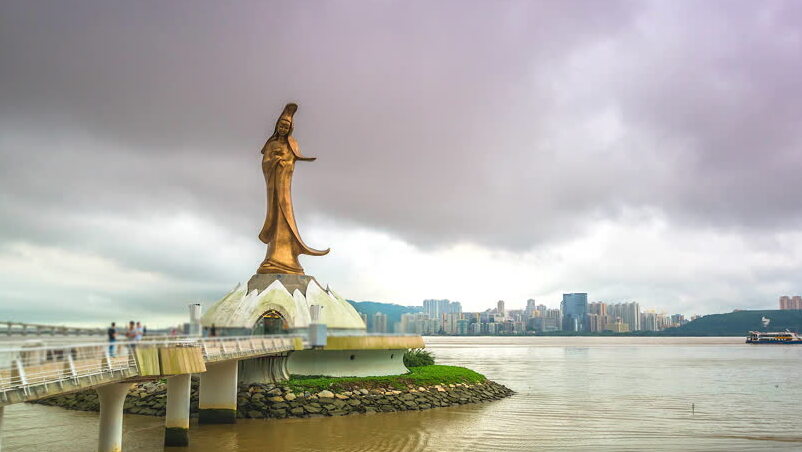
The tower also functions as an unexpected vantage point for understanding Macao's geography. From the 61st-floor observation deck, the relationship between the three islands, the Pearl River Delta, and the Chinese mainland becomes legible in a way that no map quite manages. The crowds tend to thin out on weekday mornings, and the revolving restaurant on an upper floor offers a slower, less vertigo-inducing version of the same view.
Insider tip
The ground-level plaza around the tower base is almost always empty and offers a useful orientation point — spend fifteen minutes there before going up.
Scopri il Tempio di A-Ma: Luce e Spiritualità a Macao — before the tour groups arrive
What the source material calls 'luce e spiritualità' — light and spirituality — is not marketing language here. The way the site is built into and around natural rock formations means that light enters the complex at unexpected angles throughout the day, illuminating carved stone reliefs and lacquered altar panels in ways that shift by the hour. The spiritual atmosphere is not performed for visitors; it exists because people have been coming here to pray for centuries, and the accumulated intention of that practice is palpable.
Insider tip
The upper pavilions, reached by a steep path behind the main hall, are visited by a fraction of the people who come to the lower entrance — quieter, more atmospheric, and worth the climb.
Part two — A little deeper
A-Ma Temple is a Taoist temple in Macao: the weight of 1488
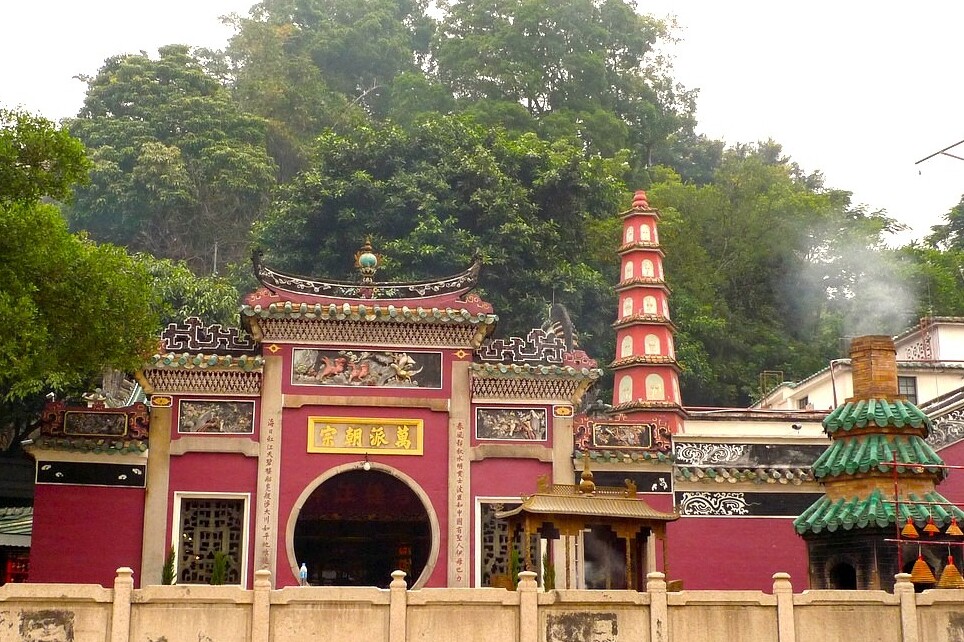
The temple predates the Portuguese presence entirely, which makes it the oldest extant building in Macao by a considerable margin. Coming early — the source note is unambiguous about this — is not just a tip about crowd avoidance. The morning hours change the character of the place. The incense smoke catches the low light differently, the resident worshippers are more numerous, and the sense of continuity with a practice that has been unbroken for over five centuries becomes easier to feel rather than simply know intellectually.
Insider tip
Arrive before 8am on any morning and you will share the space primarily with local worshippers rather than tour groups — the experience is categorically different.
Lou Lim Ieoc Garden: the bridge that outwits evil spirits

The garden is neither large nor remote, but it tends to be quieter than its central location suggests it should be. The shaded paths and the sound of water create a microclimate of calm that is genuinely useful in a territory where calm is not always easy to find.
Insider tip
The golden bamboo grove in the northern section of the garden is at its best in the morning light — it is also the least-visited corner of the site.
Macau Giant Panda Pavilion: the architecture is the point
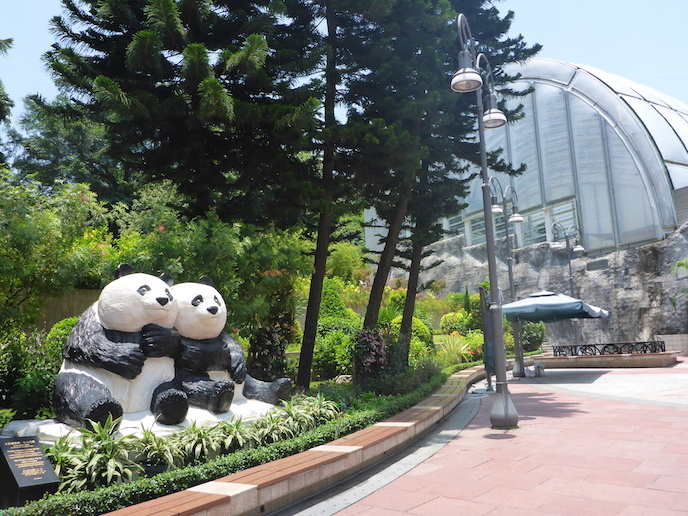
The seashell roof is a serious piece of engineering, designed to regulate temperature and light in a way that suits the pandas' requirements while creating an interior environment that feels genuinely unusual. The raised walkway system means that the spatial experience of moving through the pavilion is unlike most zoo or wildlife facilities — you are moving above the animals' living space rather than peering through glass at their eye level, which changes the dynamic of observation in ways that are worth noticing.
Insider tip
The pandas are most active in the morning before the midday heat — the pavilion's position in Coloane also means it is rarely as crowded as the Taipa attractions.
Scopri Hac Sa Beach: Il Tesoro Nascosto di Macao — the black sand that most visitors never see
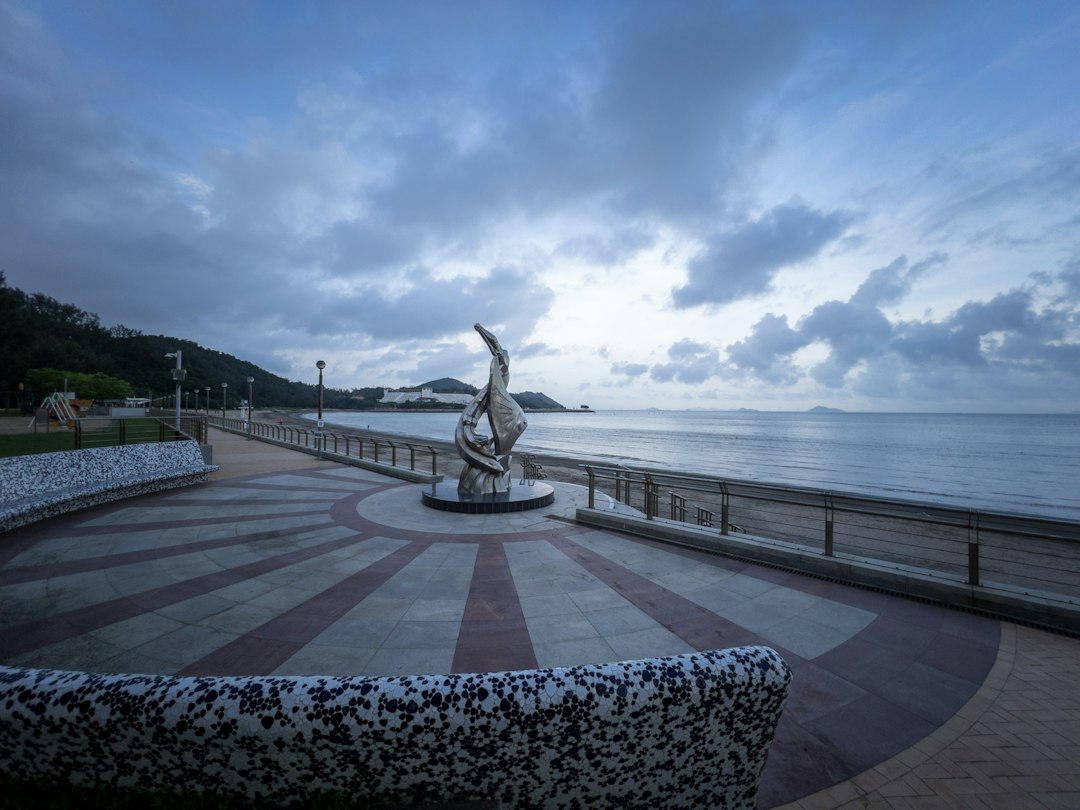
The beach is less visited than its quality warrants, partly because reaching Coloane requires a deliberate effort that most Macao visitors are unwilling to make when the casino hotels are offering pools and spas at room-key distance. That reluctance works in your favour. Hac Sa on a weekday morning has the quality of a place that has not yet been discovered, even though it has been known and used by Macao residents for generations. The surrounding hills and the small village nearby add context that a purely coastal visit would miss.
Insider tip
The park behind the beach has walking trails that most visitors ignore entirely — they offer elevated views of the bay and the surrounding coastline that the beach-level perspective cannot.
Part three — Off the obvious path
Scopri Cheoc Van Beach: la Perla di Macao — the quieter bay around the headland
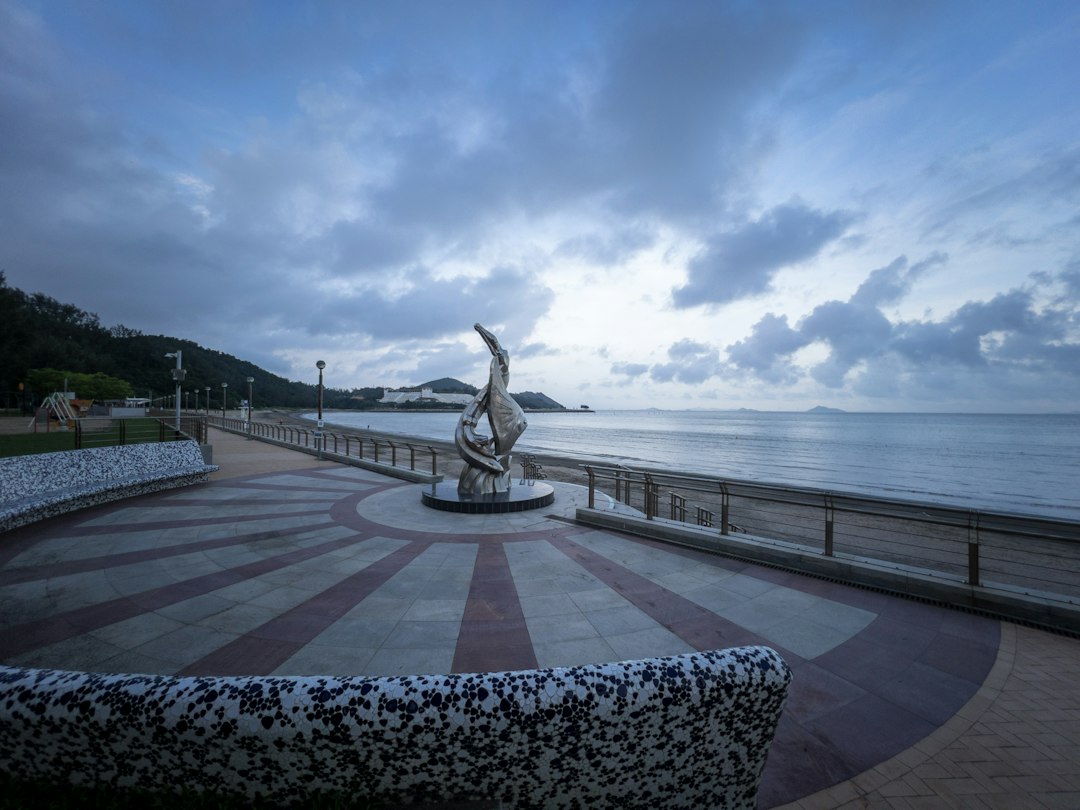
The beach is, as the source material notes, less crowded than most — a function of its position at the end of a road that requires commitment to reach. The surrounding landscape has a gentleness that is unusual in Macao, where the dominant visual register tends toward the vertical and the lit. In the late afternoon, when the light comes in low over the water, the bay has a quality that is difficult to describe without reaching for adjectives I have promised myself I will not use.
Insider tip
The small café near the beach entrance is used almost exclusively by locals — the menu is limited but the coffee is good and the view from the terrace is unobstructed.
Largo do Lilau: Il Cuore di Macao — the square that time is still negotiating with
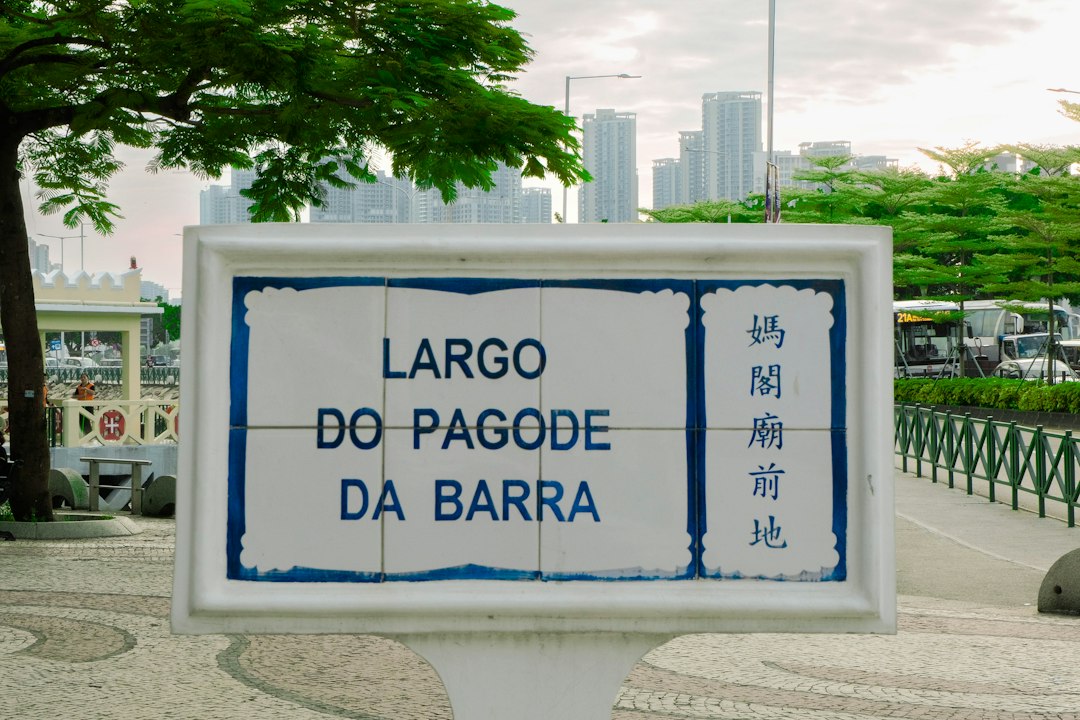
The buildings that frame the square are a compressed catalogue of Macao's architectural identity: Portuguese colonial facades, Chinese domestic details, the particular shade of ochre that appears on walls throughout the historic centre. On weekday mornings the square is almost entirely empty, occupied mainly by cats and the occasional resident crossing it on the way to somewhere else. That emptiness is the point. It is one of the few places in Macao where you can stand still and hear the city at a distance.
Insider tip
The square is within easy walking distance of the Mandarin's House and Lou Kau's residence — combining all three in a single morning walk makes for a coherent narrative about nineteenth-century Macao society.
Senado Square in Macao: the plaza that works harder than it looks

The square also functions as a legible record of Macao's administrative history — the buildings around it represent different periods of Portuguese colonial governance, and reading them in sequence tells a story about power, trade, and cultural negotiation that the midday tourist experience tends to flatten.
Insider tip
The Leal Senado building at the northern end of the square has an interior courtyard and a public library on the upper floor that most visitors never enter — the library is particularly worth finding.
Scopri il Fascino del Museo Marittimo di Macao: the sea that made the city
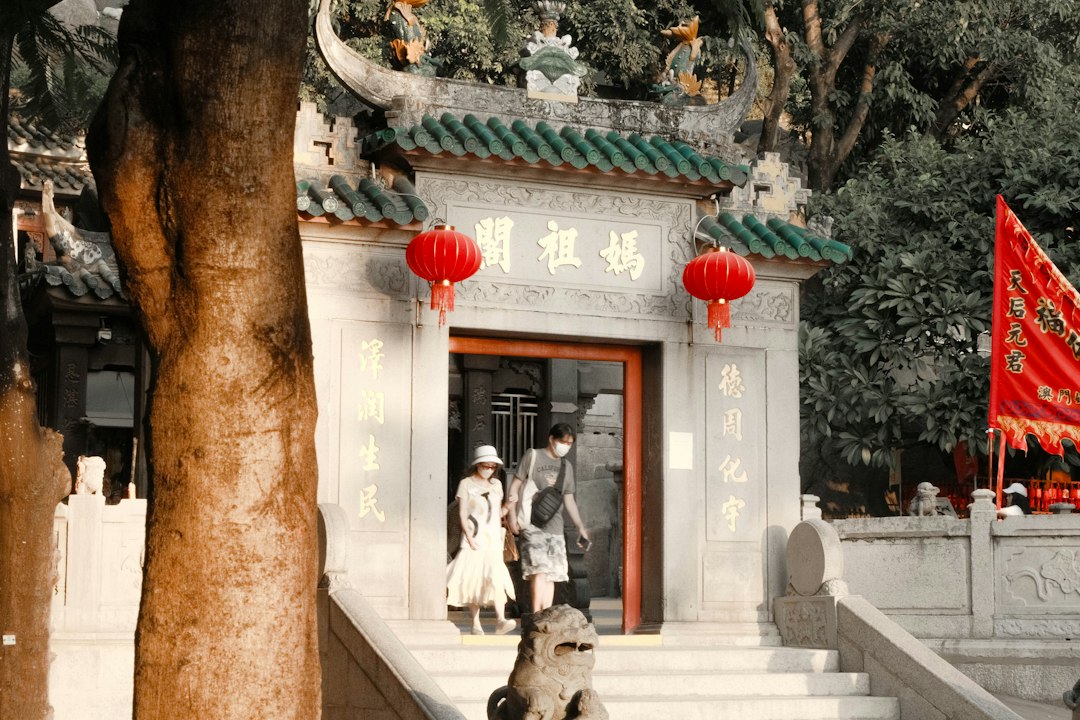
The museum is not large, and it tends to be overshadowed by the temple immediately adjacent to it. That proximity works against it — visitors who have just experienced the A-Ma Temple's atmospheric power often walk past the museum entrance without registering it. The interior is calm and well-organised, and the collection of traditional fishing craft in particular offers a material connection to the maritime culture that shaped everything else in the territory.
Insider tip
The museum's boat collection includes traditional Chinese fishing vessels that are increasingly rare in the region — take time with these rather than moving quickly to the more conventional exhibits.
Part four — Around and beyond
Scopri la Torre di Macao: un panorama mozzafiato — the view that earns its height
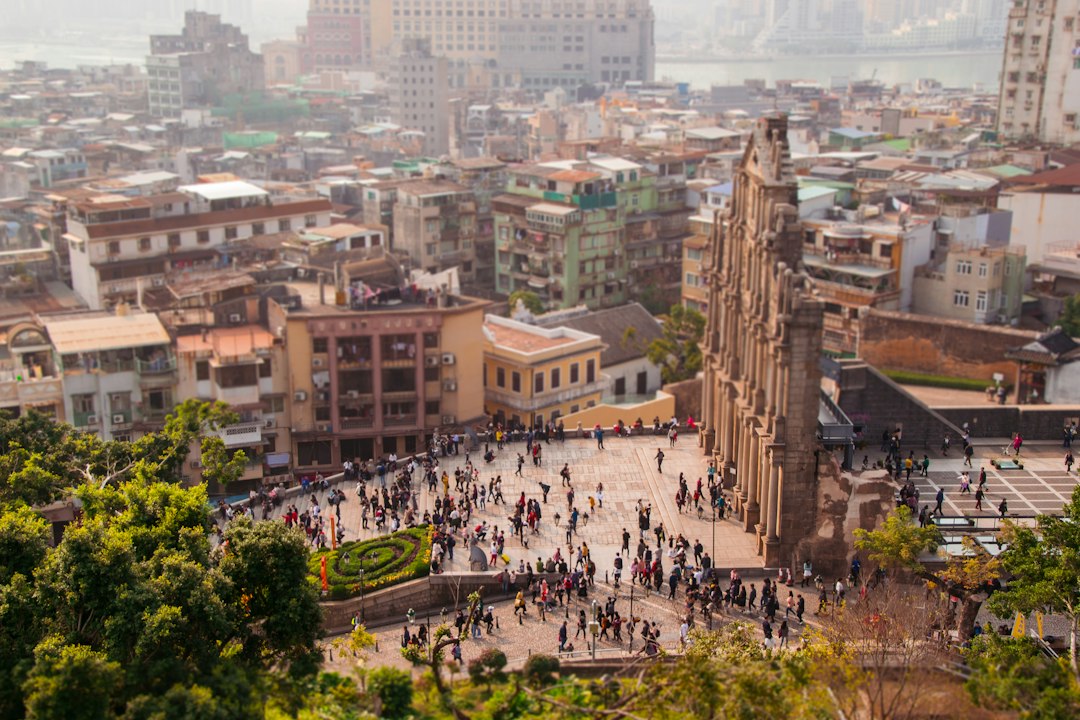
The architectural ambition of the structure — its tapered shaft, its crown of latticed steel, the engineering required to make a 338-metre tower viable on land reclaimed from the sea — is a story that the adrenaline-sport marketing tends to obscure. The tower is interesting as a building before it is interesting as a platform for extreme activity.
Insider tip
The indoor observation area on the 58th floor is less visited than the outdoor deck above it — the glass floor sections here offer a vertigo experience without the wind and the queues.
Taipa and the broader Macao territory have a talent for making you feel that you have seen them when you have only seen the version they offer most readily. The casino lights, the heritage plazas, the famous ruins — these are real, and they are worth your time. But the places in this list operate at a different register: quieter, more patient, less invested in your approval. The nine-turn bridge at Lou Lim Ieoc Garden does not care whether you understand its logic. The black sand at Hac Sa was there before the territory's current identity and will be there after. The Mandarin's House has been standing since 1869 and has seen several versions of Macao come and go.
What travel in places like this ultimately requires is the willingness to be a little slower than the itinerary suggests. The reward is not discovery — most of these places have been discovered, repeatedly — but a quality of attention that changes what you bring home. Macao, approached this way, is considerably larger than it looks on the map.
What travel in places like this ultimately requires is the willingness to be a little slower than the itinerary suggests. The reward is not discovery — most of these places have been discovered, repeatedly — but a quality of attention that changes what you bring home. Macao, approached this way, is considerably larger than it looks on the map.


