They have not seen the place.
What they have missed is the texture: the ghost of a colonial railway terminus standing in plain sight while everyone photographs the water behind it; the dome of a space museum that most people treat as a landmark rather than a destination; the way a heritage compound can sit between a luxury hotel and a shopping mall and still feel, if you slow down enough, like genuine history. Tsim Sha Tsui rewards a specific kind of attention — not the attention of someone hunting novelty, but the attention of someone willing to stand still for a moment and ask why something is the way it is. That question, asked patiently, tends to produce better answers than any guidebook. This is an attempt at some of those answers.
At a glance
- 1881 Heritage: Storia e Cultura a Hong Kong — the compound that survived its own success
- The old Clock Tower in Kowloon: the station that vanished and left its punctuation mark
- Zaha Hadid: Innovation Tower (Jockey Club Tower) — the building that refuses to be background
- The Hong Kong Space Museum: a dome that most people treat as scenery
- The Avenue of Stars in Tsim Sha Tsui East, Kowloon: the promenade that works better empty
- Scopri la Magia dell'Avenue of Stars a Hong Kong: the other angle nobody uses
- Golden Bauhinia Square in Hong Kong: ceremony without an audience
- Esplorando il Mercato Notturno di Temple Street a Hong Kong: the market that performs itself
- Temple Street named after Tin Hau temple: the folklore underneath the commerce
- Dim Sum that means "touch your heart": the meal that requires patience to understand
- Come pianificare un viaggio a Hong Kong con l'AI nel 2026: the city that defeats simple planning
- Scopri la Magia di Hong Kong Park: the green space that earns its quiet
- Scopri il Man Mo Temple di Hong Kong: the smoke and the silence
- Hong Kong Trail: the city that ends abruptly in wilderness
Part one — The essentials
1881 Heritage: Storia e Cultura a Hong Kong — the compound that survived its own success
The colonial architecture — verandahs, pitched roofs, thick masonry — is not remarkable by European standards, but in the context of a city that has demolished almost everything older than fifty years, it carries a weight that is difficult to articulate. Walk the courtyard on a weekday morning, when the retail tenants are still setting up, and you will have it nearly to yourself.
Insider tip
The upper terrace offers one of the least-photographed views of the harbour in the whole district. Come before 10am and you will likely share it with nobody.
The old Clock Tower in Kowloon: the station that vanished and left its punctuation mark
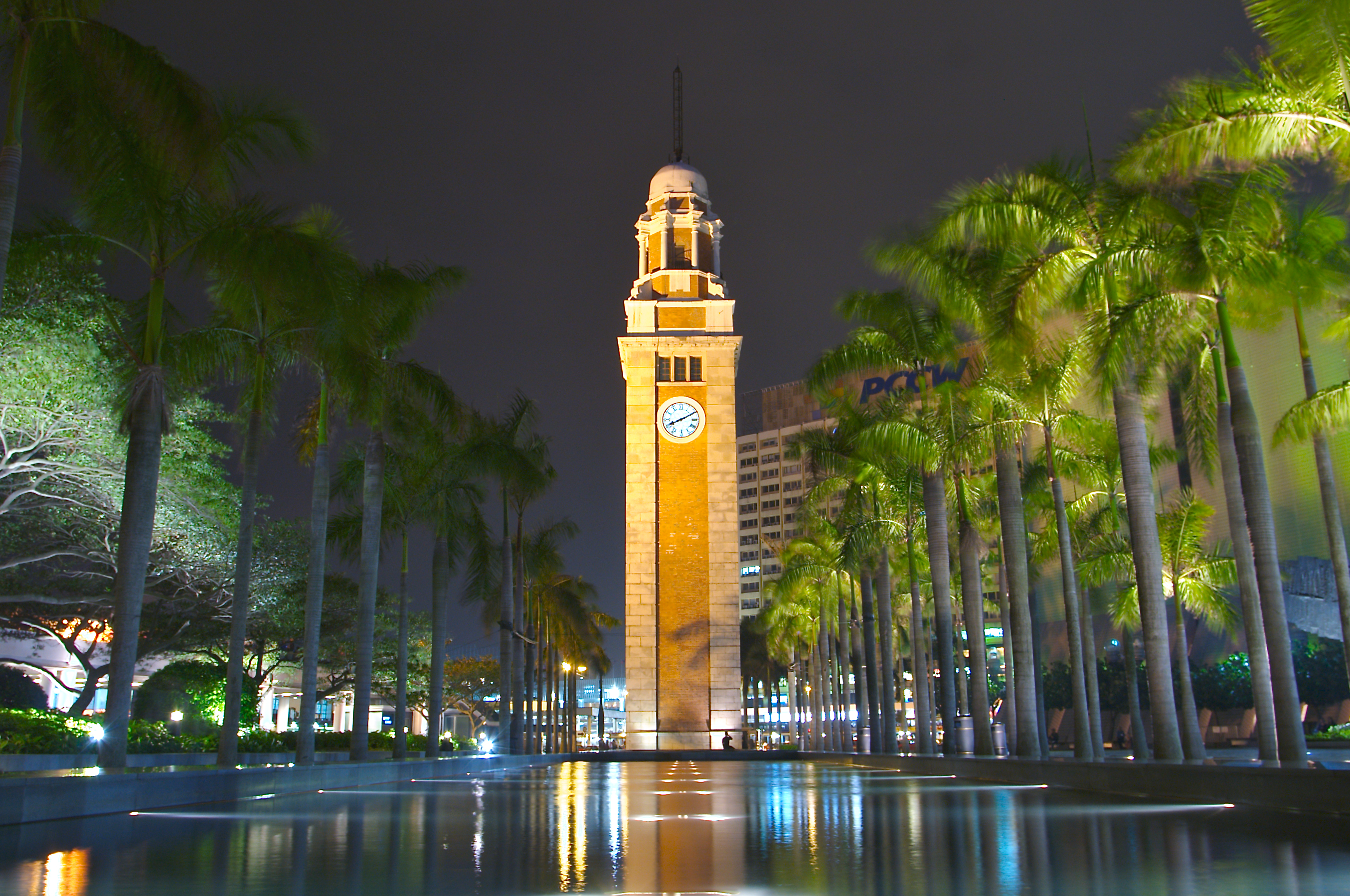
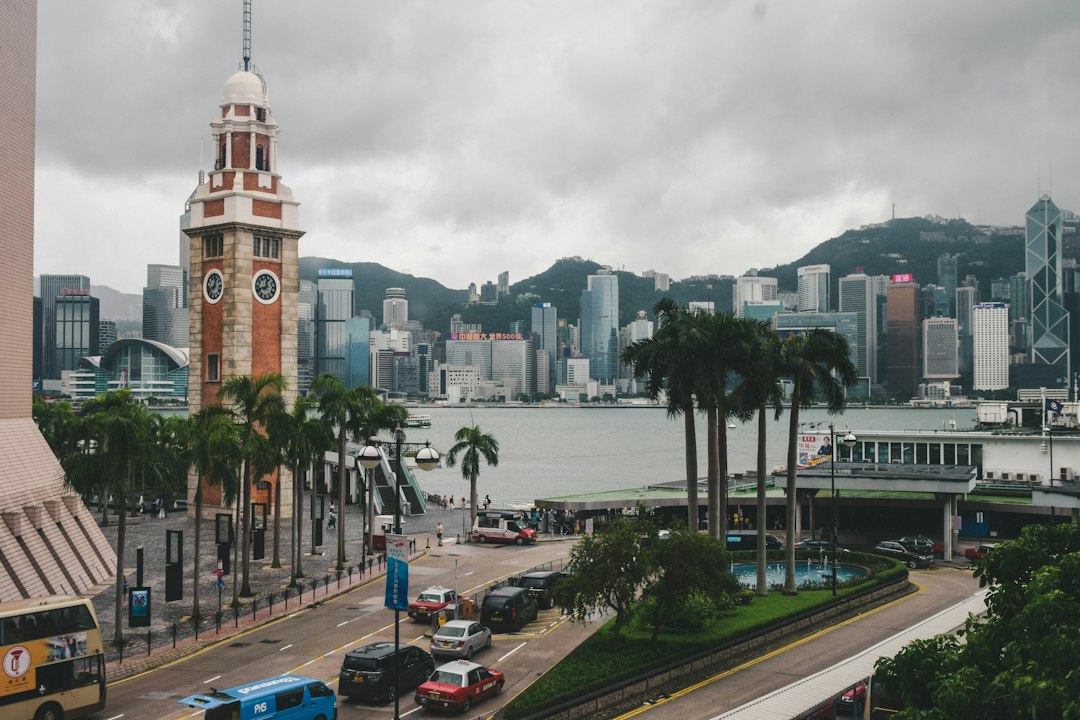
What makes it worth more than a passing glance is precisely this orphaned quality. It is a piece of punctuation without a sentence. Stand close enough to read the brickwork and you can feel the scale of what was once here: a terminus serving a continent, reduced to a single tower that most people walk past on their way to the Star Ferry pier.
Insider tip
The tower is best appreciated from the Cultural Centre piazza at dusk, when the light catches the brickwork and the harbour behind it turns copper. Most visitors are facing the other direction entirely.
Zaha Hadid: Innovation Tower (Jockey Club Tower) — the building that refuses to be background
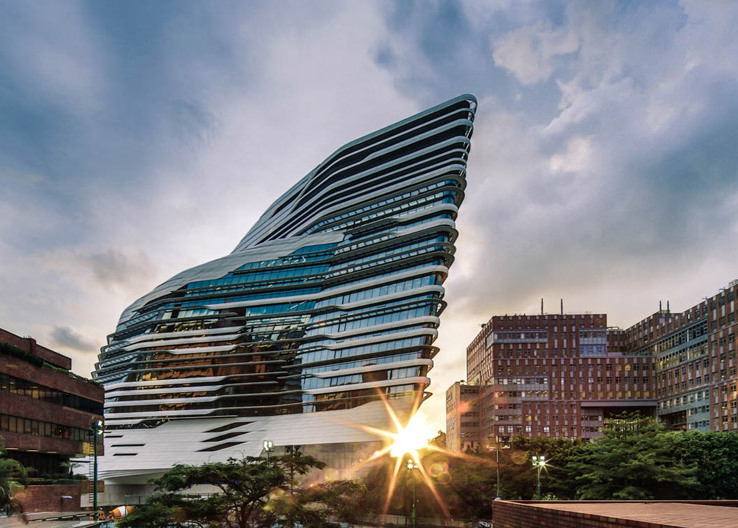
What is easy to miss is that the building is publicly accessible during university hours. The atrium interior is as dramatic as the exterior, with ramps and voids that suggest Hadid was less interested in floors as horizontal planes and more interested in floors as a continuous landscape.
Insider tip
Enter from the Chatham Road South side and take the internal ramp upward rather than the lift — the spatial sequence is the point of the building, and the lift entirely defeats it.
The Hong Kong Space Museum: a dome that most people treat as scenery
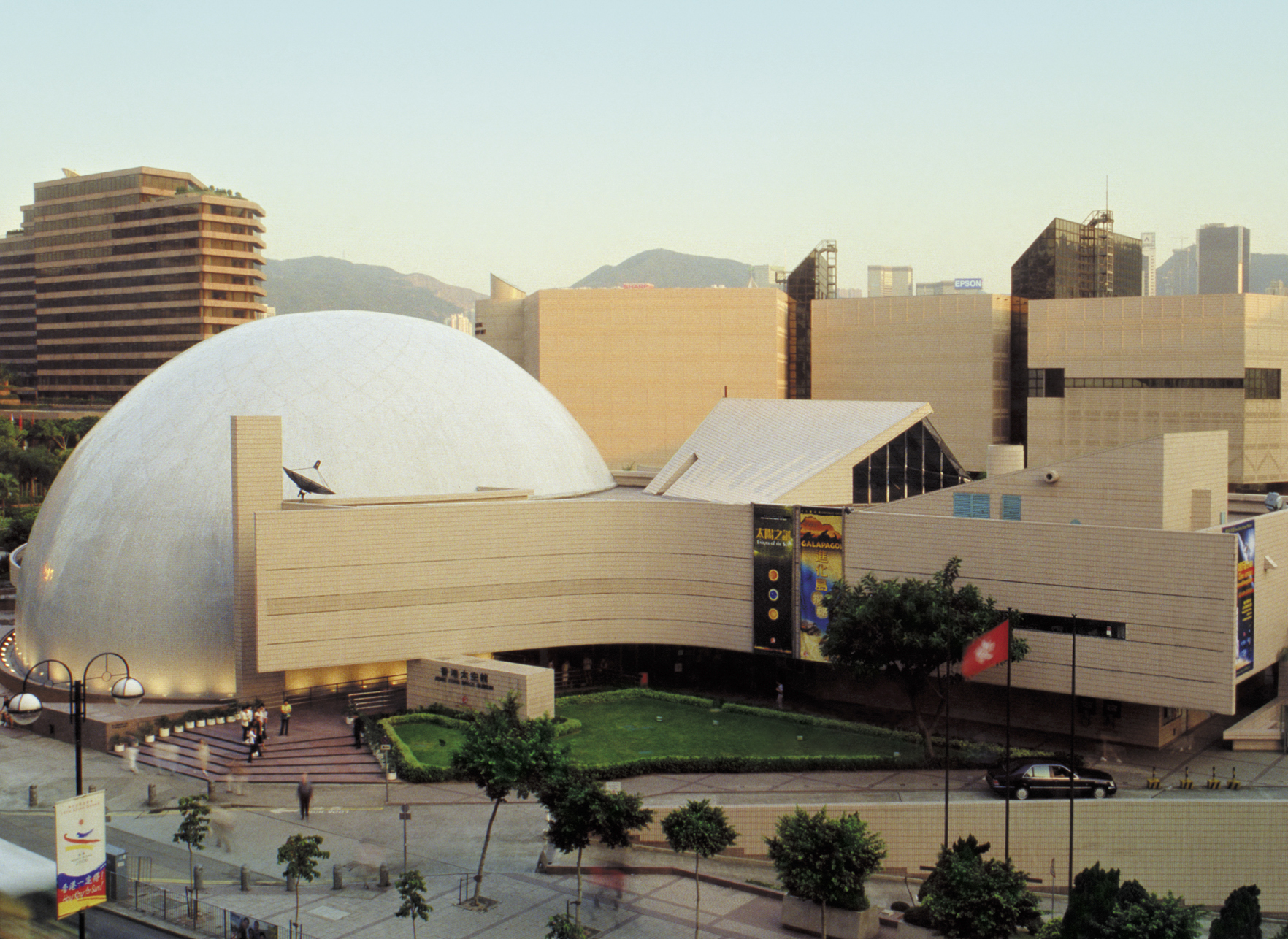
The building itself, designed during a period when Hong Kong was experimenting with civic architecture of real ambition, sits in a kind of stylistic no-man's-land that has become interesting precisely because it is so thoroughly of its moment.
Insider tip
The Omnimax theatre shows change seasonally — check the schedule before you visit rather than after, as the most popular programmes sell out on weekends by mid-morning.
Part two — A little deeper
The Avenue of Stars in Tsim Sha Tsui East, Kowloon: the promenade that works better empty
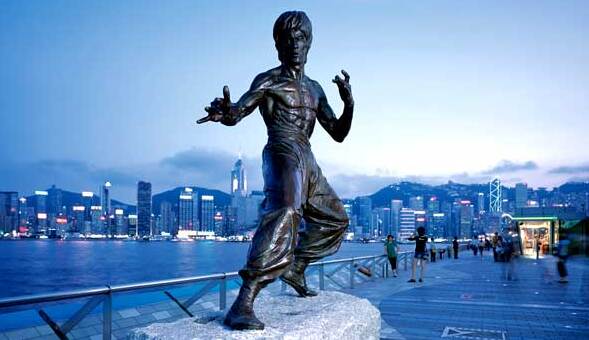
What the photographs do not convey is the quality of the light at six in the morning, when the harbour is still and the opposite skyline has not yet been switched on for the day. The film industry tributes — the handprints, the plaques, the sculptural elements — read differently when you are not navigating around tour groups. The promenade was designed for contemplation as much as celebration, and contemplation requires a certain quiet.
Insider tip
The bronze statue of Bruce Lee is perpetually surrounded by people wanting photographs. Visit at dawn or on a rainy weekday afternoon and you will find it unexpectedly affecting.
Scopri la Magia dell'Avenue of Stars a Hong Kong: the other angle nobody uses
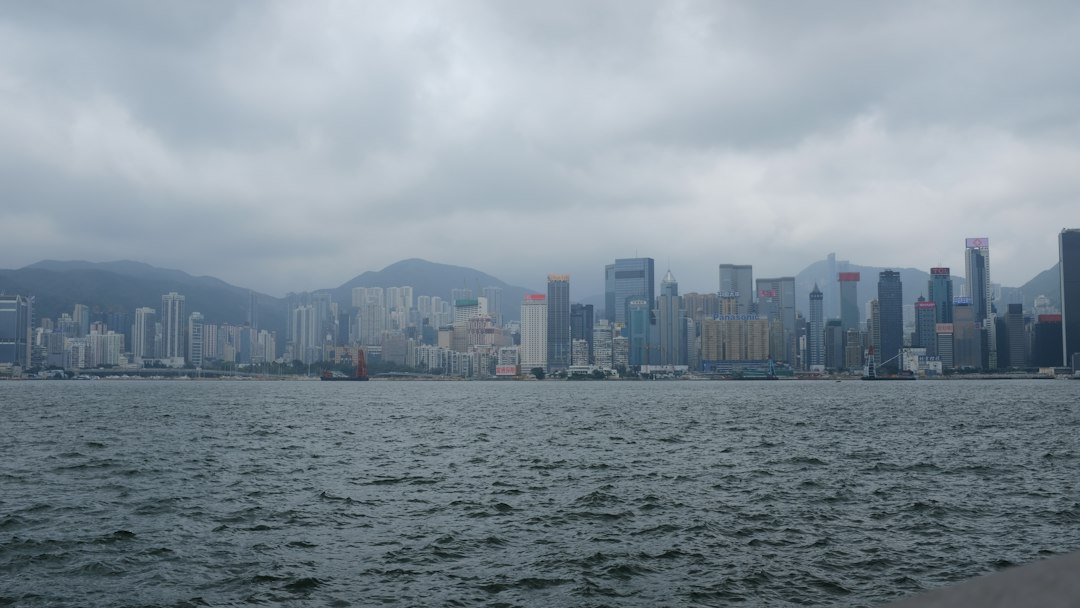
The roughly 440-metre stretch offers what is arguably the finest unobstructed view of Hong Kong Island's skyline available from street level anywhere in Kowloon, and the film-industry theming — the embedded stars, the commemorative plaques — provides enough reading material to justify standing still for considerably longer than the average visitor manages. The irony is that this is one of the most visited spots in Hong Kong, and yet most people experience only a fraction of it.
Insider tip
Walk the full length to the eastern terminus rather than turning back at the Bruce Lee statue — the final stretch is almost always quieter and the skyline view from the far end is marginally superior.
Golden Bauhinia Square in Hong Kong: ceremony without an audience

What is easy to miss, in the context of its political symbolism, is the quality of the waterfront setting itself — the square sits at the edge of the harbour with a directness that more celebrated viewpoints lack. It is a place where history and geography have been arranged, perhaps too deliberately, but arranged nonetheless.
Insider tip
The daily flag-raising ceremony takes place at 8am and is brief enough that most visitors who plan to attend actually make it. The square is noticeably quieter by 8:30am.
Esplorando il Mercato Notturno di Temple Street a Hong Kong: the market that performs itself
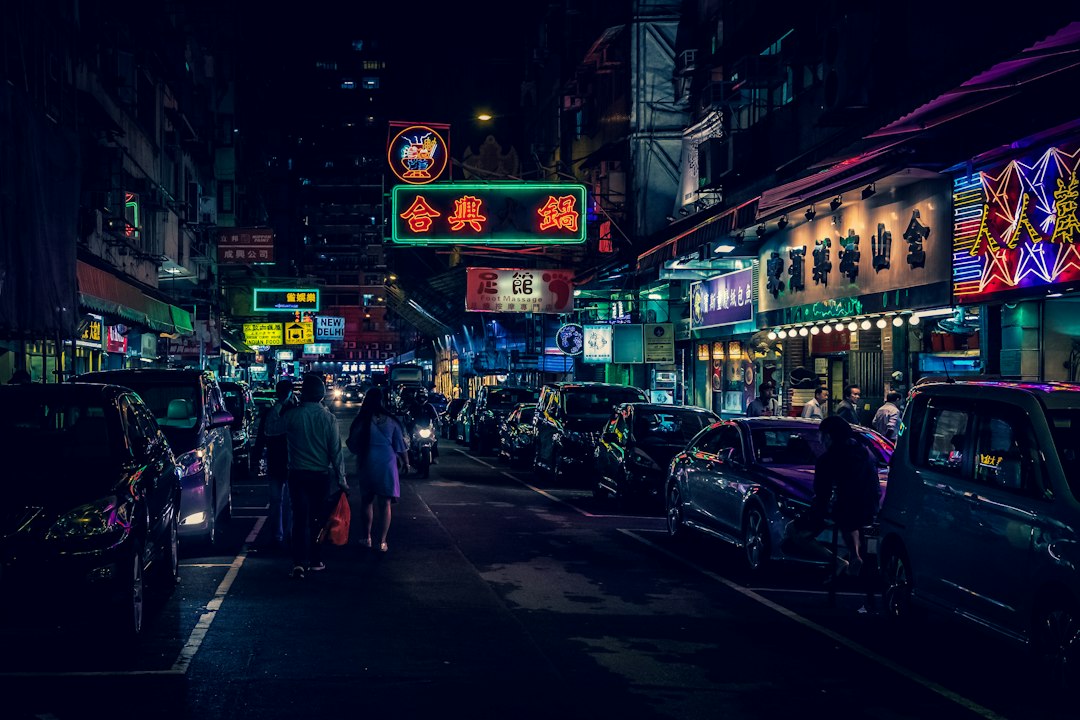
What the coverage tends to underplay is the market's function as a genuinely working commercial space rather than a performance of itself. The vendors are not there for the tourism industry's benefit — they are there because the market is economically viable, and the distinction matters. The best time to understand this is after 10pm, when the tourist-facing energy shifts and the market reverts to something closer to its actual character.
Insider tip
The northern end of the market, near the Tin Hau Temple, is consistently less crowded than the southern section and contains the most interesting mix of vendors. Enter from the north if you can.
Part three — Off the obvious path
Temple Street named after Tin Hau temple: the folklore underneath the commerce
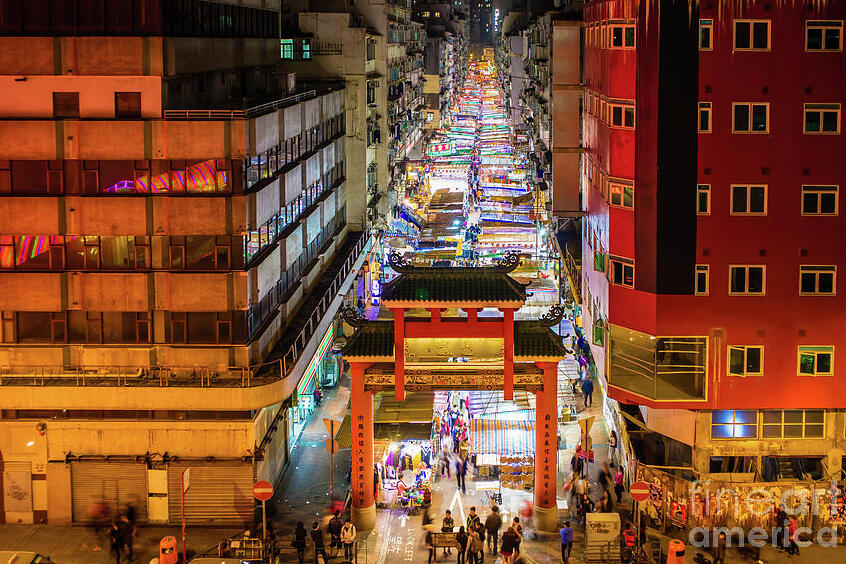
The temple at Temple Street is not the grandest in Hong Kong, but it is the one that sits most incongruously in its surroundings — a religious site embedded in the territory's busiest flea market, operating according to its own rhythms regardless of the commerce around it. The fortune tellers who set up near the temple are not merely picturesque; they represent a tradition of divination that predates the market by centuries.
Insider tip
The temple is open during market hours and entry is free. Spend five minutes inside and the market outside will read completely differently when you return to it.
Dim Sum that means "touch your heart": the meal that requires patience to understand

The version available in Tsim Sha Tsui's older teahouses — as opposed to the hotel restaurants that have adapted it for international palates — involves a negotiation with carts, with noise, with a degree of organised chaos that is either charming or exhausting depending on your disposition. It is worth the effort of finding the right room for it.
Insider tip
Arrive at a traditional dim sum restaurant before 9am on a weekday and you will eat alongside the neighbourhood's older residents rather than other tourists — the experience is qualitatively different.
Come pianificare un viaggio a Hong Kong con l'AI nel 2026: the city that defeats simple planning
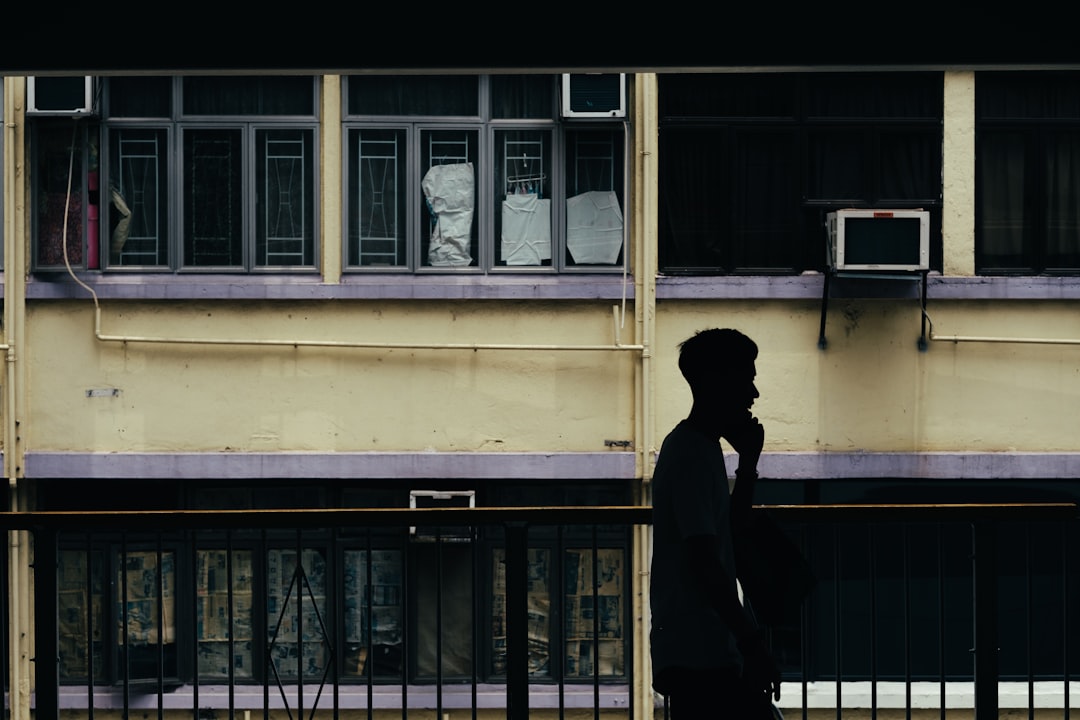
The parks and green spaces embedded in and around the district — often overlooked in favour of the waterfront — offer a different register entirely. They are the places where the city's density becomes, briefly, navigable on human terms. Finding them requires a willingness to deviate from whatever route you had in mind, which is, in the end, the only reliable method for understanding Hong Kong.
Insider tip
The MTR is faster, but walking between Tsim Sha Tsui and Jordan on Nathan Road reveals a version of the district that the underground entirely conceals — budget an extra thirty minutes and use your feet.
Scopri la Magia di Hong Kong Park: the green space that earns its quiet
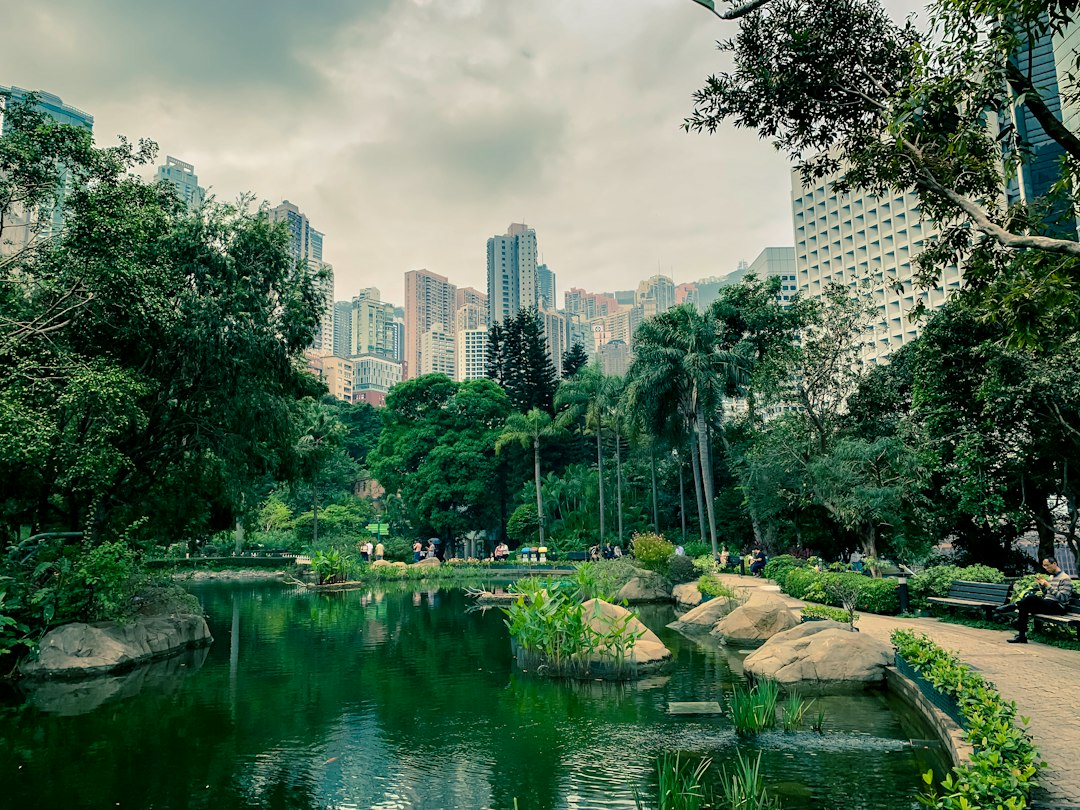
What it offers, and what is genuinely difficult to find in this part of the world, is a sense of vertical separation from the city. The park rises away from the street level, and within a few minutes of entering it, the harbour and the towers of Central and Admiralty become backdrop rather than foreground. The Edward Youde Aviary, which houses hundreds of birds in a walk-through habitat, is one of the better urban wildlife experiences in the region.
Insider tip
The Flagstaff House Museum of Tea Ware, located within the park in one of Hong Kong's oldest surviving colonial buildings, is free to enter and almost always uncrowded — an extraordinary combination in this city.
Part four — Around and beyond
Scopri il Man Mo Temple di Hong Kong: the smoke and the silence
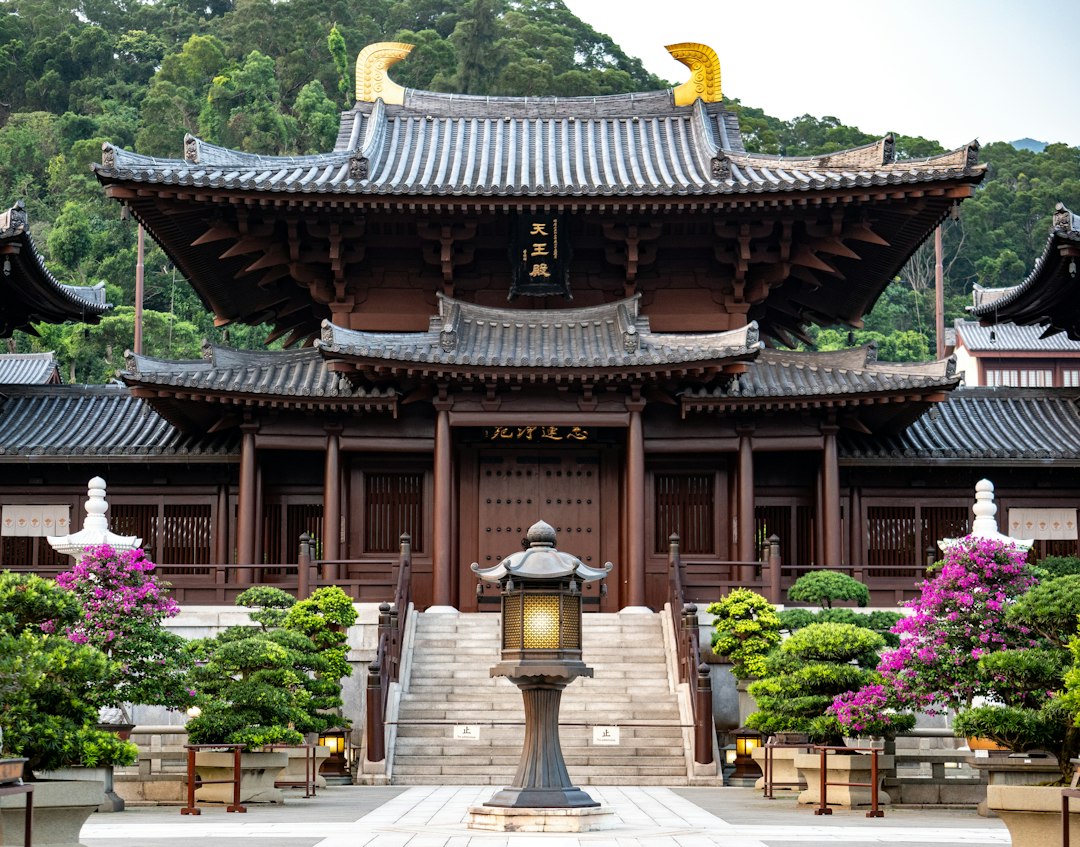
It is a working temple, not a museum, and the distinction is visible in the behaviour of the people inside it. Visitors who treat it with the same attention they would give a gallery rather than a tourist attraction tend to find it considerably more rewarding. The contrast between the temple's interior world and the antique shops of Hollywood Road immediately outside is one of the more compressed cultural juxtapositions in the city.
Insider tip
Visit on a weekday morning rather than a weekend afternoon — the temple is busier during religious observances, which creates atmosphere, but a quieter visit allows you to look at the interior details properly.
Hong Kong Trail: the city that ends abruptly in wilderness

The existence of this trail — and of the country parks it passes through, which cover roughly forty percent of Hong Kong's land area — is the single fact about the city that most reliably surprises people who thought they understood it. Tsim Sha Tsui is the dense, glittering foreground. The trail is the context that makes the foreground comprehensible.
Insider tip
The trail is divided into eight stages of varying difficulty — Stage One, which begins near the Peak, is the most accessible introduction and offers views that reframe the entire harbour panorama you have been looking at from Tsim Sha Tsui.
There is a version of Tsim Sha Tsui that exists in travel photography, and it is not wrong exactly — the harbour view is real, the neon is real, the density and energy are real. But it is a version assembled from the most legible elements of a place that is, in fact, considerably more complicated than its postcard suggests. The Clock Tower standing alone after its station was demolished. The Space Museum dome that everyone uses as a landmark and almost nobody enters. The night market that functions as a genuine commercial ecosystem rather than a performance of one. These things are not hidden. They are simply slower than the pace at which most people move through them. Tsim Sha Tsui, like most places worth understanding, requires the willingness to stop moving for long enough to notice that something is actually there. That is a low bar. It is surprising how rarely it gets cleared.


