What they miss, almost universally, is the texture. The way a century-old temple exhales incense smoke into the shadow of a glass tower. The way a colonial-era tram stop sits beneath an expressway as though the city simply grew around it and forgot to apologise. The way a park, a harbour promenade, a covered market can feel genuinely private even on a Saturday afternoon — not because they are secret, but because the crowd has been efficiently herded somewhere else by a guidebook recommendation.
This editorial is not about secrets. It is about attention. The fifteen places gathered here are, in various ways, known. Several appear on maps. A few have plaques. What makes them feel hidden is that the tourism apparatus has decided, for reasons of its own, to point its cameras elsewhere. That decision, as it turns out, is your good fortune.
At a glance
- Golden Bauhinia Square in Hong Kong: the ceremony nobody watches
- Scopri la Magia di Hong Kong Park: the park that earns its own silence
- Zaha Hadid: Innovation Tower (Jockey Club Tower): architecture that refuses to apologise
- La Magia della Torre dell'Orologio di Kowloon: the last thing standing
- Dim Sum that means "touch your heart": the ritual before the restaurant
- Esplorando il Mercato Notturno di Temple Street a Hong Kong: the market as theatre
- The night is always young at Lan Kwai Fong: the hour before it becomes itself
- Scopri il Man Mo Temple di Hong Kong: incense and the long view
- Hong Kong Trail: the city's longest argument against itself
- Come pianificare un viaggio a Hong Kong con l'AI nel 2026: the city that requires a strategy
- Scopri la Magia della Baia di Repulse a Hong Kong: the beach that the city forgot to be embarrassed about
- The venerable Peak Tram: the ascent as the argument
- The Avenue of Stars in Tsim Sha Tsui East, Kowloon: the promenade that works despite itself
- Esplora il Fascino del Museo Marittimo di Hong Kong: the harbour explained to itself
Part one — The essentials
Golden Bauhinia Square in Hong Kong: the ceremony nobody watches

What makes the square genuinely interesting to the attentive visitor is not the monument itself but its relationship to the surrounding harbour reclamation. The land beneath your feet did not exist before the 1990s. You are standing on engineered ground, looking at a symbol of political transition, surrounded by the kind of glass-and-steel convention architecture that could belong to any prosperous city on earth. That tension — between the particular and the generic — is very Hong Kong.
Insider tip
Arrive at 7:50 on a weekday morning for the flag ceremony. The square is nearly empty at that hour, and the harbour light at dawn is a different city entirely from the one you will find at noon.
Scopri la Magia di Hong Kong Park: the park that earns its own silence
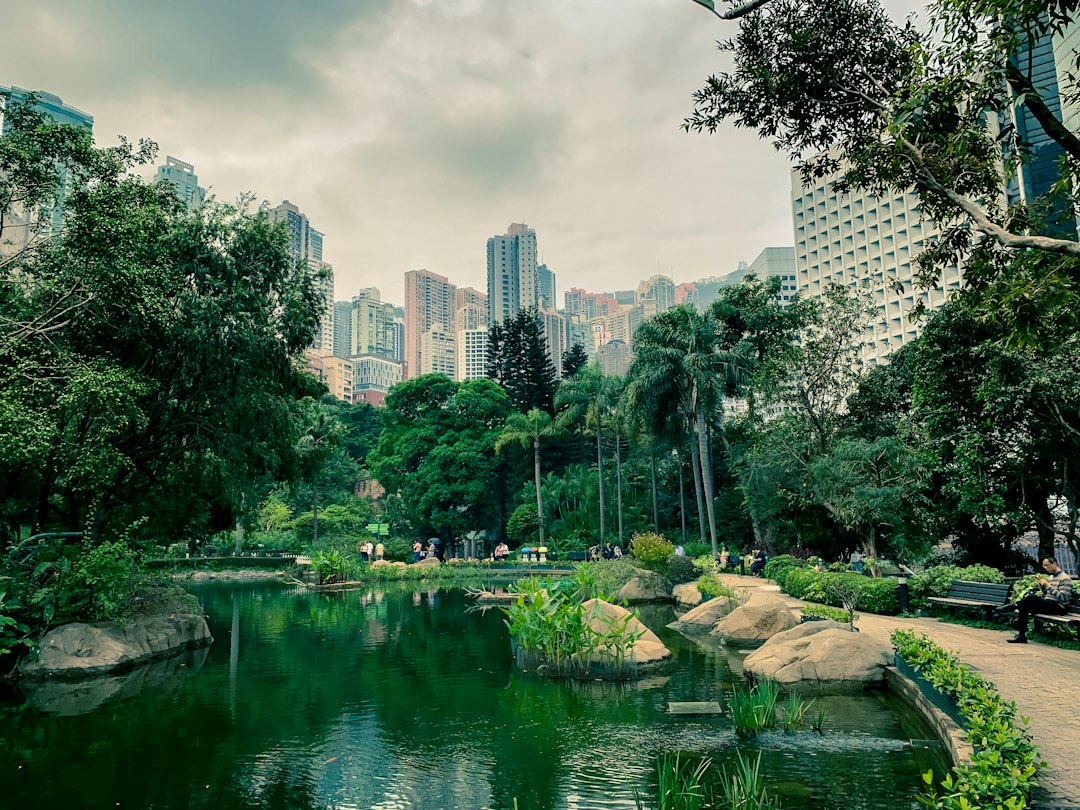
The aviary is the detail that repays a visit. Walk-through and genuinely large, it houses a collection of south-east Asian bird species in a setting that feels more like a forest fragment than a zoo exhibit. On weekday mornings, you are likely to share it with almost nobody. The park's colonial-era remnants — a flagstaff, a few preserved buildings — sit quietly alongside the modern landscaping, neither celebrated nor explained, which is its own kind of honesty.
Insider tip
The tea house near the park's upper terrace is a legitimate respite from the surrounding city. Order before the lunchtime crowd from the nearby office towers discovers it.
Zaha Hadid: Innovation Tower (Jockey Club Tower): architecture that refuses to apologise
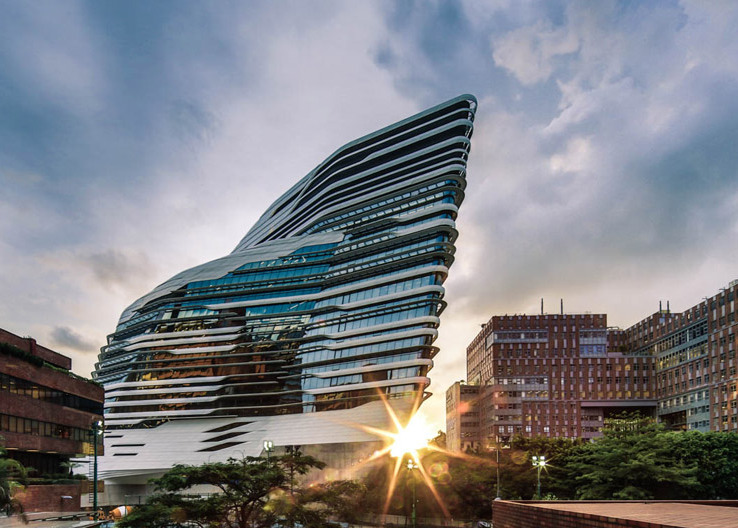
What is genuinely worth noting is that the building is accessible to the public at ground level, and that most visitors to Hong Kong — even those with an interest in contemporary architecture — never make it to Hung Hom at all. The neighbourhood itself, dense with residential towers and old market streets, provides an interesting counterpoint to the building's ambitions.
Insider tip
Enter through the ground-floor atrium, which is open during university hours. The spatial sequence inside is as considered as the exterior, and the building reads very differently from within.
La Magia della Torre dell'Orologio di Kowloon: the last thing standing
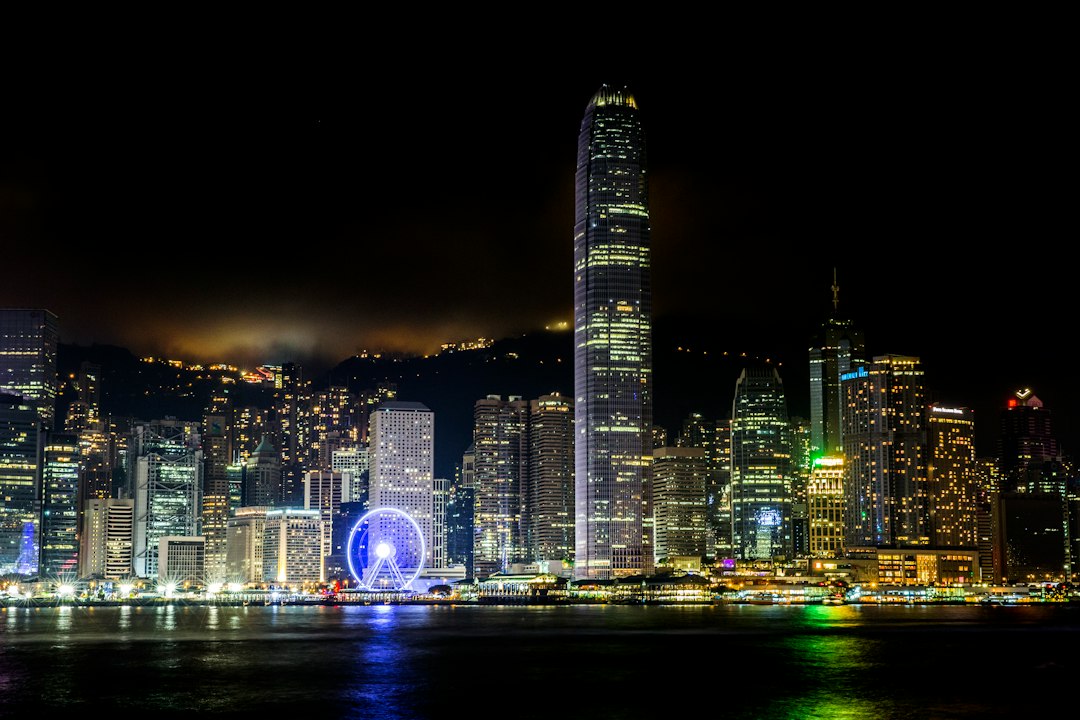
The tower's isolation is what gives it its particular quality. It is not embedded in a historic district. It is not supported by surrounding context. It simply stands there, preserved by listing rather than by love, surrounded by a plaza that fills with tourists photographing the skyline rather than the tower itself. Which means the tower, paradoxically, is often the quietest thing in a busy square.
Insider tip
Stand at the base of the tower and look up rather than across the harbour. The brickwork detail and the clock faces are worth five minutes of genuine attention that almost nobody gives them.
Part two — A little deeper
Dim Sum that means "touch your heart": the ritual before the restaurant

What gets lost in the tourist version of this experience — the large, bright restaurant, the trolley service designed for throughput — is the pace. A proper dim sum session is not a meal you eat quickly. It is a meal you inhabit. The tea is refilled without asking. The conversation happens between bites rather than around them. Finding a neighbourhood restaurant where this rhythm is still intact, rather than a venue optimised for table turns, is the actual work.
Insider tip
Ask for the Chinese-language menu even if you cannot read it. The items on it are frequently different from the tourist menu, and pointing at a neighbouring table's order remains a perfectly respectable strategy.
Esplorando il Mercato Notturno di Temple Street a Hong Kong: the market as theatre
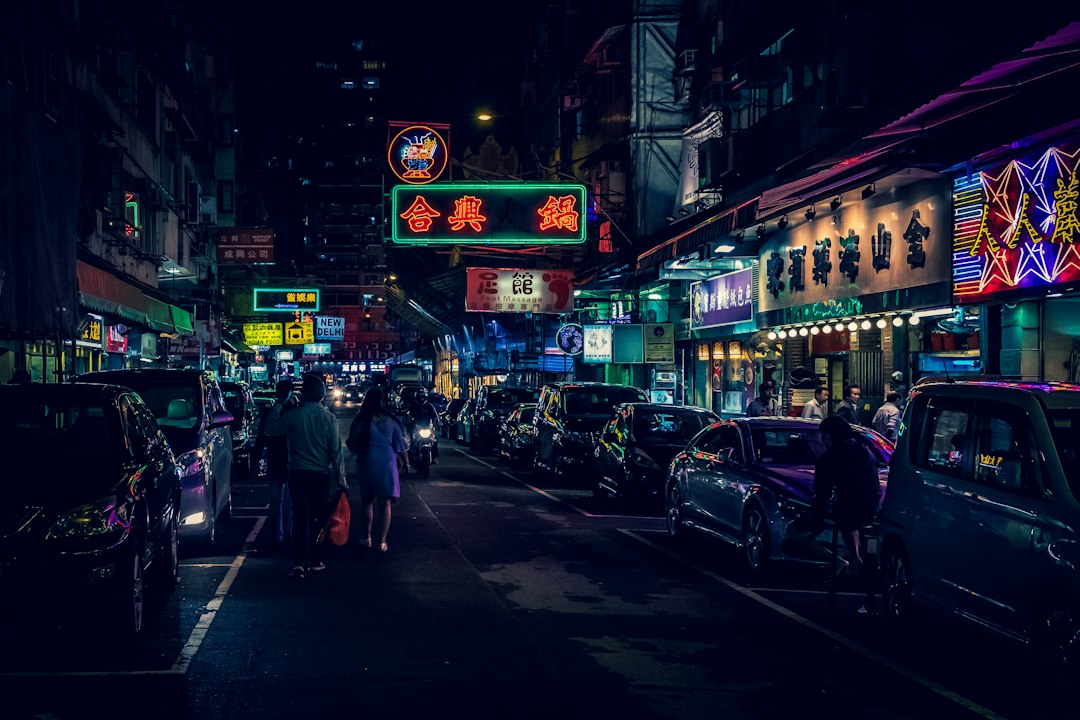
The fortune tellers, in particular, deserve more than the dismissive glance most visitors give them. Some have been working the same stretch of pavement for decades. Their practice — palm reading, face reading, bird-assisted divination — is a living continuation of traditions that the rest of the city has largely paved over. Whether you believe any of it is beside the point.
Insider tip
The market's northern end, past the temple itself, is significantly less crowded than the southern section and contains the stalls most likely to be selling things to people who actually need them.
The night is always young at Lan Kwai Fong: the hour before it becomes itself

The reason to go is four o'clock on a Tuesday afternoon, when the district is a different proposition entirely. The bars are quiet, the kitchen smells are honest rather than competitive, and the physical character of the neighbourhood — its narrow lanes, its layered signage, its odd mixture of colonial shophouses and modern bar fit-outs — is actually visible. LKF at dusk on a weekday is a place. LKF at midnight on a weekend is a condition.
Insider tip
The streets immediately adjacent to LKF, particularly D'Aguilar Street and Wyndham Street, contain restaurants that serve the neighbourhood rather than the event. The distinction is detectable in the menu prices.
Scopri il Man Mo Temple di Hong Kong: incense and the long view
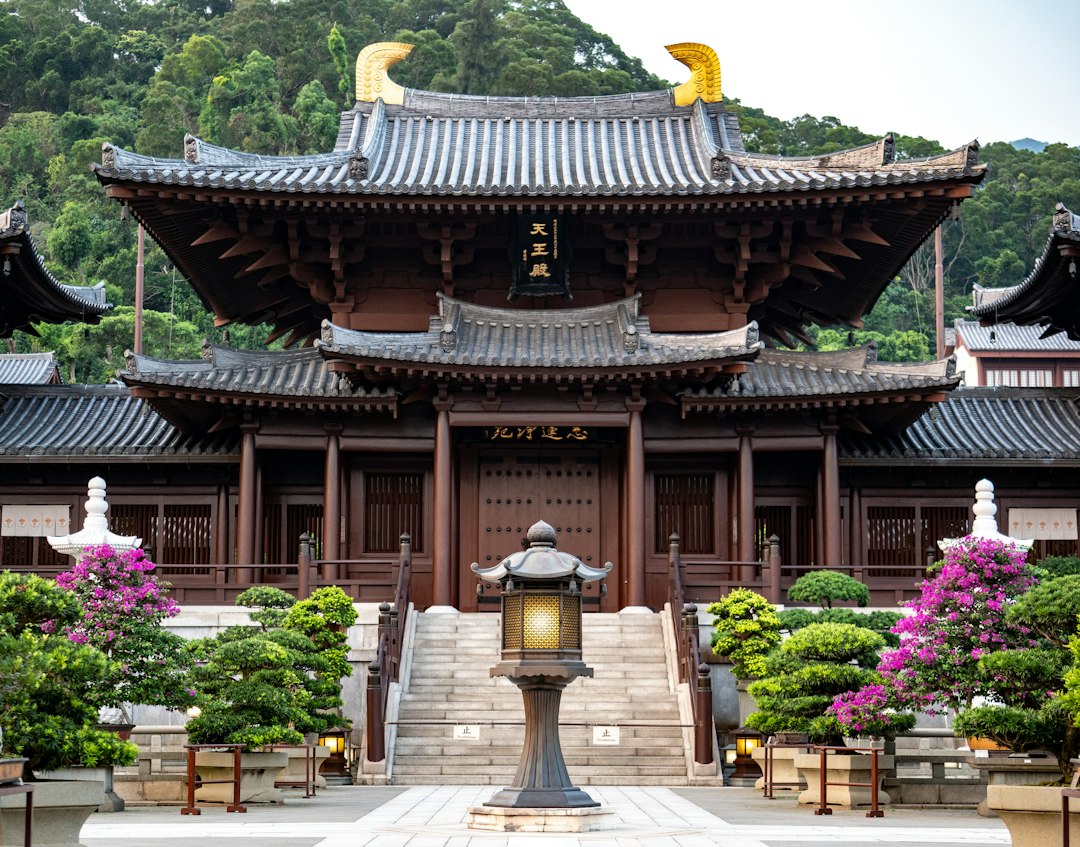
What makes Man Mo worth more than a single photograph is the quality of its ordinariness. This is a functioning place of worship, not a heritage exhibit. People come here to pray, to make offerings, to consult the fortune sticks with a seriousness that has nothing to do with tourism. The temple sits on a street that has gentrified dramatically around it — antique dealers, galleries, coffee shops — and its refusal to adapt to that context is its most interesting characteristic.
Insider tip
Visit on a weekday morning when the temple is quietest and the incense coils are freshest. The light through the smoke at that hour has a quality that photographs consistently fail to capture.
Part three — Off the obvious path
Hong Kong Trail: the city's longest argument against itself

The trail passes through terrain that feels genuinely remote within twenty minutes of leaving an urban MTR station. The country parks that bracket it contain secondary forest, granite ridgelines, and reservoir views that arrive without warning and depart just as quickly. What is worth noting for the experienced walker is that the trail is well-marked and well-maintained, which means the solitude available on its less-frequented eastern sections is a function of reputation rather than difficulty.
Insider tip
Stage four and five of the trail, between Tai Tam and Shek O, carry significantly less foot traffic than the western sections near the Peak. The reservoir views from this stretch are the trail's best-kept practical secret.
Come pianificare un viaggio a Hong Kong con l'AI nel 2026: the city that requires a strategy
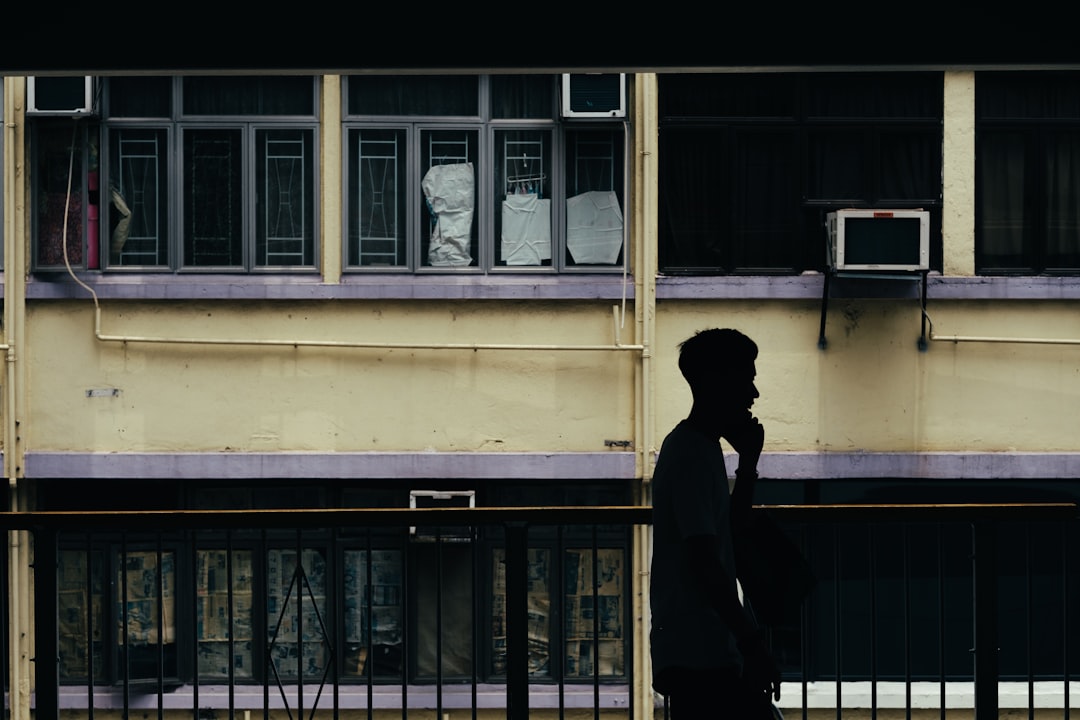
The question of how to navigate this — whether through AI trip-planning tools, local contacts, or the kind of obsessive pre-research that travel writers are professionally obligated to pretend they do not do — is less interesting than the underlying principle: that Hong Kong's complexity is not an obstacle but the substance of the place. The city does not simplify for visitors. It offers itself whole, and the visitor's job is to develop a sufficient appetite.
Insider tip
Build at least one unscheduled half-day into any Hong Kong itinerary and use it to follow a single street from one end to the other without a destination. The MTR makes it too easy to skip the between-places, which is where the city actually lives.
Scopri la Magia della Baia di Repulse a Hong Kong: the beach that the city forgot to be embarrassed about
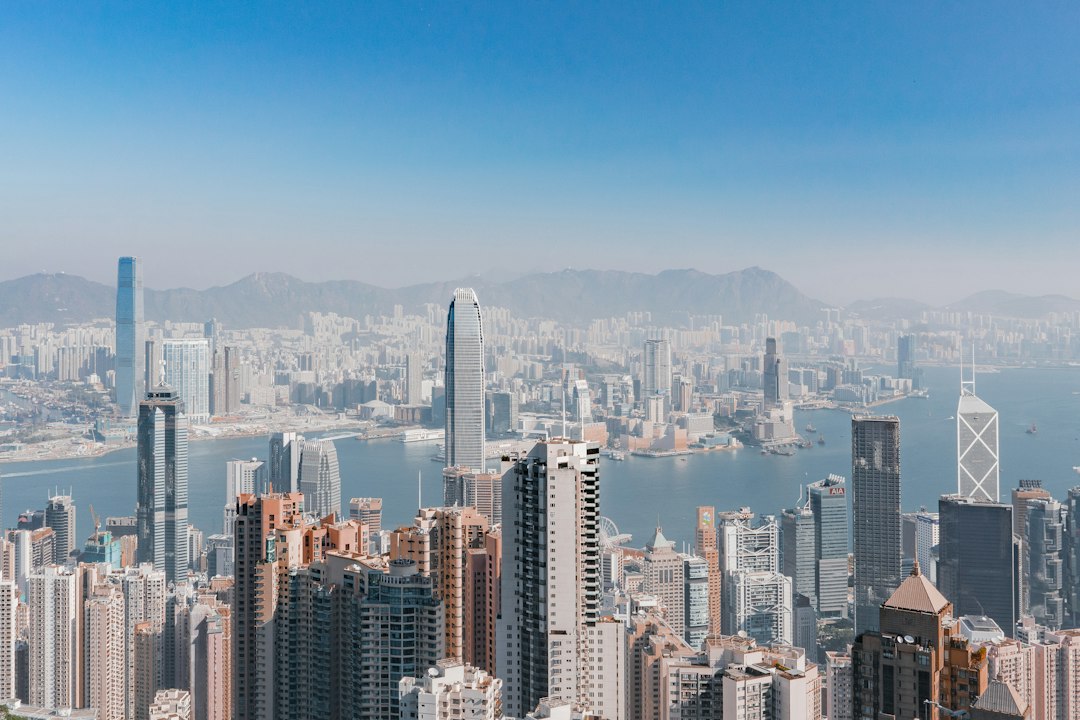
What Repulse Bay offers that is genuinely underappreciated is the journey to get there. The bus route over the island's spine from Central passes through residential Hong Kong — not tourist Hong Kong — and the views from the upper deck as the road descends toward the southern shore are a useful reminder that the island is, beneath its density, a place of considerable topographic drama.
Insider tip
The beach is significantly less crowded on weekday mornings, particularly outside the summer months. The temples and shrines at the eastern end of the beach, often overlooked, contain some of the most vivid folk-religious imagery on the island.
The venerable Peak Tram: the ascent as the argument

The Peak Tower, rebuilt in its current form in the late 1990s, is a commercial development whose relationship to its extraordinary setting is one of studied indifference. The view from the outdoor terrace is genuinely fine, but the view from the tram mid-ascent, when the harbour appears between the buildings below and the forest closes in above, is the one that earns the fare.
Insider tip
Board at the lower terminus in Central rather than at any intermediate stop, and position yourself on the right side of the carriage for the ascent. The queue is longest on weekend afternoons; a weekday morning visit halves the wait.
Part four — Around and beyond
The Avenue of Stars in Tsim Sha Tsui East, Kowloon: the promenade that works despite itself
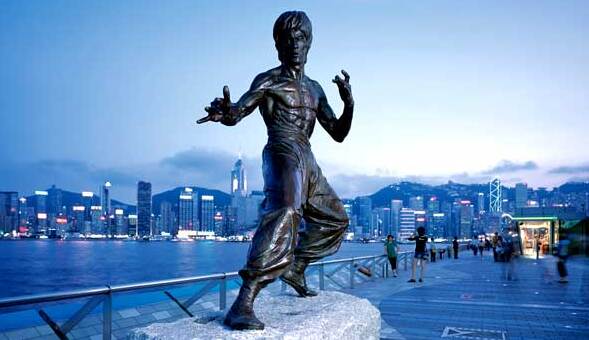
The film industry content — the Bruce Lee statue, the bronze handprints of directors and actors many international visitors will not recognise — is genuinely interesting if you approach it as a document of a specific cinematic culture rather than a celebrity attraction. Hong Kong cinema's golden age, roughly the 1970s through the 1990s, produced a body of work that influenced action filmmaking globally, and the avenue is a reasonable place to begin thinking about that.
Insider tip
The promenade's western end, near the old Star Ferry pier, is less crowded than the central section and offers a slightly different angle on the Central skyline. The nightly light show across the harbour is visible from the entire length.
Esplora il Fascino del Museo Marittimo di Hong Kong: the harbour explained to itself
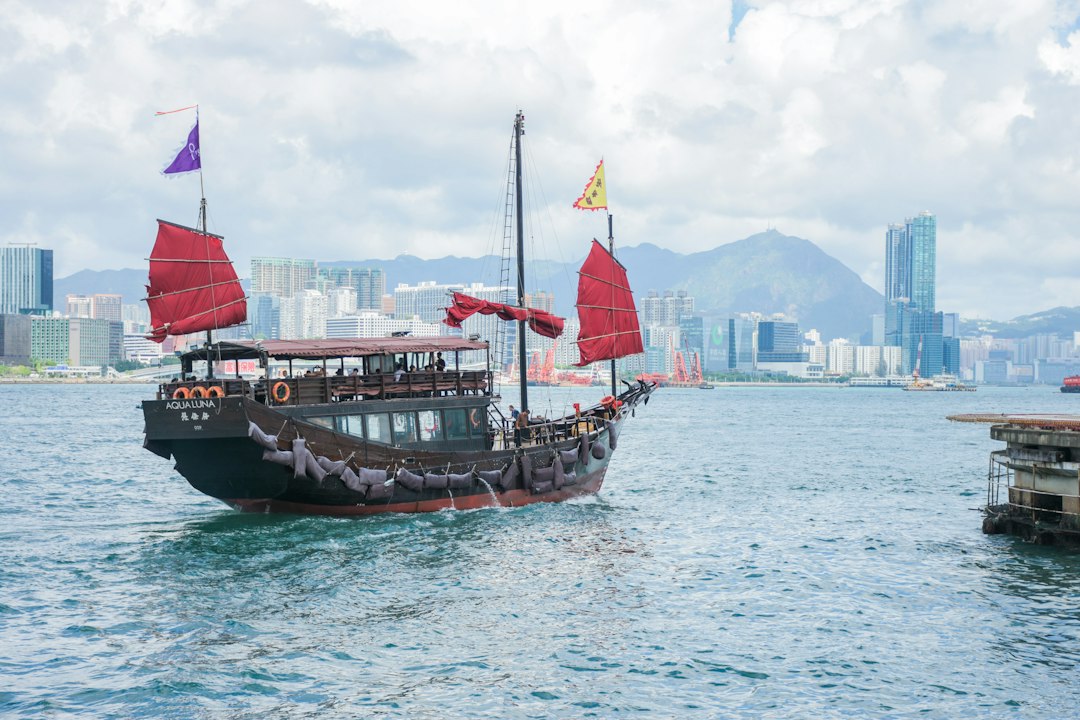
The museum covers maritime history from ancient Chinese seafaring through to the modern container shipping industry, and it does so with more intelligence than the average port museum. The section on the South China Sea trade routes is particularly useful for understanding why Hong Kong exists where it does — not as an accident of colonial preference but as a function of geography that was understood by Chinese merchants long before the British arrived.
Insider tip
The rooftop terrace is accessible during museum hours and provides a harbour-level view of Central and Kowloon that is distinct from any elevated vantage point. Bring the museum ticket for re-entry if you want to go back inside.
There is a version of travel writing that promises revelation — the idea that the right address, delivered at the right moment, will unlock a city that was previously closed to you. This editorial has tried to resist that promise, because Hong Kong does not work that way. The city is not withholding itself, waiting for the sufficiently curious visitor to find the key. It is simply operating at a pace and density that makes selective attention the only viable response.
What the fifteen places gathered here share is not obscurity but a quality of resistance to easy consumption. They require something from the visitor: an early morning, a willingness to take a bus rather than a taxi, a tolerance for not quite knowing what is happening and deciding to watch anyway. That quality — the slight friction of a place that has not been smoothed for your convenience — is, in the end, what makes a city worth the distance you travelled to reach it.
Wan Chai, and Hong Kong more broadly, will continue to exist with or without your attention. The question is only what kind of attention you choose to bring.


