The city has a way of presenting its most famous face so aggressively — the Parthenon on every tote bag, every hotel breakfast menu, every taxi driver's dashboard — that visitors stop looking for anything else. This is a mistake. Athens is also a city of neighbourhood kafeneions where old men play backgammon in silence, of brutalist apartment blocks with unexpected rooftop gardens, of fish markets at five in the morning, of a metro system that doubles as an archaeology museum because they kept finding things while digging. It is a city that has been continuously inhabited for longer than most civilisations have existed, and that weight is not always comfortable. Sometimes it manifests as grandeur. Sometimes it manifests as exhaustion. Often it manifests as both simultaneously, in the same street, within the same hour.
What follows is not a checklist. It is, I hope, a set of directions toward a version of Athens that exists alongside the famous one — occasionally overlapping with it, occasionally in direct argument with it.
At a glance
- The Parthenon: going anyway, but going differently
- Partenone: L'Emblema dell'Architettura Classica — the view from below
- Monastiraki and the flea market: patience required
- Exarcheia: the neighbourhood that refuses to be gentrified
- Central Market (Varvakios Agora): the city at five in the morning
- Psiri and the question of where to actually eat dinner
- Lycabettus Hill: the Acropolis's less famous rival
- Filopappou Hill: the walk that most visitors skip
- AI Trip Planner 2026: pianifica Atene con l'intelligenza artificiale — the case for structured preparation
The Parthenon: going anyway, but going differently
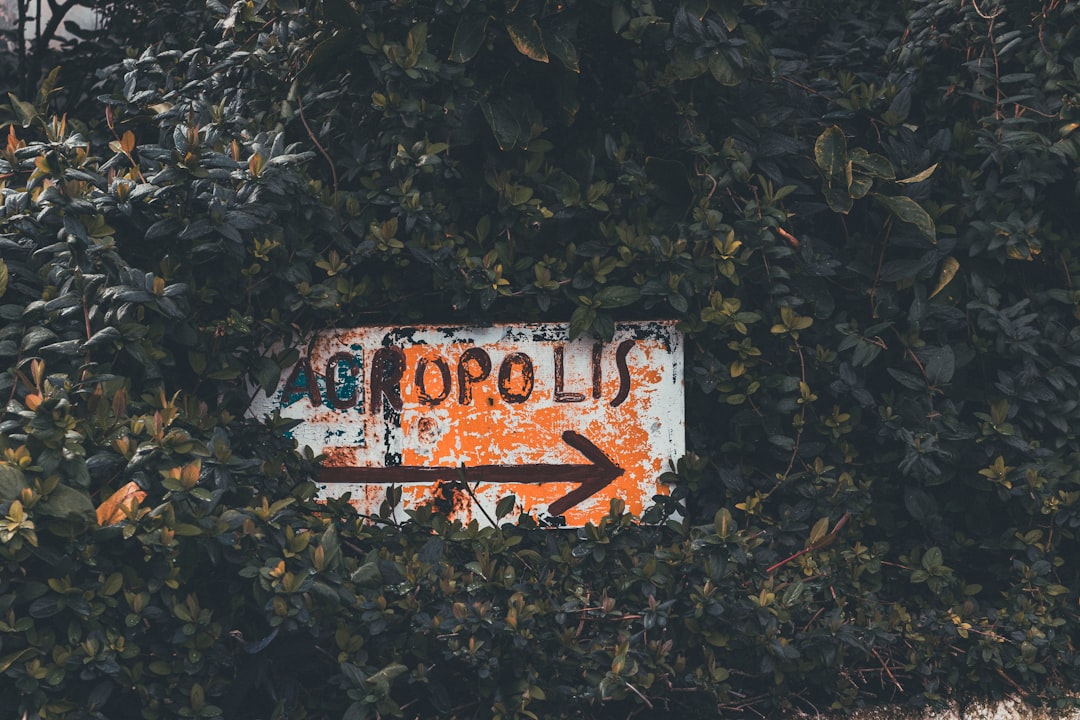
What most visitors don't do is go twice: once in the morning with the crowds, and once near closing time when the light is lower and the tour groups have retreated to Monastiraki for souvlaki. The second visit is the better one. The scaffolding, which has been present in one form or another since the 1970s restoration project, is less visible in the late afternoon. The Erechtheion's Caryatids — the ones you see are casts; the originals are in the Acropolis Museum — look less like postcards and more like what they are: columns in the shape of women, bearing the weight of a roof for two and a half thousand years.
Insider tip
Book timed-entry tickets online well in advance, particularly between April and October. The combined ticket that includes the Acropolis Museum is worth the extra cost — the museum is, in some respects, the better half of the experience.
Partenone: L'Emblema dell'Architettura Classica — the view from below
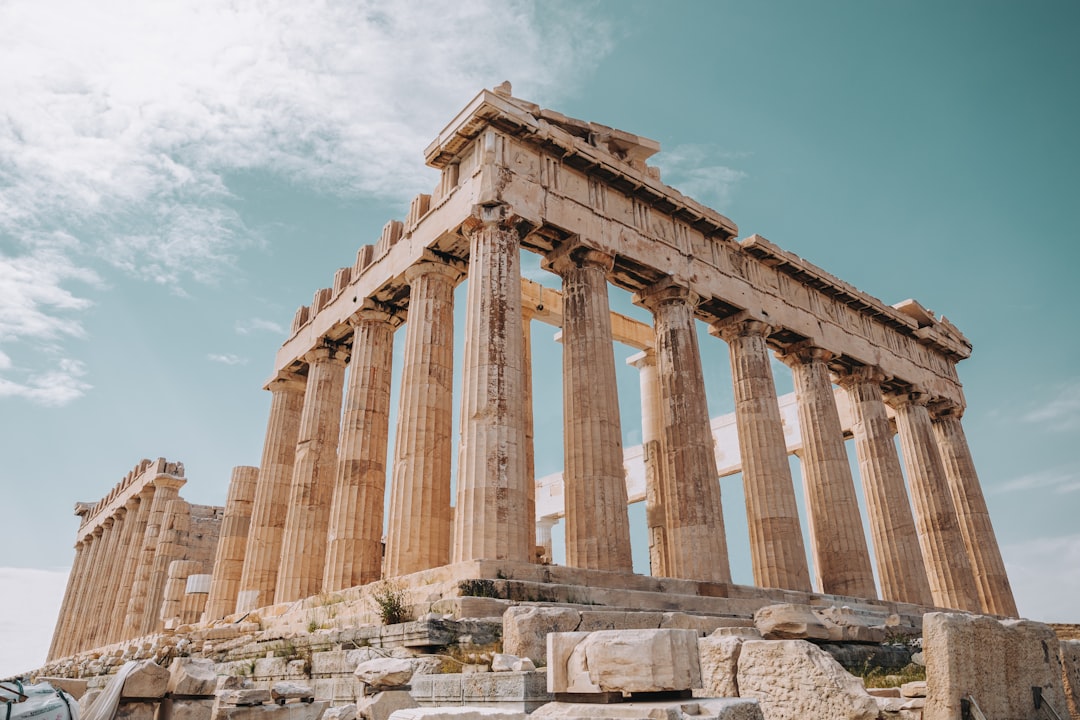
The south slope is also less crowded than the main summit path. The Theatre of Dionysus, where tragedy as a literary form was essentially invented, sits here in a state of atmospheric semi-ruin. There are no velvet ropes. You can sit in the ancient stone seats, which are worn smooth by roughly two and a half millennia of use, and look out over a city that has been watching performances of one kind or another since before most European languages existed.
Insider tip
The Odeon of Herodes Atticus, adjacent to the Theatre of Dionysus on the same slope, still hosts performances in summer. Seeing a concert there — acoustics intact after eighteen centuries — is an experience that resists description without recourse to the superlatives I've promised to avoid.
Monastiraki and the flea market: patience required
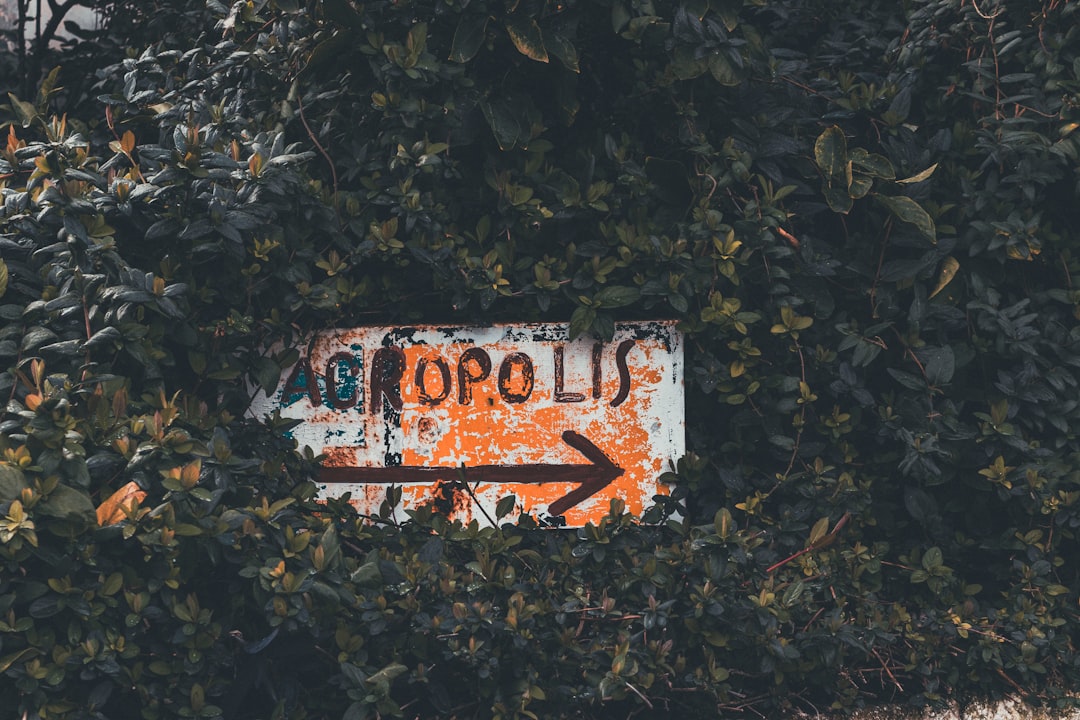
The useful things to know: the fixed-price shops along Ifaistou Street are not the flea market. The actual flea market is the improvised, slightly illegal-looking extension that spills into side streets and changes configuration week to week. Bargaining is expected. So is the occasional attempt to sell you something that may or may not be what it appears. Go with cash and low expectations and you will almost certainly leave with something you didn't know you wanted.
Insider tip
The best coffee in the immediate area is not at the tourist-facing cafes on the square but at the small roasters on Normanou Street, a two-minute walk north. Order a Greek coffee — not Nescafé, which is inexplicably popular here — and drink it slowly.
Exarcheia: the neighbourhood that refuses to be gentrified
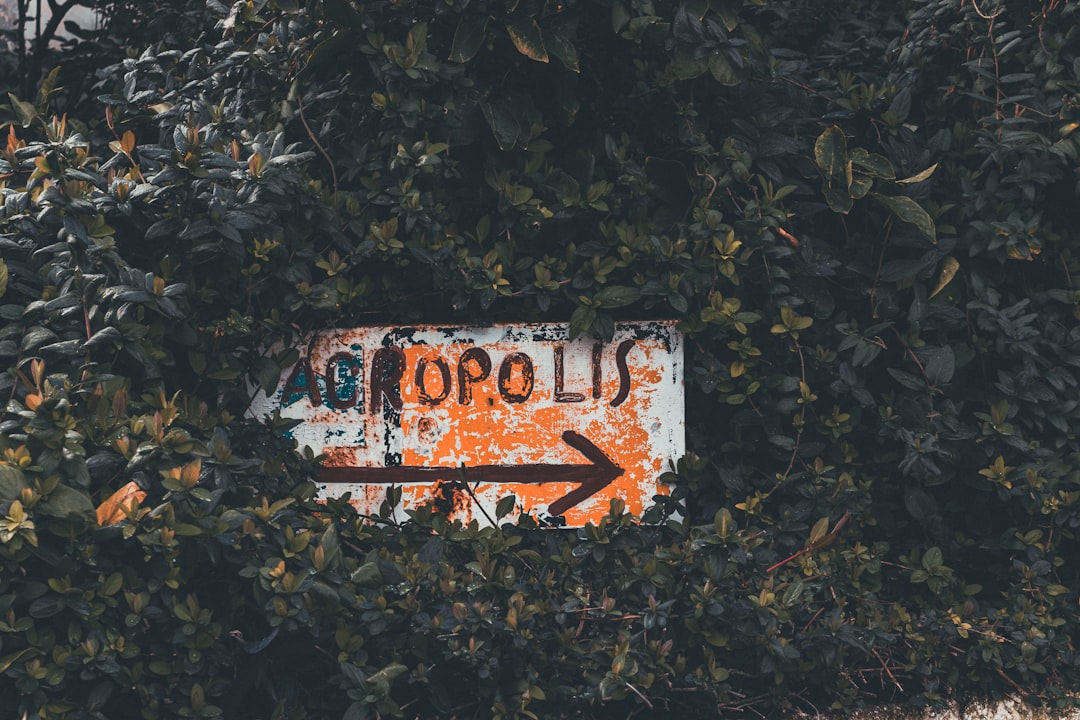
The National Archaeological Museum is on its western edge, and the combination of a morning in the museum followed by lunch in Exarcheia is one of the more satisfying ways to spend a day in Athens. The museum contains one of the finest collections of ancient Greek art in the world, including the Antikythera Mechanism — the first known analogue computer, recovered from a shipwreck off the Peloponnese — and the Mask of Agamemnon, which may or may not be Agamemnon's. The debate about the latter is, itself, worth reading about before you go.
Insider tip
Exarcheia's Strefi Hill, a small park at the neighbourhood's northeastern edge, offers a view of the Acropolis that appears in almost no tourist photography. Go at dusk.
Central Market (Varvakios Agora): the city at five in the morning
The surrounding streets contain small tavernas that open for breakfast and serve the market workers: offal soup, grilled meats, wine from unlabelled carafes, all at prices that have not yet been adjusted for the tourist economy. Eating here at six-thirty in the morning, surrounded by butchers on their break, is one of those experiences that makes you feel, briefly and pleasantly, like you live somewhere.
Insider tip
The taverna Epirus, on Evripidou Street adjacent to the market, serves a lunch that has been essentially unchanged for decades. Arrive before one o'clock or accept that you will be waiting.
Psiri and the question of where to actually eat dinner
The specific thing to eat in Athens that most visitors miss is not the moussaka — though a well-made moussaka is a serious dish — but the mezedes culture: small plates ordered over a long period, with wine or ouzo or tsipouro, eaten without particular urgency. This is not tapas. It is slower than tapas. The expectation is that you will occupy the table for at least two hours.
Insider tip
Tsipouro, the Greek pomace brandy, is served in many Psiri establishments with a small plate of food included in the price of each round. Order it instead of wine at least once.
Lycabettus Hill: the Acropolis's less famous rival
The summit has a small white chapel of Saint George, a cafe with prices calibrated to the captive audience, and a theatre that hosts concerts in summer. The view at sunset, when the city below shifts from white to amber and the Parthenon on its hill catches the last horizontal light, is the kind of thing that makes you understand why people have been writing about Athens for three thousand years. It also makes you understand why they kept coming back.
Insider tip
The funicular stops running periodically for maintenance without much notice. Check before you commit to the uphill journey, particularly if you're wearing anything that cannot survive a thirty-minute climb in heat.
Filopappou Hill: the walk that most visitors skip
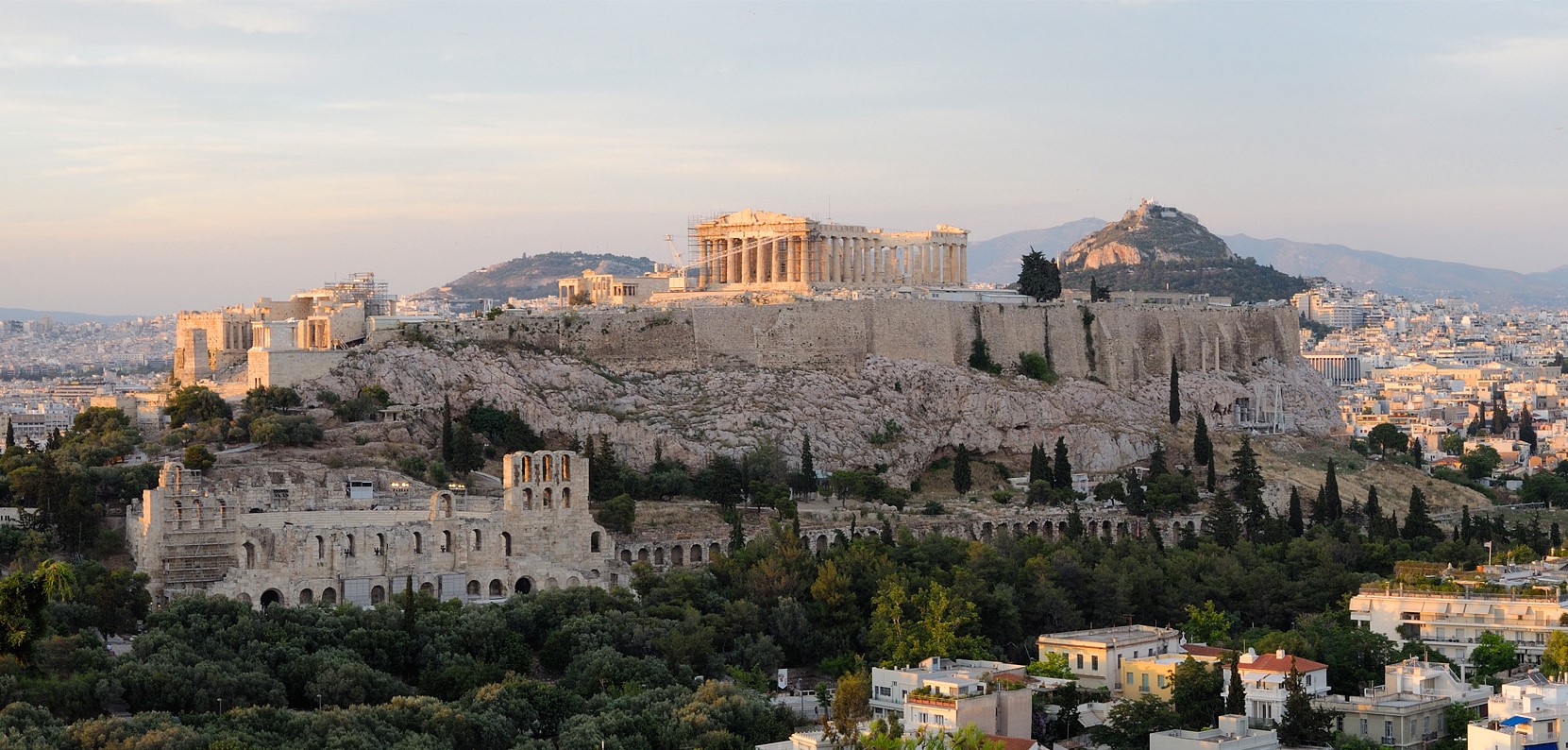
From the Filopappou Monument at the summit — a Roman funerary monument built in the second century CE for a Syrian prince who became an Athenian citizen — you have a direct, unobstructed view of the Acropolis's west face. This is the angle from which the Propylaea, the monumental gateway, reads most clearly. Photography from here tends to be less crowded and more interesting than the standard Acropolis selfie.
Insider tip
The path between Filopappou and the Pnyx — the ancient assembly hill where Athenian democracy was literally practised — is walkable in fifteen minutes and is almost always empty. The Pnyx itself has no entrance fee and no cafe.
AI Trip Planner 2026: pianifica Atene con l'intelligenza artificiale — the case for structured preparation
The honest caveat is that no algorithm yet built can replicate the advice of someone who has eaten lunch in Exarcheia on a Tuesday in November and knows which kafeneion opens early. But for managing the logistical architecture of a trip — timed entry bookings, neighbourhood sequencing, transport connections — a well-designed AI planner can do in minutes what used to require a week of forum-reading. The tool is the scaffold, not the building.
Insider tip
Use any AI planning tool to build the skeleton of an itinerary, then spend thirty minutes reading a single long-form piece about each neighbourhood you plan to visit. The combination of structural efficiency and human texture is more useful than either alone.
I left Athens for the last time — though I've said that before — on a January morning when the city was cold and grey and almost entirely itself. The tourists were gone. The Acropolis was visible from the taxi window, white against a white sky, stripped of the amber light that makes it look like a painting of itself. In the grey, it looked older and more serious, like a document rather than a monument.
That is the version of Athens that most visitors don't see, and I'm not suggesting they should necessarily try to — January is not a comfortable month in a city with inadequate central heating and a habit of leaving outdoor furniture out year-round in optimistic defiance of the weather. But the January version is useful to know about, because it suggests that the city you encounter in May or September, all light and open-air restaurants and the smell of jasmine in Plaka, is not the only version. Athens is also the city of the grey morning, the closed museum, the kafeneion where the television is always on and nobody is watching it.
The best thing to do in Athens, beyond all the specific recommendations in this piece, is to stay longer than you planned. Not because the city rewards extended stays in any linear way — it doesn't — but because the things that make it worth returning to are almost all things that cannot be scheduled. They happen in the spaces between the itinerary. Athens has been making that argument for a very long time, and it has not yet been wrong.
That is the version of Athens that most visitors don't see, and I'm not suggesting they should necessarily try to — January is not a comfortable month in a city with inadequate central heating and a habit of leaving outdoor furniture out year-round in optimistic defiance of the weather. But the January version is useful to know about, because it suggests that the city you encounter in May or September, all light and open-air restaurants and the smell of jasmine in Plaka, is not the only version. Athens is also the city of the grey morning, the closed museum, the kafeneion where the television is always on and nobody is watching it.
The best thing to do in Athens, beyond all the specific recommendations in this piece, is to stay longer than you planned. Not because the city rewards extended stays in any linear way — it doesn't — but because the things that make it worth returning to are almost all things that cannot be scheduled. They happen in the spaces between the itinerary. Athens has been making that argument for a very long time, and it has not yet been wrong.


