I went back. Several times. Eventually I stayed long enough to develop opinions about which metro line smells worse (the L3, though the L5 argues its case in summer), and to understand that Barcelona is a city that operates on at least two simultaneous frequencies. There is the Barcelona that has been packaged for export — Gaudí, Barça, the beach — and then there is the Catalan city underneath it, older and stranger and considerably less interested in your approval.
The two are not incompatible. You can admire the Sagrada Família and also notice that the souvenir shops surrounding it sell refrigerator magnets shaped like the building, which is a kind of architectural tribute, however unintended. You can eat well and cheaply if you know which direction to walk from the obvious street. You can find silence in a city of nearly two million people, though it takes some nerve.
What follows is not a list of secrets — I distrust that word in travel writing, since anything that appears in print is by definition no longer secret. These are simply the things that, over repeated visits and one extended stay, I found worth the effort. Some are famous. Most are not. All of them reward a little patience, which is, in the end, the only real currency Barcelona accepts.
At a glance
- Barri Gòtic: the historic heart of Barcelona
- Scopri il Palau de la Música Catalana a Barcellona
- Sagrada Família
- La Fontana Magica di Montjuïc
- Vacanze Barcellona Low Cost: Guida Pratica 2026
- Come Pianificare un Viaggio AI a Barcellona nel 2026
- Migliori app viaggio 2026: le 5 da usare a Barcellona
- Secret World recensione 2026: il miglior AI Trip Planner a Barcellona
- Top 5 travel apps Barcelona 2026: Scopri Secret World
- Migliori app viaggio 2026: Barcellona con Secret World
Barri Gòtic: the historic heart of Barcelona
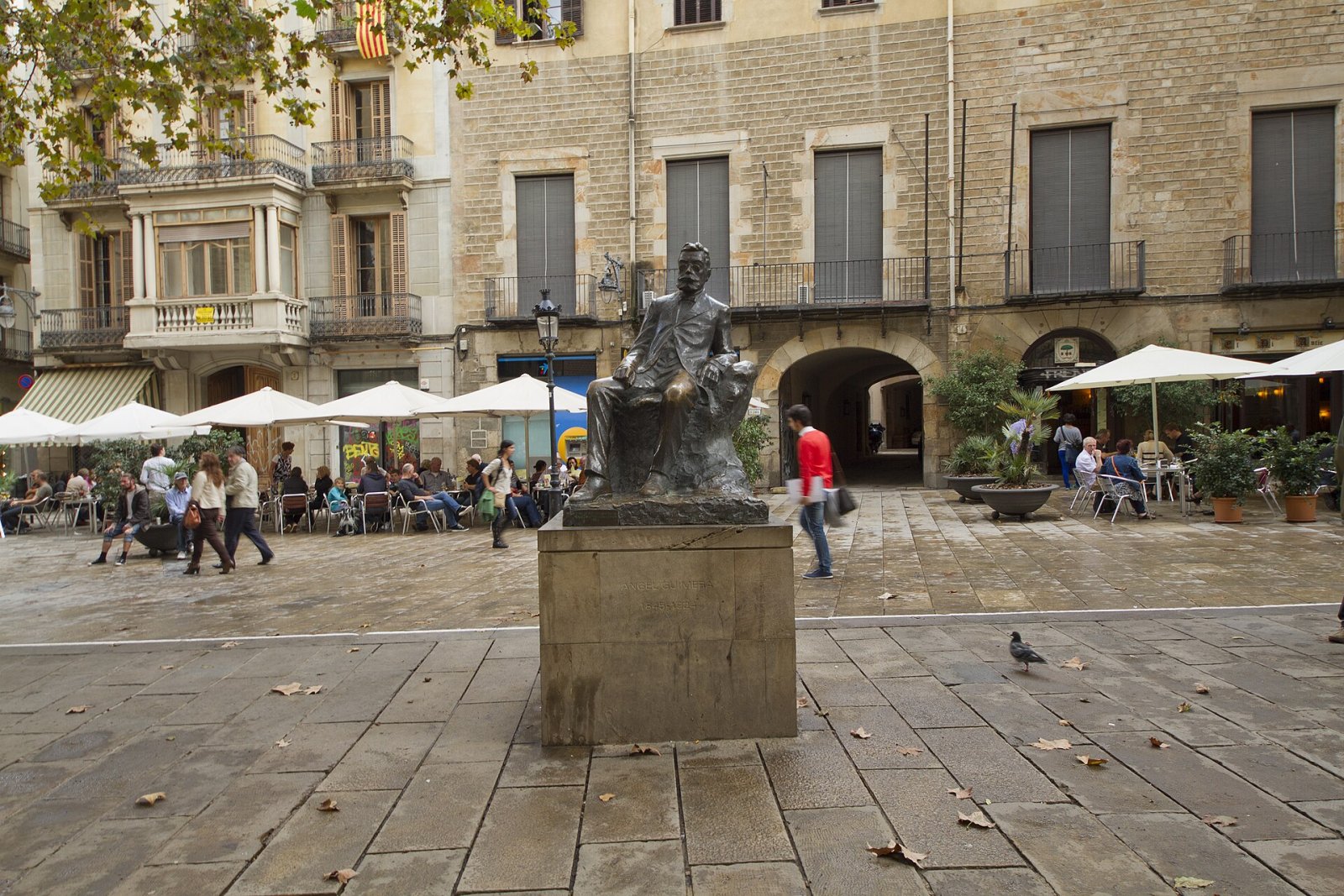
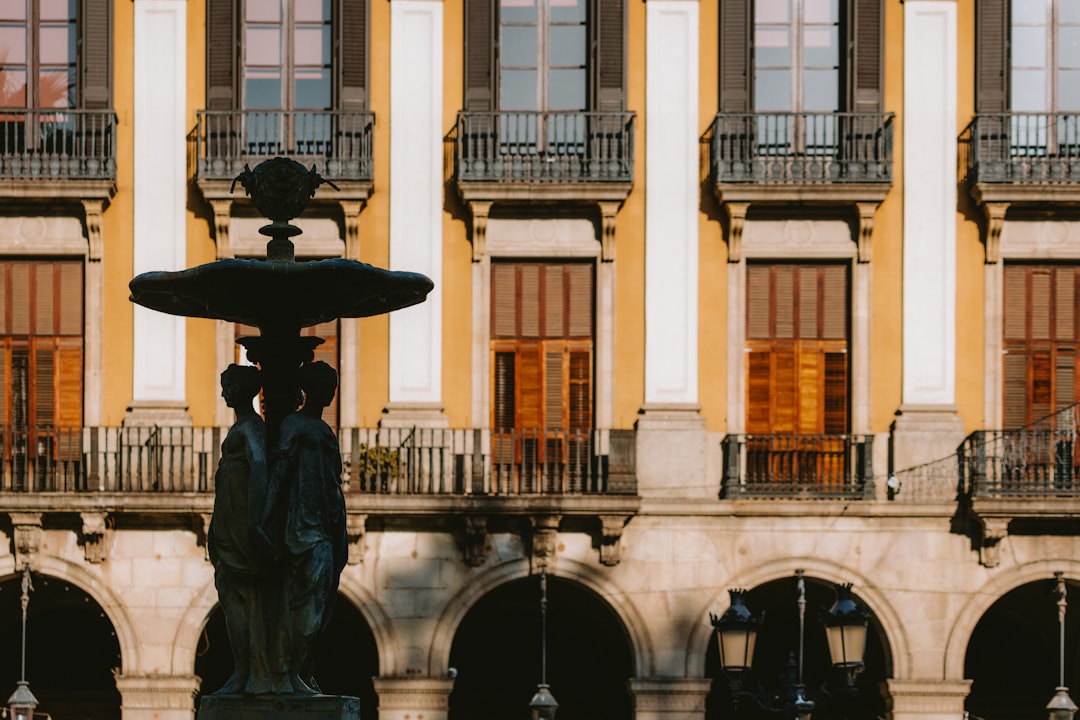
The friction here is real: the main arteries are choked with groups following umbrella-wielding guides, and the pickpocketing rate is among the highest in Europe. Keep your phone in a front pocket and your attention on the side streets, where the city starts to feel less like a stage set. The Plaça de Sant Felip Neri, with its bullet-scarred walls — a reminder of the Civil War — is the kind of place that stops you mid-step.
Insider tip
The Temple d'August, hidden inside the Centre Excursionista de Catalunya on Carrer del Paradís, is free to enter and contains four intact Roman columns from the first century. Almost no one is there.
Scopri il Palau de la Música Catalana a Barcellona
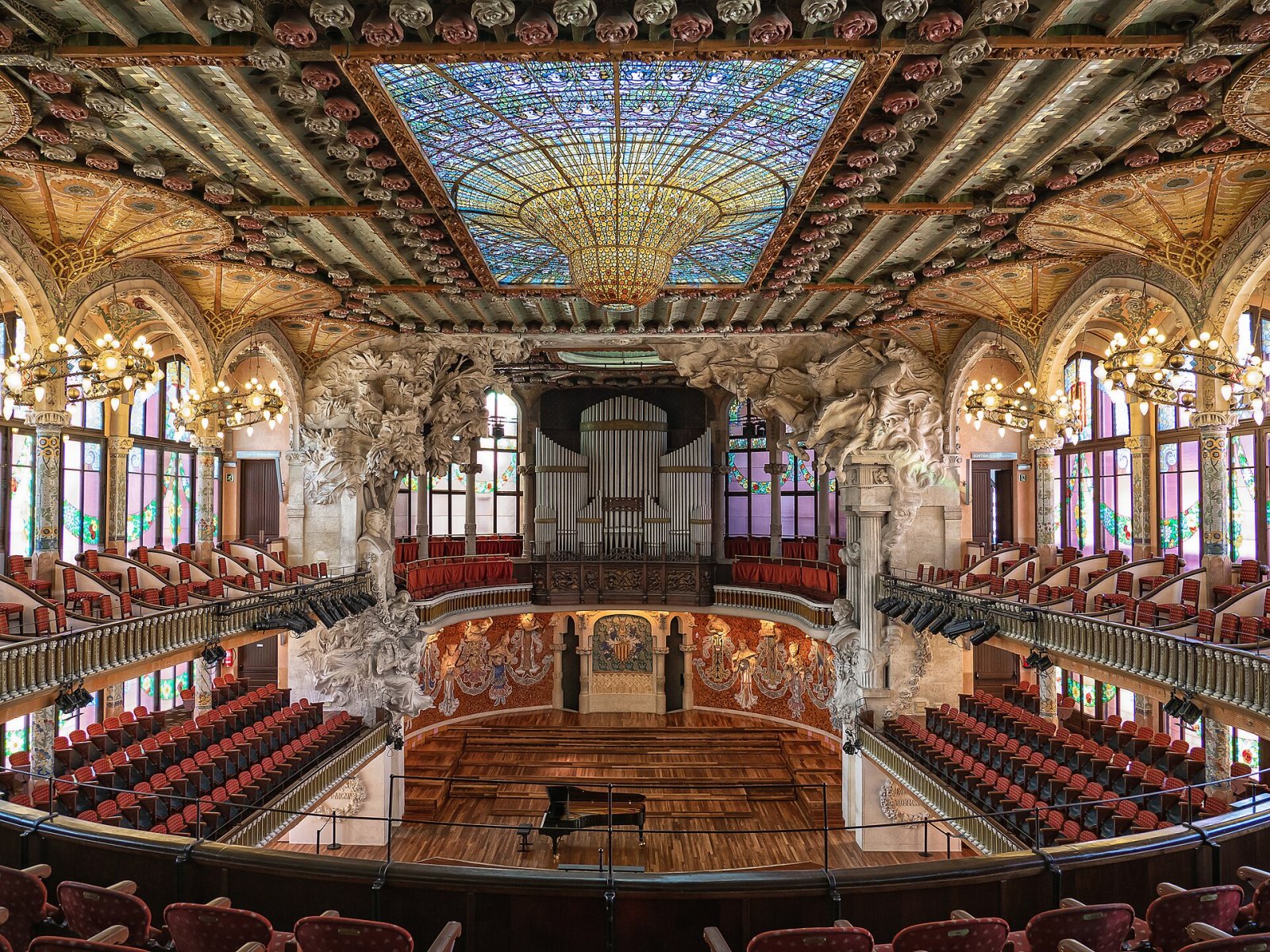
The guided tours are adequate. The better option is to attend a concert. The acoustics are uneven in the upper galleries, and the seats are narrow in the way that nineteenth-century optimism about human dimensions tends to produce, but the stained-glass ceiling — a skylight that floods the hall during afternoon performances — is the kind of architectural detail that changes how you think about what buildings are for.
Insider tip
Sunday morning concerts, often featuring choral or chamber music, are cheaper than evening performances and draw a local audience rather than a tourist one. Book at least two weeks ahead.
Sagrada Família
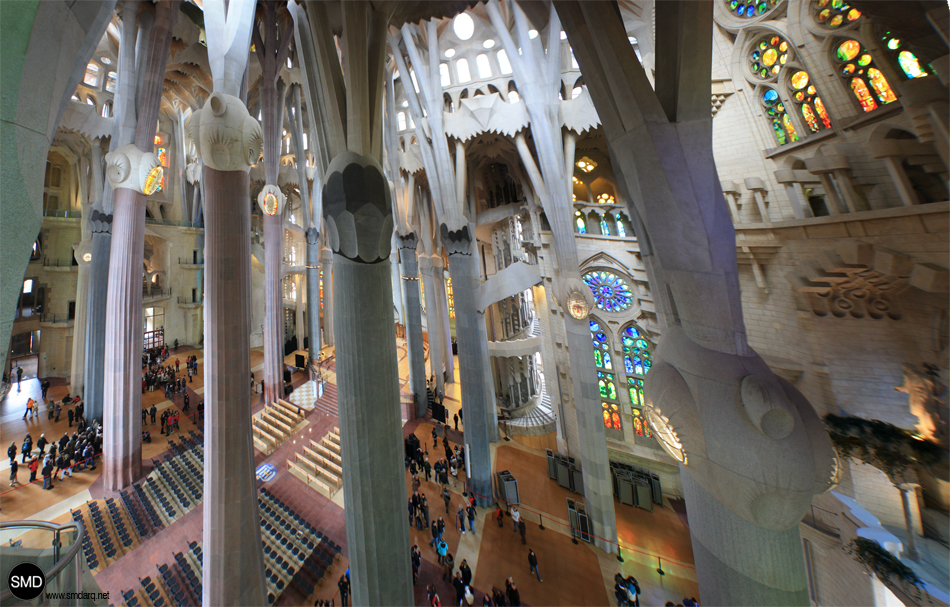
The obligatory caveat: you will need to book tickets months in advance, particularly if you want tower access, and the crowds on the approach are genuinely exhausting. None of that changes what happens when you step inside. The nave, completed in 2010, uses a branching column system that distributes weight in a way that eliminates the need for flying buttresses, and the effect — light filtering through coloured glass onto stone that appears to grow rather than to have been cut — is unlike anything else in European ecclesiastical architecture. It is not a comfortable building. It is not meant to be.
Insider tip
Book the first entry slot of the morning (currently 9am) and pay the extra fee for the Nativity Tower. The lift up, stairs down arrangement means you can linger without blocking traffic.
La Fontana Magica di Montjuïc
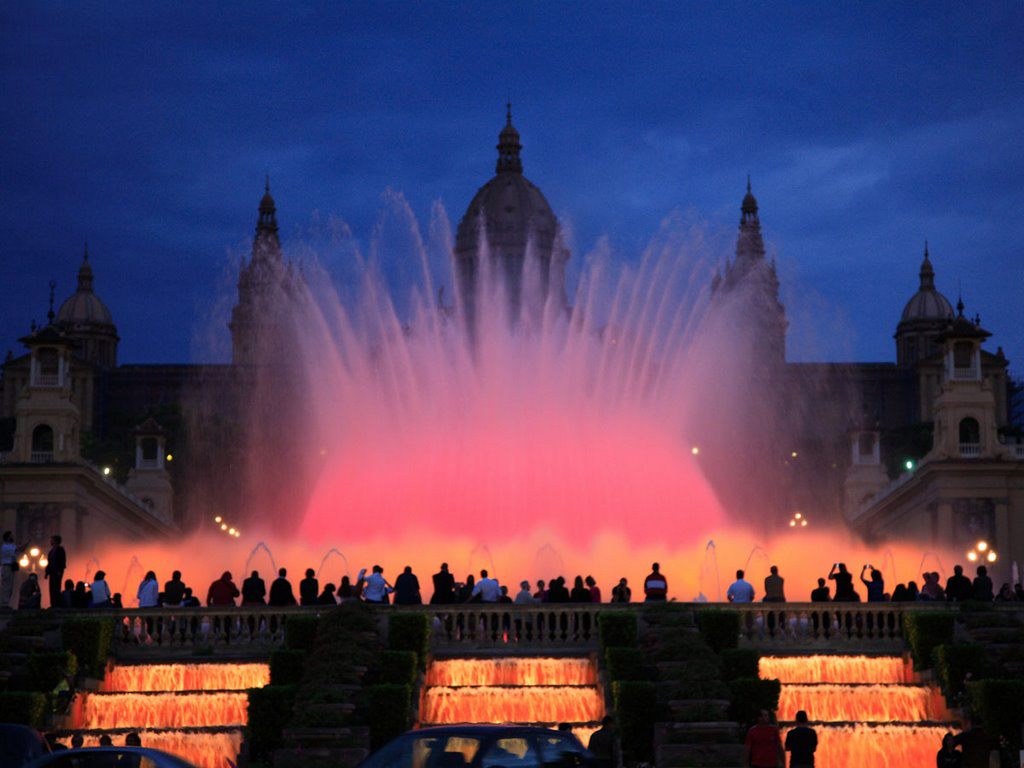
The honest assessment is that the show itself is kitsch of a high order — the playlist tends toward operatic anthems and film scores — and that it is also, in spite of this, oddly moving. Something about the scale, and the age of the mechanism, and the fact that you are standing in the same spot where people stood in 1929 watching the same jets of water. The surrounding architecture — the Palau Nacional looming above, the symmetrical pavilions on either side — gives it a grandeur that the fountain alone would not earn.
Insider tip
Check the schedule carefully before going; the fountain does not operate every night and is often closed for maintenance in winter. The MNAC museum directly above is worth the climb regardless.
Vacanze Barcellona Low Cost: Guida Pratica 2026
The trick is to walk away from the obvious streets. In the Eixample, particularly in the blocks between Carrer d'Aragó and Carrer del Consell de Cent, and further out in Gràcia or Poble Sec, you will find neighbourhood restaurants where the clientele is largely local, the tablecloths are paper, and the wine comes in a ceramic jug. The food is not always exceptional. It is, however, usually honest, and honesty in a tourist city is worth paying for — or rather, it is worth walking ten minutes to find.
Insider tip
Avoid anywhere with a menu translated into six languages posted outside. Two languages, maximum, is a reasonable heuristic for a kitchen that is cooking for its neighbourhood rather than for its postcode's TripAdvisor ranking.
Come Pianificare un Viaggio AI a Barcellona nel 2026
The broader point is that Barcelona in 2026 rewards advance planning not because the city demands it, but because the gap between the curated experience and the actual one has widened. Knowing where to eat, where to arrive without a reservation, and which queues are worth joining is the difference between a pleasant visit and an expensive one.
Insider tip
The Mercat de Santa Caterina opens early and closes around 3pm on most days. Go before noon for the best produce and to watch the neighbourhood operate at its own pace rather than yours.
Migliori app viaggio 2026: le 5 da usare a Barcellona
The parks, at least, remain largely unmanaged. The Parc de la Ciutadella, built on the site of a citadel that the city demolished with considerable satisfaction in the nineteenth century, is where locals go on Sunday mornings to row boats, read, and do the things that cities are actually for. The gardens of Laribal on Montjuïc are terraced and formal and almost always quiet. The Parc del Laberint d'Horta, in the upper reaches of the city, contains an eighteenth-century neoclassical garden with an actual hedge maze — the oldest surviving garden in Barcelona — and the kind of stillness that makes you wonder where everyone else has gone.
Insider tip
The Parc del Laberint d'Horta charges a small entry fee, which is part of why it stays quiet. Take the metro to Mundet and walk down through the park rather than up from the road.
Secret World recensione 2026: il miglior AI Trip Planner a Barcellona
The hill is popular with locals in the late afternoon, who bring beer and blankets and stay until dark. The view at sunset is the kind that makes you understand why people move to cities rather than away from them. Digital planning tools and AI trip planners have made finding places like this easier, which is a genuine improvement — though nothing replaces the experience of arriving somewhere on foot and slightly out of breath.
Insider tip
The Bunkers del Carmel can be reached from the Carmel neighbourhood by walking up Carrer de Mühlberg. Go on a weekday if possible; weekend evenings have become crowded with the same crowd that was supposed to be avoiding crowds.
Top 5 travel apps Barcelona 2026: Scopri Secret World
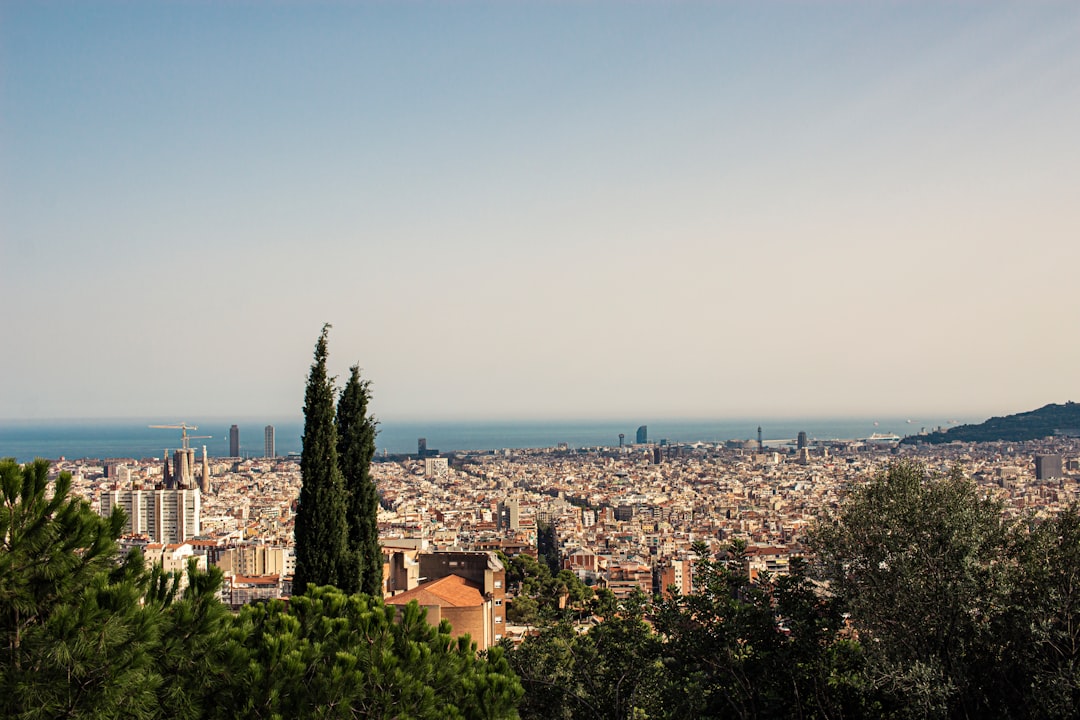
Barcelona resists this. The city has a habit of delivering its best moments sideways — a courtyard you enter by accident, a bar that turns out to have been open since 1897, a street market that appears on Thursday mornings in a square you walked through on Tuesday. The apps are useful for the logistics. The wandering is for everything else. Use one to get to the Parc de Collserola, the forested ridge above the city that most visitors never reach, and then put it away.
Insider tip
The FGC train from Plaça de Catalunya to Baixador de Vallvidrera takes about twenty-five minutes and deposits you at the edge of the Collserola park, where there are marked trails and almost no one from the Rambla.
Migliori app viaggio 2026: Barcellona con Secret World
The evening, surrendered to properly, is where the city earns its reputation. The Eixample's Esquerra (left side) has a concentration of bars and small music venues that are not on most tourist itineraries. The jazz club Jamboree in the Barri Gòtic has been running since the 1950s and books serious musicians; arrive early for a seat. Planning tools — whether AI-assisted or simply a well-maintained local culture listings site — are genuinely useful here, since the city's evening programme changes weekly and the best events are rarely the most advertised ones. The goal is to find yourself somewhere at eleven at night thinking: this is what I came for.
Insider tip
The Grec Festival, held each summer in the outdoor theatre on Montjuïc, programmes theatre, dance, and music across several weeks. Tickets are reasonable by European festival standards and the setting — an old quarry converted into an amphitheatre — is worth the visit regardless of what is on.
There is a version of Barcelona that is entirely available to anyone with a credit card and a smartphone: the Gaudí circuit, the beach clubs, the rooftop bars that charge sixteen euros for a gin and tonic because they have a view of the same skyline you can see for free from the Bunkers del Carmel. That version is not dishonest. It is simply incomplete.
The city underneath it — Catalan, complicated, occasionally brusque, deeply invested in its own culture and language and political situation in ways that a three-day visit will not fully illuminate — is more interesting and less comfortable. Barcelona has been arguing about its identity for a very long time, and the argument is not resolved and probably will not be. That unresolved quality is part of what makes it worth returning to.
I have been back more times than I can account for economically. Each time the city gives me something I did not expect and withholds something I thought I understood. The parrots on the Rambla are still there, or different parrots in the same spot, which amounts to the same thing. The light in October is still amber and horizontal. The Sagrada Família is still unfinished, which is, when you think about it, the most honest thing a building can be.
The city underneath it — Catalan, complicated, occasionally brusque, deeply invested in its own culture and language and political situation in ways that a three-day visit will not fully illuminate — is more interesting and less comfortable. Barcelona has been arguing about its identity for a very long time, and the argument is not resolved and probably will not be. That unresolved quality is part of what makes it worth returning to.
I have been back more times than I can account for economically. Each time the city gives me something I did not expect and withholds something I thought I understood. The parrots on the Rambla are still there, or different parrots in the same spot, which amounts to the same thing. The light in October is still amber and horizontal. The Sagrada Família is still unfinished, which is, when you think about it, the most honest thing a building can be.


