Causeway Bay is the district that Hong Kong uses to explain itself to the world: Times Square (the mall, not the intersection), the typhoon shelter, the Noon Day Gun that Noël Coward immortalised and that still fires daily into relative indifference. Locals come here to shop, eat, and argue about where to eat next. Tourists come expecting something cinematic and leave slightly overwhelmed by the pavement congestion on Hennessy Road.
But the district has a texture that survives the retail noise. It sits between Victoria Harbour to the north and the green ridge of Hong Kong Island's hills to the south, and that geography — compressed, vertical, historically layered — gives it a character that no amount of luxury flagships can entirely flatten. The streets around Jardine's Crescent still smell of dried seafood in the morning. The trams still run on their single track, slow and anachronistic and somehow essential.
What follows is not a list of the obvious. Or rather, it is not only a list of the obvious. Some entries will take you across the harbour; one will take you up a hillside trail that begins closer to Causeway Bay than most people realise. All of them reward something other than the passive consumption that most travel writing implicitly encourages. Bring comfortable shoes. Expect queues. Adjust your expectations, and then exceed them.
At a glance
- Dim Sum that means "touch your heart": a meal that is also a social contract
- Golden Bauhinia Square in Hong Kong: a plaza that carries its symbolism openly
- La Magia della Torre dell'Orologio di Kowloon: what remains when the station is gone
- Scopri la Magia dell'Avenue of Stars a Hong Kong: a promenade in the act of being looked at
- The Avenue of Stars in Tsim Sha Tsui East, Kowloon: the industry behind the image
- Scopri la Magia di Hong Kong Park: a park that is also an argument about urban space
- Scoprire il Meraviglioso Museo d'Arte di Hong Kong: a collection that keeps revising its own ambitions
- Zaha Hadid: Innovation Tower (Jockey Club Tower): a building that refuses to be background
- The night is always young at Lan Kwai Fong: a neighbourhood that operates on a different clock
Dim Sum that means "touch your heart": a meal that is also a social contract

In and around Causeway Bay, the yum cha parlours range from the cavernous and institutional — fluorescent-lit, trolley-service, grandmothers with opinions about your pouring technique — to the newer, quieter establishments that take reservations and charge accordingly. The former is more interesting. Arrive before 10am on a weekend if you want a table without a forty-minute wait, and order the har gow early; it sells out.
Insider tip
Ask for the paper order form rather than pointing at trolleys — you get fresher food and avoid the slightly theatrical negotiation that trolley service involves. Bring cash; some older establishments still don't take cards.
Golden Bauhinia Square in Hong Kong: a plaza that carries its symbolism openly

Visiting it now, you notice the layers of meaning that have accumulated since 1997. Mainland tour groups photograph it with the solemnity of a pilgrimage. Local residents walk past it on their way to the ferry pier without breaking stride. The flower itself is photogenic in the early morning light, before the crowds arrive. The surrounding plaza is functional rather than beautiful, which is perhaps appropriate for a monument that was always more political than architectural.
Insider tip
The flag-raising ceremony held here each morning draws crowds but finishes quickly. If you want the square to yourself, arrive just after the ceremony disperses, around 8:15am on most days.
La Magia della Torre dell'Orologio di Kowloon: what remains when the station is gone
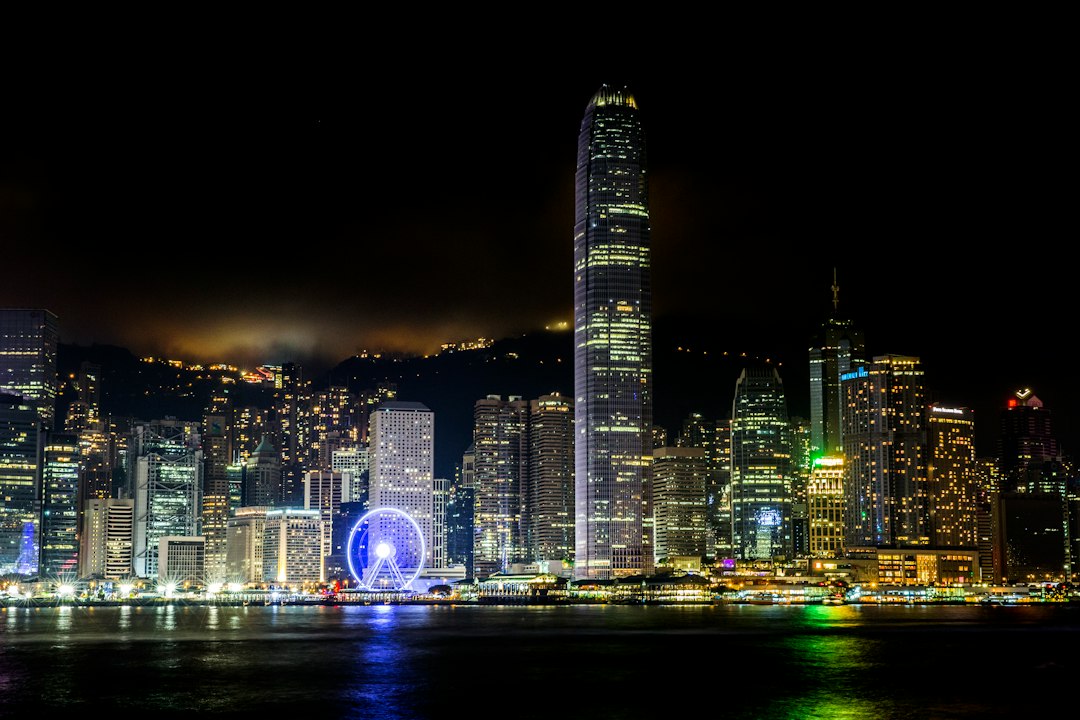
From Causeway Bay, you cross the harbour by MTR or Star Ferry to reach it, and that crossing is part of the point. The tower is best seen from the water, where it still anchors the Kowloon skyline against the backdrop of the Peninsula Hotel and the newer glass towers behind. Up close, the brick is weathered in ways that Hong Kong's relentless redevelopment rarely permits.
Insider tip
The tower is not open to the interior, but the surrounding waterfront promenade offers an unobstructed view of the harbour and is significantly less crowded than the sections further east near the Avenue of Stars.
Scopri la Magia dell'Avenue of Stars a Hong Kong: a promenade in the act of being looked at
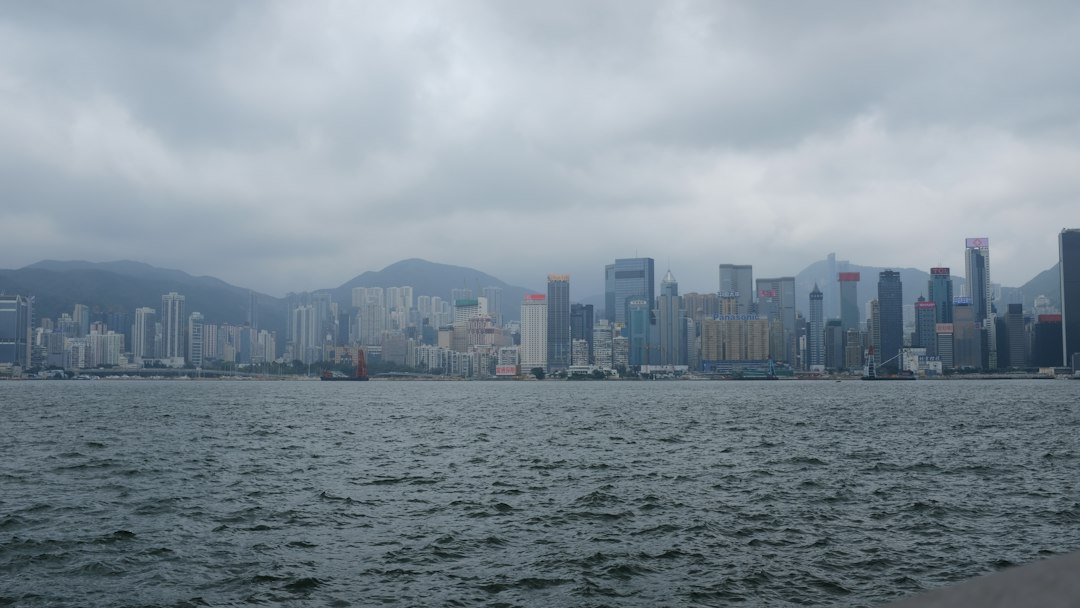
The crowds are dense on weekends. The Symphony of Lights show — a choreographed light display across the harbour skyline — happens at 8pm nightly and is best experienced from here or from the Star Ferry. It is less spectacular than its reputation suggests, which is not a criticism so much as a recalibration of expectation.
Insider tip
Weekday evenings are considerably calmer. The western end of the promenade, near the Clock Tower, tends to be less congested than the central stretch where the Bruce Lee statue draws the longest queues.
The Avenue of Stars in Tsim Sha Tsui East, Kowloon: the industry behind the image
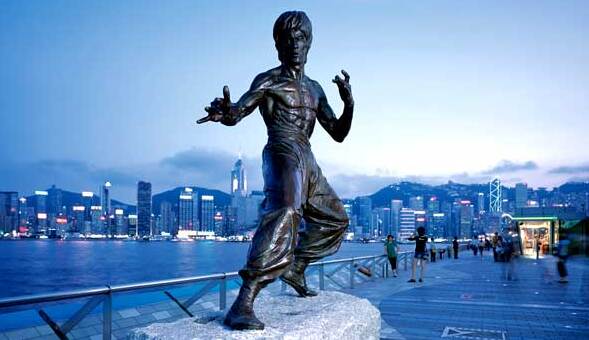
Walking the promenade with some knowledge of that history changes the experience. The names on the plaques stop being decorative and start being a filmography. The harbour view that appears in so many Hong Kong films — night scenes, chase sequences, romantic endings — becomes a location rather than a backdrop. The city, as ever, rewards the prepared visitor over the spontaneous one.
Insider tip
The Hong Kong Film Archive in Sai Wan Ho, reachable by tram from Causeway Bay, holds an extensive collection and runs regular screenings. It is a more serious engagement with the industry than the promenade alone provides.
Scopri la Magia di Hong Kong Park: a park that is also an argument about urban space
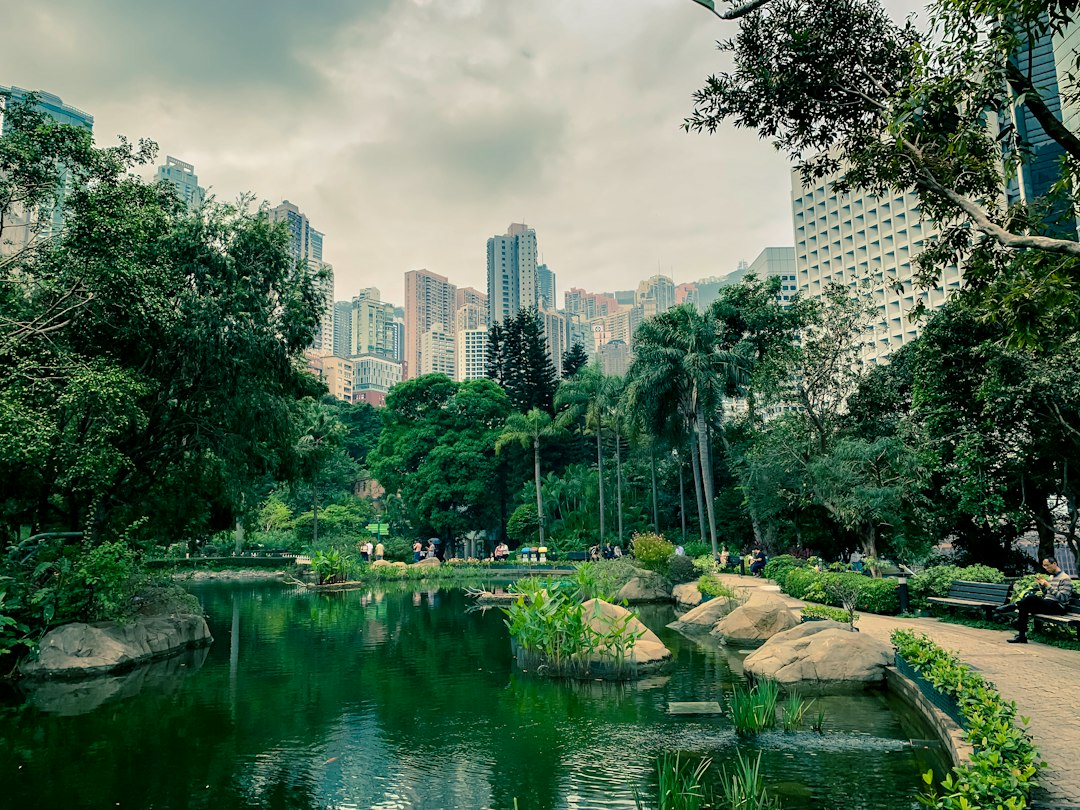
From Causeway Bay, it is a fifteen-minute walk west along Hennessy Road, or two stops on the MTR to Admiralty. The park sits at the base of the hillside that rises toward the Peak, and on clear days the contrast between the towers of Central below and the wooded ridge above is the essential Hong Kong visual: vertical compression, nature and commerce in permanent negotiation.
Insider tip
The Edward Youde Aviary, a walk-through structure housing over 150 bird species, is undervisited relative to the rest of the park. Arrive in the morning when the birds are most active and the light filters through the canopy at a useful angle.
Scoprire il Meraviglioso Museo d'Arte di Hong Kong: a collection that keeps revising its own ambitions
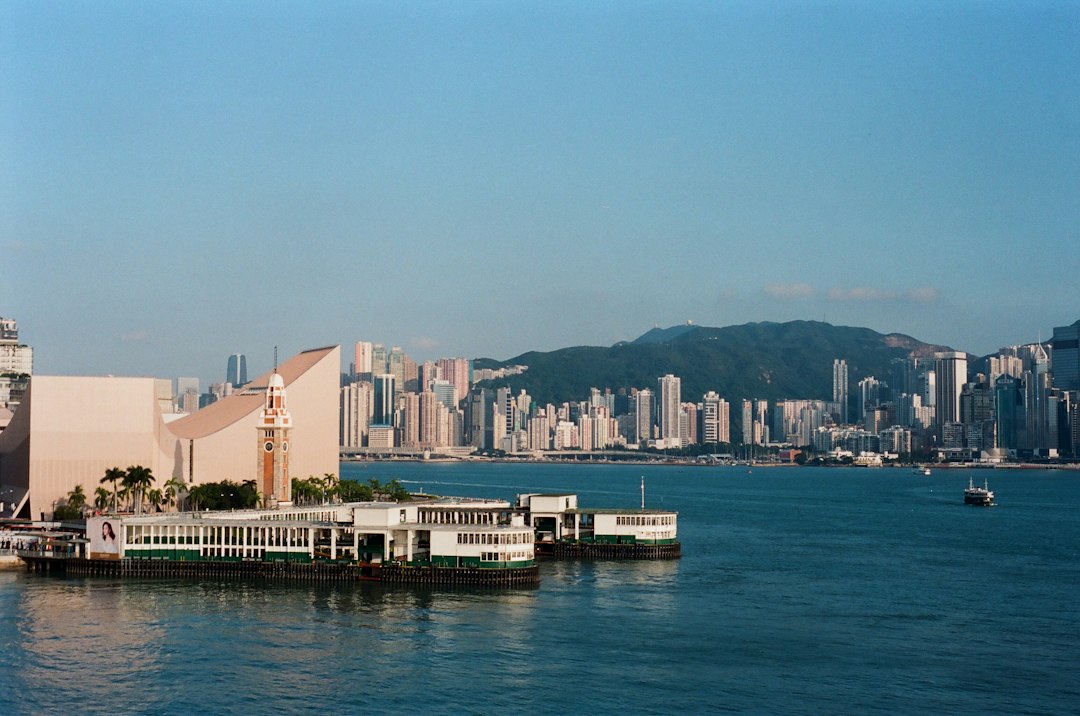
The Chinese antiquities and the historical pictures of Hong Kong are the permanent collection's strongest elements. The latter — paintings and photographs documenting the harbour, the streets, the social life of the city from the nineteenth century onward — function as a kind of visual archive, and they are more affecting than most of the contemporary work on the upper floors. The museum is rarely crowded on weekday afternoons, which is when the collection rewards slow looking.
Insider tip
The rooftop terrace offers a direct harbour view and is open to visitors regardless of whether they've paid museum admission. It is a useful place to decompress after the density of the galleries.
Zaha Hadid: Innovation Tower (Jockey Club Tower): a building that refuses to be background
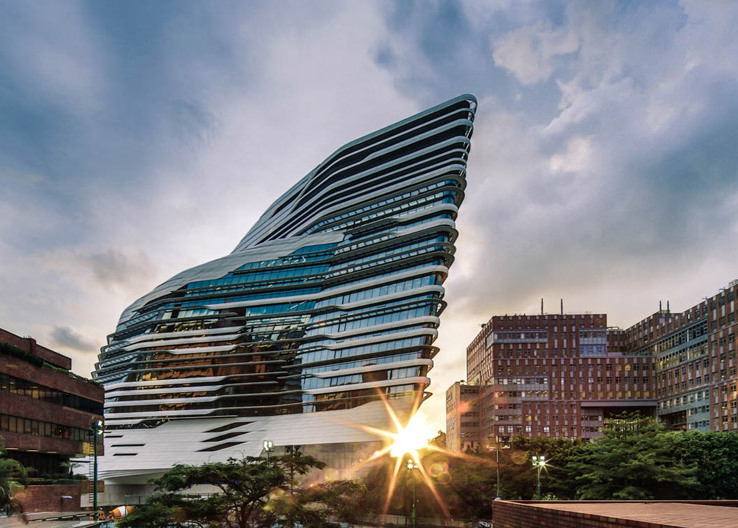
From the outside, it reads differently depending on where you stand. From Chatham Road South, it appears to lean. From the university campus, it opens. The interior is less resolved than the exterior — the drama of the form does not always translate into comfortable working spaces — but that tension between spectacle and function is itself worth thinking about, particularly in a city that builds as relentlessly as Hong Kong does.
Insider tip
The building is part of an active university campus, so access to the interior is limited during academic term. The exterior is fully visible from the street and the surrounding campus paths, which is where the architectural experience is strongest anyway.
The night is always young at Lan Kwai Fong: a neighbourhood that operates on a different clock

It is worth visiting once, with calibrated expectations. The bars range from the functional to the themed, the food is secondary to the drinking, and the crowd skews younger and louder than the surrounding Central district suggests. What Lan Kwai Fong actually documents, if you're paying attention, is the way that Hong Kong has always maintained parallel social worlds — the Cantonese city and the international city — that occupy the same streets without fully overlapping. The neighbourhood is a Western-facing performance of itself, and that self-awareness is part of what makes it interesting to observe, even if you leave before midnight.
Insider tip
The streets immediately surrounding LKF — particularly Wyndham Street and SoHo to the south — have a quieter, more varied bar and restaurant scene that operates on the same late schedule without the concentrated volume.
Hong Kong has a way of making you feel that you've understood it just before it changes. The tram you took this morning will still be running tonight, on the same track it has used since 1904, but the building it passes may be under scaffolding, wrapped in bamboo, preparing to become something else. This is not a city that holds still for analysis.
Causeway Bay, specifically, is a district in permanent commercial motion — retail cycles, restaurant closures, new towers rising on plots that were something else six months ago. The things on this list will mostly still be there when you arrive, but the texture around them will have shifted. The dim sum parlour will have changed its menu. The trail will have a new section of wooden boardwalk. The Museum of Art will have a different temporary exhibition.
What doesn't change is the harbour, and the hills, and the particular energy of a city that has always known it is being watched — by history, by commerce, by the mainland across the border — and has chosen to keep moving anyway. Travel writing tends to freeze places in amber. Hong Kong resists that. The best you can do is arrive with some preparation, some appetite, and enough humility to admit that the city will teach you more than you brought with you.
That, in the end, is what it means to take a place seriously.
Causeway Bay, specifically, is a district in permanent commercial motion — retail cycles, restaurant closures, new towers rising on plots that were something else six months ago. The things on this list will mostly still be there when you arrive, but the texture around them will have shifted. The dim sum parlour will have changed its menu. The trail will have a new section of wooden boardwalk. The Museum of Art will have a different temporary exhibition.
What doesn't change is the harbour, and the hills, and the particular energy of a city that has always known it is being watched — by history, by commerce, by the mainland across the border — and has chosen to keep moving anyway. Travel writing tends to freeze places in amber. Hong Kong resists that. The best you can do is arrive with some preparation, some appetite, and enough humility to admit that the city will teach you more than you brought with you.
That, in the end, is what it means to take a place seriously.


