And yet. There is something in Central that keeps pulling you back, and it isn't the obvious things — not the skyline photographs you've already seen on every travel site, not the harbour view from a rooftop bar where a gin and tonic costs what a full meal costs in Sham Shui Po. It's the friction between registers: colonial architecture two steps from a temple thick with incense, a Michelin-starred restaurant above a wet market, a tram that has been running since 1888 alongside towers that were built last decade.
Hong Kong is a city that rewards the patient and punishes the itinerary-obsessed. Central, specifically, is where that lesson is delivered most efficiently. What follows is not a list of the biggest or the flashiest. Some of these places will disappoint you on a bad day. Some require walking uphill in humidity. All of them are worth it, and I say that as someone who is constitutionally suspicious of that phrase.
At a glance
- Scoprire Tai Kwun: il cuore storico di Hong Kong — where the colonial past refuses to stay past
- Scopri il Man Mo Temple di Hong Kong — incense, gods, and the persistence of the ordinary
- The night is always young at Lan Kwai Fong — or so the bars would have you believe
- The venerable Peak Tram — the most honest queue in Hong Kong
- Scopri la Magia di Hong Kong Park — green space as counterargument
- Esplora il Fascino del Museo Marittimo di Hong Kong — the city's founding logic, explained in ships
- Golden Bauhinia Square in Hong Kong — the choreography of official memory
- The Avenue of Stars in Tsim Sha Tsui East, Kowloon — the harbour from the other side
- Esplorando il Mercato Notturno di Temple Street a Hong Kong — the city at its least curated
- Zaha Hadid: Innovation Tower (Jockey Club Tower) — architecture as argument
Scoprire Tai Kwun: il cuore storico di Hong Kong — where the colonial past refuses to stay past
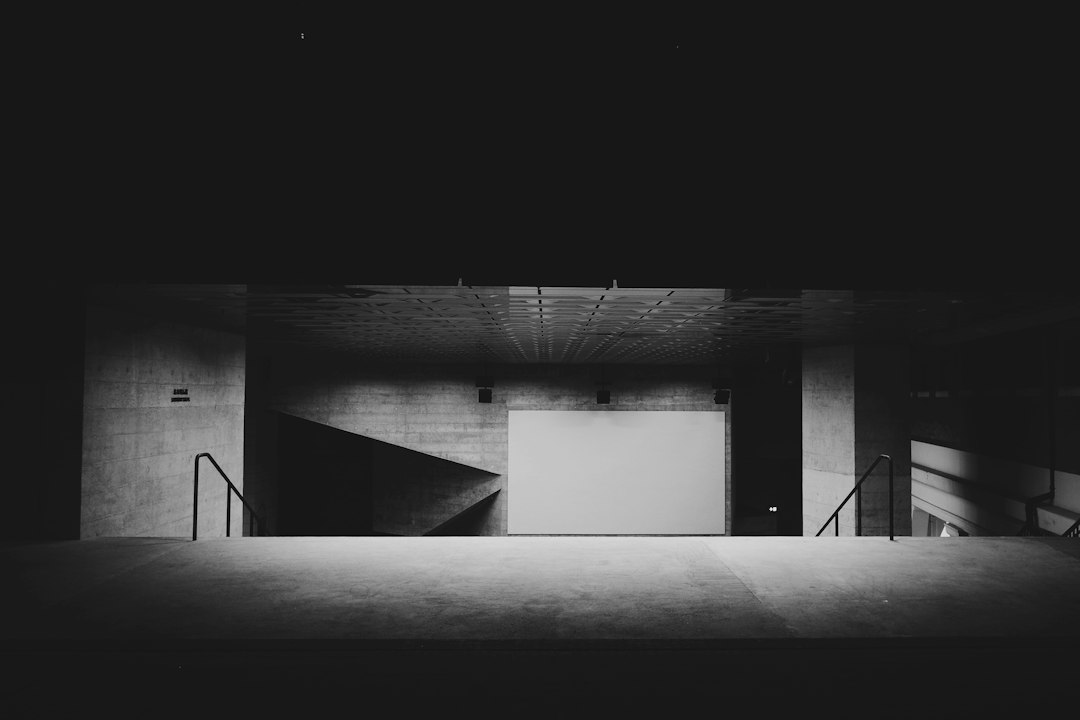
What makes Tai Kwun interesting rather than merely atmospheric is the refusal to prettify the history. The old prison cells are accessible; the exercise yard is preserved. The contemporary art programming — rotating exhibitions that have included work by both local and international artists — is serious and occasionally challenging. It is not a theme park version of colonial Hong Kong. It is something more uncomfortable, and therefore more honest.
Insider tip
The JC Contemporary gallery wing, designed by Herzog & de Meuron, has its own entrance and tends to be quieter than the main compound. If the main courtyard is crowded on a weekend afternoon, start there instead.
Scopri il Man Mo Temple di Hong Kong — incense, gods, and the persistence of the ordinary
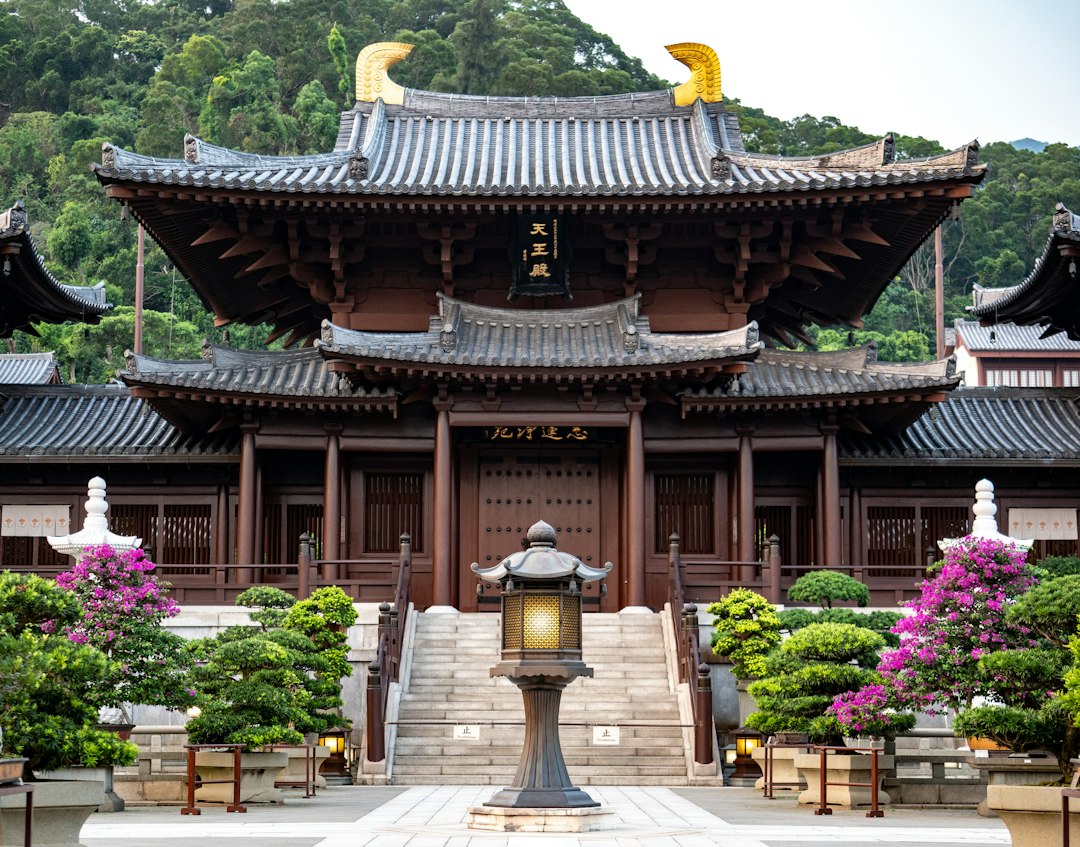
The interior is perpetually wreathed in smoke from the enormous coils of incense that hang from the ceiling, burning slowly for weeks at a time. On weekdays, you'll find elderly worshippers going about their devotions with the efficient concentration of people who have been doing this for decades, which many of them have. The temple is small, genuinely used, and entirely free to enter. Tourists are welcome but not catered to, which is a distinction worth noting. There are no explanatory panels in four languages. You are expected to look and draw your own conclusions.
Insider tip
Come on a weekday morning, before 10am, when the worshippers outnumber the visitors. The light through the smoke at that hour is unlike anything the afternoon offers.
The night is always young at Lan Kwai Fong — or so the bars would have you believe

This is not a criticism, exactly. There is something genuinely democratic about Lan Kwai Fong at peak hours — investment bankers, tourists, local office workers, and people who have clearly been there since 3pm all occupying the same pavement. The Western-style bars are unremarkable; the people-watching is not. The better strategy, if you want to understand the place rather than simply survive it, is to arrive early — around 6pm — when the after-work crowd is still coherent and the street hasn't yet become an obstacle course.
Insider tip
The bars at the top of the slope, away from the main intersection, tend to be slightly less packed and occasionally have outdoor seating. D'Aguilar Street, running parallel, offers some relief from the main crush.
The venerable Peak Tram — the most honest queue in Hong Kong

The view from Victoria Peak itself is the one you've seen on every postcard of Hong Kong, and it is not diminished by familiarity. The harbour, the density of towers, the mountains of Kowloon beyond — it holds up. What the postcards don't show is the mist that rolls in from the South China Sea and can reduce visibility to almost nothing, or the wind at the summit that makes a light jacket feel inadequate. Check the weather before you commit to the queue.
Insider tip
The tram runs in both directions; taking it down in the early evening, when the city lights are beginning to come on, is often better than the ascent. Fewer people make the return journey by tram — most walk down or take the bus.
Scopri la Magia di Hong Kong Park — green space as counterargument
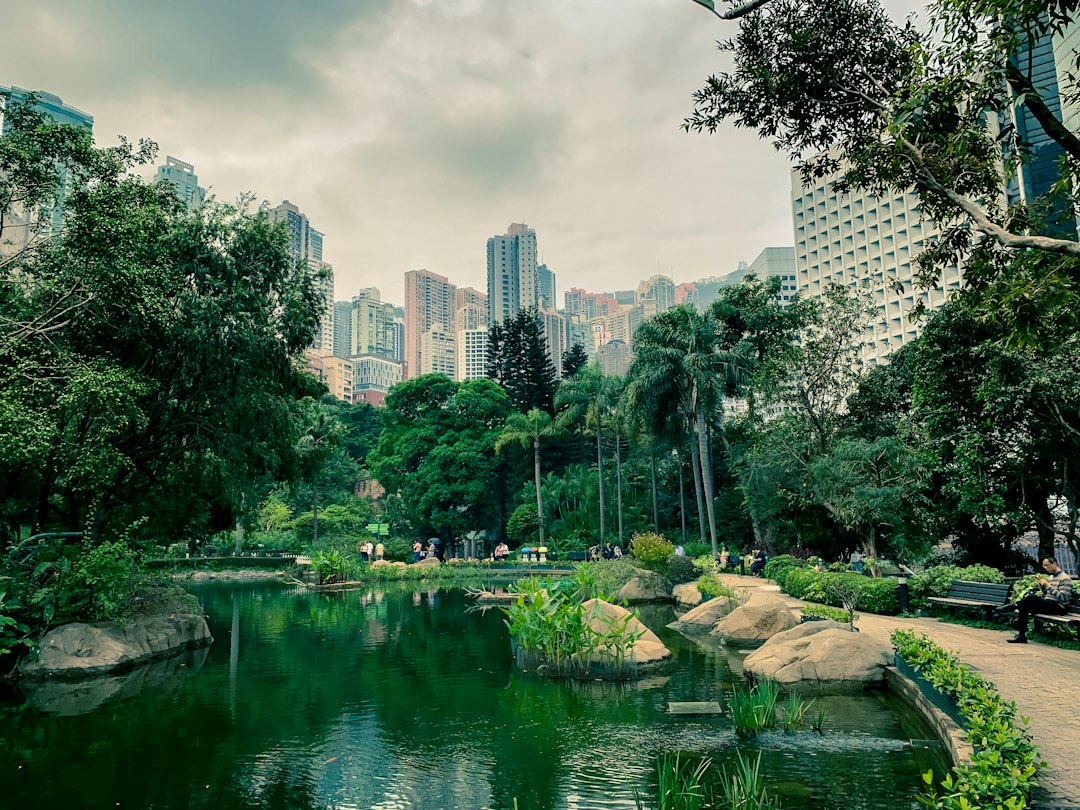
At midday on a weekday, the park fills with office workers eating lunch on the benches, which is the best time to visit if you want to feel like a resident rather than a tourist. The Edward Youde Aviary is genuinely worth the detour — a walk-through structure housing hundreds of birds in conditions that make most zoo enclosures look punitive by comparison. The park sits at the base of the Peak Tram route, making it a logical pairing.
Insider tip
The Flagstaff House Museum of Tea Ware is free to enter and almost always uncrowded. The collection is specific and quietly absorbing — a good hour's worth of looking for anyone with even a passing interest in ceramics or Chinese material culture.
Esplora il Fascino del Museo Marittimo di Hong Kong — the city's founding logic, explained in ships
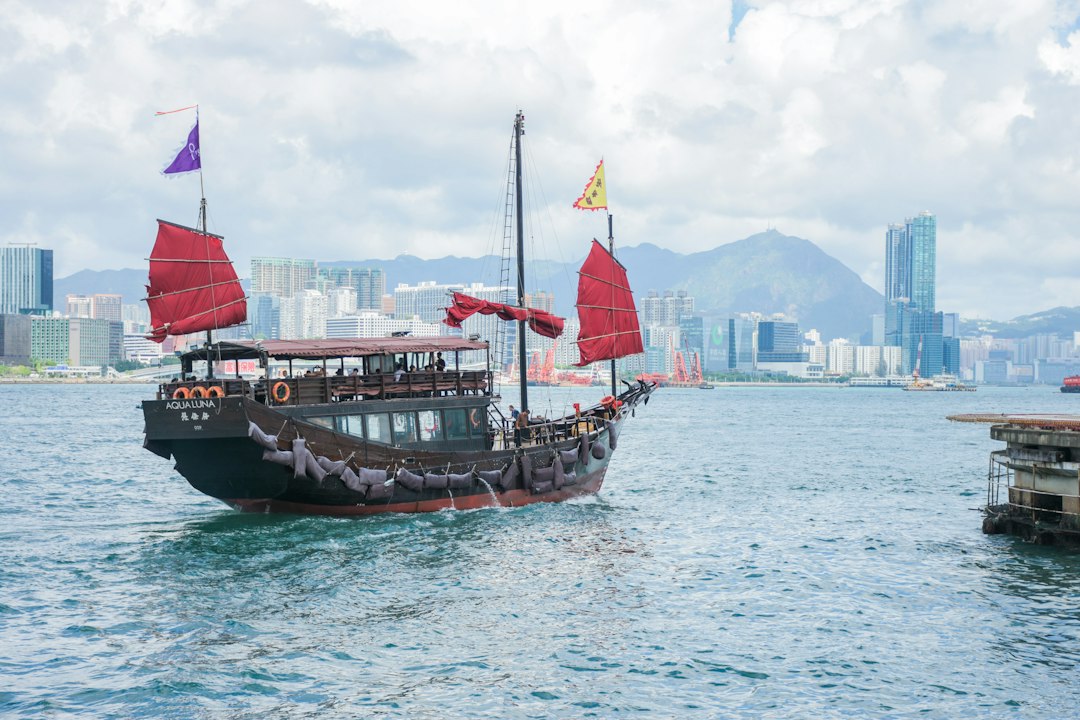
The building's position at the pier means you arrive by walking through the ferry terminal, past commuters heading to outlying islands, which is its own kind of context. Hong Kong's relationship with the sea is still operational, not merely historical, and the museum makes more sense once you've noticed that.
Insider tip
The museum's interactive ship-navigation simulator is aimed at children but is genuinely difficult for adults. It is also, unexpectedly, one of the more entertaining twenty minutes available in Central for under HK$50.
Golden Bauhinia Square in Hong Kong — the choreography of official memory

If you arrive outside ceremony hours, the square is quiet and somewhat exposed to harbour wind. The sculpture itself is large and technically accomplished. What makes the visit interesting is less the object than the framing — the convention centre behind it, the harbour in front, and the awareness that you are standing at a site where the official narrative of Hong Kong's recent history is most explicitly performed. That is worth seeing, even if you find the performance uncomfortable.
Insider tip
The morning flag-raising draws the largest crowds. If you want to observe it without being in the middle of a tour group, arrive ten minutes early and position yourself toward the harbour side of the square.
The Avenue of Stars in Tsim Sha Tsui East, Kowloon — the harbour from the other side
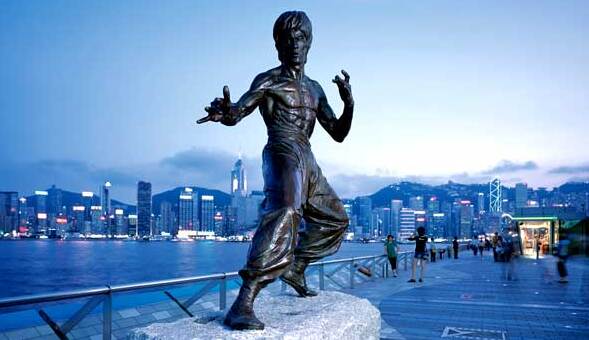
The promenade reopened in 2019 after a three-year renovation, and the new design is cleaner and more spacious than its predecessor. The bronze statue of Bruce Lee — a figure whose relationship with Hong Kong is complicated and fascinating — remains, and is the subject of more photographs per hour than almost anything else on the waterfront. The Star Ferry crossing from Central Pier 7, a twelve-minute journey that costs less than HK$4, is the correct way to arrive.
Insider tip
The Symphony of Lights show, which illuminates the Central skyline from the Tsim Sha Tsui waterfront at 8pm nightly, is best viewed from the Avenue of Stars. It is simultaneously impressive in scale and slightly underwhelming in execution — which is, perhaps, an accurate metaphor for spectacle generally.
Esplorando il Mercato Notturno di Temple Street a Hong Kong — the city at its least curated
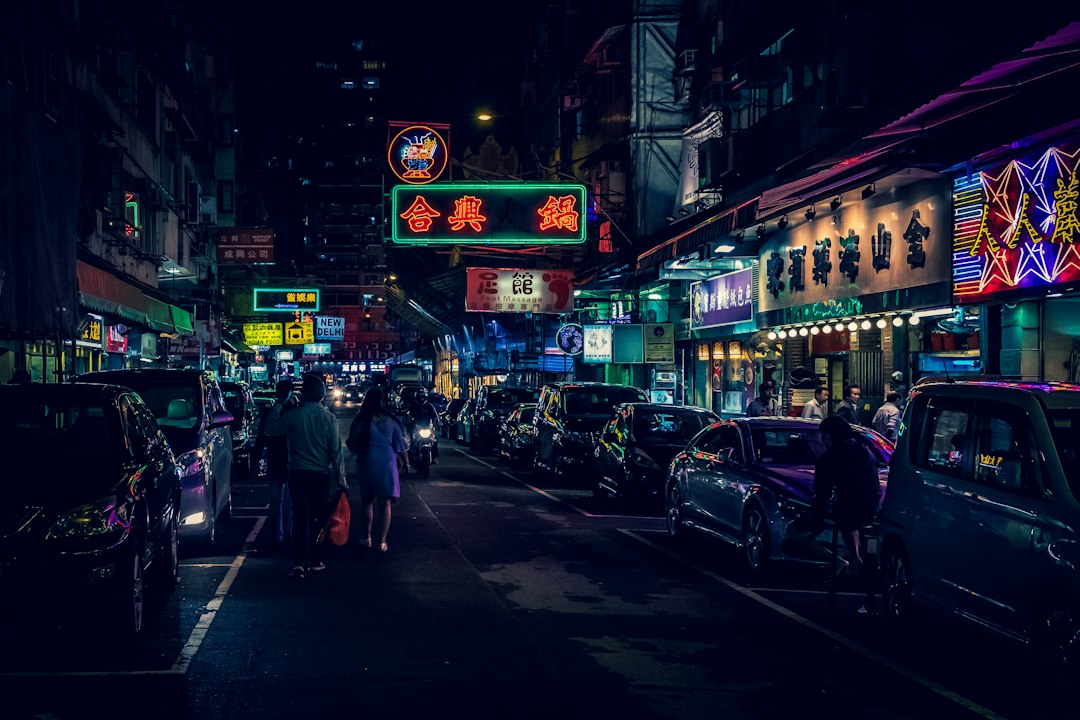
At the northern end, fortune tellers and Cantonese opera performers occasionally set up, and these are the parts worth seeking. The food stalls — clay pot rice, seafood, congee — are functional and cheap, and eating at a plastic table on the pavement while the market traffic flows past is one of the more honest ways to spend an evening in Hong Kong. This is not a sanitised experience. It smells of cooking oil and drains, and that is entirely correct.
Insider tip
Bargaining is expected but should be done without aggression. A reasonable opening counter-offer is roughly 60% of the asking price. Walking away slowly is a legitimate negotiating tactic and often results in a revised offer before you've gone three steps.
Zaha Hadid: Innovation Tower (Jockey Club Tower) — architecture as argument
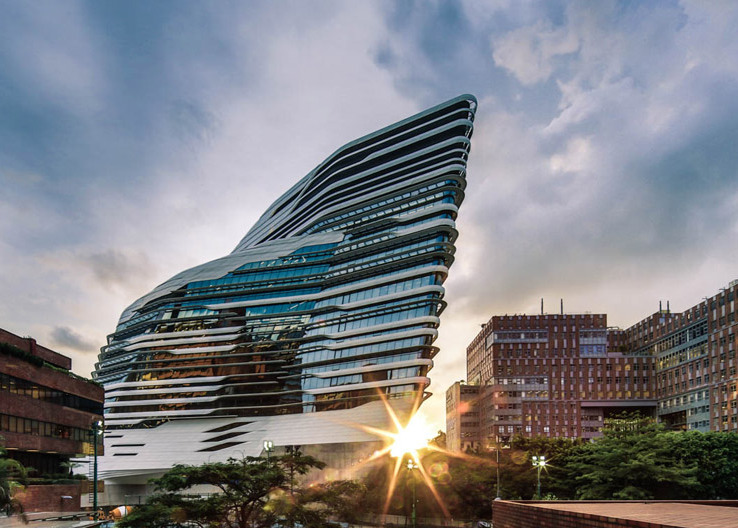
Hung Hom is not Central, and the journey requires either the MTR or a taxi. This is worth acknowledging: the building is a detour, and detours require justification. The justification here is that the Innovation Tower is one of the most formally ambitious buildings in a city that has no shortage of architectural ambition, and seeing it in the context of a working university — students moving through the spaces Hadid designed for movement — is more interesting than seeing it in photographs, where it looks merely dramatic.
Insider tip
The building is accessible during university hours and the ground-floor public areas can be entered without any formal arrangement. The interior is as spatially disorienting as the exterior suggests it will be, and that is a compliment.
Central is a district that resists the kind of conclusion travel writing usually reaches for. It doesn't resolve into a thesis. You cannot summarise it as 'a city of contrasts' without feeling immediately embarrassed by the phrase, and yet the contrasts are genuinely there and genuinely unresolved — colonial architecture and mainland Chinese political symbolism sharing the same harbour view, a nineteenth-century temple two minutes from a contemporary art gallery, a night market where you can buy a fake watch and a bowl of congee within the same fifty metres.
What I've come to think, after four years and many returns, is that Central rewards a particular kind of attention — not the attention of the person who wants to understand Hong Kong quickly, but the attention of the person who is willing to not understand it for a while, to sit with the dissonance and let it accumulate. The city is doing several things simultaneously and has been for a long time. The best you can do as a visitor is to show up without too firm a set of expectations, accept that some things will be crowded and some will disappoint and some will be genuinely unlike anything else, and pay attention to the details that don't make it into the photographs. Those are usually the ones worth keeping.
What I've come to think, after four years and many returns, is that Central rewards a particular kind of attention — not the attention of the person who wants to understand Hong Kong quickly, but the attention of the person who is willing to not understand it for a while, to sit with the dissonance and let it accumulate. The city is doing several things simultaneously and has been for a long time. The best you can do as a visitor is to show up without too firm a set of expectations, accept that some things will be crowded and some will disappoint and some will be genuinely unlike anything else, and pay attention to the details that don't make it into the photographs. Those are usually the ones worth keeping.


