Singapore's Chinatown was never purely Chinese, which is perhaps the first thing worth understanding. When Raffles parcelled out the island's land by ethnicity in 1822, the area south of the Singapore River was assigned to the Chinese community, but it absorbed Malay, Indian, and later Peranakan influences with the unselfconscious pragmatism that defines this city-state. The shophouses along Tanjong Pagar and Keong Saik roads are architectural evidence of that layering — each one a small argument between Chinese merchant taste, British colonial ordinance, and whatever the owner could actually afford.
What follows is not a list of the things you will find on every travel aggregator. It is, I hope, something closer to a reading of the neighbourhood — its temples and food halls, its colonial-era buildings and the parks where the city occasionally pauses to breathe. Some of these places will disappoint you in specific, interesting ways. That, too, is part of the experience.
At a glance
- Scopri il Fascino del Sri Mariamman Temple a Singapore: the oldest Hindu temple in a Chinese neighbourhood
- Scopri il Buddha Tooth Relic Temple di Singapore: four floors of devotion and a roof garden that most visitors miss
- Chinatown Complex: Un Viaggio Sensoriale a Singapore — the hawker centre that functions as a social institution
- Come visitare Chinatown Singapore con Secret World: reading the neighbourhood through its back streets
- Chinatown in Singapore: the shophouse as a document
- Scoprire l'Asian Civilisations Museum di Singapore: the river's other story
- Scopri il Fullerton Building di Singapore: a post office that became a hotel and stayed interesting
- Scopri il Fascino di Fort Canning Park a Singapore: the hill that predates the colony
- Scoprire il Merlion Park: il cuore di Singapore — what the symbol actually tells you
- SkyPark Observation Deck: Panorami da Sogno a Singapore — the city from 200 metres, without the casino
Scopri il Fascino del Sri Mariamman Temple a Singapore: the oldest Hindu temple in a Chinese neighbourhood
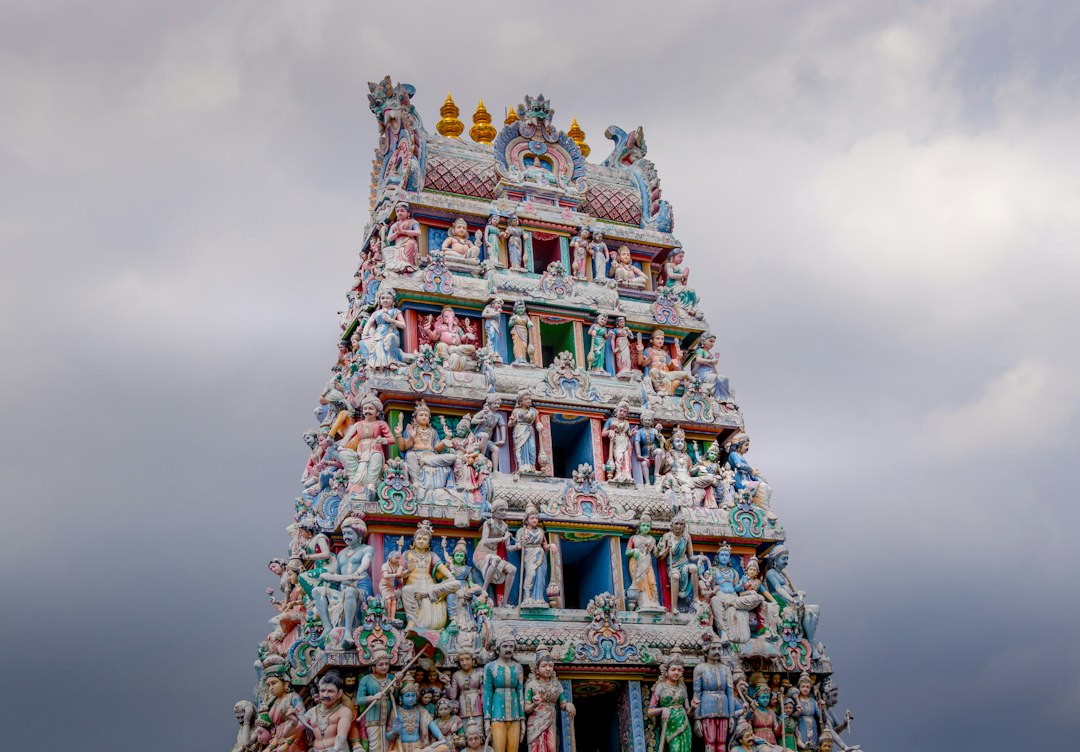
The interior is working religious space, not a museum. Shoes off at the entrance. Fridays draw the largest congregations, and the air inside carries coconut oil, camphor, and something harder to name — the accumulated weight of daily devotion across two centuries. The Thaipusam procession, which passes through this area, transforms the surrounding streets in ways that no amount of prior reading quite prepares you for.
Insider tip
Visit on a weekday morning before 10am if you want to observe the rituals without the weekend crowd. The priests conduct puja at regular intervals and will generally acknowledge respectful observers.
Scopri il Buddha Tooth Relic Temple di Singapore: four floors of devotion and a roof garden that most visitors miss

The ground floor museum is thorough and well-labelled in English. The rooftop garden on the fourth floor, where a ten-thousand Buddha prayer wheel turns slowly in whatever wind finds its way up from the street, is where most visitors fail to arrive. The garden is quiet in a way that the street below categorically is not.
Insider tip
Dress conservatively — sarongs are available at the entrance if you've misjudged the weather and arrived in shorts. The museum on the lower floors is free and worth an hour of careful attention.
Chinatown Complex: Un Viaggio Sensoriale a Singapore — the hawker centre that functions as a social institution
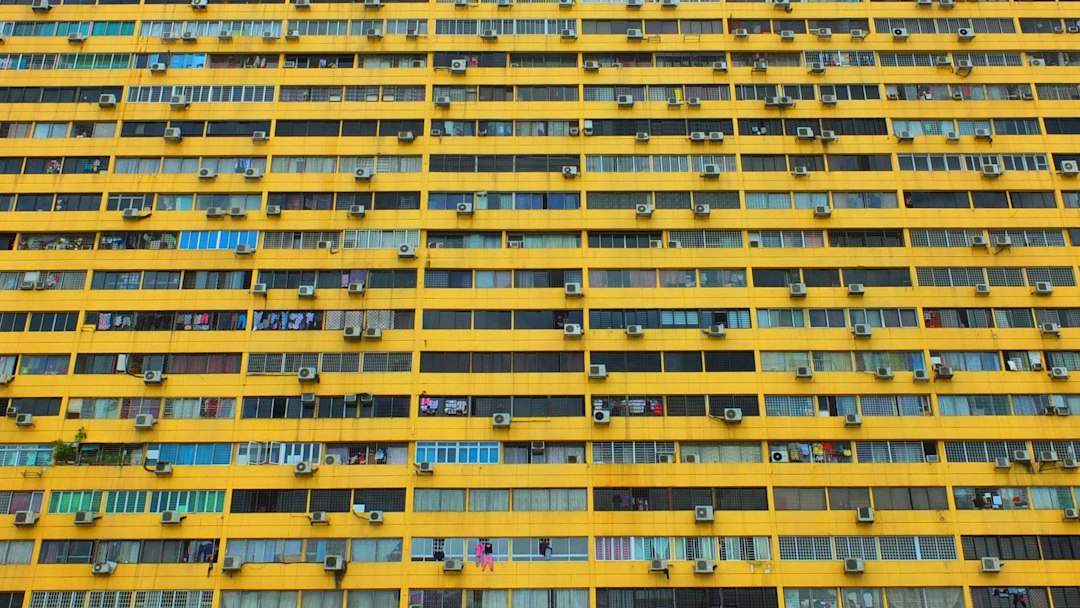
Loh Hiong, which has been selling lor mee from the same stall for decades, draws a queue that begins forming before most visitors have had breakfast. The complex is not air-conditioned, the seating is communal and occasionally contested, and the floor gets wet. These are not complaints. They are the conditions under which the food makes sense.
Insider tip
Arrive before noon or after 2pm to avoid the worst of the lunch rush. The wet market on the ground floor is worth a walk-through even if you are not buying — the variety of produce is a kind of education in regional Chinese cooking.
Come visitare Chinatown Singapore con Secret World: reading the neighbourhood through its back streets
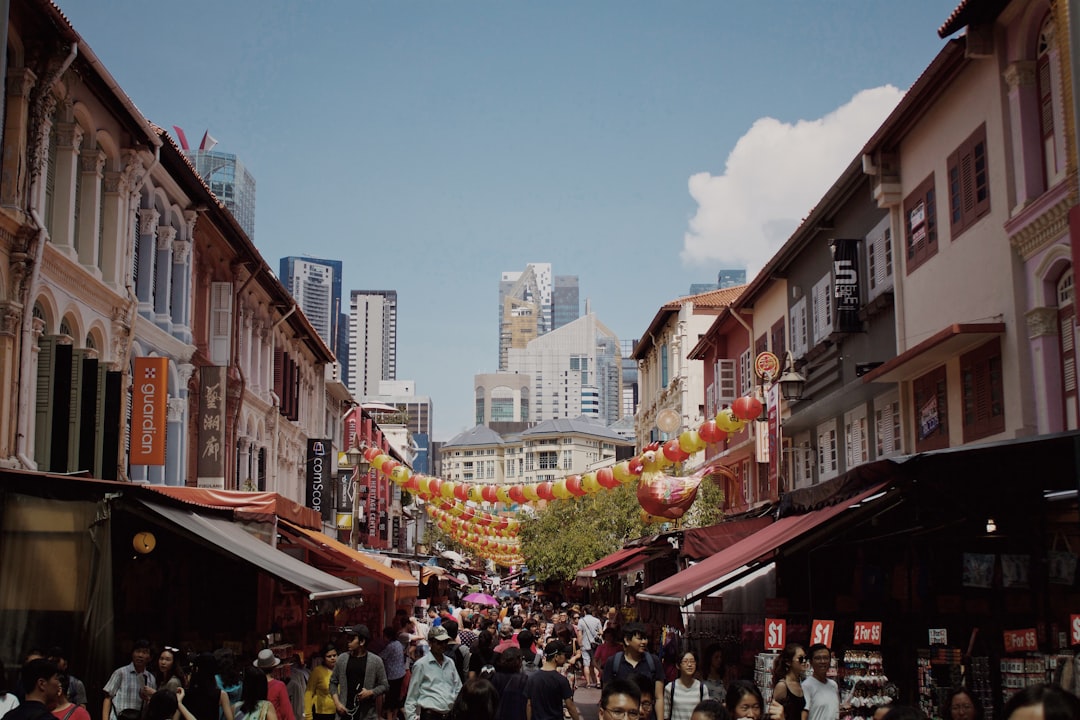
A guided walk with an operator like Secret World, which specialises in the social and architectural history of the area rather than its photogenic surface, reorients your attention in ways that are difficult to achieve independently. The guides tend to know which shophouse was a brothel, which one housed a secret society meeting room, and which one's current tenant has no idea what happened in the building before they arrived.
Insider tip
Book the morning walk rather than the evening one — the light is better and the streets are quieter, which means you can actually hear what your guide is telling you.
Chinatown in Singapore: the shophouse as a document

The neighbourhood's history as a centre of clan associations, secret societies, and dialect-group networks is less visible but worth pursuing. The Chinatown Heritage Centre on Pagoda Street — which is not on this list but exists — does a reasonable job of narrating it. What the centre cannot replicate is the experience of standing in an alley at dusk when the incense smoke from a nearby temple drifts through and the century briefly collapses.
Insider tip
The free Heritage Trail map available at the Singapore Tourism Board office on Orchard Road is more useful than it looks. The numbered plaques on buildings along the trail correspond to it.
Scoprire l'Asian Civilisations Museum di Singapore: the river's other story

It is about a kilometre from the centre of Chinatown, which means it requires a deliberate decision to visit rather than an accidental one. Make the decision. The walk along the river from Chinatown to Empress Place is one of the better short walks in the city — the contrast between the restored shophouses of Boat Quay and the colonial-era civic buildings on the north bank is the city's history made spatial.
Insider tip
The museum is closed on Mondays. Friday evenings have extended hours and are significantly less crowded than weekend afternoons. The Tang Shipwreck gallery, displaying cargo from a ninth-century vessel, is the anchor of the collection.
Scopri il Fullerton Building di Singapore: a post office that became a hotel and stayed interesting

You do not need to be a hotel guest to walk through the lobby, have a drink at the Post Bar, or stand on the riverside terrace and look back at the city. The terrace view — the Singapore River in the foreground, the financial district towers behind — is a compressed version of the city's entire economic narrative from trading port to global financial centre.
Insider tip
The Fullerton is about a kilometre from the Chinatown MRT, easily walkable along the river. The Post Bar is expensive by Singapore standards but not absurdly so, and the bartenders are knowledgeable about the building's history.
Scopri il Fascino di Fort Canning Park a Singapore: the hill that predates the colony
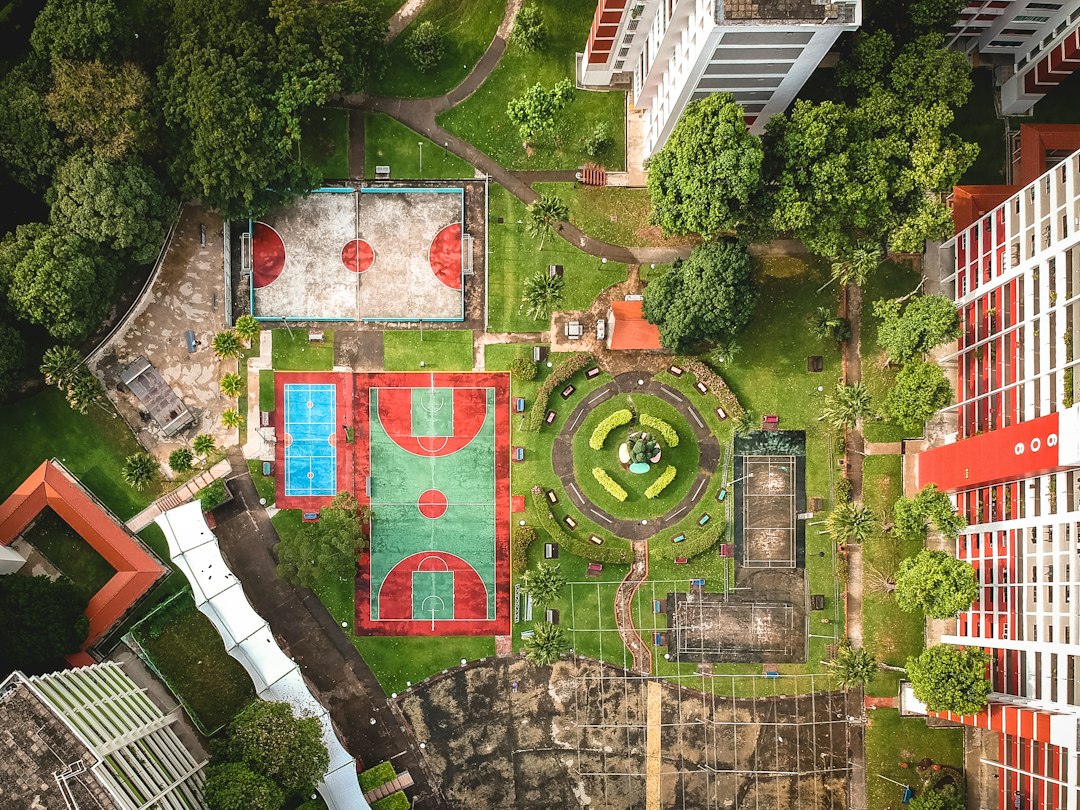
The park is best approached on foot from the Clarke Quay area, which gives you the climb and the gradual transition from urban noise to something quieter. The Spice Garden, a reconstruction of Raffles' original experimental garden, is modest but worth finding. The underground Battlebox — the British command centre from which the 1942 surrender was coordinated — requires a separate ticket and is one of the more sobering hours you can spend in Singapore.
Insider tip
The park is significantly less crowded on weekday mornings. The Gothic Gate on Canning Rise is the most atmospheric entrance and the one most visitors walk past without noticing.
Scoprire il Merlion Park: il cuore di Singapore — what the symbol actually tells you
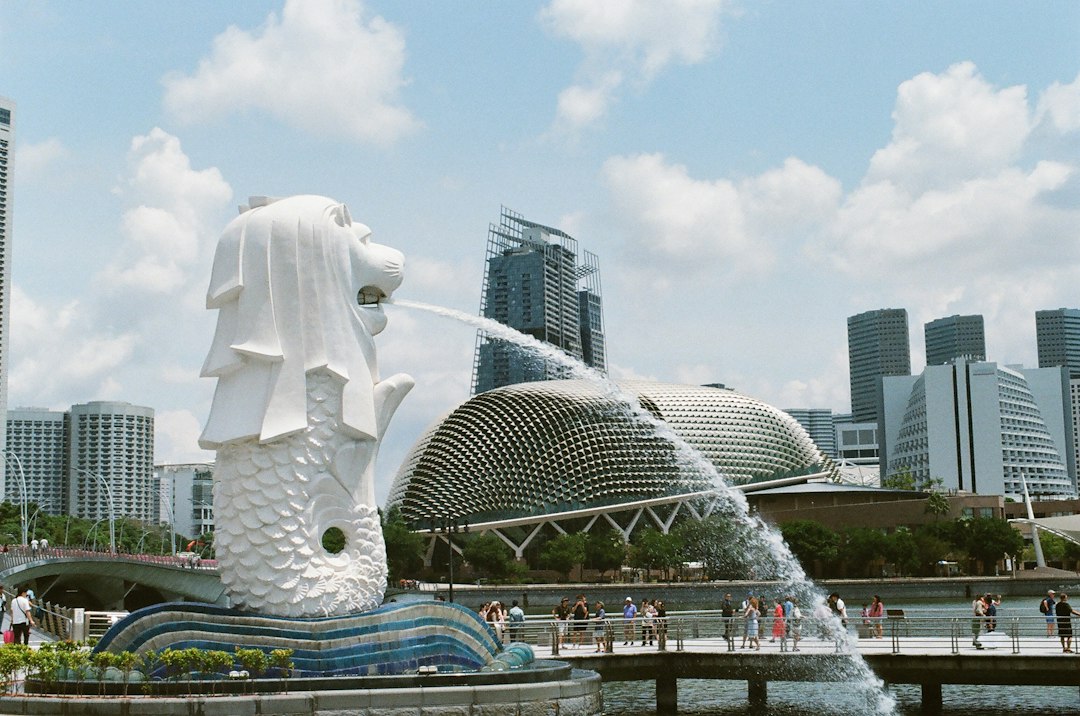
But the Merlion is worth taking seriously as an object. It is a civic symbol invented wholesale, with no historical precedent, by a tourism board in the early 1970s, and it has since become genuinely embedded in the city's self-image. That trajectory — from marketing invention to cultural fact — is itself a very Singaporean story. Stand with your back to the statue and look at the Marina Bay skyline instead. The view is more interesting than the statue, and the statue is more interesting than it appears.
Insider tip
Early morning — before 8am — the park is nearly empty and the light on the water is good. The evening crowds are substantial and the selfie congestion around the statue can be genuinely difficult to navigate.
SkyPark Observation Deck: Panorami da Sogno a Singapore — the city from 200 metres, without the casino
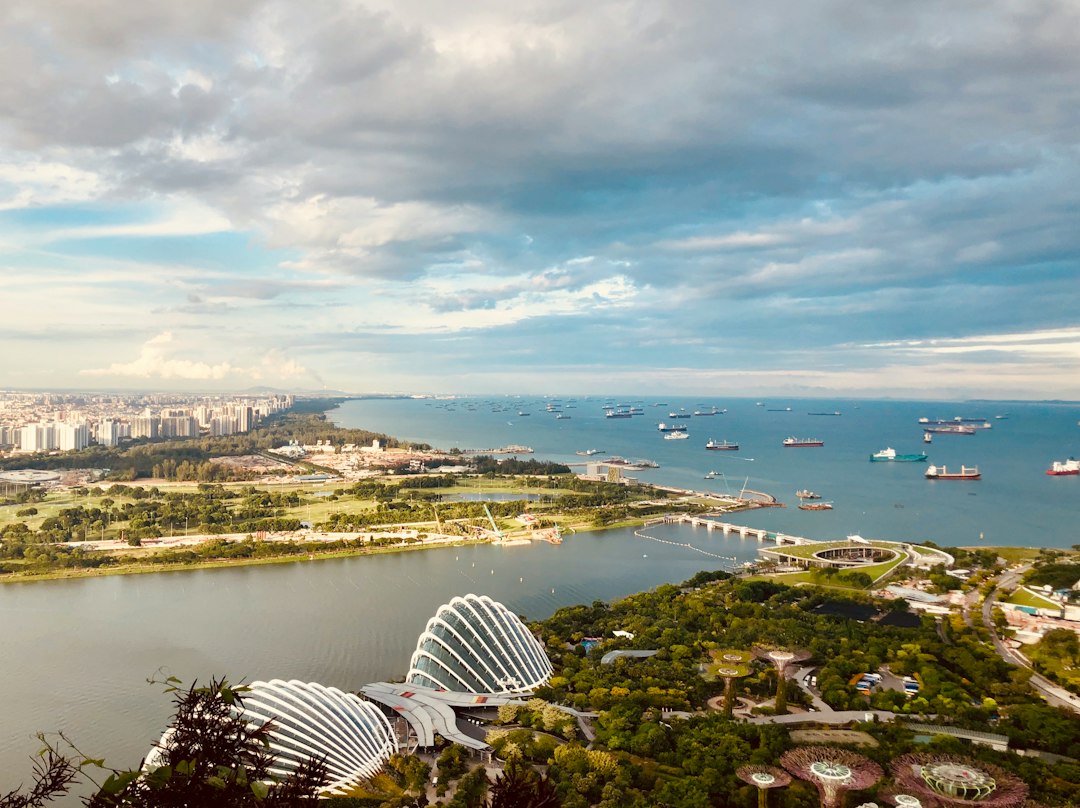
From up here, Chinatown is visible as a low-rise cluster of terracotta rooftops compressed between the financial district towers and the expressway. The scale of Singapore's land reclamation is also apparent — the southern coastline is almost entirely artificial. The entry fee is not negligible, the queues on weekends can be long, and the deck itself is smaller than most photographs suggest. None of this makes the view less worth having.
Insider tip
Book tickets online in advance, particularly for weekends. The last entry slot of the day often has shorter queues and the transition from daylight to the city's illuminated night skyline, if you time it right, is worth the planning.
There is a version of Chinatown that Singapore has packaged for export — the lanterns, the bak kwa shops, the heritage trail plaques — and it is not dishonest exactly, just selective. The neighbourhood's actual character is more compressed and more contradictory: a place where a Tamil Hindu temple has stood for two centuries in a Chinese quarter, where a wet market operates at 5am beneath a hawker centre that will be full of tourists by noon, where the shophouses have been so carefully restored that they sometimes look like a film set of themselves.
What I keep returning to is the way the neighbourhood absorbs contradiction without resolving it. The old men playing chess in the small park off Smith Street are not performing tradition for anyone. The incense smoke from the Sri Mariamman Temple drifts across a street where someone is selling bubble tea. These things coexist without needing to be reconciled, which is perhaps the most honest thing you can say about Singapore as a whole.
Come with some tolerance for the commercial surface and some patience for what lies beneath it. The neighbourhood will not reveal itself on a single afternoon, but it will give you enough on the first visit to make a second one feel necessary.
What I keep returning to is the way the neighbourhood absorbs contradiction without resolving it. The old men playing chess in the small park off Smith Street are not performing tradition for anyone. The incense smoke from the Sri Mariamman Temple drifts across a street where someone is selling bubble tea. These things coexist without needing to be reconciled, which is perhaps the most honest thing you can say about Singapore as a whole.
Come with some tolerance for the commercial surface and some patience for what lies beneath it. The neighbourhood will not reveal itself on a single afternoon, but it will give you enough on the first visit to make a second one feel necessary.


