The forgetting doesn't last. It never does. Coloane is not a pristine colonial relic or an undiscovered backwater. It has a panda pavilion that draws tour buses before nine in the morning. It has a beach whose black sand — volcanic in origin, not in marketing — disappoints people who arrive expecting the Algarve. It has a village square with a church and a bakery that has been written about so many times that the writing has become its own kind of noise. None of that is reason to stay away. It is simply reason to arrive with calibrated expectations and a willingness to look slightly to the side of wherever the crowd is looking.
What follows is not a list of the most famous things in Coloane. It is a list of the things that, after extended acquaintance, I still find worth doing — some of them in Coloane proper, some in the wider Macau that you will inevitably end up navigating. I have tried to be honest about what works and what doesn't. I have failed, probably, in places. That is the nature of the exercise.
At a glance
- Mandarin's House: architecture as autobiography
- Scopri la Casa di Lou Kau a Macao: the other merchant's house
- Largo do Lilau: Il Cuore di Macao — the square that predates the myth
- Scopri il Tempio di A-Ma: Luce e Spiritualità a Macao — the city's oldest argument
- Macau | The Statue of Guan Yin: scale as theology
- Macau Giant Panda Pavilion: charisma as conservation problem
- Scopri Hac Sa Beach: Il Tesoro Nascosto di Macao — the beach that doesn't apologise
- Lou Lim Ieoc Garden: the nine-turn bridge and the logic of evil
- Macau Tower: vertigo as a service
- Scoprire Vila da Taipa: il Cuore Verde di Macao — the village that held on
Mandarin's House: architecture as autobiography
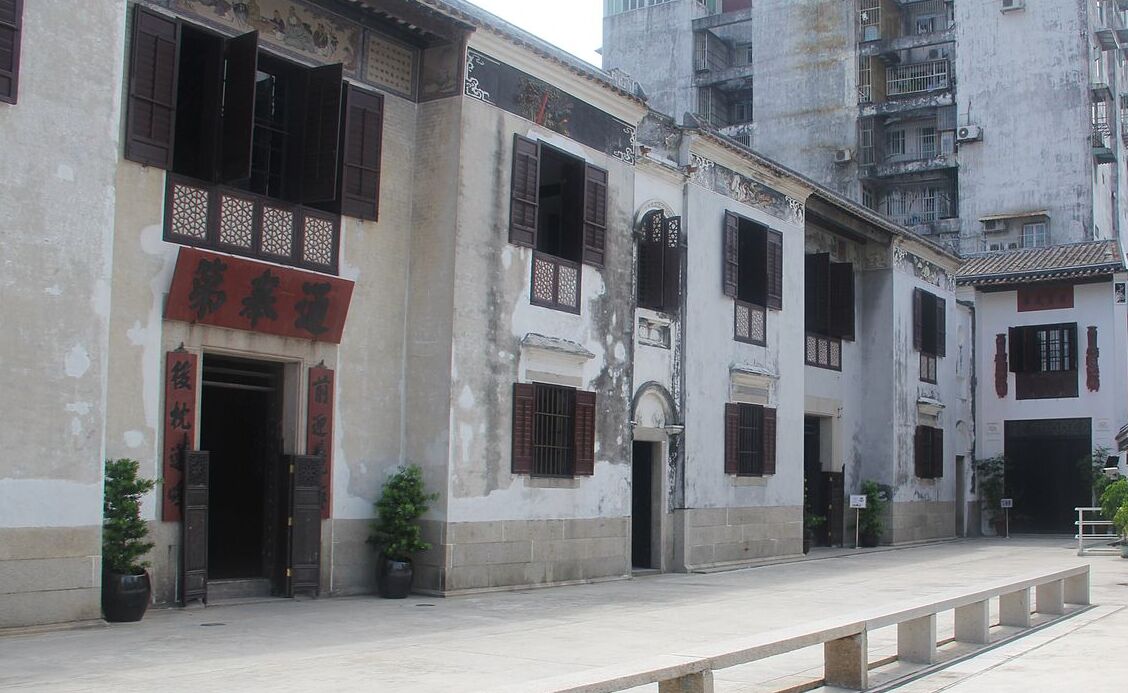
The rooms are largely unfurnished now, which is either a loss or a gift depending on your tolerance for interpretive placards. I find the emptiness useful. It lets the proportions speak. The main hall has a ceiling height that seems impractical and is therefore probably deliberate — the scale of a man who wanted to be taken seriously. Come on a weekday morning, when the tour groups are still at the casinos.
Insider tip
The rear courtyard, past the ancestral hall, receives almost no visitors and has a quality of light in the late afternoon that the front rooms don't. There is a stone bench there. Sit on it.
Scopri la Casa di Lou Kau a Macao: the other merchant's house
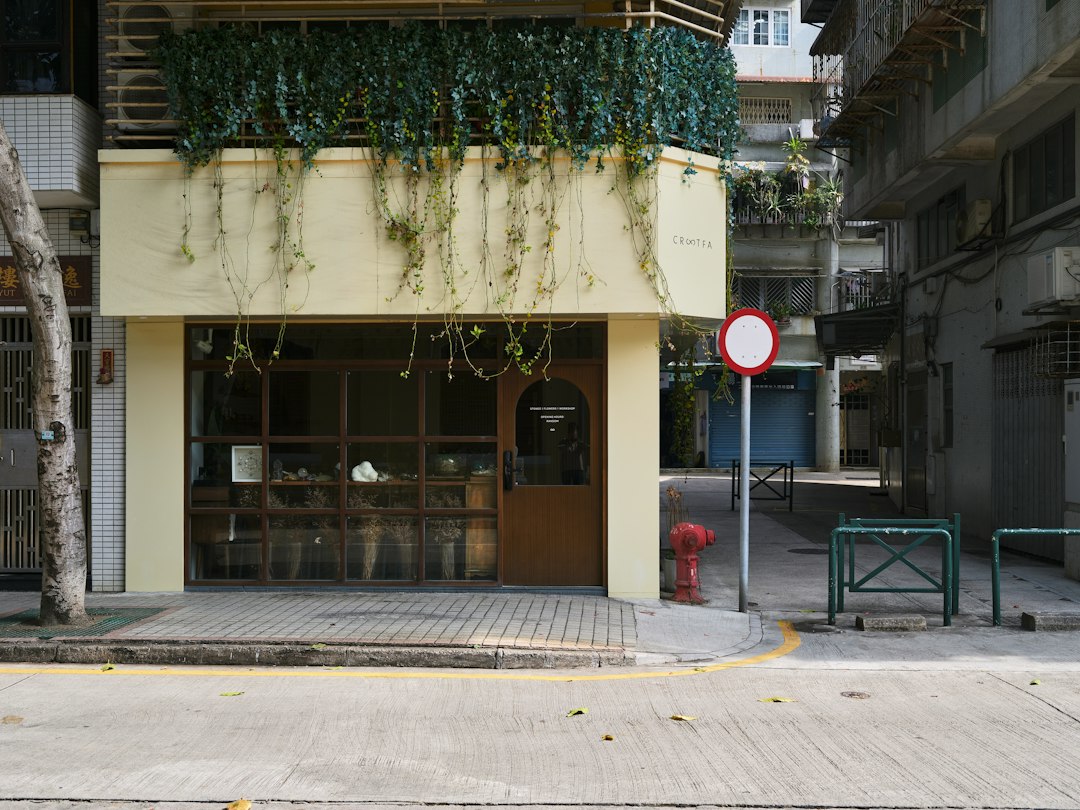
The decorative plasterwork on the façade does the thing that good decorative plasterwork does: it rewards sustained looking. Floral motifs from two traditions sit alongside each other without resolving into synthesis. The building does not pretend the cultures merged. It simply shows them sharing a wall, which is closer to the truth of Macau than most official narratives allow.
Insider tip
The house is free to enter and consequently easy to walk past without stopping. The entrance is narrow and easy to miss; look for the Heritage House signage rather than the building number.
Largo do Lilau: Il Cuore di Macao — the square that predates the myth
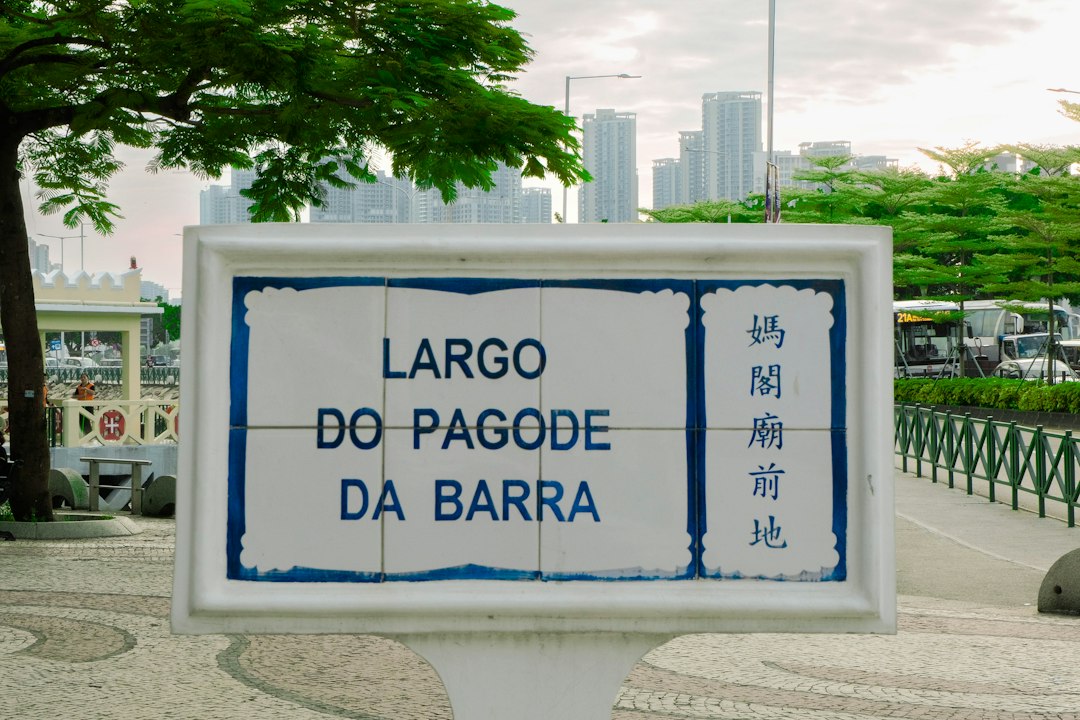
The square is worth visiting not for any single element but for the way it holds the neighbourhood together. The streets radiating outward from it still have the grain of the old city — narrow, slightly damp, occasionally fragrant in ways that defy description.
Insider tip
The square is at its most useful as a starting point for a walk through São Lourenço rather than as a destination in itself. Head uphill toward the Igreja de São Lourenço and keep walking.
Scopri il Tempio di A-Ma: Luce e Spiritualità a Macao — the city's oldest argument
The complex climbs the hillside in a series of pavilions dedicated to different deities, connected by stone paths worn smooth by centuries of foot traffic. Incense smoke moves through the space in ways that make photography feel beside the point. The best time to visit is early morning on a weekday, before the tour groups and before the heat.
Insider tip
The uppermost pavilion, dedicated to Tin Hau, has a view of the Inner Harbour that most visitors never see because they turn around at the middle level. The climb takes about ten minutes and is worth every step.
Macau | The Statue of Guan Yin: scale as theology
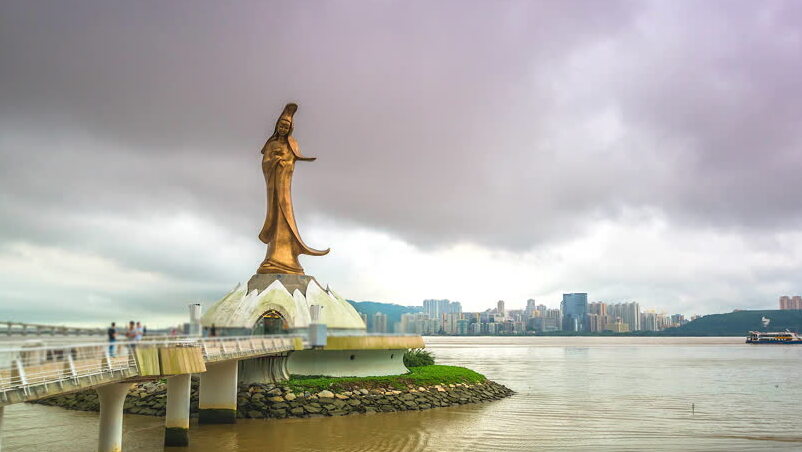
What the statue does well is scale. Standing at its base and looking up produces a different relationship to the surrounding skyline than you get from street level — the casino towers recede slightly, the water becomes more present, and the whole arrangement of the city briefly makes a different kind of sense. It is worth the detour even if religious iconography is not your particular interest.
Insider tip
The garden around the base is open and relatively uncrowded in the early evening, when the light on the bronze changes from flat to warm. The promenade nearby is a reasonable place to walk afterward.
Macau Giant Panda Pavilion: charisma as conservation problem
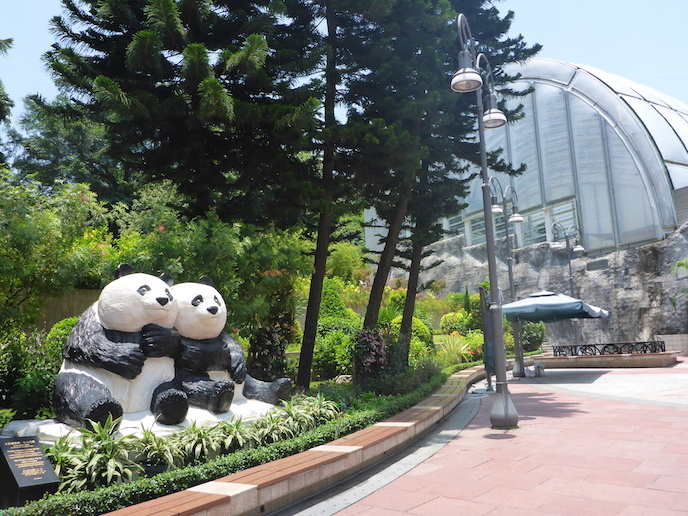
Giant pandas are, as a species, extraordinarily good at generating affection while doing very little. The Macau residents are no exception. What the pavilion does that many panda facilities don't is allow for a relatively unhurried visit — the crowds are real, especially on weekends and public holidays, but the space is designed with enough circulation that you can usually find a moment of something approaching stillness. The conservation messaging is present but not overwhelming.
Insider tip
Arrive when the park opens, before the tour buses. The pandas tend to be more active in the morning before the heat of the day settles in, and the walkways are navigable without the usual compression of bodies.
Scopri Hac Sa Beach: Il Tesoro Nascosto di Macao — the beach that doesn't apologise
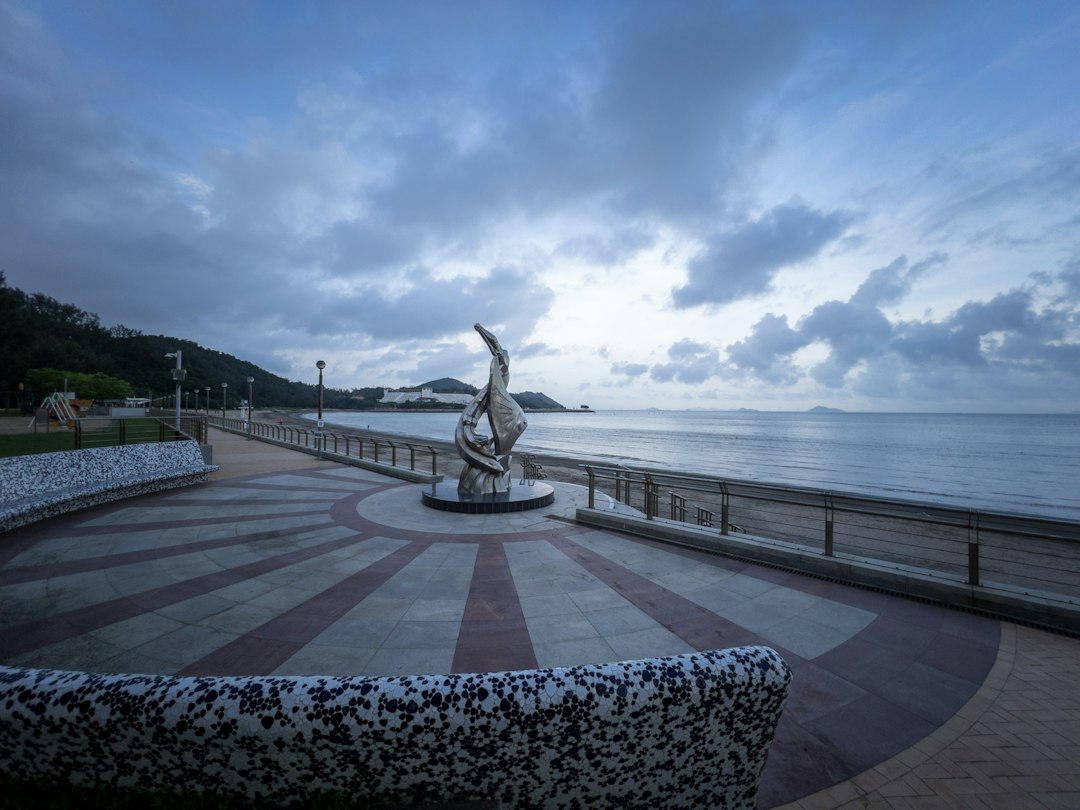
The beach is about 1.5 kilometres long and backed by a park with barbecue facilities that fill up entirely on weekend evenings with local families, which is the best version of the place. The swimming is possible but not the point. The point is the walk along the waterline at low tide, when the sand is firm and the city feels genuinely distant, and the hills of Guangdong Province are visible across the water like a rumour of somewhere else.
Insider tip
The beach is at its least crowded on weekday mornings in autumn, when the humidity drops and the light is clean. The restaurant at the northern end of the beach has been there for decades and serves a reliable pork chop bun.
Lou Lim Ieoc Garden: the nine-turn bridge and the logic of evil

The garden is small enough to walk through in twenty minutes and large enough to spend an hour in if you are paying attention. Old men play Chinese chess near the entrance in the mornings. Students from the nearby schools use the benches at lunchtime. The garden absorbs all of this without effort, which is what good public green space does.
Insider tip
The garden hosts occasional performances of traditional Chinese music on weekend mornings. There is no reliable schedule posted online; the best approach is to arrive early and see what is happening.
Macau Tower: vertigo as a service

The bungee jump and skywalk operations are real and apparently popular, though I have not personally tested either. The indoor observation deck is the more defensible option for most visitors — the views are clear on a good day and the crowds, while present, are manageable on weekday afternoons. The tower restaurant is expensive and unremarkable; eat elsewhere.
Insider tip
The view is significantly better in autumn and winter, when the Pearl River Delta's notorious haze lifts. In summer, you may be looking at a wall of white air with towers emerging from it like suggestions.
Scoprire Vila da Taipa: il Cuore Verde di Macao — the village that held on
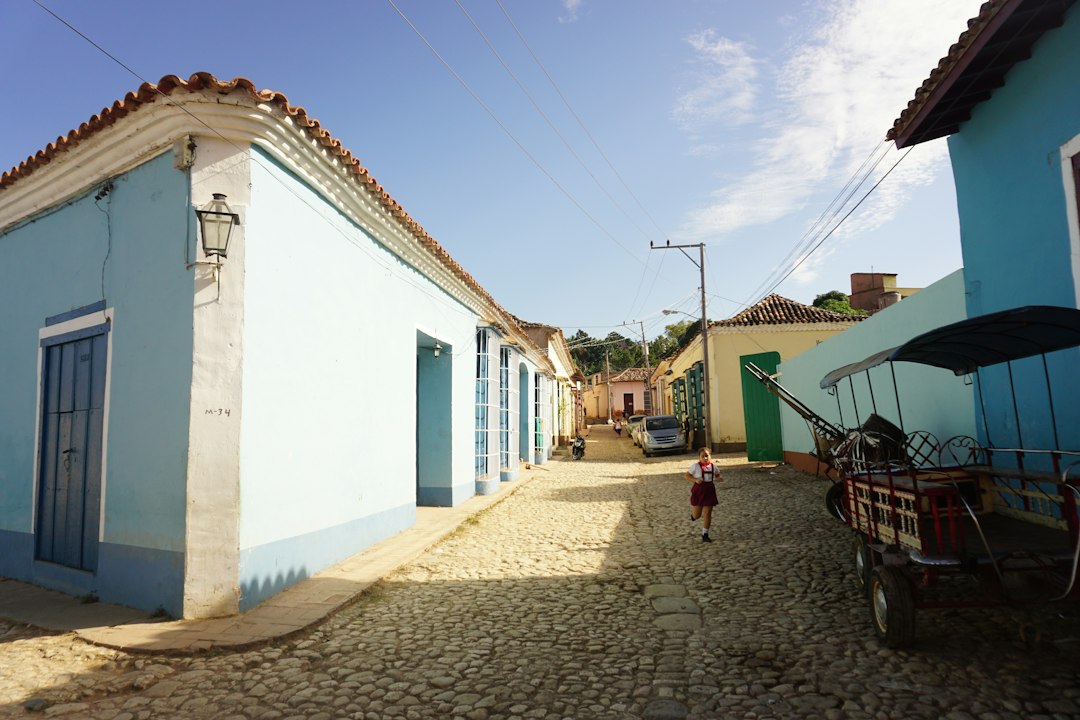
The Taipa Houses Museum, a row of five colonial villas converted into period rooms, is more interesting than it sounds. The domestic scale of the interiors — the furniture, the kitchen equipment, the children's toys — does what grand monuments cannot: it makes the past feel inhabited rather than curated.
Insider tip
Walk the back streets behind Rua do Cunha in the early evening, when residents are outside and the neighbourhood is operating as a neighbourhood rather than as an attraction. The contrast with the main street is instructive.
There is a particular quality of light in Coloane in the late afternoon of a clear autumn day — the kind of light that makes the painted walls of the village look like they were designed for it, which perhaps they were. I have stood in that light more times than I can count, and I am still not sure what Coloane is trying to be. A refuge from the casino city that surrounds it? A museum of a Macau that no longer fully exists? A functioning community that happens to have been aestheticised by decades of heritage designation?
Probably all three, in proportions that shift depending on the day and the visitor. The honest thing to say about Coloane — and about the wider Macau that this list has inevitably spilled into — is that it rewards a particular kind of attention: slow, lateral, willing to be wrong about what it finds. The tour buses come and go. The pandas eat their bamboo. The black sand beach receives its waves without apology.
The city has been absorbing outside interpretations for five hundred years. It is not going to be destabilised by yours. Go, look carefully, and resist the urge to resolve what you see into a single coherent story. Macau has never been that, and Coloane least of all.
Probably all three, in proportions that shift depending on the day and the visitor. The honest thing to say about Coloane — and about the wider Macau that this list has inevitably spilled into — is that it rewards a particular kind of attention: slow, lateral, willing to be wrong about what it finds. The tour buses come and go. The pandas eat their bamboo. The black sand beach receives its waves without apology.
The city has been absorbing outside interpretations for five hundred years. It is not going to be destabilised by yours. Go, look carefully, and resist the urge to resolve what you see into a single coherent story. Macau has never been that, and Coloane least of all.


