Katong is where I eventually landed, metaphorically if not literally. The neighbourhood sits on Singapore's eastern flank, a few kilometres from the CBD, and it has the particular quality of a place that was almost gentrified, then partially wasn't. Peranakan shophouses in shades of mint and ochre line East Coast Road. Old provision shops survive next to brunch cafés with exposed concrete. The pavements are uneven in places. This is not a complaint.
But this article is not purely about Katong as a postcode. Singapore is a city-state of 733 square kilometres, and the places that matter to an honest account of living here do not confine themselves to one district. What follows is a list of ten destinations — some close to Katong, some requiring a twenty-minute MRT ride — that I have found genuinely worth the effort. Not all of them will reward every visitor. Some have queues that will test your patience. One or two are slightly overpriced. I have tried to say so. What I have not done is pretend that Singapore is a city best understood from the deck of a tourist bus. It isn't. It rewards the walker, the eater, the person willing to sit in a slightly damp garden at dusk and watch the city reorganise itself around the light.
At a glance
- Singapore: Malay Heritage Centre (MHC): the palace that became a museum and never quite forgot what it was
- Scopri il Fullerton Building di Singapore: a building that has been more things than most people have careers
- Scopri Haji Lane: Un Angolo di Singapore tra Storia e Arte — a street that is simultaneously a cliché and the real thing
- Scopri il Tempio Sri Veeramakaliamman a Singapore: a working temple in a neighbourhood that is still, actually, working
- Gear-Patrol: One of the largest garden in the world — a project so large it requires a certain suspension of disbelief
- Cloud Forest Singapore: arte e natura a 35 metri d'altezza — a mountain that shouldn't work and mostly does
- SkyPark Observation Deck: Panorami da Sogno a Singapore — a view that earns its reputation and its price
- Lau Pa Sat: Un Viaggio nei Sapori di Singapore — a Victorian iron market that has been repurposed into something worth eating in
Singapore: Malay Heritage Centre (MHC): the palace that became a museum and never quite forgot what it was
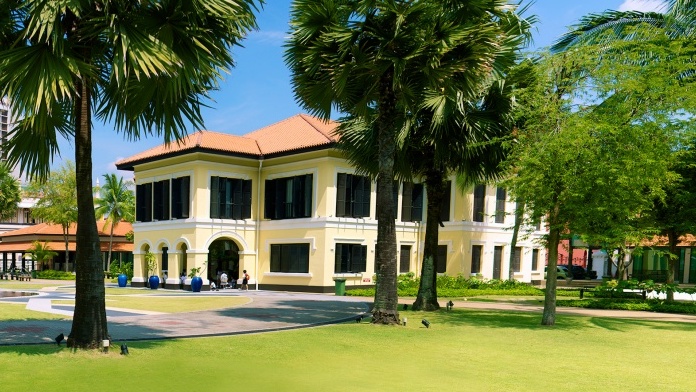
The collection inside — artefacts, murals, multimedia installations — covers Malay culture across the archipelago rather than Singapore alone, which gives it a geographic generosity that the city's other museums sometimes lack. It is not a large museum. Two hours is comfortable; three is indulgent. The gift shop sells batik of variable quality.
Insider tip
Visit on a weekday morning. The Arab Street neighbourhood directly outside is worth at least an hour on foot — the textile shops and the gold-domed Sultan Mosque are worth the detour, and the crowds thin considerably before noon.
Scopri il Fullerton Building di Singapore: a building that has been more things than most people have careers

You do not need to be a guest to walk through the lobby, which is worth doing once for the architecture and the specific quality of cool air that only very old buildings seem to produce. The waterfront promenade outside, running along Boat Quay, is better at 7am than at any other hour — before the tourist boats start their circuits and the selfie sticks come out.
Insider tip
The basement of the Fullerton connects to a small exhibition on the building's postal history that most visitors walk past entirely. It takes fifteen minutes and is free.
Scopri Haji Lane: Un Angolo di Singapore tra Storia e Arte — a street that is simultaneously a cliché and the real thing
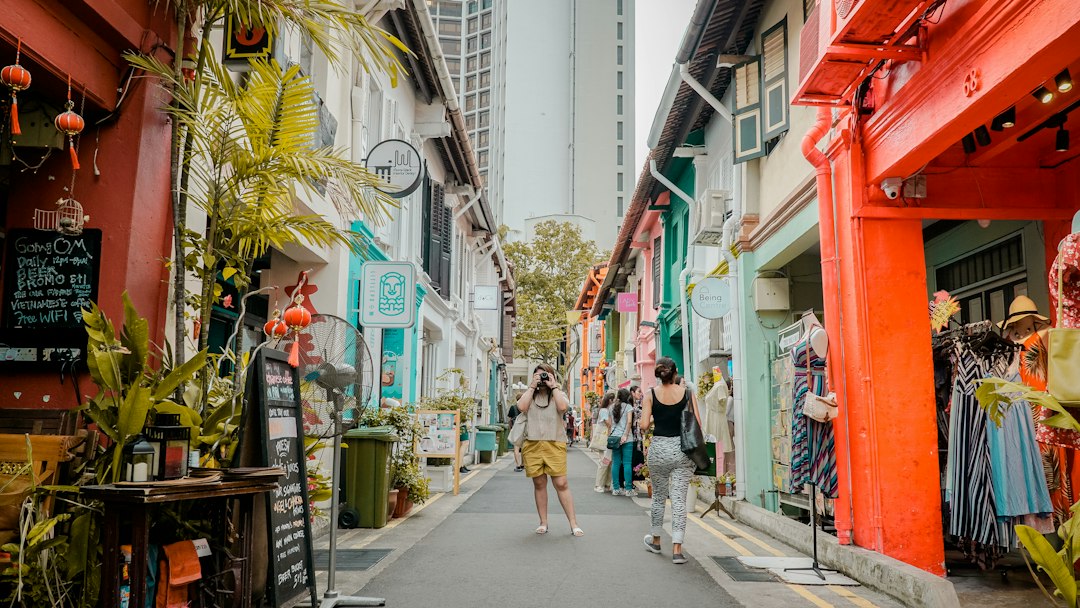
And yet. Come on a Tuesday morning in the off-season, or at around six in the evening when the light drops low and the shopkeepers are pulling down their shutters, and Haji Lane recovers something of its older character — a Malay-Arab quarter that predates the boutique economy by well over a century. The buildings are pre-war shophouses. Some of the businesses inside them have been there for decades. The contrast is worth sitting with.
Insider tip
The lanes perpendicular to Haji Lane — Baghdad Street in particular — have fewer crowds and comparable architecture. Worth ten minutes of wandering before you commit to the main drag.
Scopri il Tempio Sri Veeramakaliamman a Singapore: a working temple in a neighbourhood that is still, actually, working
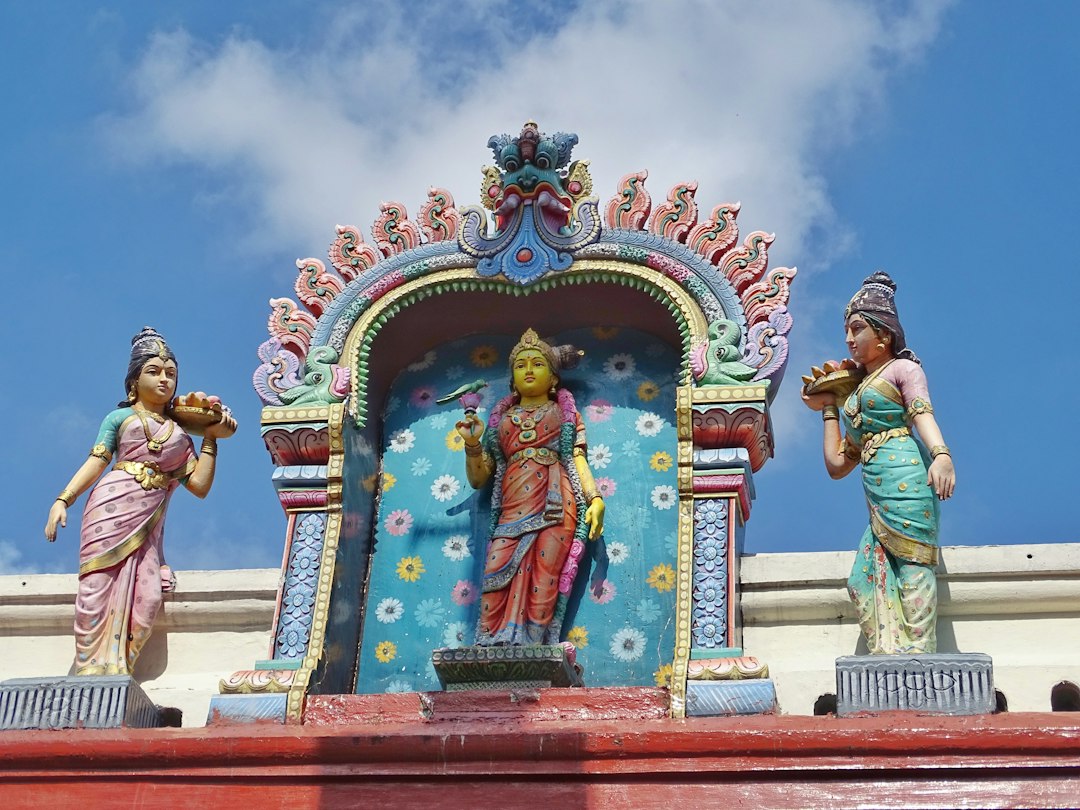
This is an active place of worship, not a heritage attraction with velvet ropes. Devotees come daily; on festival days, the queues extend down the street. Non-Hindu visitors are welcome but expected to remove shoes, dress modestly, and behave with corresponding restraint. The interior smells of incense and marigold. The priests conduct puja at regular intervals. If you arrive during one, stand back and watch quietly.
Insider tip
Photography inside the main sanctum is generally not permitted and the rules are enforced. Leave the camera in your bag and you will have a better visit anyway.
Gear-Patrol: One of the largest garden in the world — a project so large it requires a certain suspension of disbelief
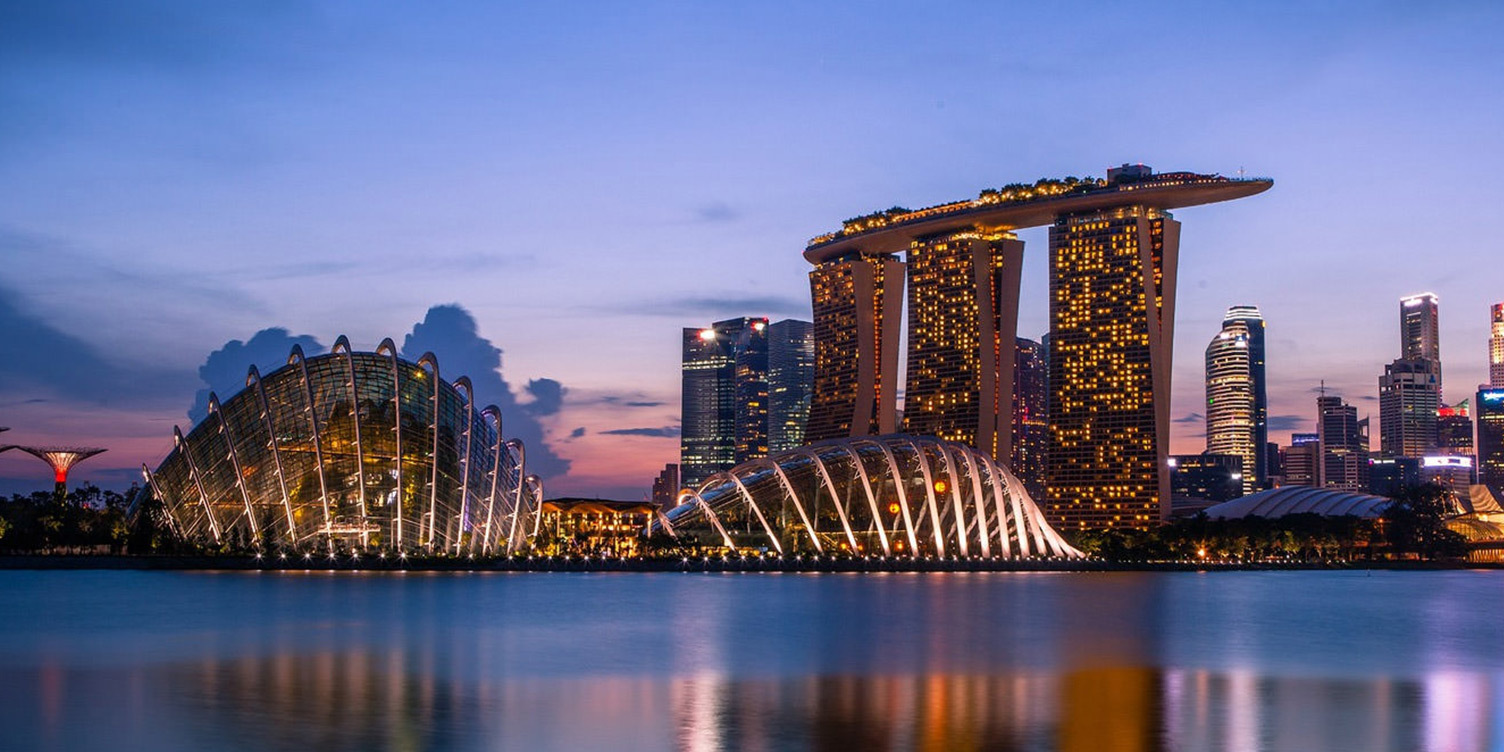
What saves it from pure theme-park logic is the quality of the planting, which is serious horticulture rather than decoration, and the fact that the outdoor gardens are free to enter. The conservatories cost money and have queues. The outdoor areas, particularly in the early morning, have a quality of genuine quietness that the city does not often offer. Joggers use the paths. Older residents do tai chi near the waterfront.
Insider tip
The Supertree Grove's OCBC Skyway — a 128-metre aerial walkway between the trees — is worth the modest fee, but go in the late afternoon rather than at night. The daytime view of the bay is more interesting than the evening light show.
Cloud Forest Singapore: arte e natura a 35 metri d'altezza — a mountain that shouldn't work and mostly does

The aerial walkway that circles the mountain at various heights gives you the unusual experience of looking down into a rainforest canopy rather than up at it. Children find this delightful. Adults find it disorienting in a way that is not unpleasant. Expect crowds on weekends and school holidays; the entrance queue can run to forty minutes.
Insider tip
The exit from Cloud Forest connects directly to the Flower Dome next door. If you have a combined ticket, save the Flower Dome for last — it is calmer and the Mediterranean planting section is the more interesting half.
SkyPark Observation Deck: Panorami da Sogno a Singapore — a view that earns its reputation and its price
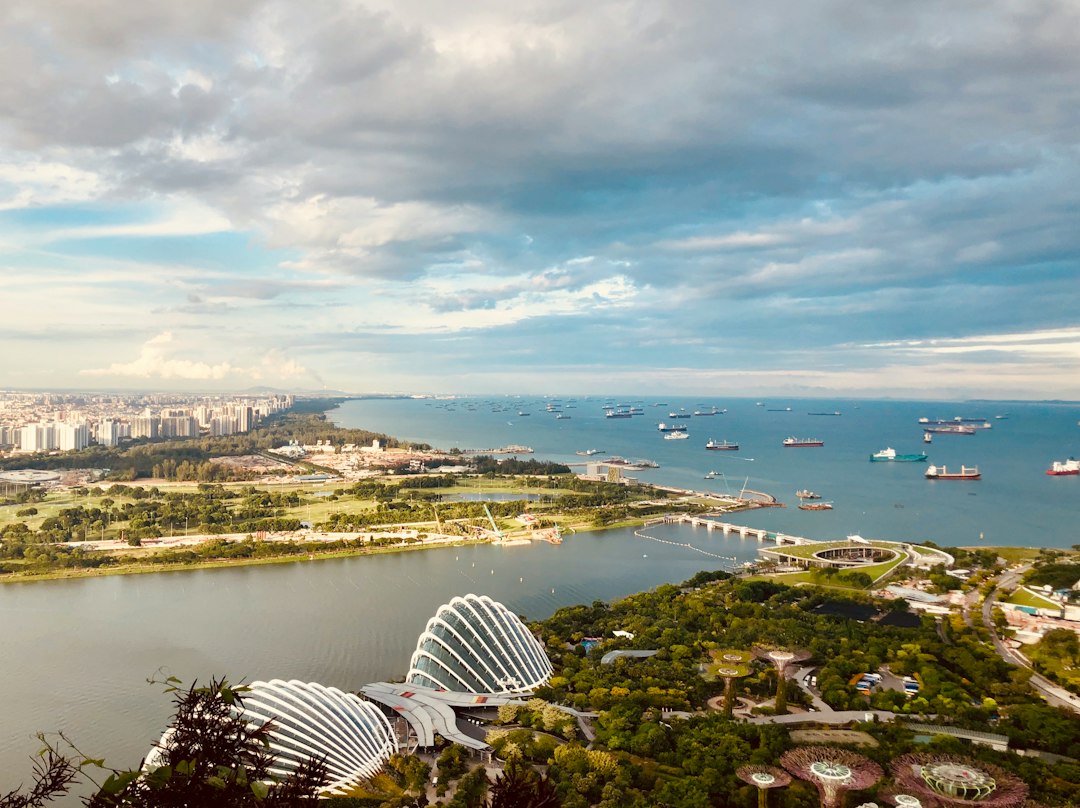
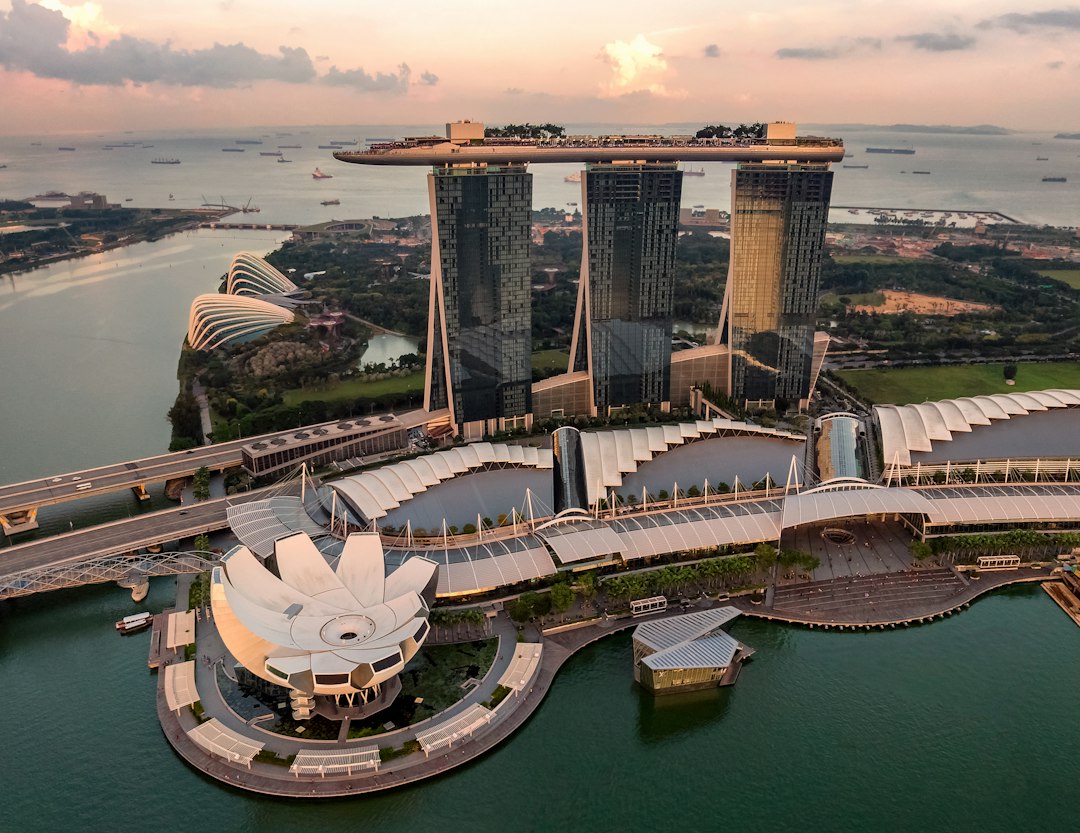
The deck is not cheap. It is also frequently crowded, and the wind at that altitude is stronger than the promotional photographs suggest. The infinity pool is reserved for hotel guests; do not arrive expecting otherwise. What you get is a 360-degree platform and a city that, whatever its contradictions, has built itself into something worth looking at from above.
Insider tip
Tickets sell out on weekend evenings. Book at least two days in advance online. The late afternoon slot — arriving around 5pm — gives you the city in daylight and then, if you linger, the transition to the illuminated skyline.
Lau Pa Sat: Un Viaggio nei Sapori di Singapore — a Victorian iron market that has been repurposed into something worth eating in
The quality is uneven, as it is at most hawker centres, and the location in the CBD means prices run slightly higher than at neighbourhood equivalents. The satay stalls that operate on the street outside in the evenings are the most-discussed feature and draw long queues from around 7pm. The building itself is worth a slow walk around regardless of whether you eat.
Insider tip
The lunch crowd from the surrounding office towers makes midday visits uncomfortable. Come at 11am or after 2pm for the same food with room to breathe.
There is a version of Singapore that exists in the promotional imagination — frictionless, gleaming, a city where everything runs on time and every surface has been recently cleaned. That city is real. It is also, on its own, insufficient as a description.
What I have found, over years of living in and around this place, is that Singapore rewards the kind of attention that is willing to sit with contradiction. The Malay Heritage Centre stands on land that was negotiated away under colonial pressure. Lau Pa Sat's Victorian ironwork was shipped here from Glasgow to serve a trading empire. Little India is simultaneously a living community and a heritage zone, and the tension between those two things is visible on any given Sunday afternoon.
Katong, for its part, continues to do what it has always done: absorb change slowly, resist complete transformation, and produce the occasional meal that makes you understand why people stay. The Peranakan shophouses are still there. The provision shops are fewer than they were. The brunch cafés multiply.
This is not a lament. Cities change. What matters is whether the change leaves anything worth returning to. In Katong, and in Singapore more broadly, I think it does — though I would say that. I live here. My judgment is compromised in the most ordinary way.
What I have found, over years of living in and around this place, is that Singapore rewards the kind of attention that is willing to sit with contradiction. The Malay Heritage Centre stands on land that was negotiated away under colonial pressure. Lau Pa Sat's Victorian ironwork was shipped here from Glasgow to serve a trading empire. Little India is simultaneously a living community and a heritage zone, and the tension between those two things is visible on any given Sunday afternoon.
Katong, for its part, continues to do what it has always done: absorb change slowly, resist complete transformation, and produce the occasional meal that makes you understand why people stay. The Peranakan shophouses are still there. The provision shops are fewer than they were. The brunch cafés multiply.
This is not a lament. Cities change. What matters is whether the change leaves anything worth returning to. In Katong, and in Singapore more broadly, I think it does — though I would say that. I live here. My judgment is compromised in the most ordinary way.


