Lamma is Hong Kong's third-largest outlying island, roughly 13 square kilometres of hills, fishing villages, and low-rise concrete that somehow never quite became the weekend resort development that seemed, for decades, to be its obvious destiny. There are no private cars. The tallest buildings are the three chimneys of the old power station at Luk Chau Wan, which loom over the northern shore with an industrial candour that the island's more romantic visitors tend to photograph anyway. The resident population is a mixture of Cantonese fishing families, long-term Western expats who arrived in the 1980s and never quite left, and a newer wave of mainlanders and young Hongkongers priced out of the city proper.
I should say upfront: I am not a neutral observer. I have eaten too many seafood dinners on the Yung Shue Wan waterfront, argued about the ferry schedule more times than I can count, and once got genuinely lost on a trail that every guidebook describes as 'easy.' This list is not comprehensive. It is, however, honest — which I find more useful.
At a glance
- Il volto verde di Hong Kong: l'isola di Lamma — the terrain before the itinerary
- Ocean Park is a major attraction in Hong Kong: seen from the ferry, understood from a distance
- Scopri la Magia della Baia di Repulse a Hong Kong: the bay that earned its name the hard way
- Repulse Bay and one of the most beautiful beaches: the architecture behind the sand
- Stanley Market in Hong Kong: bargaining in good faith
- Scoprire Tai Kwun: il cuore storico di Hong Kong — the police station that became a cultural project
- Scopri il Man Mo Temple di Hong Kong: two gods, one room, a great deal of smoke
- Esplora il Fascino del Museo Marittimo di Hong Kong: the sea as argument
- Golden Bauhinia Square in Hong Kong: a ceremony, a symbol, a complicated morning
Il volto verde di Hong Kong: l'isola di Lamma — the terrain before the itinerary

The island's near-absence of motor vehicles is not a gimmick — it's a structural fact that changes how you move and how much you notice. Bicycles, dogs, and the occasional government vehicle are about as mechanised as it gets. The air quality, relative to Kowloon, is measurably different. Go on a weekday if you can; weekends bring day-trippers in numbers the narrow village lanes were not designed to absorb.
Insider tip
The kaido ferry from Aberdeen is slower than the direct service from Central but passes closer to the island's western shore, giving you a better sense of its actual topography before you arrive.
Ocean Park is a major attraction in Hong Kong: seen from the ferry, understood from a distance
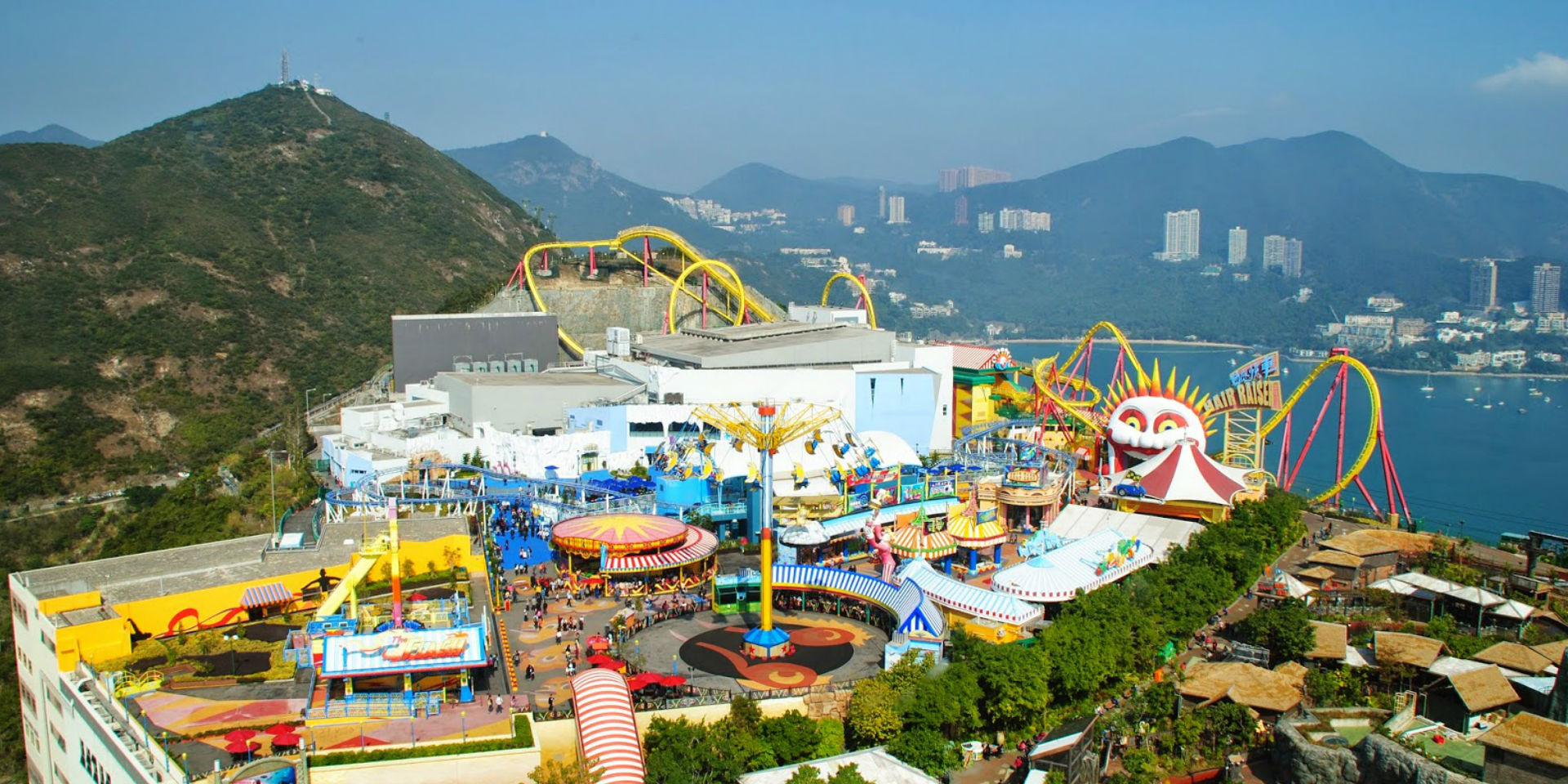
The park has won various awards for attendance and design over the years, and it draws both local families and tourists in significant numbers. Visiting with children is a different proposition than visiting alone. The queues for the more popular rides on weekends are not short, and the combination of subtropical heat and crowd density can wear on patience. That said, the views from the upper section, looking south toward the open ocean, are genuinely worth the cable car ride even if you skip everything else.
Insider tip
Weekday mornings in the shoulder season — March or November — cut the queue times substantially. The marine exhibits in the lower section are consistently less crowded than the rides above.
Scopri la Magia della Baia di Repulse a Hong Kong: the bay that earned its name the hard way
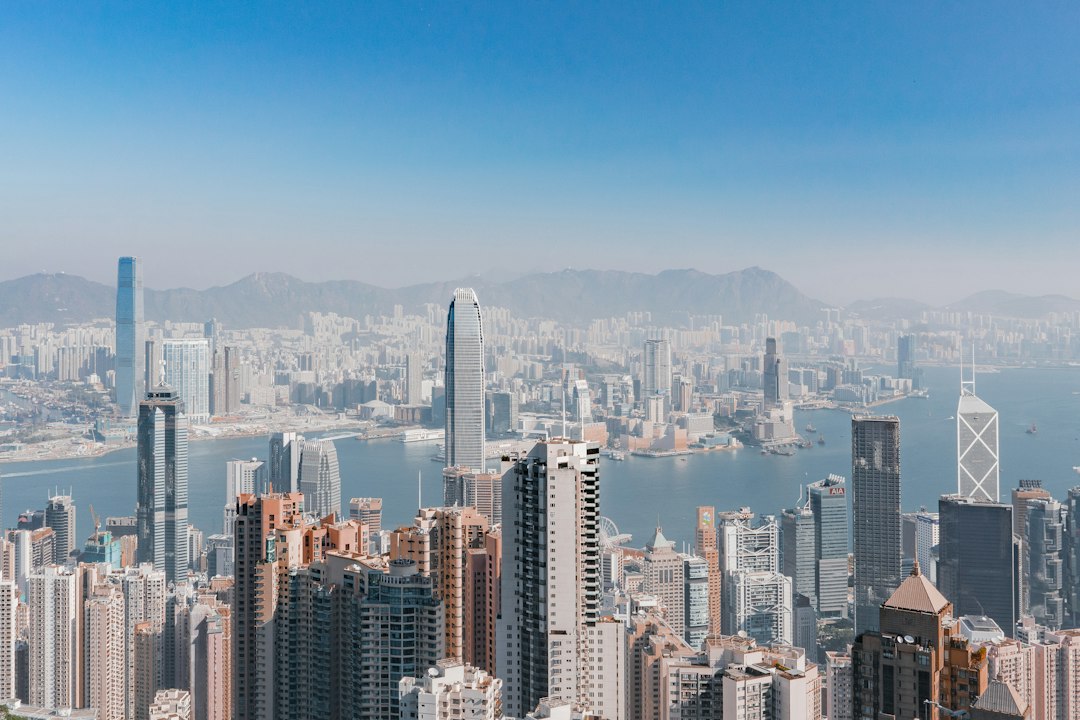
What the bay also has is a particular social texture. On summer weekends, it draws a cross-section of Hong Kong that you don't always see in the same place: domestic workers on their day off, expat families, local teenagers, elderly Cantonese residents doing tai chi at the water's edge before the crowds arrive. It's not a quiet beach. It is, however, a real one — in the sense that actual people use it for actual purposes, not just as a backdrop.
Insider tip
The public bus (number 6 or 260 from Exchange Square) is significantly cheaper than a taxi and drops you directly at the beach. Arrive before 10am on a summer weekend if you want a spot without negotiation.
Repulse Bay and one of the most beautiful beaches: the architecture behind the sand

The view from the beach looking back toward the hills — the building, the green slopes, the occasional red-sailed junk in the middle distance — is one of those compositions that Hong Kong produces almost accidentally, the result of geography and density colliding in ways that no single planner intended.
Insider tip
The Verandah restaurant, in the complex on the waterfront, serves afternoon tea in a colonial-era dining room that is either charming or anachronistic depending on your tolerance for that particular aesthetic — worth deciding in advance.
Stanley Market in Hong Kong: bargaining in good faith
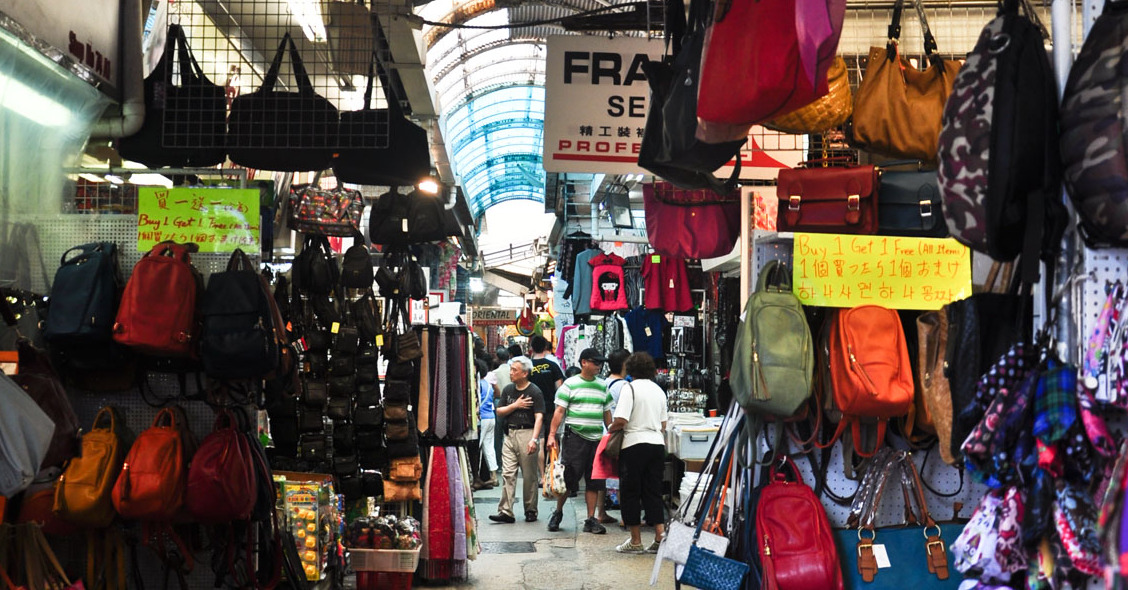
The bargaining culture is real but not aggressive. Prices are marked up for tourists and negotiable, but not dramatically so. The market works best if you go without a specific shopping agenda — browsing as a form of mild anthropology rather than acquisition. The surrounding town has cafes, a Murray House (relocated here stone by stone from Central in the 1990s), and a public beach that is considerably quieter than Repulse Bay.
Insider tip
The temple at the eastern end of the market, dedicated to Tin Hau, goddess of the sea, is one of the oldest in Hong Kong and easy to miss if you're focused on the stalls. It's worth five minutes of attention.
Scoprire Tai Kwun: il cuore storico di Hong Kong — the police station that became a cultural project
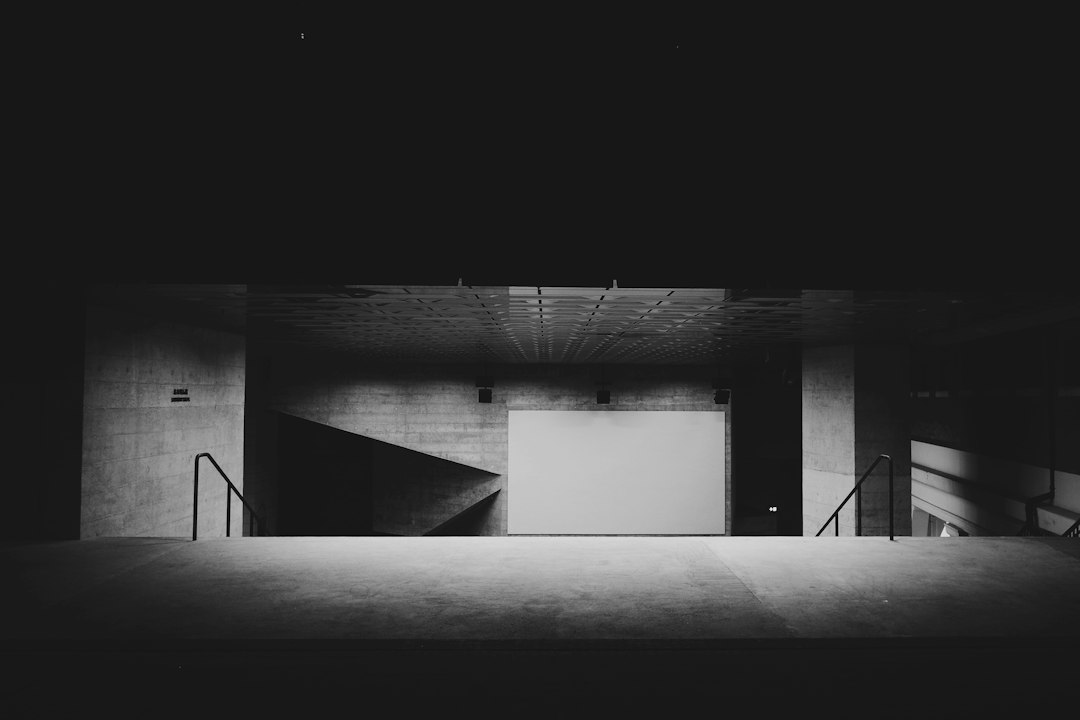
The compound is worth visiting for the layering of its history alone: the parade ground, the old cell blocks (some accessible, some not), the magistracy courtrooms. The programming — exhibitions, performances, talks — is uneven, as it tends to be at institutions trying to serve multiple audiences simultaneously. But the physical space, particularly in the early morning before the cafes fill up, has a quality of accumulated time that is unusual in a city that has demolished so much of itself.
Insider tip
The JC Contemporary building's exhibitions change regularly; check the programme before visiting rather than arriving without context. The ground-floor courtyard is accessible without booking and worth the detour on its own.
Scopri il Man Mo Temple di Hong Kong: two gods, one room, a great deal of smoke
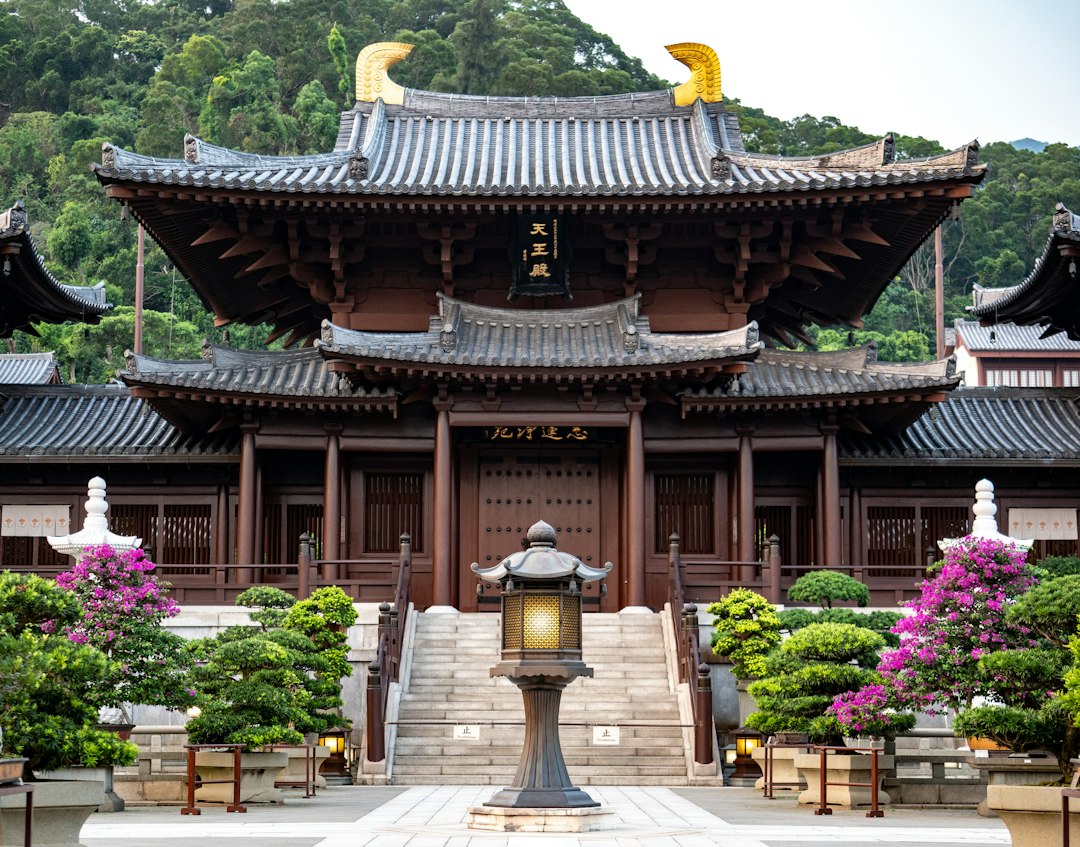
It sits on Hollywood Road in Sheung Wan, a neighbourhood that has gentrified considerably around it without the temple itself changing very much. Antique dealers and contemporary art galleries line the street outside. Inside, people come to pray with a seriousness that the tourist foot traffic — and there is tourist foot traffic — doesn't entirely disrupt. The contrast between the interior and the street outside is one of those small, persistent Hong Kong juxtapositions that no one bothers to remark on because it has simply always been this way.
Insider tip
The temple is free to enter and open daily, but avoid visiting during major festival periods if you want to move through the space without being part of a crowd. Early mornings on weekdays are when the temple functions most clearly as a place of worship rather than a site.
Esplora il Fascino del Museo Marittimo di Hong Kong: the sea as argument
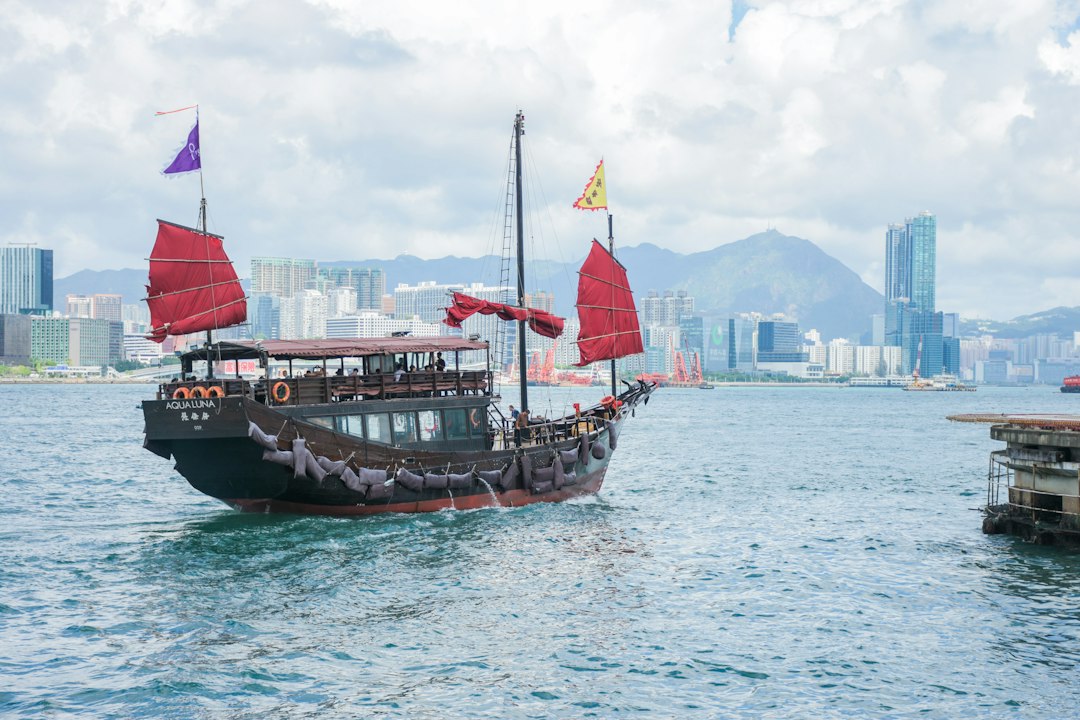
The museum is not large, and it can be done in two hours without rushing. It is also, on most weekday afternoons, genuinely quiet — the kind of quiet that allows you to spend time with individual objects rather than moving through the space in a crowd. For anyone trying to understand how Hong Kong became what it became, the maritime history is not optional context. It is the central argument.
Insider tip
The rooftop terrace is accessible and offers an unobstructed view of the harbour and Kowloon beyond. It's not advertised prominently; ask at the front desk.
Golden Bauhinia Square in Hong Kong: a ceremony, a symbol, a complicated morning

Visiting the square is an exercise in reading a place that means very different things to different people standing in the same location. For some visitors, it is a patriotic site; for others, it is a reminder of a political transition whose consequences are still unfolding. The harbour view from the plaza is wide and the Convention Centre building behind it is one of Hong Kong's more distinctive pieces of late-20th-century architecture — the roof, designed to suggest a bird in flight, is more successful from the water than from the ground. The square is free, always open, and almost never crowded except during the morning ceremony.
Insider tip
The ferry pier at Wan Chai, a short walk from the square, runs services to several outlying islands. Combining a visit here with a morning ferry to Lamma makes for a day that covers a considerable amount of Hong Kong's emotional range.
There is a particular kind of travel writing that treats a place as a problem to be solved — as though the right sequence of attractions, properly executed, will yield a complete understanding of somewhere. Lamma Island, and Hong Kong more broadly, resist this approach more effectively than most places I've spent time in. The city is too internally contradictory, too historically dense, too actively in the process of becoming something it hasn't finished deciding to be.
What the destinations in this list share is not a common aesthetic or a unified narrative about Hong Kong. What they share is the capacity to show you more than one thing at once: a beach that is also a social document, a temple that is also a real estate anomaly, an island that is also a question about what the city values when it decides not to develop something. That doubling — the way Hong Kong places tend to carry their own history visibly, sometimes awkwardly — is what makes the city worth sustained attention rather than a quick pass.
I have been wrong about Hong Kong many times. I expect to be wrong about it several more times before I'm done. That, in the end, is a reasonable definition of a place worth returning to.


