Macau is a city of roughly 33 square kilometres that has been asked to carry an enormous amount of symbolic weight — the last European colony in Asia, a gambling capital that now outpaces Nevada, a place where a Baroque church facade stands within eyeline of a casino the size of a small European principality. The temptation, for a visitor, is to process all of this as contrast, to reach for words like 'juxtaposition' and feel that the work is done. It isn't.
What the city actually rewards is patience and a certain willingness to be confused. The Portuguese left in 1999, but their street names, their tiles, their custard tarts, and their bureaucratic instincts remained. The Chinese majority that always lived here never quite disappeared beneath the colonial layer, and what you get is not a fusion — that word is too smooth — but a negotiation, still ongoing, between two ways of organising space, time, and appetite.
I have been back several times since that first ferry crossing. I have eaten badly in tourist traps and well in places with no English signage. I have queued for forty minutes at a famous ruin and found a garden two streets away with nobody in it. What follows is a list built from those experiences — partial, personal, and deliberately weighted toward the things that don't appear on the first page of search results.
At a glance
- The old centre of Macau: where the negotiation between two cities is most legible
- Ruins of St. Paul's Cathedral: the facade as argument
- Scopri la Casa di Lou Kau a Macao: a merchant's privacy made architectural
- Senado Square in Macao: a Portuguese plaza that learned to be Chinese
- Il Giardino Lou Lim Ioc: Un'Oasi a Macao: the art of the borrowed view
- Macau Tower: 338 metres of honest vertigo
- Scopri il Museo del Gran Premio di Macao: a racing circuit that runs through the city streets
- Scoprire Vila da Taipa: il Cuore Verde di Macao: the village that the bridges haven't yet consumed
- Scopri Hac Sa Beach: Il Tesoro Nascosto di Macao: black sand and the limits of expectation
The old centre of Macau: where the negotiation between two cities is most legible
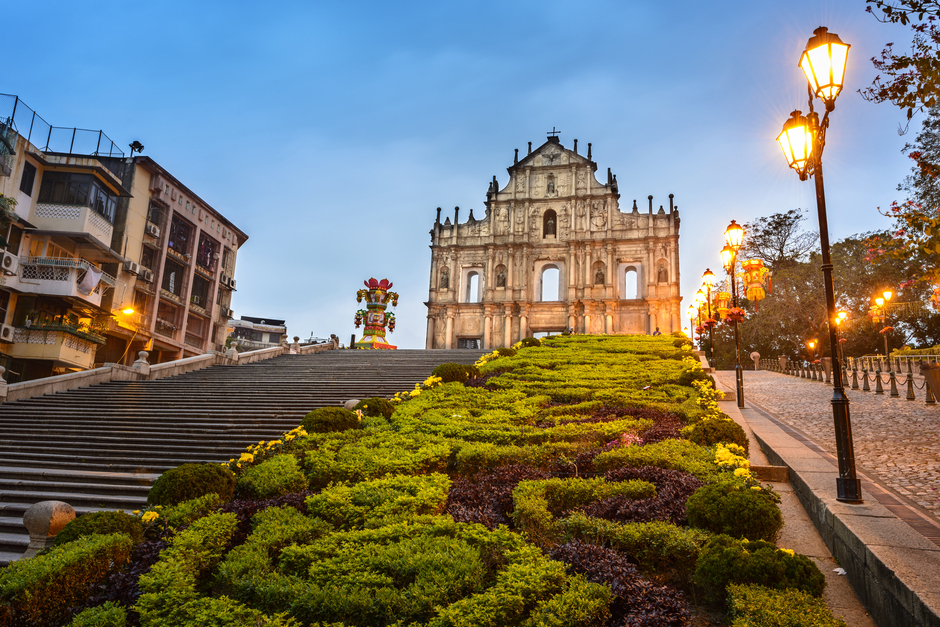
The streets are narrow enough that motorcycles and pedestrians conduct a permanent low-level negotiation, and the signage is bilingual in ways that occasionally contradict each other. This is not a problem to be solved. It is the point. Give yourself a morning with no particular destination and let the street grid make decisions for you. The old centre does not perform for tourists; it simply continues, which is its greatest quality.
Insider tip
Avoid the main pedestrian arteries between 11am and 3pm on weekends — the tour groups move in dense, slow formations and make navigation genuinely unpleasant. The same streets at 8am belong to residents running errands, and the atmosphere is entirely different.
Ruins of St. Paul's Cathedral: the facade as argument
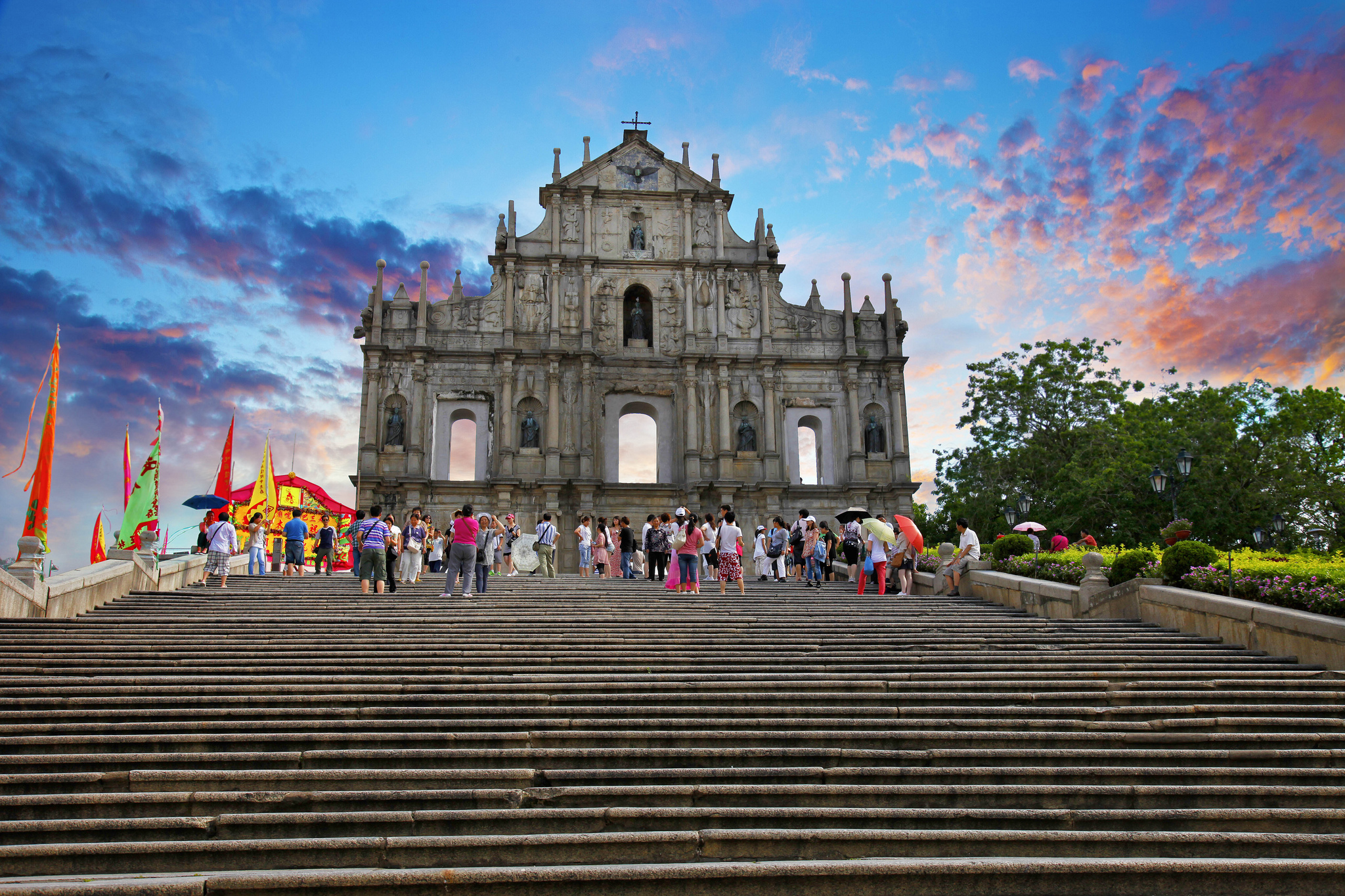
The fire was in 1835. The church burned from the inside out, leaving the facade standing as though the building had simply exhaled and disappeared. What you are looking at is not a ruin in the elegiac sense. It is a very specific kind of survival.
Insider tip
The crypt beneath the facade contains the bones of Christian martyrs and is worth the five minutes it takes to descend. Most visitors photograph the facade and leave without ever going below ground level.
Scopri la Casa di Lou Kau a Macao: a merchant's privacy made architectural
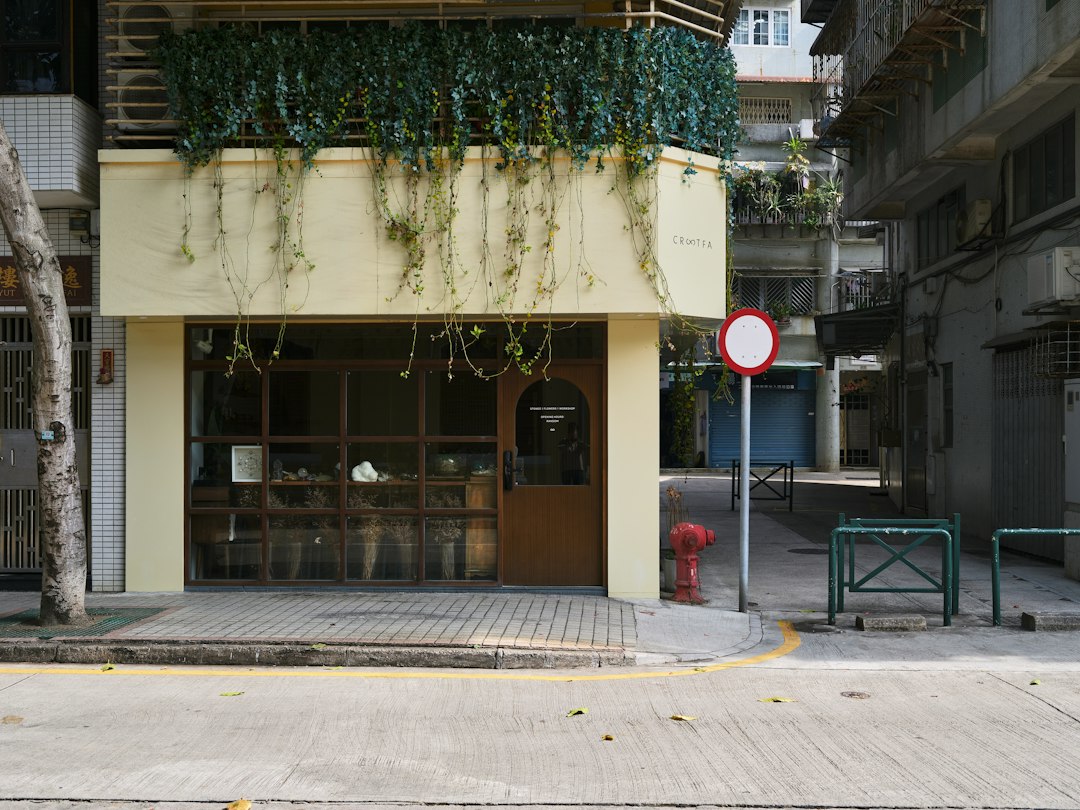
The house is small by the standards of comparable properties elsewhere in Asia, which makes it easier to read. You can trace the logic of the rooms: the reception hall designed to impress business associates, the inner courtyards where the family actually lived, the carved wooden screens that filtered light and maintained hierarchy simultaneously. It receives a fraction of the visitors that the Ruins of St. Paul's Cathedral draws, and the relative quiet makes concentration possible.
Insider tip
The house is free to enter and closes on Tuesdays. The carved wooden details in the interior courtyards are the architectural argument worth making time for — they repay close attention.
Senado Square in Macao: a Portuguese plaza that learned to be Chinese

That transit function is what makes it worth observing. The square has been a civic gathering point since the Portuguese colonial administration, but it has never been exclusively a tourist attraction — it remains embedded in the working life of the city in a way that many heritage squares in other Asian cities have ceased to be.
Insider tip
The post office building — the Correios e Telegrafos — is operational and open to the public. Walking inside to send a postcard is a more interesting fifteen minutes than it sounds.
Il Giardino Lou Lim Ioc: Un'Oasi a Macao: the art of the borrowed view
It covers roughly 1.4 hectares, which is not large. But because you cannot see it whole, it feels larger than it is. There is a lotus pond, a bamboo grove, and a nine-turn bridge of the kind that appears in classical Chinese garden design as a device for slowing movement. It also receives considerably fewer visitors than the major heritage sites a short walk away, which means you can sometimes have a bench by the pond entirely to yourself — a genuine rarity in this city.
Insider tip
The garden hosts musical performances on some weekend mornings. The schedule is posted at the entrance gate and changes seasonally. Arriving without knowing whether a performance is happening is part of the experience.
Macau Tower: 338 metres of honest vertigo

The tower also offers a bungee jump and a skywalk around the outer rim, which are not for everyone but are at least honest about what they are. The observation deck alone is worth the ticket price if you want to understand how the city's geography has been engineered and re-engineered over the past three decades.
Insider tip
Haze is a persistent issue in the Pearl River Delta. Visibility is generally better in autumn and winter than in the humid summer months. A clear November morning is the best argument for the observation deck.
Scopri il Museo del Gran Premio di Macao: a racing circuit that runs through the city streets
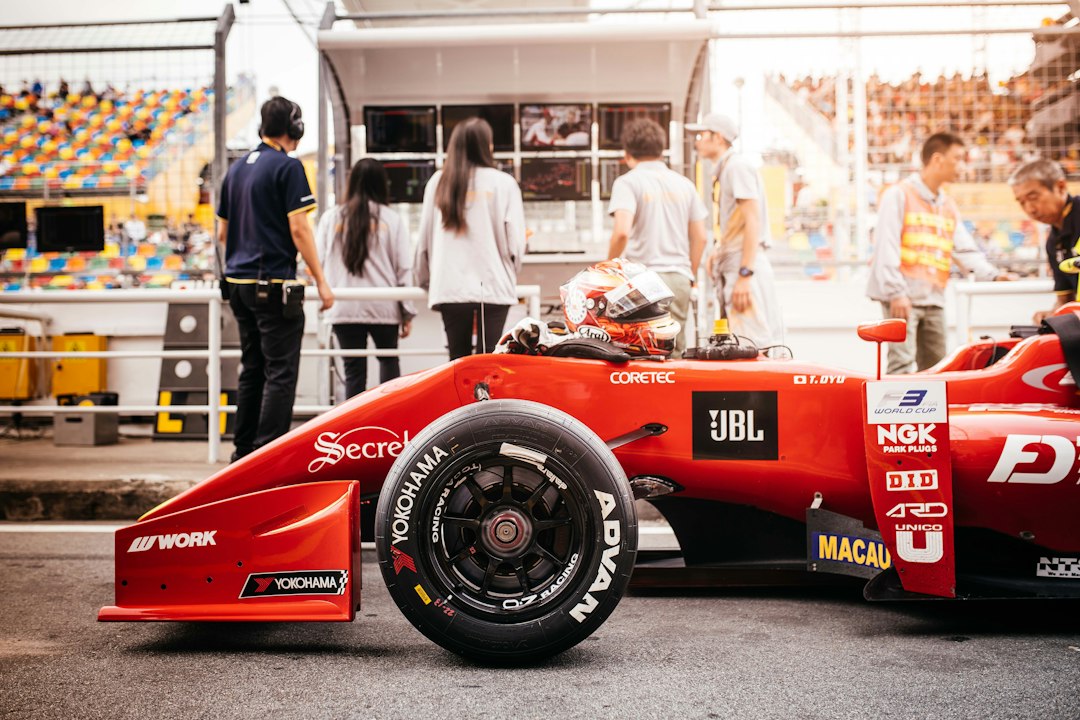
Even for people who do not follow motorsport, the museum is interesting as a document of how a small city chose to define itself internationally during the colonial period. Racing was one of the few arenas in which Macau could generate a reputation that had nothing to do with gambling or colonial history, and the museum carries that ambition in its curation.
Insider tip
If you visit during Grand Prix week in November, the street circuit transforms the city in ways that are either exhilarating or deeply inconvenient depending on your tolerance for noise and road closures. Book accommodation months in advance if you want to attend.
Scoprire Vila da Taipa: il Cuore Verde di Macao: the village that the bridges haven't yet consumed
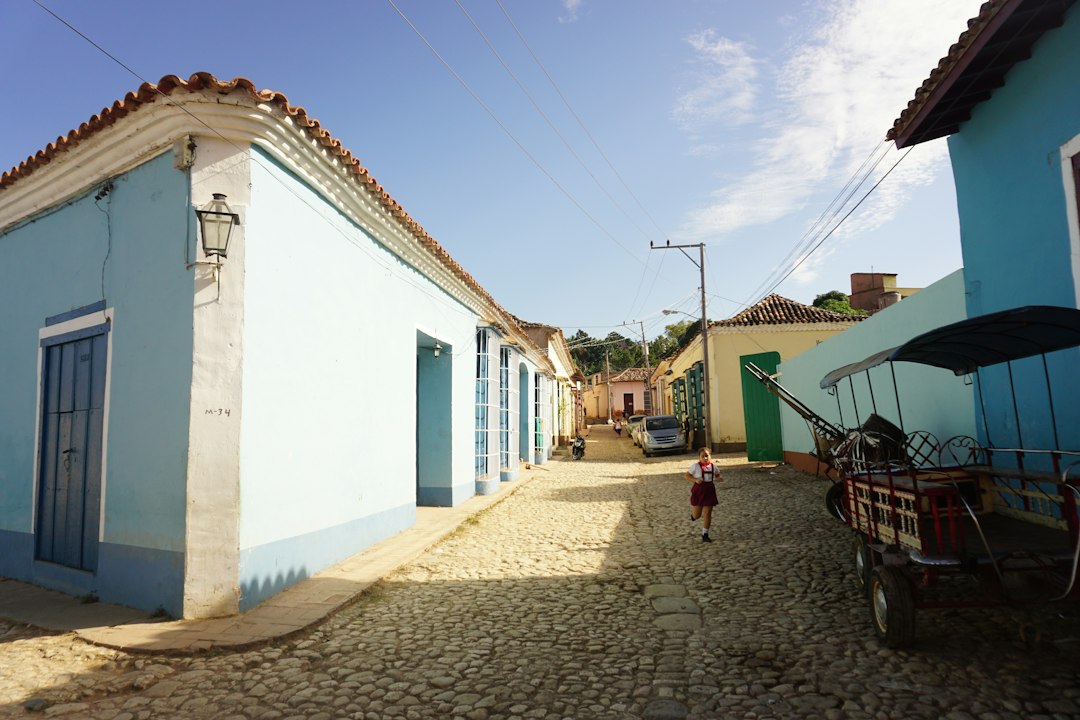
The village is not undiscovered — it appears in enough travel articles that weekend afternoons can feel crowded — but it is small enough that the crowds disperse quickly, and the residential streets behind the main drag remain genuinely quiet. The Taipa Houses Museum, a row of five restored colonial villas, gives context to the Portuguese domestic life that the village once supported.
Insider tip
The restaurants on the main street vary considerably in quality. The ones with laminated picture menus and staff stationed outside to recruit customers are, as a general rule, not the ones worth sitting down in.
Scopri Hac Sa Beach: Il Tesoro Nascosto di Macao: black sand and the limits of expectation
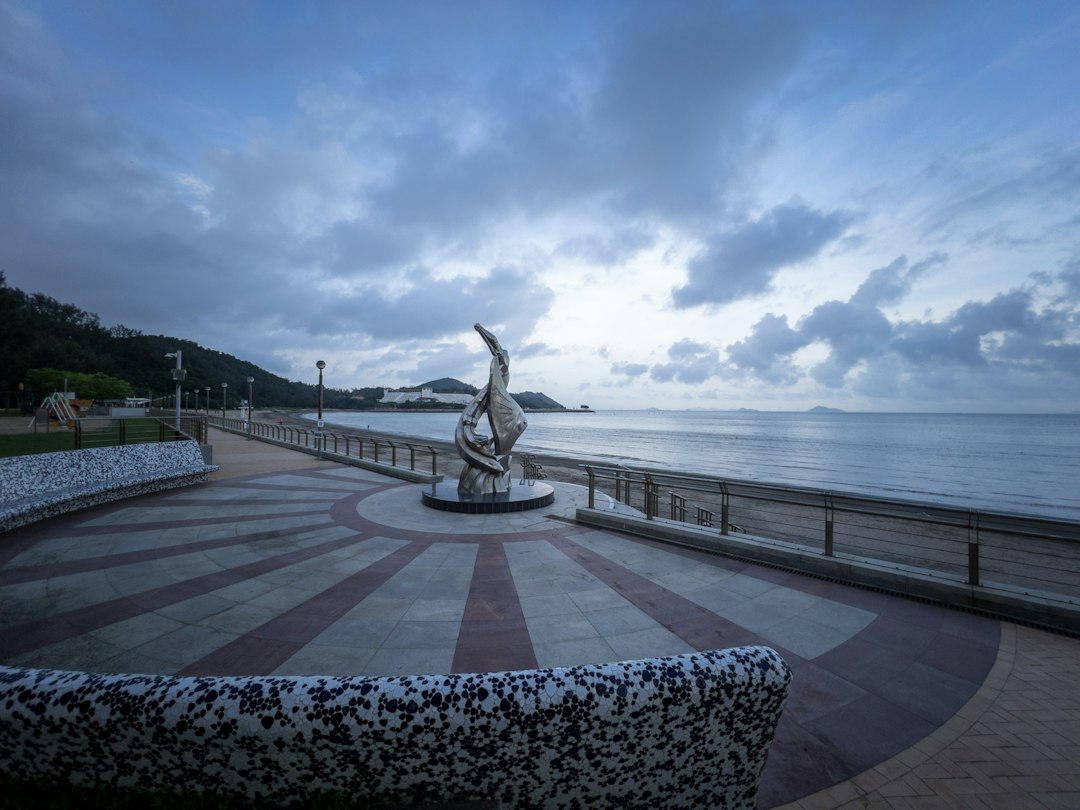
The beach is not a place for swimming in any serious sense — the water quality and the currents are not ideal — but it is a place for sitting with the fact that Macau has a coastline, which the casino district makes easy to forget. There is a park behind the beach, a restaurant that has been there for decades, and very little else. That restraint is the point.
Insider tip
Bus 26A from the Macau peninsula runs to Hac Sa. The journey takes about forty minutes and is more interesting than a taxi because it passes through Coloane village, which is worth a stop on the way back.
Macau is a city that has been written about primarily in terms of what it contains — the casinos, the heritage sites, the colonial architecture — rather than what it does, which is to sustain a genuinely complicated negotiation between historical forces that have not finished with each other. The Portuguese left formally in 1999, but the street names are still in Portuguese, the egg tarts are still in the bakeries, and the bureaucratic rhythms of the place still carry traces of a southern European administrative culture that the Cantonese majority absorbed, adapted, and made their own.
What I find myself returning to, after several visits, is not any single landmark but the quality of the transitions — the way a Baroque facade gives way to a temple courtyard, the way a garden wall separates the noise of a commercial street from a silence that feels like a different century. These transitions are not accidental. They are the product of a specific history, and they are what make Macau worth more than the day trip from Hong Kong that most visitors allow it.
The city will change. The reclamation projects continue. The casino economy exerts pressures on the heritage districts that UNESCO designations can slow but probably cannot stop indefinitely. Go now, with patience, and resist the itinerary that tells you what to feel.
What I find myself returning to, after several visits, is not any single landmark but the quality of the transitions — the way a Baroque facade gives way to a temple courtyard, the way a garden wall separates the noise of a commercial street from a silence that feels like a different century. These transitions are not accidental. They are the product of a specific history, and they are what make Macau worth more than the day trip from Hong Kong that most visitors allow it.
The city will change. The reclamation projects continue. The casino economy exerts pressures on the heritage districts that UNESCO designations can slow but probably cannot stop indefinitely. Go now, with patience, and resist the itinerary that tells you what to feel.


