I stayed longer than I expected to. Most people do. And in staying, I made the usual mistakes: I queued for the rooftop infinity pool I wasn't allowed into (hotel guests only — a fact the Instagram posts never mention), I paid too much for a cocktail in a bar whose view was doing all the heavy lifting, and I walked past Lau Pa Sat three times before I understood what it was.
What follows is not a list of the ten shiniest things in Marina Bay. The shiniest things are already well-documented, and they mostly involve spending money in a hotel lobby. This is, instead, a list assembled over multiple visits and one longer stay — of the places that rewarded patience, or context, or the willingness to walk slightly further than the tourist maps suggest. Some of them are famous. What I've tried to do is explain why they're worth your time in terms that don't involve the word 'iconic.'
At a glance
- SkyPark Observation Deck: Panorami da Sogno a Singapore — what the view actually teaches you
- Un Viaggio Panoramico a Mount Faber Road, Singapore — the city from a different angle
- Scopri il Fullerton Building di Singapore — a building that has outlasted its purpose several times over
- Thian Hock Keng: il cuore spirituale di Singapore — older than the skyline, indifferent to it
- Chinatown in Singapore — not the version the brochures show
- Lau Pa Sat: Un Viaggio nei Sapori di Singapore — a hawker centre that earns its reputation
- The Artscience Museum of Singapore — the building is the argument
- The Fountain of Wealth in Singapore — a monument to a specific moment in history
- Migliori app viaggio Gardens by the Bay 2026: Scopri di più! — planning for a place that rewards preparation
- Esplorando i Giardini di Gardens by the Bay — what the gardens are actually about
SkyPark Observation Deck: Panorami da Sogno a Singapore — what the view actually teaches you
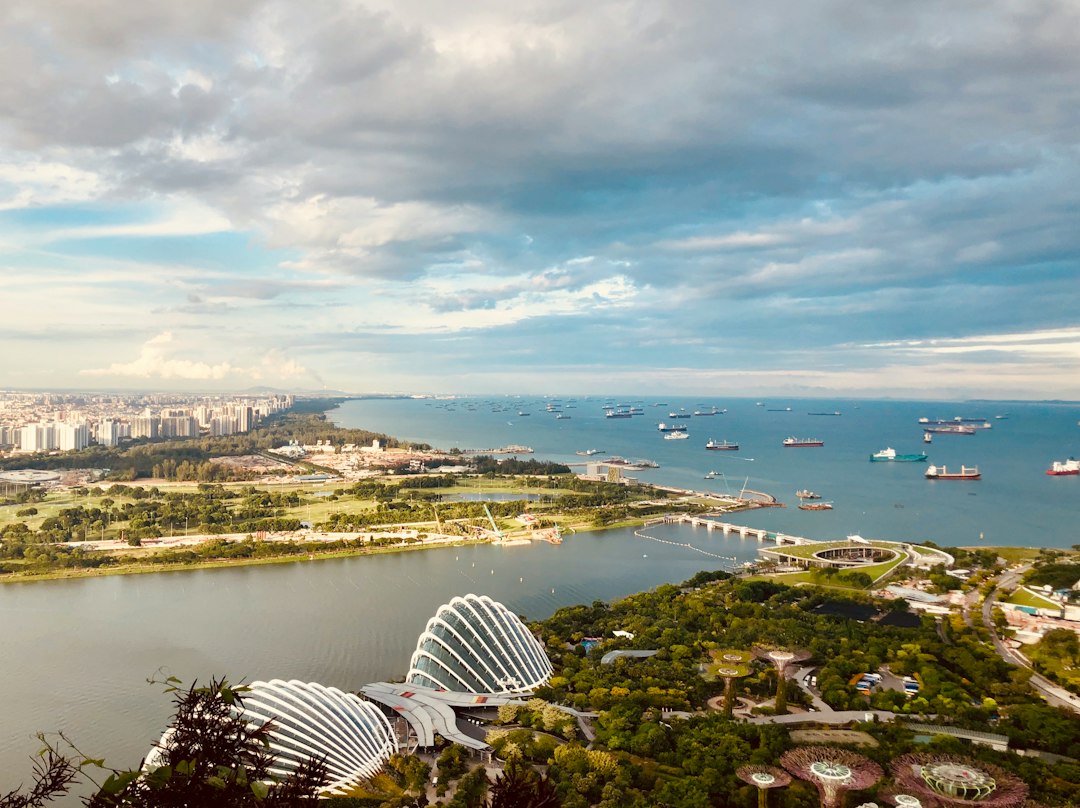
What the view does, more than anything, is clarify Singapore's geography. The southern islands — Sentosa, St John's, the smaller specks — sit in a band of water that looks almost Mediterranean in the late afternoon light. To the north, the colonial grid of the old city gives way to expressways. The reclaimed land is visible as a different shade of green. It's a city that has been built and rebuilt so many times that looking down at it feels like reading a palimpsest.
Insider tip
Go at dusk rather than at night. The transition from daylight to artificial light takes about forty minutes and is more interesting than either state alone. Arrive thirty minutes before sunset and stay through it.
Un Viaggio Panoramico a Mount Faber Road, Singapore — the city from a different angle

The view from the summit faces south and west, which means you see Sentosa, the port, and the container ships queued in the Strait of Singapore — sometimes dozens of them, anchored and waiting, a reminder that this city's wealth was built on trade and still depends on it. It's a more honest view than the one from Marina Bay Sands, which faces inward toward the city's self-image. Mount Faber faces outward, toward the water that made Singapore possible.
Insider tip
The cable car to Sentosa departs from here. Skip it unless you have children. The walk up from the Harbourfront MRT station takes about twenty-five minutes and is worth doing in the morning before the heat consolidates.
Scopri il Fullerton Building di Singapore — a building that has outlasted its purpose several times over

What's worth paying attention to is the architecture itself: a Palladian facade facing the river, with columns that were clearly designed to communicate permanence to a population being asked to accept British administration. Standing in front of it now, with the Marina Bay Sands visible across the water, the building reads as a kind of argument between two different theories of what Singapore is. The Fullerton says: we have roots. The Sands says: we have ambitions. Both are correct, which is part of what makes Singapore interesting.
Insider tip
The building's atrium bar is open to non-guests and is one of the quieter places to sit near the waterfront. Order coffee, not cocktails, and look up at the restored interior ceiling.
Thian Hock Keng: il cuore spirituale di Singapore — older than the skyline, indifferent to it
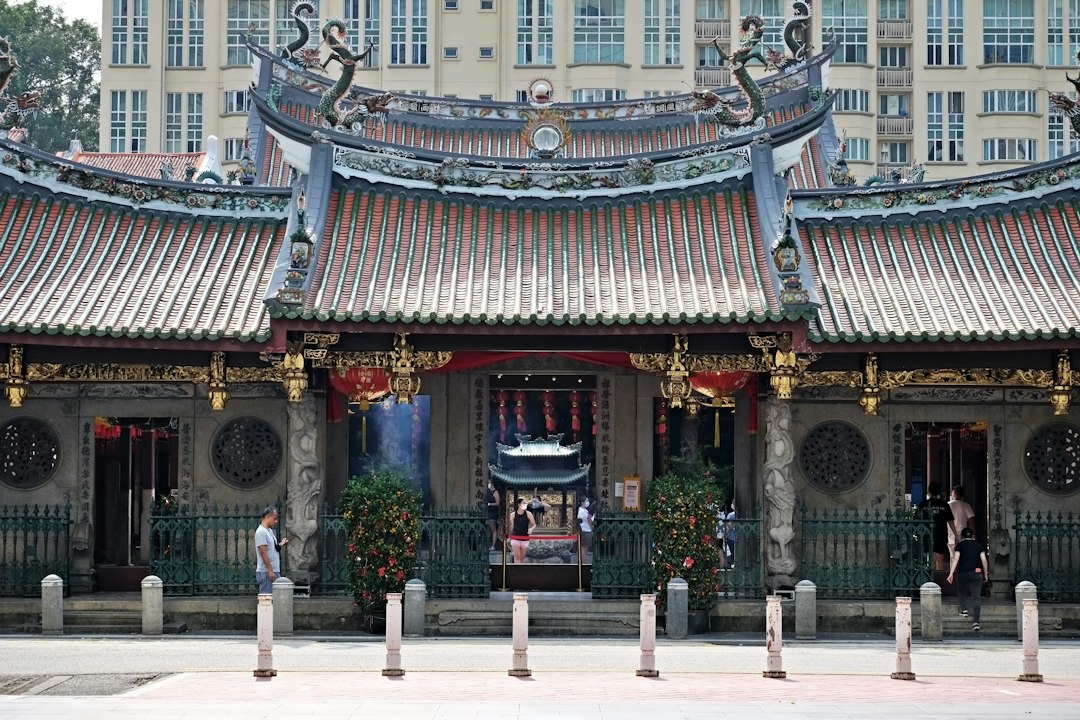
The craftsmanship is specific and worth slowing down for: the roof ridges decorated with shards of porcelain, the cast-iron railings imported from Scotland, the granite columns from China. Nothing in the building was made in Singapore. Everything was brought here, assembled by people who had themselves been brought here, which gives the whole structure a quality of accumulated longing that is hard to name but easy to feel.
Insider tip
The temple is on Telok Ayer Street in Chinatown, about 1.5 kilometres from the bay. Walk rather than taking a taxi — the route passes several other conserved shophouses worth noticing.
Chinatown in Singapore — not the version the brochures show

The curation is not dishonest, exactly, but it is selective. What makes Chinatown worth visiting is the texture that survives despite the restoration: the wet market on Sago Street in the early morning, the provision shops with their tins of preserved vegetables, the clan associations that still operate out of upper floors. These things coexist with the tourist stalls in a way that takes some patience to see. The patience is rewarded.
Insider tip
The Chinatown Heritage Centre, in three restored shophouses on Pagoda Street, is genuinely good — one of the better small museums in the city. Allow ninety minutes and go on a weekday.
Lau Pa Sat: Un Viaggio nei Sapori di Singapore — a hawker centre that earns its reputation
The food is consistent rather than exceptional. You will not eat the best chicken rice of your life here. What you will get is a reasonable cross-section of Singaporean hawker food in a setting that is architecturally interesting and socially democratic — the same plastic chairs, the same tissue-paper table-reservation system, the same slightly sticky tables that you find in every hawker centre in the country.
Insider tip
The satay stalls on Boon Tat Street, which open in the evening, are the reason to come at night rather than at lunch. Order more than you think you need. The peanut sauce is the point.
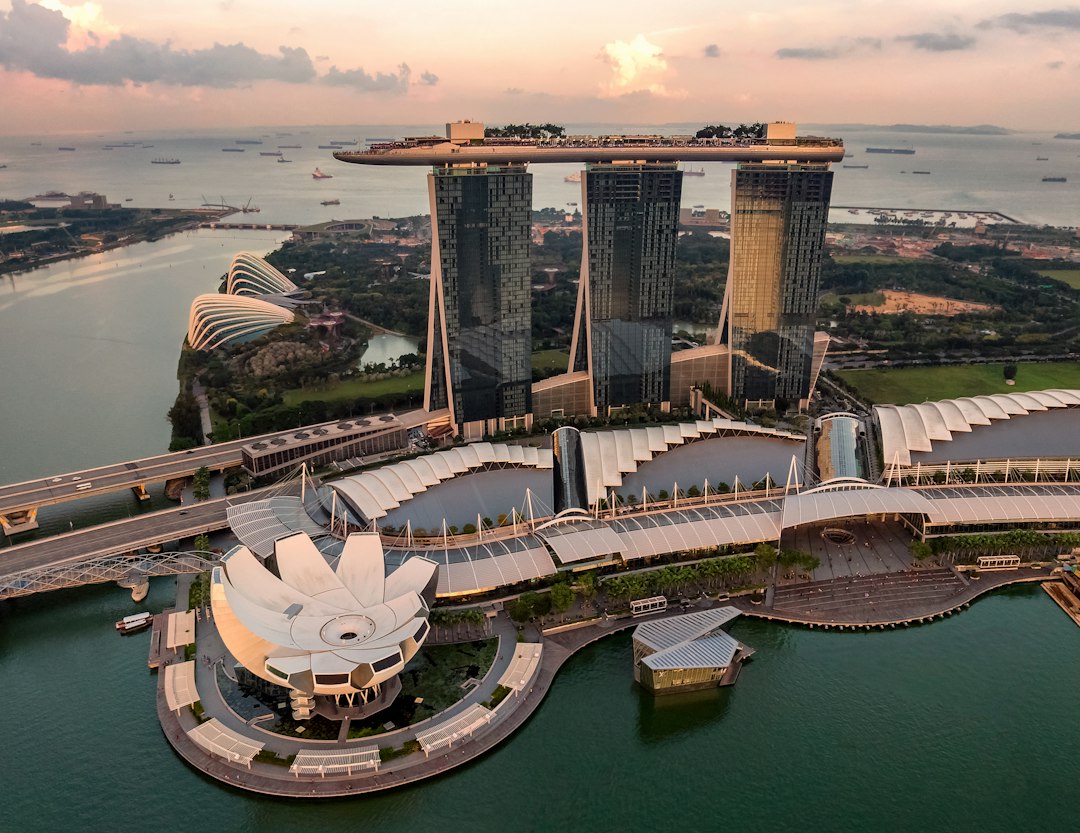
The Artscience Museum of Singapore — the building is the argument

The permanent collection is less interesting than the temporary exhibitions, which have included collaborations with institutions ranging from the Salvador Dalí museum to various technology companies. The museum's stated premise — that art and science are not opposing disciplines — is not a radical idea, but the exhibitions occasionally make a convincing case for it. The worst ones feel like corporate innovation theatre. The best ones are genuinely thought-provoking.
Insider tip
The Future World exhibition, a collaboration with the Japanese art collective teamLab, is a permanent installation and is particularly good with children. Adults without children may find it slightly overwhelming after twenty minutes.
The Fountain of Wealth in Singapore — a monument to a specific moment in history
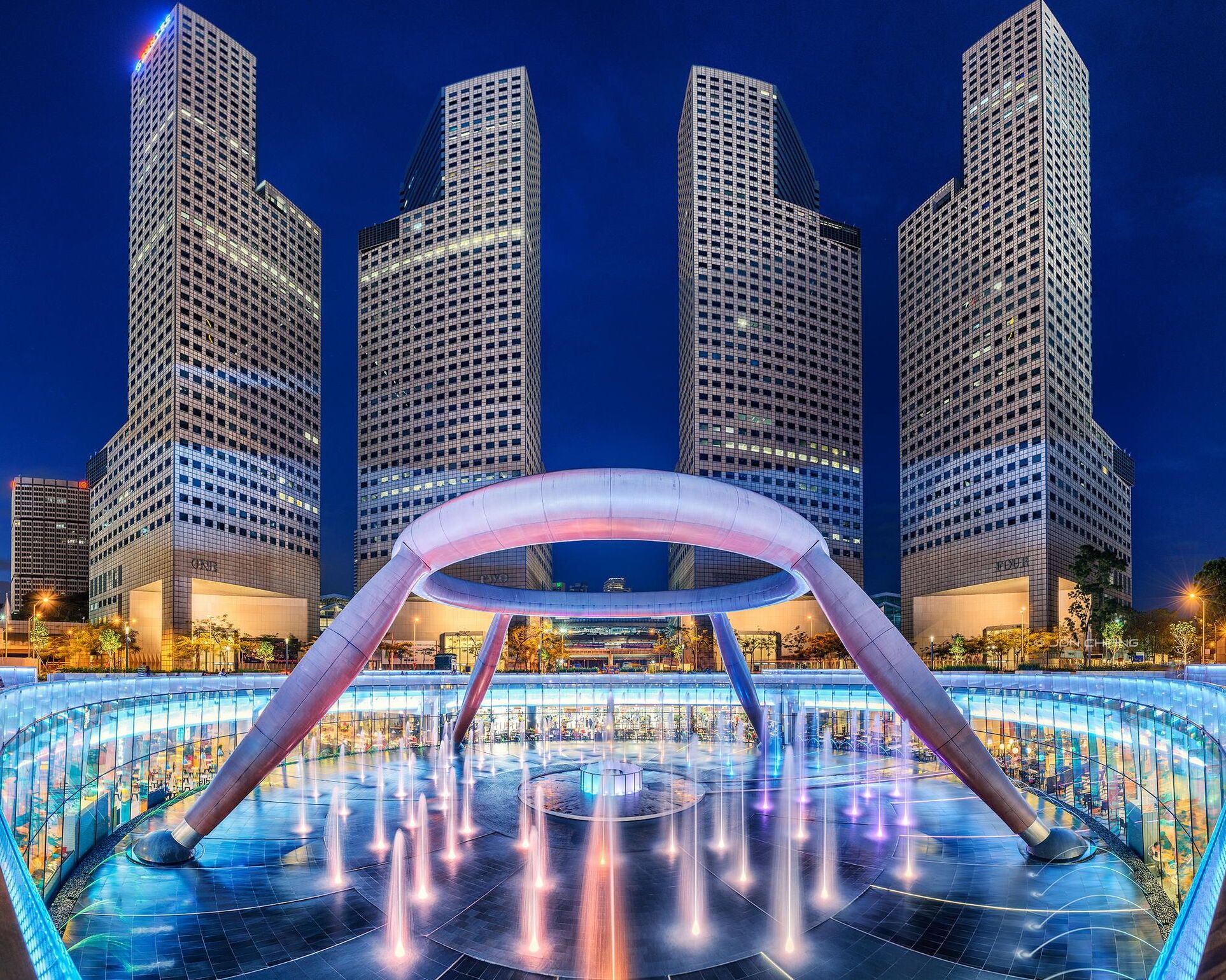
The fountain is a bronze ring, about 66 metres in diameter, supported by four legs that represent the four towers of Suntec City. The symbolism is explicitly about wealth and prosperity, which the fountain does not try to disguise. Walking around its base — there is a ritual involving touching the water — you are participating in something that is simultaneously earnest and slightly absurd. This is not a criticism. Earnestness is underrated.
Insider tip
The fountain operates on a schedule rather than continuously. Check the times before you go — arriving between performances means seeing a dry ring of bronze, which is considerably less interesting.
Migliori app viaggio Gardens by the Bay 2026: Scopri di più! — planning for a place that rewards preparation
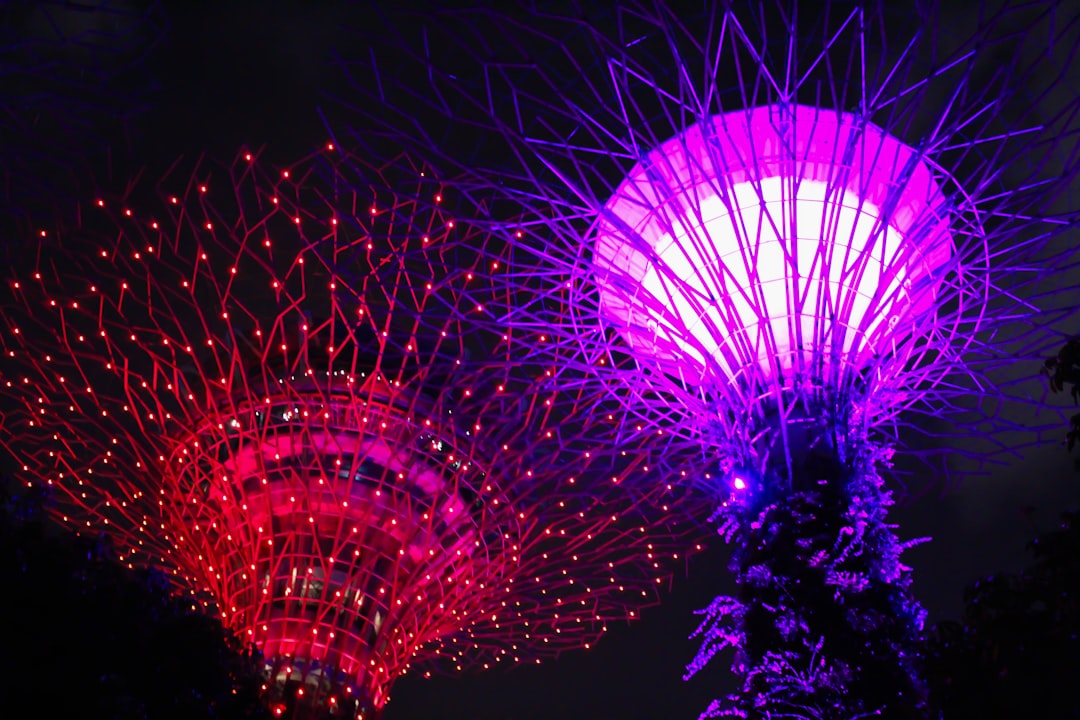
The digital tools available for navigating the site have improved significantly, and using them before you arrive — rather than on your phone while standing in thirty-degree heat — makes a material difference to the experience. The Flower Dome and Cloud Forest conservatories require separate tickets and are worth buying in advance. The outdoor Supertree Grove is free and is best seen after dark, when the light-and-sound show runs.
Insider tip
The OCBC Skyway, a walkway connecting the Supertrees at canopy level, is frequently overlooked in favour of the conservatories. It offers a perspective on the garden's scale that ground level does not.
Esplorando i Giardini di Gardens by the Bay — what the gardens are actually about

The Cloud Forest conservatory, which contains a mountain covered in tropical highland plants inside a cooled glass dome, is the most affecting part of the complex. The plants are real; the mountain is engineered; the mist is generated by machines. The result is something that feels genuinely strange — not fake, exactly, but constructed in a way that doesn't pretend otherwise. Singapore doesn't often pretend. That honesty, unusual in a tourist attraction, is what makes Gardens by the Bay worth more than a single visit.
Insider tip
The gardens are considerably less crowded on weekday mornings before 10am. The outdoor areas are free and can be walked without entering either conservatory, which is worth doing at least once to understand the overall design.
There is a version of Singapore that is very easy to see: the towers, the cleanliness, the efficiency, the food courts with their Michelin-starred hawker stalls. It is not a false version. Singapore is genuinely clean, genuinely efficient, and the food is as good as people say. But spending time only with that version is like reading a city's press releases instead of its literature.
What Marina Bay rewards, if you give it time, is the recognition that this place was built by people who were not entirely sure it would work. The land is reclaimed. The water is managed. The gardens are engineered. The multicultural harmony that Singapore's government promotes is real, but it is also the result of decades of deliberate policy rather than spontaneous coexistence. None of this makes it less interesting. If anything, it makes it more so.
I keep coming back partly because the city keeps changing — there is always something new on the skyline, always a building being repurposed — and partly because the questions it raises about what a city can be, and what it costs to build one this way, don't have easy answers. That's more than most places offer.
What Marina Bay rewards, if you give it time, is the recognition that this place was built by people who were not entirely sure it would work. The land is reclaimed. The water is managed. The gardens are engineered. The multicultural harmony that Singapore's government promotes is real, but it is also the result of decades of deliberate policy rather than spontaneous coexistence. None of this makes it less interesting. If anything, it makes it more so.
I keep coming back partly because the city keeps changing — there is always something new on the skyline, always a building being repurposed — and partly because the questions it raises about what a city can be, and what it costs to build one this way, don't have easy answers. That's more than most places offer.


