Marrakech is not a place that rewards the kind of traveller who wants their experience pre-digested. The Jemaa el-Fna — the great square at the medina's centre — is simultaneously a UNESCO-designated oral heritage site and a place where someone will try to drape a snake around your neck and charge you forty dirhams for the privilege. The souks are genuinely labyrinthine; the maps are genuinely wrong. The riad you booked looks nothing like the photographs, which were taken with a wide-angle lens from a corner that doesn't exist in three dimensions. The food, when you find the right stall, is extraordinary. When you find the wrong one, it is not.
All of this is, I think, the point. Marrakech is one of the few cities left that hasn't been fully smoothed down for export. It remains, at its core, a working Moroccan city — a place where tanneries still operate by methods that predate the printing press, where the call to prayer sets the rhythm of the day, and where the negotiation between old and new is conducted loudly and in public. What follows is not a list of what to see. It's closer to a set of instructions for how to pay attention.
At a glance
- Marrakesh: the city as a historic site in itself
- The Jamaa El Fna place: the square that refuses to be summarised
- Esplorando il Souk di Marrakech: trade as performance
- Mercati di Jemaa el-Fnaa: eating without a reservation
- Scopri il Tiskiwin Museum: a private obsession made public
- Wanderlog recensione 2026: navigating Marrakech without losing your mind
- Secret World vs Wanderlog: the question of how to plan a Marrakech trip
- Cosa vedere a Marrakech 2026: the gardens as counter-programme
- Wanderlog recensione 2026: the rooftop question
- Cosa vedere a Marrakech 2026: the hammam as a civic institution
Marrakesh: the city as a historic site in itself
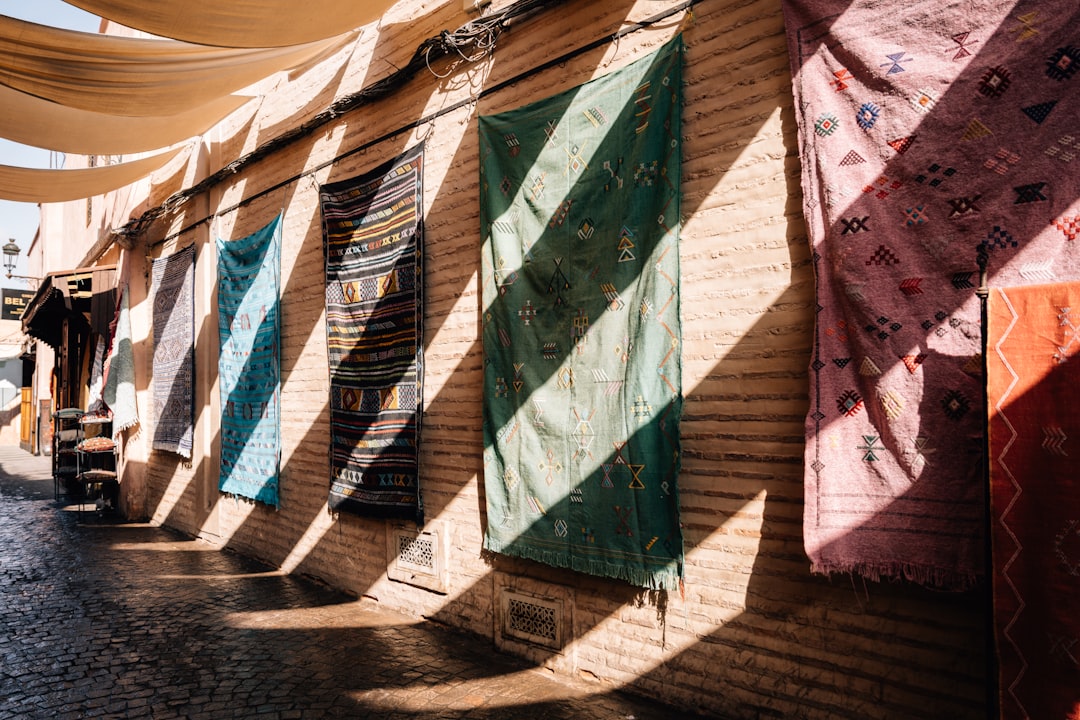
The most honest approach to Marrakesh as a historic site is to resist the itinerary entirely for at least one morning. Pick a gate — Bab Doukkala, say, or Bab el-Khemis — and walk inward without a destination. The city reveals itself through accumulation: a carpenter working in a doorway, a schoolboy cutting through an alley, a woman hanging laundry from a window that looks onto another window. The monuments are worth visiting. The space between them is where the city actually lives.
Insider tip
The northern medina, around the Bab Debbagh tanneries, receives a fraction of the foot traffic of the southern souks. Go on a weekday morning when the light is low and the smell is manageable.
The Jamaa El Fna place: the square that refuses to be summarised
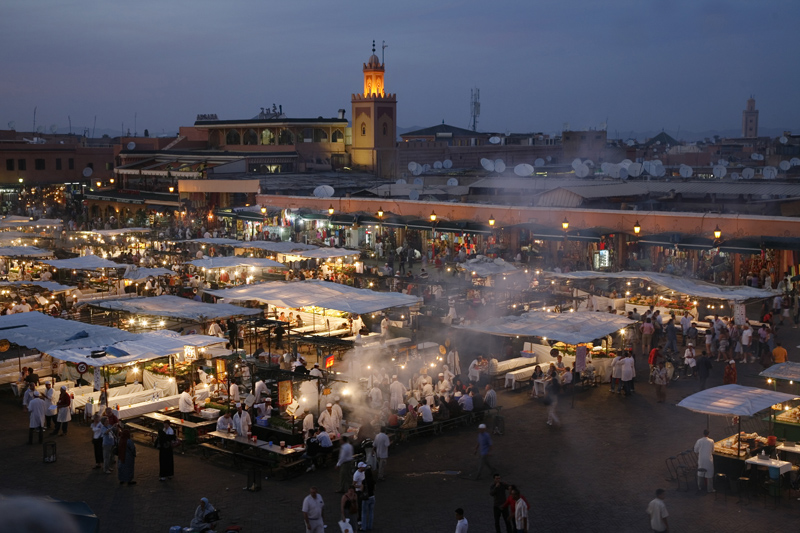
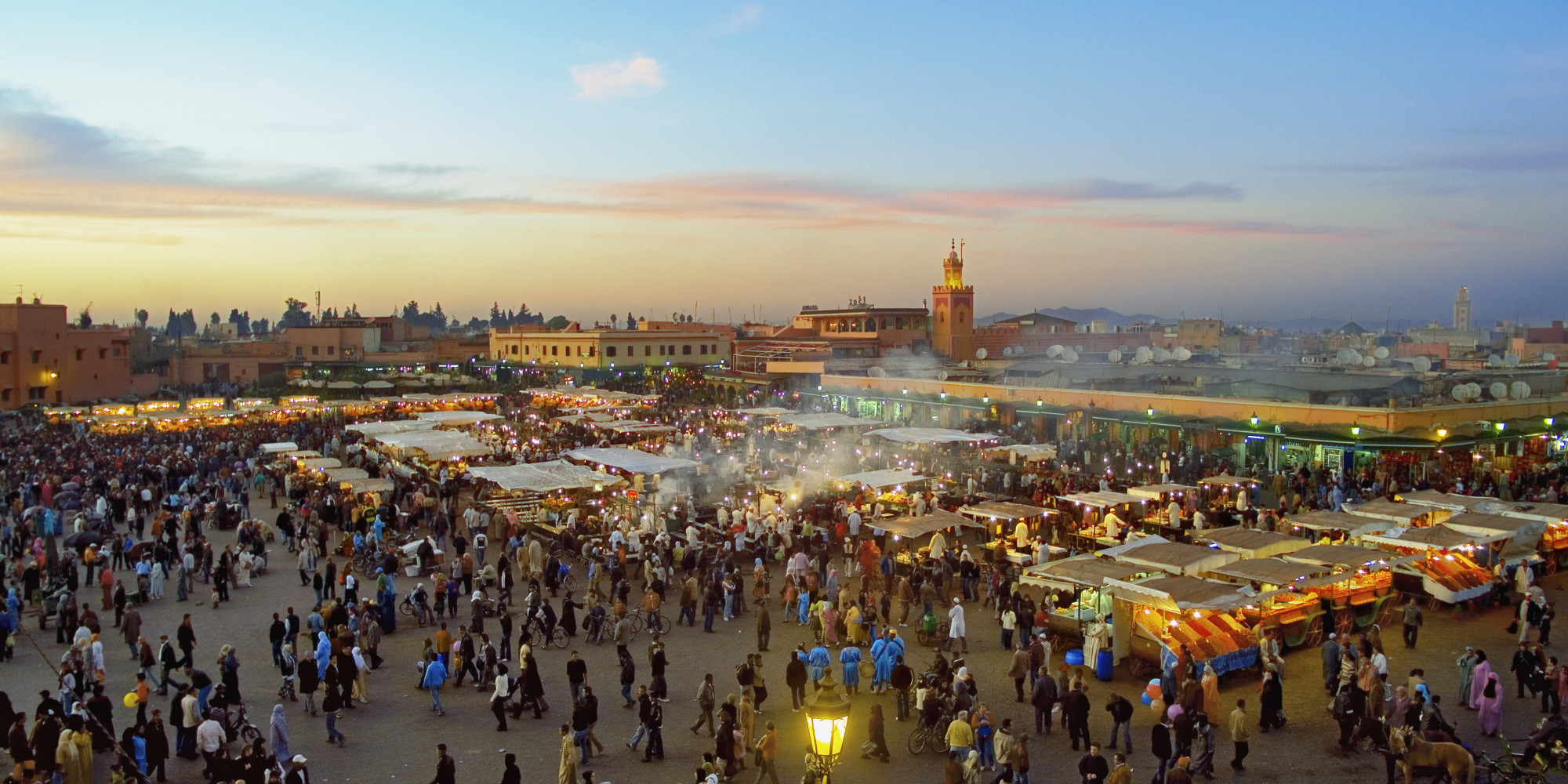
The trick, learned slowly over several visits, is to treat The Jamaa El Fna place not as a spectacle to be consumed but as a public space to be inhabited. Sit at one of the café terraces on the northern edge — the ones that have been there long enough to have slightly sticky tables — and watch the square reorganise itself over two or three hours. It changes completely between noon and midnight. The daytime belongs to the juice vendors and the tooth-pullers; the evening belongs to something harder to categorise.
Insider tip
The orange juice stalls along the square's perimeter charge around four dirhams for a glass. If someone quotes you twenty, walk to the next stall. There are always more stalls.
Esplorando il Souk di Marrakech: trade as performance
What the souk rewards is patience and a willingness to be genuinely uncertain about where you are. The main arteries — Souk Semmarine, Souk el-Kebir — are wide enough and well-trafficked enough to feel almost manageable. The alleys off them are not. In those narrower passages, the commerce becomes more specific and the salesmanship less aggressive; the craftsmen are often actually working, and the work is worth watching. A good brass lantern being punched by hand takes about forty minutes to complete. Watching that process costs nothing and teaches you more about the object than any price tag.
Insider tip
If you're buying textiles, go to the Souk des Teinturiers (dyers' souk) in the early morning when the freshly dyed wool is hung to dry. The colours at that hour are worth seeing regardless of whether you buy anything.
Mercati di Jemaa el-Fnaa: eating without a reservation
The merguez sandwiches are good. The snail broth — a small bowl of dark, herb-laced liquid dispensed from a pot that has been simmering since before you arrived — is stranger and better than it sounds. The sheep's head, if you're curious, is served with bread and a kind of resigned ceremony. What you want to avoid are the stalls pushing seafood in a landlocked city at nine in the evening. That instinct, at least, is universal.
Insider tip
Stall number one and stall number one hundred are not meaningfully different in quality. Walk past the first three rows of touts and you'll find the same food with slightly less pressure to sit down immediately.
Scopri il Tiskiwin Museum: a private obsession made public
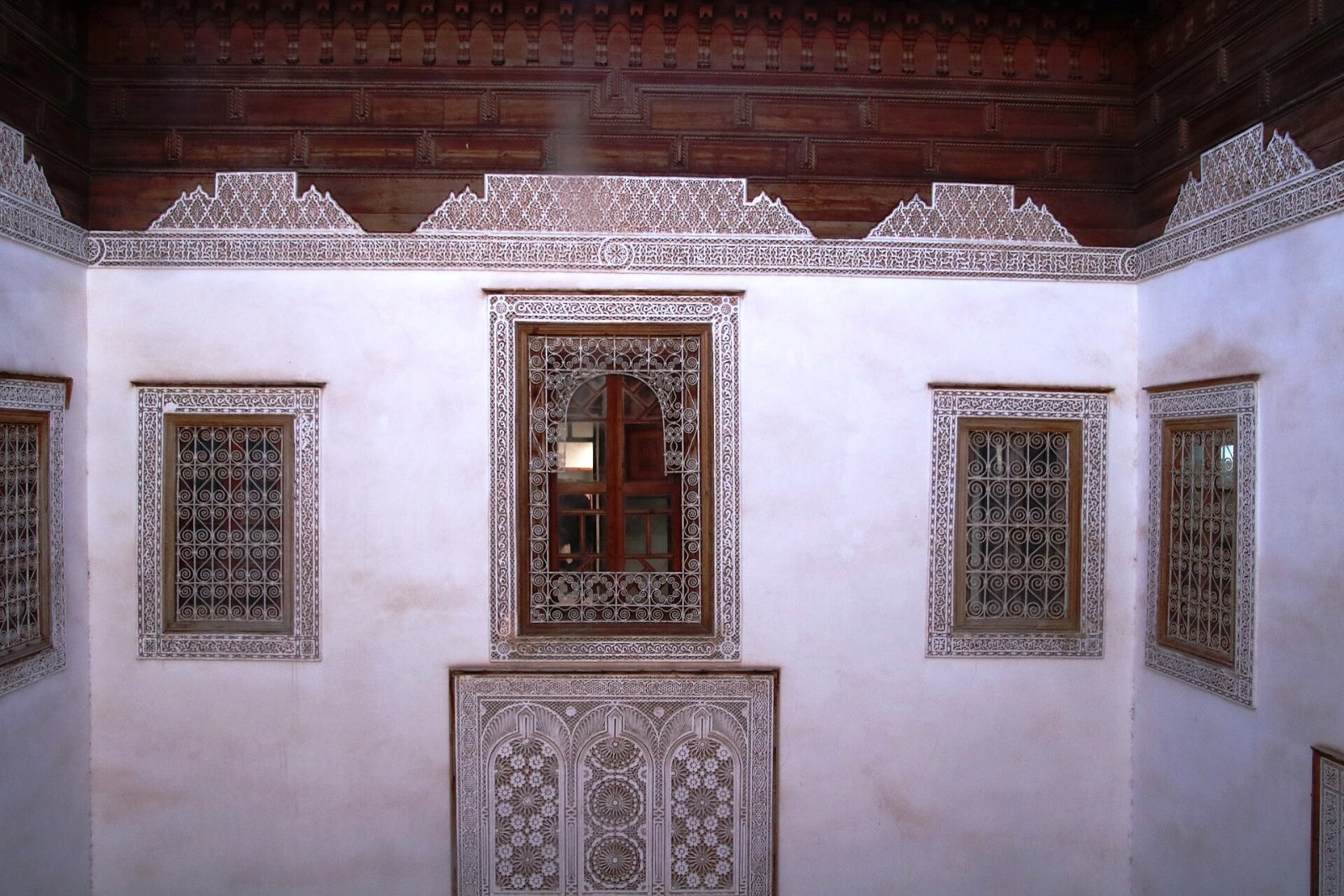
Scopri il Tiskiwin Museum is one of the few places in Marrakech where you can spend an hour in genuine quiet. The crowds that clog the Bahia Palace and the Saadian Tombs have not found it, possibly because it doesn't photograph well and doesn't appear on the first page of search results. The objects themselves — saddle bags, silver jewellery, woven blankets, wooden locks — are not individually spectacular, but together they constitute an argument about how culture travels and what it carries with it.
Insider tip
The museum is a short walk from the Bahia Palace. Most visitors go to the Palace and don't notice the Tiskiwin sign. The entrance fee is modest and the custodian, if present, can provide context that no label offers.
Wanderlog recensione 2026: navigating Marrakech without losing your mind
The Wanderlog recensione 2026 discussion among frequent Marrakech visitors is essentially a debate about how much digital scaffolding you want around an experience that is, at its best, unscaffolded. Apps can plot routes; they cannot account for a souk alley that has been blocked by a furniture delivery, or for the fact that the street named on your map has three different names depending on who you ask. The most useful tool remains a hand-drawn map from your riad host, who has navigated the medina on foot for years and knows which alleys are passable at which hours.
Insider tip
Download an offline map before you arrive — Google Maps and Maps.me both have reasonable coverage of the medina — but treat them as approximate. The medina's street geometry was not designed with GPS in mind.
Secret World vs Wanderlog: the question of how to plan a Marrakech trip
That said, some planning is not optional. The medina's geography is genuinely disorienting, and the gap between the Marrakech of your imagination — formed by a decade of riad-porn Instagram accounts and Paul Bowles paperbacks — and the Marrakech of the actual street is wide enough to cause friction. The most useful pre-trip investment is not an app but time: reading about the city's history, understanding the difference between the medina and Gueliz (the French-built new town), and arriving with calibrated expectations rather than inflated ones.
Insider tip
Gueliz, the ville nouvelle west of the medina, is where most Marrakchis actually eat, shop, and socialise. Spending an afternoon there — at a café on Avenue Mohammed V, say — provides a useful counterpoint to the medina's more performative version of the city.
Cosa vedere a Marrakech 2026: the gardens as counter-programme
But the Agdal Gardens, south of the medina walls, are older, larger, and almost entirely unvisited by tourists. They were laid out in the twelfth century as an agricultural estate and still function, in part, as one. The olive and orange trees are working trees. The irrigation channels are working channels. On a Friday afternoon, Marrakchi families spread blankets under the trees and eat lunch. It is, by some distance, the most peaceful hour available in the city.
Insider tip
The Agdal Gardens are sometimes closed to the public when the royal family is in residence at the adjacent palace. Check locally before making the walk south from the medina.
Wanderlog recensione 2026: the rooftop question
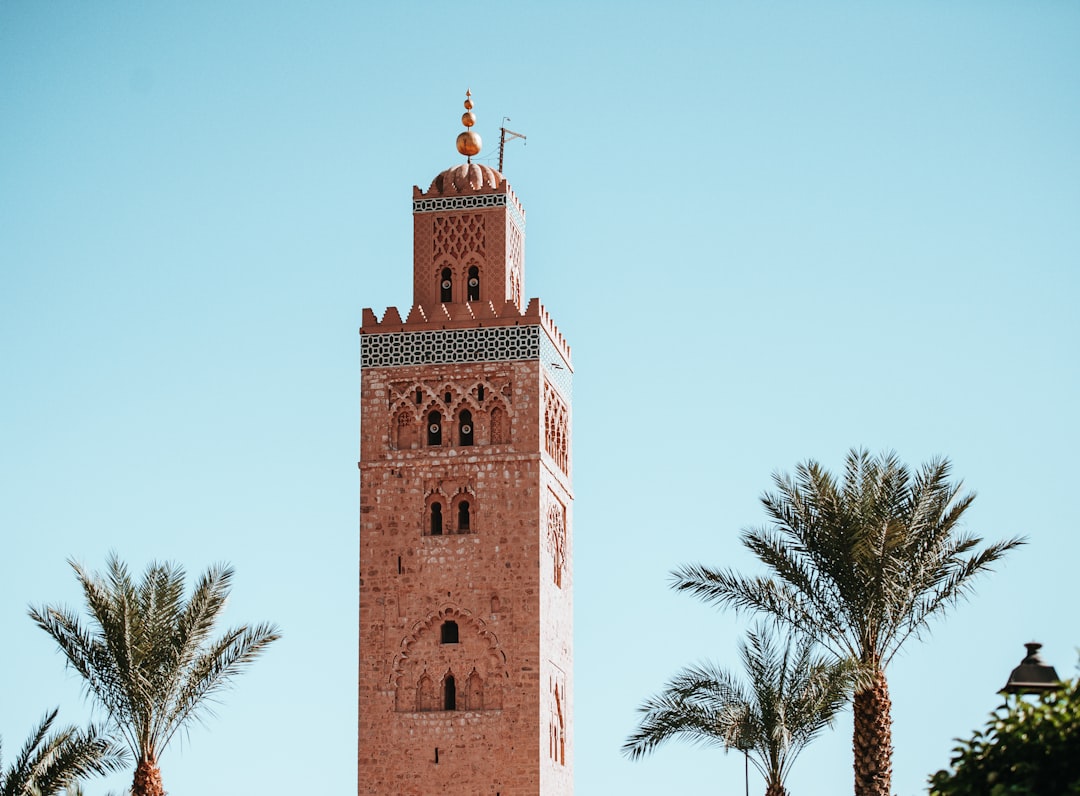
The Wanderlog recensione 2026 crowd tends to optimise for the Koutoubia Mosque as a landmark orientation point. The twelfth-century minaret is the city's most legible vertical element and a useful compass bearing. But the more interesting rooftop experience is in the northern medina, where the density is higher and the view less curated — you can watch the city's actual domestic life from above in a way that the tourist-facing southern medina doesn't permit.
Insider tip
The café terraces around the Jemaa el-Fna offer a view of the square that is both more comprehensible and more interesting than being in it. Café de France and Café Argana both have upper floors. Arrive before sunset to get a seat by the railing.
Cosa vedere a Marrakech 2026: the hammam as a civic institution
Finding and using a neighbourhood hammam requires a small amount of local intelligence — your riad host will know which ones accept non-residents — and a tolerance for the fact that the experience is not designed for your comfort in the way that a spa is. The water will be hotter than you expect. The kessa mitt, used for exfoliation, is more vigorous than any treatment you've paid for. You will leave feeling clean in a way that has no equivalent.
Insider tip
Bring your own flip-flops, a change of underwear, and a small amount of cash. Tipping the attendant is standard. Men and women use separate sections or separate time slots; confirm the schedule before you go.
There is a particular moment in Marrakech that I have come to think of as the city's actual gift, and it doesn't appear in any itinerary. It happens usually on the second or third day, when the initial disorientation has settled into something more like familiarity, and you find yourself navigating a souk alley without consulting your phone. You make a turn that you don't consciously remember making, and you come out somewhere you recognise, and for a moment the city feels navigable — not tamed, but legible.
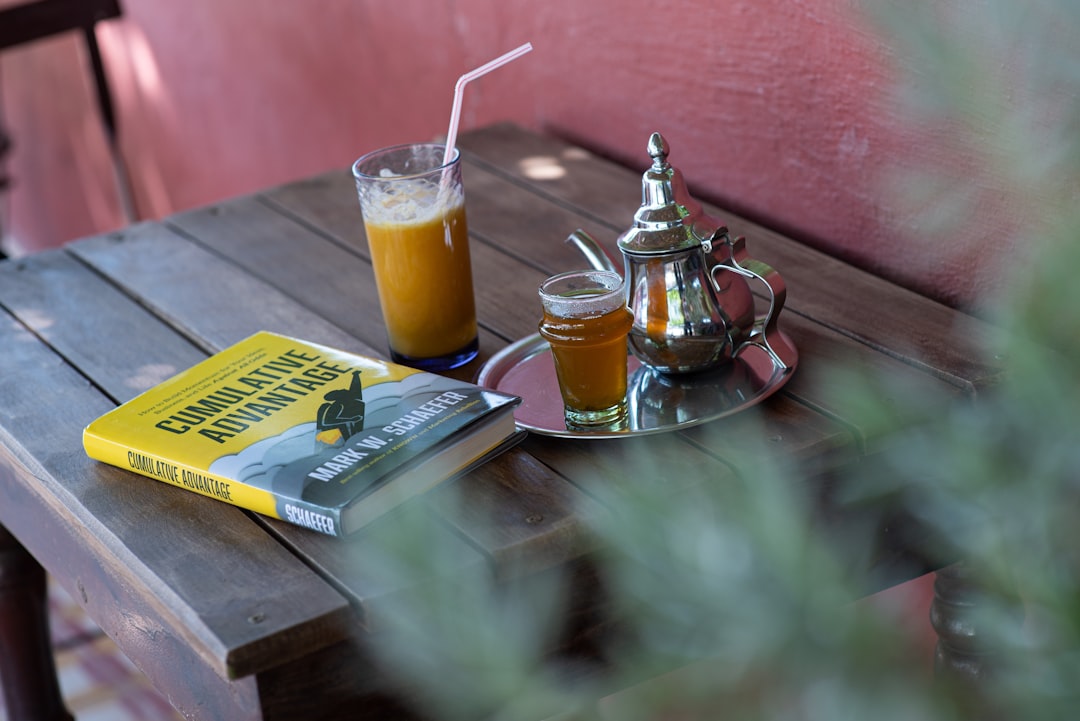
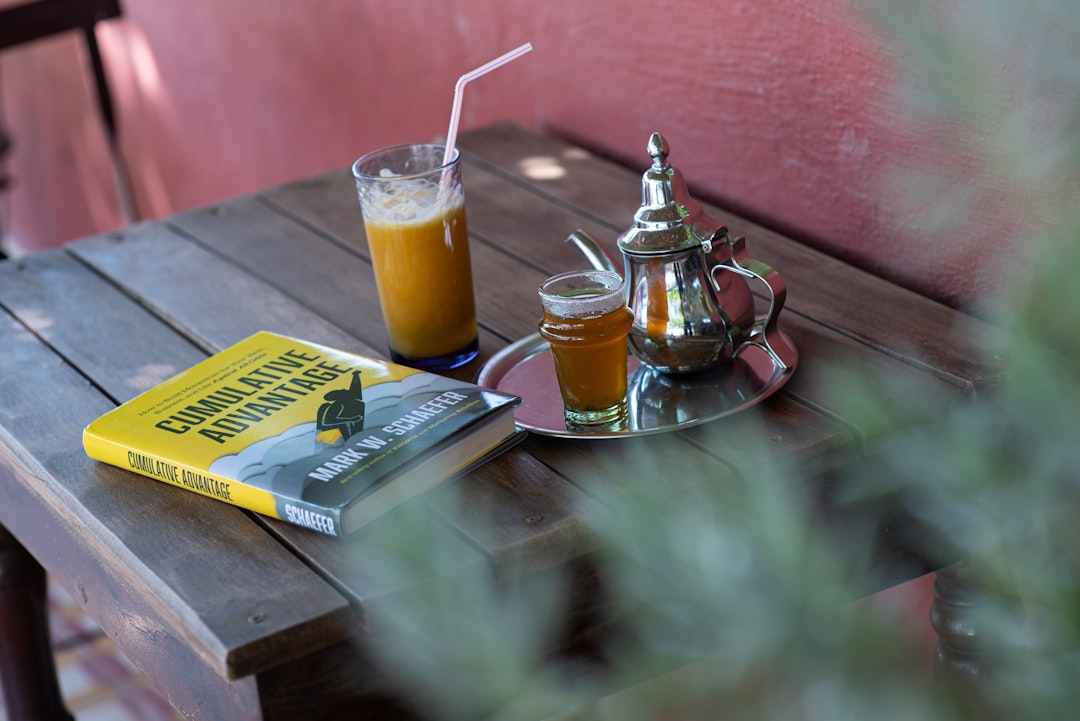
That moment is temporary. The next alley will confuse you again. The next negotiation will go wrong. The mint tea will arrive when you've already given up waiting for it. Marrakech is not a city that rewards the traveller who needs to feel in control, and it is not a city that flatters the traveller who needs to feel that they've understood it. What it offers instead is more durable: the sense of having been genuinely elsewhere, in a place that was not arranged for your arrival and will not be diminished by your departure.
Come back a second time. The city will be different. So, probably, will you.
That moment is temporary. The next alley will confuse you again. The next negotiation will go wrong. The mint tea will arrive when you've already given up waiting for it. Marrakech is not a city that rewards the traveller who needs to feel in control, and it is not a city that flatters the traveller who needs to feel that they've understood it. What it offers instead is more durable: the sense of having been genuinely elsewhere, in a place that was not arranged for your arrival and will not be diminished by your departure.
Come back a second time. The city will be different. So, probably, will you.


