The city operates on a logic that is almost but not quite legible to outsiders. It is dense in ways that go beyond population statistics — dense with competing histories, with the residue of colonial administration, with Cantonese vernacular culture that has survived extraordinary pressure, and with a commercial energy that feels less like ambition than like metabolism. You do not visit Hong Kong so much as negotiate with it. It will not slow down for you. It will not translate itself.
What follows is not a list of the city's greatest hits, though some of those appear here because they genuinely warrant the attention. It is more an attempt to describe what the city actually feels like when you move through it with some patience — the textures, the frictions, the moments when something clicks and you understand, briefly, what all the noise is about. I have tried to be honest about the things that disappoint as well as the things that do not. The city deserves that much.
At a glance
- Scopri il Man Mo Temple di Hong Kong: where incense does the talking
- Scoprire Tai Kwun: il cuore storico di Hong Kong — a prison that became something else
- Scopri la Magia di Victoria Peak a Hong Kong: the view everyone takes and what it actually costs
- Esplora il Fascino del Museo Marittimo di Hong Kong: a city that forgot it was a port
- Golden Bauhinia Square in Hong Kong: a plaza that means different things to different people
- The Avenue of Stars in Tsim Sha Tsui East, Kowloon: a promenade that earns its reputation slowly
- Scopri la Magia di Hong Kong Park: a park that doesn't pretend to be countryside
- Esplorando il Mercato Notturno di Temple Street a Hong Kong: a market that is selling you something, and not always what you think
- The night is always young at Lan Kwai Fong: a district that tells you something about who Hong Kong wants to be
- Zaha Hadid: Innovation Tower (Jockey Club Tower) — a building that refuses to be background
Scopri il Man Mo Temple di Hong Kong: where incense does the talking
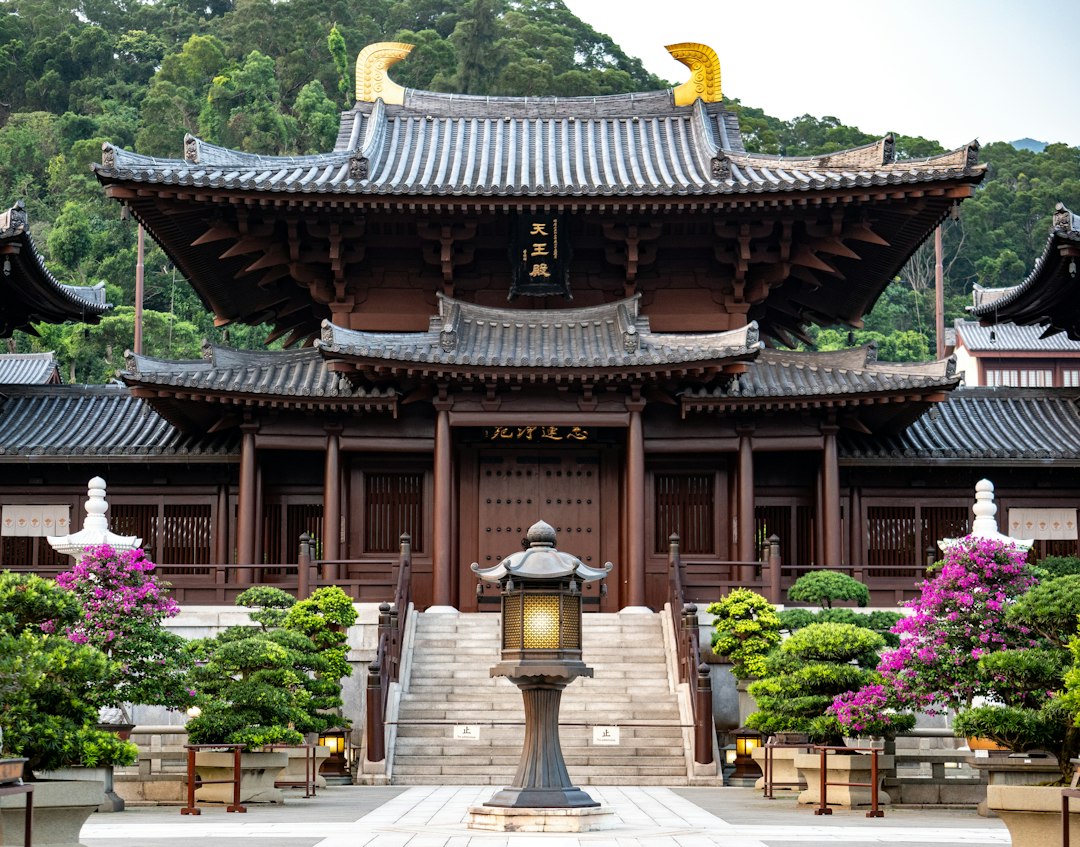
The temple sits less than a kilometre from the centre of Sai Ying Pun, which means you can walk there without planning. That is, in fact, the best way to arrive — without planning. The street outside, Hollywood Road, is lined with antique dealers of varying credibility, and the contrast between the commerce and the devotion is very Hong Kong: transactional and spiritual, simultaneously, without apparent conflict.
Insider tip
Come on a weekday morning before ten. The afternoon crowds thin the atmosphere considerably, and the light through the front entrance is better before noon.
Scoprire Tai Kwun: il cuore storico di Hong Kong — a prison that became something else
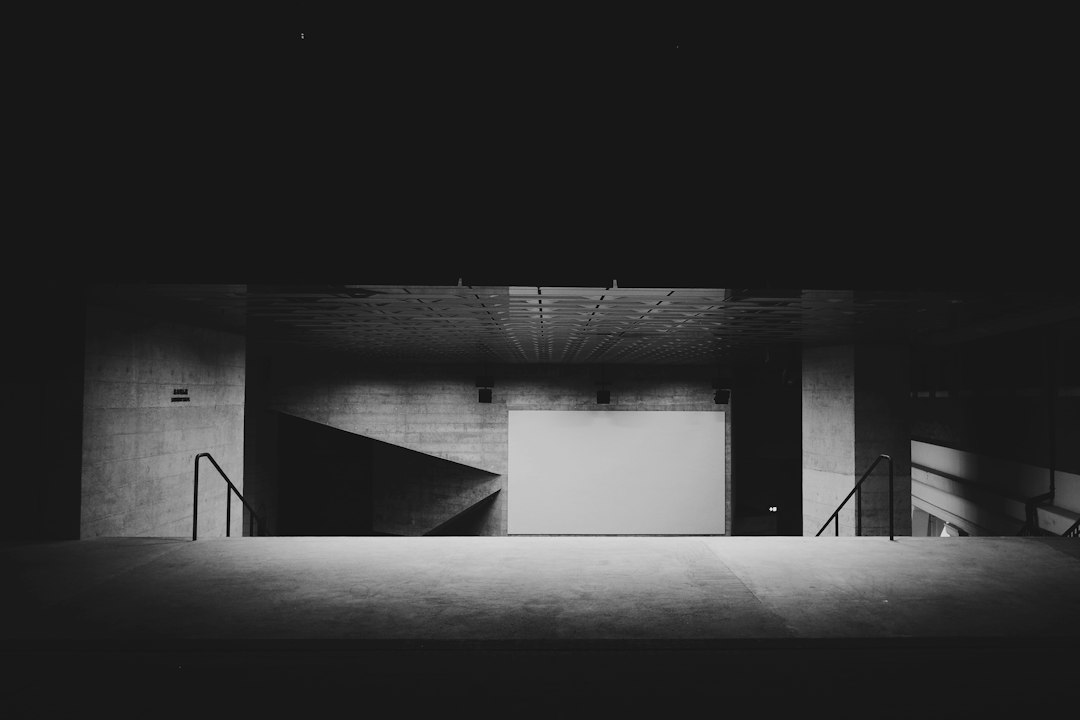
It is about 1.25 kilometres from Sai Ying Pun, which puts it within easy walking distance if you take the Mid-Levels route down. The programming — exhibitions, theatre, film — is inconsistent in quality, as arts centres everywhere tend to be, but the architecture alone justifies the walk. Stand in the old parade ground on a weekday afternoon and try to imagine what the place felt like when it was still operational. It is not a comfortable exercise, which is probably the point.
Insider tip
The Tai Kwun app has a self-guided audio tour that is genuinely well-researched — more so than the on-site signage, which can be cursory.
Scopri la Magia di Victoria Peak a Hong Kong: the view everyone takes and what it actually costs
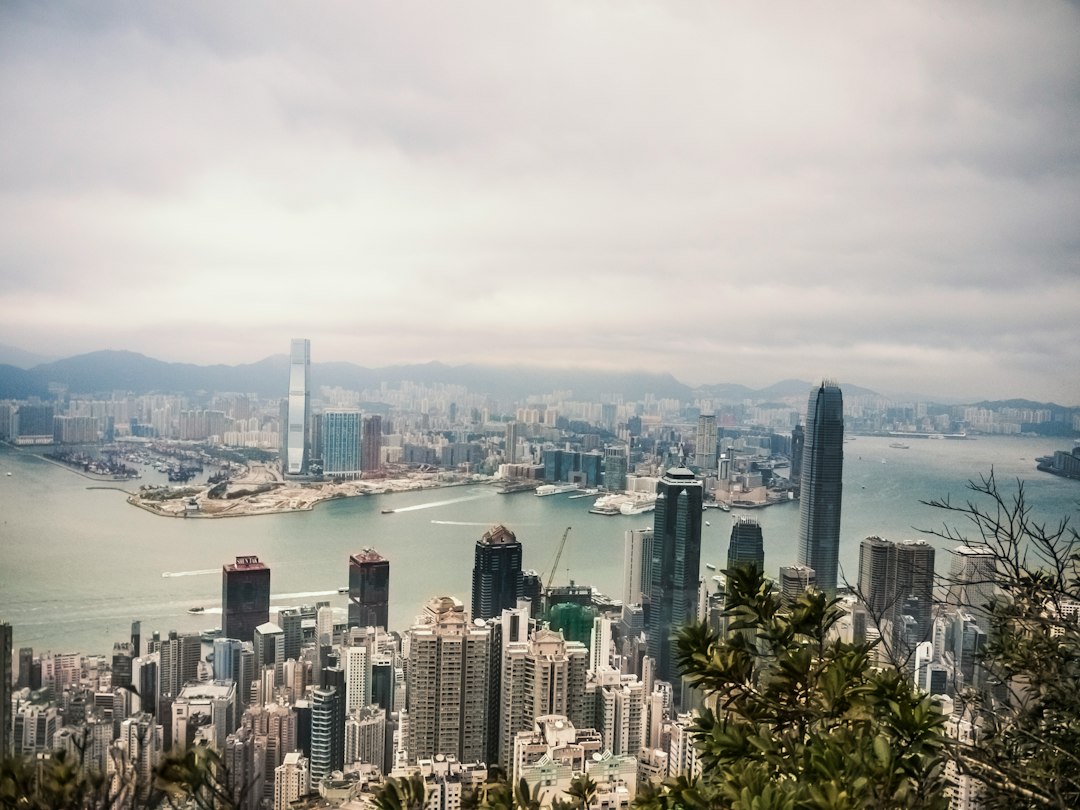
The view from the top is what it is — a panorama of the harbour and Kowloon that functions as a kind of geographical argument for the city's improbability. What the tourist photographs rarely capture is the atmosphere at dusk, when the pollution haze turns the light amber and the buildings begin to light up in sequence. Go on a clear weekday in autumn or winter, when the air is dry and the visibility is sharp. The Peak Tower shopping mall at the summit is exactly as dispiriting as you would expect and can be ignored entirely.
Insider tip
The Lugard Road circuit around the peak is a forty-minute walk with continuous harbour views and almost no one on it, even on busy weekends. Start from the tram terminus and turn left.
Esplora il Fascino del Museo Marittimo di Hong Kong: a city that forgot it was a port
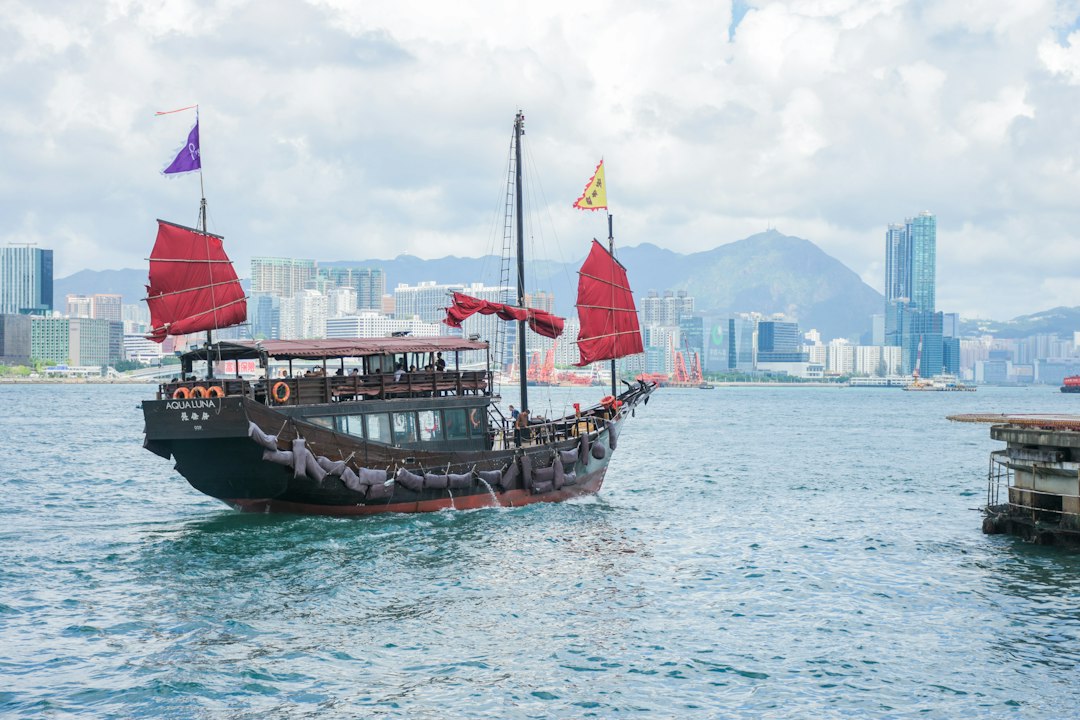
The collection covers Chinese maritime trade, colonial-era shipping, and the mechanics of one of the world's busiest container ports. It is not a glamorous museum — the displays are sometimes dated and the air conditioning is set to a temperature that seems calibrated for a different climate entirely — but the top-floor view of the harbour is worth the admission on its own terms, and the research library is genuinely useful if you want to understand how the city's wealth was actually built.
Insider tip
The museum is closed on Mondays. On Tuesday mornings it is nearly empty, which is when the staff are most likely to talk to you if you have specific questions.
Golden Bauhinia Square in Hong Kong: a plaza that means different things to different people

As a piece of public space it is functional rather than beautiful, exposed to the harbour wind and surrounded by the convention centre complex. But as a site that concentrates the city's political history into a single, legible symbol, it is worth the visit — particularly if you have been reading about Hong Kong before arriving. The gap between the official narrative and the lived reality of the city is nowhere more visible than here.
Insider tip
The flag-raising happens daily at 8am. Arrive five minutes early. The ceremony itself lasts about ten minutes and the crowd disperses quickly.
The Avenue of Stars in Tsim Sha Tsui East, Kowloon: a promenade that earns its reputation slowly
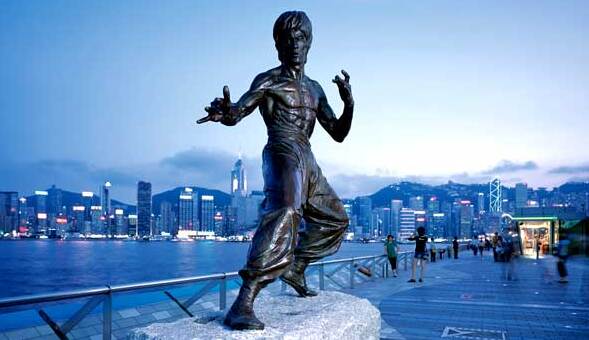
The promenade was renovated and reopened in 2019. The renovation improved the paving and added better seating but did not resolve the fundamental problem, which is that the view across the harbour to Hong Kong Island is so dominant that the film industry commemoration feels like a secondary consideration. Still, at dusk, with the Symphony of Lights show beginning across the water, the promenade offers one of the city's more honest pleasures: standing somewhere public, watching something large happen, without paying for it.
Insider tip
The Symphony of Lights runs at 8pm nightly. It is visible from both sides of the harbour, but the Tsim Sha Tsui side gives you the full skyline as backdrop.
Scopri la Magia di Hong Kong Park: a park that doesn't pretend to be countryside
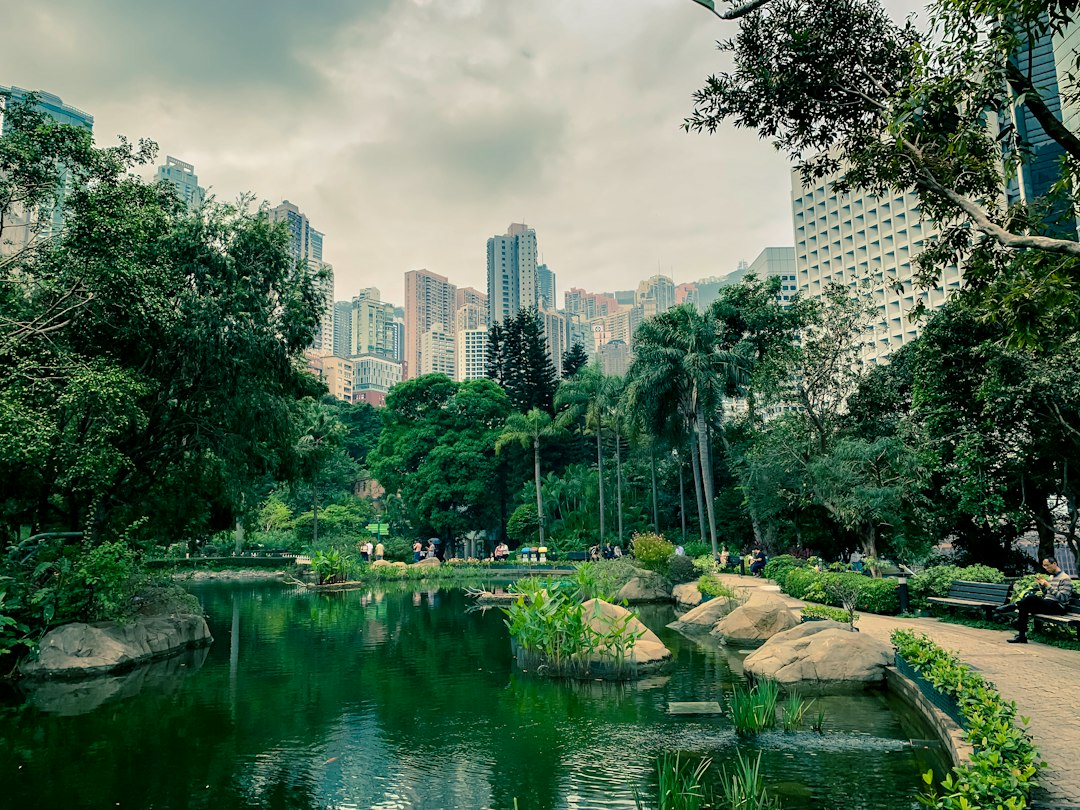
The park sits in the shadow of the Lippo Centre towers, which means you are never quite allowed to forget that you are in a dense financial district. But the tai chi practitioners who arrive at six in the morning do not seem troubled by this, and there is something instructive in watching people make use of a small, imperfect green space with complete seriousness.
Insider tip
The aviary opens at nine. Go early — the birds are more active in the morning and the human traffic is light.
Esplorando il Mercato Notturno di Temple Street a Hong Kong: a market that is selling you something, and not always what you think
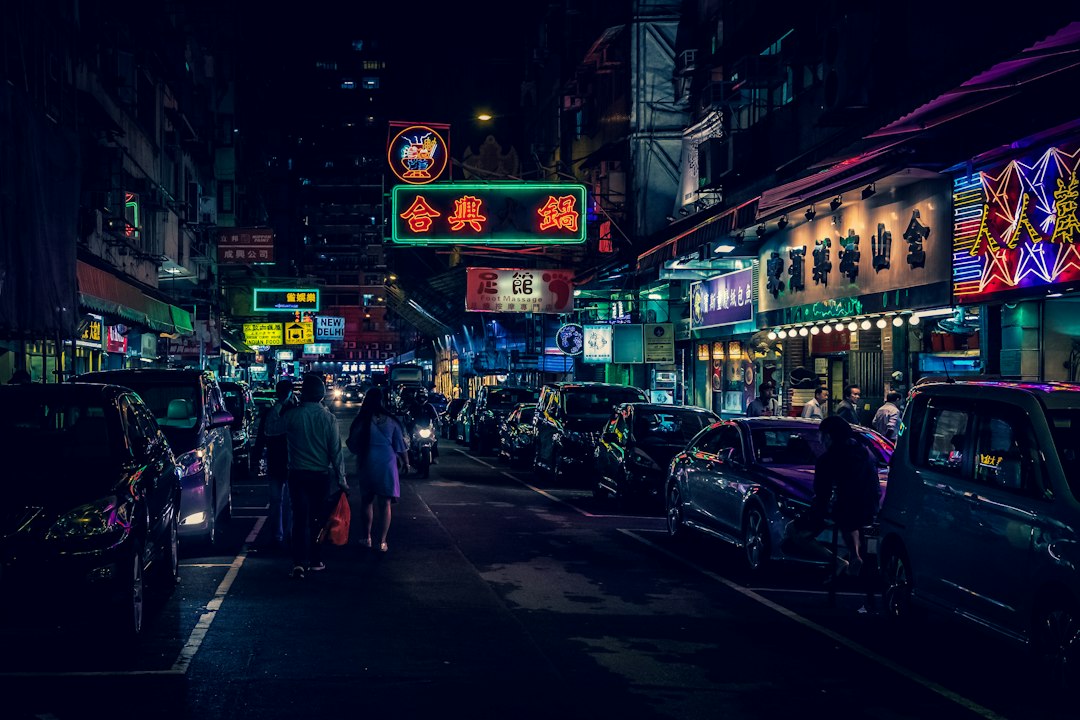
None of this means the market is not worth visiting. It is simply worth visiting with adjusted expectations. The food stalls along the southern end are the most reliable draw — clay pot rice, seafood, cold beer at plastic tables. The negotiation culture is real, though less theatrical than it once was. Arrive after eight, when the market is fully operational and the surrounding streets have filled with the particular energy that Kowloon produces after dark.
Insider tip
The fortune tellers clustered near the Tin Hau Temple end are the most experienced. Agree on a price before sitting down.
The night is always young at Lan Kwai Fong: a district that tells you something about who Hong Kong wants to be

The more interesting question Lan Kwai Fong raises is about the city's relationship with its Western-facing identity — the degree to which Hong Kong has always been a place where different versions of itself coexist without fully integrating. You can spend an evening in Lan Kwai Fong and then walk fifteen minutes to a dai pai dong and feel as though you have crossed a border that does not appear on any map.
Insider tip
Weeknights are significantly more manageable than Fridays and Saturdays. The bars on D'Aguilar Street tend to be less crowded than those on the main strip.
Zaha Hadid: Innovation Tower (Jockey Club Tower) — a building that refuses to be background
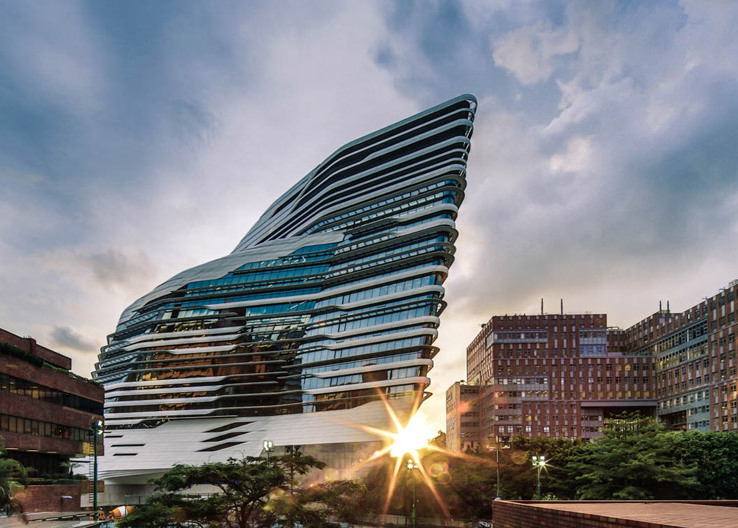
Hong Kong has a complicated relationship with architectural ambition. The city builds constantly and tears down almost as fast, which means that buildings with genuine formal ambition — the HSBC headquarters, the Bank of China Tower, and this — stand out less because they are exceptional and more because they have survived long enough to be appreciated. The Innovation Tower is worth the trip to Hung Hom, which is not a neighbourhood that attracts many visitors, and is better for it.
Insider tip
The building is on an active university campus. Weekday afternoons during term time are the best time to visit — the public areas are accessible and the design school sometimes has student exhibitions open to visitors.
There is a version of Hong Kong that exists in the imagination before you arrive — a city of neon and harbour views and efficient transit and excellent dim sum. That version is not false, exactly. The transit is efficient. The dim sum is good. But the city that you actually encounter is more unruly than the imagined one, more politically freighted, more in the process of negotiating with its own history than any promotional material will suggest.
Sai Ying Pun, where I lived, is a useful entry point because it has not fully decided what it wants to be. The wet market on Second Street still operates at six in the morning. The new coffee shops close at five. The old men who play chess on the pavement outside the community centre do not acknowledge the coffee shops, and the coffee shops return the favour. This is not charm. It is simply what a city in transition looks like when you pay attention.
The ten places described here are not a complete picture of Hong Kong. They are a partial one, drawn from a particular vantage point, at a particular moment. The city will have changed some of them by the time you read this. That is also very Hong Kong: the ground shifts, and you adjust, and you keep walking.
Sai Ying Pun, where I lived, is a useful entry point because it has not fully decided what it wants to be. The wet market on Second Street still operates at six in the morning. The new coffee shops close at five. The old men who play chess on the pavement outside the community centre do not acknowledge the coffee shops, and the coffee shops return the favour. This is not charm. It is simply what a city in transition looks like when you pay attention.
The ten places described here are not a complete picture of Hong Kong. They are a partial one, drawn from a particular vantage point, at a particular moment. The city will have changed some of them by the time you read this. That is also very Hong Kong: the ground shifts, and you adjust, and you keep walking.


