Sham Shui Po sits on the western edge of Kowloon, a neighbourhood that has functioned for decades as the city's bargain basement in the most literal sense — electronics, fabrics, secondhand goods, the kind of commerce that doesn't need a shopfront because the pavement will do. It is not a district that performs for tourists, which is either its great virtue or its great inconvenience depending on what you came for. The streets smell of soldering iron and occasionally of something less identifiable. The signage is almost entirely in Chinese. The people who live here have, by and large, been living here for a long time, and they are not especially interested in your arrival.
What follows is not a list of the district's most Instagrammable corners. It is an attempt to describe ten experiences — some within Sham Shui Po proper, some in the wider Kowloon orbit — that reward the kind of attention most travel writing doesn't bother to ask for. A few of them will disappoint you in small ways. That is part of the deal.
At a glance
- Hong Kong and the Ladies' Market: commerce as spectacle
- Esplora il Ladies' Market di Hong Kong: the same street, a different angle
- Hong Kong: The Jade Market — green stone, long history
- Scopri la Storia di Kowloon Walled City Park: a park that remembers what it replaced
- 1881 Heritage: Storia e Cultura a Hong Kong — a colonial building that found a second life
- Zaha Hadid: Innovation Tower (Jockey Club Tower) — a building that argues with its surroundings
- Scopri l'incanto di Sky100 a Hong Kong: the city from the hundredth floor
- Scopri l'Incanto del Hong Kong Palace Museum: Chinese imperial art in a new building
- Scopri il Tempio di Wong Tai Sin a Hong Kong: fortune-telling and the pragmatic divine
- Come pianificare un viaggio a Hong Kong con l'AI nel 2026: navigating a city that resists simplification
Hong Kong and the Ladies' Market: commerce as spectacle
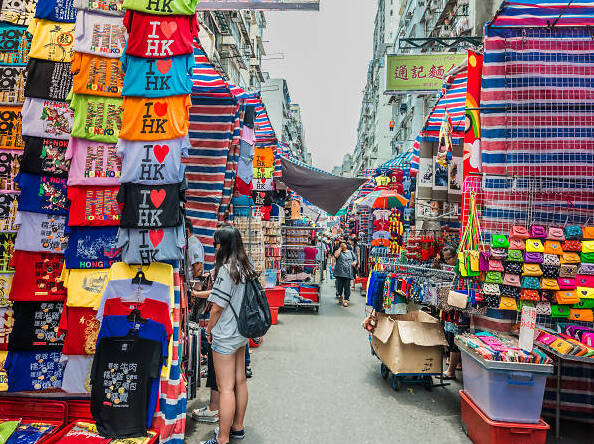
The market is not a secret. It is, in fact, one of the more visited stretches of pavement in Kowloon, which means it also attracts the full spectrum of street-market friction — aggressive vendors, counterfeit goods presented without apology, the occasional price quoted at four times what the stall next door will accept. Go in the evening, when the overhead lights come on and the foot traffic thickens into something genuinely cinematic. Bargain without embarrassment. Leave with something you didn't plan to buy.
Insider tip
The stalls closest to the Mong Kok MTR exit price aggressively for tourists. Walk two blocks north before you start negotiating — the same items appear at roughly half the opening ask.
Esplora il Ladies' Market di Hong Kong: the same street, a different angle
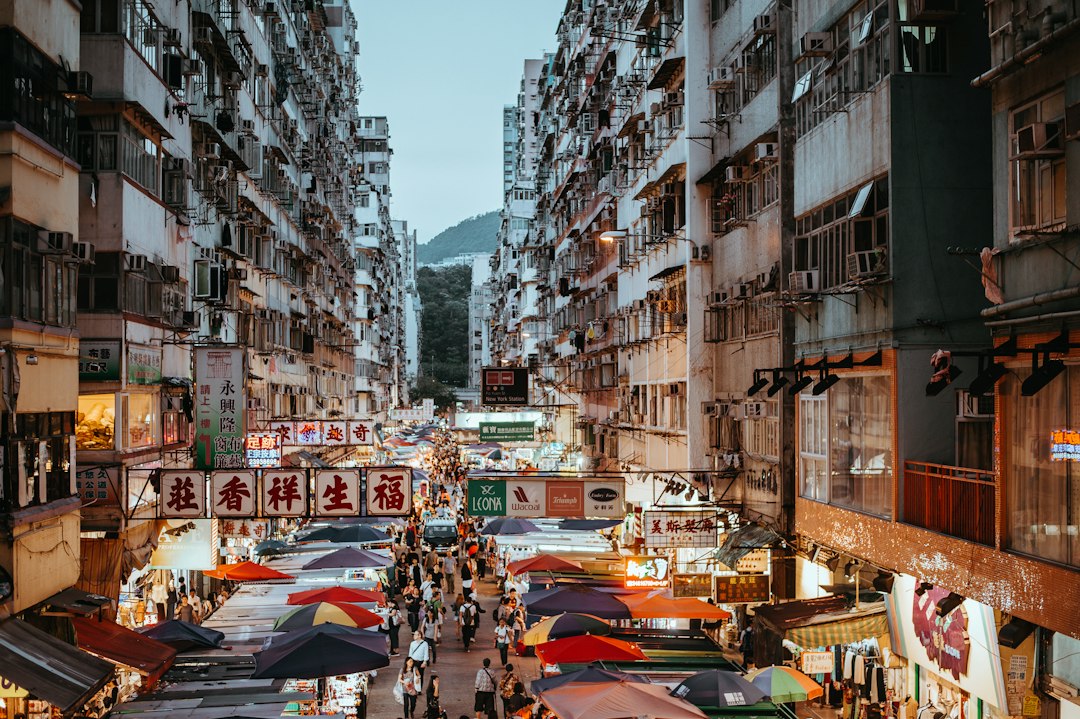
Mong Kok, the neighbourhood that contains the market, is one of the densest residential areas on the planet by some measures, and that density is not incidental to the market's character. The people shopping here are not mostly tourists. They are residents who have specific things to buy and limited time to buy them. Watching that transaction — purposeful, fast, almost wordless — is its own form of education about how the city actually functions.
Insider tip
Tuesday and Wednesday afternoons see significantly thinner crowds than weekends. The selection is identical; the experience is considerably less exhausting.
Hong Kong: The Jade Market — green stone, long history
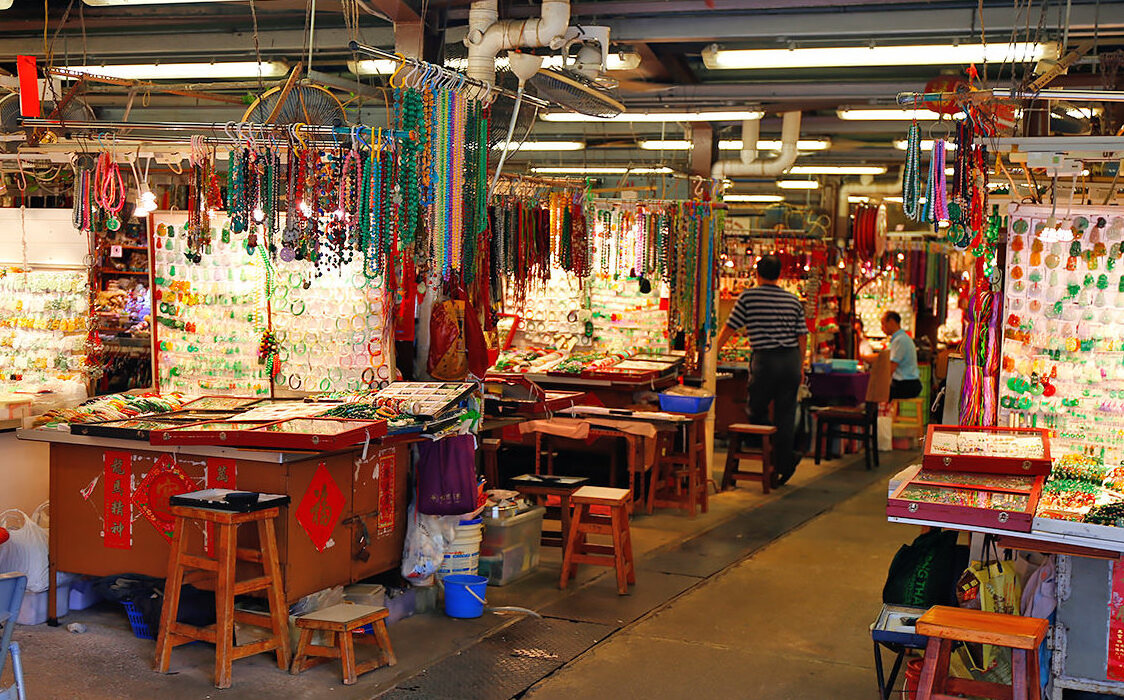
Jade carries significant cultural weight in southern Chinese tradition — it is associated with purity, longevity, and moral virtue in ways that predate the current market by several thousand years. The vendors know this, and they know that most of the people standing in front of their cases do not know how to evaluate quality. This is not a place to buy jade unless you either know what you are looking at or are willing to accept that you probably overpaid. It is, however, an excellent place to spend an hour watching people who do know what they are looking at conduct their business.
Insider tip
If you want a genuine education in jade grading, arrive early on a weekday morning when dealers are buying from each other rather than selling to the public. The transactions are instructive.
Scopri la Storia di Kowloon Walled City Park: a park that remembers what it replaced
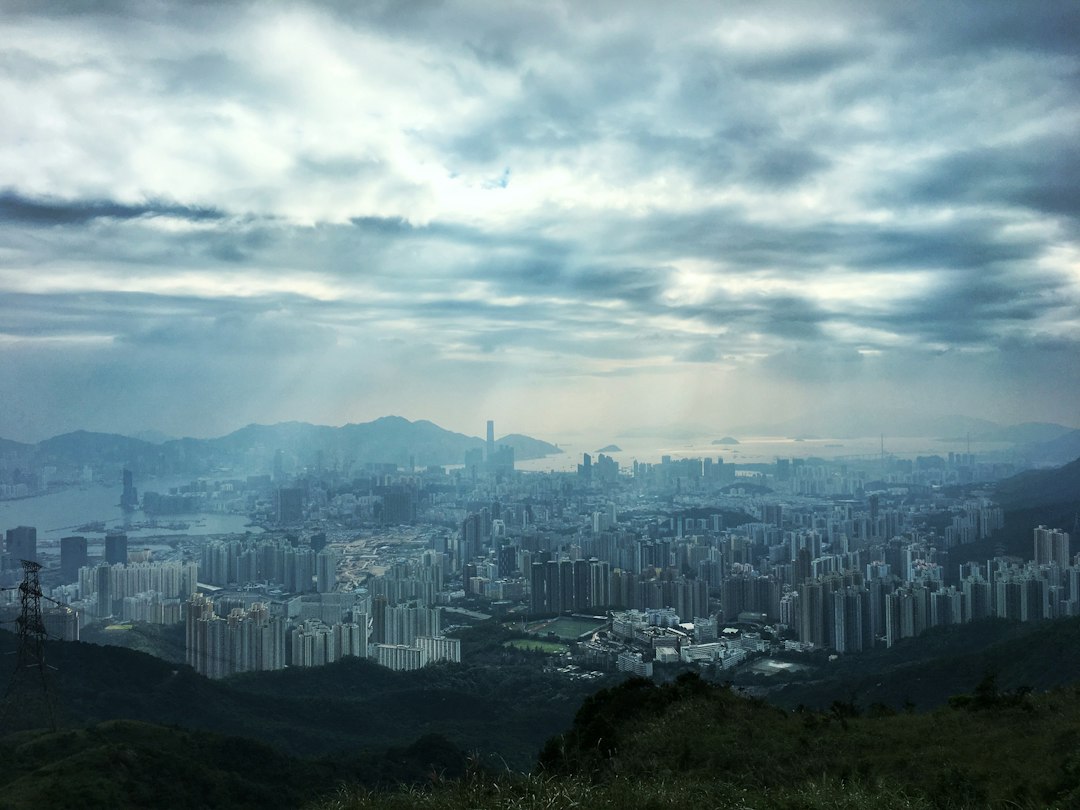
What makes it worth visiting has nothing to do with the park itself. The Walled City that preceded it was, for several decades of the twentieth century, one of the most densely inhabited and administratively ungoverned places on earth — a structure of roughly 33,000 people in an area of about 2.6 hectares, outside the jurisdiction of both British colonial authorities and the Chinese government. It was demolished in 1993. The park preserves some of the original walls and a small museum that documents, with commendable understatement, what life inside looked like. Spend time with the photographs.
Insider tip
The museum inside the park is free and small enough to cover properly in forty minutes. The yamen building at the park's southern end is original — one of the few structures that survived demolition.
1881 Heritage: Storia e Cultura a Hong Kong — a colonial building that found a second life
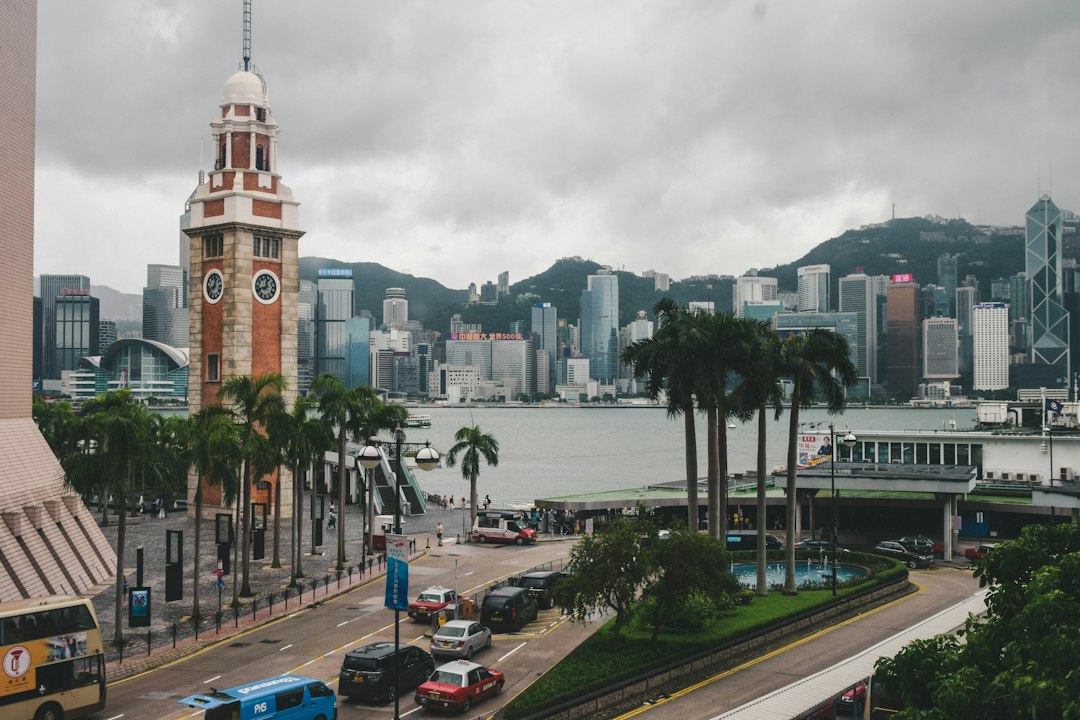
The building itself is genuinely worth examining. The colonnaded verandas, the proportions of the main block, and the relationship between the structures and the former waterfront represent a particular moment in colonial Hong Kong that has otherwise been largely erased. The retail tenants are high-end and largely uninteresting. Ignore them. Walk the grounds slowly, read the interpretive panels, and try to reconstruct in your mind what the harbour looked like when the building was new and the reclamation that now separates it from the water had not yet happened.
Insider tip
The complex is most atmospheric on weekday mornings before the lunch crowds arrive from the nearby hotels. The courtyard, empty, has a quietness that the evening crowds entirely eliminate.
Zaha Hadid: Innovation Tower (Jockey Club Tower) — a building that argues with its surroundings
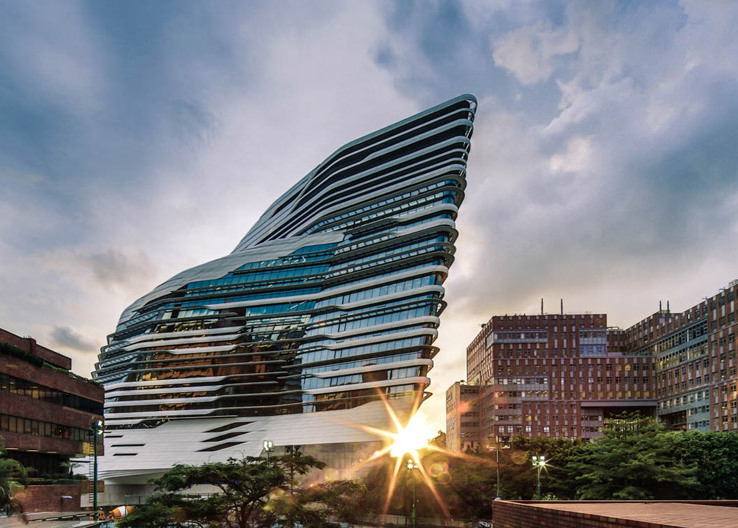
The building houses the university's School of Design, which is appropriate given that the architecture is itself a sustained argument about what a building can do when it refuses the orthogonal. The interior is open to visitors during university hours and worth entering — the atrium spaces and the way light moves through them are more interesting than the exterior photographs suggest. Hung Hom is not a neighbourhood that attracts much architectural tourism, which means you will likely have the building more or less to yourself.
Insider tip
The best exterior view is from the pedestrian bridge that connects to the MTR station — from that elevation and angle, the full complexity of the facade becomes legible in a way it doesn't from street level.
Scopri l'incanto di Sky100 a Hong Kong: the city from the hundredth floor
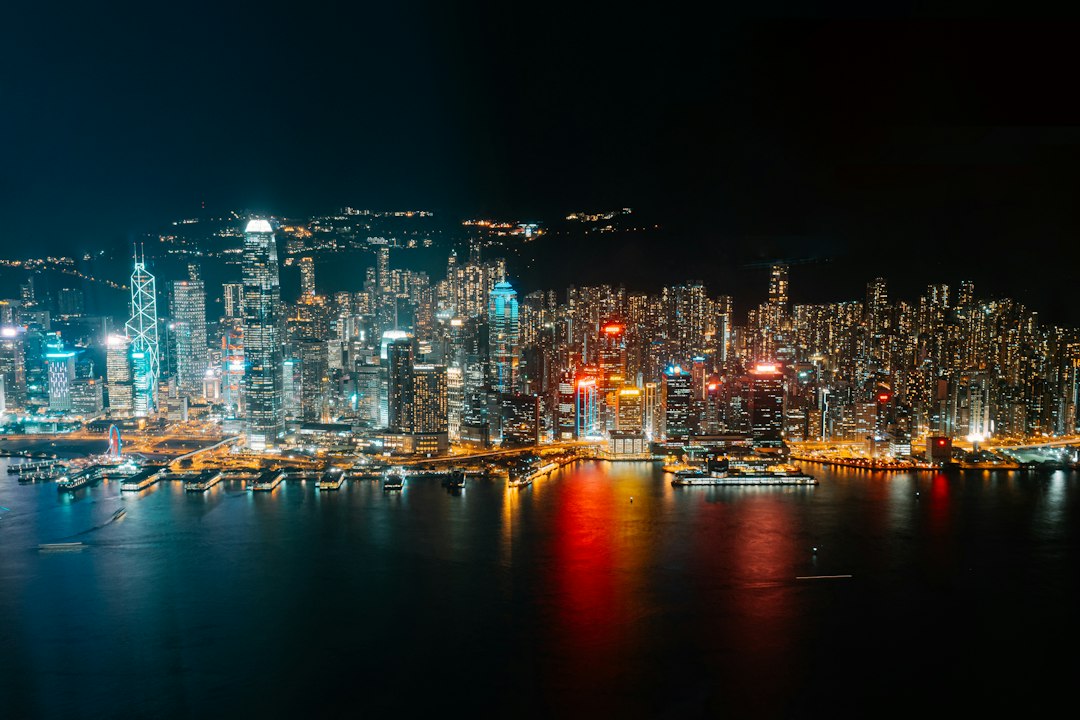
The experience has its honest pleasures and its honest disappointments. On clear days, which are less common than the promotional material implies, the view extends across to Lantau Island and the peaks of the New Territories. On hazy days, which are more common, you are looking at gradations of grey that are atmospheric in a different sense. The entry price is not trivial. Factor that into your calculus.
Insider tip
Book the first entry slot of the day — visibility is statistically better in the morning before the atmospheric haze thickens, and the crowds are thinner by a considerable margin.
Scopri l'Incanto del Hong Kong Palace Museum: Chinese imperial art in a new building
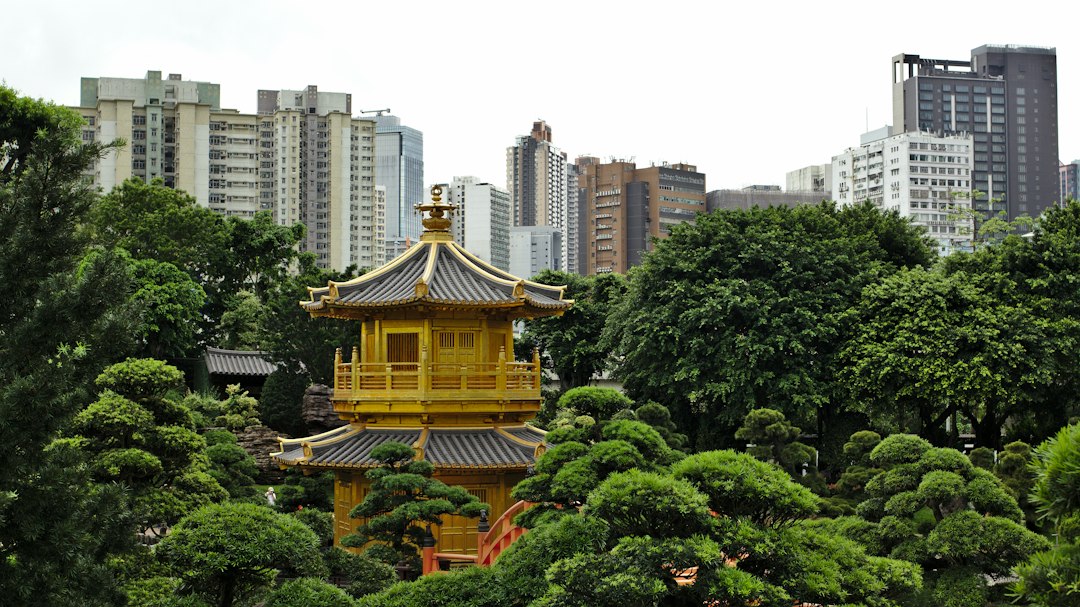
The building itself, designed by Rocco Yim, is a considered piece of architecture that manages to feel neither imitative of its Beijing counterpart nor aggressively contemporary. The permanent galleries are organised thematically rather than chronologically, which has the effect of making the collection feel more like an argument than a timeline. Some of the temporary exhibitions have been more successful than others. The museum is not free, and the ticketing system requires advance booking — plan accordingly, and do not arrive assuming walk-in access.
Insider tip
Gallery 7, dedicated to the relationship between Hong Kong and the Palace Museum's collections over the past century, is the one that most visitors skip and most rewards the time.
Scopri il Tempio di Wong Tai Sin a Hong Kong: fortune-telling and the pragmatic divine
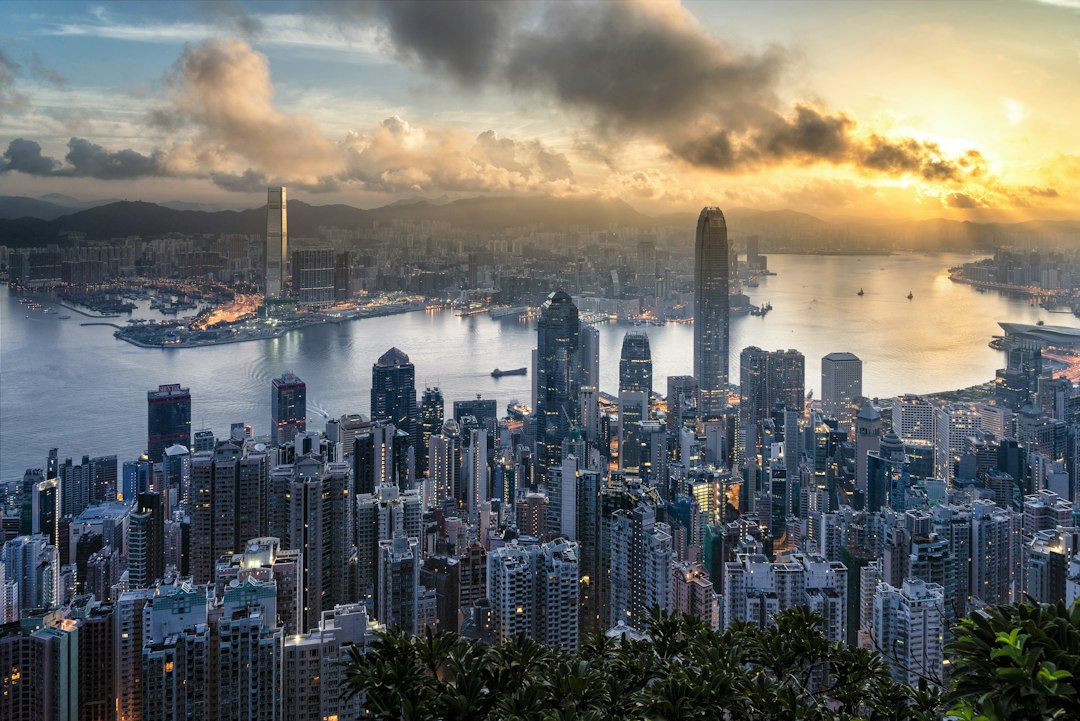
The architecture is vivid — red and gold in quantities that would read as excess anywhere else but here read as devotion. The complex includes a Confucian hall, a Taoist hall, and a Buddhist hall, an arrangement that reflects the syncretic religious practice common in southern China. The fortune-telling arcade adjacent to the main temple employs practitioners of various divinatory traditions, and the experience of consulting one, even across a language barrier, is worth the modest fee.
Insider tip
The temple is busiest on the first and fifteenth days of the lunar month. If you want to observe rather than participate, those are the days to go. If you want to engage, a quieter weekday morning gives practitioners more time.
Come pianificare un viaggio a Hong Kong con l'AI nel 2026: navigating a city that resists simplification
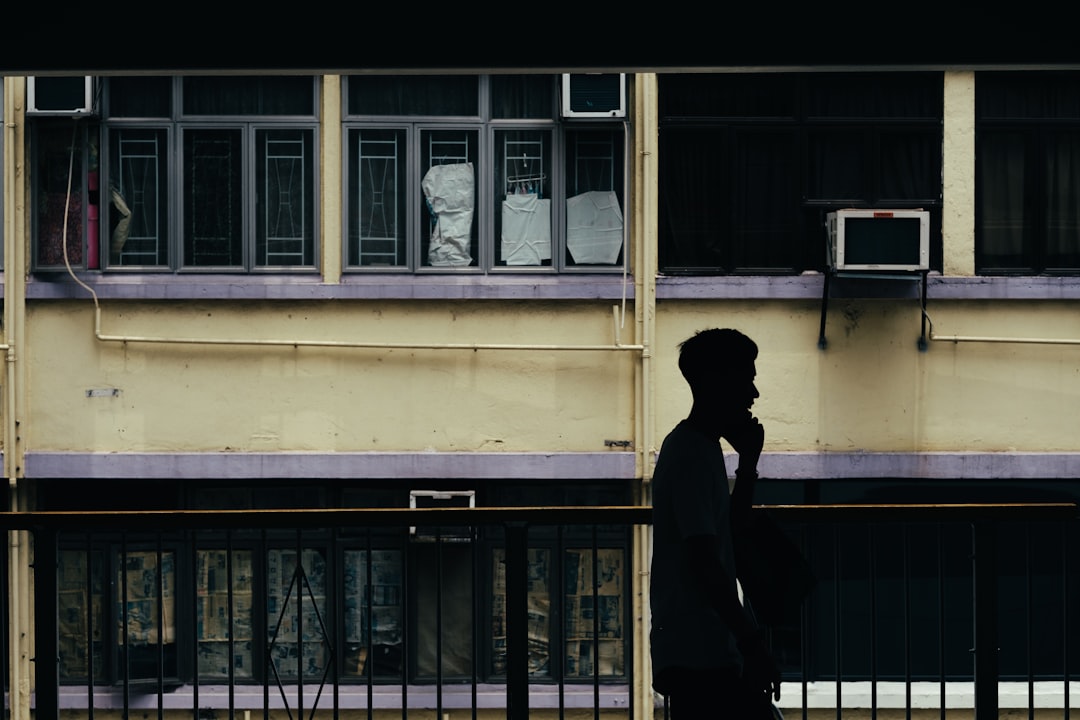
The honest answer is that no planning tool, artificial or otherwise, substitutes for time on the ground. What the better AI tools can do is help you construct an itinerary that doesn't waste two hours of a day commuting between things that could have been grouped geographically, or that doesn't send you to a market on the one afternoon it closes. Use them for logistics. Reserve your judgment for the city itself, which will complicate whatever you thought you understood about it within approximately the first forty-eight hours.
Insider tip
The MTR's own journey planner is more reliable than third-party apps for real-time disruption information. Download the official app before you arrive — it works offline for basic route planning.
There is a particular quality to leaving a neighbourhood like Sham Shui Po — or the wider Kowloon basin it sits within — that I have not managed to name precisely after all the years I have spent doing it. It is not nostalgia, exactly, because the place hasn't changed enough in any given visit to make nostalgia appropriate. It is something closer to the feeling of having been in the presence of a system that does not require your presence to function, and of having been permitted, briefly, to observe it.
Hong Kong is often written about as a city in transition, which is true in the sense that it has always been in transition — between colonial and post-colonial, between manufacturing and finance, between one set of political arrangements and another. Sham Shui Po and its surrounding districts carry the evidence of those transitions in their streetscapes in ways that the more curated parts of the city do not. The electronics stalls that replaced the textile mills. The Vietnamese and South Asian communities that moved into housing the previous residents had vacated. The new cultural institutions rising on reclaimed land a few kilometres to the west.
None of this makes for a tidy conclusion. The city resists tidy conclusions, which is one of the better things about it.
Hong Kong is often written about as a city in transition, which is true in the sense that it has always been in transition — between colonial and post-colonial, between manufacturing and finance, between one set of political arrangements and another. Sham Shui Po and its surrounding districts carry the evidence of those transitions in their streetscapes in ways that the more curated parts of the city do not. The electronics stalls that replaced the textile mills. The Vietnamese and South Asian communities that moved into housing the previous residents had vacated. The new cultural institutions rising on reclaimed land a few kilometres to the west.
None of this makes for a tidy conclusion. The city resists tidy conclusions, which is one of the better things about it.


