Stanley — or Chek Chue in Cantonese, a name that has largely been forgotten by the people who now live there — sits on a narrow peninsula on the south side of Hong Kong Island, about forty minutes by bus from Central if the traffic on Wong Chuk Hang Road cooperates, which it sometimes does not. It is the kind of place that has been described, too many times and too loosely, as 'charming,' a word that tends to mean the writer ran out of things to say. What Stanley actually is, is specific. It has a market that sells things you probably don't need. It has a bay that changes colour depending on the hour. It has a history — colonial, military, mercantile — that most visitors walk directly past on their way to buy a linen shirt.
This guide is an attempt to slow that walk down. It takes in not just Stanley itself but the broader south side of the island, because Stanley without its geographic context is like reading the last chapter of a novel first. Some of what follows will require effort. Some of it will require a bus, or a ferry, or a willingness to eat something unfamiliar in an unfamiliar setting. None of it will require superlatives, which I have decided to retire for the duration.
At a glance
- Stanley Market in Hong Kong: the bargain that isn't, and why that's fine
- Scopri la Magia della Baia di Repulse a Hong Kong: the Italian title, the Chinese bay
- Repulse Bay and one of the most beautiful beaches: a name earned in blood, enjoyed in sunscreen
- Sentieri Sospesi: Alla Scoperta del Dragon's Back: the ridge that earns its name
- Ocean Park is a major attraction in Hong Kong: the theme park as cultural document
- Hong Kong Trail: 50 kilometres of the city's other face
- Dim Sum that means "touch your heart": the meal that is also a social structure
- Il volto verde di Hong Kong: l'isola di Lamma: the island that chose a different pace
- Golden Bauhinia Square in Hong Kong: a ceremony, a symbol, a square
- Esplora il Fascino del Museo Marittimo di Hong Kong: trade winds made permanent
Stanley Market in Hong Kong: the bargain that isn't, and why that's fine
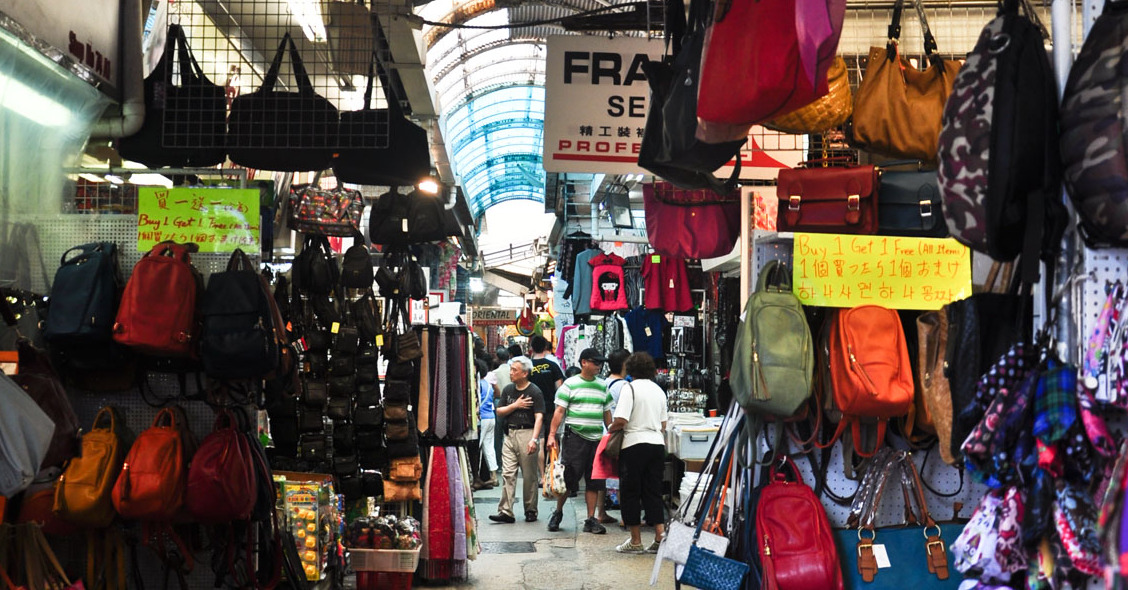
Go not for the shopping but for the architecture of the thing — the way the lanes compress and then suddenly open, the way sound bounces between the low buildings, the way the sea appears without warning at the end of a corridor of handbags. On weekday mornings, before ten, the market belongs to the people who work in it. That version is worth seeing.
Insider tip
The fabric stalls toward the back of the market, away from the waterfront lane, are quieter and occasionally yield something genuinely useful. Bring cash; card machines have a way of being 'broken' when the price is low.
Scopri la Magia della Baia di Repulse a Hong Kong: the Italian title, the Chinese bay
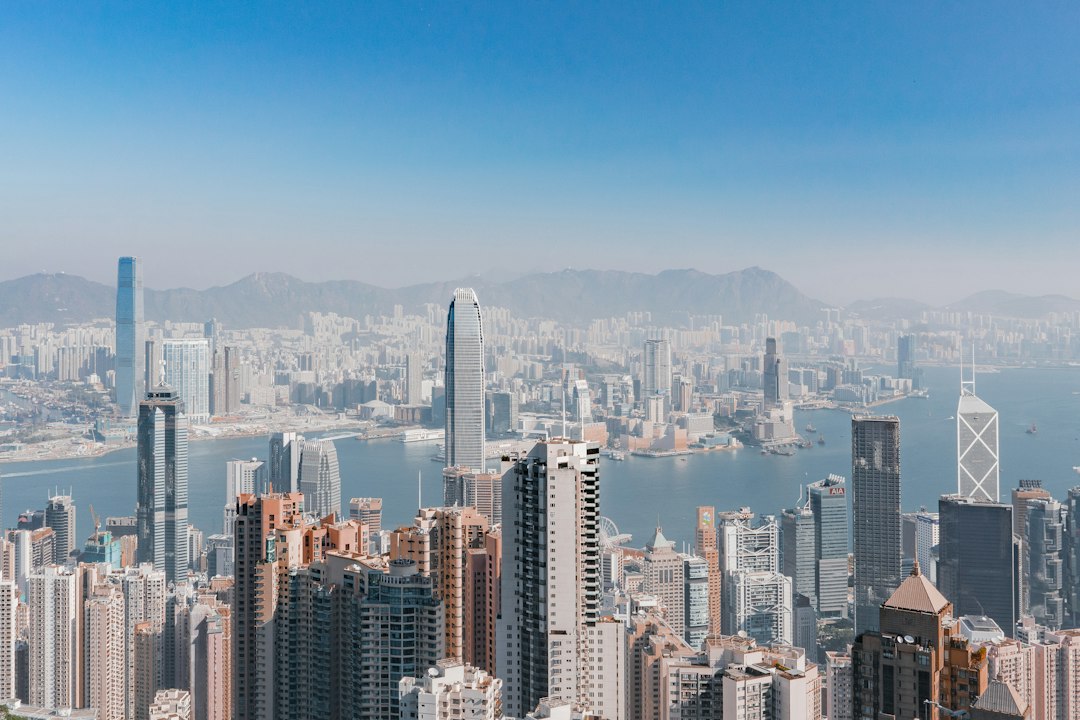
The hills come down to the water in a way that feels disproportionately dramatic for a city of this density. In the late afternoon, when the light moves off the water and the families with their cooler boxes have started packing up, the bay becomes something quieter and more itself. The green slopes, the particular blue of the South China Sea in winter, the distant container ships moving with the slowness of very large things — it is not a view that announces itself. It accumulates.
Insider tip
Bus 6 from Exchange Square in Central drops you almost at the beach. The ride over the hill is half the point — the moment the city disappears behind you and the sea appears below is one of Hong Kong's better transitions.
Repulse Bay and one of the most beautiful beaches: a name earned in blood, enjoyed in sunscreen

The Repulse Bay building, the luxury apartment block with its famous square hole — an architectural concession to feng shui, allowing a dragon passage to the sea — stands at the south end of the beach and rewards a closer look. The colonnaded arcade at its base contains a restaurant that has been serving weekend dim sum to Hong Kong's upper-middle class for longer than most of the city's current residents have been alive.
Insider tip
The public beach facilities are free. The beach itself gets crowded on public holidays to a degree that makes the sand effectively invisible. Come on a grey Tuesday in November and you may have a section of it to yourself.
Sentieri Sospesi: Alla Scoperta del Dragon's Back: the ridge that earns its name
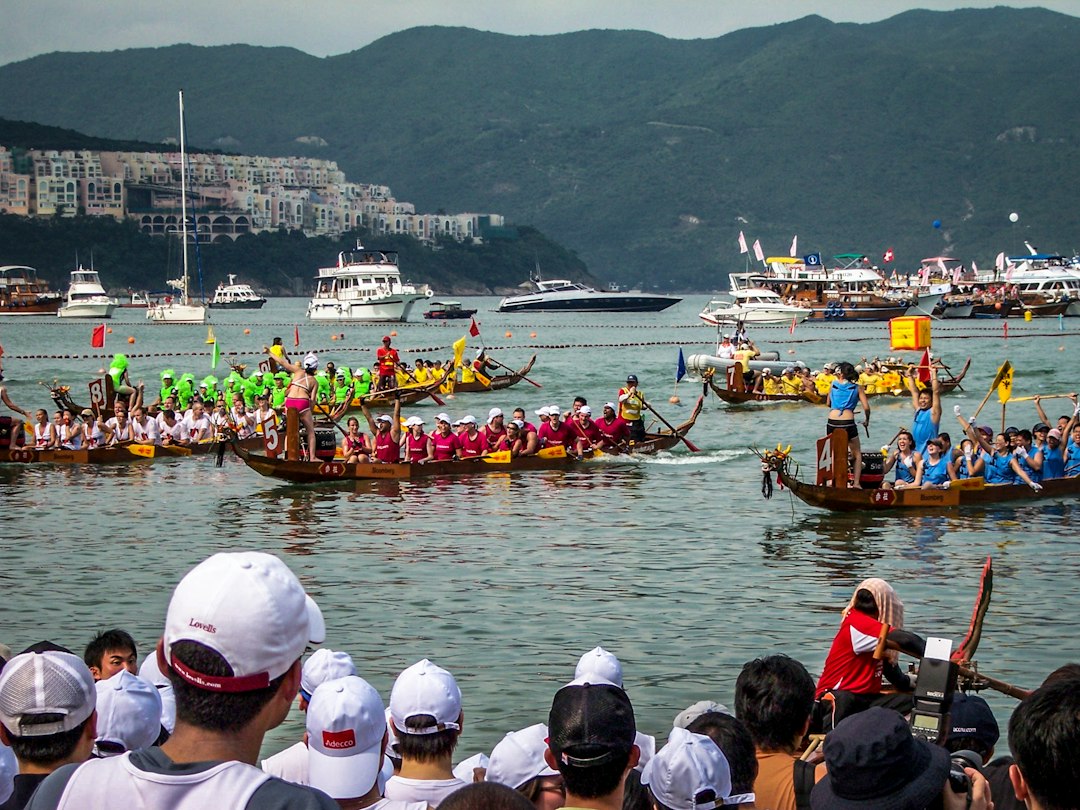
The walk from Shek O Road to the beach at Big Wave Bay takes roughly two hours at a moderate pace, and the views across the South China Sea, the outlying islands, and the surprisingly agricultural Shek O valley below are the reward for the climb. What makes it worth doing beyond the view is the quality of the silence — relative silence, at least — and the sense that the city, visible on the other side of the ridge, is genuinely far away. It is not far away. But it feels it.
Insider tip
Take bus 9 from Shau Kei Wan MTR station to the trailhead at To Tei Wan. Finish at Big Wave Bay and take the same bus back — or walk down to Shek O for lunch, which adds another forty minutes but is worth it.
Ocean Park is a major attraction in Hong Kong: the theme park as cultural document
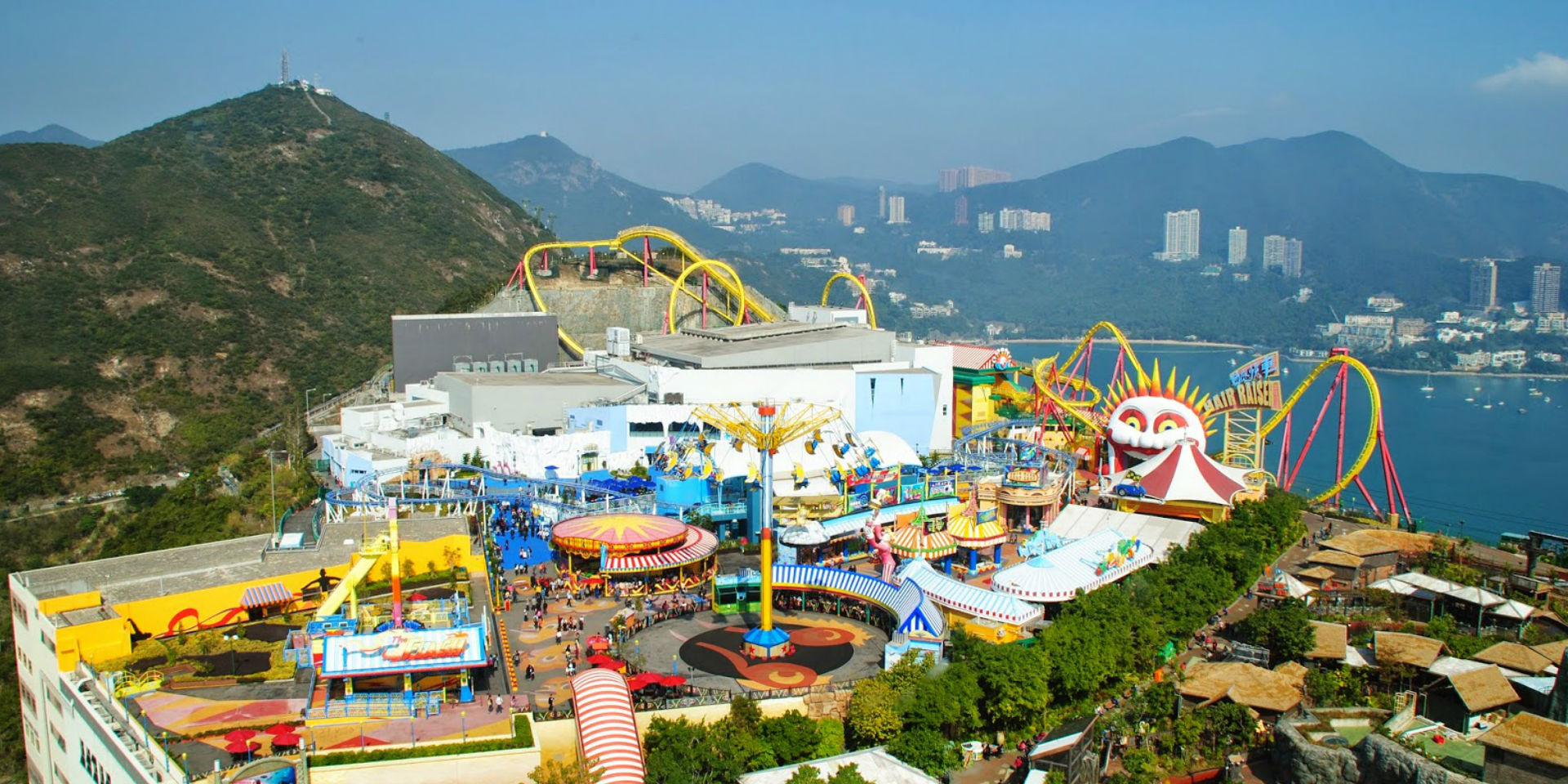
The marine exhibits, particularly the aquarium, are well-maintained and serious in their educational intent. The rides are fine. The queues on weekends and school holidays are long in the way of all theme parks everywhere. What Ocean Park offers that its competitors do not is a specific Hong Kong texture — a sense of accumulated history, of generations of school trips and first dates, that no amount of rebranding quite erases.
Insider tip
The cable car from the lower to upper section has a wait that can exceed an hour on busy days. The Ocean Express funicular, less scenic but faster, is the practical alternative. Book tickets online to skip the entrance queue.
Hong Kong Trail: 50 kilometres of the city's other face

Few people walk all of it at once, and few need to. The trail is divided into eight sections of varying difficulty, and the sections closest to Stanley — passing through Tai Tam Country Park — are among the quietest and most rewarding. The Tai Tam reservoirs, Victorian engineering of considerable elegance, sit along one of the middle sections and are reason enough to lace up a pair of boots.
Insider tip
The trail is well-marked with yellow distance posts, but download an offline map regardless — mobile signal drops in the valleys. Section 4, through Tai Tam, can be accessed from Parkview on Tai Tam Road, cutting travel time significantly.
Dim Sum that means "touch your heart": the meal that is also a social structure

The version served in hotel restaurants is technically proficient and socially inert. The version served in a working neighbourhood restaurant on a Sunday morning, surrounded by three generations of a family who have been coming to the same table for twenty years, is something else entirely. Stanley has options; Aberdeen, nearby, has better ones.
Insider tip
Arrive before ten on a Sunday morning or accept that you will wait. Bring a newspaper or the patience of someone who has nowhere to be. Ordering by pointing is universally understood and carries no social penalty.
Il volto verde di Hong Kong: l'isola di Lamma: the island that chose a different pace

Sok Kwu Wan is known for its seafood restaurants, which extend in a row along the waterfront and serve whatever came in that morning. The food is not subtle. It is fresh in a way that makes subtlety seem beside the point.
Insider tip
The ferry from Aberdeen to Sok Kwu Wan is less crowded than the Central to Yung Shue Wan route and offers a different angle on the harbour. Check the last ferry time before you settle into a second round of clams.
Golden Bauhinia Square in Hong Kong: a ceremony, a symbol, a square

Every morning at eight, a flag-raising ceremony takes place here, attended by a rotating cast of tourists, school groups, and the occasional person who has simply walked past and stopped. The square is not intimate. It is a place of official meaning, and it wears that meaning straightforwardly, without the ambiguity that makes some monuments more interesting. Its value is precisely its directness: this happened here, on this date, and the city has been living with the consequences ever since.
Insider tip
The daily flag-raising ceremony at 7:50 a.m. is brief and draws a crowd. The square itself is more interesting in the late afternoon when the light catches the sculpture and the tour groups have thinned.
Esplora il Fascino del Museo Marittimo di Hong Kong: trade winds made permanent
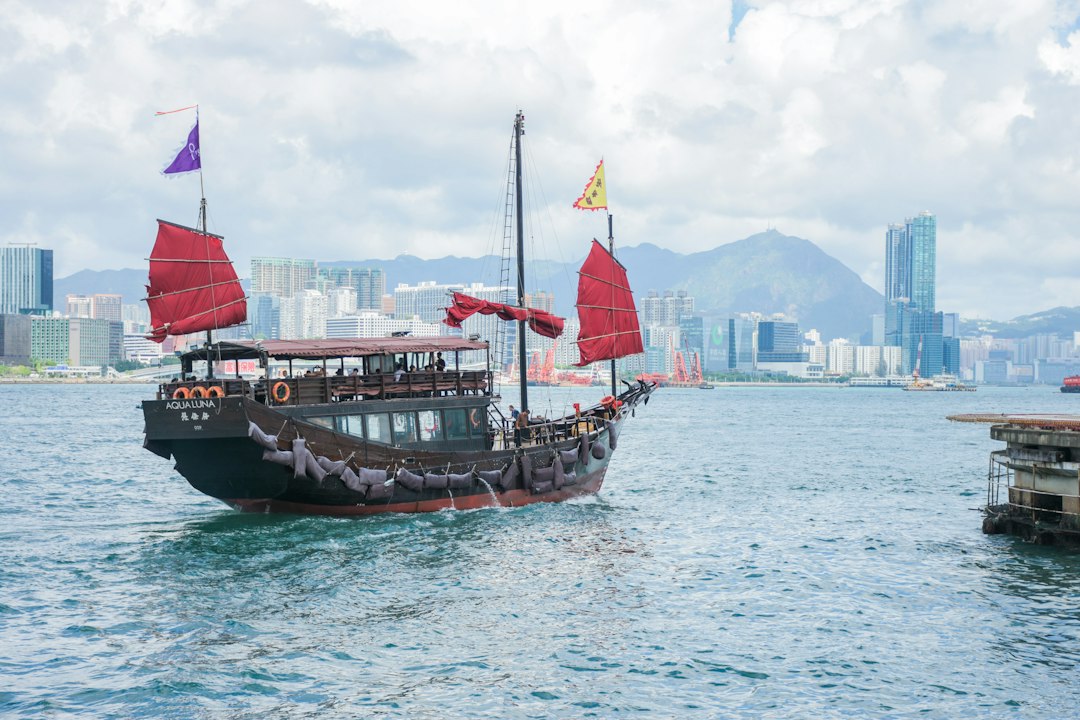
The exhibits on the opium trade are handled with more candour than you might expect, and the sections on typhoon history and the fishing communities of Aberdeen and Cheung Chau are genuinely absorbing. It is a museum that takes its subject seriously, which is not something you can say about all of Hong Kong's cultural institutions. It is also, on a weekday afternoon, almost entirely quiet.
Insider tip
The rooftop terrace offers a view of the harbour traffic that is worth the admission price on its own. Combined with a Star Ferry crossing, the museum makes a half-day that costs very little and leaves you with something to think about.
Stanley is the kind of place that reveals itself in inverse proportion to your expectations of it. Arrive expecting a market town with a nice beach and you will find exactly that, and be mildly satisfied, and leave. Arrive with some curiosity about what the south side of Hong Kong Island actually is — geographically, historically, socially — and you will find yourself walking further, staying later, taking the slow bus back over the hill in the dark and watching the city reassemble itself on the other side.
What strikes me, having come back to Stanley many times over many years, is how thoroughly it resists the narrative of Hong Kong as pure velocity. The city's reputation is for speed, density, ambition, the MTR running on the second. Stanley runs on a different clock. The market closes when it closes. The ferry to Lamma leaves when it leaves. The trail up to the Dragon's Back takes as long as it takes, and the view at the top is the same view whether you rush or not.
This is not a travel piece that will tell you Stanley changed your life. Places don't do that. What they do, occasionally, is slow your thinking down long enough that you notice something you would otherwise have walked past. On a good day in Stanley, that is enough.


