The second time I came on a Wednesday morning in February, arriving on the first bus from Mui Wo before the tour groups had assembled their lanyards. The difference was not subtle. Tai O in the quiet hours has a quality that is genuinely difficult to locate elsewhere in Hong Kong: the sense that the city's relentless metabolism has simply not reached here yet, or has reached here and been politely turned away at the door. Fishermen move around their boats with the unhurried efficiency of people who have never needed to perform their labour for an audience. Cats occupy the warmest patches of concrete with complete authority. The smell of shrimp paste, which the village has been producing for centuries and which the tour brochures always describe as 'pungent' with a kind of nervous apology, is actually the smell of the place working.
Tai O sits at the western tip of Lantau Island, roughly an hour by road from the airport and about three centuries from the Hong Kong most people come to see. What follows is not a list of things that will make you feel you've 'done' Tai O. It's a list of things that might make you want to come back on a Wednesday.
At a glance
- Scopri il fascino di Tai O Promenade a Hong Kong: the waterfront that earns its slowness
- Tai O Fishing Village: the stilt houses and what they actually contain
- Tian Tan Buddha, referred to as the "Big Buddha": what the crowds obscure
- Alla scoperta del Tian Tan Buddha a Hong Kong: the approach as the destination
- Scopri il Monastero di Po Lin a Hong Kong: the institution behind the icon
- Hong Kong : Tian Tan Buddha - The Big Buddha: the bronze and what it weighs
- Lantau Island, l'isola più grande di Hong Kong: the infrastructure of wilderness
- Man Mo Temple, an old Taoist temple: literature, war, and incense coils
Scopri il fascino di Tai O Promenade a Hong Kong: the waterfront that earns its slowness
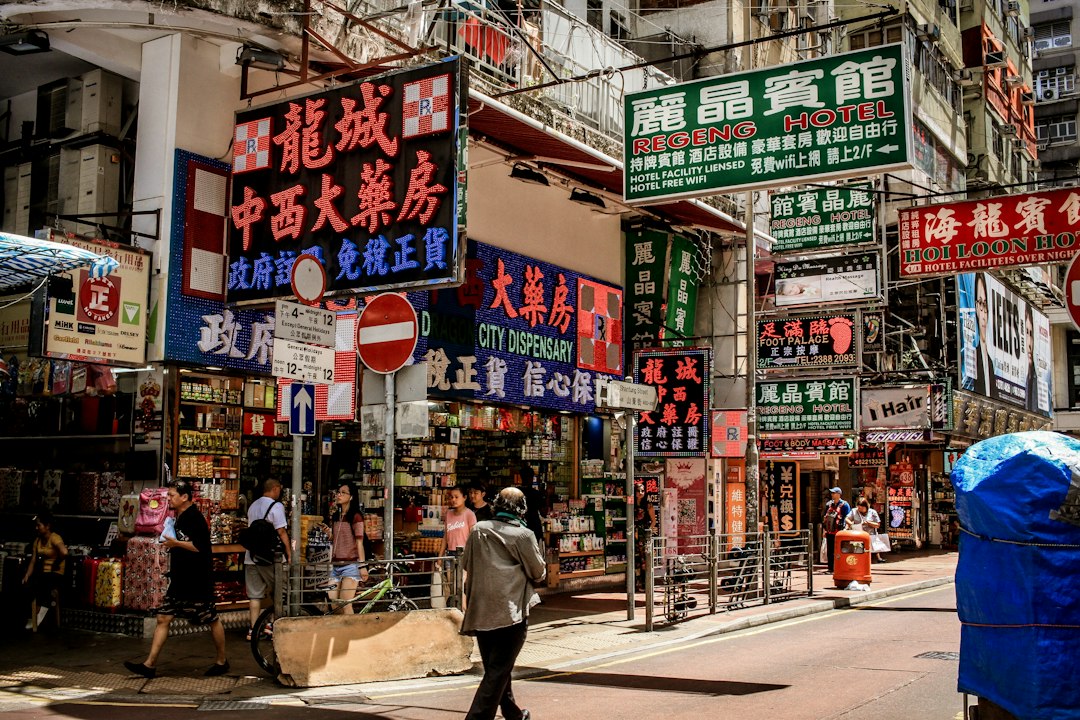
The best time to walk it is around six in the morning, when the light comes in low from the east and the water is the colour of old pewter. By nine o'clock the tour boats are running and the atmosphere shifts from documentary to theatrical.
Insider tip
Walk the full length to the western end where the creek opens toward the Pearl River estuary. On clear winter mornings you can see the outline of the Guangdong coast, which reframes Tai O's geography considerably — this is not a remote outpost but a border town.
Tai O Fishing Village: the stilt houses and what they actually contain

The village layout on the eastern bank rewards walking without a map. The lanes between the houses are narrow enough that you will inevitably turn into someone's drying laundry or interrupt a card game, both of which are recoverable situations. The dried seafood shops are genuine businesses, not heritage installations, and the prices reflect a local rather than a tourist economy.
Insider tip
The small boat tours of the creek are worth taking once, primarily to understand the scale of the stilt settlement from water level. Ignore the operators who promise pink dolphin sightings — the dolphins exist but the promises are optimistic.
Tian Tan Buddha, referred to as the "Big Buddha": what the crowds obscure
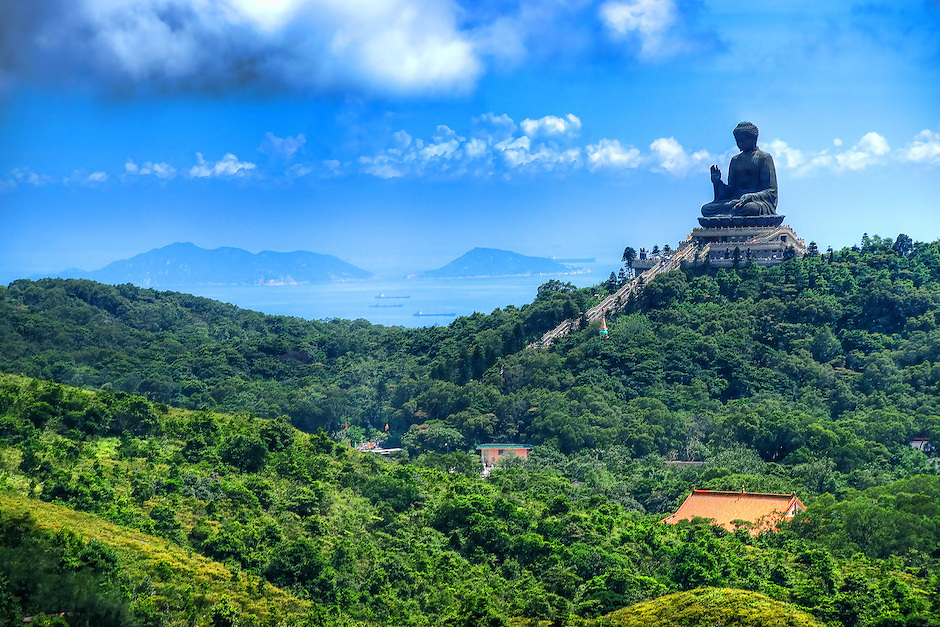
The crowds at Ngong Ping can be genuinely discouraging on weekends and public holidays. The cable car from Tung Chung is efficient but the queues are not. If you're coming from Tai O, the bus route 21 deposits you at Ngong Ping in about twenty minutes and tends to be used by locals rather than tour groups, which changes the arrival experience considerably.
Insider tip
The statue faces north — a deliberate orientation to look over the Chinese mainland. Standing behind it and looking south toward the South China Sea, with the Lantau hills dropping away, is a view that almost nobody takes.
Alla scoperta del Tian Tan Buddha a Hong Kong: the approach as the destination
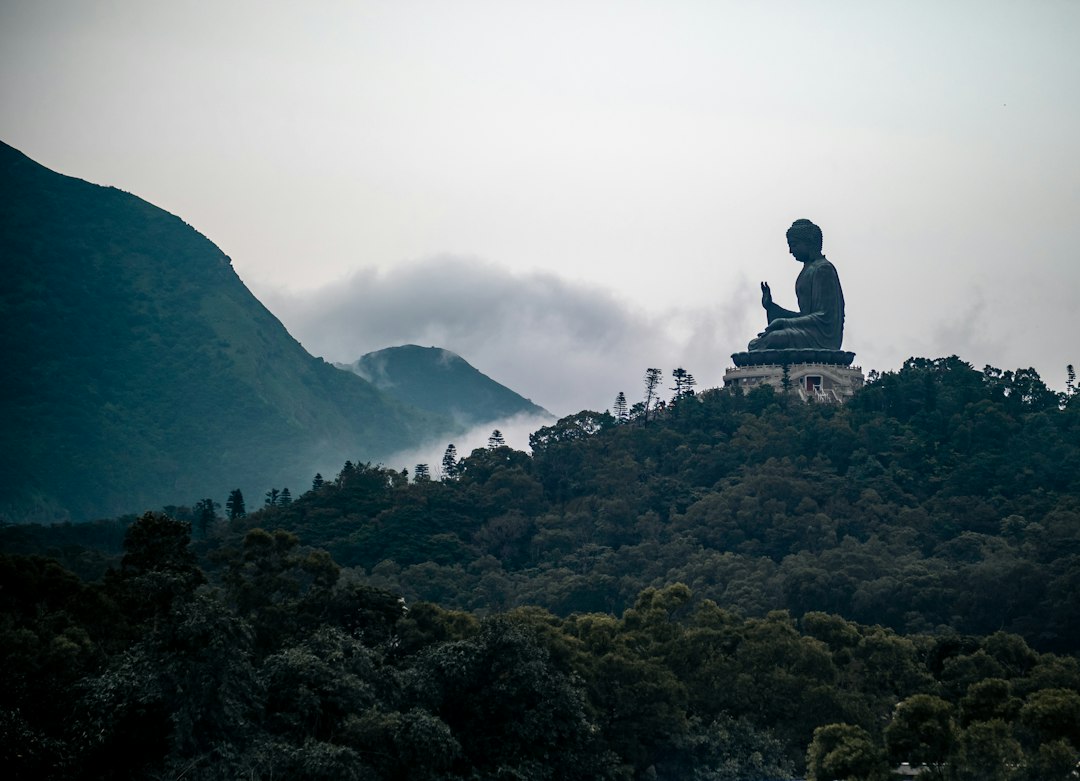
The hike takes roughly two to three hours depending on pace and the number of times you stop to reconsider your footwear choices. Proper shoes are not optional.
Insider tip
The trail passes several points where you can see both the northern and southern coasts of Lantau simultaneously. These moments, brief and unrepeatable depending on weather, are the reason to walk rather than take the bus.
Scopri il Monastero di Po Lin a Hong Kong: the institution behind the icon
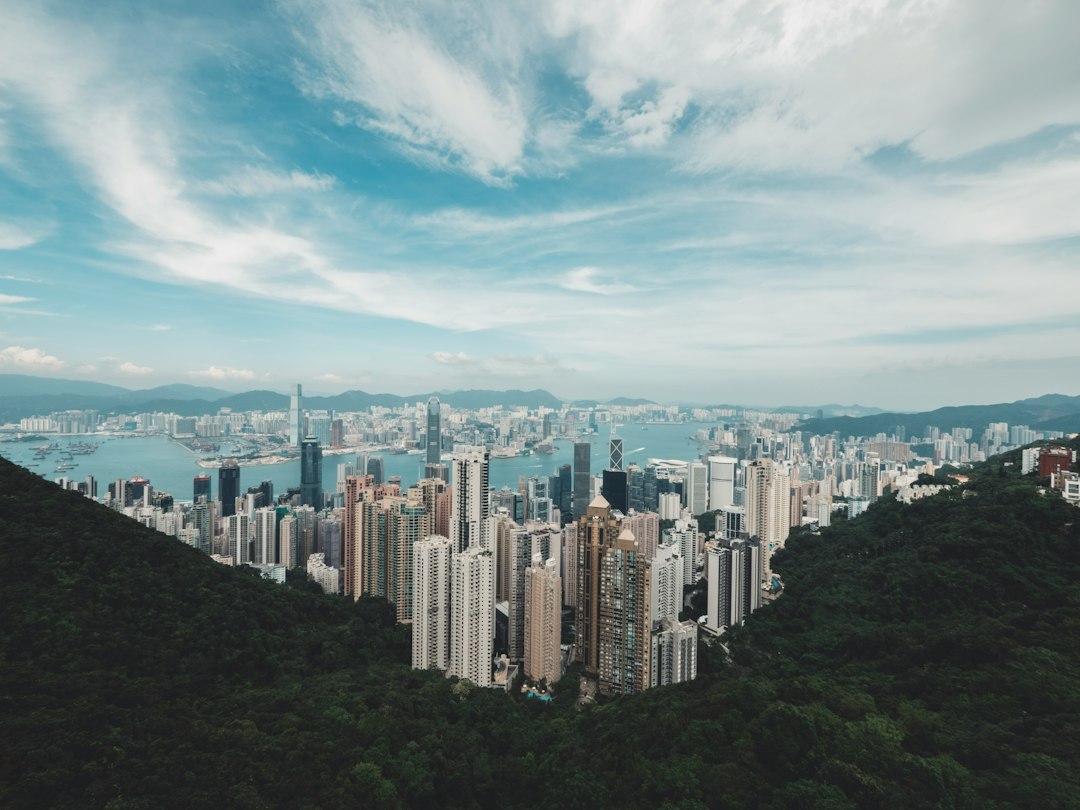
The monastery's name translates roughly as 'Precious Lotus,' though it's also been described as the 'Monastery of the Precious Lotus' in various sources. What it actually is, functionally, is a working religious institution that tolerates tourism with varying degrees of patience depending on the day and the behaviour of the visitors.
Insider tip
The vegetarian lunch served at the monastery's restaurant is fixed-price and served communally at large tables. It is filling, inexpensive, and eaten in conditions that are the opposite of Instagram-friendly, which is a point in its favour.
Hong Kong : Tian Tan Buddha - The Big Buddha: the bronze and what it weighs
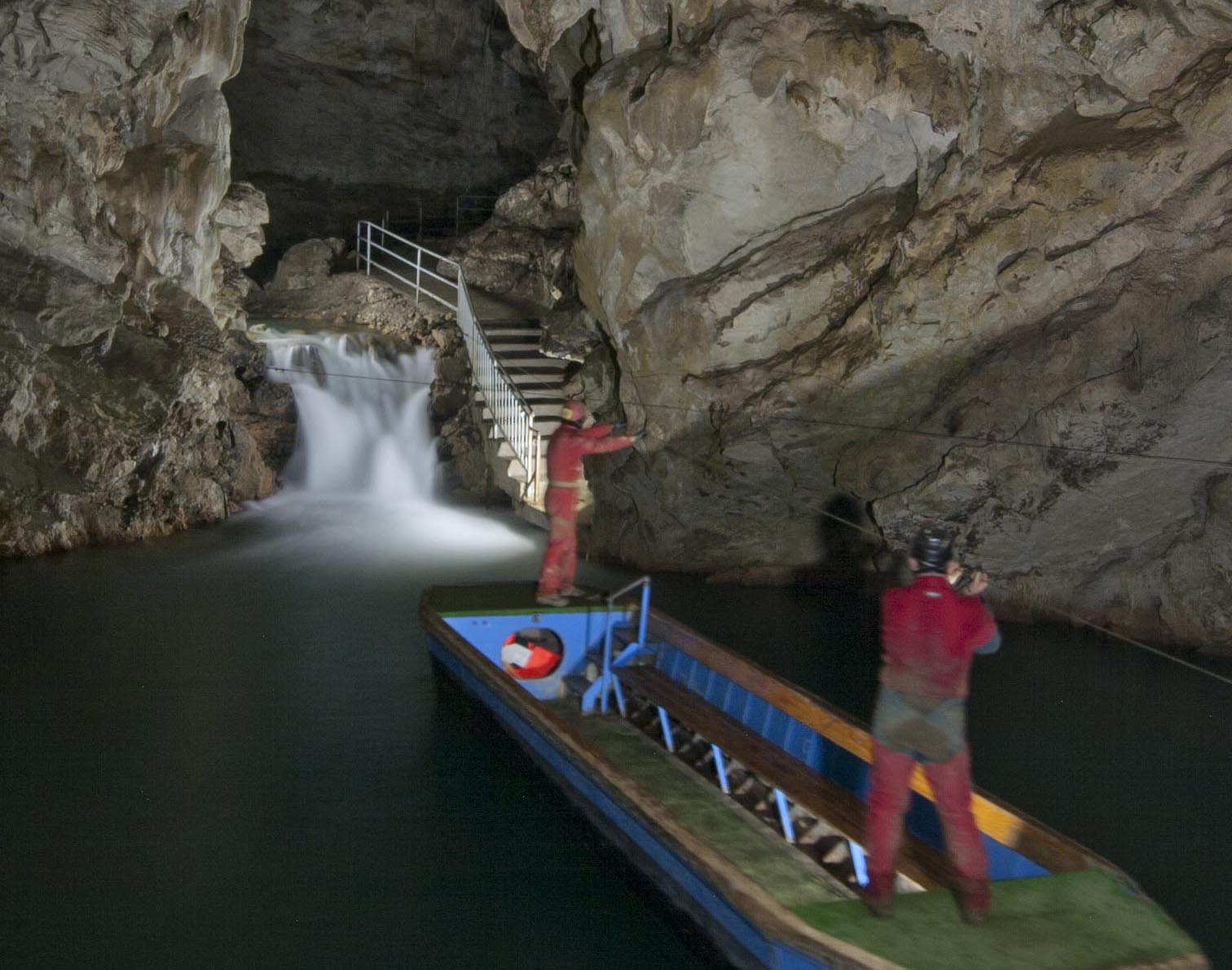
The Buddha faces north, toward the Chinese mainland, a deliberate orientation that carries considerable symbolic weight in the context of Hong Kong's political and cultural position. This is not a detail the visitor centre emphasises, but it is one worth sitting with.
Insider tip
Arrive before 10am on any day. The platform around the statue's base is large enough to feel uncrowded in the early morning, and the light on the bronze surface is different — cooler, less harsh — than it becomes by midday.
Lantau Island, l'isola più grande di Hong Kong: the infrastructure of wilderness

The island's infrastructure is uneven in ways that reward planning. The bus network connects the major settlements but operates on schedules that are not designed around tourist convenience. Renting a bicycle in Mui Wo and cycling the southern coastal road is a reasonable way to cover ground, though the road has sections that will test your confidence on descents.
Insider tip
The Lantau Trail, which circumnavigates the island's high ground in 70 kilometres of marked path, can be done in sections over multiple visits. The western sections, closest to Tai O, are the least trafficked and the most rewarding for that reason.
Man Mo Temple, an old Taoist temple: literature, war, and incense coils
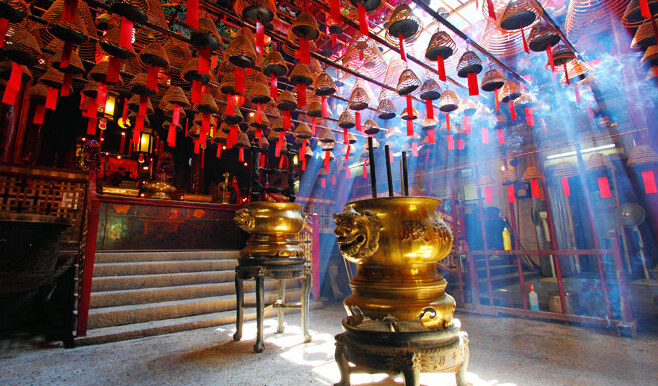
The interior is dark and fragrant with the slow burn of the large spiral incense coils that hang from the ceiling — these can stay lit for weeks. The effect is less solemn than atmospheric, and the soot on the ceiling beams represents a considerable accumulation of time. Visitors are welcome but the temple is not organised for them, which is the correct arrangement.
Insider tip
The temple is roughly halfway along the main lane through the village. Stop long enough for your eyes to adjust to the interior light before trying to make sense of what you're looking at — the altar arrangements reward attention.
There is a version of Tai O that exists in the tourism imagination — a preserved fragment of old Hong Kong, a living museum of Tanka culture, a counterpoint to the glass towers of Central — and it is not entirely wrong. The stilt houses are real. The shrimp paste is real. The fishermen are real, even if there are fewer of them each decade and the ones who remain are older than the ones before them.
But the version of Tai O that stays with you, if you give it enough time, is less legible than that. It is a place that has been shaped by water and commerce and the slow attrition of a way of life, and it has not resolved itself into a tidy narrative about heritage or resilience or the persistence of tradition. It is just a village at the edge of a large island, doing what villages do: continuing.
The honest thing to say about Tai O is that it will disappoint you if you arrive expecting it to be the thing the photographs promised, and it will reward you if you arrive early on a weekday in winter with no particular agenda and a willingness to eat whatever is being served at the nearest open stall. That is not a formula for a travel highlight. It is a formula for a morning that you will find yourself thinking about, unexpectedly, months later.


