That question took me longer to answer than I expected. Tiong Bahru is a neighbourhood that rewards a certain kind of attention — the kind that doesn't rush, that is willing to sit with a cup of kopi and watch a bus pass, that finds meaning in the gap between what a city used to be and what it is performing itself as now. Singapore is a city that has always been in a hurry. It tore down its colonial past with one hand and packaged it as heritage tourism with the other. Tiong Bahru escaped that cycle just enough to remain legible as a place where people actually live.
But this guide is not really about Tiong Bahru alone. The list of destinations I was given to work with pulls outward — toward Chinatown, toward the Southern Ridges, toward the waterfront — and I've followed that logic. Think of this as a guide to a particular way of moving through the city: on foot when possible, with low expectations, and with enough time to notice what the brochures leave out. I have tried to be honest about what disappoints as well as what doesn't.
At a glance
- Henderson Waves bridge: Highest pedestrian Bridge — form that earns its function
- Henderson Waves: Il Ponte dei Sogni di Singapore — the same bridge, a different walk
- Chinatown Complex: Un Viaggio Sensoriale a Singapore — a hawker centre that has not been sanitised
- Come visitare Chinatown Singapore con Secret World — the neighbourhood as palimpsest
- Scopri il Buddha Tooth Relic Temple di Singapore — four floors of sincere devotion
- Chinatown in Singapore — the social history beneath the shophouse paint
- Scopri il Fascino di Fort Canning Park a Singapore — a hill that has been many things
- Scoprire il Peranakan Museum di Singapore — a culture that resists easy summary
- Scopri il Fullerton Building di Singapore — a building that has outlasted its original purpose
- Scoprire il Merlion Park: il cuore di Singapore — the icon and its discontents
Henderson Waves bridge: Highest pedestrian Bridge — form that earns its function

That said, go on a weekday if you can. On weekend mornings it fills with joggers and photographers, and the solitude that makes the bridge worth visiting evaporates entirely. The walk from Tiong Bahru takes about twenty-five minutes through residential streets that most visitors never see.
Insider tip
The alcoves along the bridge's spine have built-in benches. Sitting in one at around 7pm, when the sky is doing something interesting and the city lights are just beginning to assert themselves, costs nothing and requires no booking.
Henderson Waves: Il Ponte dei Sogni di Singapore — the same bridge, a different walk
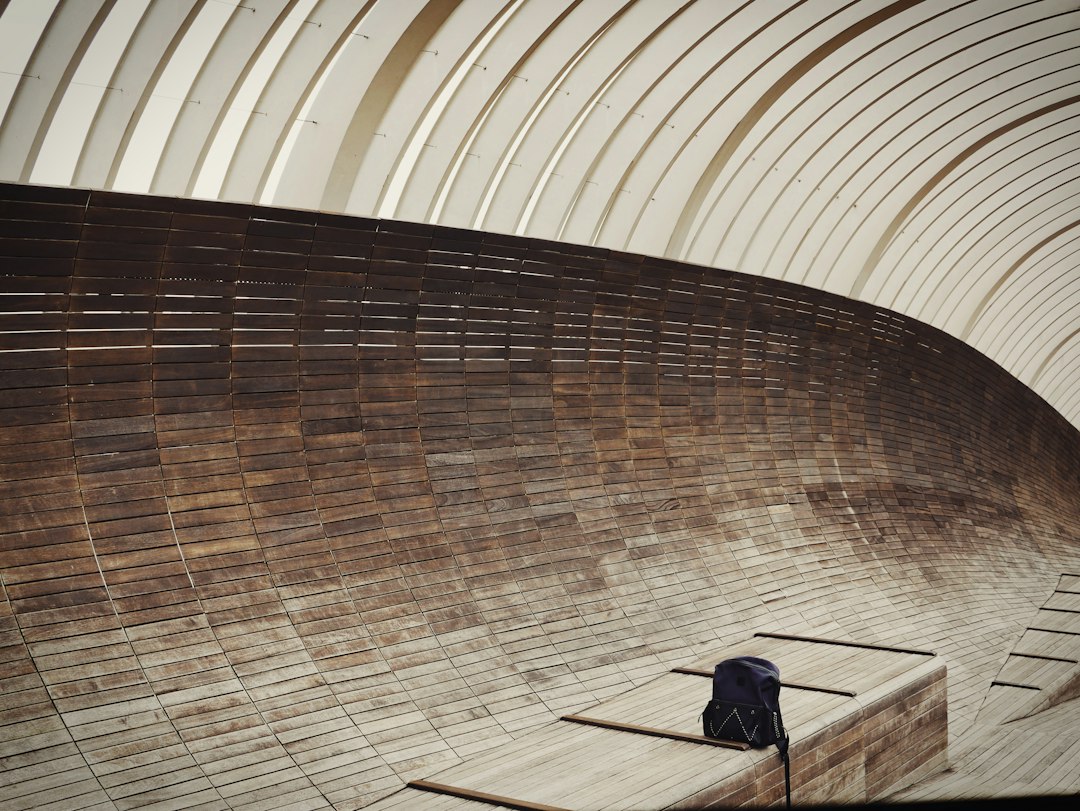
The trail is well-maintained but not entirely flat, and the signage is inconsistent enough that a downloaded map is worth having. The forest is real forest — monitor lizards, long-tailed macaques, the occasional reticulated python — which is worth knowing before you take small children or anyone with a strong opinion about reptiles.
Insider tip
The stretch of boardwalk between Henderson Waves and the Forest Walk tower is almost always quieter than the bridge itself. If the bridge is crowded, keep walking — the views from the tower are comparable and the crowds are not.
Chinatown Complex: Un Viaggio Sensoriale a Singapore — a hawker centre that has not been sanitised
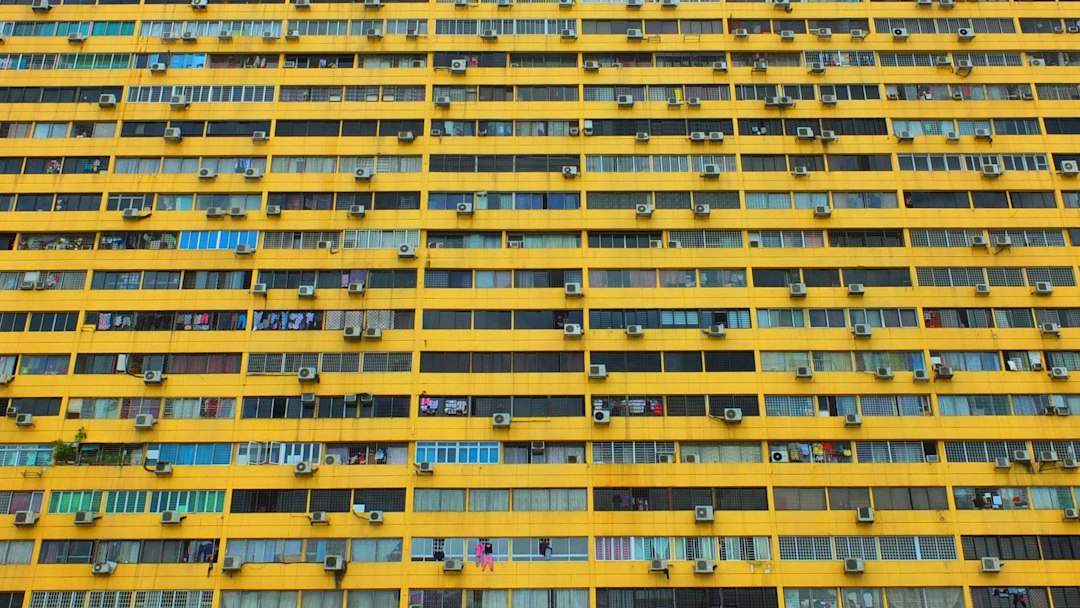
The wet market on the lower floors is less visited by tourists and more interesting for it — live seafood, cuts of meat that don't appear on restaurant menus, elderly women buying ingredients with the focused efficiency of people who have been cooking the same dishes since before you were born. Go early. By 9am the best stalls are already running low.
Insider tip
The queue for the Michelin-starred soya sauce chicken stall is real and can exceed an hour. There are other excellent stalls in the same building that require no waiting at all. Manage expectations accordingly.
Come visitare Chinatown Singapore con Secret World — the neighbourhood as palimpsest
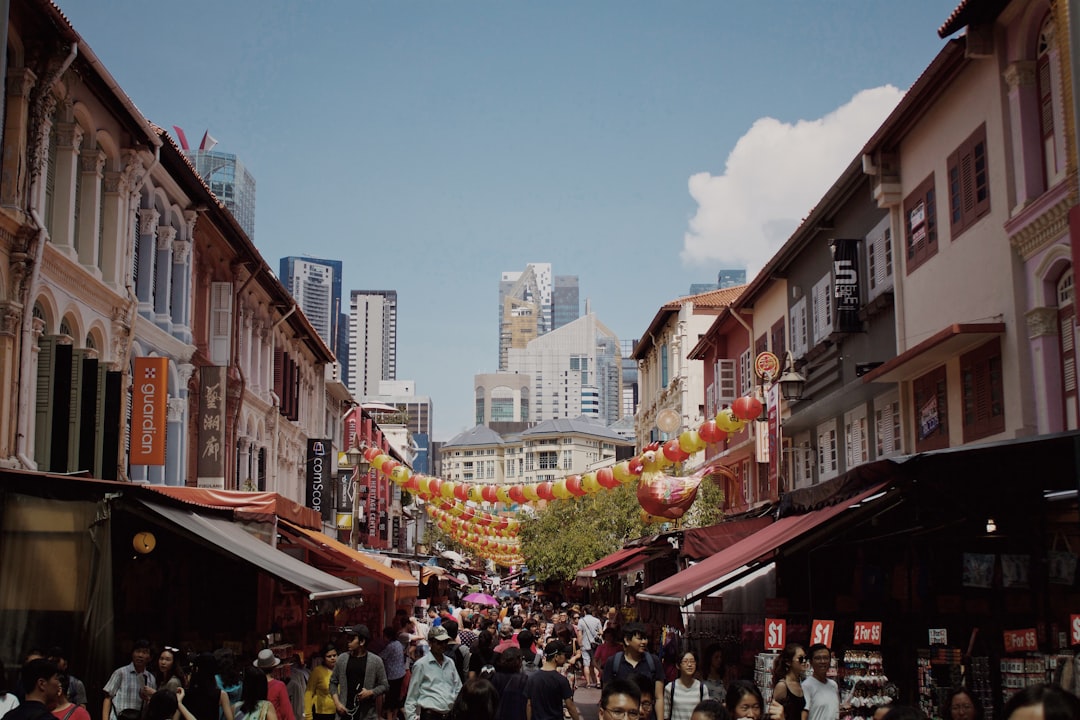
What remains underneath the heritage packaging is genuinely interesting: clan associations in buildings that predate independence, provision shops that still stock items no supermarket carries, the spatial logic of a neighbourhood that was designed for a community that has largely moved on. Walking with a guide who knows the social history — rather than just the architecture — changes what you see.
Insider tip
Ann Siang Hill and Club Street, just at the edge of Chinatown, have a slightly different register — fewer tourist stalls, more bars and independent shops — and reward an evening wander more than the main tourist drag does.
Scopri il Buddha Tooth Relic Temple di Singapore — four floors of sincere devotion

The scale of devotion on display — the incense, the chanting, the steady procession of worshippers who are not there for the architecture — is the thing that makes the visit worthwhile. Dress modestly, move quietly, and understand that you are a guest in a place of active religious practice, not a visitor to a museum.
Insider tip
The rooftop garden is rarely crowded and offers an unexpectedly calm interlude. The vegetarian restaurant on the ground floor serves a simple, inexpensive lunch that is better than it needs to be.
Chinatown in Singapore — the social history beneath the shophouse paint

Most of this is invisible to a casual walk-through, which is why the neighbourhood rewards reading before visiting. C.J. Wan-Ling Wee's work on Singapore's cultural policy, or simply a good local history, will recalibrate what you notice on the street. The colourful shophouses are real. So is the history they're now being asked to decorate.
Insider tip
The Chinatown Heritage Centre on Pagoda Street is uneven as a museum experience but contains some genuinely affecting reconstructions of early-twentieth-century living conditions in the shophouses — worth thirty minutes of your time.
Scopri il Fascino di Fort Canning Park a Singapore — a hill that has been many things
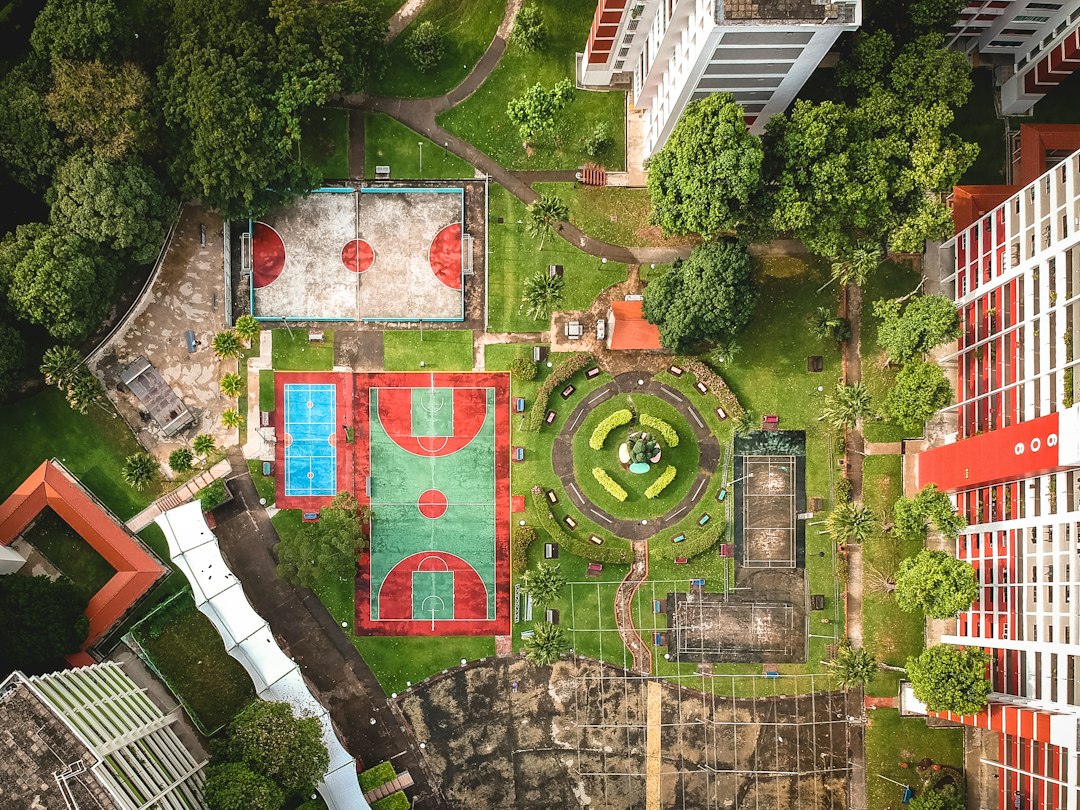
The hill sits just north of the Singapore River and is walkable from the Bras Basah area. The trees are large and old enough to provide real shade, which in Singapore is not a minor consideration. The park is well-maintained in the way that all Singapore parks are well-maintained — sometimes to a fault, with signage that explains everything and therefore explains nothing.
Insider tip
The spice garden near the Raffles House replica is small but carefully planted and almost always empty. It is a good place to sit and read for an hour without being asked to do anything.
Scoprire il Peranakan Museum di Singapore — a culture that resists easy summary
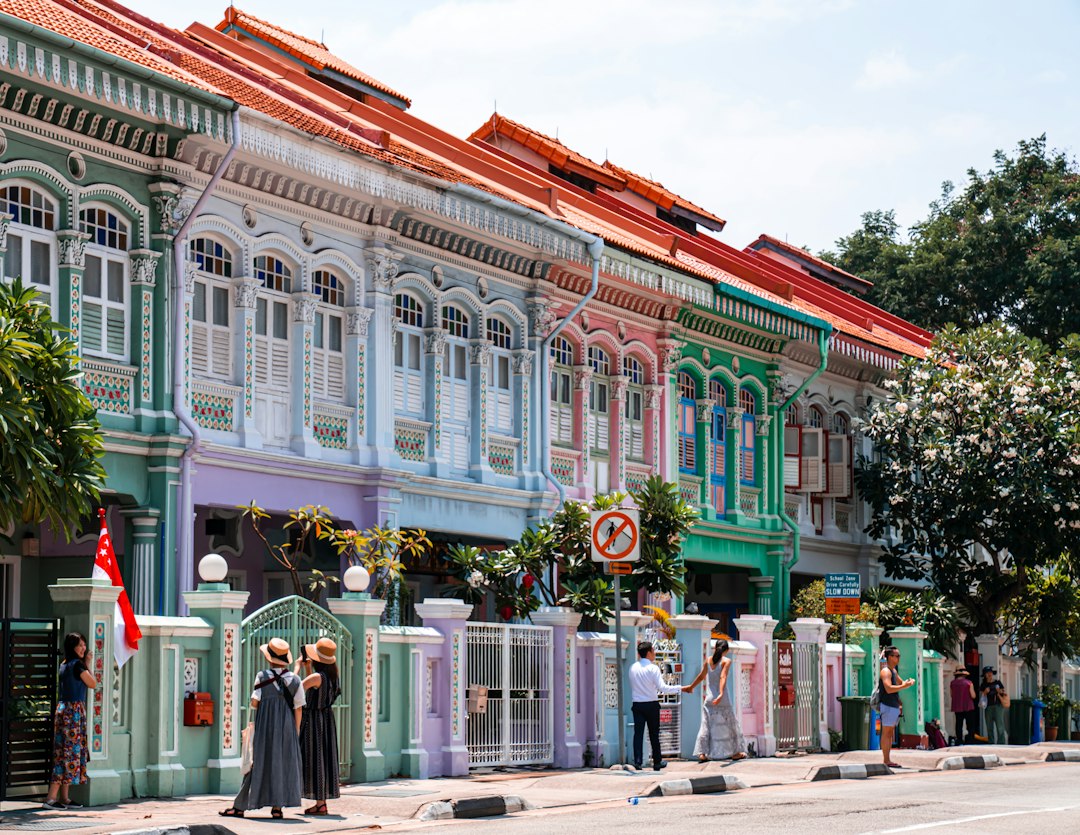
The museum was renovated and reopened in 2021 with a significantly expanded collection and a more sophisticated interpretive approach than its previous iteration. The beadwork alone — the kebaya blouses, the wedding slippers — represents a level of craft that stops you in a way that most museum objects don't. The building itself, with its high ceilings and tiled floors, is worth the entrance fee before you've looked at a single exhibit.
Insider tip
The museum shop sells a small selection of genuinely good books on Peranakan history and material culture. It is one of the better museum shops in the city, which is a low bar, but it clears it.
Scopri il Fullerton Building di Singapore — a building that has outlasted its original purpose

As a hotel it is expensive and self-consciously grand. As a piece of urban history it is worth walking around even if you're not staying there. The Fullerton Heritage precinct around it includes the old Clifford Pier, which has been converted into a restaurant space — a fate that is either a preservation success or a cautionary tale, depending on your tolerance for adaptive reuse.
Insider tip
The pedestrian underpass between the Fullerton and the waterfront is lined with photographs and text documenting the building's history. It is free, air-conditioned, and takes about ten minutes — a better introduction to the building than the hotel lobby.
Scoprire il Merlion Park: il cuore di Singapore — the icon and its discontents
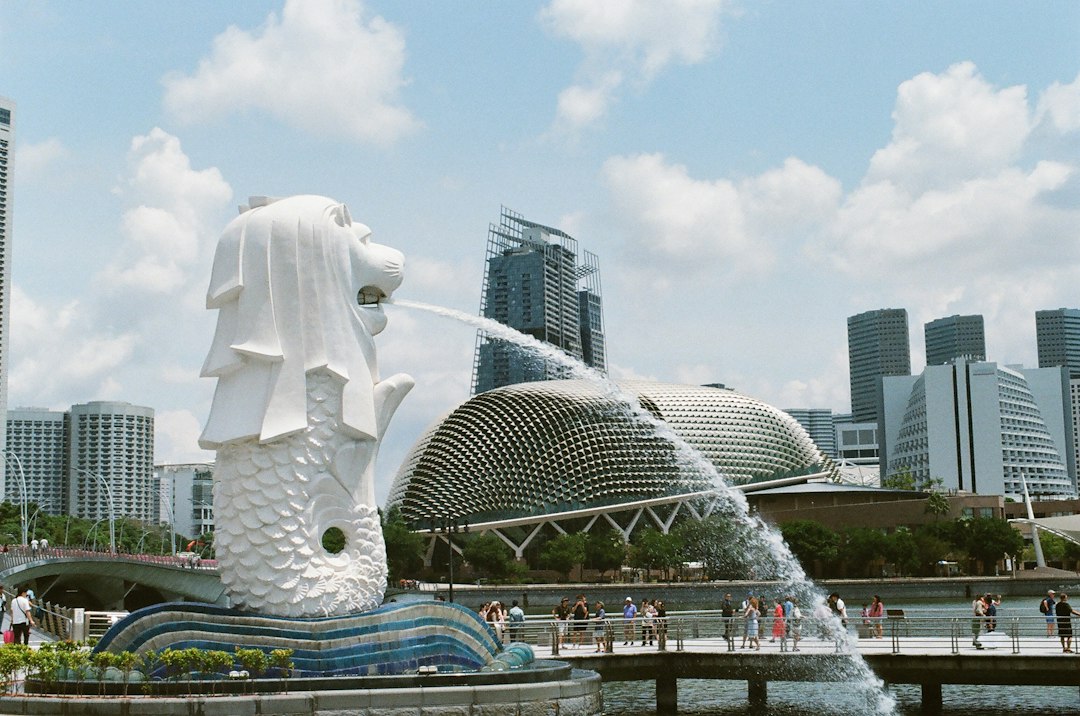
And yet. The location is genuinely good: the view across Marina Bay to the Marina Bay Sands and the financial district skyline is the view that appears on every piece of Singapore promotional material for a reason. The waterfront promenade is wide and walkable, the river has been cleaned up dramatically since its industrial days, and standing there at dusk watching the city light up across the water is one of those experiences that works despite itself — despite the crowds, despite the souvenir sellers, despite the fact that you knew exactly what it would look like before you arrived.
Insider tip
The smaller Merlion on the promontory to the right of the main statue is almost always photographed less and stood in front of less. If you want a cleaner sightline across the bay, that is where to stand.
There is a version of Singapore that the city would like you to take home with you: efficient, gleaming, multicultural in a way that has been carefully curated and legally enforced. That version is not false. It is just incomplete.
What I keep returning to, after years of living here and leaving and coming back, is the gap between the city's self-presentation and the texture of daily life that persists underneath it — in the hawker centres where the air-conditioning has never arrived, in the clan associations that still meet on Tuesday evenings, in the old men playing chess in the void decks of HDB blocks that no one has thought to photograph yet. Tiong Bahru and its surroundings hold more of that texture than most parts of the city, which is why the neighbourhood has attracted the kind of attention that threatens to smooth it away.
The places in this guide are not secrets. Several of them are on every tourist itinerary in the city. But there is a way of visiting them — slowly, on foot, with some knowledge of what they were before they were what they are now — that returns something of their original weight. Singapore is a city that has always been building toward a future it hasn't quite reached. The most interesting thing about it is what got left behind in the process.
What I keep returning to, after years of living here and leaving and coming back, is the gap between the city's self-presentation and the texture of daily life that persists underneath it — in the hawker centres where the air-conditioning has never arrived, in the clan associations that still meet on Tuesday evenings, in the old men playing chess in the void decks of HDB blocks that no one has thought to photograph yet. Tiong Bahru and its surroundings hold more of that texture than most parts of the city, which is why the neighbourhood has attracted the kind of attention that threatens to smooth it away.
The places in this guide are not secrets. Several of them are on every tourist itinerary in the city. But there is a way of visiting them — slowly, on foot, with some knowledge of what they were before they were what they are now — that returns something of their original weight. Singapore is a city that has always been building toward a future it hasn't quite reached. The most interesting thing about it is what got left behind in the process.


